
Western North Carolina’s mountain towns are experiencing a shift as more travelers extend their stays. Remote work, flexible travel schedules, and furnished cabin rentals encourage visitors to settle in for weeks instead of weekends. These towns offer forest access, cool-weather getaways, and small-town convenience, making longer visits practical. As properties adjust to monthly bookings and businesses support steady demand, the region sees a noticeable change in how guests interact with local communities. What were once short-trip destinations are now areas where visitors stay long enough to create temporary routines.
1. Boone
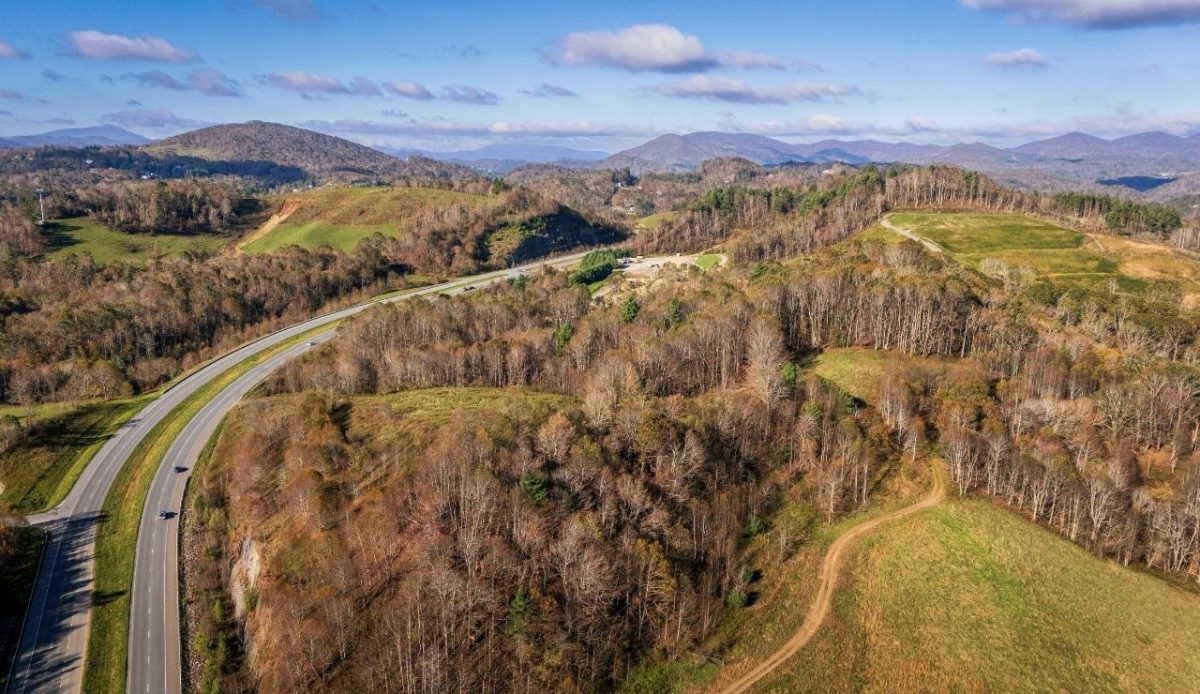
Boone sits in the High Country and remains popular for its university setting, ski areas, and steady outdoor activity. Recently, more visitors have begun staying for longer periods, relying on strong internet access and furnished rentals designed for remote work. Property owners now offer extended-stay options that support a balanced routine of hiking, dining, and at-home productivity. Boone’s mix of nature and convenience helps it transition from a short-stop getaway to a place where travelers feel comfortable staying for several weeks at a time.
2. Banner Elk
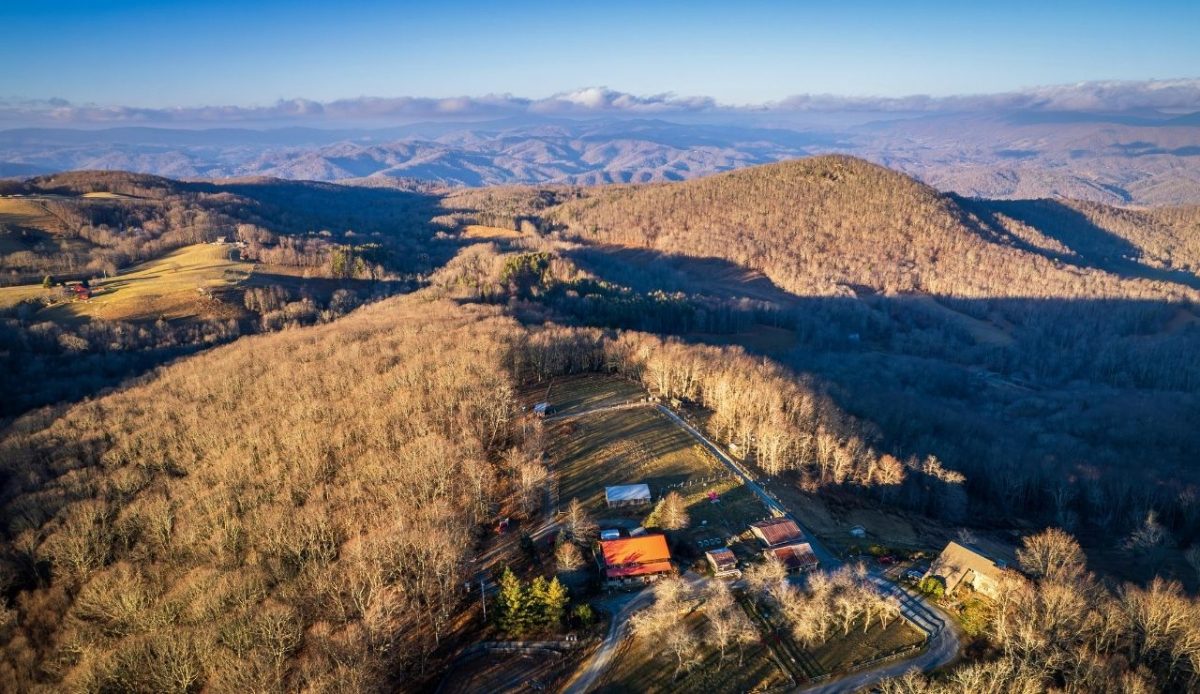
Banner Elk, known for its mountain scenery and ski access, has seen more guests booking longer visits in every season. Weekly and monthly rentals have become more common as travelers seek a slower pace and the ability to work from a cabin. Local businesses notice the change through returning customers who remain in town longer. Visitors appreciate the calmer environment, dependable services, and outdoor space that make extended stays appealing. Banner Elk now supports a blend of vacationers, remote workers, and seasonal guests who spend more time exploring the area.
3. Black Mountain
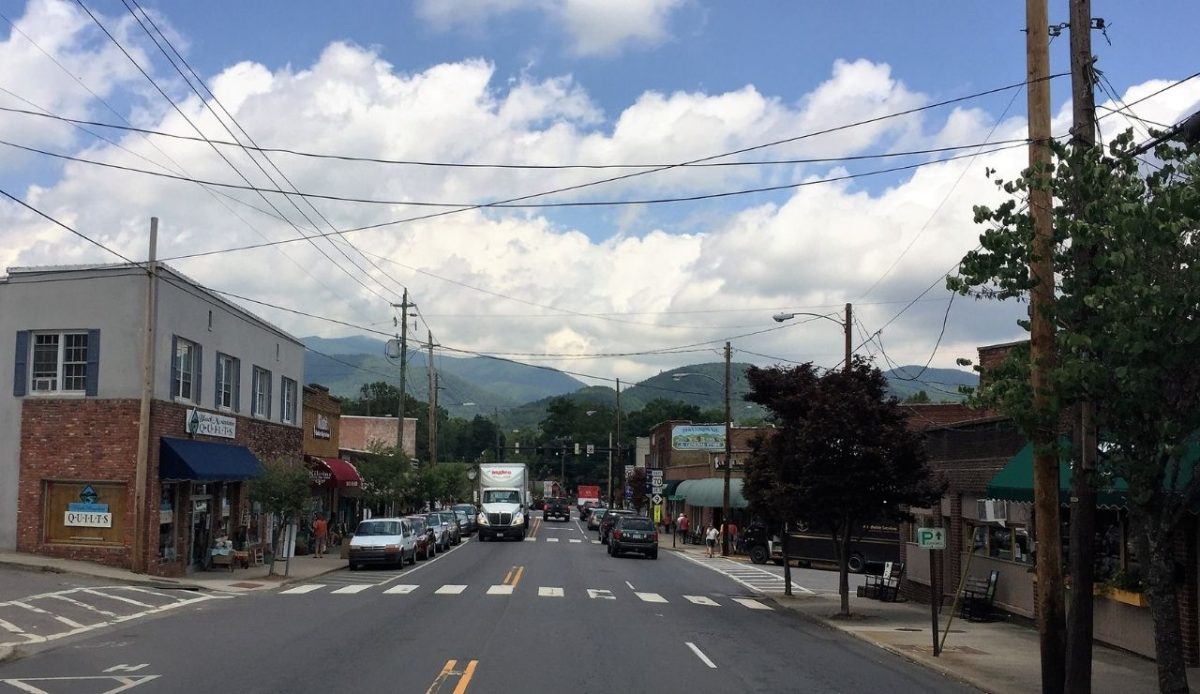
Black Mountain’s walkable streets and proximity to Asheville make it an attractive choice for visitors staying longer than a weekend. More shops now offer delivery options, and several rentals promote home-style setups that suit extended stays. Travelers appreciate the small-town feel combined with easy access to nearby trails and parks. As longer stays increase, the town adjusts with services that cater to practical needs such as groceries and steady internet. Black Mountain’s calm atmosphere and convenience help it evolve into a destination where visitors stay for longer periods.
4. Waynesville
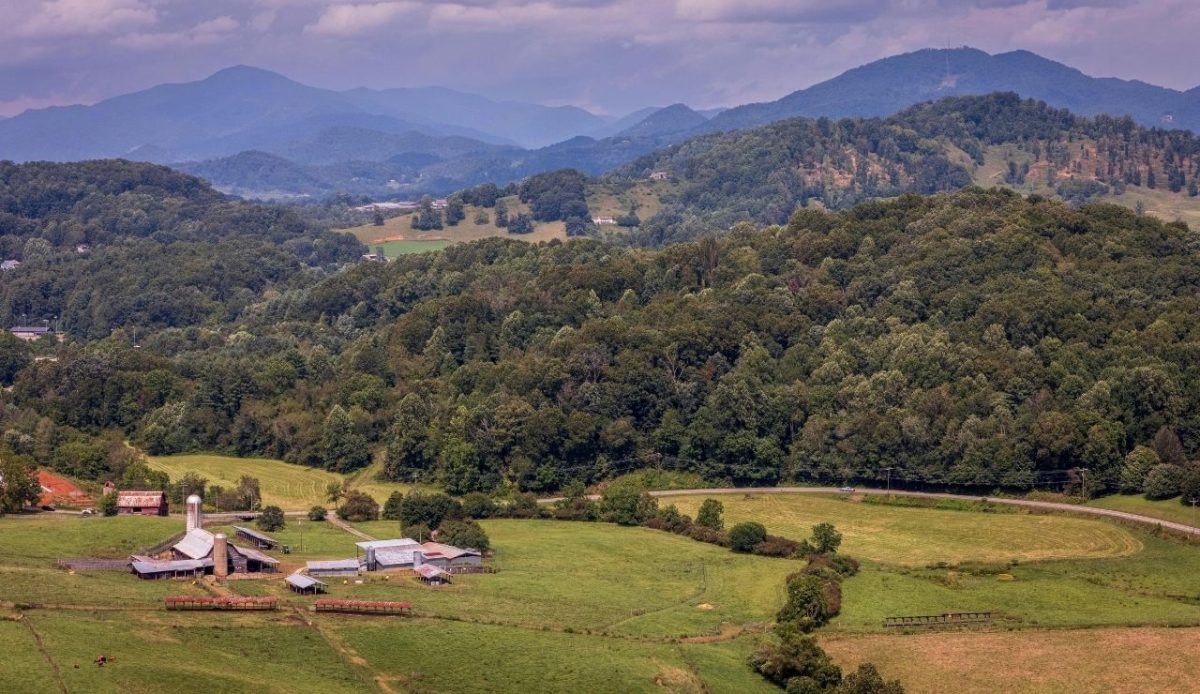
Waynesville benefits from access to the Great Smoky Mountains National Park and a growing number of cabins designed for extended visits. Travelers who once planned short hiking trips now stay for multiple weeks, relying on furnished rentals with workspace areas and reliable WiFi. As demand increases, local lodging providers offer flexible check-in options and home-like amenities. Businesses see more consistent traffic from guests who settle into routines rather than quick weekend schedules. Waynesville’s combination of scenery and comfort supports this steady rise in long-stay visitors.
5. Maggie Valley
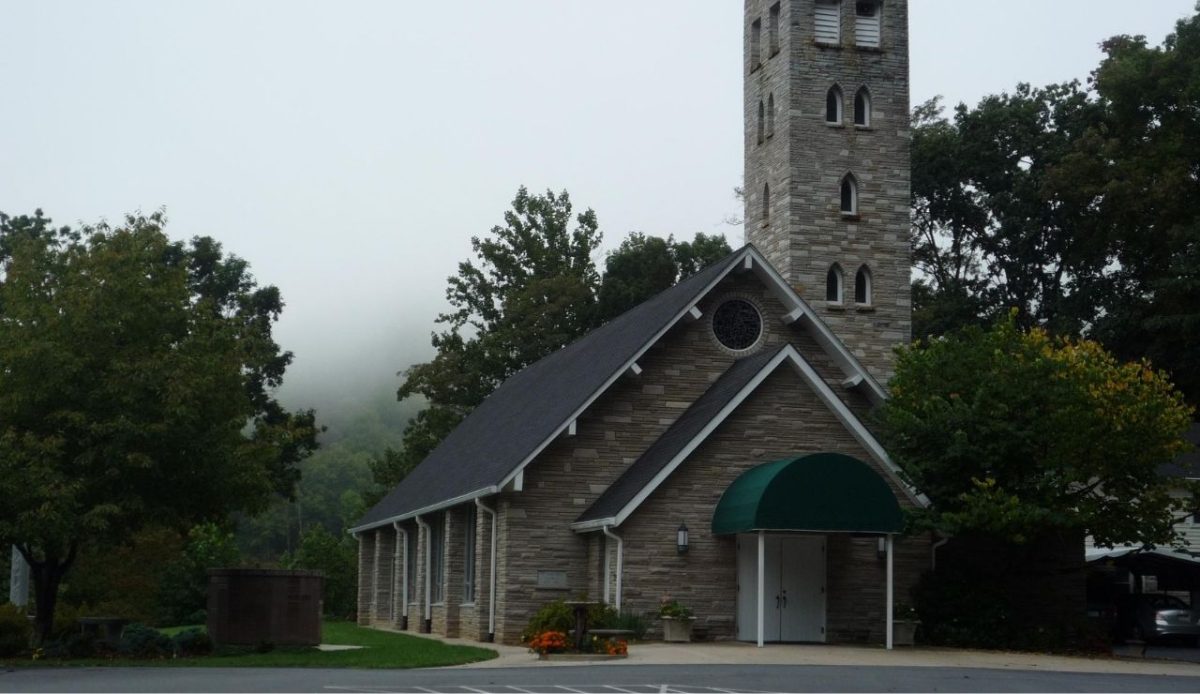
Maggie Valley continues to shift from a brief vacation stop to a town where travelers stay for longer stretches. Visitors enjoy its access to Blue Ridge Parkway viewpoints, nearby trails, and open space that supports a relaxed lifestyle. Cabins offering improved internet and monthly rates attract remote workers as well as families seeking extended breaks. Local restaurants and shops notice more returning customers who remain in town for several weeks. Maggie Valley’s steady environment and outdoor options help maintain this growing interest in longer stays.
6. Bryson City
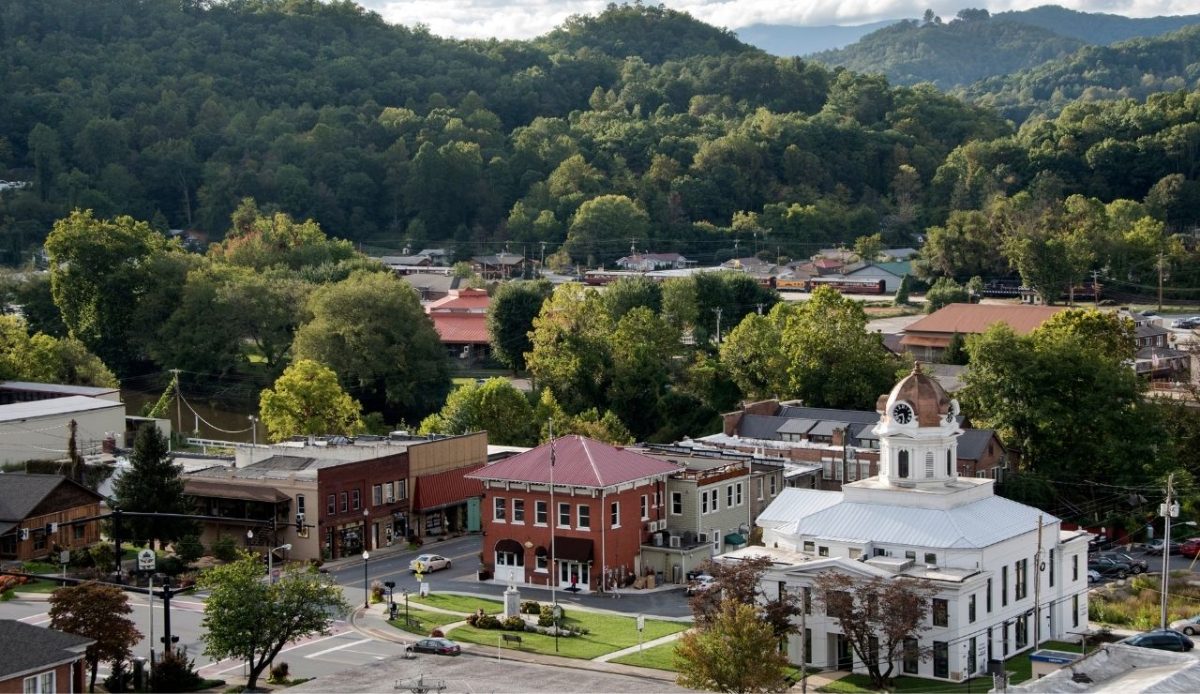
Bryson City draws visitors with its proximity to the Great Smoky Mountains National Park and the scenic railway that remains a major attraction. Recently, extended-stay guests have created new demand for furnished cabins and lodging with everyday essentials. Travelers who stay longer enjoy stable internet, quiet neighborhoods, and easy access to outdoor recreation. Businesses now adjust their services to support routine needs such as groceries and flexible dining hours. Bryson City continues to shift as more guests treat it as a place to stay for longer periods rather than just a quick destination.
7. Sylva
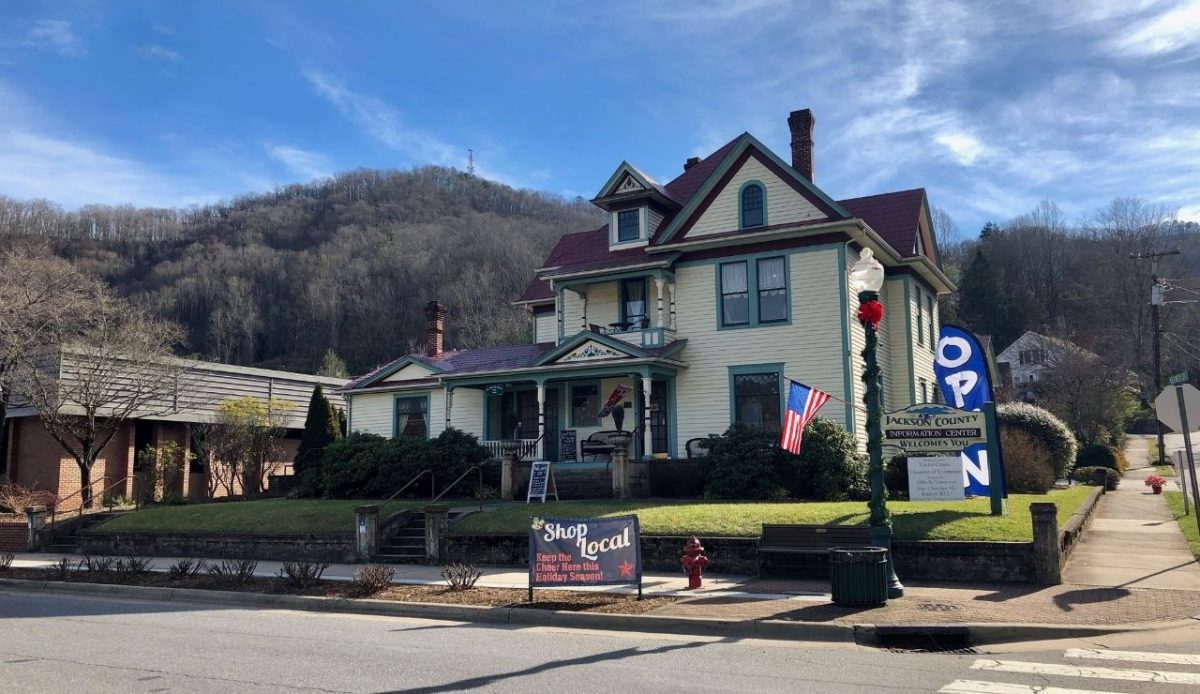
Sylva offers a blend of mountain scenery and small-town convenience that appeals to long-stay visitors. Its downtown area, nearby rivers, and access to Western Carolina University resources make it practical for extended trips. Property owners now provide more rentals with comfortable setups and dependable internet. Local coffee shops, markets, and restaurants notice an increase in guests who stay for several weeks. As a result, Sylva is becoming a steady base for travelers who want both recreation and everyday comfort during their visits.
8. Brevard
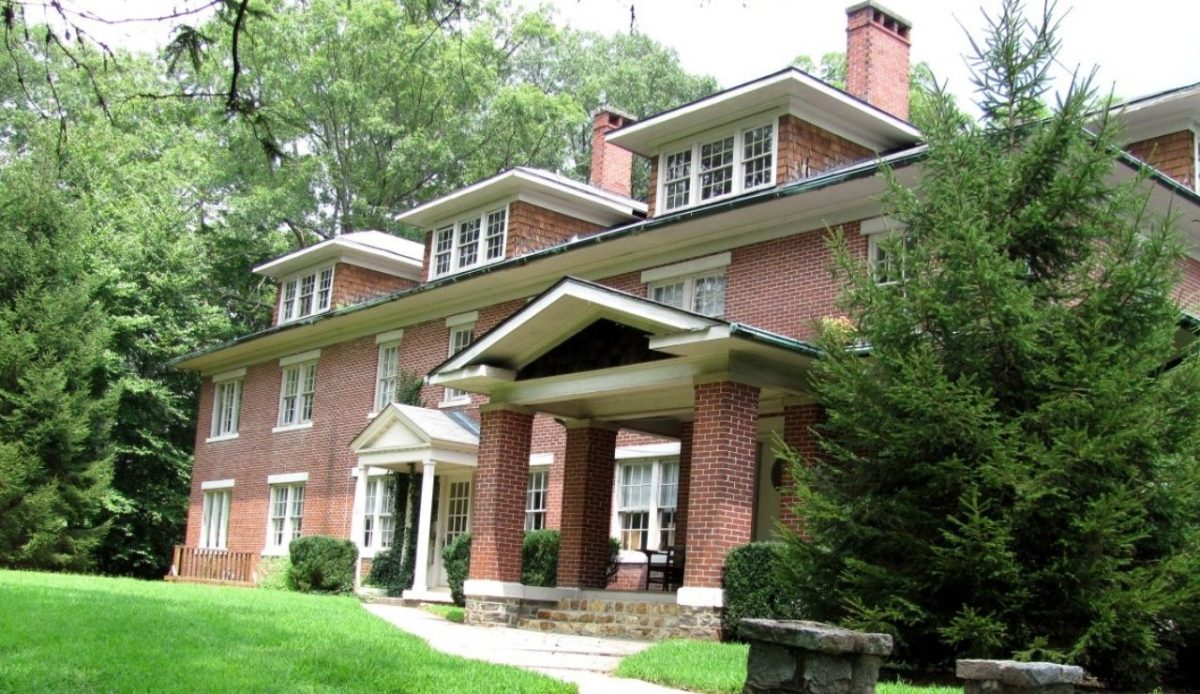
Brevard attracts longer-stay travelers with its cool climate, scenic forests, and many waterfalls. More cabin owners now market their properties to visitors seeking extended vacations or remote work environments. Brevard’s grocery options, cafes, and relaxed pace support a routine-friendly stay. Travelers enjoy the ability to mix outdoor activity with workdays, which increases demand for comfortable and flexible rentals. The town’s shift reflects a broader trend of visitors seeking more time in nature with easy access to daily services.
9. West Jefferson
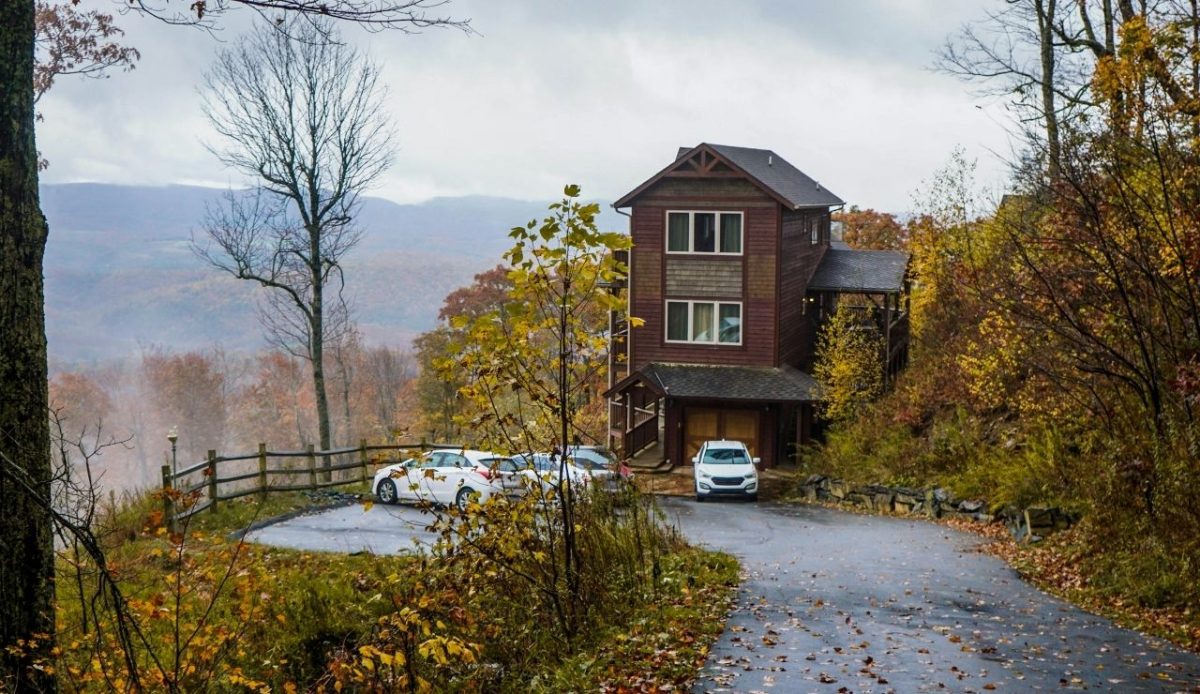
West Jefferson stands out for its art scene, walkable downtown, and mountain views that appeal to guests wanting a slower pace. The rise in longer stays has encouraged property owners to update rentals with workspace areas and comfortable furnishings. Travelers enjoy the quiet streets, small shops, and calm environment that support multi-week visits. As more visitors stay longer, the town sees steadier business activity throughout the year. West Jefferson continues to adjust its lodging and services to meet this growing demand for extended stays.
