
Japan draws tens of millions of visitors every year, and in 2026, both Osaka and Tokyo are more popular than ever. The travelers who leave satisfied are almost always the ones who did a little homework before they arrived, not just about what to see, but about what to avoid.
First-timers and repeat visitors fall into the same traps. They overpay on transportation, show up at restaurants at the wrong hour, and spend precious days in places that offer very little beyond a crowd. This guide covers nine of the most common mistakes made in these two cities, with specific advice on how to sidestep each one.
1. Not Getting an IC Card on Day One
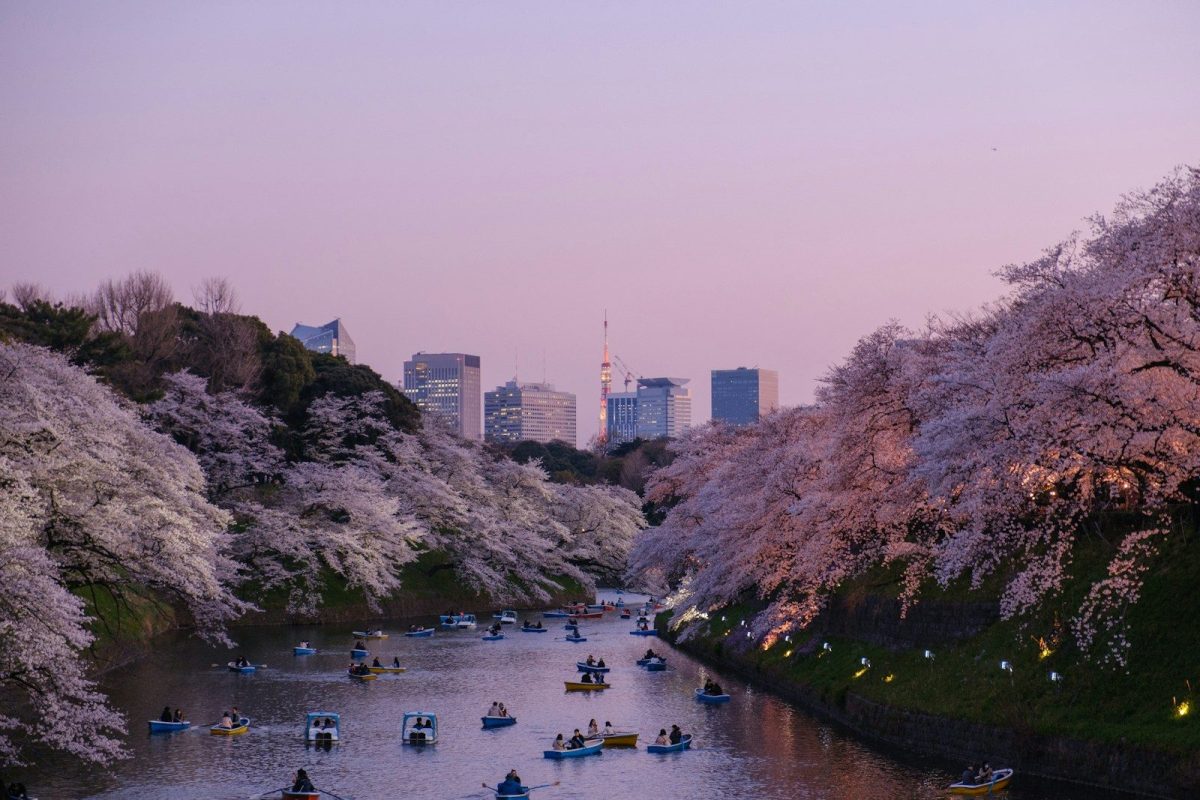
An IC card is a rechargeable contactless card that works on nearly every subway, train, and bus line in both cities. It also pays at convenience stores, vending machines, and many small restaurants. The two main versions are Suica (Tokyo) and ICOCA (Osaka). Either works in both cities.
Buying individual tickets at the machine for every journey costs more money and wastes time. Pick up an IC card the moment you clear customs. As of 2026, Mobile Suica through Apple Wallet or Google Pay has become the standard choice for international travelers. Setting it up before departure skips the machine queue entirely.
2. Assuming the JR Pass is Always Worth It
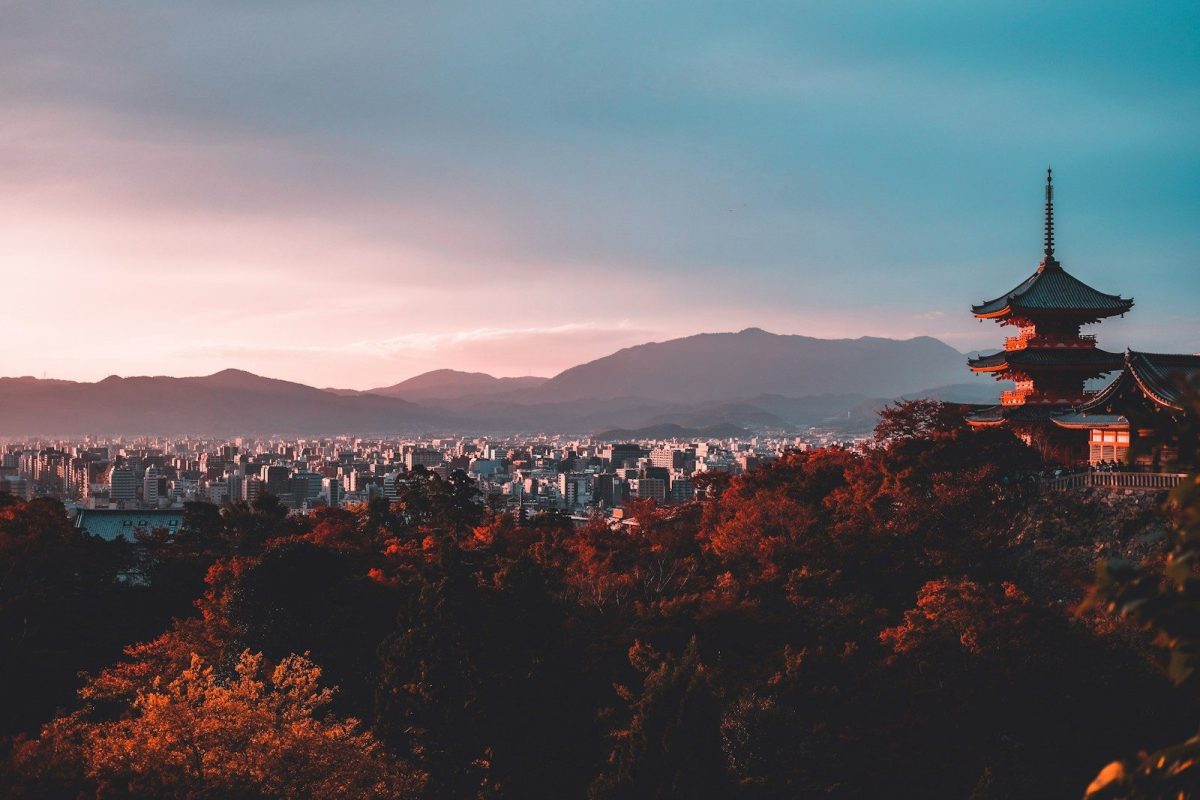
The Japan Rail Pass has a strong reputation, but whether it saves money depends entirely on the itinerary. Travelers spending most of their time within Osaka or Tokyo, using local metro lines rather than long-distance Shinkansen routes, often pay more for a JR Pass than they would on pay-as-you-go fares.
Before purchasing, add up the individual ticket prices for every planned intercity journey and compare the total to the pass price. Regional alternatives like the Osaka Amazing Pass frequently make more financial sense for city-focused trips.
3. Spending All of Osaka in Dotonbori
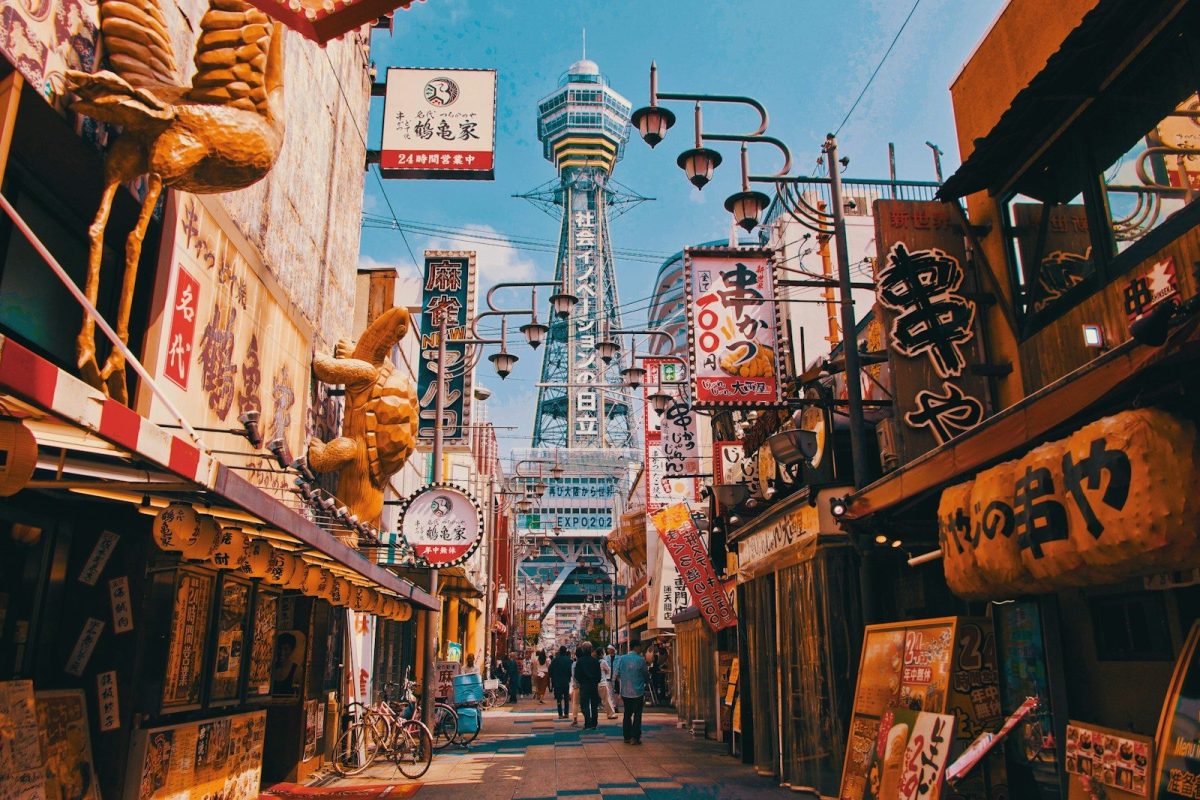
Dotonbori and Shinsaibashi are the obvious starting points, but in 2026 these areas are genuinely packed for most of the day. The city has far more to offer. Shinsekai, a retro working-class neighborhood to the south, has affordable kushikatsu restaurants and a pace that feels nothing like the tourist center. Nakazakicho, a short subway ride north, is lined with vintage shops and independent cafes.
Osaka’s reputation is built on everyday pleasure. The locals call it kuidaore, which translates roughly to “eat until you drop.” That culture lives in the city’s less-photographed corners, not in the places that have been featured on every travel account for the past decade.
4. Underestimating How Large Tokyo Is
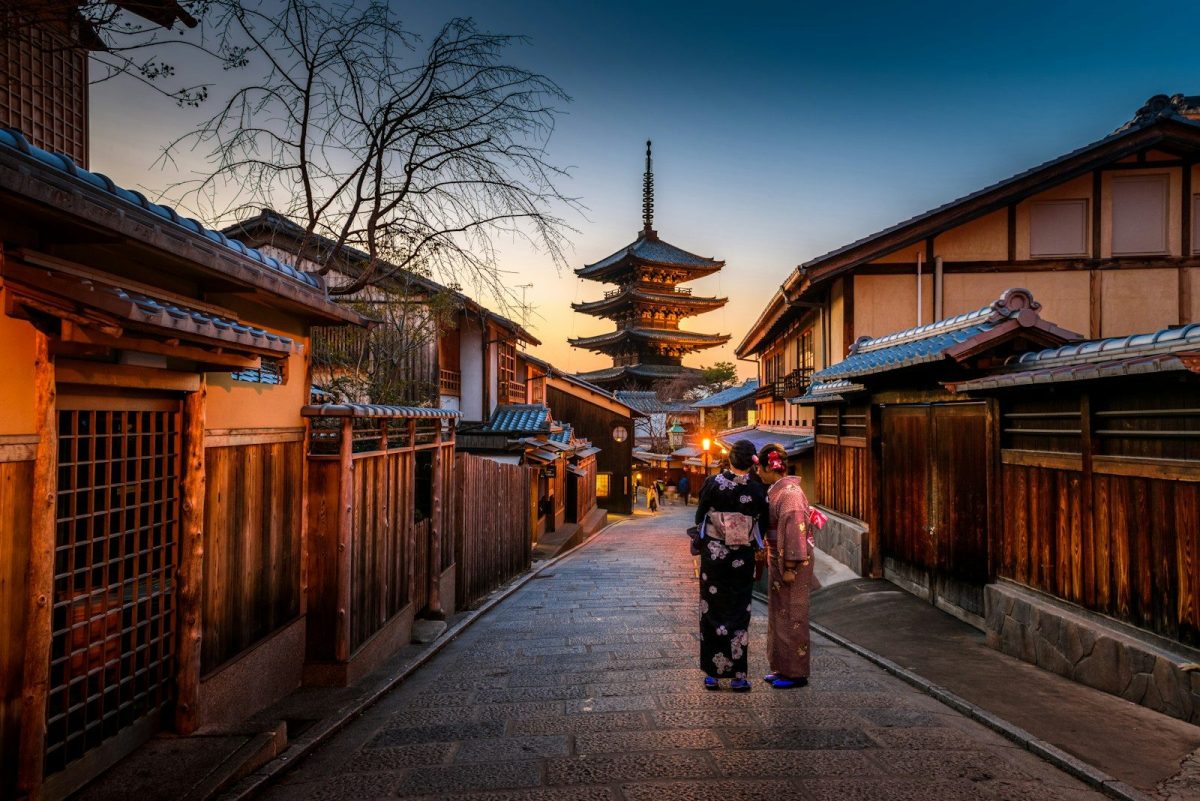
Tokyo’s greater metropolitan area is home to over 37 million people. Visitors consistently underestimate what that means for a short trip. The most common mistake is trying to cover ten neighborhoods by commuting across the city every day. Tokyo’s districts are not variations on a theme. Shimokitazawa bears no resemblance to Akihabara. Yanaka is nothing like Shibuya.
Pick two or three neighborhoods per day based on proximity, not based on how many places are on the list. Tokyo rewards slower movement. The best experiences rarely require crossing the city twice before noon.
5. Eating at the Wrong Hours
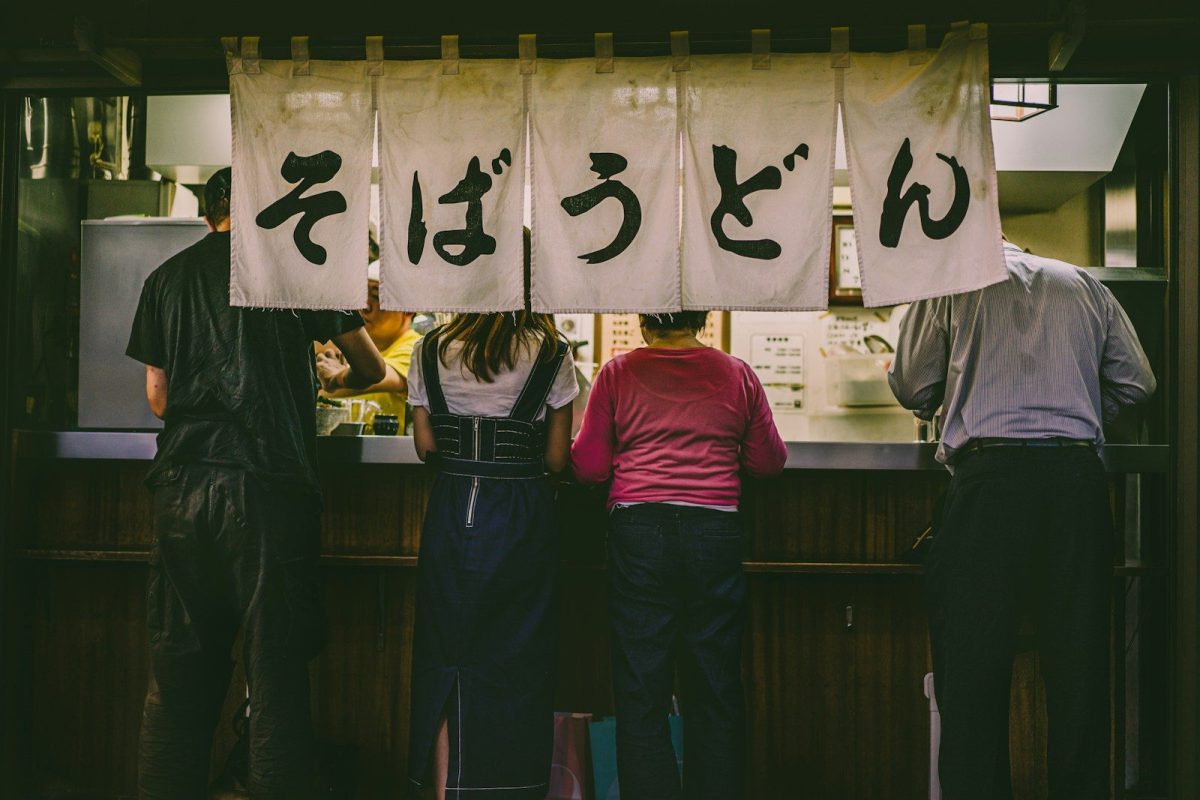
Lunch service in Japan typically runs from 11:30 a.m. to 2:00 p.m. Dinner usually begins no earlier than 6:00 p.m., and many restaurants close between services. Arriving at a well-regarded counter at 2:30 p.m. and finding a closed sign is a standard experience for visitors on a Western meal schedule.
The adjustment is small: eat lunch early, plan dinner for 6:00 or 7:00 p.m., and lean on convenience stores between meals. Japanese 7-Elevens, FamilyMarts, and Lawsons stock genuinely good food and fill the gaps without any compromise.
6. Not Booking Tokyo Restaurants in Advance
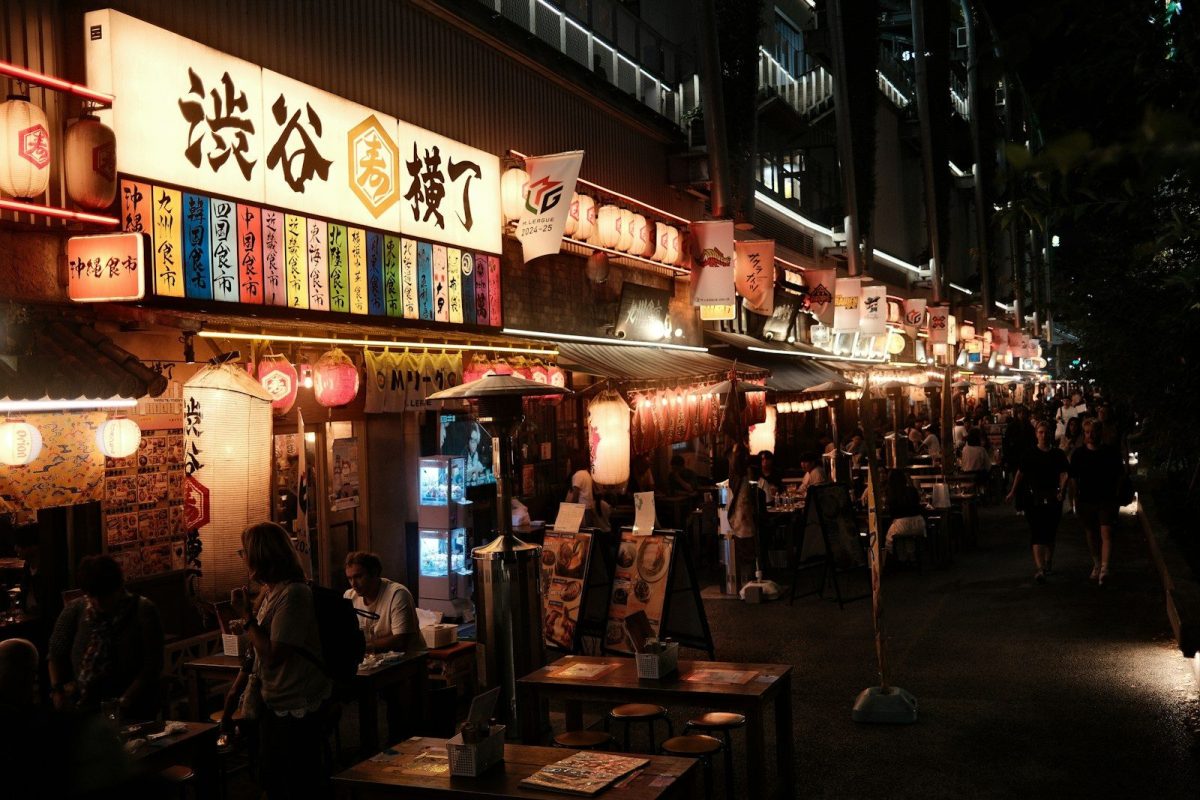
Tokyo holds more Michelin stars than any other city in the world. The restaurants earning that recognition fill up weeks in advance, and so do many well-regarded spots that appear in no guide at all. Showing up without a reservation anywhere that has received coverage in the past few years is often a dead end.
Booking platforms built for international visitors include Tableall, Omakase, and Pocket Concierge, all operating in English across a range of price points. A “walk-in only” policy at a famous spot does not mean casual access. At certain places it means the line forms before 8:00 a.m.
7. Ignoring Shrine and Temple Etiquette
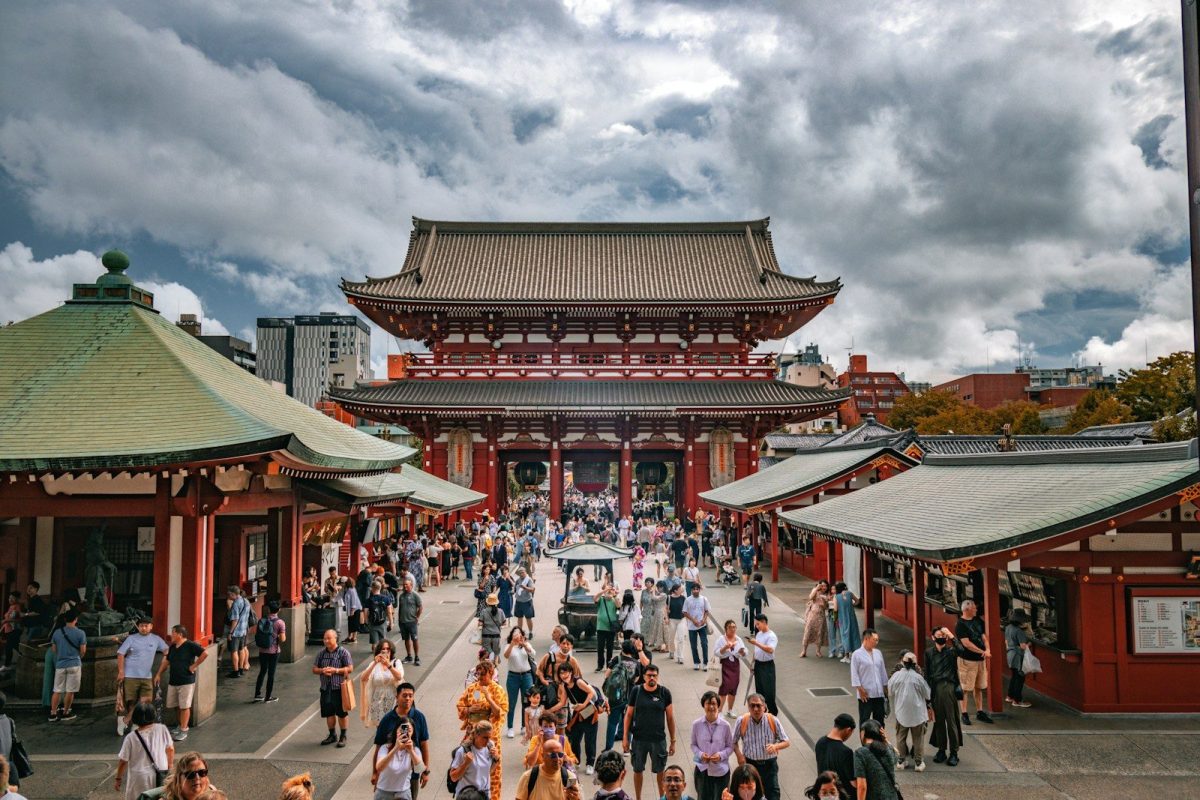
Japan’s shrines and temples are working religious sites. At Shinto shrines, rinse hands at the temizuya near the entrance before approaching the main hall. Avoid walking down the center of the main path, traditionally reserved for the deity. Eating while walking through the grounds and speaking loudly are both considered disrespectful.
At Buddhist temples, photography rules are posted and apply to everyone. Dressing modestly, covering shoulders and knees, is appropriate at major sites including Senso-ji in Asakusa and Shitennoji in Osaka.
8. Treating Osaka as a Day Trip from Kyoto
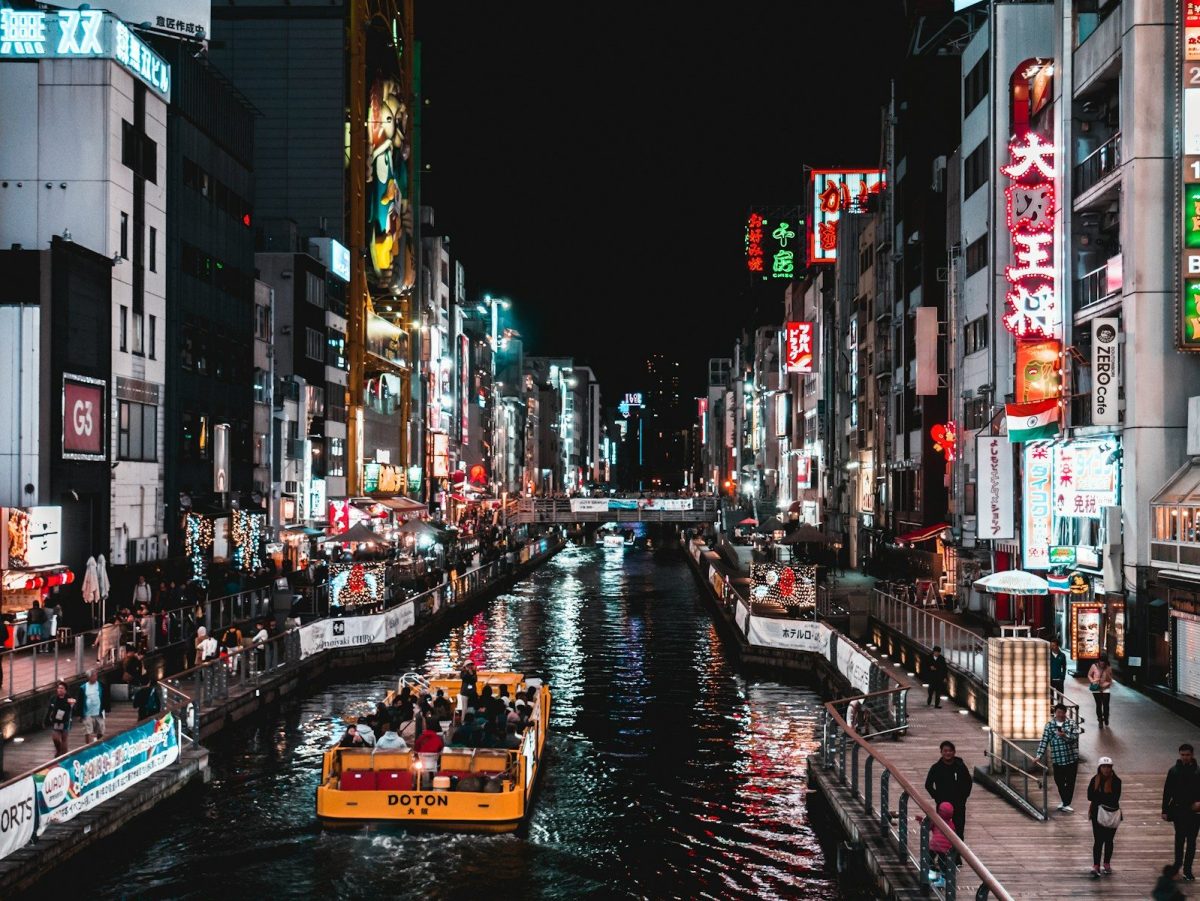
The Hankyu limited express connects Osaka and Kyoto in under 15 minutes, and that convenience leads many travelers to underserve Osaka entirely. A familiar pattern: two nights in Kyoto, one afternoon in Dotonbori, then back on the train. That approach shortchanges one of the most interesting cities in Japan.
Osaka deserves at least two full nights. The food culture alone justifies the time, and the city’s atmosphere, noticeably warmer than Tokyo’s, takes a full day to settle into. A reasonable split for a 10-day trip: three nights Osaka, two nights Kyoto, five nights Tokyo.
9. Over-Scheduling Every Hour
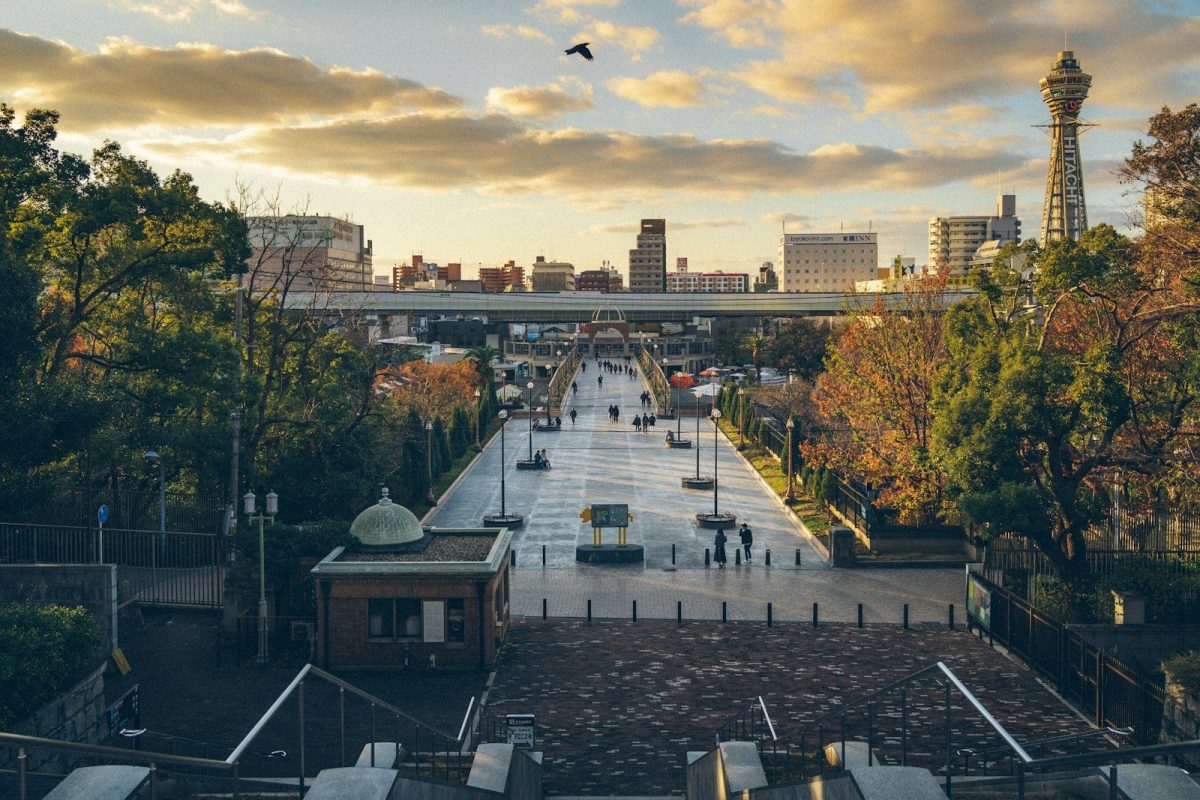
Both Osaka and Tokyo reveal themselves through unplanned movement. The best meal on any given trip almost always happens on a side street that was not part of the plan. Both cities are safe, well-signed in English, and built for walking. There is no logistical reason to account for every hour.
By 2026, Japan has become significantly more accessible for English-speaking travelers. Translation technology is reliable, QR code menus are standard, and international card acceptance has expanded considerably. Get the IC card, book the restaurants that require advance reservations, and leave the rest of the schedule a little loose.
