
Travelers often pack with the hope of staying prepared for unexpected situations, yet many of the items they bring never leave the suitcase. Research from airlines, booking platforms, and travel forums shows that people consistently carry belongings that add weight without providing real value during the trip. A lighter, more efficient packing strategy helps travelers move comfortably through airports, hotels, and public transportation while avoiding clutter. By recognizing which items rarely get used, travelers can make smarter choices and reduce unnecessary stress before and during their journeys.
1. Extra Sets of Formal Clothing
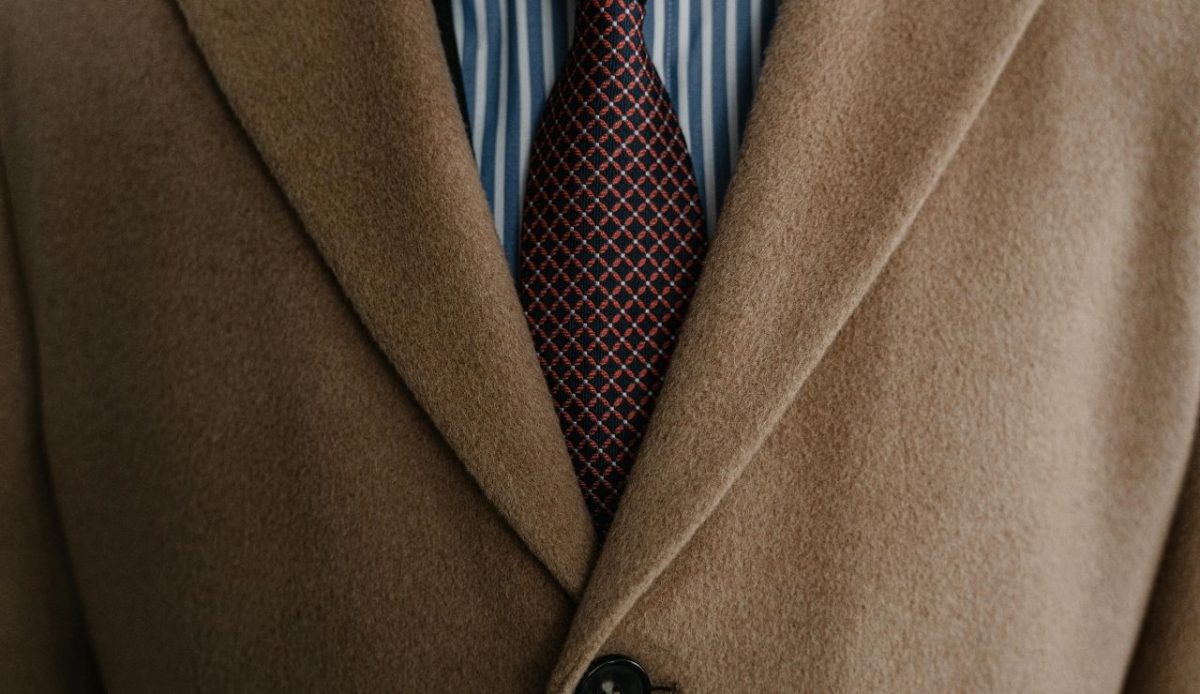
Many travelers bring a formal outfit in case a special occasion arises, but these clothes often remain untouched. Typical itineraries involve walking, sightseeing, or casual meals, and dressier clothing does not match the daily schedule. Restaurants rarely require formal attire, and hotels that request it are uncommon. The extra clothing increases weight, wrinkles quickly, and takes up space that could be used for comfortable essentials. Unless a trip includes a planned event, the formal outfit stays folded at the bottom of the suitcase.
2. Multiple Pairs of Shoes
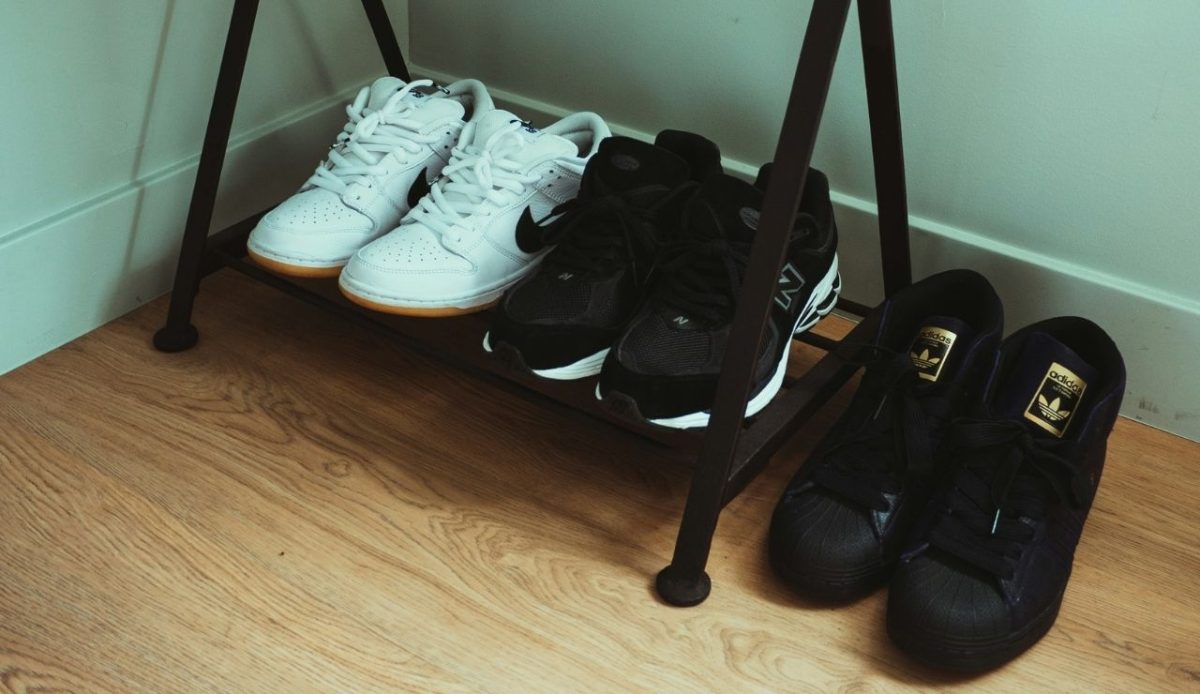
Travelers frequently pack several pairs of shoes for different situations, yet they usually rely on only two or three pairs. Extra shoes take up considerable space and add weight, which makes luggage harder to manage. Most travelers end up using a comfortable walking pair along with a slightly nicer pair for evening activities. Heavy or specialty shoes rarely get worn unless the itinerary requires them. Reducing the shoe selection allows travelers to simplify packing and move more easily through airports and busy transit areas.
3. Full-Size Toiletries
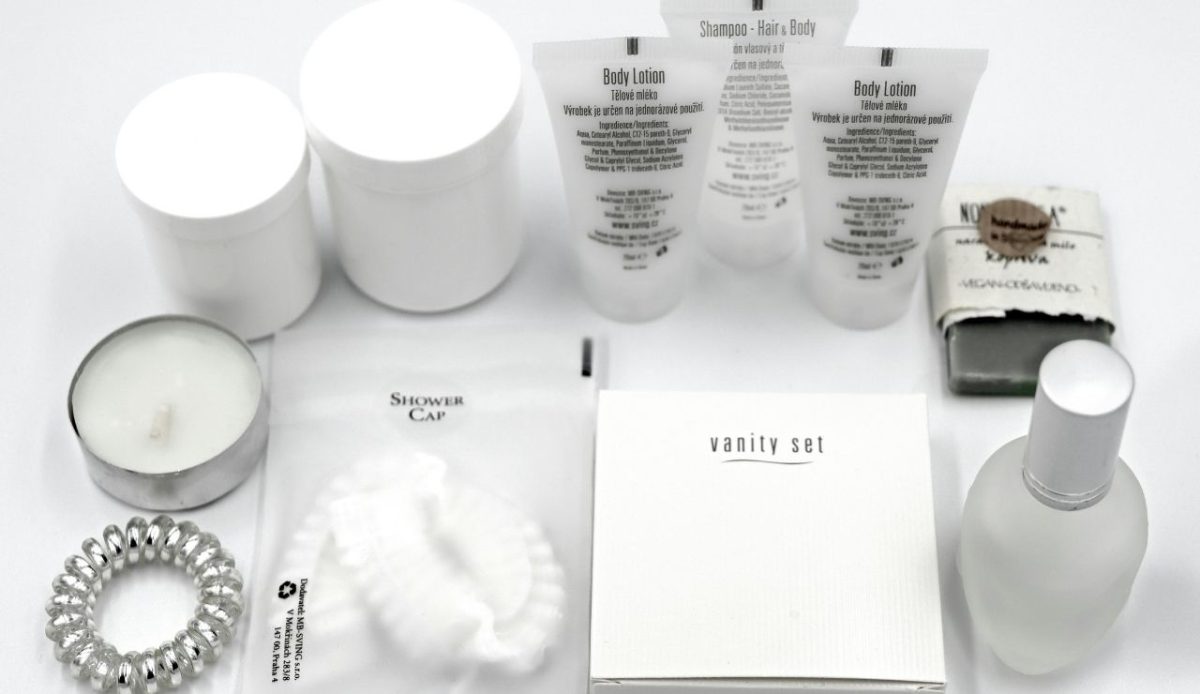
Full-size bottles of shampoo, conditioner, or lotion take up valuable room and often exceed airport liquid restrictions. Hotels and rentals provide basic toiletries, and travelers can buy small containers if needed. Large bottles add weight and increase the risk of leaks that may damage clothing or electronics. Many people end up using only a few essentials while the rest remain untouched. Travel-sized items or hotel amenities meet most needs and create more space in the bag, which helps travelers stay organized and avoid spills.
4. Travel Irons
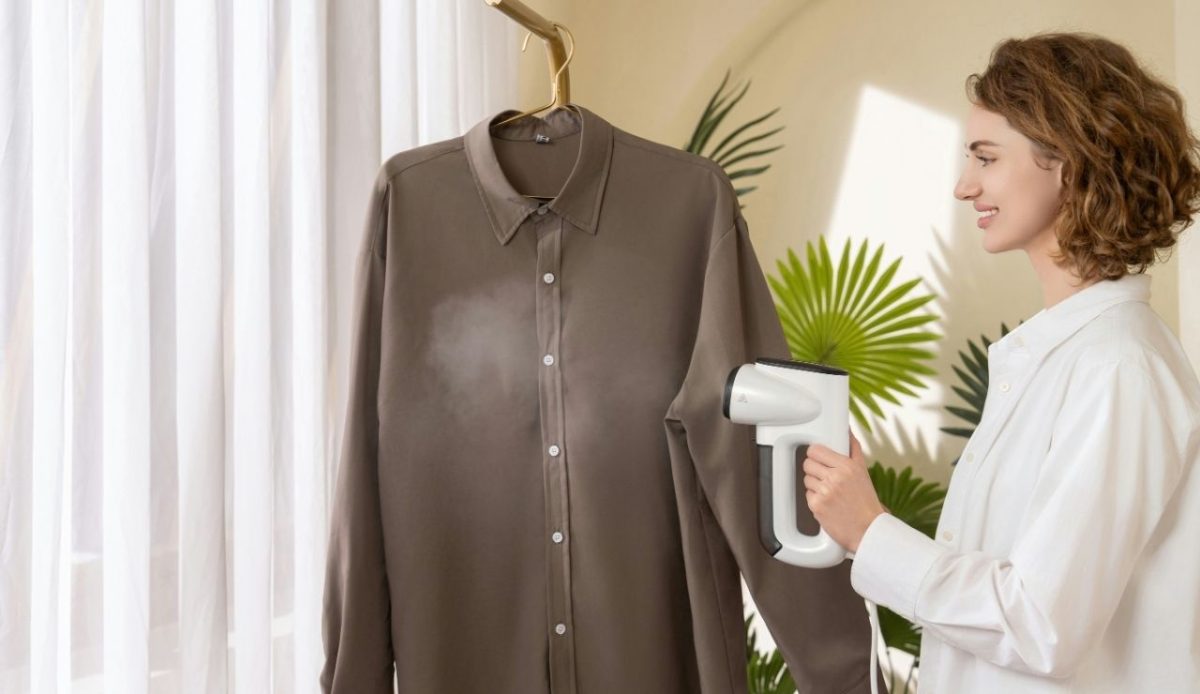
Travel irons seem practical, but hotels almost always offer irons or steamers in guest rooms. Most travelers need only a few minutes to smooth clothing using the provided equipment. Carrying a travel iron adds weight, takes up space, and increases the risk of damage if the device is packed poorly. Some travelers hang clothes in the bathroom during a shower to release wrinkles, making the personal iron unnecessary. For most trips, the iron never leaves the suitcase and becomes one more unused item.
5. Bulky First-Aid Kits
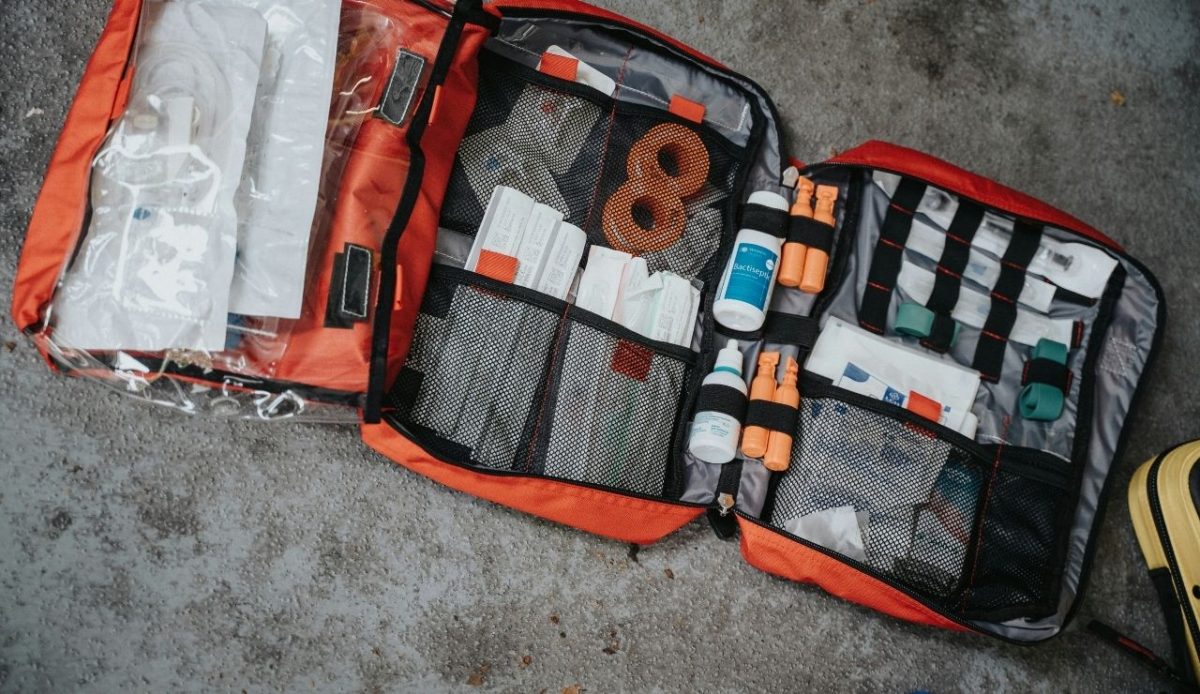
Large first-aid kits contain items that rarely get used during typical travel. Most travelers only need band-aids, pain relievers, or allergy medication. Hotels, airports, and local pharmacies offer supplies that cover most small issues. Packing a large kit takes up space that could be saved for essentials or left open for souvenirs. A compact set with the basics meets most needs, while the rest of the large kit stays untouched. Travelers benefit from simple, practical packing rather than carrying unnecessary medical items.
6. Books and Magazines
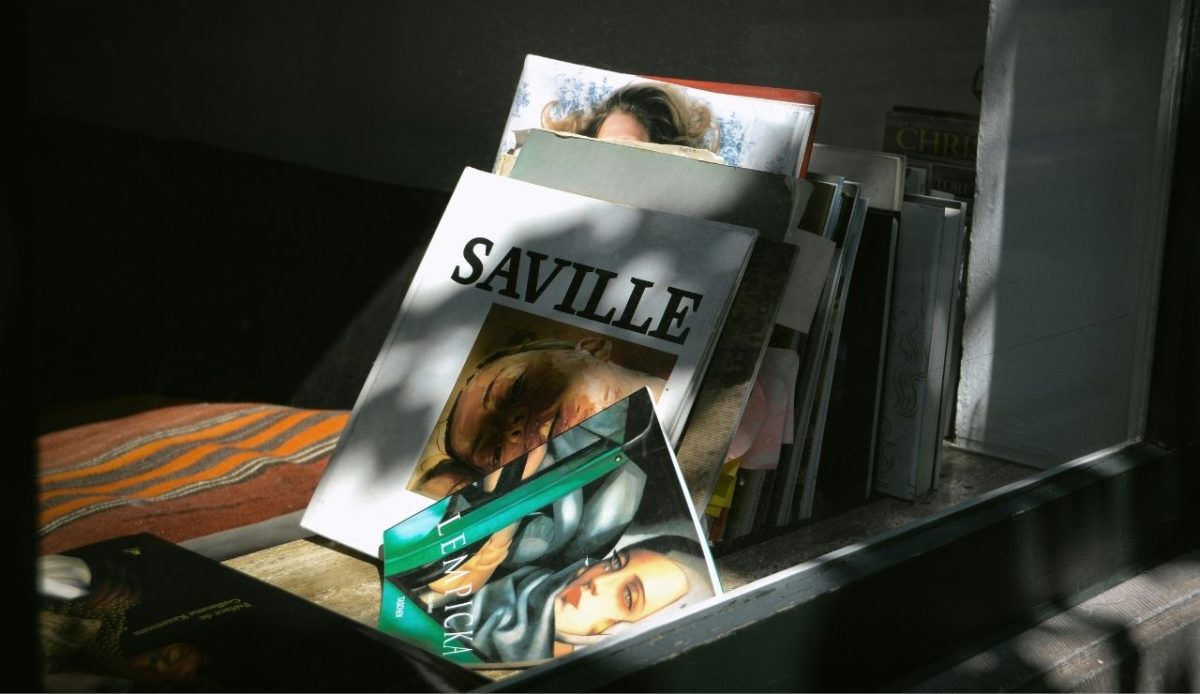
Many travelers pack books or magazines for reading during downtime, but busy schedules and digital alternatives reduce the need for printed material. Phones and tablets offer quick access to reading apps, news, and entertainment, which makes physical copies less appealing. Books add weight and take up room in carry-on bags. Some travelers discover they did not have time to read at all. As a result, printed material often stays untouched throughout the trip. Packing lighter digital options supports convenience and saves space.
7. Travel Pillows
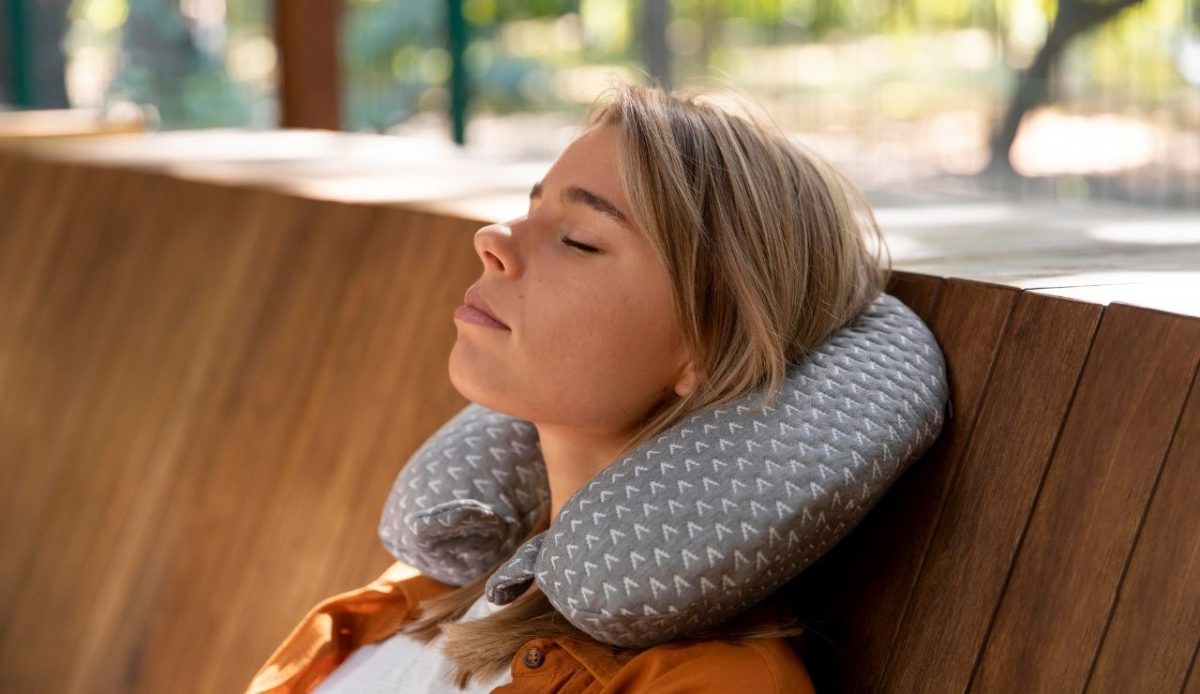
Travel pillows appear helpful for comfort, but many travelers find they do not provide the support they expect. On short flights, passengers often skip using them entirely, and on long flights, constant adjustments can make the pillow inconvenient. These pillows also take up space when attached to luggage or stuffed inside a bag. Some travelers find the built-in headrest more comfortable than the pillow. Over time, many realize they carried the pillow the entire trip without actually using it.
8. Physical Maps and Guidebooks
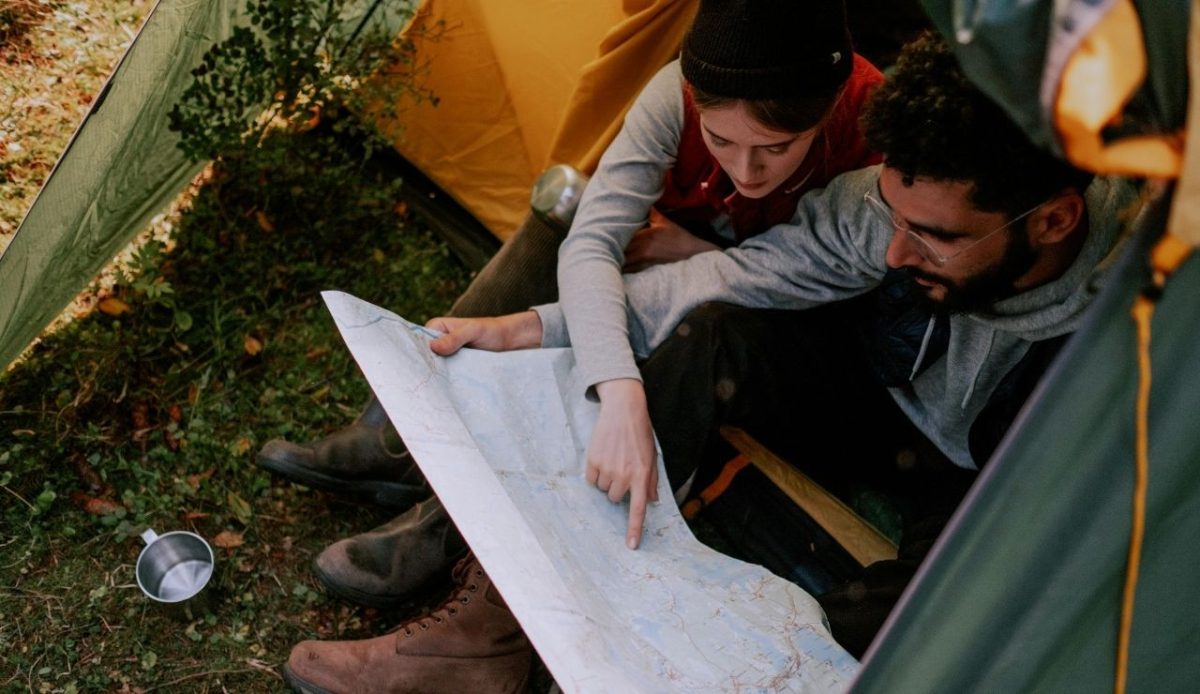
Physical maps and printed guidebooks remain common packing items, but most travelers rely on digital tools for navigation and information. Smartphones offer step-by-step directions, public transport details, and up-to-date recommendations. Printed materials add weight and require careful folding, which can be inconvenient during crowded tours or city walks. Many people pack these items for reassurance, but never take them out. Digital access continues to reduce the need for traditional paper guides, leaving them unused during most trips.
9. Extra Gadgets
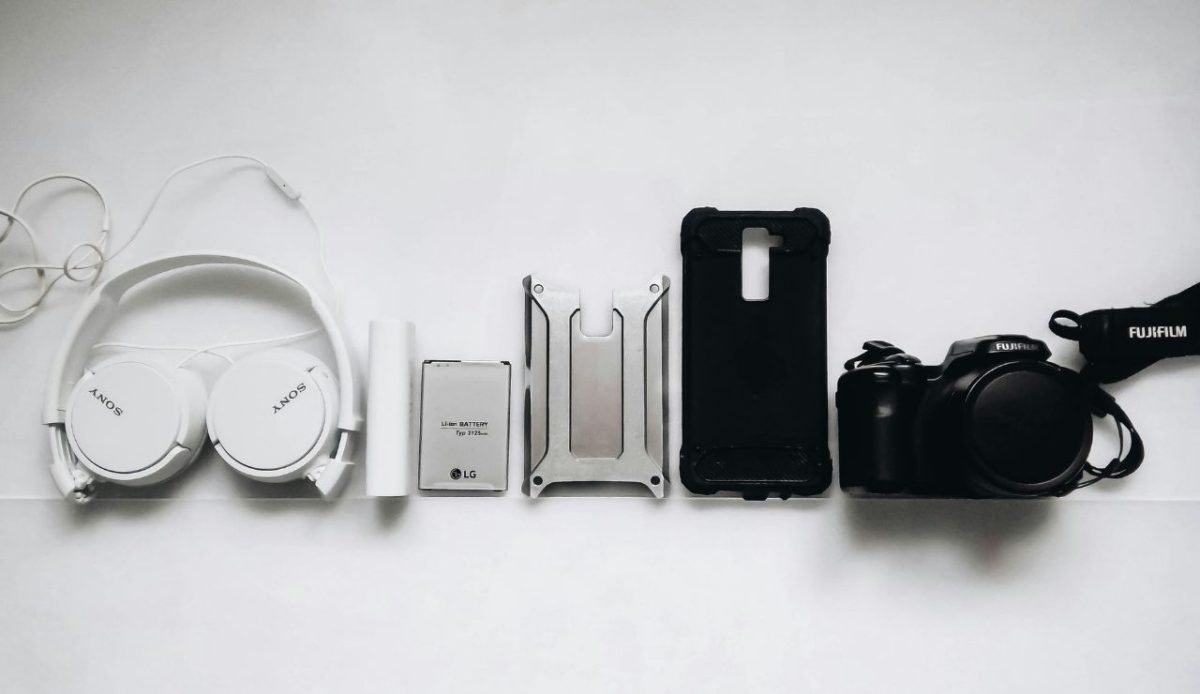
Many travelers pack action cameras, selfie sticks, and mini tripods expecting to capture better photos, yet smartphones often meet all their needs. Extra gadgets require charging, add clutter, and take longer to set up. Travelers usually prefer quick photos rather than adjusting equipment in busy locations. These devices remain at the bottom of the bag while phones handle most moments. Bringing fewer electronics simplifies packing and reduces the chance of losing accessories during movement between destinations.
