
Europe’s rail network is still the fastest way to move between big cities, but punctuality isn’t uniform. Major corridors are juggling engineering works, infrastructure failures, and the knock-on effect of one late train delaying everything behind it.
This guide flags nine popular routes where travelers most often see disruption patterns: cancellations, reduced timetables, and long delays. It’s not a reason to avoid trains, just a reason to plan with extra buffer time.
Think of it as a “pack patience” list: check live updates before you leave, keep flexible tickets when you can, and don’t book tight connections. A 30–60 minute cushion can turn chaos into a non-event.
1. London–Paris / London–Brussels (Eurostar)
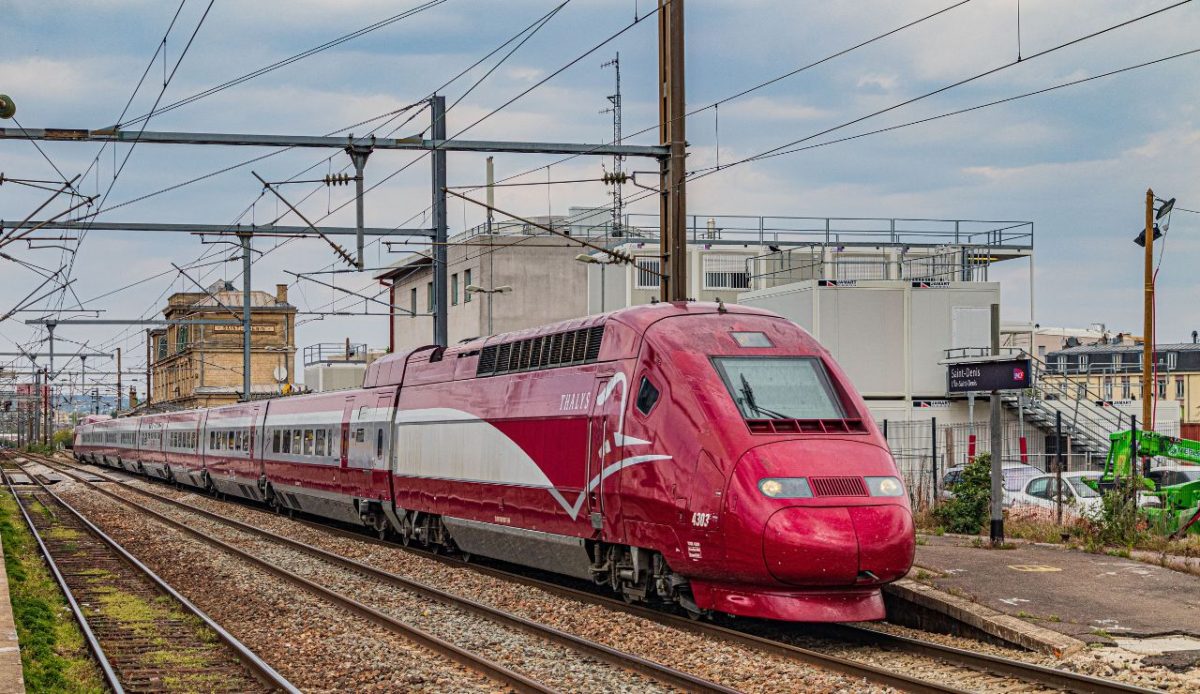
London–Paris and London–Brussels look simple on a map, but the Channel Tunnel system is a single chokepoint for power and signalling problems. When an electrical failure hits, the recovery can spill into the next day because trains and crews are out of position.
Eurostar has repeatedly warned of ‘knock-on impacts’ after major incidents, with cancellations and long queues even once services restart. That matters most around holidays, when trains are full and alternatives are pricey.
If you’re riding this corridor, treat connections in Paris, Lille, or Brussels as “nice to have,” not guaranteed. Check live service updates before leaving for the station and keep meals flexible.
2. Amsterdam/Rotterdam–London / Amsterdam/Rotterdam–Paris (Eurostar)
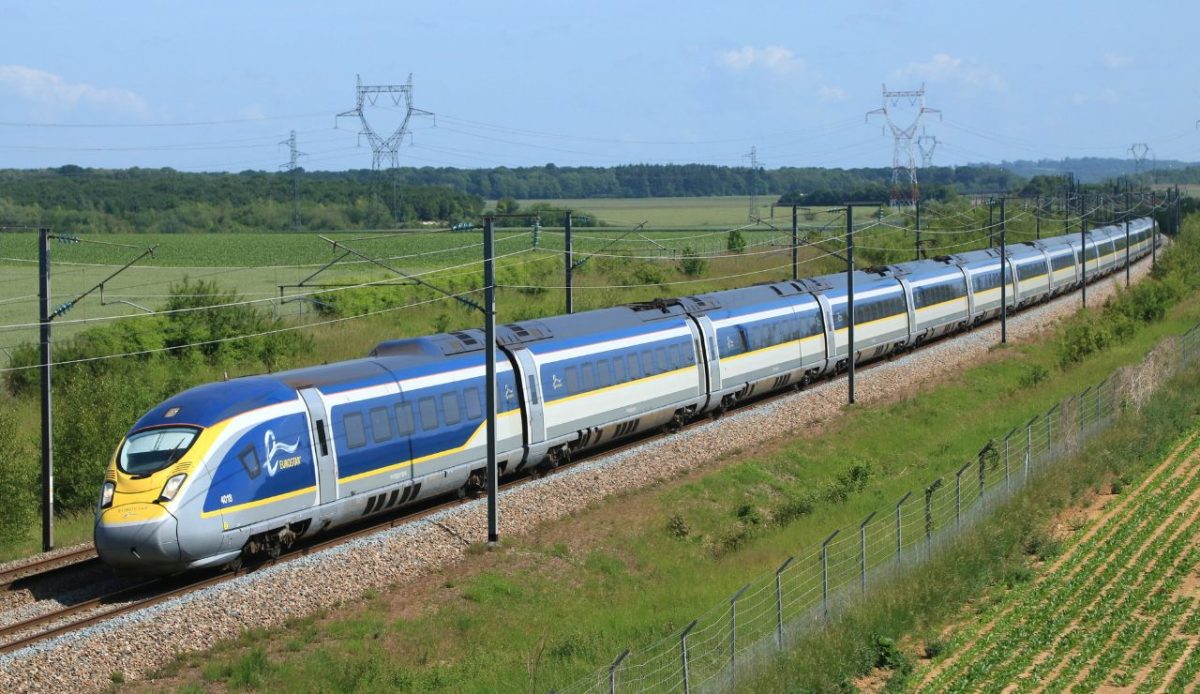
Amsterdam/Rotterdam–London and Amsterdam/Rotterdam–Paris have faced reliability headaches tied to Dutch network constraints and uncertainty around terminal arrangements. When a route depends on fixed border-control processes, small disruptions can cascade into missed slots.
Eurostar has publicly signaled that the Dutch leg can be vulnerable to operational uncertainty, raising the risk of reduced frequencies or temporary suspensions. For travelers, that translates into fewer backup departures on the same day.
Plan like you’re flying: arrive early, keep refundable plans on the far end, and avoid same-day tight links to flights from Schiphol. If you must connect, leave a buffer for platform changes and rebooking lines.
3. Paris–Lyon (TGV)
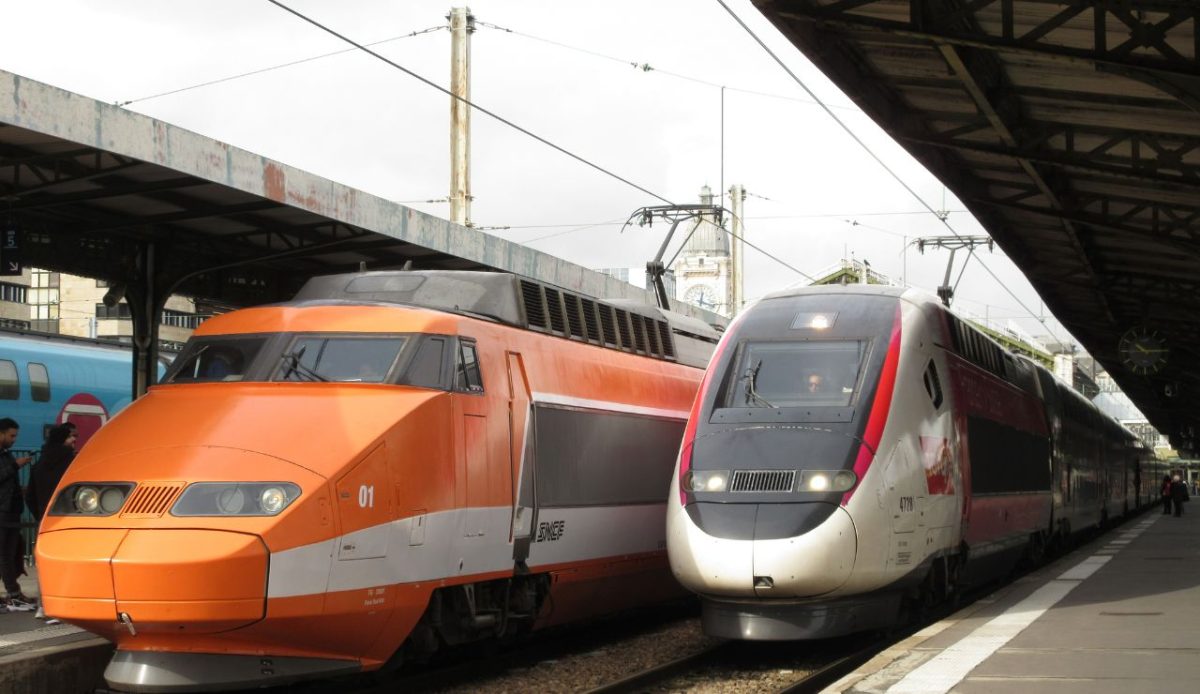
Paris–Lyon is France’s busiest high-speed spine, and that popularity is exactly why it can feel fragile during works. SNCF Réseau has flagged the corridor as the oldest and most heavily used, with modernization aimed at boosting capacity and reliability.
Modernization usually means temporary constraints: slower sections, altered timetables, or maintenance windows that cut late-evening options. Because so many services funnel through this axis, a disruption here also ripples toward Marseille, Montpellier, and the Alps.
For a smoother trip, avoid the last train of the day and build slack if you’re connecting onward. Choose tickets with easy exchanges, and check for planned works notices before finalizing hotels.
4. Paris–Bordeaux / Paris–Toulouse (TGV)
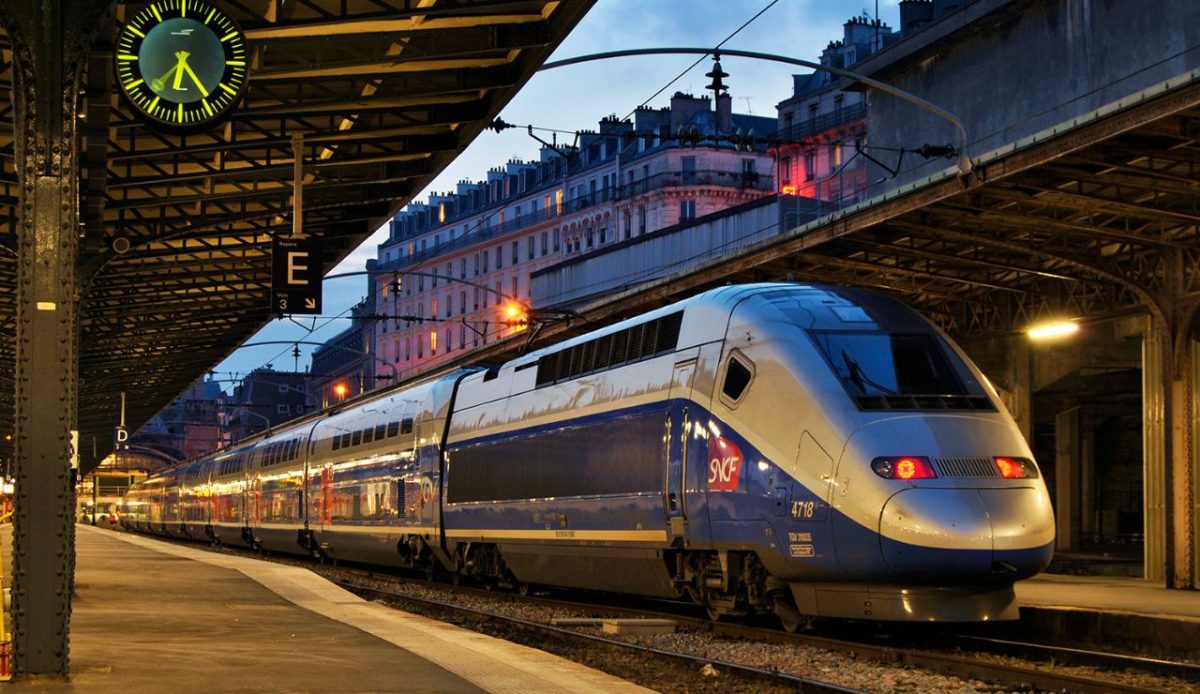
Paris–Bordeaux and Paris–Toulouse are core business-and-leisure routes, but they’re also frequent targets for engineering works that reshape stops and schedules. During major works periods, some TGVs are cancelled or adjusted, and intermediate station calls can be removed.
That’s not just an inconvenience for locals: when a train skips a key stop or runs on a different path, seat availability compresses onto fewer departures. Miss one train and the next may already be packed.
To reduce stress, travel earlier in the day, screenshot your reservation, and watch for last-minute platform swaps. If you’re meeting someone in Bordeaux or Toulouse, agree on a flexible pickup time and a backup meeting point inside the station.
5. Hamburg–Berlin (ICE/IC)
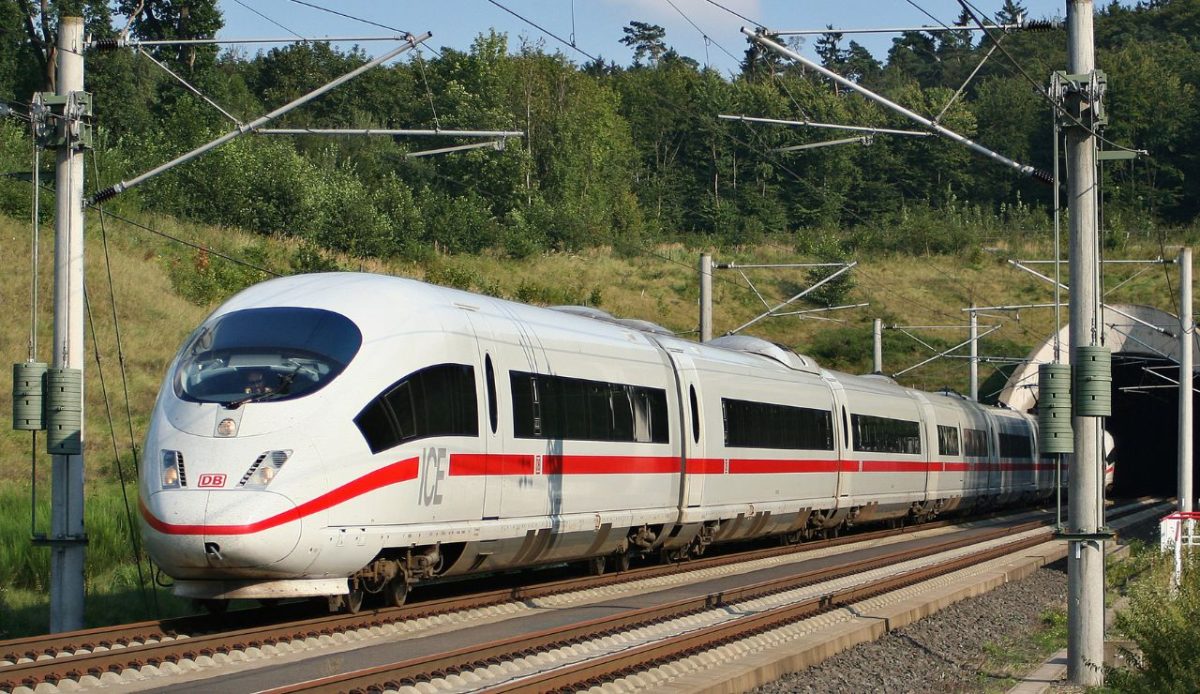
Hamburg–Berlin is one of Germany’s busiest intercity corridors, and major reconstruction can turn a normally quick hop into a timetable puzzle. Deutsche Bahn has planned large modernization works on this route, which can mean diversions, replacement buses, and longer journey times.
Even when trains still run, capacity often drops and transfer patterns change, especially if you’re continuing onward. Delays can multiply because disrupted long-distance trains share tracks with regional services.
If you travel during works, pick direct trains over connections, and avoid planning anything time-critical right after arrival. Bring snacks and water, because diversions can keep you moving, and waiting, far longer than expected.
6. Berlin–Munich (ICE)
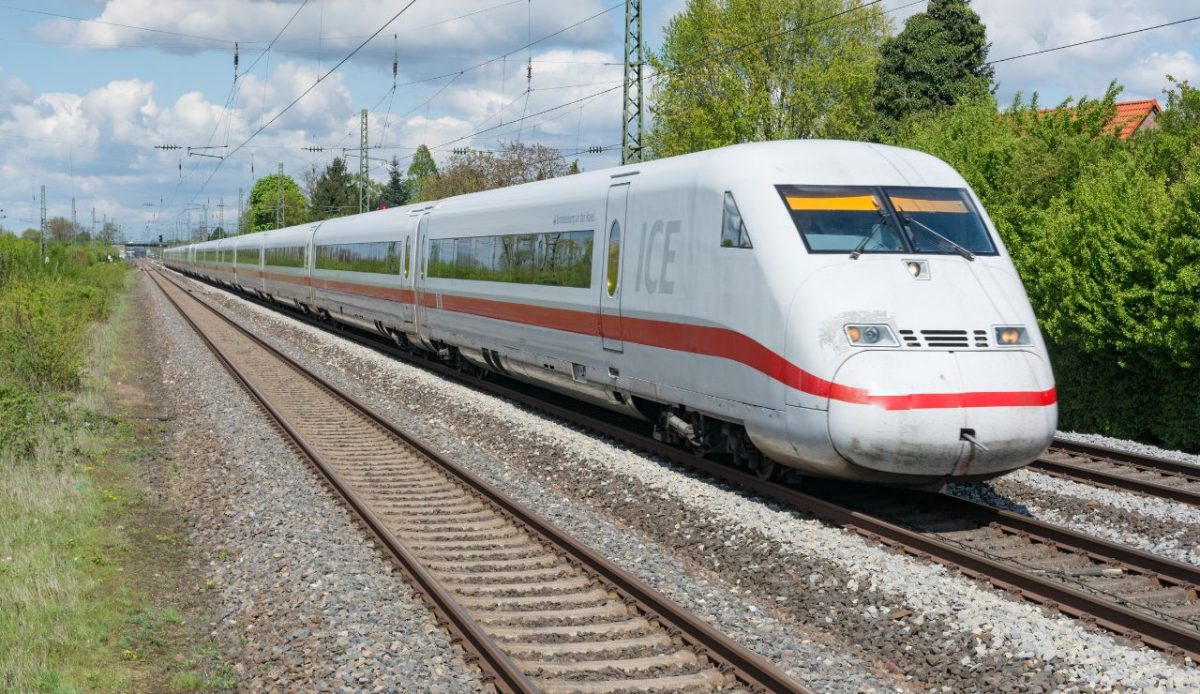
Berlin–Munich should be a flagship ICE run, yet it’s exposed to Germany’s broader reliability problem: dense traffic on aging infrastructure plus rolling engineering works. When a busy junction or high-speed segment slows down, trains stack up and missed connections become common.
Germany has launched overhauls to fix the network, which is good news long term but messy in the short term. Expect timetable changes, temporary speed restrictions, and occasional reroutes that add minutes you didn’t budget.
The practical move is to treat the published journey time as “best case.” Schedule anything important with a buffer, and if you must connect, favor hubs like Nürnberg where alternatives are frequent.
7. Madrid–Seville (AVE)
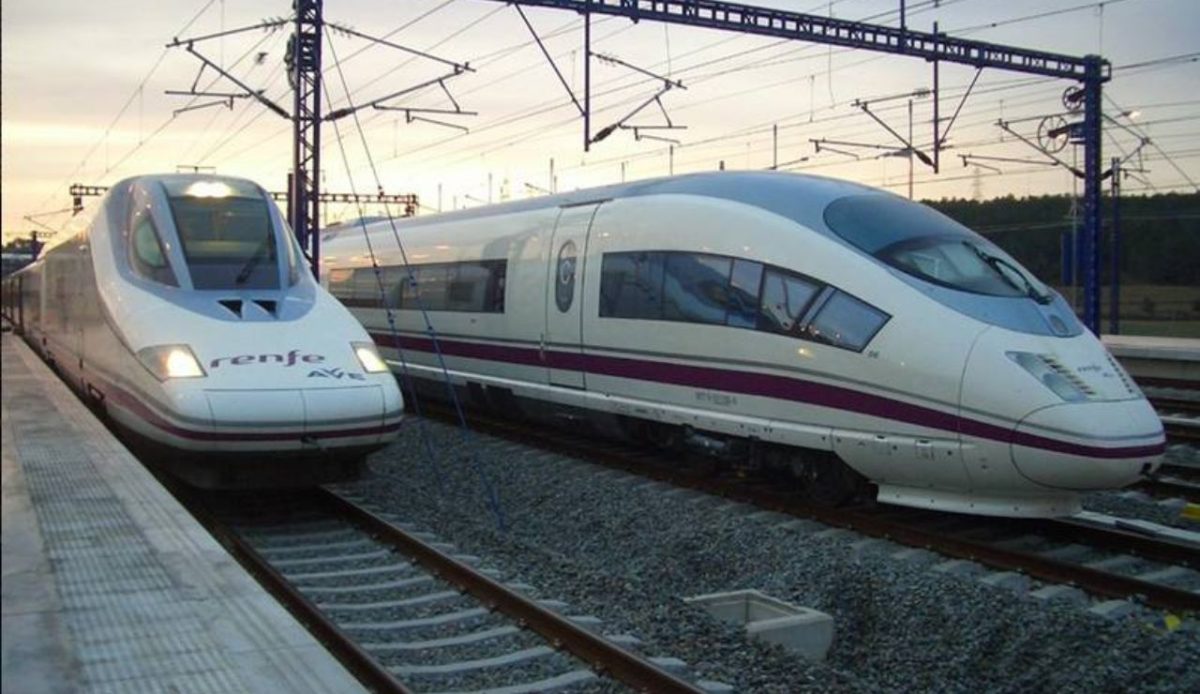
Madrid–Seville is a key AVE artery, but it has shown how vulnerable high-speed lines are to infrastructure incidents. When critical signalling cables were stolen on the route, services between Madrid and Andalucía were thrown into chaos, with trains delayed for hours.
Because the line runs at high frequency, one blocked or “blind” segment can strand multiple departures behind it. Even after restarts, the backlog can dominate the day and spill onto other services.
If you’re riding this corridor, avoid scheduling a same-day event that can’t shift. Keep your operator app handy for rebooking messages, and consider arriving the night before for anything time-critical.
8. Madrid–Barcelona (AVE and competing operators)
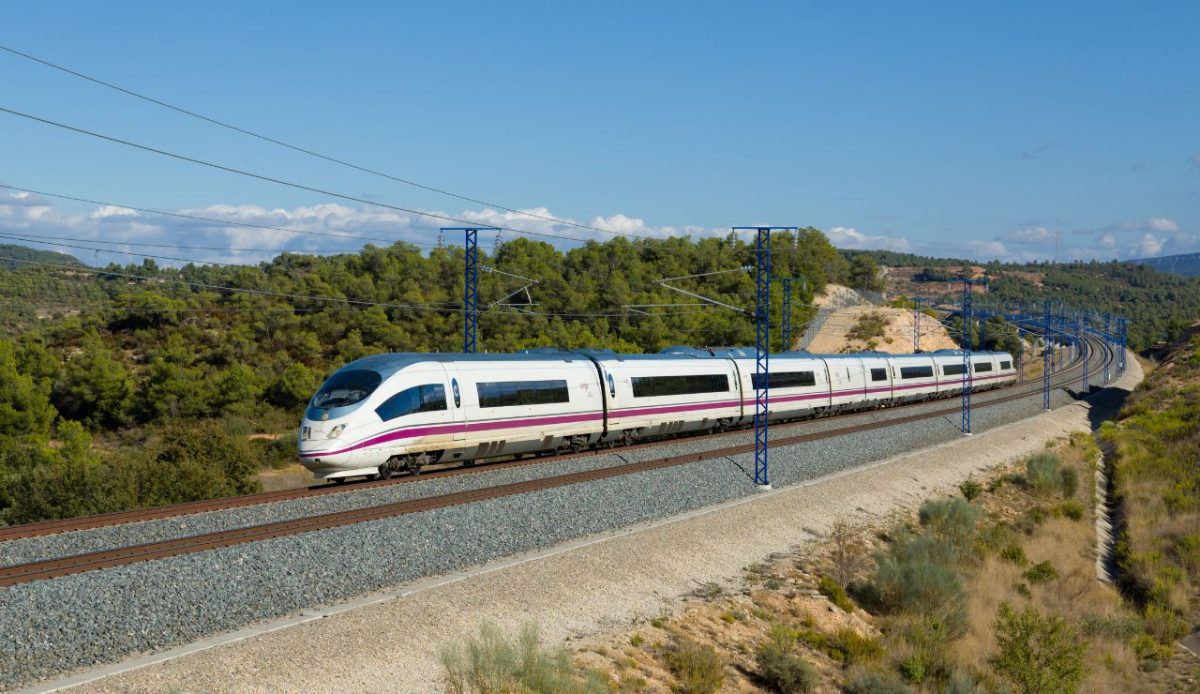
Madrid–Barcelona is usually Spain’s most dependable high-speed run, but recent maintenance and safety measures have added friction. Operators agreed to longer journey times after speed restrictions on parts of the corridor, pushing the fastest trips closer to three hours.
To make room for inspections and repairs, late (and sometimes early) departures can be suspended, and timetables may shift across Renfe, Iryo, and Ouigo. That reduces the “just catch the next one” flexibility many travelers love.
If you need this route, avoid the first or last train of the day and book a seat with easy changes. Also plan for station time: re-accommodation queues can form fast when several operators update schedules at once.
9. Rome–Florence (High-speed backbone)
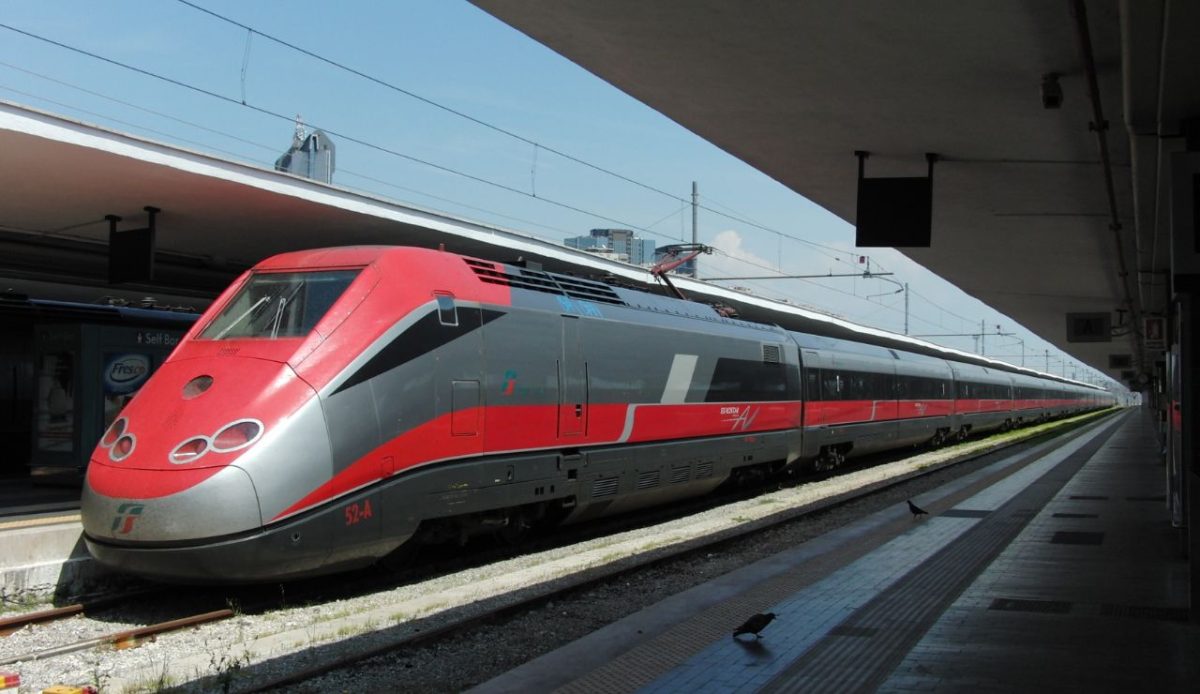
Rome–Florence is the backbone of Italy’s high-speed network, so trouble here rarely stays local. Planned works on major high-speed stretches have triggered warnings about severe delays and cancellations, especially in peak travel months.
On top of engineering constraints, Italy has also faced disruption from deliberate damage to rail infrastructure, with incidents near Rome producing hour-plus delays and system-wide knock-ons. When trains are out of sequence, recovery can take most of the day.
For less stress, avoid tight connections and book changeable fares. If you have a must-make flight or event, consider arriving the night before and treating the train as a buffer-friendly transfer.
