
Travelers often adjust their plans for weather or transport, yet many forget that social behavior shifts from place to place as well. Greeting styles, noise levels, dining habits, and even basic gestures can carry different meanings in different regions. A simple action that feels ordinary at home might feel abrupt or rude somewhere else. Paying attention to local habits helps visitors move comfortably through daily situations, while also showing consideration for the people who live there. These small moments build positive connections and support more meaningful travel.
1. Ignoring Local Greeting Customs
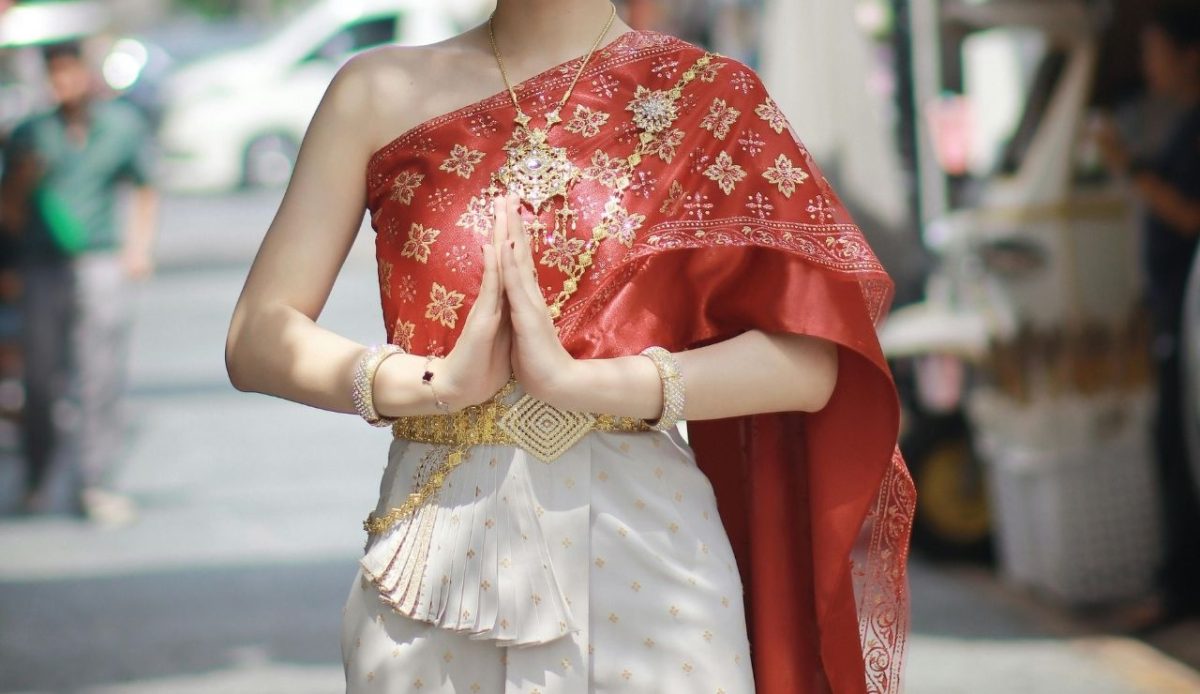
In some cultures, a handshake feels normal, while in others, a bow, light cheek contact, or a simple nod carries more meaning. Skipping the expected greeting can suggest impatience, even when the visitor intends nothing of the sort. Many countries also have timing expectations, such as waiting for elders to initiate contact or acknowledging everyone in a group before speaking. Observing these patterns helps conversations begin smoothly and avoids awkward tension. A few quick observations or friendly questions make it easy to match the tone used locally.
2. Misjudging Personal Space
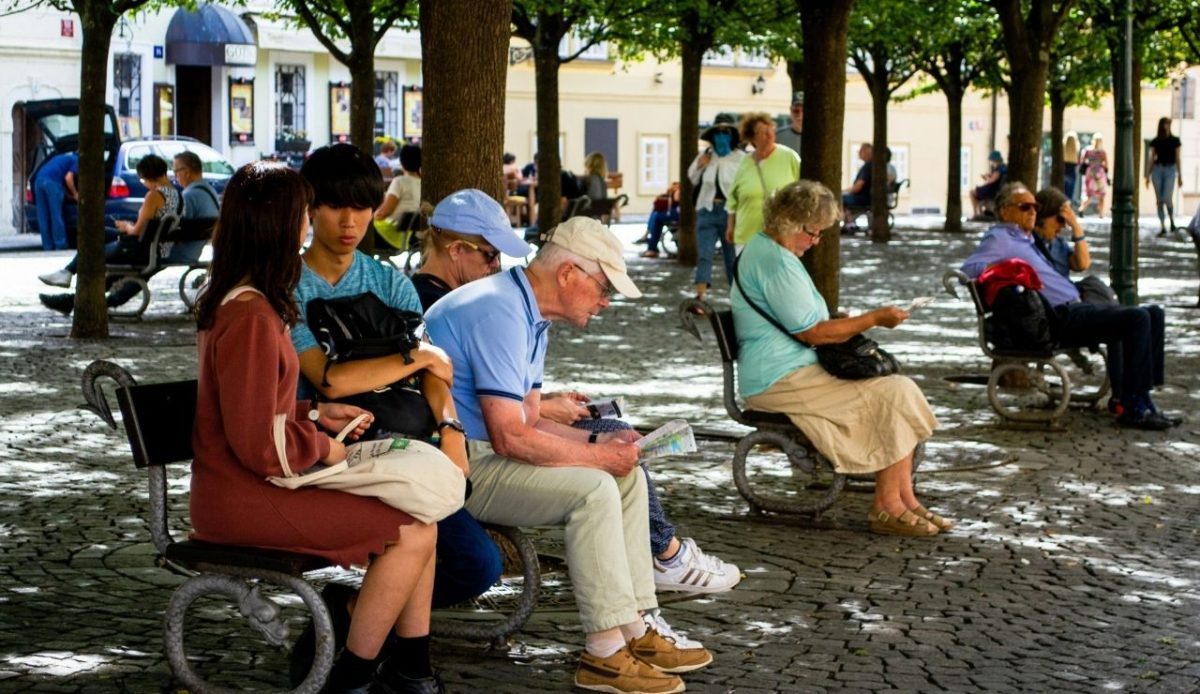
People often assume the amount of space they use at home applies everywhere, but distance expectations shift widely by region. Standing too near can feel intrusive in places where social distance is larger, while stepping too far back can seem cold in places where closer conversation is normal. This matters on trains, in cafés, and during simple chats with shop staff. Watching how residents arrange themselves offers helpful signals about where to stand. Matching the local pattern helps interactions feel natural and prevents misunderstandings caused by unintended physical closeness.
3. Not Removing Shoes Indoors

Homes, guesthouses, and many temples expect visitors to leave their footwear at the entrance. Ignoring this custom brings dust inside and shows unfamiliarity with local cleanliness rules. In some places, shoe removal is tied to respect for shared spaces, while in others it protects delicate flooring or carpets. Travelers who hesitate or miss the sign often cause brief confusion for hosts. Taking a moment to notice what others do near the doorway avoids that problem. Carrying clean socks or simple slip-ons also helps when frequent visits to indoor sites are planned.
4. Speaking Loudly in Public

Volume that seems normal in one country may feel disruptive in another, especially on trains, buses, or in quiet cafés. Raised voices can draw unwanted attention and may be interpreted as impatience. Even small group conversations can carry farther than expected in compact indoor areas. Paying attention to how locals speak and adjusting to that level helps create a more relaxed environment for everyone. Softening tone also improves interactions with staff, as many service settings value calm communication. A little awareness of voice level goes a long way in crowded places.
5. Using Hands Improperly at the Table
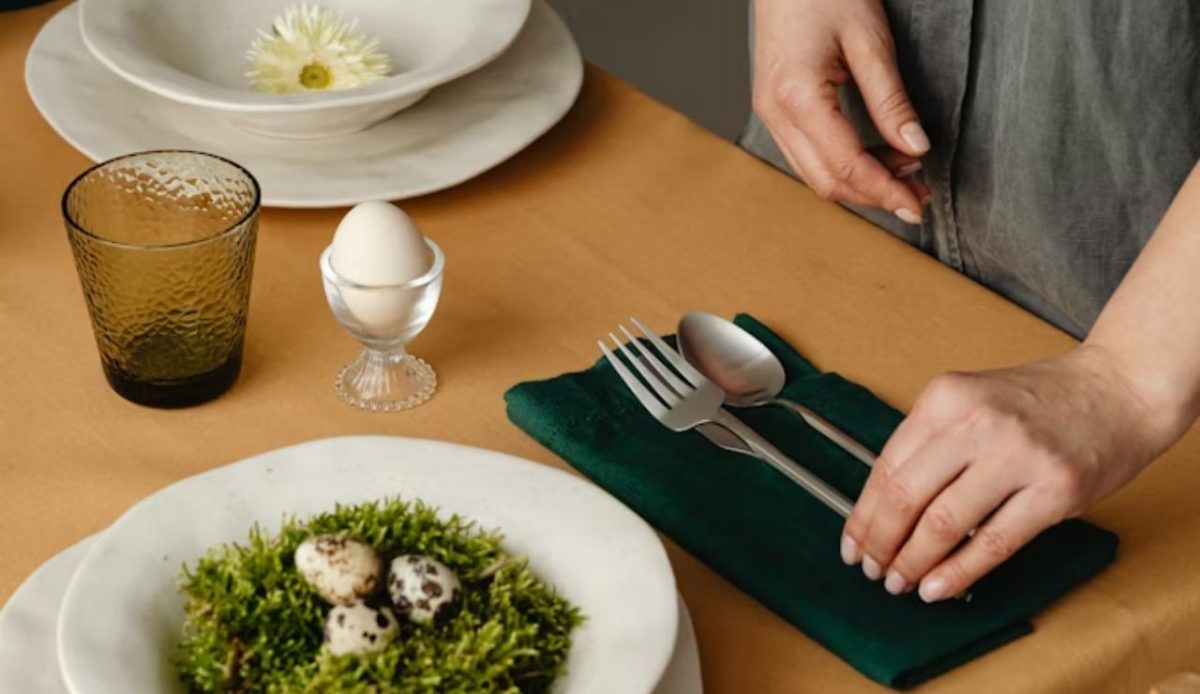
Dining practices vary widely, and small gestures can confuse when they differ from local habits. Some regions expect both hands visible on the table, while others consider elbows a sign of poor manners. In several countries, passing items with the left hand feels disrespectful, yet many travelers do it without realizing the local meaning. Watching how others place utensils and interact with shared dishes offers clear guidance. Matching these habits shows care for the meal and avoids accidental signals that might distract from the conversation or the food being served.
6. Pointing at People or Objects

Gestures carry different meanings, and pointing with a finger can feel sharp or dismissive in many regions. Some countries prefer an open hand gesture, while others use a small nod or eye movement to direct attention. Travelers who rely on finger-pointing may unintentionally appear impatient, especially in markets or crowded stations. Children often point freely, but adults are expected to show more restraint. Observing how locals indicate directions helps visitors adjust quickly and communicate with greater care. A subtle shift in gesture reduces tension and keeps interactions polite and easy.
7. Mishandling Chopsticks

Chopsticks come with clear expectations in many East Asian dining settings, and visitors often overlook small gestures that hold strong cultural messages. Leaving chopsticks upright resembles funeral practices in some countries, while using them to wave or gesture feels careless at the table. Sticking them into shared dishes interrupts the flow of a meal and can make others uncomfortable. Resting chopsticks neatly on the holder or plate shows awareness of local dining habits. Asking for guidance is welcomed, and taking a moment to observe others helps maintain a respectful tone during shared meals.
8. Not Learning Basic Local Phrases

Even a short list of simple words helps visitors move more easily through daily situations. Locals often appreciate attempts to greet, thank or ask questions in their language, even when the pronunciation is far from perfect. Relying entirely on English or translation apps can create distance and slow interactions with shop staff, drivers or hosts. Learning a few key phrases also supports polite exchanges in markets and busy stations. People respond more warmly when they see effort being made. These small gestures show interest in the place and strengthen everyday communication.
9. Photographing People Without Permission
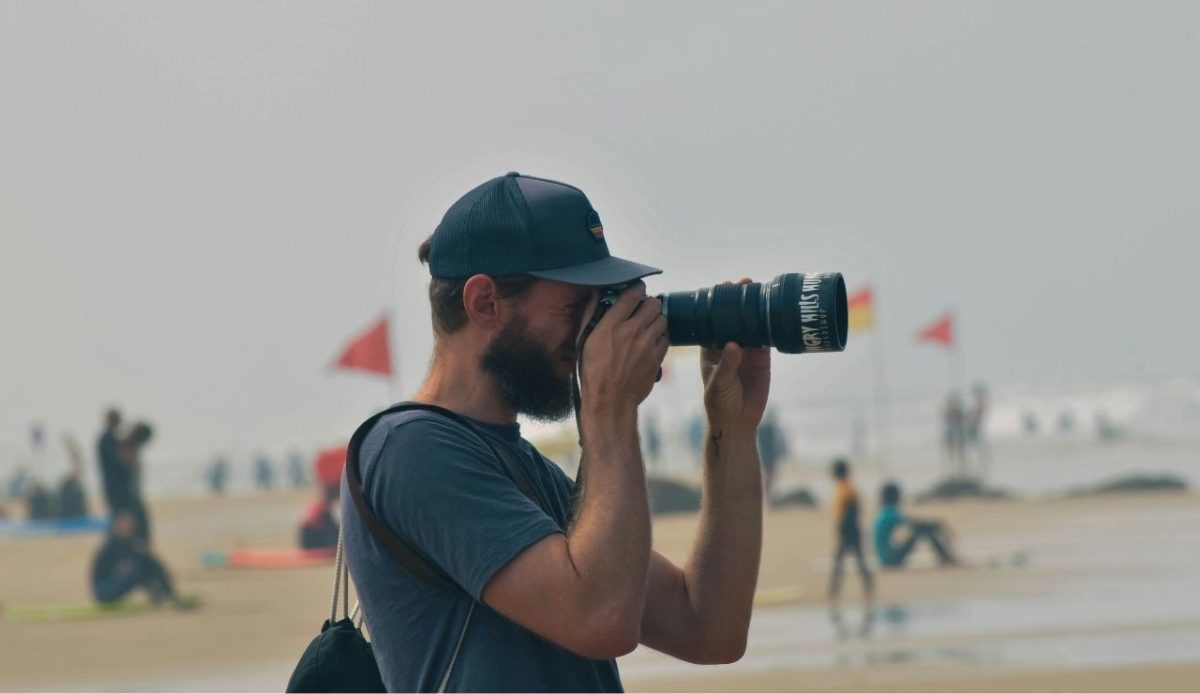
Taking photos of strangers feels harmless to many travelers, yet in several cultures it raises privacy concerns or carries deeper social expectations. Capturing images of families, children, or workers without asking can create tension, particularly in rural areas or religious settings. A quick request, even through a friendly gesture, often receives a positive response and builds trust. Some communities prefer not to be photographed at all, and noticing hesitation allows visitors to step back respectfully. Treating photography as a shared moment rather than a quick snapshot leads to better experiences for everyone.
