
Air travel can be exciting, but spending long hours in a cramped cabin often leaves passengers feeling exhausted, stiff, and far from their best. Between dry air, tight seats, and constant background noise, it’s easy to step off the plane looking and feeling worn out. Fortunately, there are simple tricks to make the experience smoother. By preparing smartly and adopting a few healthy habits, you can stay fresh, relaxed, and energized from takeoff to landing.
1. Stay Hydrated
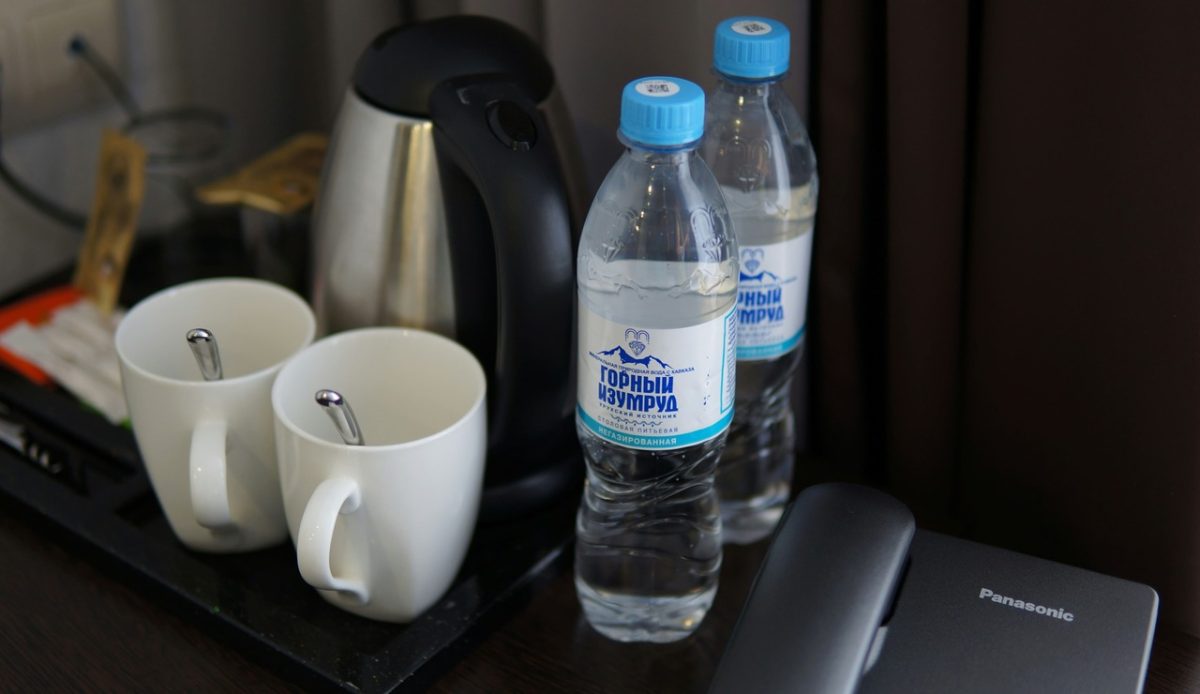
The dry air inside airplane cabins can leave you feeling drained, with headaches, fatigue, or dry skin. The best way to fight this is simple: drink plenty of water before and during your trip. Carry a reusable bottle and refill it after security to avoid relying on tiny cups from the cart. Limit alcohol and coffee since both dehydrate you faster. Staying hydrated boosts energy, supports circulation, and helps you feel refreshed by the time you land.
2. Dress in Layers
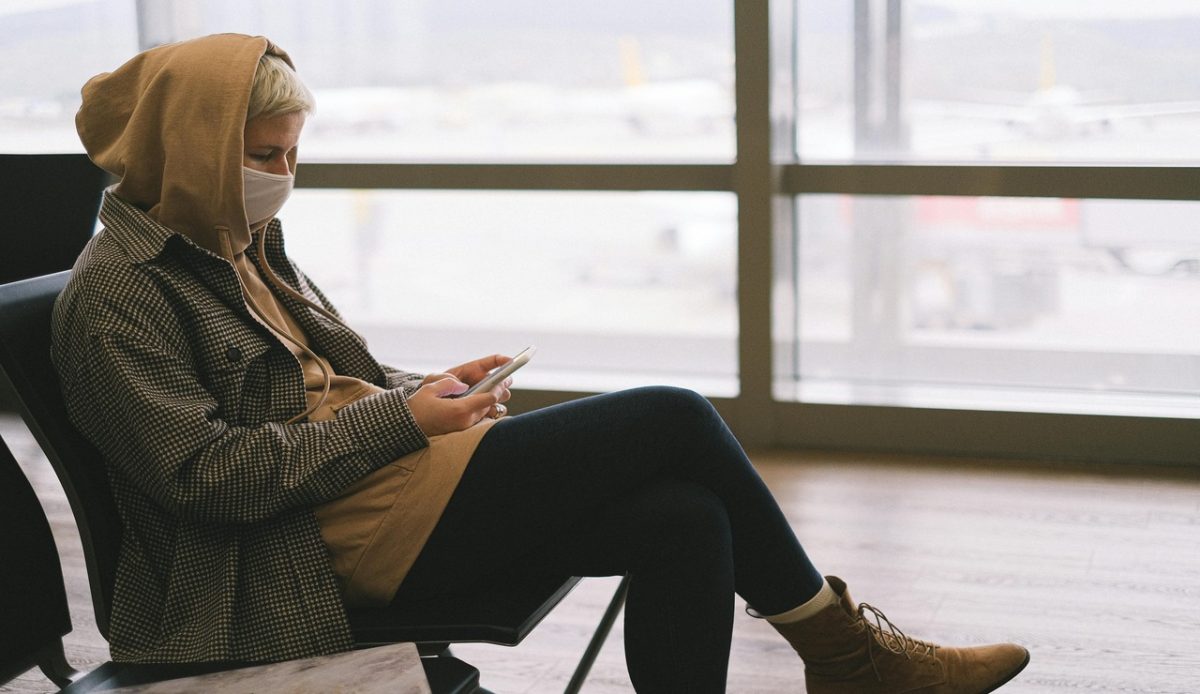
Airplane cabins are famously unpredictable when it comes to temperature. One moment you’re sweating, and the next you’re shivering. Dressing in light, breathable layers allows you to adapt easily. Cotton shirts, soft knits, or athletic wear pair well with a light hoodie or jacket that can double as a pillow. Avoid heavy, restrictive clothing that limits movement. Layering keeps you comfortable from boarding to landing, no matter how much the cabin climate changes.
3. Pack Travel-Sized Toiletries
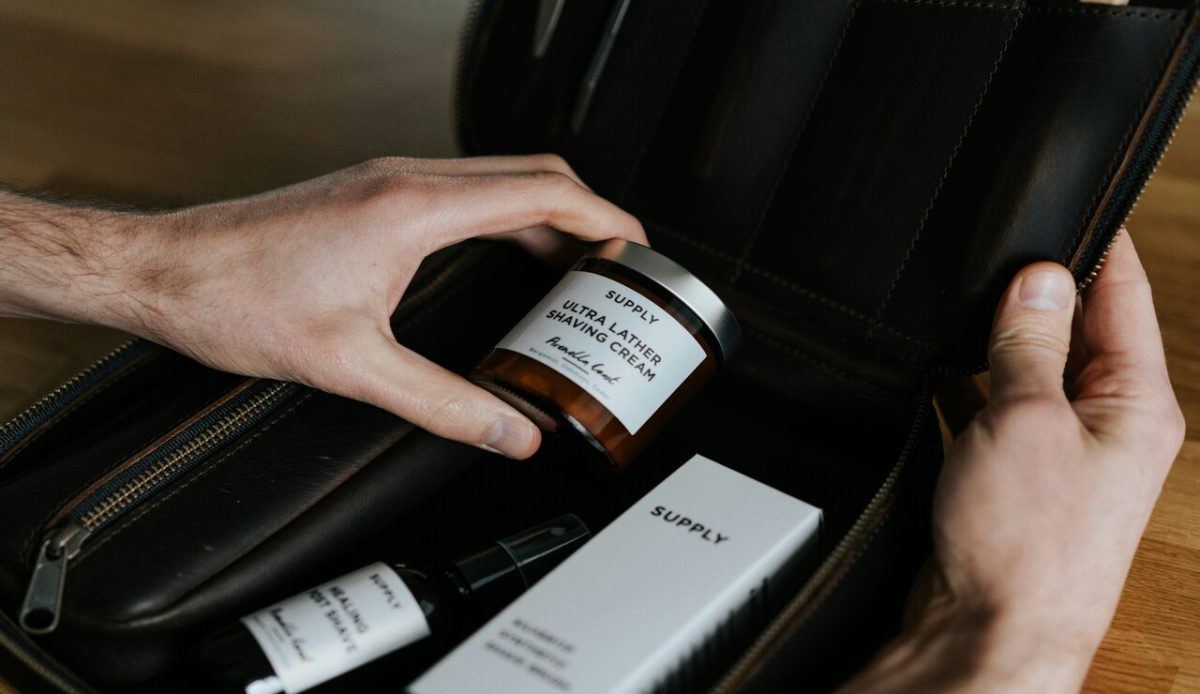
Long flights often leave you feeling less than your best, but a small toiletry kit can change that. Essentials like lip balm, hand sanitizer, deodorant, and facial wipes provide quick refreshes during the journey. A mini toothbrush and toothpaste are especially useful before landing, giving you an instant confidence boost. Hydrating sprays or moisturizers fight dryness from cabin air. Keeping these items in your carry-on helps you feel clean, comfortable, and ready for whatever comes next.
4. Move and Stretch Regularly
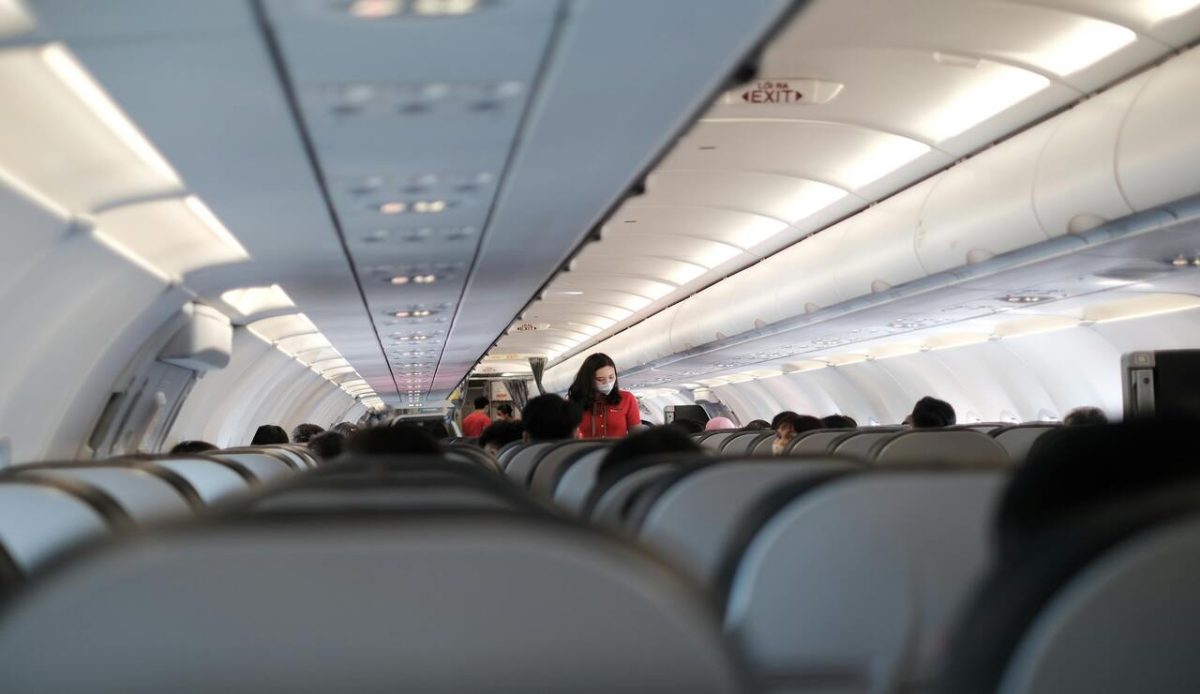
Remaining still for hours on end makes your body stiff and your legs heavy. Stretching or walking every hour keeps circulation strong and helps avoid swelling. Simple moves like ankle rolls, shoulder shrugs, or standing calf raises can be done without disturbing anyone. Longer flights increase the risk of deep vein thrombosis, making movement even more important. Regular stretching not only reduces aches and pains but also improves energy and alertness during and after your trip.
5. Choose Snacks Wisely
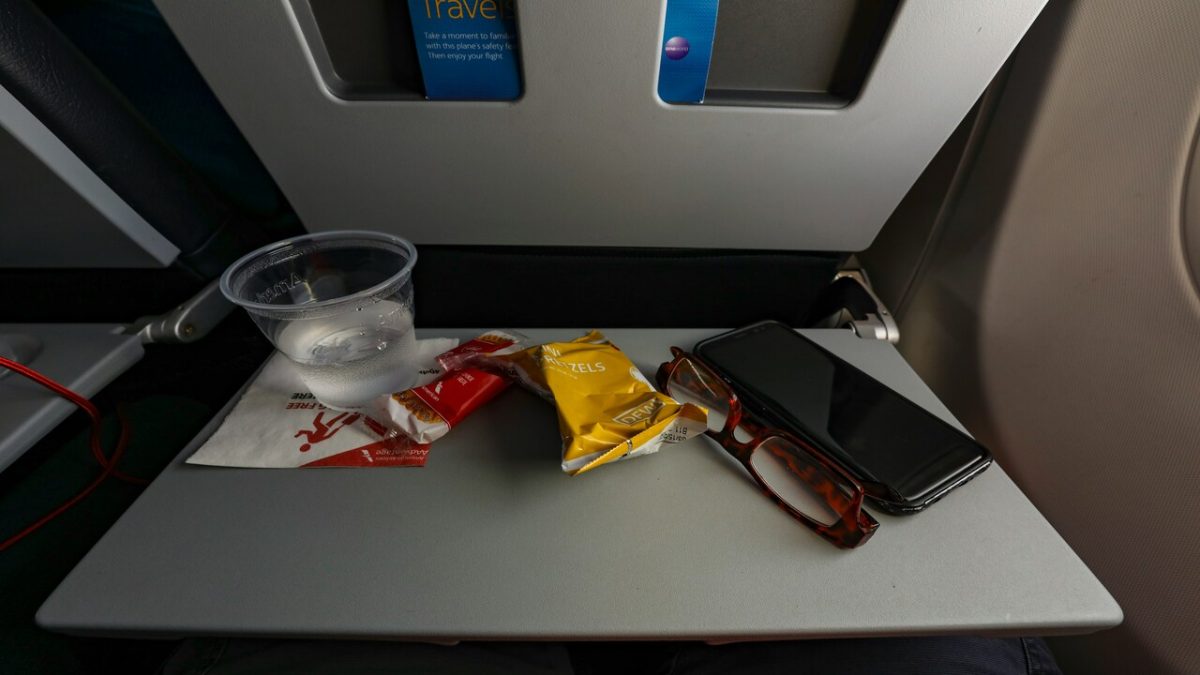
Airline meals and salty packaged snacks often leave passengers bloated or tired. Packing your own healthy options ensures steady energy without discomfort. Nuts, fruit, protein bars, or light sandwiches make excellent choices that are easy to carry. Eating smaller portions throughout the flight helps digestion and avoids sluggishness. It’s also smart to avoid heavy, greasy foods before boarding. Smart snacking is an underrated trick that keeps you comfortable and feeling good throughout the journey.
6. Use Noise-Canceling Headphones
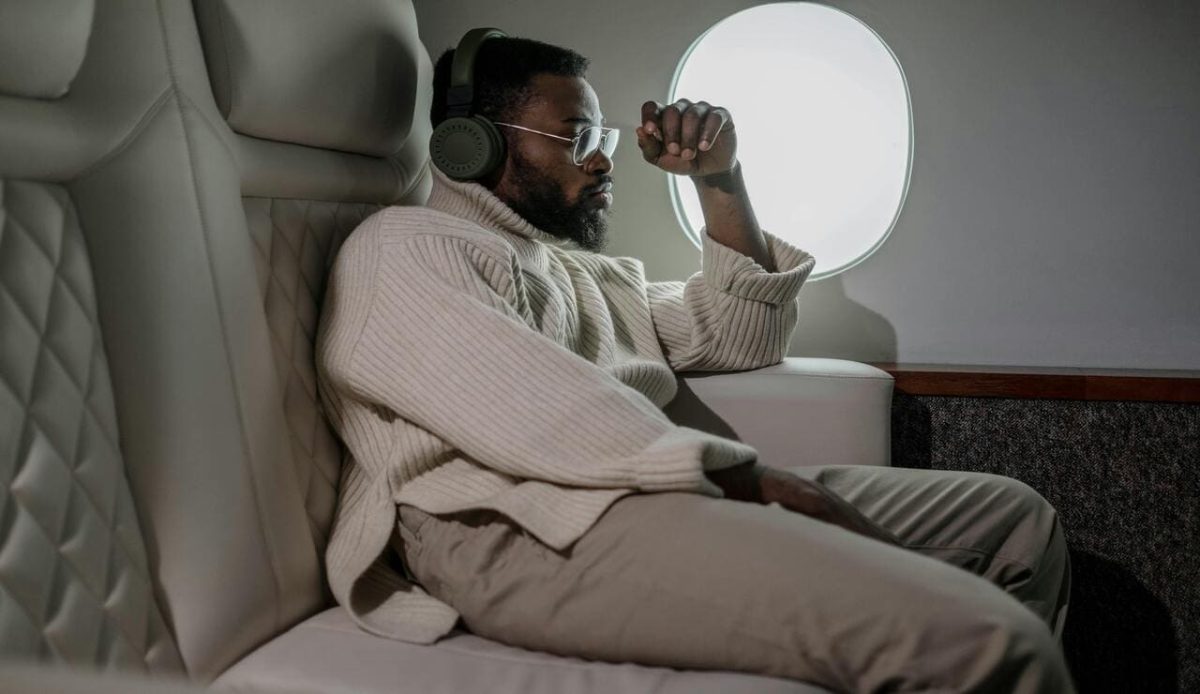
The steady hum of engines and constant chatter can be exhausting, especially on long flights. Noise-canceling headphones block distractions, creating a calmer environment for rest or entertainment. Pair them with calming playlists, audiobooks, or white noise to help you relax. Even if you don’t sleep, reducing background noise preserves mental energy. Good headphones may seem like a luxury, but frequent travelers know they transform an uncomfortable flight into something peaceful and restorative.
7. Bring a Neck Pillow and Blanket
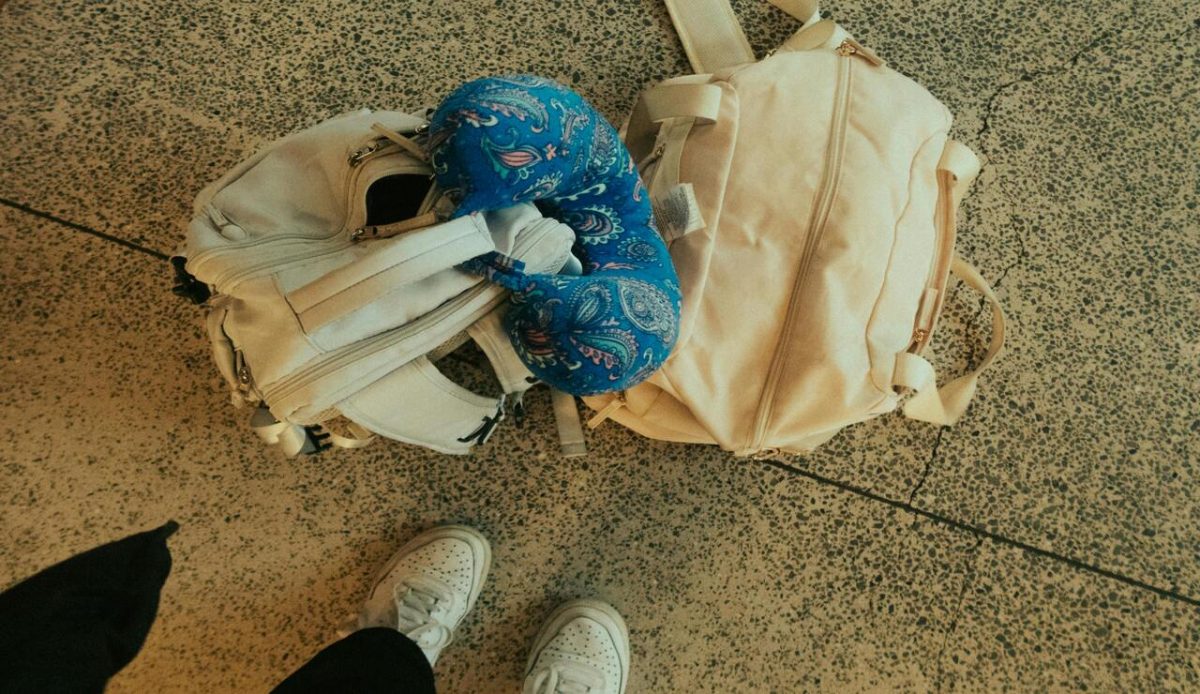
Getting comfortable in economy seats isn’t easy, but simple accessories can help. A supportive neck pillow prevents stiffness, while a lightweight blanket or oversized scarf provides warmth. Airlines may offer pillows and blankets, but they aren’t always clean or comfortable. Having your own ensures quality and peace of mind. These items also make it easier to nap, reducing travel fatigue. Small investments like this pay off by helping you arrive more rested and refreshed.
8. Freshen Your Mind With Entertainment
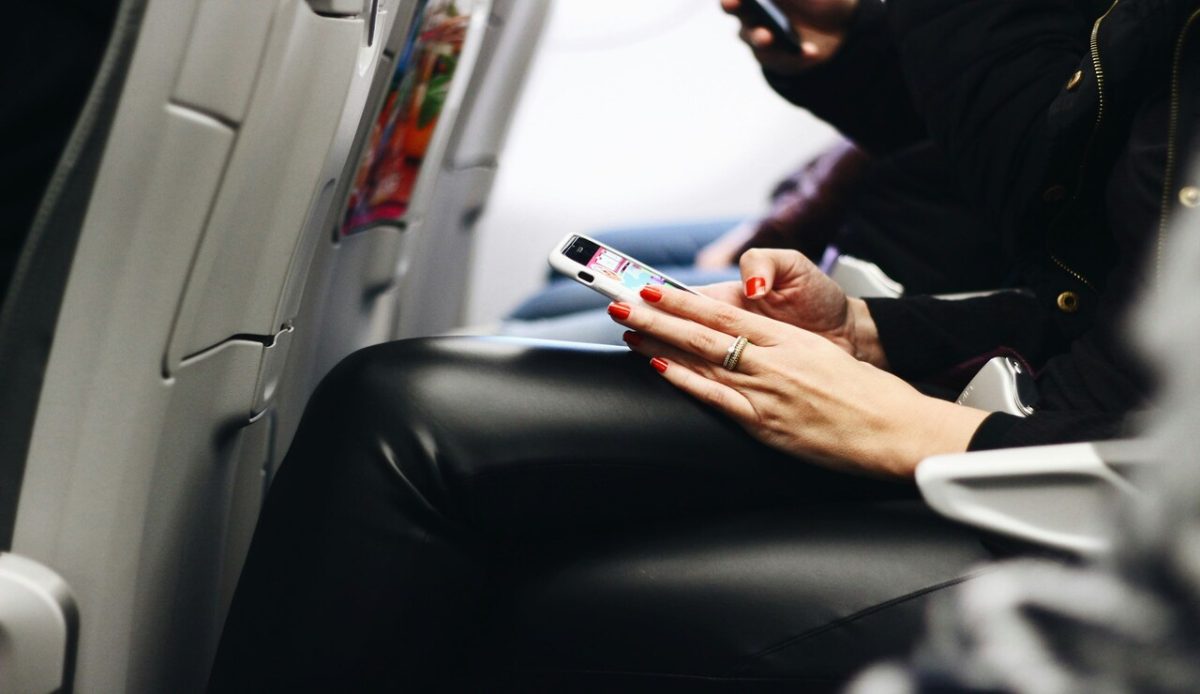
Long flights can feel endless without mental breaks. Bring entertainment that helps you relax, books, downloaded shows, puzzles, or calming podcasts. Having options beyond the airline’s screen keeps boredom at bay. Variety also prevents screen fatigue, so mix reading, listening, and short naps. Keeping your mind engaged distracts from discomfort and makes time pass faster. A well-prepared entertainment lineup transforms a long haul into a manageable, even enjoyable, experience.
9. Prioritize Sleep and Rest
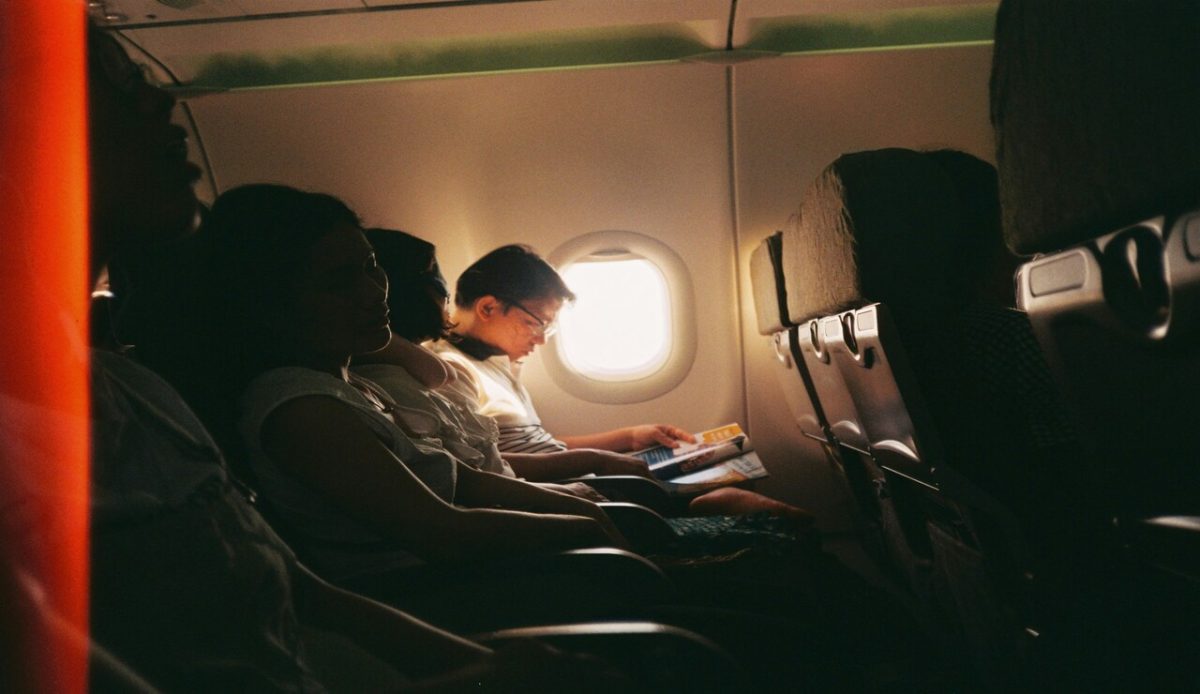
Nothing refreshes you on a flight like quality rest. Even short naps help ease fatigue, reduce stress, and prepare you for arrival. For long-haul journeys, adjust your sleep schedule beforehand to minimize jet lag. Once onboard, make use of eye masks, earplugs, and neck pillows to create a comfortable environment, even in economy seats. The more quality rest you manage in the air, the more alert and ready you’ll be to enjoy your destination immediately after landing.
