
Some countries are defined more by rivers, forests, mountains, and coastlines than by urban sprawl. In these destinations, natural landscapes outweigh cities, giving travelers opportunities to explore pristine wilderness, encounter wildlife, and immerse themselves in ecosystems largely untouched by development. From remote islands to alpine valleys, nature here sets the pace of life. In this article, we highlight nine countries where nature still outnumbers cities, inviting visitors to slow down, breathe deeply, and experience landscapes that define these nations more than any skyline ever could.
1. Bhutan
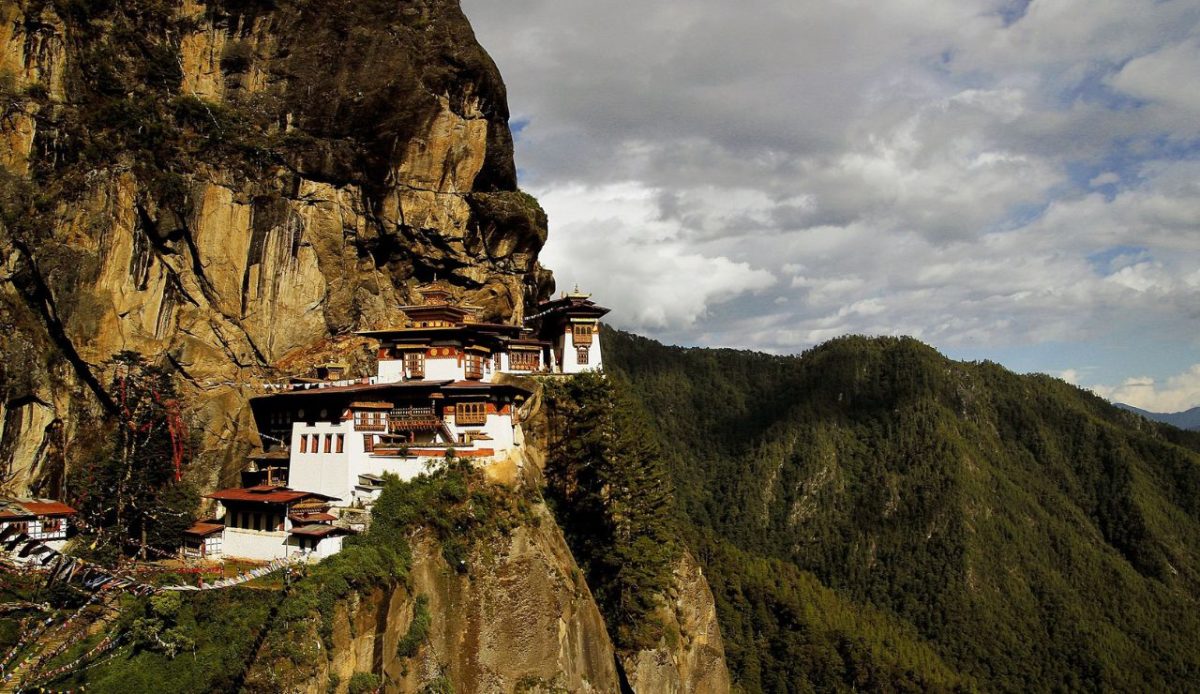
Bhutan is a Himalayan kingdom where nature dominates, with more forest than urban development. Mountains, valleys, and rivers shape daily life, while monasteries perch above scenic vistas. The country limits tourism to protect its environment, maintaining cultural and ecological balance. Trekkers encounter pristine forests, terraced hills, and high-altitude lakes. Wildlife like takins and snow leopards thrive in national parks. Bhutan’s commitment to conservation ensures that nature is the main attraction, offering travelers a peaceful, immersive escape where the natural landscape truly outnumbers any city infrastructure.
2. New Zealand
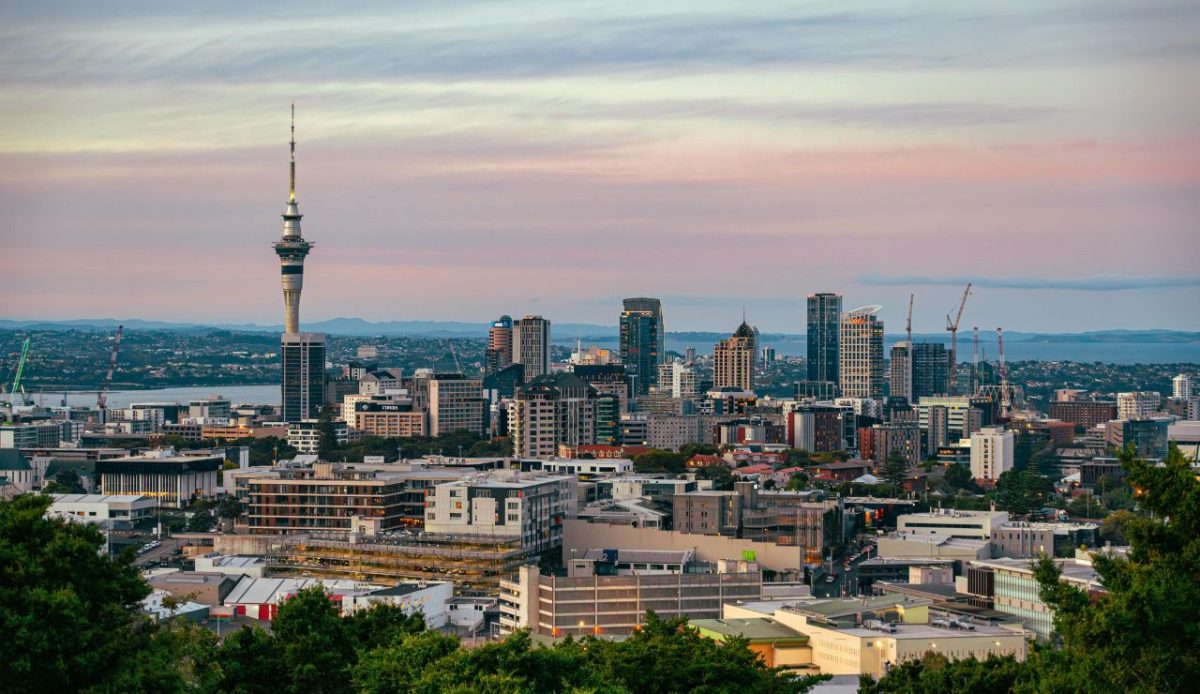
New Zealand offers sweeping natural landscapes that far exceed its urban centers. Mountains, fjords, forests, and beaches dominate both islands. Travelers enjoy outdoor adventures like hiking, kayaking, and skiing, all framed by clean air and vibrant scenery. Cities such as Wellington and Auckland are compact, allowing visitors to quickly escape to nature. Wildlife thrives in protected reserves and remote areas. New Zealand’s commitment to conservation ensures that untouched wilderness remains accessible and scenic, making it a country where urban development is secondary to spectacular landscapes and immersive outdoor experiences.
3. Finland
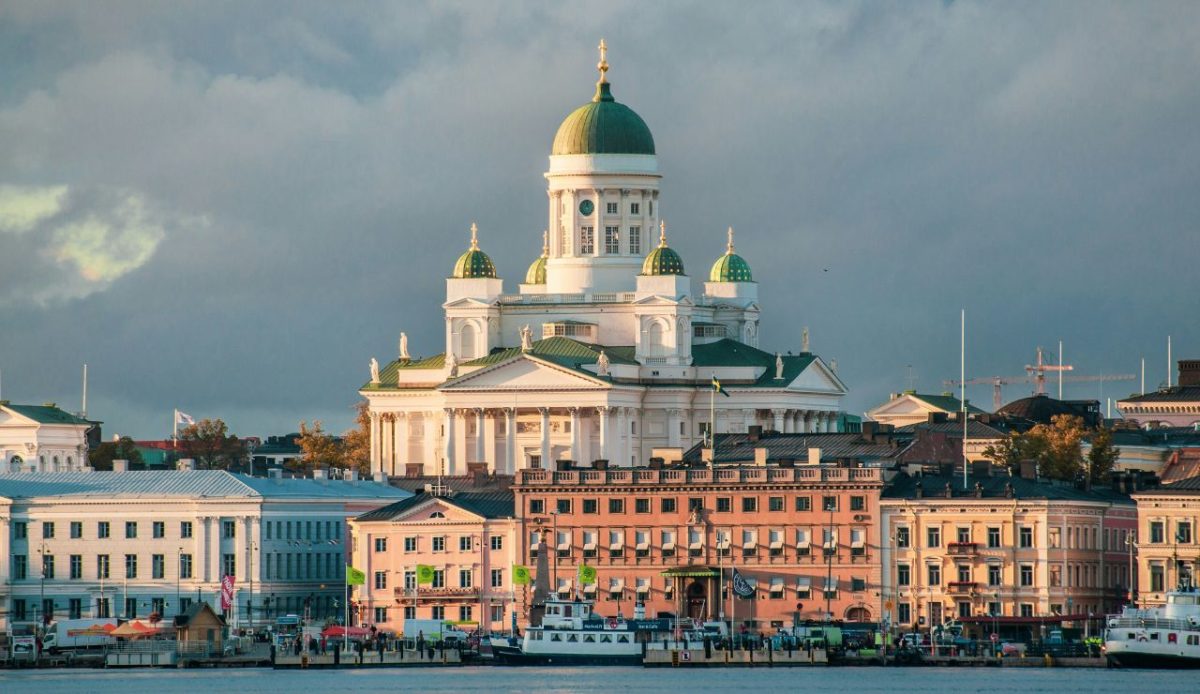
Finland’s vast forests, lakes, and archipelagos dwarf its small cities, creating a country where nature reigns supreme. Travelers can explore thousands of lakes, boreal forests, and the Lapland tundra with minimal urban interference. Wildlife, including reindeer and lynx, thrives in protected areas. Outdoor activities like hiking, skiing, and aurora watching are enhanced by low pollution and preserved natural habitats. Even Helsinki emphasizes green spaces and sustainable urban planning. Finland offers visitors a peaceful retreat, where forests and waterways dominate the landscape, giving travelers a true sense of wilderness over city life.
4. Canada
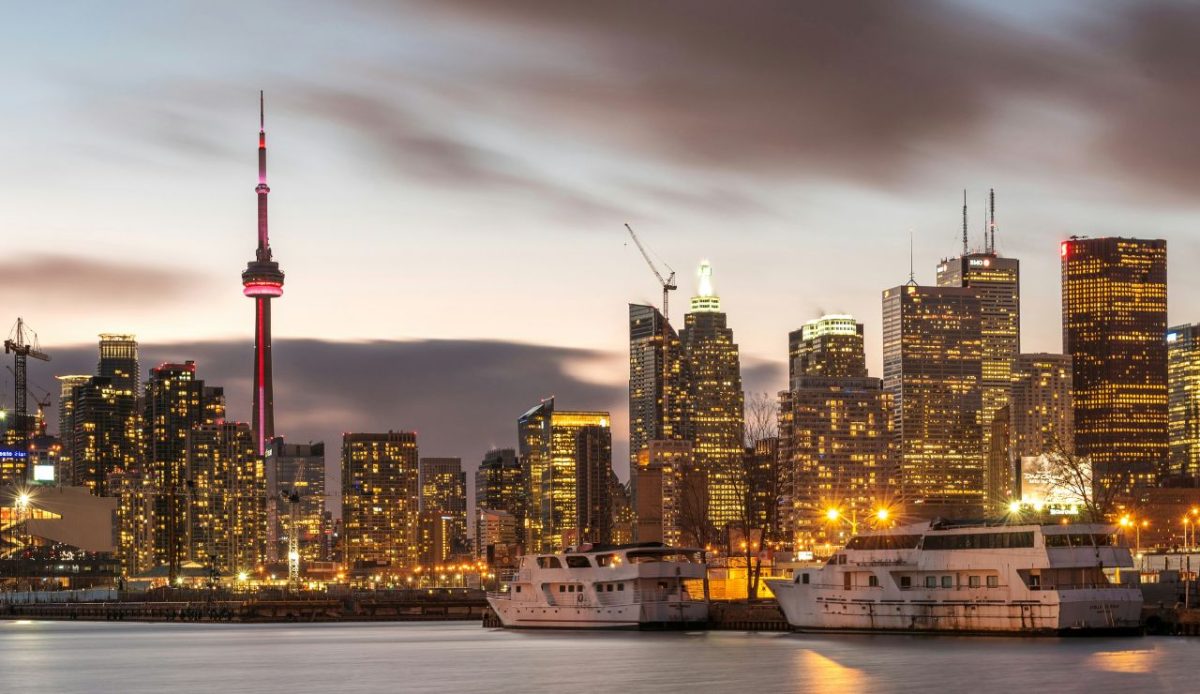
Canada’s enormous landmass is defined by forests, lakes, mountains, and tundra, leaving cities small in proportion to nature. From the Rockies to the Arctic, travelers encounter pristine wilderness and abundant wildlife. National parks protect ecosystems, offering hiking, canoeing, and skiing opportunities. Cities like Vancouver and Toronto serve as gateways rather than dominant landscapes. The sheer scale of Canada’s forests and rivers allows for long stretches of uninterrupted nature. For travelers seeking vast, unspoiled environments, Canada demonstrates how landscapes can surpass urban development in both size and significance.
5. Norway
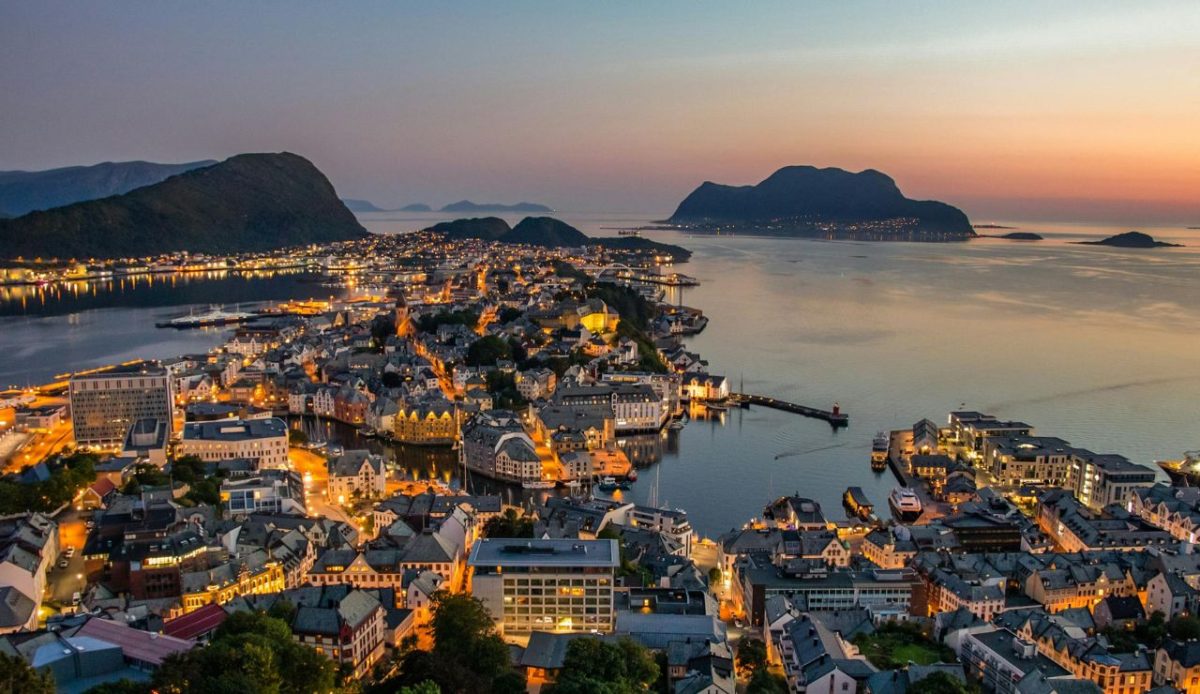
Norway’s fjords, glaciers, and mountains outweigh its small urban centers, giving travelers an immersive natural experience. Outdoor activities, from hiking to kayaking and Northern Lights viewing, are enhanced by clean air and dramatic landscapes. Cities like Oslo are compact, making wilderness accessible within hours. Wildlife thrives in protected areas, and strict environmental regulations preserve Norway’s natural beauty. Travelers encounter cascading waterfalls, deep fjords, and serene valleys that dominate the country’s identity. Norway exemplifies a place where nature takes precedence over urban life.
6. Iceland
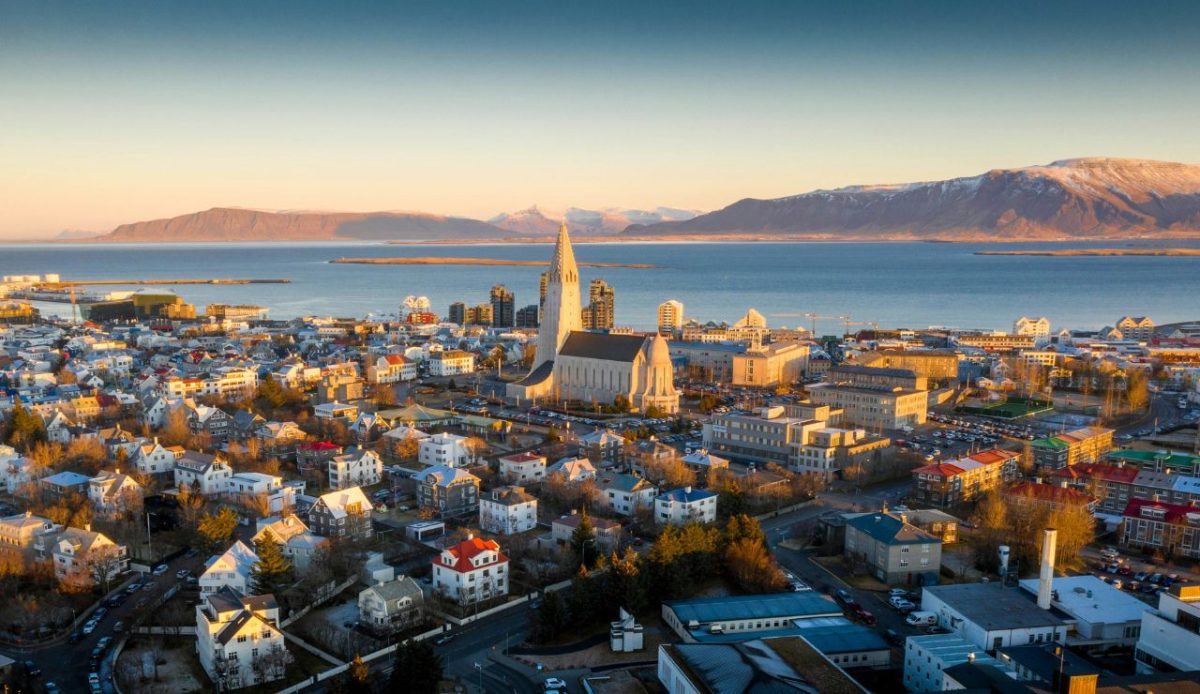
Iceland is defined by volcanic landscapes, glaciers, geysers, and waterfalls, with urban areas limited to Reykjavik and a few small towns. Travelers explore lava fields, hot springs, and rugged coastlines largely untouched by development. Wildlife such as puffins and seals thrives along the shores. Iceland’s geothermal energy use and environmental focus minimize urban impact on nature. Driving the Ring Road or venturing into the Highlands offers breathtaking, unspoiled scenery. For first-time visitors, Iceland’s vast wilderness dominates every experience, making nature the star of the country while cities remain secondary.
7. Russia
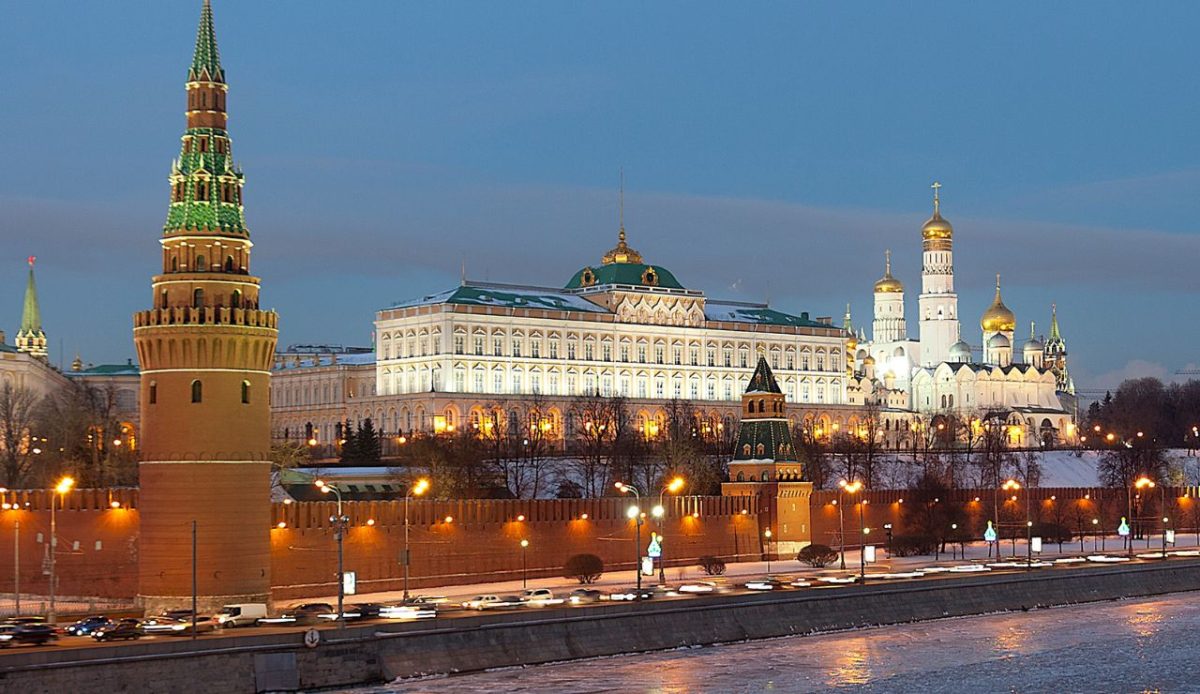
Russia’s vast landscapes far outsize its urban centers, with endless forests, tundra, and mountain ranges stretching across the country. Siberia alone covers millions of square kilometers with minimal population density. Travelers can explore pristine lakes, rivers, and the Ural and Altai Mountains, all largely untouched by development. Wildlife like bears, wolves, and reindeer thrive in these regions. Even major cities like Moscow and Saint Petersburg occupy only a fraction of the country’s land. Russia offers visitors a sense of true wilderness, where nature overwhelmingly outnumbers human settlements.
8. Papua New Guinea
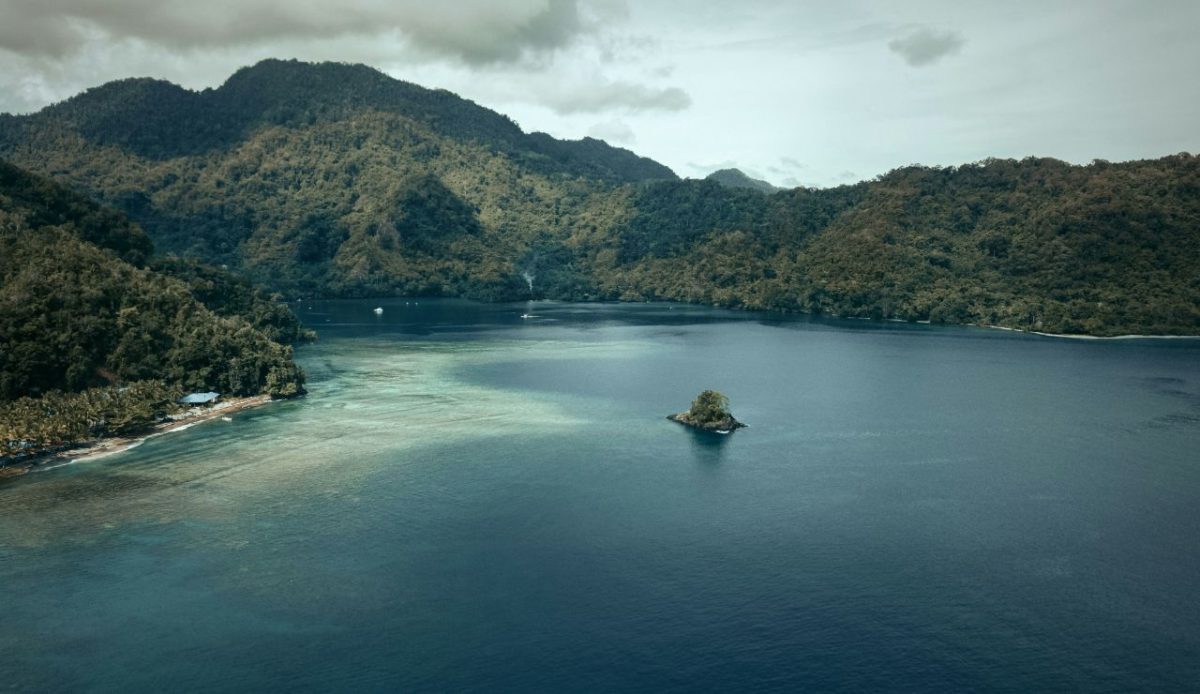
Papua New Guinea remains one of the most ecologically intact countries, with dense rainforests, coral reefs, and mountainous terrain surpassing urban areas. Small villages punctuate vast wilderness, and much of the population relies on subsistence living. Travelers experience vibrant biodiversity, including birds of paradise and unique marine life. Trekking, diving, and cultural exploration are enhanced by unspoiled nature. Limited infrastructure ensures cities never dominate, allowing visitors to fully immerse themselves in lush forests, rivers, and reefs. Papua New Guinea showcases a land where nature clearly outnumbers urban life.
9. Mongolia
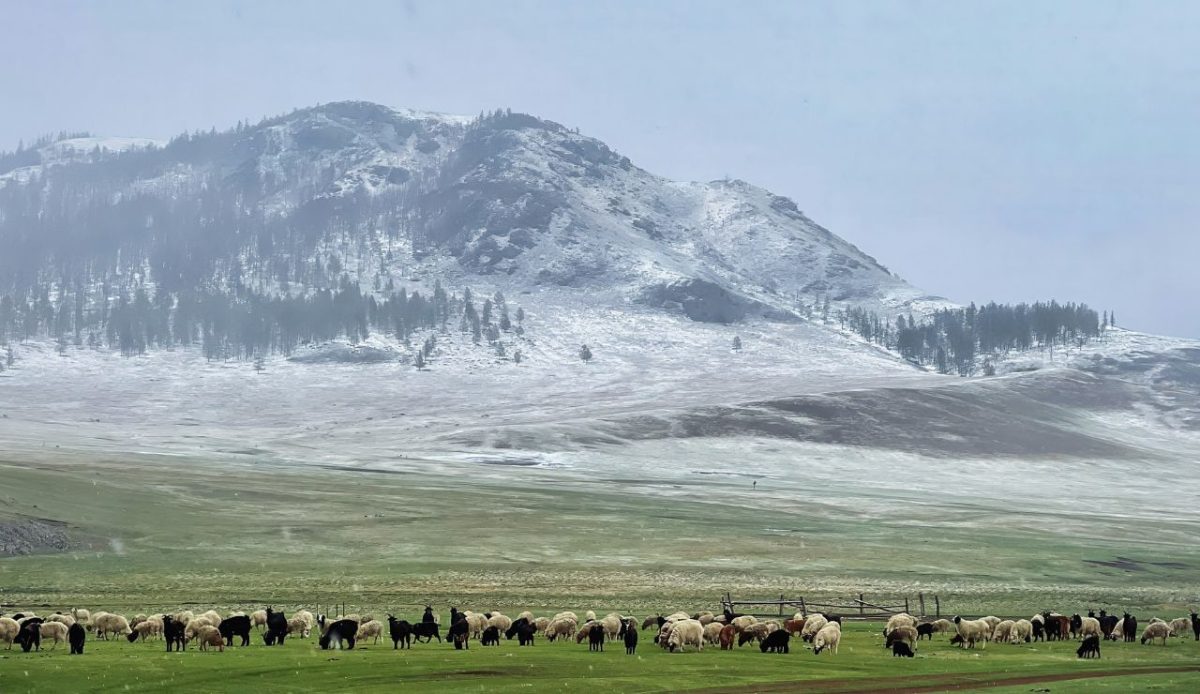
Mongolia’s vast steppes, deserts, and mountains dwarf its few urban centers. Nomadic traditions persist across open landscapes, with minimal infrastructure interrupting natural vistas. Travelers can experience the Gobi Desert, Altai Mountains, and grasslands under vast skies. Wildlife such as horses, camels, and argali sheep roam freely. Limited population density preserves serenity and expansive horizons. Visitors experience traditional culture intertwined with wilderness. Mongolia’s dominance of nature over cities offers a raw, immersive experience where the environment is central to both daily life and travel adventures.
