
Retirees across Canada continue to seek cities that provide stable services, manageable housing, and reliable community programs. Many mid-sized locations now appeal to older adults who want predictable routines without the congestion of major urban centers. These cities maintain accessible clinics, organized activity schedules, and walkable streets that help seniors stay active. Green spaces, waterfront paths, and compact downtown areas support daily movement. By offering steady services and a comfortable pace, these locations have grown into attractive choices for long-term retirement.
1. Victoria, British Columbia

In Victoria, retirees find a city that supports daily movement without strain. Its compact layout allows older adults to reach stores, clinics, and recreational spaces on foot or by short transit rides. The waterfront remains a favorite spot for residents who enjoy steady walking paths and manageable terrain. Medical services are spread across several neighborhoods, reducing travel time for appointments. Many seniors select smaller homes or condos to avoid heavy maintenance. The mild climate helps people stay active outdoors during most months, giving Victoria a consistent appeal for long-term retirement plans.
2. Kelowna, British Columbia

Easy access to everyday services plays a major role in Kelowna’s rising retiree population. Seniors use flat walking routes to reach grocery stores, pharmacies, and community buildings without depending heavily on cars. Medical facilities operate across the region, supporting regular health needs and follow-up visits. Housing options range from lakeside apartments to quiet suburban streets, giving retirees flexibility when choosing a long-term home. Community markets and activity centers run weekly programs that encourage social contact. The well-kept public spaces help older adults feel comfortable spending time outdoors throughout the year.
3. Nanaimo, British Columbia
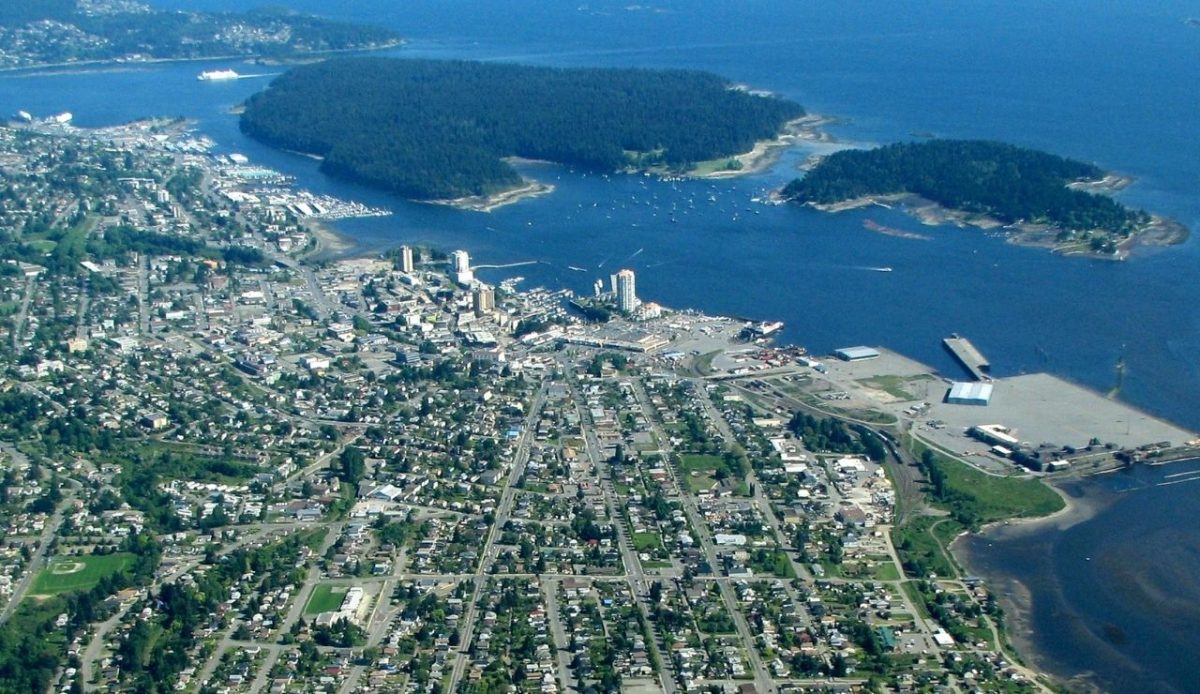
Nanaimo gives retirees a coastal setting with calm neighborhoods and simple access to essential services. The harbor area stays popular among older adults who enjoy predictable walking paths and steady scenery. Stores, clinics, and pharmacies are grouped in central zones, so routine errands remain manageable. Housing costs stay more reasonable than in larger coastal cities, drawing people who want stability without heavy financial pressure. Weekly classes and recreation programs at community centers help seniors maintain social structure. The slower pace across the city supports a lifestyle that many retirees find easy to maintain.
4. Ottawa, Ontario
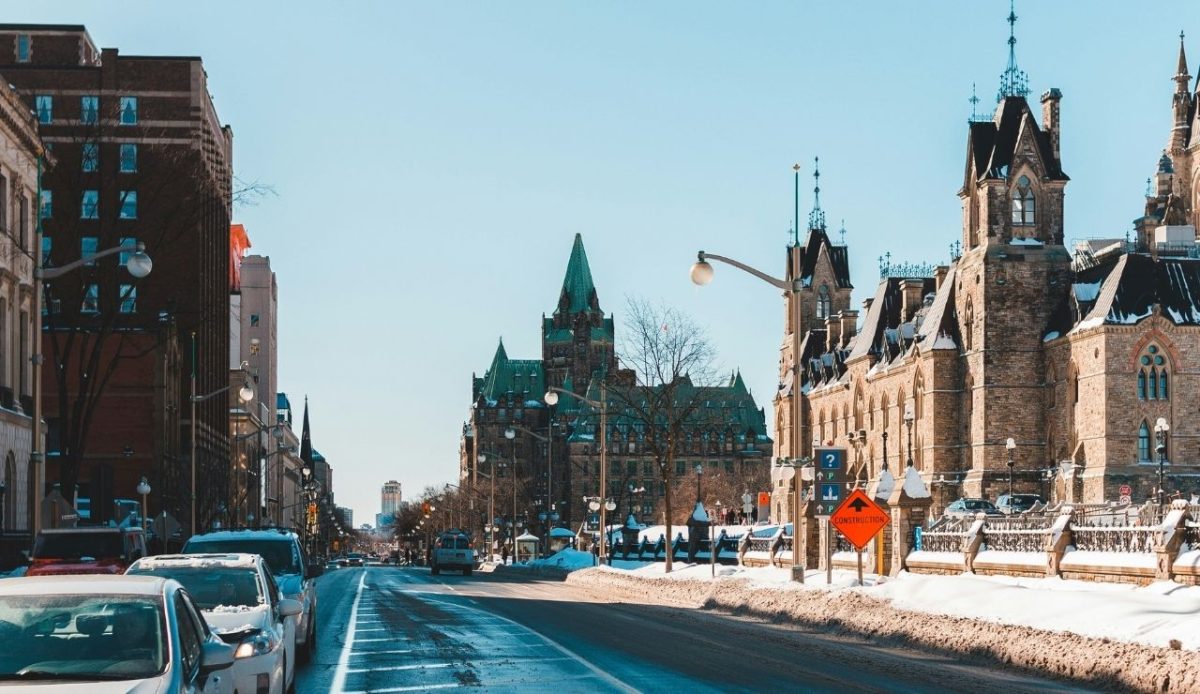
Reliable infrastructure stands out as a key factor for retirees choosing Ottawa. Public transit connects neighborhoods efficiently, making medical visits, shopping trips, and community programs easier for older adults. Museums, galleries, and historic sites offer structured outings for residents who want regular activities. Many retirees pick townhomes or condos near transit lines to avoid long drives. Winter upkeep is handled well, with sidewalks and roads maintained quickly so seniors can move safely. Ottawa’s strong network of hospitals, clinics, and community centers supports retirees who want long-term stability in a well-organized city.
5. Kingston, Ontario
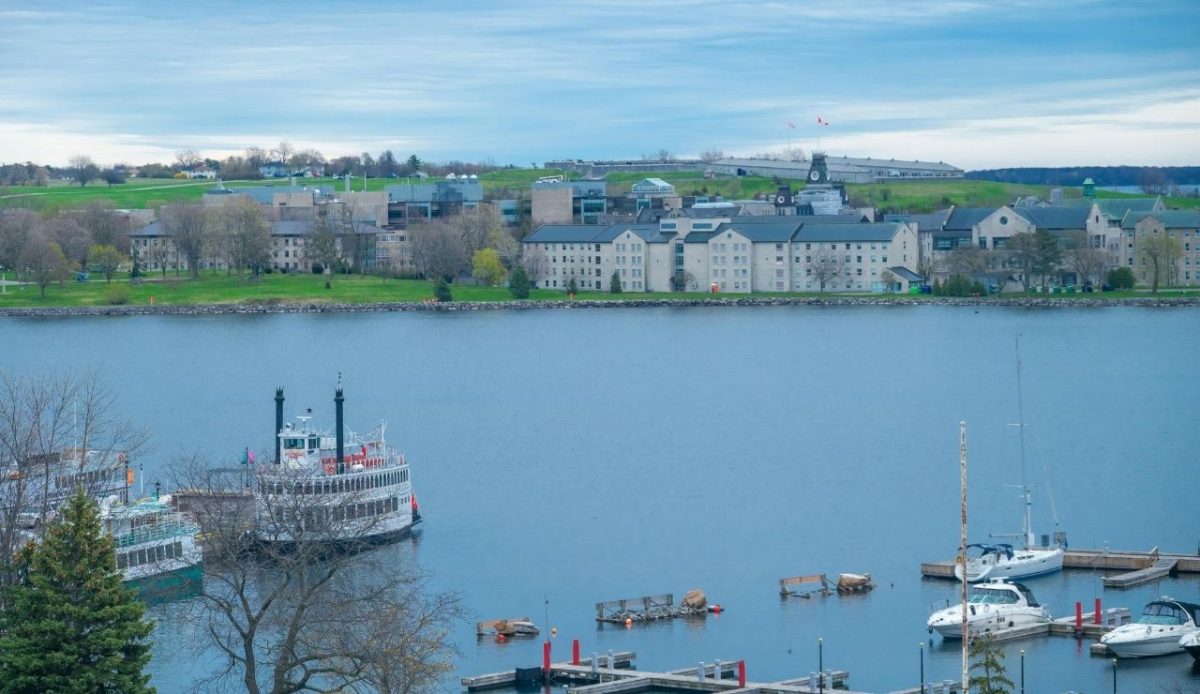
In Kingston, the combination of strong medical access and walkable streets draws many retirees. The local hospital system serves a wide region, giving residents confidence in both emergency and long-term care. Downtown areas include shops, cafés, and essential services that seniors can access without extended travel. Community centers release weekly schedules with fitness sessions, social groups, and hobby programs suited to older adults. Housing options include condos and small homes that reduce upkeep demands. The accessible waterfront path gives retirees a steady place for daily walks and seasonal activities.
6. Halifax, Nova Scotia

In Halifax, retirees appreciate how the city blends coastal scenery with dependable services. The downtown and waterfront areas stay accessible through well-kept paths that seniors use for daily routines. Medical offices, clinics, and pharmacies are spread across the metro area, reducing long travel for appointments. Housing ranges from compact apartments to low-maintenance townhomes, giving older adults flexible choices. Community groups run regular social and fitness sessions that keep residents active. The steady pace of the city appeals to retirees who want structure without feeling isolated.
7. Moncton, New Brunswick
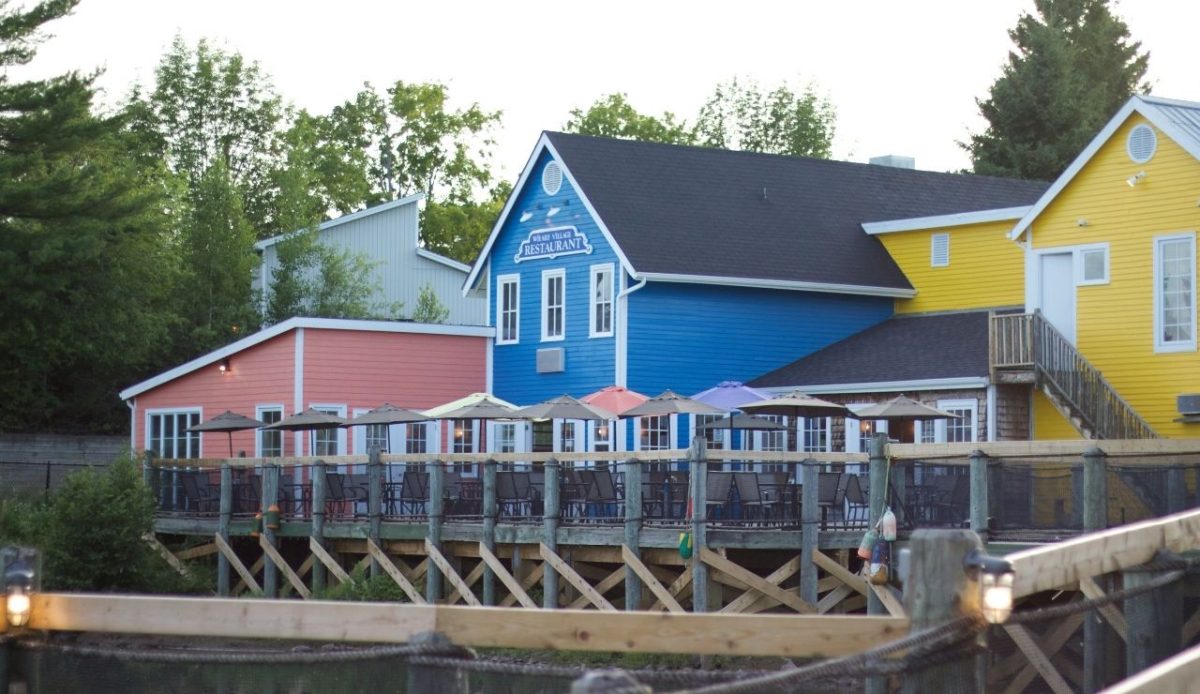
Affordable living often draws retirees toward Moncton’s growing neighborhoods. Seniors reach grocery stores, health clinics, and recreational centers without facing long commutes or complicated routes. The city stays active through weekly community events, giving older adults steady chances to meet new people. Local parks provide easy walking paths, and many residents use them year-round for light exercise. Housing prices remain more manageable than in many other Canadian cities, which appeals to retirees planning fixed budgets. Moncton’s straightforward layout supports a simple and predictable daily routine.
8. St. John’s, Newfoundland and Labrador

St. John’s offers retirees a walkable core supported by essential health services and a strong sense of community. Many older adults enjoy living near the harbor, where they find clear walking routes and frequent benches for rest. Local clinics operate across the city, helping residents manage regular checkups without heavy travel demands. Community centers post weekly activity calendars that encourage participation and social contact. Housing options vary from downtown condos to smaller homes in quiet districts, giving retirees flexibility. The city’s friendly atmosphere helps newcomers settle comfortably.
9. Saskatoon, Saskatchewan

Steady access to green spaces shapes Saskatoon’s appeal among retirees. Parks and riverside trails stay well-maintained, giving seniors reliable areas for walking and light outdoor activity. Medical facilities, including specialty clinics, remain easy to reach from most neighborhoods. Community programs offer structured schedules that support physical activity and social interaction. Housing options include apartments and townhomes designed for low upkeep, which many retirees prefer. The city maintains predictable daily rhythms, helping older adults plan routines without sudden disruptions. Saskatoon’s balance of services and outdoor access attracts retirees who want a practical living environment.
