
American vacations once ran on paper, cash, and small rituals that made trips feel official. Guidebooks, postcards, and counter check-ins were normal because they solved real constraints. They also created shared family scripts that got repeated every summer.
Younger travelers still take trips, yet the steps around travel have shifted. Phones now handle routing, tickets, payments, and updates, so many older habits add friction without adding function.
The traditions below are being left behind for practical reasons. Each change tracks a specific mechanism, such as real-time data, contactless payments, or app-based identity, that removes a former need.
1. AAA TripTiks And Folded Maps

A classic road trip started with a stop at AAA for a TripTik, folded maps, and a highlighted route. The packet acted as a checklist that said the journey had begun. It also bundled motel options and mileage estimates in one place.
Turn-by-turn navigation, live traffic, and automatic rerouting made preplanned pages less useful. Many AAA clubs shifted members toward online tools instead of printed packets. GPS chips and crowd speed data now deliver a route that reacts to conditions.
Phones update after a crash, closure, or storm warning, so younger drivers trust the screen. Paper still works, yet it rarely fits planning built around quick pivots. When plans change after lunch, the digital path changes with them.
2. Postcards Sent From The Road

Postcards once traveled home from beaches, parks, and big cities with a short note and a local stamp. The card itself became a small artifact that could be saved, displayed, or mailed to grandparents who expected one.
Messaging apps removed the delay that gave postcards their purpose. Photos and updates reach relatives in seconds, not days, and replies arrive just as fast. Many travelers also skip buying stamps because tracking addresses feels unnecessary.
Personal mail volume has declined for years as communication moved online, so the habit is less visible to kids now. Even when postcard racks remain, fewer are written and sent. The tradition shifts from default ritual to niche choice.
3. Traveler’s Checks For Peace Of Mind
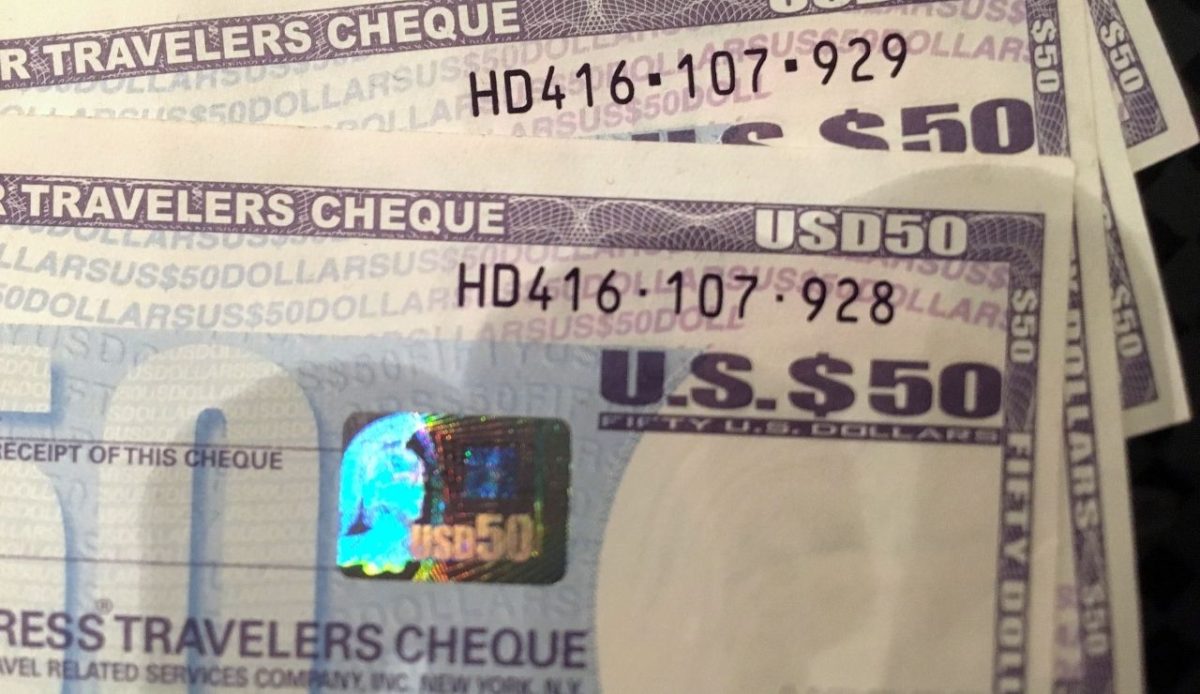
Before chip cards were common, traveler’s checks were a standard safeguard for U.S. tourists. They were bought in advance, signed twice, and replaced if stolen. Many families treated them as required gear for an overseas trip.
Card networks expanded, ATMs spread, and banks improved fraud handling, which changed the risk math. Exchange rates are handled at purchase, and spending shows up quickly in account history. A paper instrument with limited acceptance feels like extra work.
Younger travelers rely on debit access, credit protections, and app alerts that flag unusual charges. Some banks allow temporary card locks and instant replacement shipments. With those systems in place, traveler’s checks no longer solve a common problem.
4. Cash As The Main Trip Budget

Older travel advice often said to carry cash for tolls, diners, and emergencies. Vacation spending was tracked by counting bills, and cash felt universal, especially on long drives where card machines once failed.
Contactless cards, tap to pay, and mobile wallets reduced the need to visit an ATM. Small vendors can accept cards with low-cost readers and settle transactions fast. Tolls and parking also shifted toward transponders and app payments.
Federal payment diaries consistently show that younger adults use cash for a smaller share of purchases than older groups. That pattern carries into trips, so large cash stashes feel unnecessary. Cash remains useful, yet it is no longer the main budget tool.
5. Printing Boarding Passes
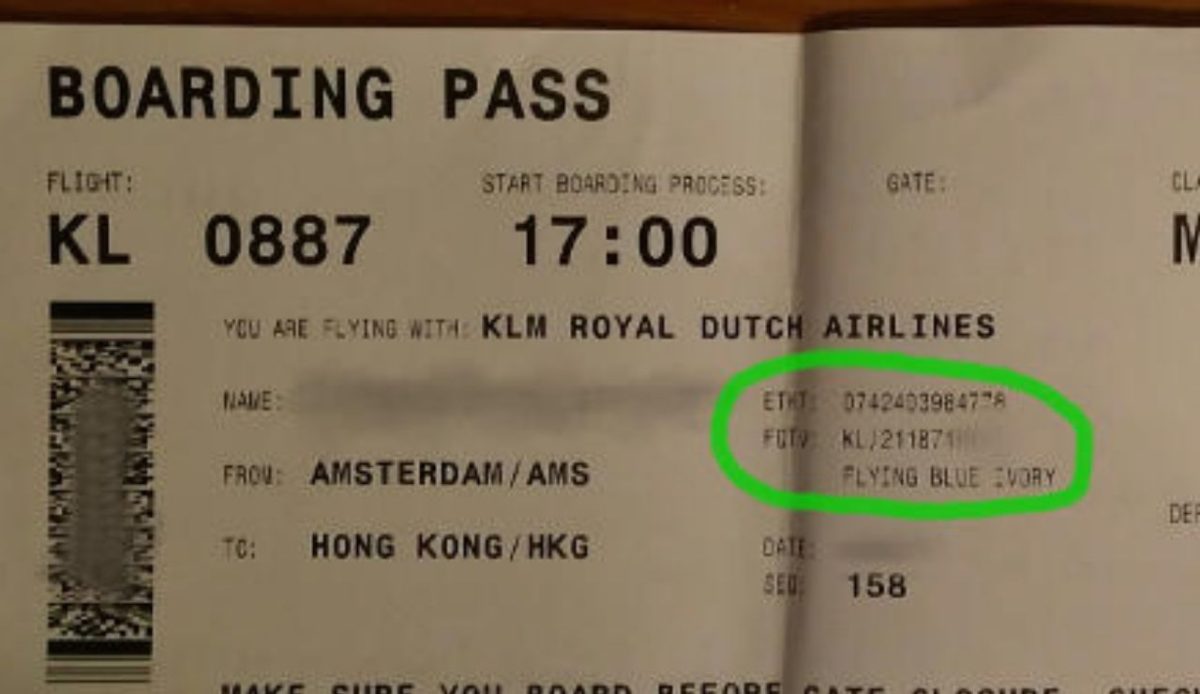
Air travel once involved paper at every step, including printed boarding passes and kiosk receipts. Travelers clipped documents together because a missed gate change could ruin a connection. Printing at home became a common pre-airport ritual.
Airlines moved check-in to apps, and boarding passes refresh automatically after schedule or gate changes. Many airports added self-service bag drops and faster ID screening that pairs with mobile credentials. The paper adds no speed in those lanes.
Younger flyers are comfortable showing a QR code on a phone and storing updates in a wallet app. Screenshots and push alerts keep records without a printer. Printing is still allowed, but it has stopped being the usual choice.
6. Paper Ticket Stubs As Keepsakes
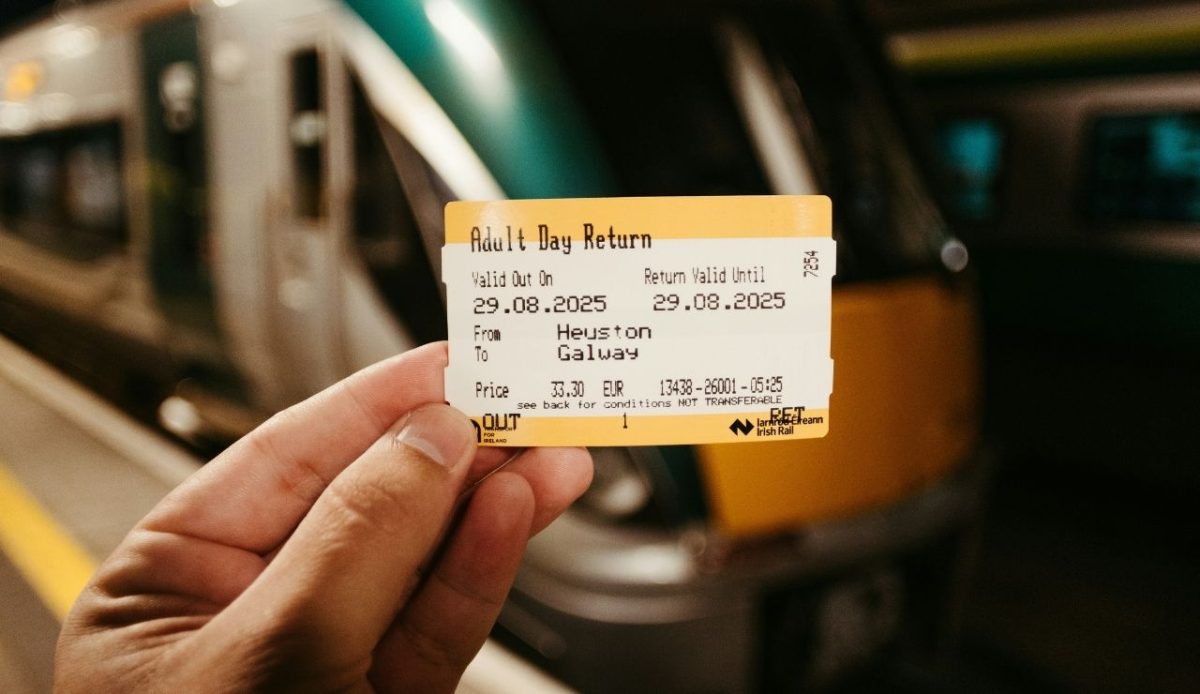
Sports and concert tickets once doubled as souvenirs. People saved stubs in drawers or scrapbooks, and the paper carried the date and seat as proof. A weekend trip could be remembered by the stack of tickets alone.
Digital ticketing reduced printing and pushed entry through barcodes or NFC scans. Many venues discourage paper because it can be copied, lost, or resold easily. App-based transfer tools also let groups share tickets without meeting first.
When access lives inside an app, there is no stub to keep. Younger travelers save a screenshot, a photo, or a receipt email instead. The keepsake shifts from paper to pixels, changing how travel memories are archived.
7. Planning From Printed Guidebooks

A guidebook once drove the itinerary, from which museum to pick to where to eat nearby. Travelers underlined pages, folded corners, and followed author lists that changed slowly between editions. Carrying the book felt like carrying local expertise.
Search results, map reviews, and short videos update faster than print. Hours, closures, and ticket rules can change weekly, and online sources reflect that quickly. Pricing and transit directions can be recalculated instantly from a current location.
Younger planners treat a book as inspiration, not instruction. When accuracy depends on fresh information, the phone wins and the book stays in the room. The tradition fades because print cannot match real-time travel changes.
8. Calling Businesses For Details

Travel planning once included phone calls to confirm hours, directions, and reservation policies. A quick chat with staff reduced uncertainty, especially in unfamiliar towns where signs were unclear, and websites were rare.
Web listings, online menus, and instant booking tools replaced many of those calls. Businesses also shifted support to text, chat, and automated responses that scale better during busy seasons. Caller ID screening and spam calls made voice contact less welcome.
Younger customers avoid calling unless forced, partly because it takes time and offers no written record. Screenshots and confirmation emails provide proof if a dispute arises. As a result, the phone-based planning step disappears from the routine.
9. Driver’s License As A Travel Milestone
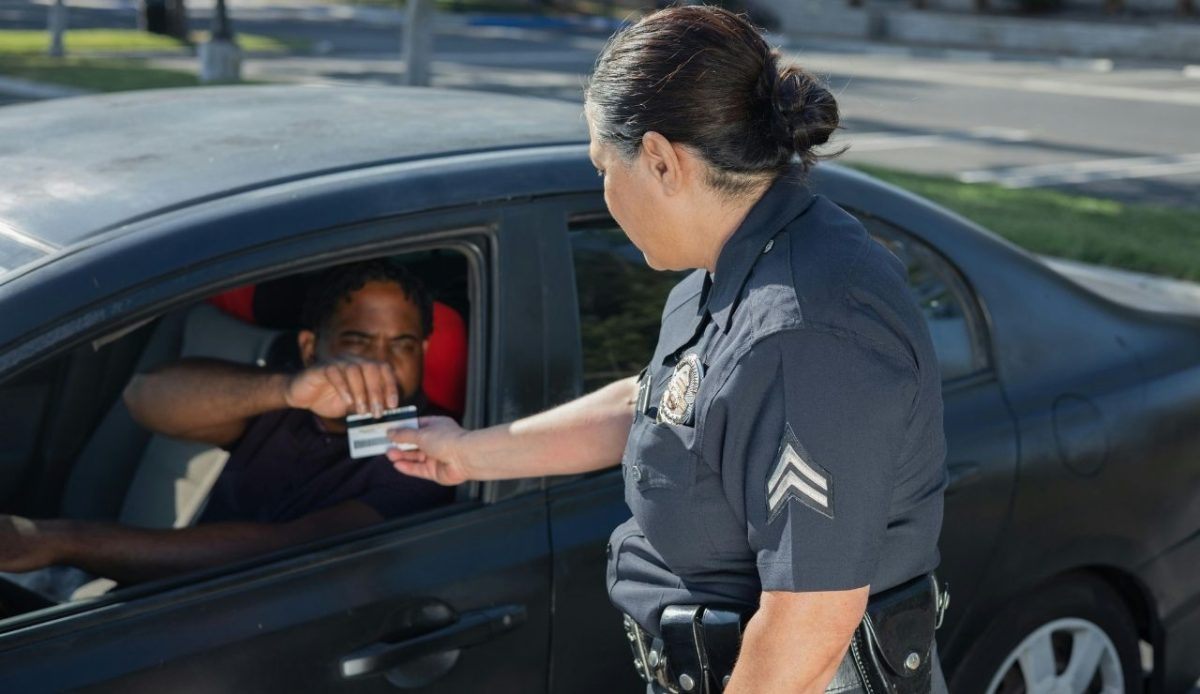
For decades, turning sixteen and getting a license signaled freedom to travel. Road trips, first jobs, and late-night drives were tied to that rite of passage. Many families planned summer travel around a new driver gaining experience.
Teen licensing rates fell compared with the late twentieth century, while ride-hailing and shared mobility expanded. Cities also improved transit in many corridors, and parents became more cautious about teen driving risks. Insurance costs added another barrier.
When fewer young adults drive regularly, the tradition of learning road trip skills early weakens. Travel independence now comes from apps, rail passes, and pickup zones, not only a set of keys. The cultural script around the open road gets thinner.
