
Tourism depends on trust: fair prices, clear rules, and public officials who enforce them evenly. Across parts of the U.S., visitors and local businesses have reported more corruption-related complaints tied to permits, inspections, policing, and contracting that touch busy tourist zones.
This article highlights nine well-known travel areas where watchdog reports, court cases, and resident complaints have kept integrity issues in the conversation lately. It does not assume guilt in any specific case.
Use this as a practical travel lens: know common red flags, keep receipts, book reputable operators, and report problems through official channels.
1. Las Vegas Strip (Clark County, Nevada)
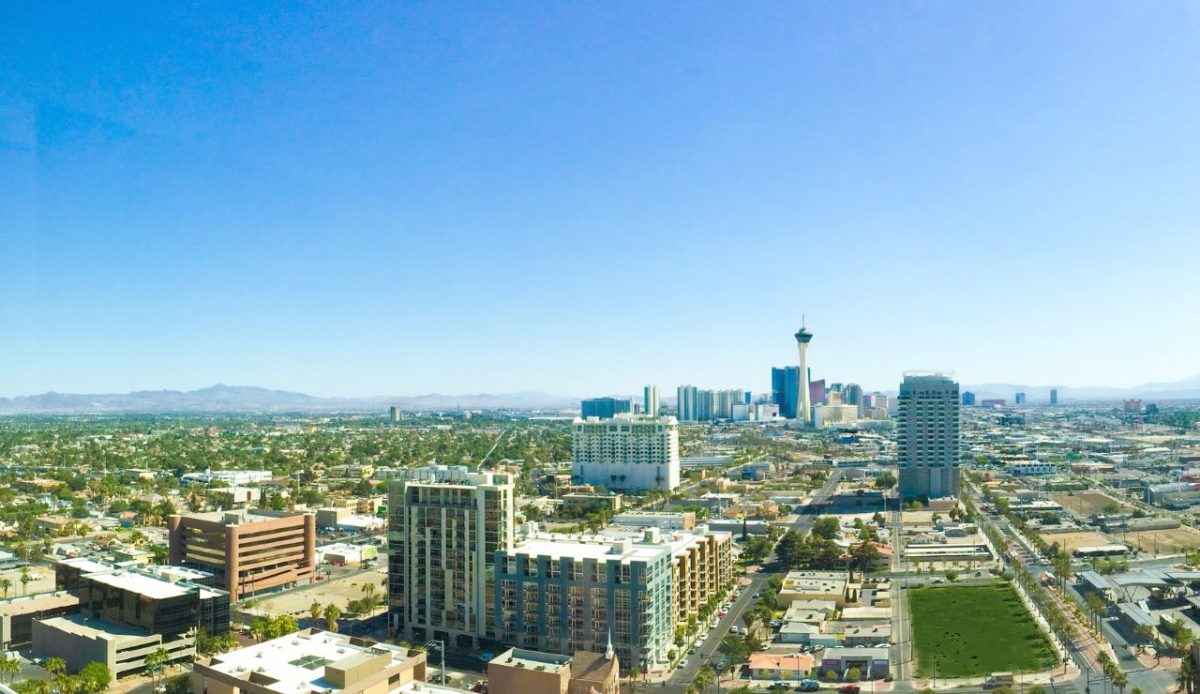
High visitor volume and constant development put pressure on licensing, inspections, and public contracting around the Strip. Complaints in the region have included allegations about favors in permitting, questionable vendor deals, and uneven enforcement that can affect nightlife and transportation.
For travelers, the risk usually shows up as add-on fees, aggressive towing, or “expedited” offers that feel unofficial. Stick to established operators, confirm prices before services start, and keep digital receipts.
If something seems pay-to-play, document names, dates, and locations. Report issues to the business, then to county or state consumer channels so patterns can be tracked.
2. New Orleans French Quarter (Louisiana)
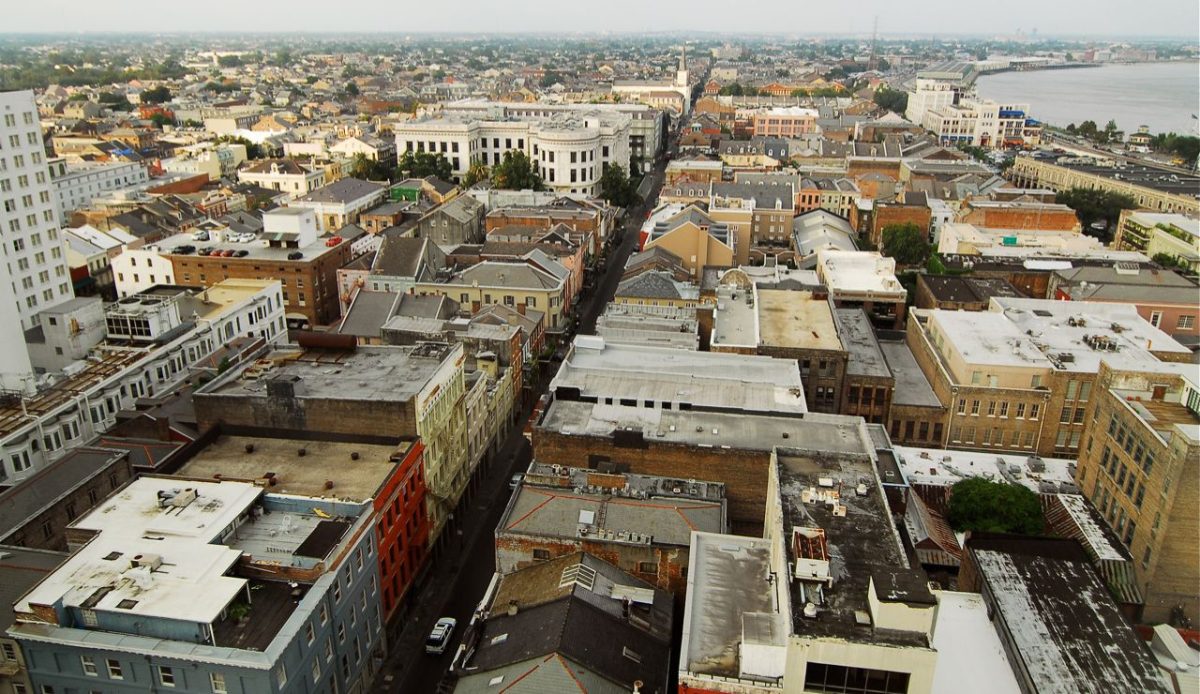
The French Quarter’s dense mix of bars, short-term rentals, and street activity creates constant interaction with permits and enforcement. Local complaints have periodically focused on selective inspections, nuisance citations, and how contracts for services like sanitation or security get awarded.
Visitors can feel the impact through inconsistent rules: a vendor allowed one day, fined the next, or surprise charges tied to “required” services. Use licensed tour companies, confirm that guides and vehicles display proper credentials, and avoid cash-only pressure.
Keep a record of disputed charges and photograph posted rules or signage. If you believe you were targeted unfairly, file a report with city consumer or inspector-general channels.
3. Miami Beach and South Beach (Florida)
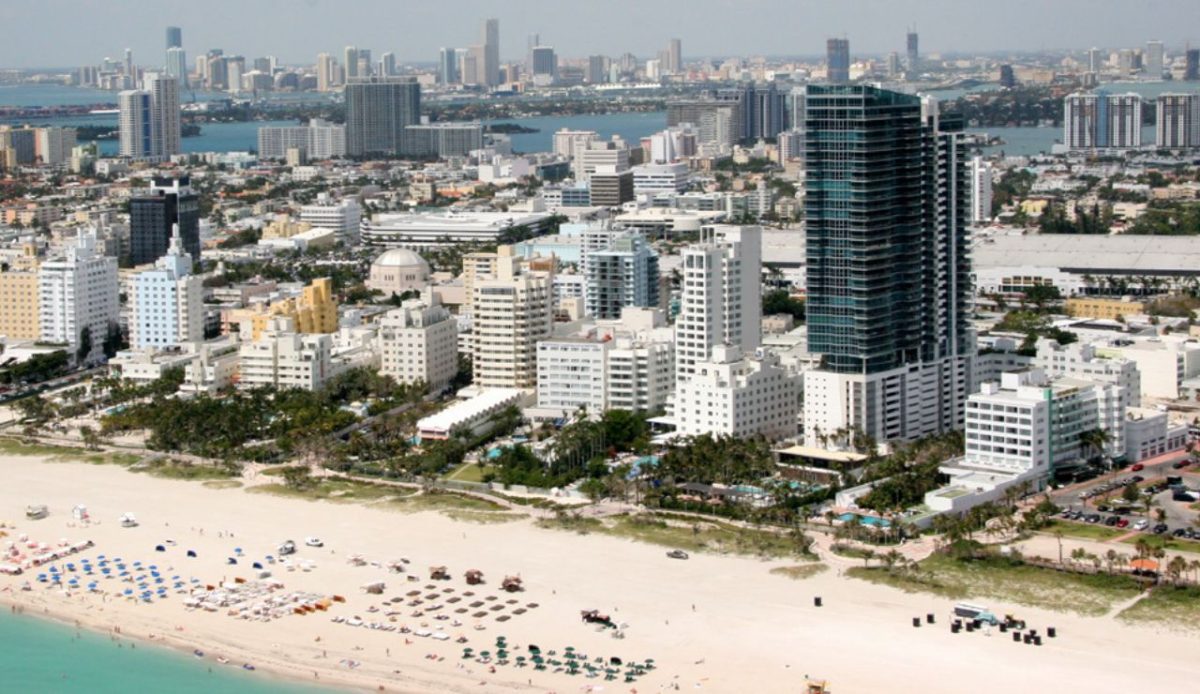
Tourism dollars concentrate in Miami Beach, and that can draw complaints about who gets permits, which businesses face inspections, and how policing is applied in nightlife corridors. Past cases and public discussions in the area have included concerns about influence, preferential treatment, and the handling of code enforcement.
For travelers, problems often look like sudden “mandatory” fees, towing disputes, or third-party promoters offering shortcuts. Choose well-reviewed venues, verify service charges on menus, and pay by card when possible.
If you feel pushed toward an unofficial payment, walk away and note details. Save receipts, take photos of posted prices, and contact local consumer protection offices if charges appear deceptive.
4. Times Square and Midtown Manhattan (New York)
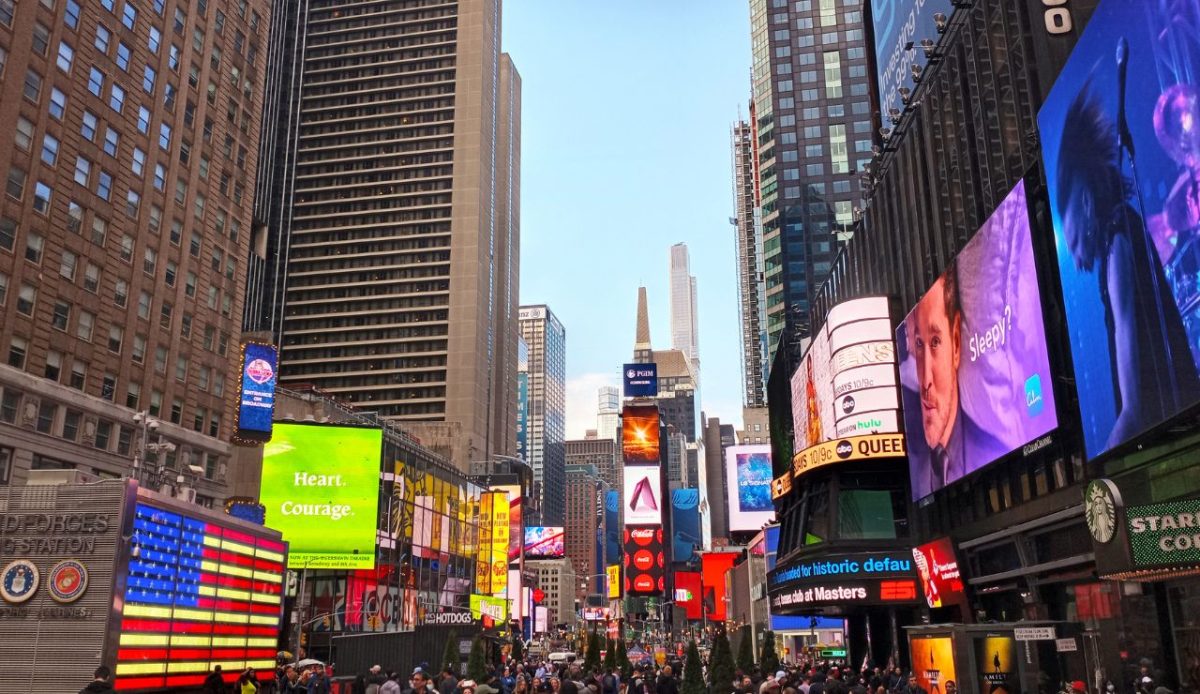
Times Square draws millions, and the mix of street activity, ticket sellers, costumed performers, and large venues creates constant friction over permits and enforcement. Public complaints in New York have, at times, raised questions about selective ticketing, vendor access, and how certain contracts or concessions are managed.
Visitors are more likely to encounter “soft corruption” signals than direct bribery: high-pressure sales, unclear fees, or people implying they can solve a problem for cash. Use official ticketing sites and clearly posted kiosks.
If a service feels off, disengage, move to a safer spot, and contact venue staff or police. Keep screenshots of online purchases and dispute improper charges through your card issuer.
5. Hollywood Boulevard and Central Los Angeles (California)
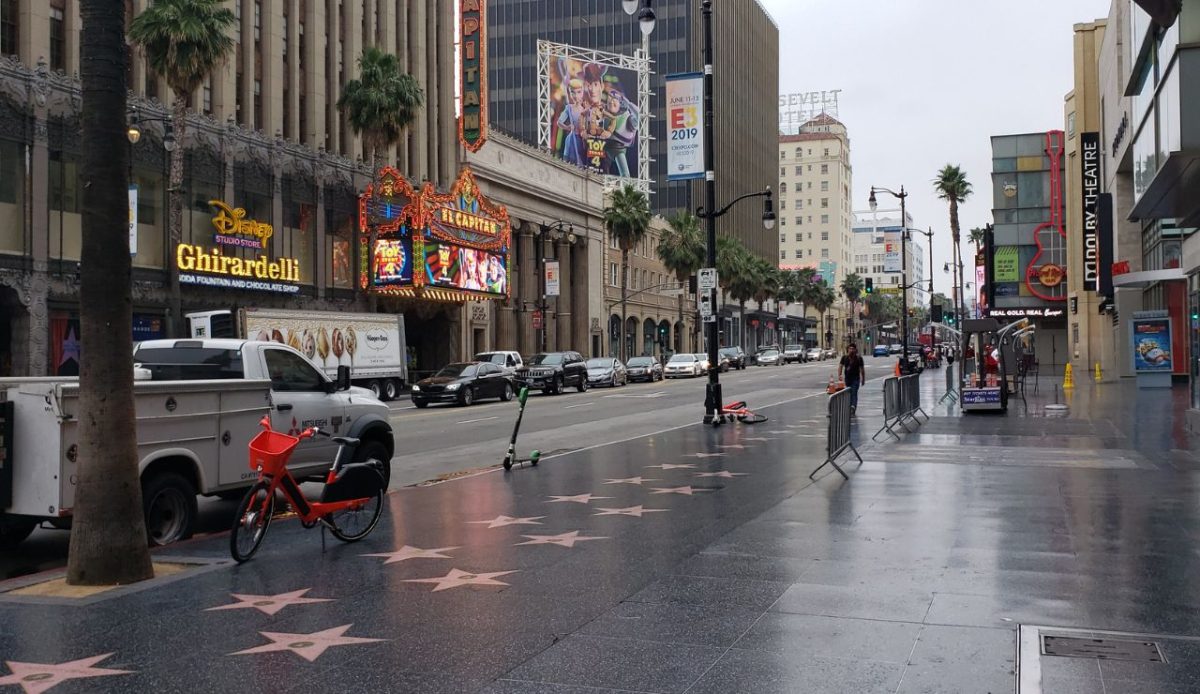
Hollywood’s tourist strip sits beside development, entertainment permits, and enforcement around vending and street performances. Complaints in Los Angeles have periodically highlighted concerns about selective citations, pay-to-play access, and contractor relationships that shape public space conditions.
Travelers may notice inconsistent rules for vendors or parking, or intermediaries offering “special” access to clubs, tours, or parking. Book experiences through reputable platforms and confirm what is included before you arrive.
Keep photos of posted rates and any permits displayed by guides. If you encounter misleading fees or intimidation, leave the situation, then report it to city consumer services and your booking platform.
6. San Francisco Waterfront and Fisherman’s Wharf (California)
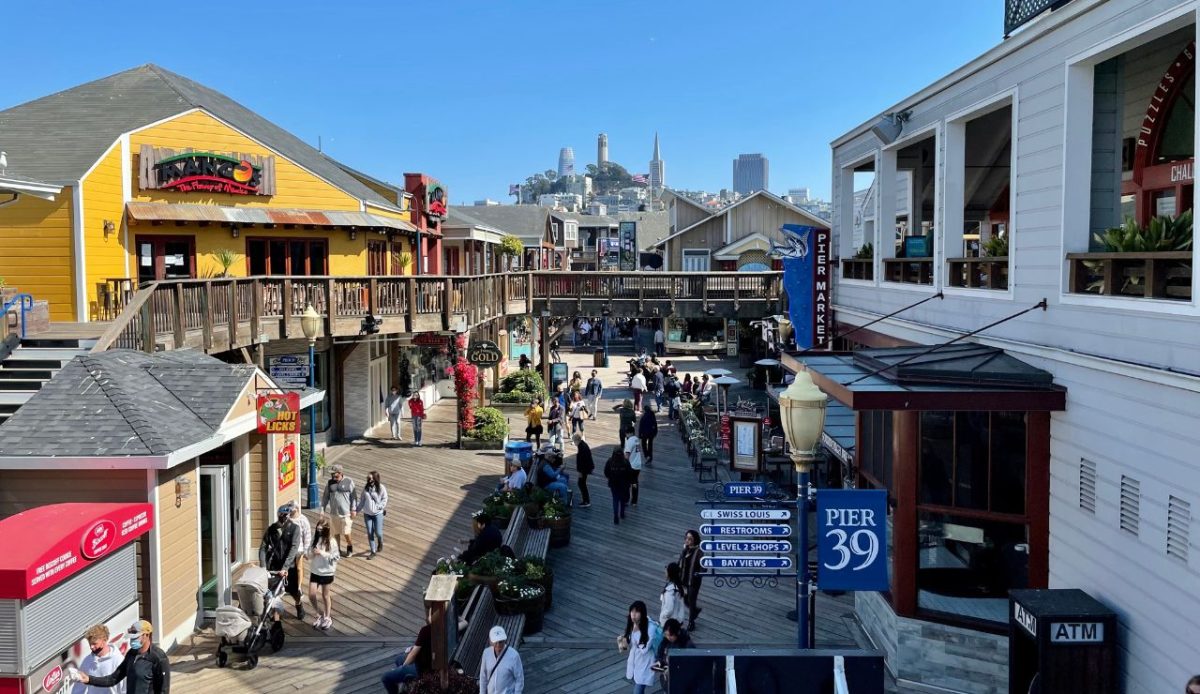
San Francisco’s waterfront blends tours, street vending, parking, and public works projects, and relies on permits and contractors. Complaints have included concerns about concessions, vending enforcement, and procurement decisions in visitor corridors.
For travelers, this can translate into confusing “official” looking solicitations, inconsistent parking enforcement, or tours that do not match what was advertised. Buy tickets from established operators and double-check pickup points and refund terms.
Save confirmations and the photograph posted policies. If you suspect a permit-related scam, contact 311 or the city consumer resources to log the issue.
7. Chicago Magnificent Mile and River North (Illinois)
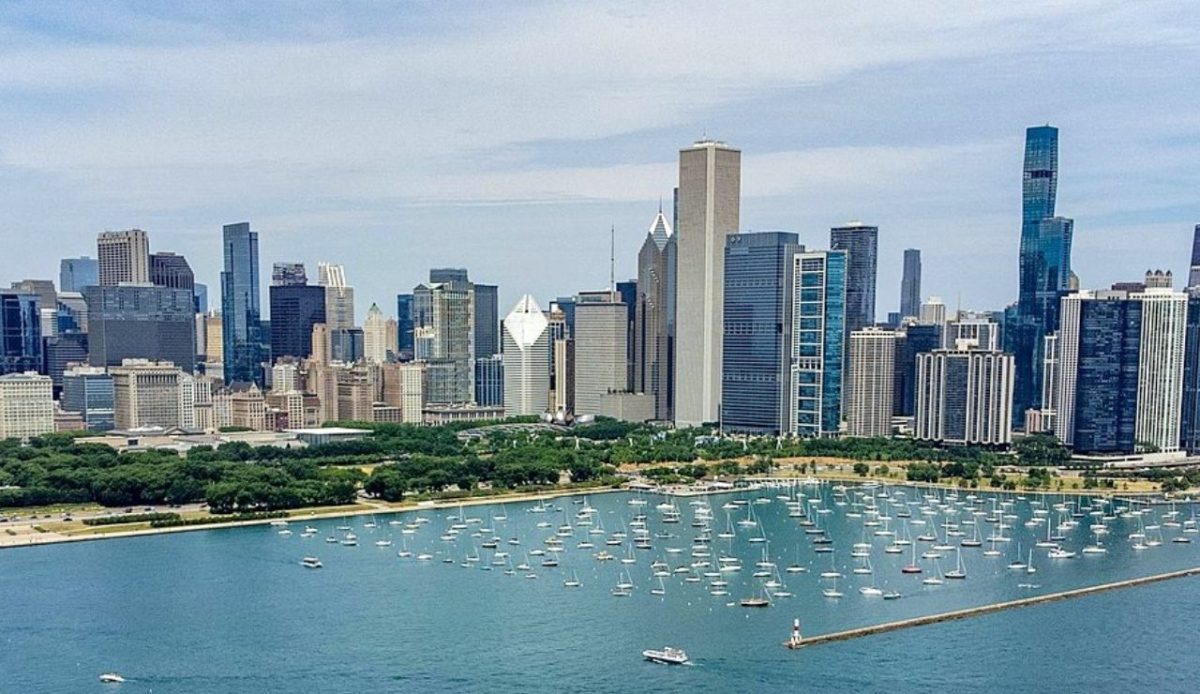
Chicago’s central shopping and dining districts depend on permits for events and public-space use, plus contracts that keep services running. Complaints sometimes focus on contracting practices or uneven enforcement that benefits certain operators.
Visitors may notice this as inconsistent parking or towing experiences, sudden service fees, or salespeople implying they can “fix” an issue if you pay cash. Favor businesses with transparent pricing and posted policies.
Use apps or official meters for parking and keep screenshots. If a charge looks improper, dispute it promptly and report patterns to city consumer protection so repeat issues get flagged.
8. Washington, D.C. National Mall and Downtown Core
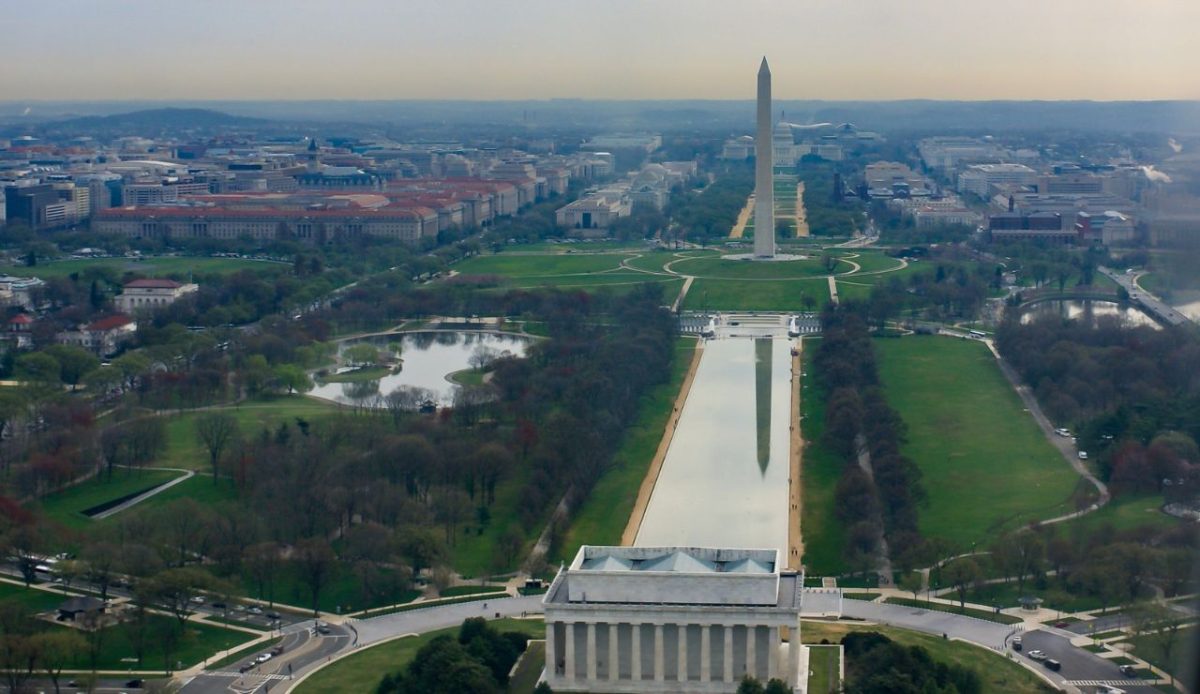
D.C.’s visitor core sits near federal landmarks but relies on local permits and contracts for events, tours, and services. Public scrutiny rises when residents allege favoritism or conflicts of interest in how rules are applied.
Tourists may encounter gray-area operators selling “official” looking passes, premium access, or parking deals that do not match actual regulations. Use official museum and attraction channels, and verify tour credentials before boarding.
If a seller refuses to provide clear terms, skip it. Keep purchase confirmations and take photos of permits displayed by guides. Report deceptive sales or harassment to local authorities so complaints get logged.
9. Waikīkī and Honolulu’s Resort Corridor (Hawai‘i)
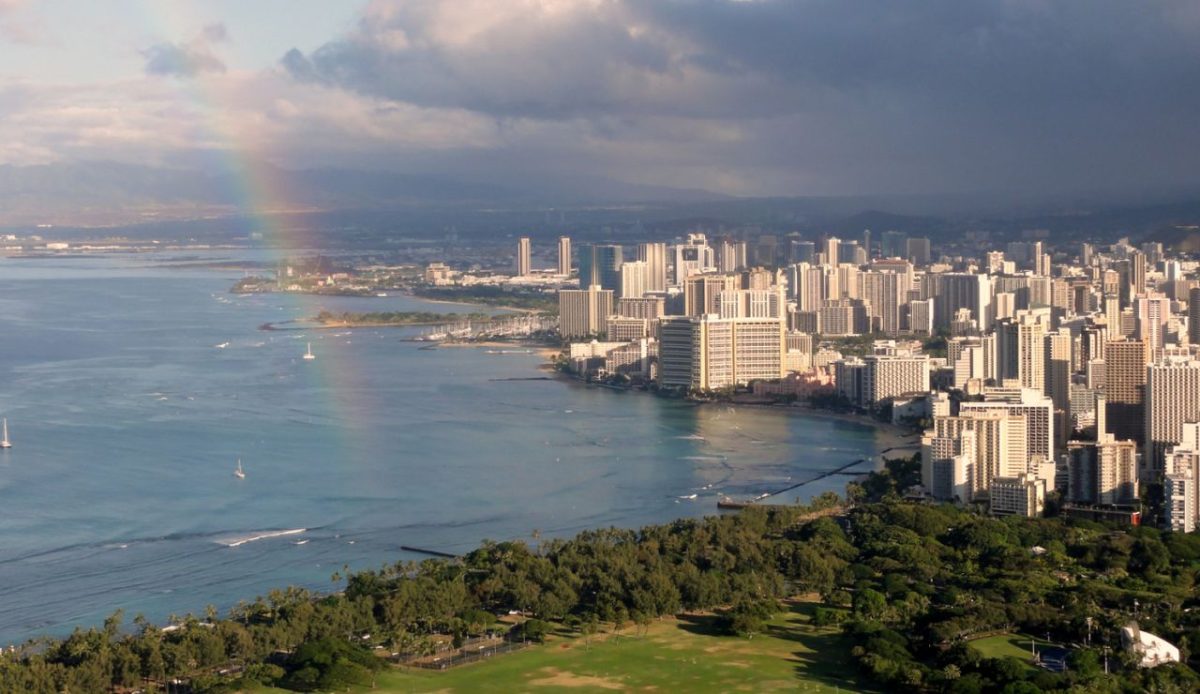
Waikīkī concentrates hotel, tour, and transportation spending into a small area, which can amplify complaints about permits and enforcement. Public discussions in Hawai‘i have sometimes raised concerns about influence in development decisions and how concessions are awarded.
For visitors, risks often look like unclear resort fees, parking disputes, and third-party sellers implying their deal is “official.” Confirm charges in writing and book activities through established operators with clear terms.
If someone pushes an off-menu payment for faster service, decline and document details. Use hotel staff for verified vendors, and report deceptive practices to state consumer protection so patterns can be reviewed.
