
Road trips still look simple on paper, but the price shocks now come from basics that stack fast. Gas swings by region, rooms spike on weekends, and paid parking shows up where it used to be free.
On popular routes, demand stays high while lodging inventory stays tight. Add entrance fees, reservation charges, tolls, and higher food costs in tourist corridors, and the totals jump.
Fuel alone can reset a budget. On February 21, 2026, AAA listed the U.S. average at about $2.94 per gallon, while California averaged about $4.60. The nine trips below are drives where those gaps and other charges often push spending far past expectations for many families.
1. Pacific Coast Highway, From San Francisco To Los Angeles
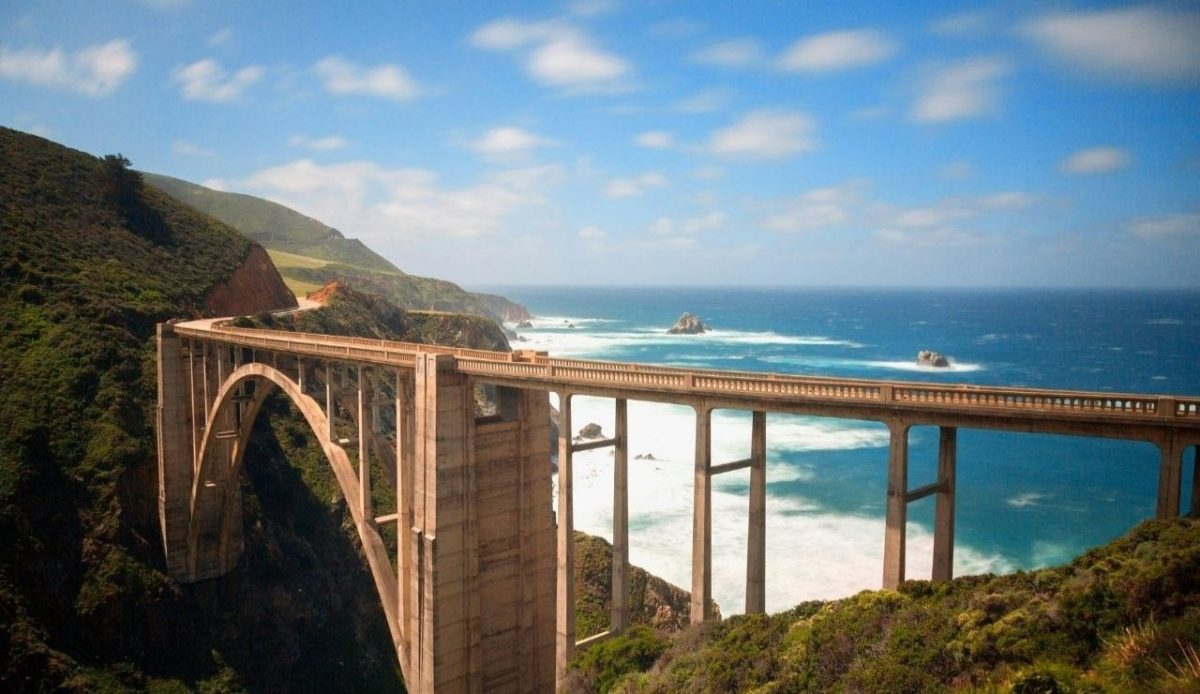
California Highway 1 from San Francisco to Los Angeles is marketed as a drive you can pace at will. In reality, lodging on the Central Coast is priced like a resort corridor, especially near Big Sur.
Caltrans rockslide closures have repeatedly shut down short segments, and detours add miles and extra nights. Even when the road reopens, traffic backups and limited rooms push last-minute rates higher.
Camping no longer guarantees big savings, since many sought-after state park sites carry premium nightly fees and book early. Fuel is another multiplier because California runs far above the national average. Add paid parking in coastal towns and higher meal checks, and the final total often looks nothing like the budget plan.
2. Yellowstone And Grand Teton National Park Loop
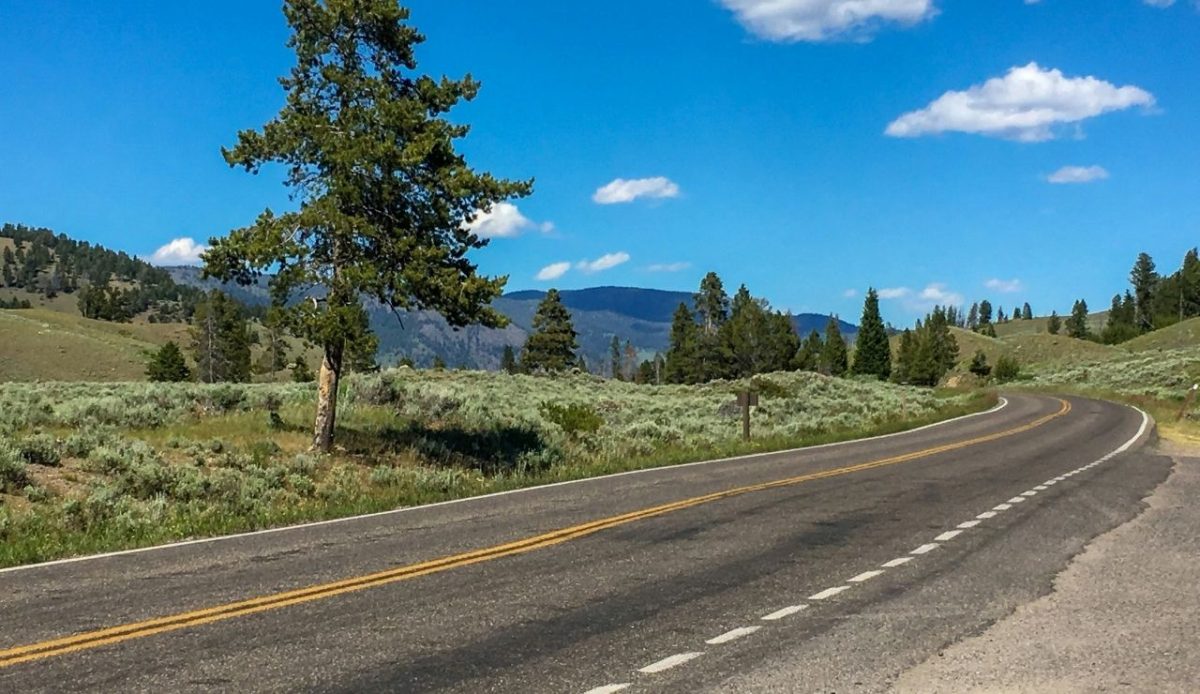
The Yellowstone and Grand Teton loop feels like a value trip until gateway pricing is added. Yellowstone charges $35 per private vehicle for a seven-day pass, and many visitors pay it twice when they reenter.
In peak summer, rooms in West Yellowstone and Jackson can climb fast, and the federal per diem for Jackson is $212 for lodging in FY 2025. That rate signals how expensive the market has become, even before taxes and fees.
Long distances between services raise fuel spend, and dining choices inside the parks are limited. When lodging, groceries, souvenirs, and incidentals stack on top of entrance costs, travelers often end up far over their first estimate.
3. Utah Mighty Five National Parks Circuit
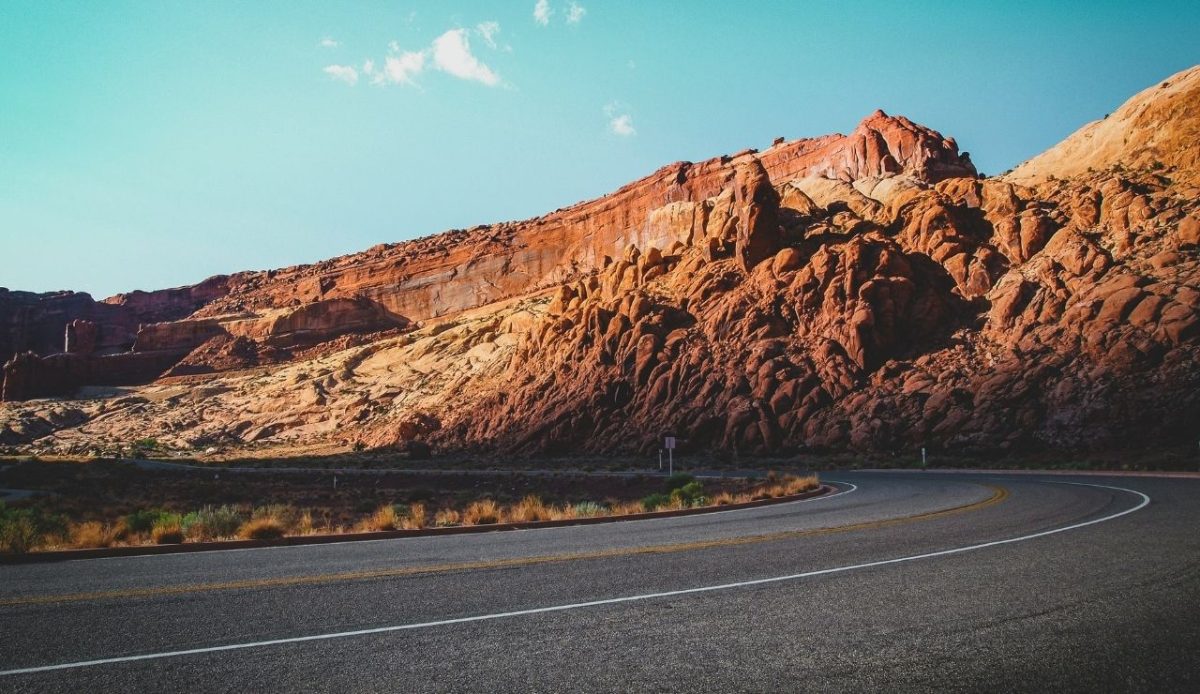
A Utah Mighty Five circuit links Zion, Bryce Canyon, Capitol Reef, Arches, and Canyonlands in one sweep. Each park has its own entrance fee, so even a short stay at every stop adds up quickly.
Arches timed entry tickets are free but carry a nonrefundable $2 processing fee, and they can be required during busy hours. Zion keeps high demand permits for Angels Landing through a lottery, which can lead to added shuttle and tour spending.
Moab and Springdale see heavy spring and fall demand, so hotels and rentals price high when the weather is best. Desert distances increase fuel use, and simple extras like ice, groceries, and gear can cost more in small markets.
4. Glacier National Park And Going To The Sun Road
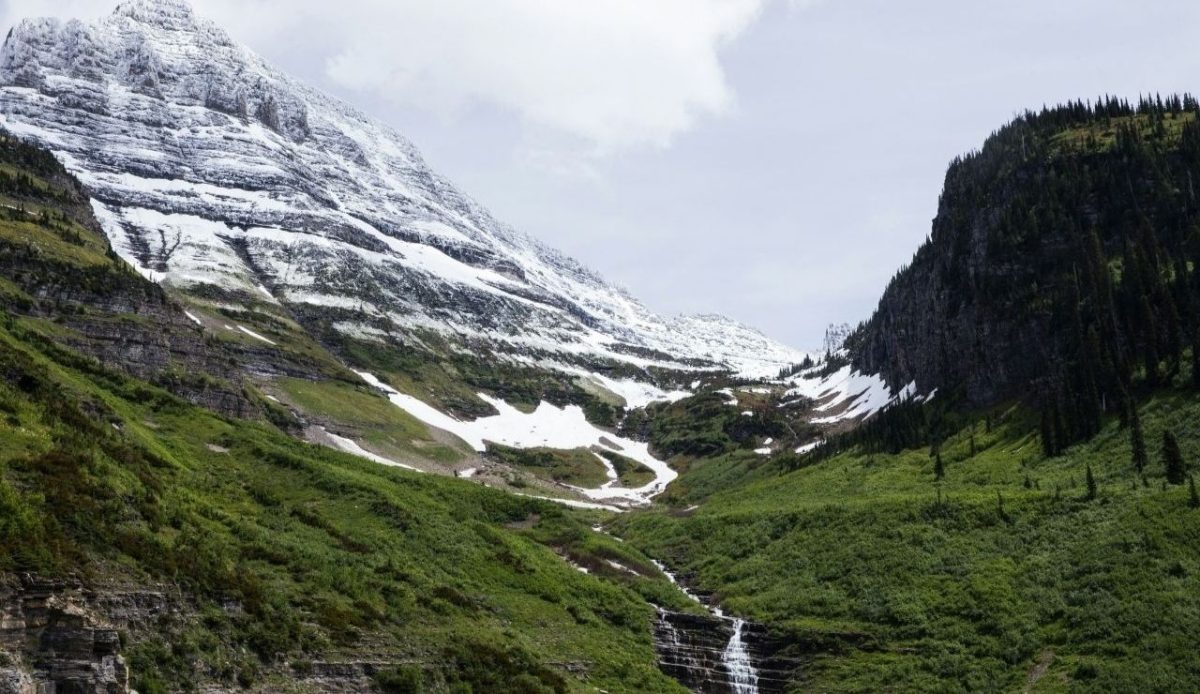
Glacier National Park road trips center on Going to the Sun Road, but access rules have changed the cost math. In 2025, a timed entry vehicle reservation was required for the west side approach from 7 a.m. to 3 p.m.
The reservation layer does not replace entrance fees, and it can push visitors into earlier departures or extra nights. Staying near West Glacier or Whitefish is rarely cheap in mid-summer because lodging supply is limited.
Driving between trailheads, lodges, and services adds mileage, and fuel prices run higher in remote areas. Once the trip includes reservations, lodging, meals, and long drives, many travelers find the total is closer to a resort vacation than a simple park loop.
5. Florida Keys Overseas Highway To Key West
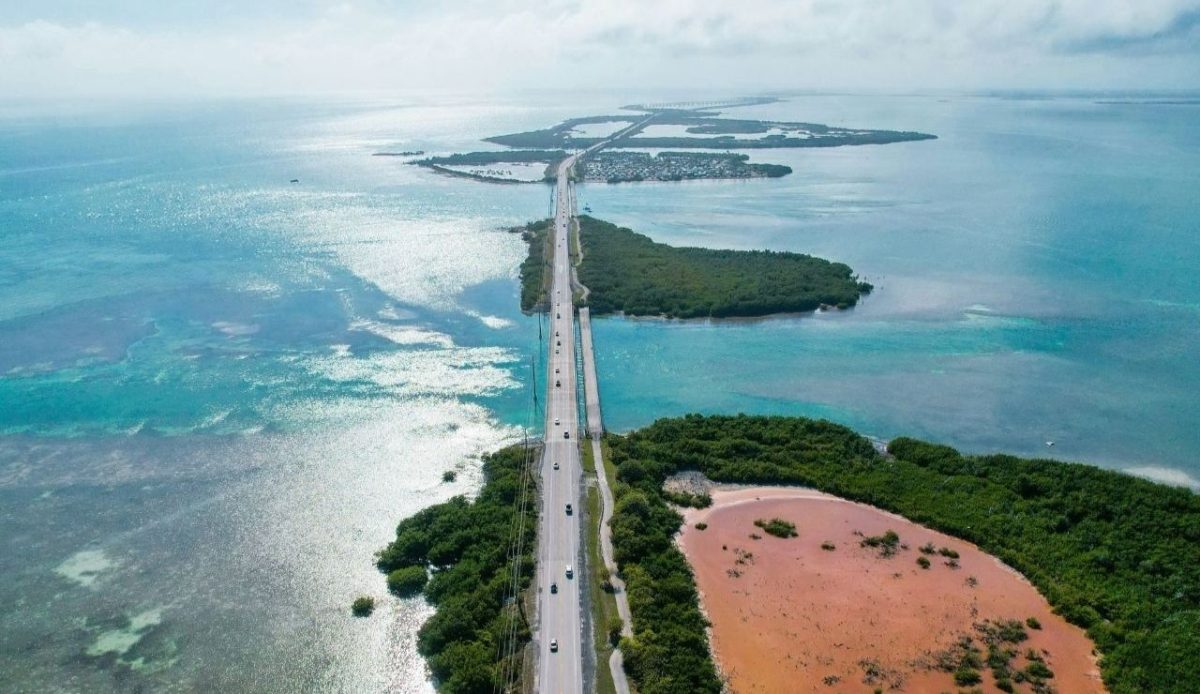
The Overseas Highway to Key West is short in miles but big in price, since the Keys operate like a premium lodging market. December 2025 reporting for the Florida Keys showed hotel ADR around $413.59 and short-term rental ADR around $544.
Limited land supply keeps inventory tight, so even basic rooms can cost more than travelers expect for a drive trip. Resort fees, taxes, and paid parking in Key West add line items that are easy to miss when budgeting.
Food and fuel also cost more on islands where supplies are shipped in. Once nights, meals, parking, and local surcharges are added, this route can outprice longer mainland trips with far more driving.
6. Acadia National Park And Bar Harbor Coastal Loop
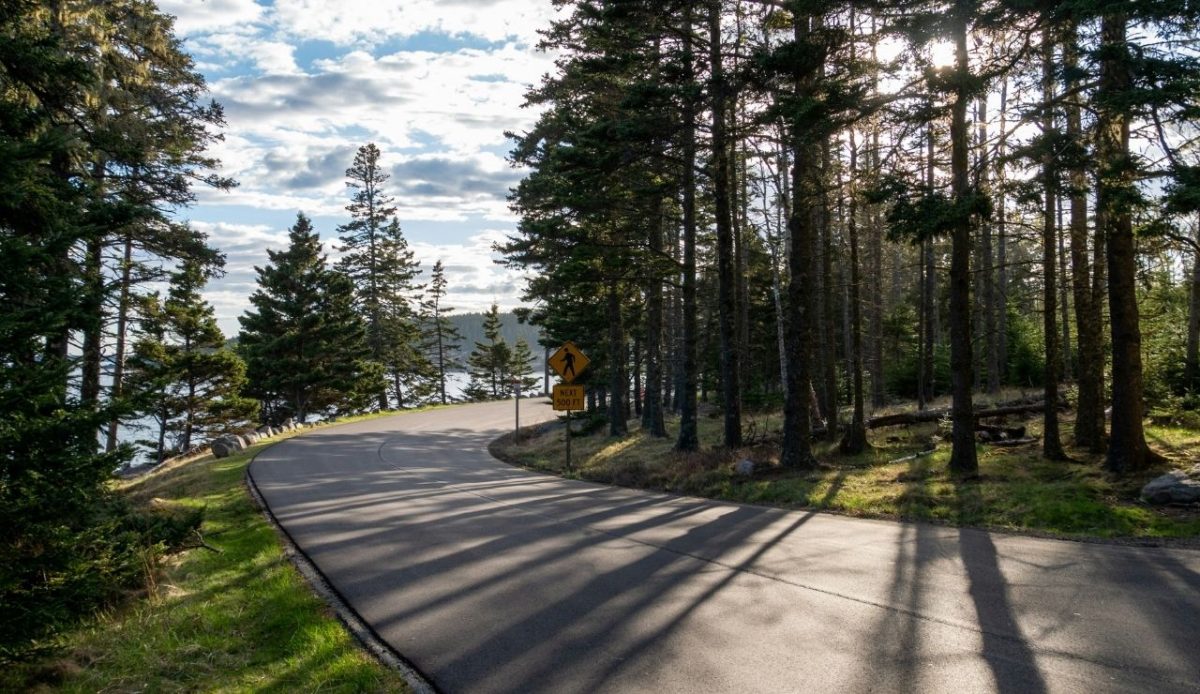
Acadia and Bar Harbor look like a modest New England loop, yet peak season pricing hits hard. Hotel inventory is limited on Mount Desert Island, so summer weekends often sell out early.
Cadillac Summit Road now uses a vehicle reservation system, and reservations cost $6 and must be purchased online. That fee is small, but it signals how crowded the corridor is at sunrise and sunset.
The park entrance pass still applies on top of the reservation. When Bar Harbor rates rise, visitors spill into farther towns and drive more miles each day. Add paid parking and pricey meals, and the trip total can exceed what people expect from a short coastal drive.
7. Blue Ridge Parkway Through Asheville And Roanoke
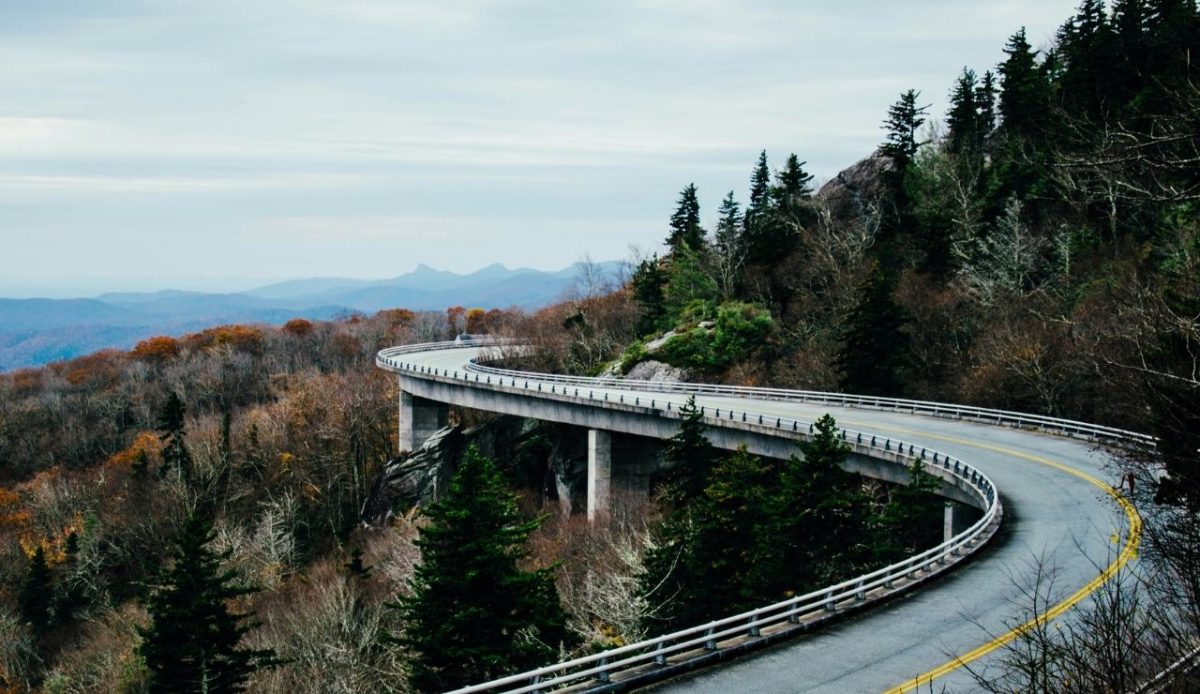
The Blue Ridge Parkway has no tolls, so it is often planned as a low-cost mountain drive. The surprise comes from base towns, especially Asheville, where demand spikes in leaf season.
Federal per diem data for FY 2025 lists Asheville lodging at $141 in October through December, with $120 in other months. That benchmark excludes taxes, and many weekends price above it when events and foliage peak.
Short-term rentals can add cleaning fees and minimum stay rules that raise the per-night cost. Paid parking, higher restaurant checks, and longer drives to find open rooms can push totals up fast. What looks like a free road can become a pricey trip once lodging, meals, and extra mileage are fully counted.
8. Yosemite And Lake Tahoe Sierra Loop
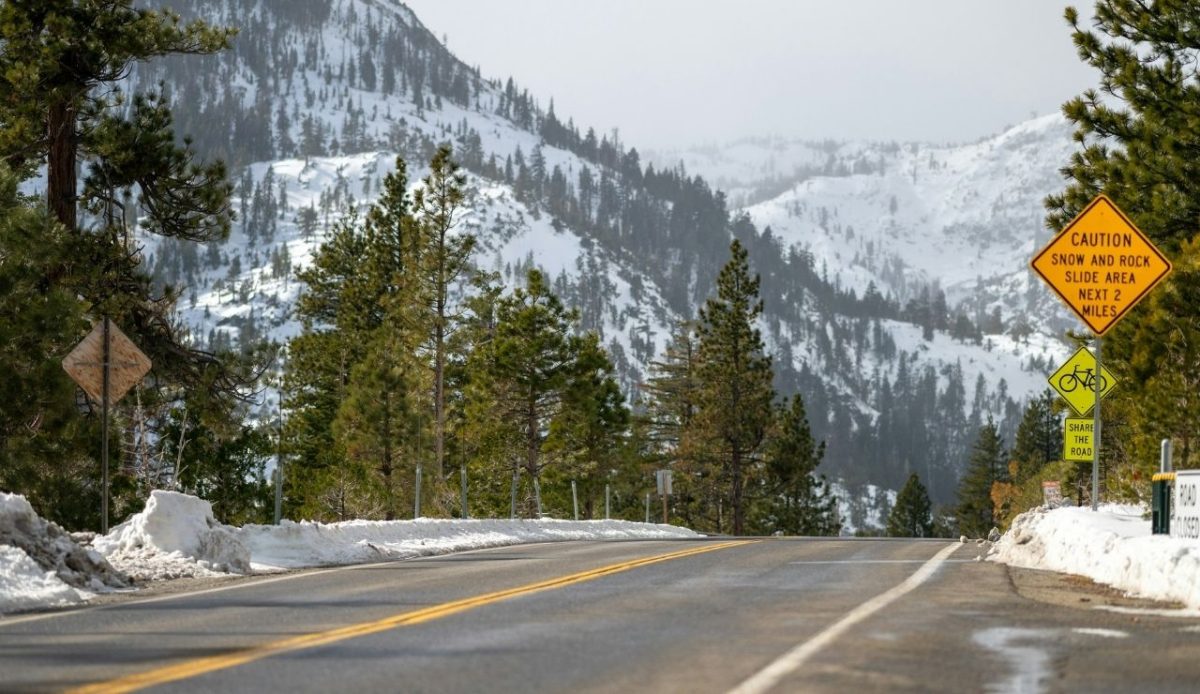
A Yosemite to Lake Tahoe loop blends two of California’s highest demand destinations, and pricing reflects that. Even without a timed entry requirement in 2026, traffic and parking pressure can add hours and force extra nights.
Yosemite visitation rose from about 2.2 million in 2020 to about 4.1 million in 2024, a jump that strains lodging and services. Rooms around the park and in Tahoe often cost the most when schools are out.
California fuel averages around $4.60 per gallon in late February 2026, far above the U.S. average of $2.94. Add paid parking, higher food costs, and long drives between bases, and this loop can run much higher than a typical road trip budget.
9. Great Smoky Mountains And Gatlinburg, Tennessee Loop
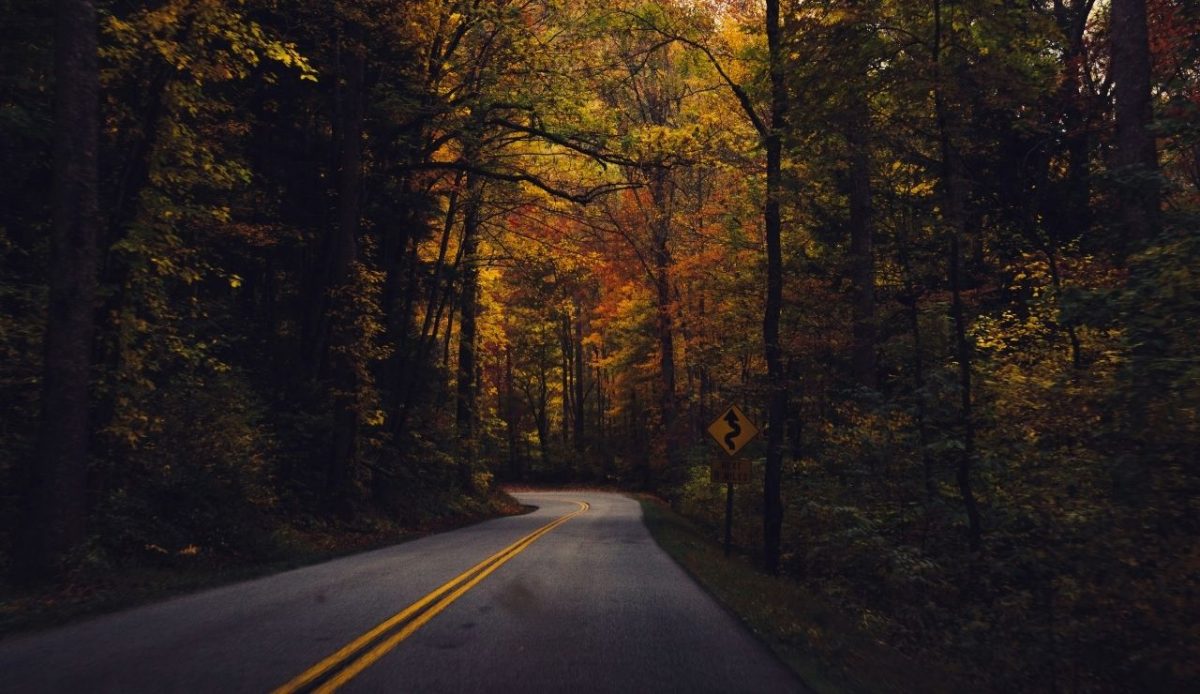
Great Smoky Mountains National Park is free to enter, which still shapes how many people budget the trip. The catch is the parking program that now adds a required cost for most stop-and-hike days.
The National Park Service requires a parking tag for vehicles parked longer than 15 minutes. Daily tags are $5, weekly tags are $15, and annual tags are $40, and the tag is needed anywhere inside the park.
Gatlinburg and Pigeon Forge lodging prices rise in summer and fall, and cabins often add cleaning and service fees. When parking tags, attractions, meals, and high-season room rates are combined, this short-distance trip can cost far more than visitors expect.
