
Island trips can hide a basic constraint: fresh water has to be captured, piped, treated, or shipped in, and peak-season demand rises faster than storage and plants can expand.
When visitor numbers spike, showers, pools, laundry, restaurants, and landscape irrigation hit systems sized for small year-round populations. Drought, saltwater intrusion, and aging pipes make the margin thinner.
These U.S.-connected islands are seeing tighter rules, higher costs, and more pressure to conserve, upgrade infrastructure, and protect the aquifers and watersheds that keep taps running, especially during heat waves and holiday surges without changing what draws people there.
1. Maui, Hawaii
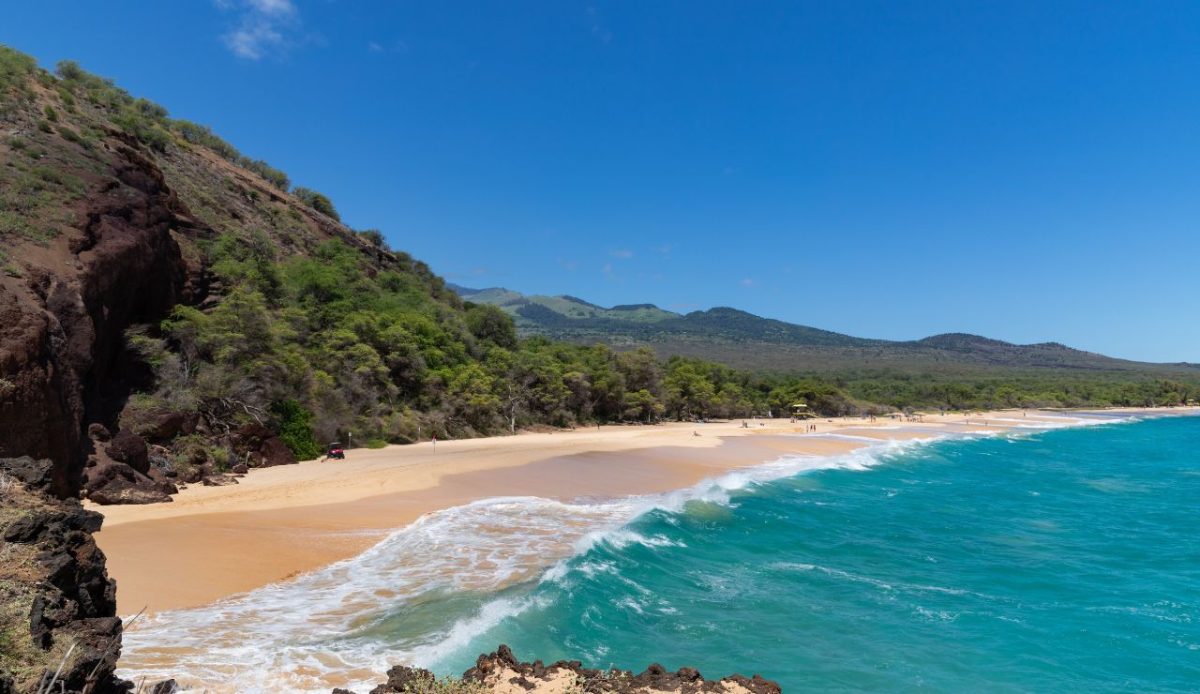
Maui’s visitor economy creates intense seasonal occupancy swings, meaning water use can jump quickly even if the resident population is stable. Hotels, short-term rentals, and resort amenities concentrate demand in a few districts.
Much of the island’s supply depends on watersheds and groundwater, so dry periods and recovery work can collide with higher seasonal occupancy. Conservation messaging often ramps up during hotter months.
For travelers, the strain shows up as requests to shorten showers, reuse towels, and respect irrigation limits, small actions that matter when tens of thousands of guests arrive at once. Long-term fixes mean leak repairs and new storage, not just rules.
2. Santa Catalina Island, California
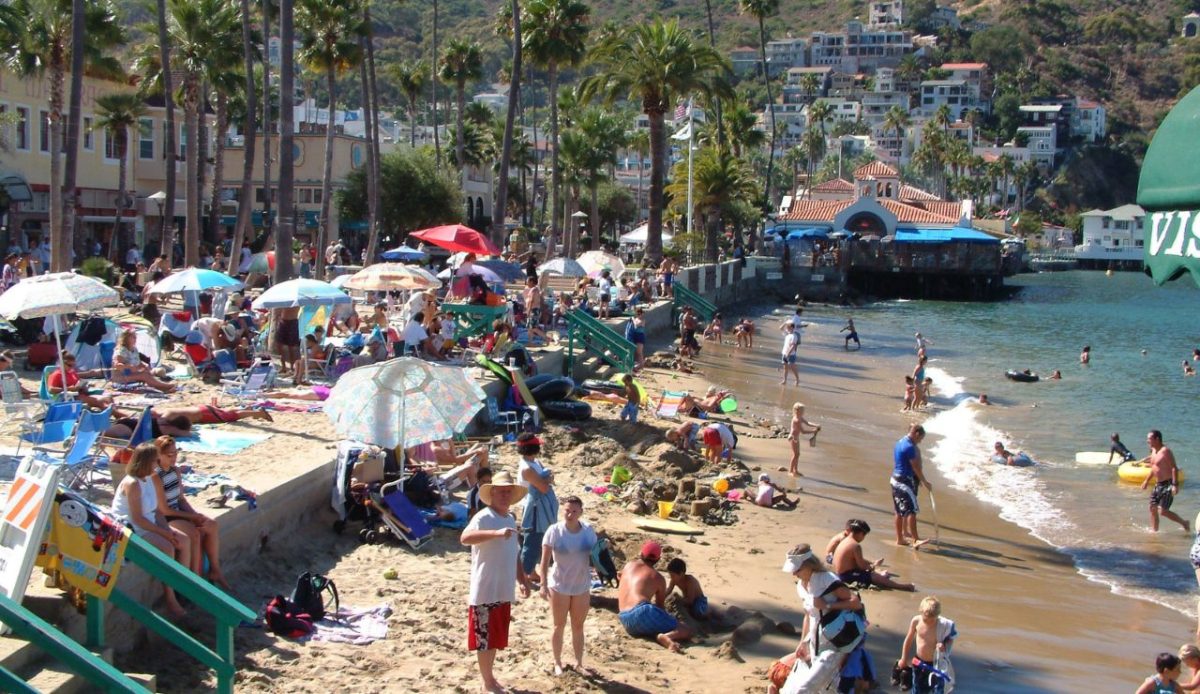
Santa Catalina Island has limited local freshwater storage, so drought years quickly turn into visible restrictions for Avalon and Two Harbors. The island leans on a mix of reservoirs, wells, and desalination to cover demand.
Tourism piles pressure onto that system because day-trippers and overnight guests arrive in waves, and hospitality needs steady water for dining, lodging, and cleaning. When rainfall is low, every gallon counts.
Visitors feel it through conservation reminders, reduced landscape watering, and a constant focus on efficiency, proof that even a small island destination can’t “outbuild” dry weather overnight. Desal plants help, but energy costs and capacity still cap supply.
3. Key West, Florida
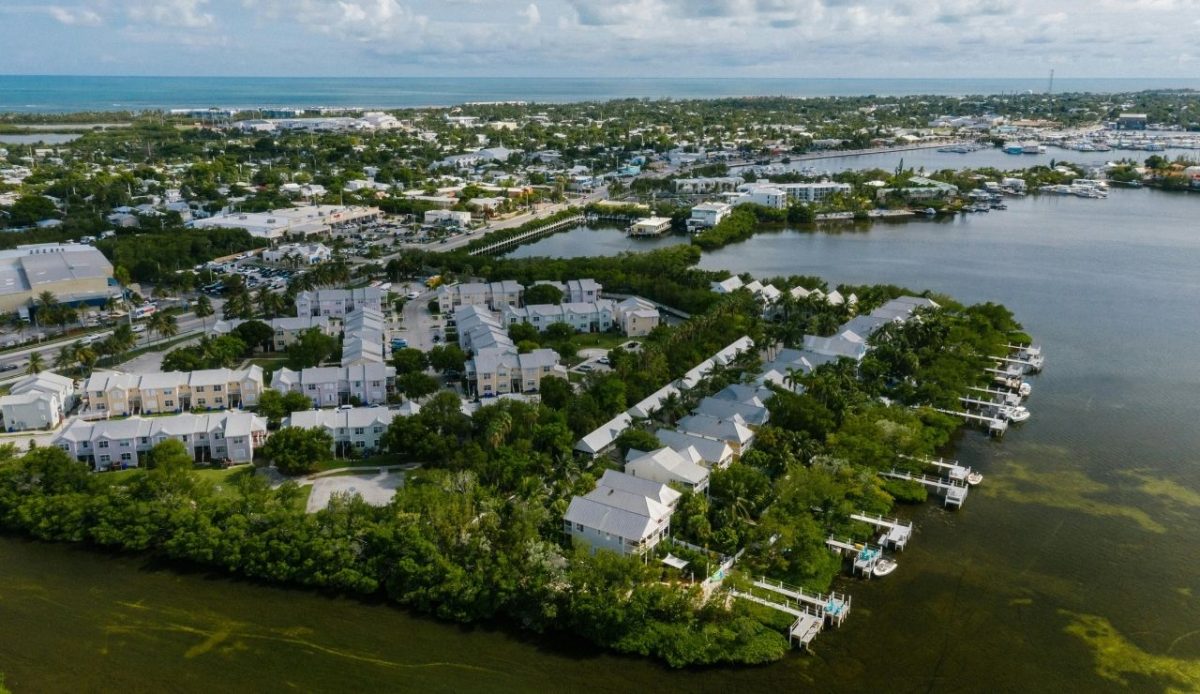
Key West sits at the end of a long, narrow chain where freshwater is scarce and storage space is limited. Water reliability depends on regional supply, pumping, and long-distance distribution rather than big local reserves.
High visitor seasons add a predictable surge: more hotel stays, more restaurant demand, more laundry, and more outdoor rinsing after boating. Any break, leak, or quality issue has fewer nearby backups than on the mainland.
That’s why conservation campaigns and maintenance matter here. Travelers can help by skipping unnecessary towel changes and avoiding hose-down habits that quietly burn through supply, especially during the hottest weeks.
4. Nantucket, Massachusetts
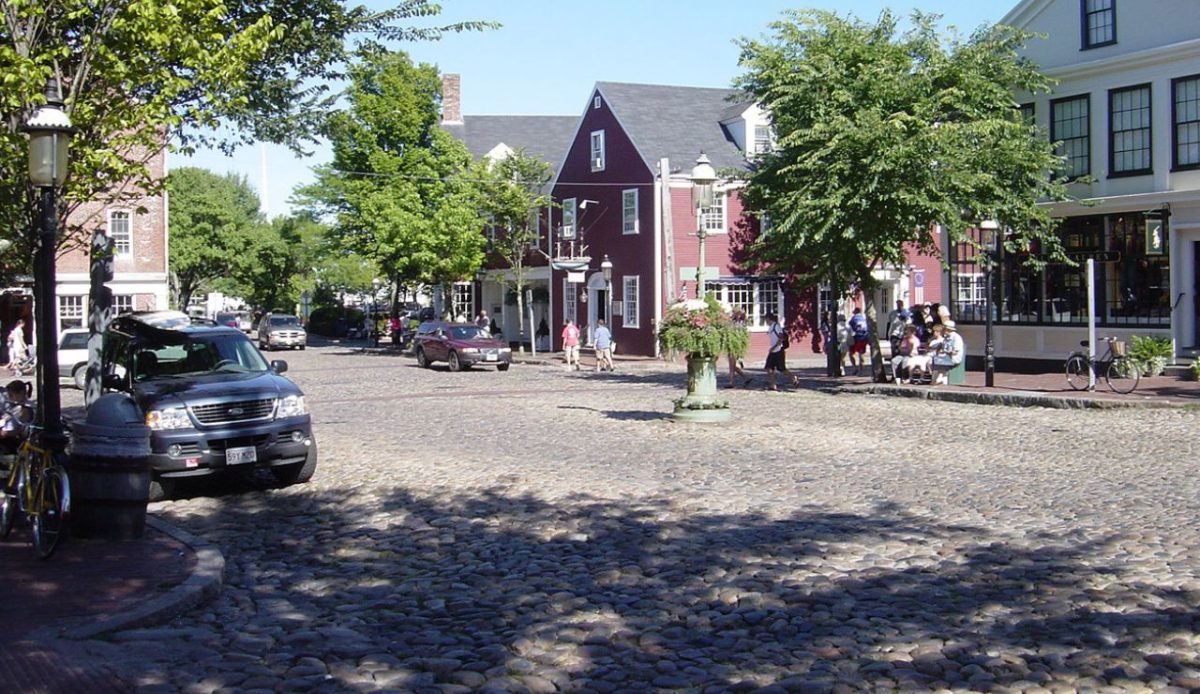
Nantucket’s summer population balloons, but the island’s freshwater comes mainly from a limited groundwater system. When demand peaks, managers have to balance household needs with hospitality, restaurants, and irrigated landscapes.
Dry spells can tighten that balance fast, because pumping too hard risks stressing the aquifer and can worsen quality issues over time. The island often leans on seasonal rules and conservation messaging to avoid shortages.
Visitors notice reminders about shorter showers and mindful water use, plus restrictions on lawn watering. On a small island, shaving a little off each stay adds up across thousands of weekly check-ins and helps keep supply stable.
5. Martha’s Vineyard, Massachusetts
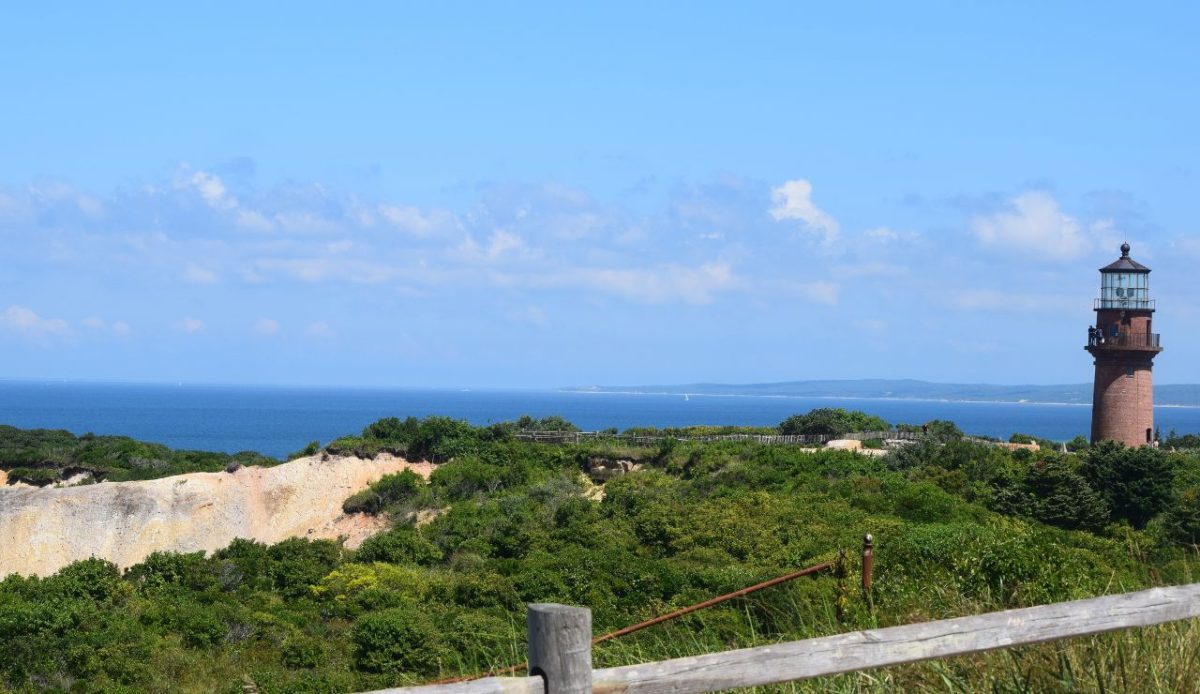
Martha’s Vineyard deals with the classic island equation: a big summer influx and a water system designed for a much smaller year-round community. Supply is heavily tied to groundwater, while demand spikes around rentals, beaches, and events.
When rainfall runs light, communities may lean harder on voluntary or formal restrictions, especially for irrigation. Older pipes and dispersed development can add hidden losses through leaks and inefficient distribution.
For travelers, the best move is simple: treat water like a limited resource. Choosing lodging with strong conservation practices and following local guidance helps protect the aquifer that residents depend on all winter, not only in peak season.
6. San Juan Islands, Washington
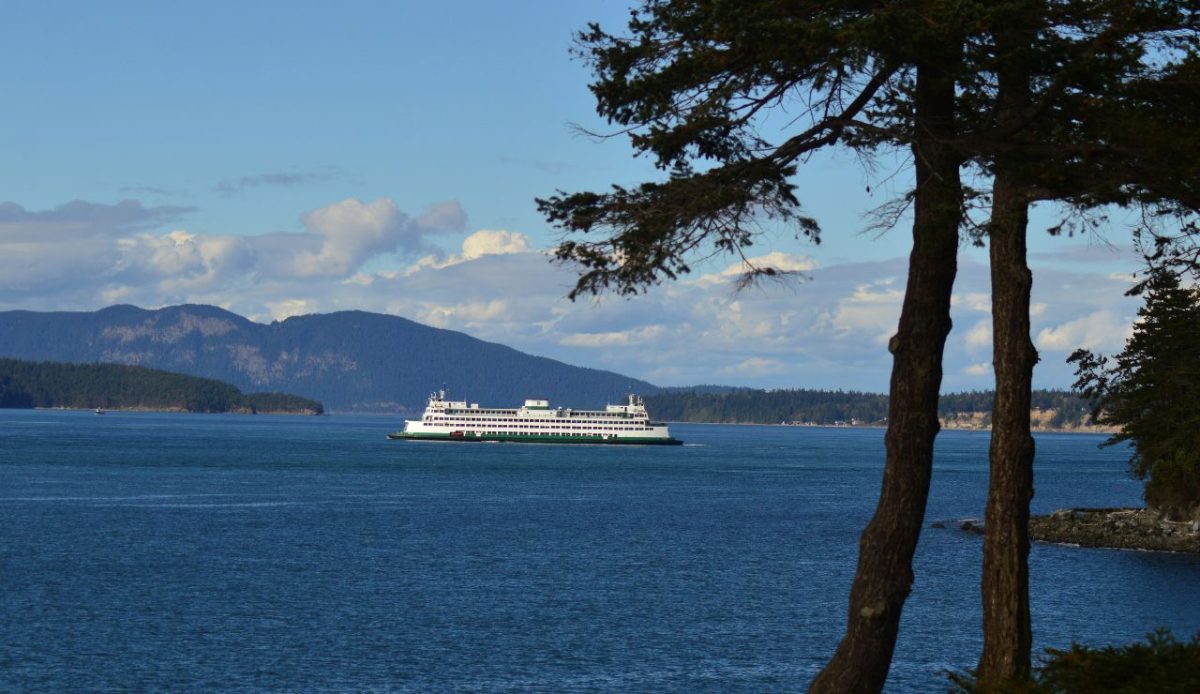
Washington’s San Juan Islands attract summer crowds while relying on small-scale utilities, private wells, and limited storage. That patchwork works in the off-season, but peak weeks can push local capacity close to the edge.
Hotter, drier summers increase outdoor use and can reduce recharge, so water managers watch consumption closely and plan for drought conditions. Even when lakes look calm, the treated supply may be tight.
Visitors can reduce pressure by staying in places that post clear conservation guidance, taking shorter showers, and avoiding excessive laundry. On islands with minimal redundancy, avoiding waste is as important as building new infrastructure.
7. Vieques, Puerto Rico
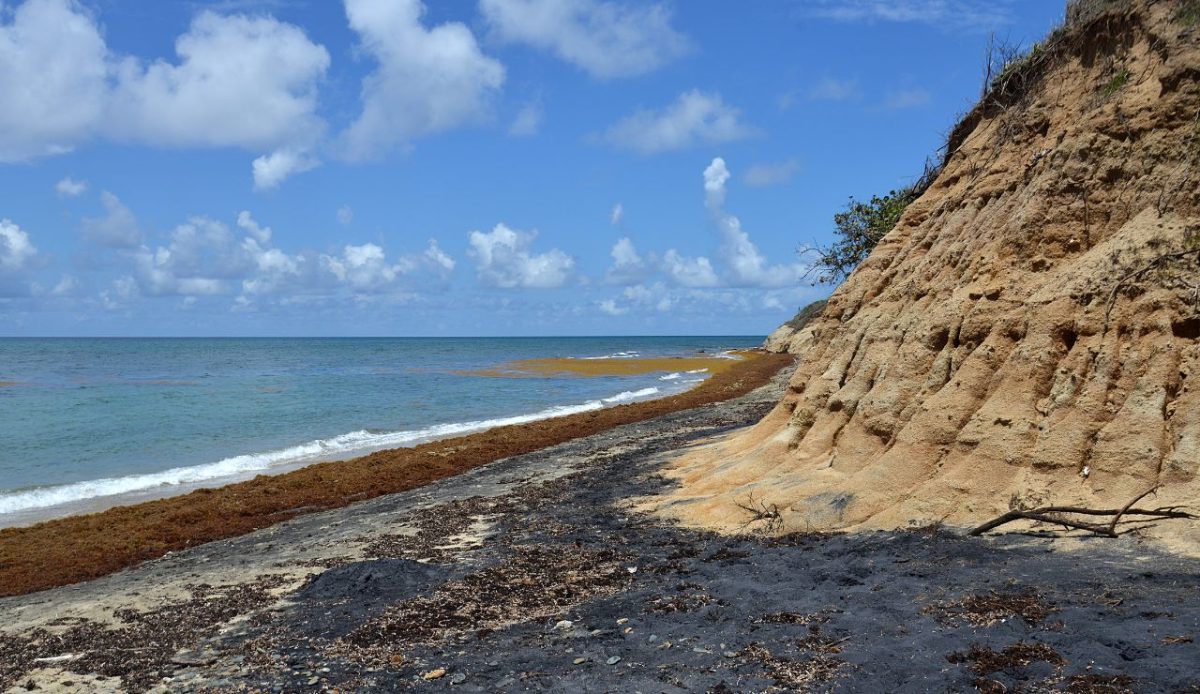
Vieques, off Puerto Rico’s east coast, has faced recurring water reliability problems, and a rising flow of visitors can magnify every weak point. Hotels and rentals need a steady supply, but island systems can be vulnerable to drought, outages, and distribution issues.
When demand rises faster than repairs and upgrades, residents often feel the impact first through interruptions, low pressure, or reliance on delivered water. Tourism then competes with daily needs in a very visible way.
If you visit, follow any local advisories, limit unnecessary water use, and be flexible about amenities like frequent linen changes. Responsible travel matters most where the margin is already thin, and recovery can take longer.
8. St. John, U.S. Virgin Islands
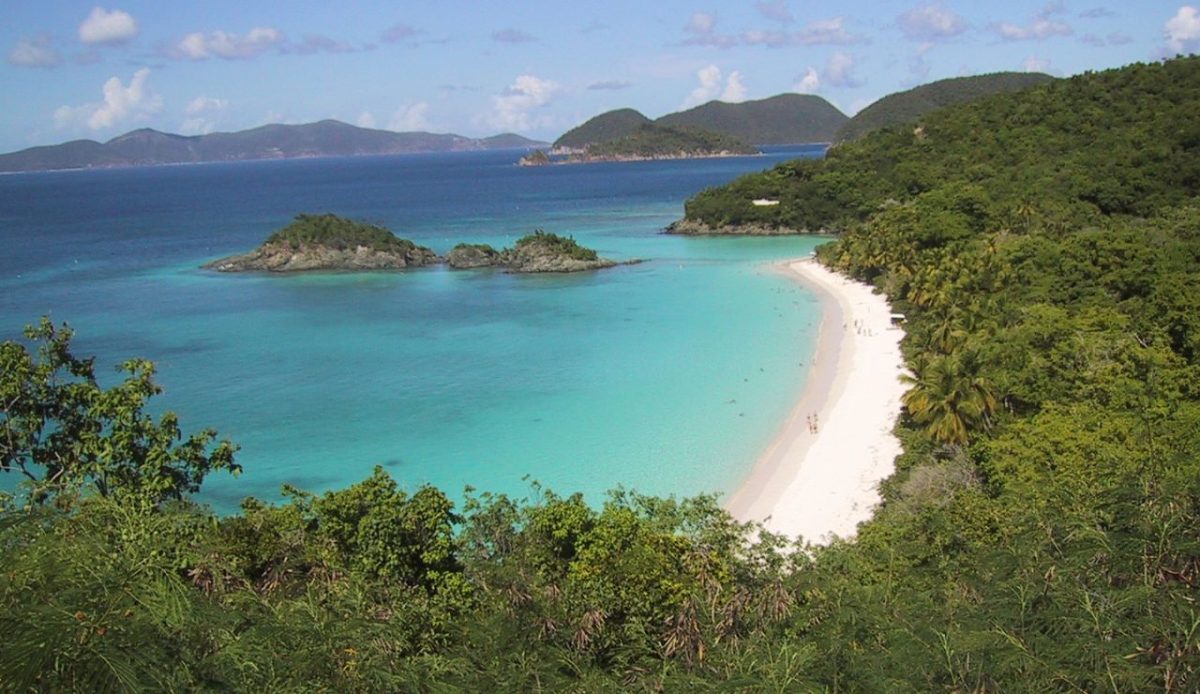
St. John’s small footprint and protected parkland limit where infrastructure can expand, yet visitor demand concentrates in popular bays and resort zones. Fresh water is often secured through rain catchment, trucking, and desalination within the U.S. Virgin Islands.
During busy months, the hospitality load rises quickly: more showers after beach days, more dishwashing, and more cleaning turnover in rentals. Any disruption in production or delivery can ripple fast because storage is finite.
Travelers can support the system by respecting conservation notices, using low-rinse habits, and choosing lodging that treats water as a managed resource rather than an unlimited utility. Small choices reduce strain when occupancy is at its highest.
9. Guam
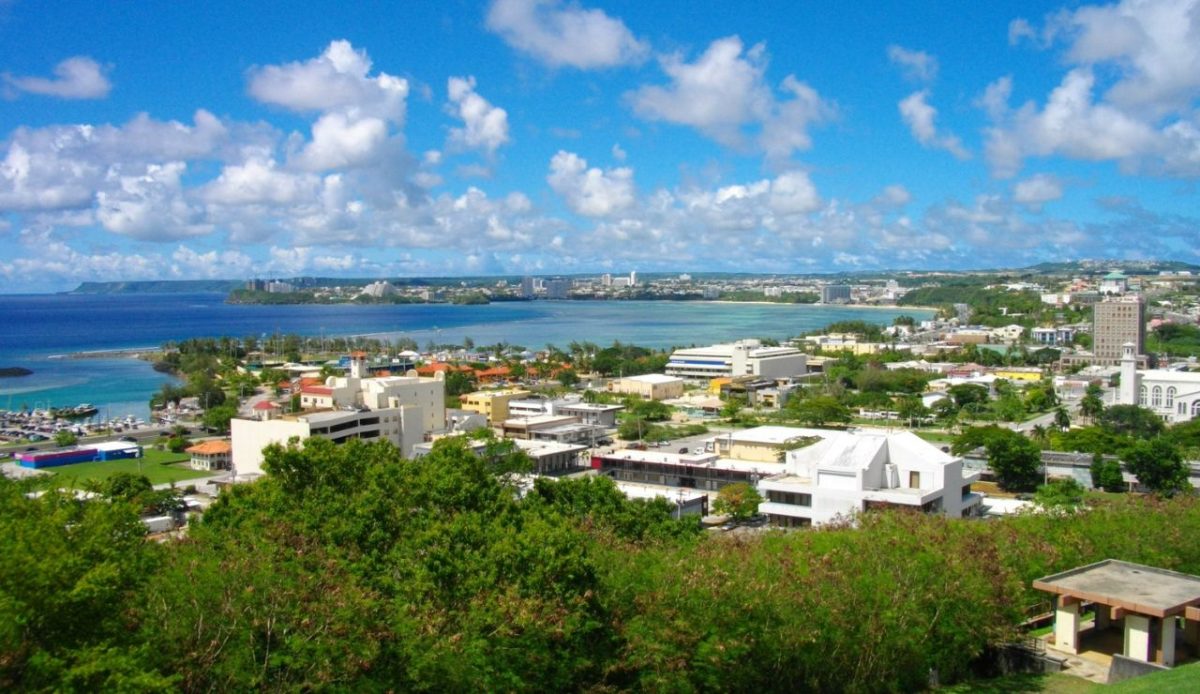
Guam’s visitor market can swing with airline capacity and regional travel trends, and those surges land on an island water system that also has to serve military facilities and year-round residents. Much of the supply depends on groundwater, which can be sensitive to overuse and contamination.
As demand climbs, utilities must juggle treatment, distribution, and leak control while planning for storms and drought cycles. Infrastructure projects take time, and the island’s geography limits quick, cheap expansion.
For visitors, practical choices help: conserve in hotels, report leaks, and avoid unnecessary fresh-water rinsing.
