
Festival cancellations are not rare in the United States, but a true return often needs fresh funding, permits, and public trust. Some events lost years to disasters, debt, or public health limits. A comeback means identity and tourism impact restart at scale.
Here, near disappearance means a verified shutdown, long dormancy, or a breakdown that halted normal operations. Rebounds are tied to a restart date and a workable model, such as new sponsors, site rules, or a nonprofit reset.
These nine cases show different recovery paths. Some rebuilt after storms, others after canceled tours. Each regained attendance by fixing logistics, meeting safety rules, and proving to cities and vendors that the gathering could again support jobs.
1. New Orleans Jazz and Heritage Festival
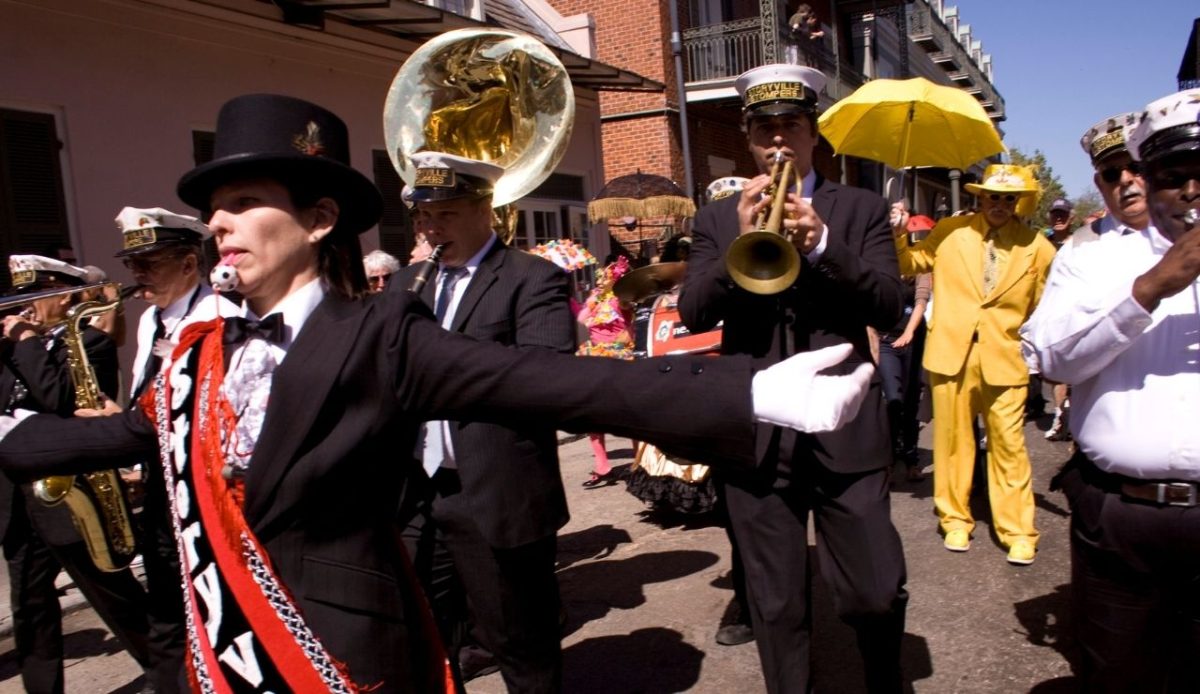
New Orleans Jazz and Heritage Festival began in 1970 as a showcase for Louisiana music and food. After Hurricane Katrina in 2005, the visitor economy collapsed, and the event faced uncertainty as venues, staffing, and supply chains were disrupted.
It also shut down during the pandemic, with full cancellations in 2020 and 2021. That gap mattered because vendor contracts, artist routing, and hotel planning depend on predictable spring dates at the Fair Grounds.
The festival came back in 2022 with a revised schedule and restored sponsorship, then kept running in later seasons. The restart showed that large-scale production could again be staged in New Orleans while keeping a strong focus on regional culture and paying for local talent.
2. Mardi Gras In New Orleans
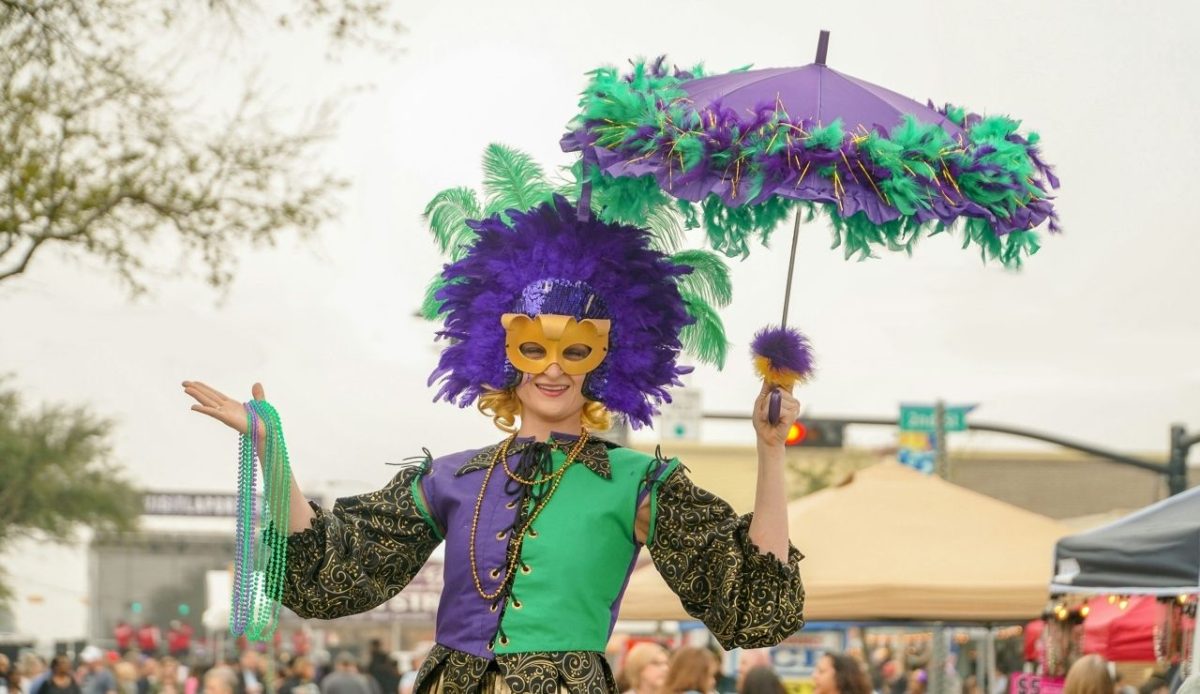
New Orleans Mardi Gras depends on permits, police coverage, and hundreds of krewe operations across multiple routes. After Katrina, several parades shrank while neighborhoods rebuilt and city budgets tightened, which threatened continuity for smaller groups.
In 2021, official parades were canceled citywide, breaking the pattern of annual street processions. Residents kept tradition visible through house float displays and limited gatherings, preserving participation without the full tourism surge.
Parades resumed in 2022 with updated crowd controls and public safety planning. The return restored peak season hotel demand and vendor revenue and showed the celebration can survive a total pause when community groups keep culture active.
3. Newport Folk Festival
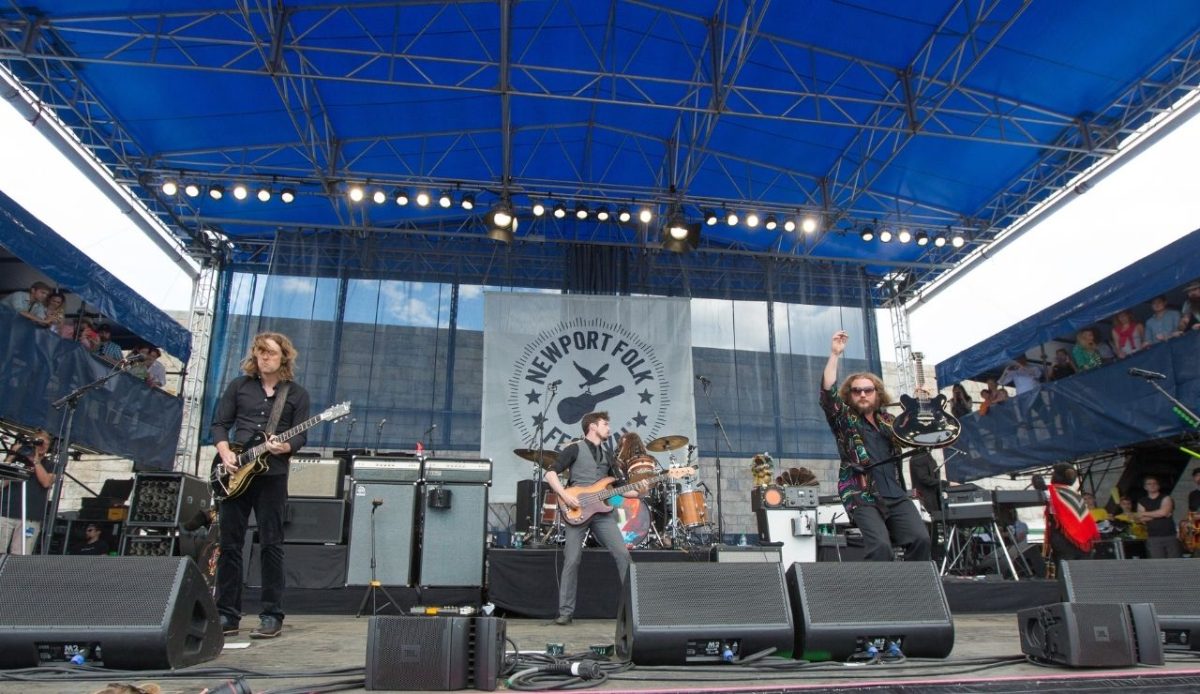
Newport Folk Festival peaked in the early 1960s and became famous for major moments like Bob Dylan’s 1965 set. After unrest, financial strain, and shifting tastes, the event stopped running in the 1970s and lost its annual footing.
For roughly fifteen years, there was no full festival at Fort Adams. The revival required new leadership, a clearer mission, and a booking approach that balanced heritage acts with newer artists while protecting the event from runaway costs.
The festival restarted in 1985 and has since grown into a respected curator-led gathering. Its return is often cited as proof that a brand can recover from a long dormancy when governance improves, and programming stays tightly aligned to its roots.
4. Lollapalooza
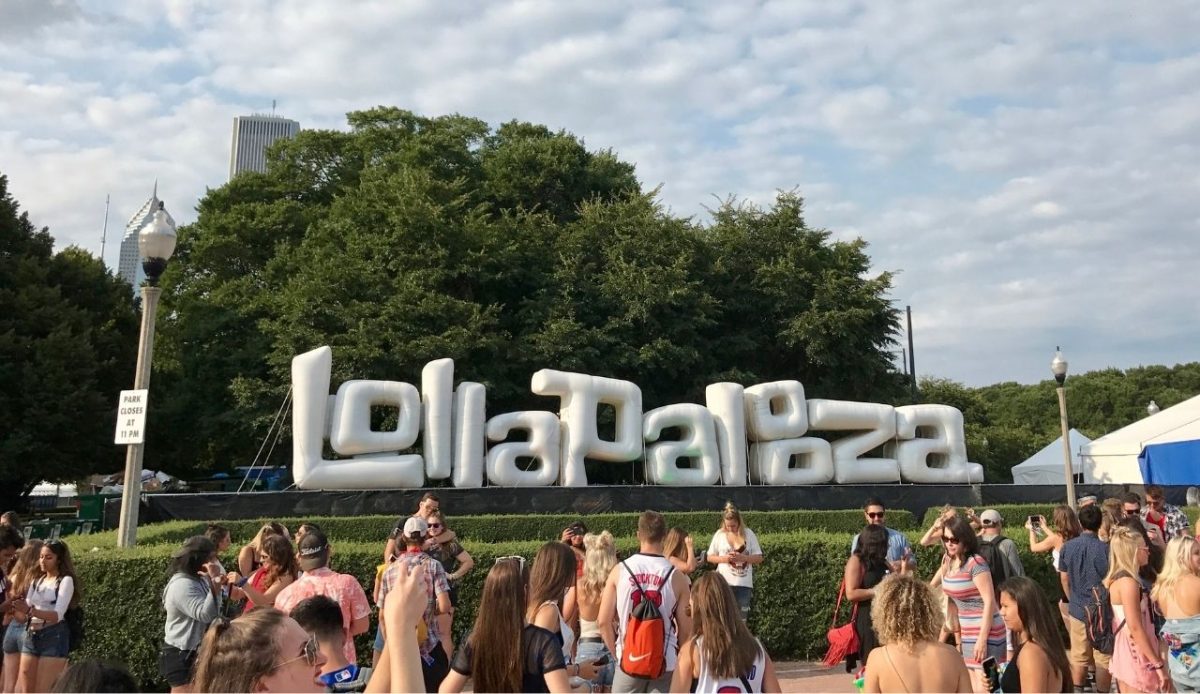
Lollapalooza launched in 1991 as a touring festival that moved city to city, a costly model that depended on strong ticket demand at each stop. By 2004, the tour was canceled after weak sales and logistics problems, and the concept looked finished.
Instead of touring again, organizers reworked it into a single-site Chicago event in 2005 at Grant Park. Concentrating production reduced transport expense and made it easier to coordinate with the city on security, transit, and park restoration.
The fixed format proved durable, with high attendance and stable sponsorship. The rebound shows how changing the operating structure, not just the lineup, can rescue a major festival and create a repeatable template for long-term profitability.
5. Burning Man
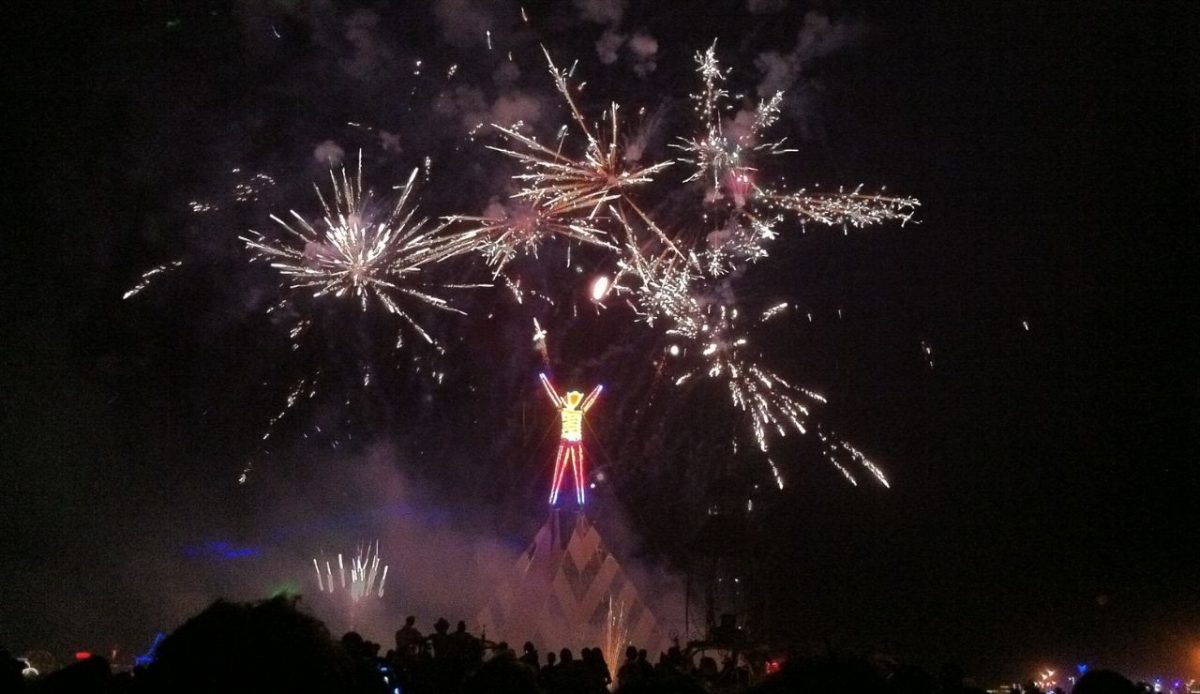
Burning Man began in 1986 and later settled in Nevada’s Black Rock Desert, where a temporary city is built under federal and state permits. When the event was canceled in 2020 and 2021, the nonprofit lost its primary revenue stream.
To avoid collapse, the organization raised emergency support and cut costs while keeping permit work and planning staff. The gap exposed how dependent the event is on ticket income to fund medical services, sanitation, and art infrastructure.
The event returned to Black Rock City in 2022 and drew strong participation, confirming demand after the two-year stop. The comeback also reinforced the need for financial reserves and transparent operations when a festival depends on one annual payout.
6. Milwaukee Summerfest
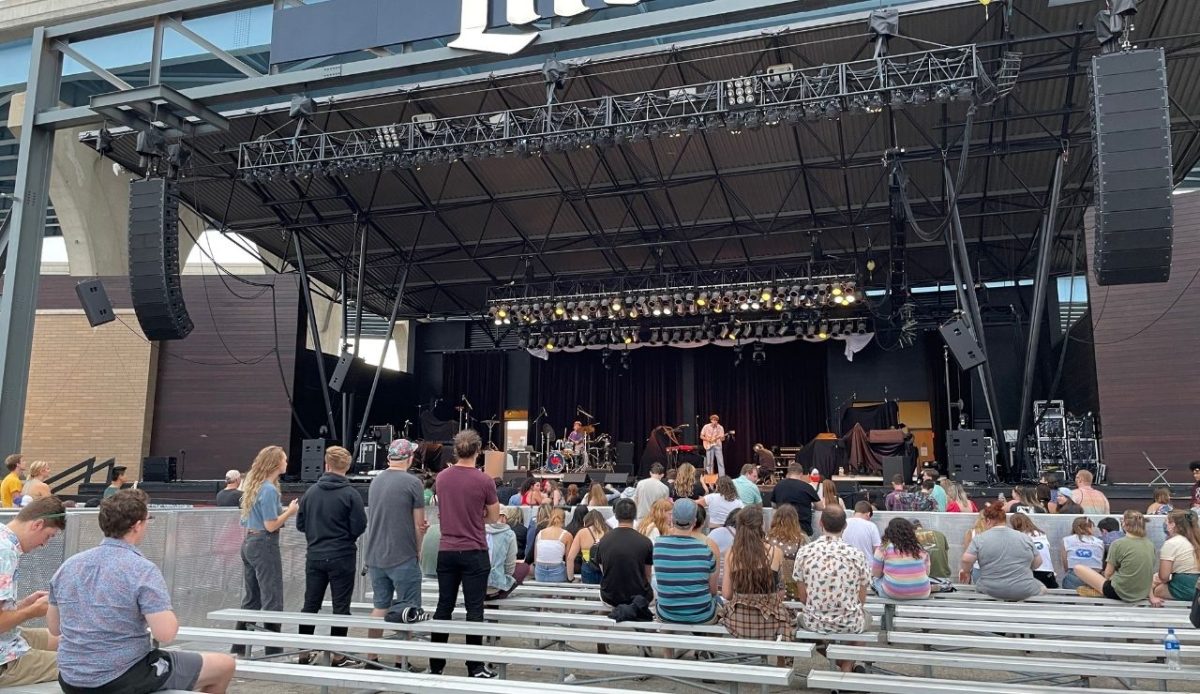
Milwaukee Summerfest has operated on the lakefront since 1968 and is built around large vendor zones, multiple stages, and extensive seasonal staffing. In 2020, it was canceled, ending a streak that had lasted more than five decades.
Organizers redesigned the return by splitting 2021 into several weekend blocks and shifting dates, which reduced crowd density and allowed new entry controls. That format also helped vendors and workers reenter the cycle without a single massive surge.
By 2022, the event moved back toward its typical summer schedule and scale. The restart demonstrated that a legacy festival can recover by adjusting calendar design and capacity management while keeping the core site, brand, and local economic role.
7. Kentucky Derby Festival
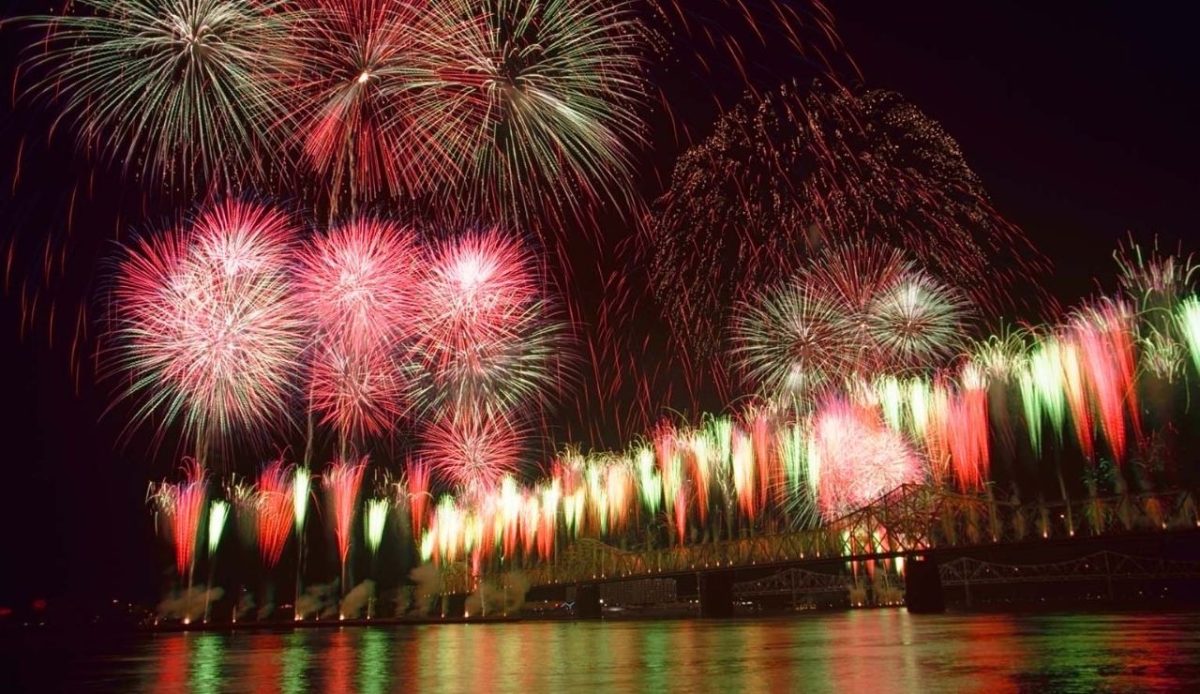
Louisville’s Kentucky Derby Festival was created in 1956 to build a multi-week lead-up to the Derby, with civic groups coordinating parades, races, and fireworks. The model depends on sponsor support and a citywide calendar that links many partners.
In 2020, most in-person festival events were suspended as the Derby moved dates, disrupting revenue for vendors and charities tied to ticketed activities. A pause can break contracts and weaken donor habits if it lasts.
Events returned with revised scheduling and safety planning and have continued as a spring anchor for Louisville tourism. The comeback shows how a city can reassemble a complex program when governance is centralized, and the brand stays tied to a flagship event.
8. National Cherry Blossom Festival
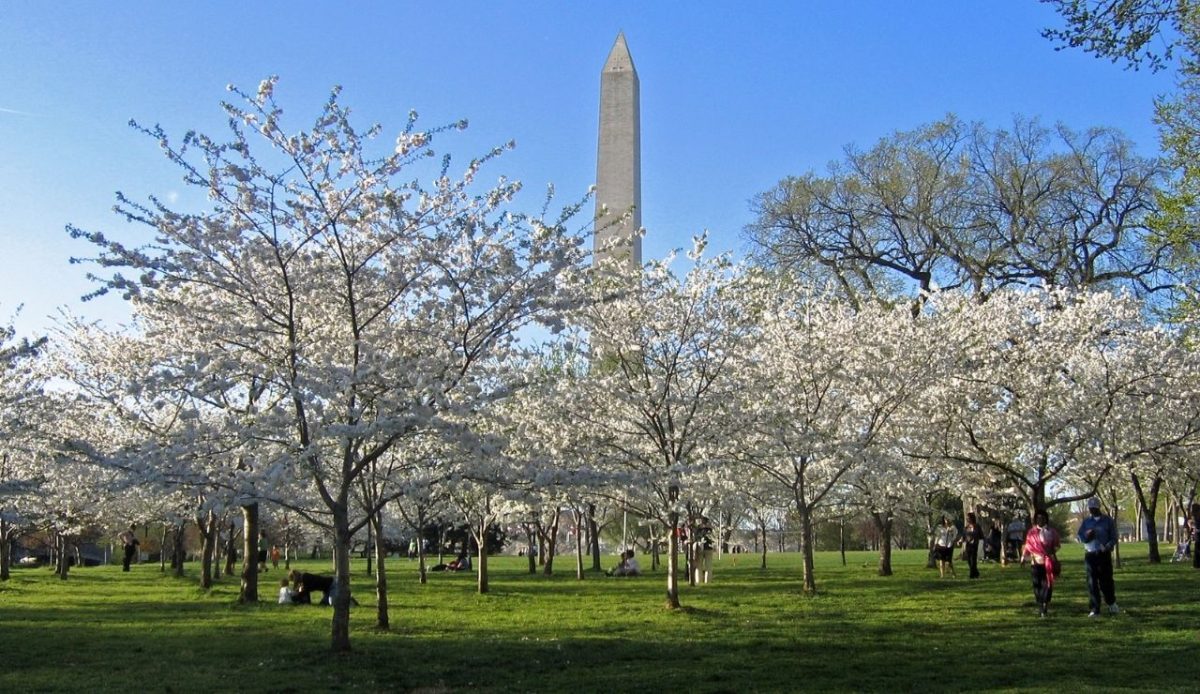
The National Cherry Blossom Festival in Washington, DC is tied to the 1912 gift of trees from Japan and draws spring crowds around the Tidal Basin. In 2020 and 2021, signature elements such as the parade were canceled or moved online.
That shift reduced spending for nearby hotels, restaurants, and tour operators that rely on predictable peak weekends. Organizers expanded digital programming and used crowd guidance to reduce congestion during bloom while key events stayed paused.
In 2022, major in-person programming returned, restoring the festival’s role as a seasonal demand driver. The rebound showed how an event tied to public space can restart by pairing safety planning with clear scheduling and partner coordination.
9. Albuquerque International Balloon Fiesta
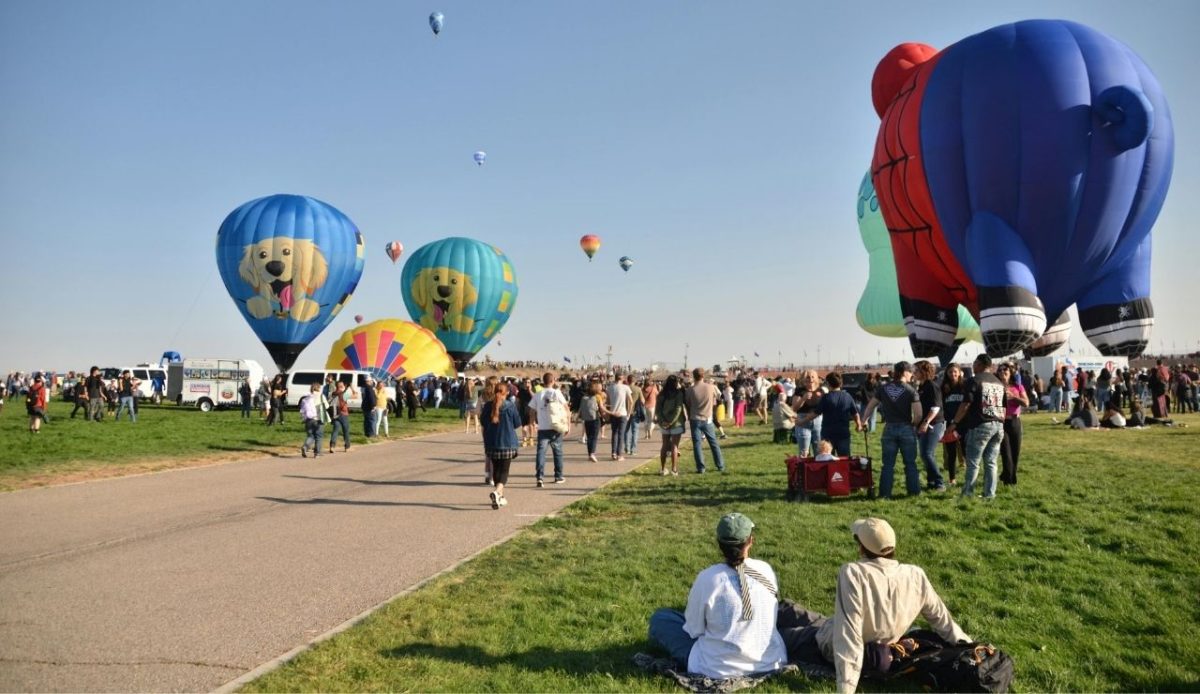
The Albuquerque International Balloon Fiesta started in 1972 and became the largest recurring balloon event in the world, known for mass ascensions at dawn. In 2020, the entire fiesta was canceled, disrupting a major October tourism surge.
Because balloon crews, vendors, and hotels plan far ahead, a lost year can trigger contract risk and staffing gaps. Organizers used downtime to plan health and crowd procedures and to keep pilots and sponsors engaged for the restart.
It resumed in 2021 with strong pilot participation and heavy spectator interest, and it has stayed on the calendar. The comeback confirmed that the appeal survived the pause and that detailed operations planning can restore confidence in a high-density outdoor festival.
