
Abandoned places attract travelers for the history they leave behind, but some carry records of disease, disaster, or violence that still shape local memory. Weathered walls can look cinematic, yet the reasons a community left are often plain and tragic.
This list focuses on places that were emptied abruptly or slowly, then left to decay. Many are restricted, fragile, or protected as memorials, and rules change by season and country. Even when entry is legal, surfaces can collapse, and air can be unsafe.
If you go near any of them, follow local laws, use guided access where required, and treat every ruin as a safety hazard and a human story, not a photo stunt.
1. Pripyat, Ukraine
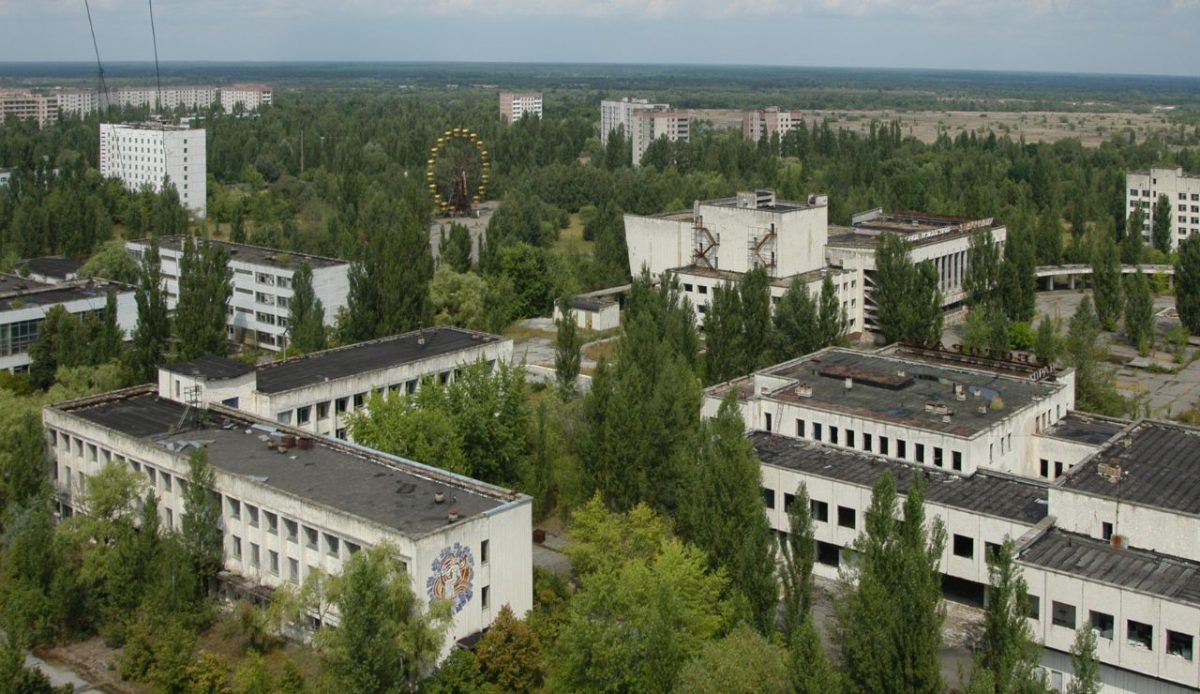
Pripyat, Ukraine, was built to house workers from the Chernobyl Nuclear Power Plant and grew into a full city before the 1986 reactor explosion. After the accident, residents were evacuated on April 27, 1986, leaving apartments, schools, and civic buildings behind.
Today, the empty streets illustrate how quickly normal life can stop when radiation risk changes the map. The area is controlled within the exclusion zone,e and access depends on current safety and security conditions.
For visitors, the “horror” here is documentary: a modern city frozen by a preventable chain of design and human failures, then left to weather in silence.
2. Centralia, Pennsylvania, USA
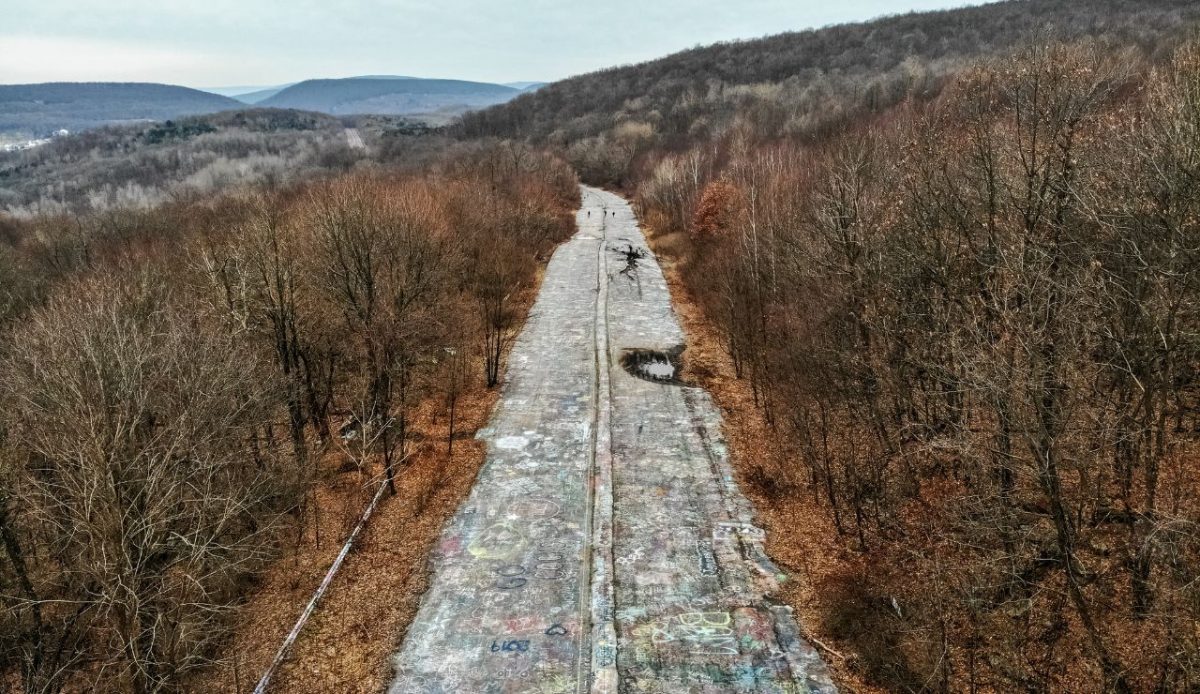
Centralia, Pennsylvania, became a near-ghost town because a coal-seam fire spread into abandoned mines in 1962 and never fully went out. As heat and toxic gases moved underground, authorities relocated most residents, and many structures were demolished.
Unlike a single disaster moment, Centralia is a slow emergency measured in decades. Cracked ground, steam vents, and road closures reflect ongoing instability rather than a “finished” ruin.
The unsettling part is practical: the danger is largely invisible, and the town’s disappearance shows how an environmental problem can erase a community without a headline finale.
3. Oradour-sur-Glane, France

Oradour-sur-Glane in France was left in ruins after a Waffen-SS unit killed 642 civilians on June 10, 1944, then burned much of the village. After the war, France kept the destroyed streets and buildings as a permanent memorial and built a new village nearby.
Here, abandonment is intentional. The empty shells of shops, homes, and the church remain to document what happened and to prevent the event from being reduced to a statistic.
For travelers, the “horror” is the ordinary setting: a small town preserved mid-life, where the absence of residents is the entire point of the site’s continued existence today.
4. Poveglia, Italy
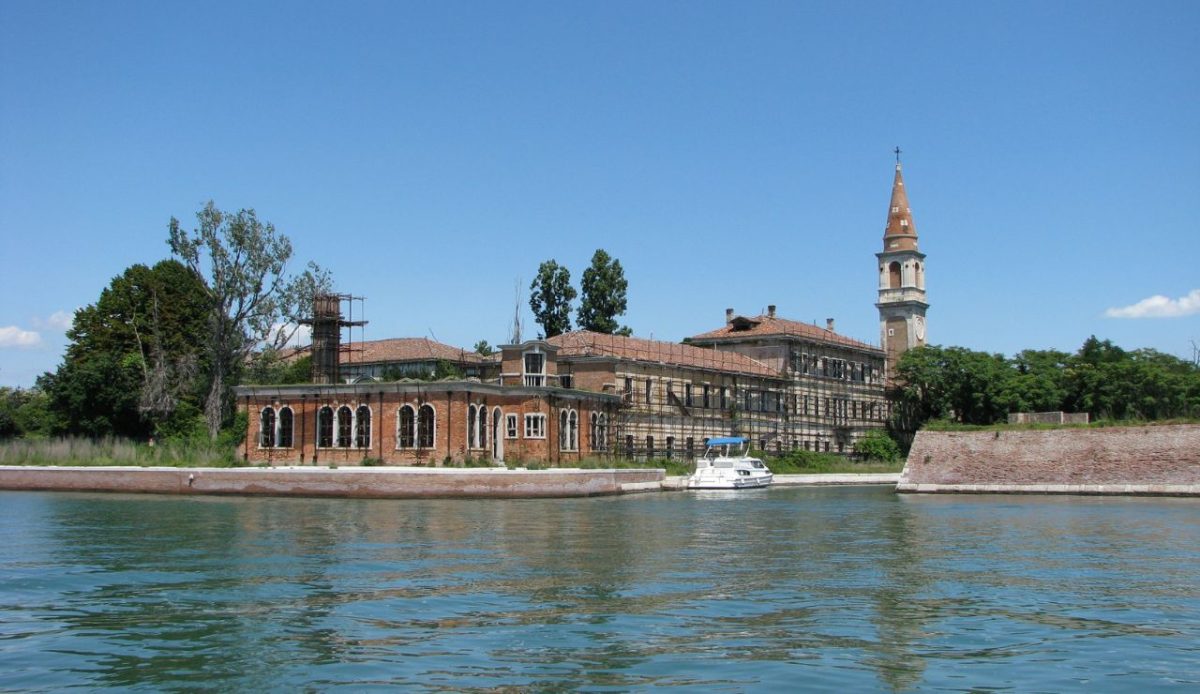
Poveglia is a small island in Italy’s Venetian Lagoon, between Venice and Lido, that cycled through public-health uses before being left to decay. From the late 1700s, it served as a quarantine checkpoint and confinement site for illness during outbreaks, and later its buildings were repurposed for long-term care.
The island’s isolation made it useful for controlling movement, but that same separation now limits access and maintenance. Derelict wards, overgrowth, and unstable structures are why visits are typically restricted.
The “horror” isn’t a ghost story; it’s the reminder that epidemic control once meant removing people from the city and placing them out of sight, on a bare patch of land.
5. Hashima Island, Japan
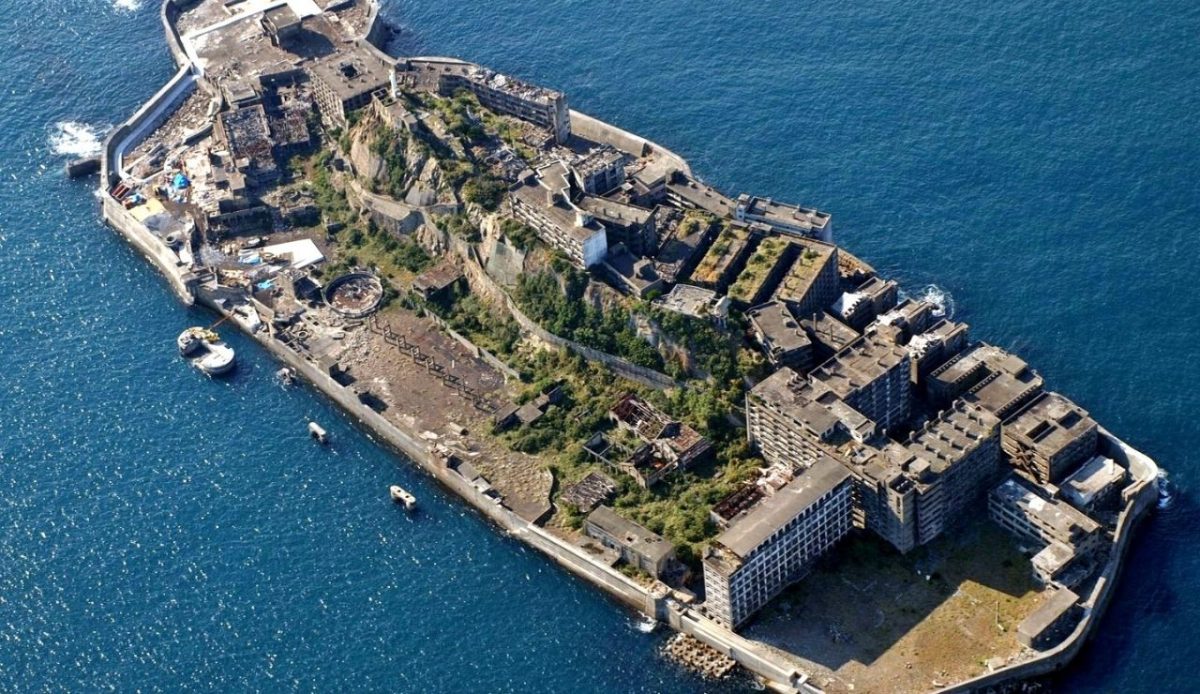
Hashima Island, also called Gunkanjima, sits off Nagasaki, Japan, and was built aroundan undersea coal mining. It reached a peak population of 5,259 in 1959, then the mine closed in 1974, and residents left soon after, abandoning dense concrete housing.
From the water, the seawall and blocky apartments look like a ship, but onshore the ruin is industrial: corroded stairwells, dark corridors, and buildings exposed to typhoons and salt spray.
The uneasy part is scale. A whole micro-city vanished because the resource economy changed, turning a once-crowded island into a brittle shell that can’t safely hold crowds everywhere.
6. Spinalonga, Greece
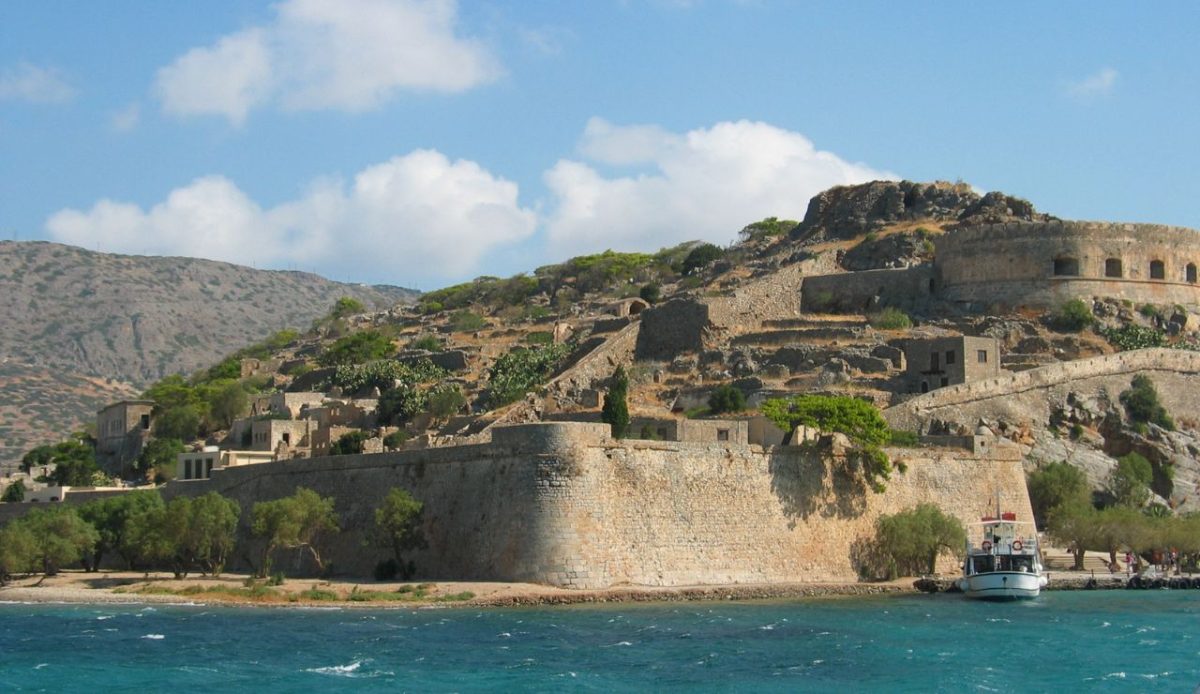
Spinalonga is a small islet off Crete, Greece, that became known in the 20th century for its leprosy hospital and enforced isolation. The leper colony closed in 1957, and the islet remained deserted before later being managed as an archaeological site that visitors can reach by boat.
Walking through the remaining streets, you see ordinary domestic spaces, doorways, courtyards, and clinics, designed around separation from the mainland. The setting makes the medical history feel personal, not abstract.
The “horror” here is social: stigma and policy shaped daily life as much as illness did, and the abandoned buildings still map out where people were allowed to exist.
7. Beelitz-Heilstätten, Germany
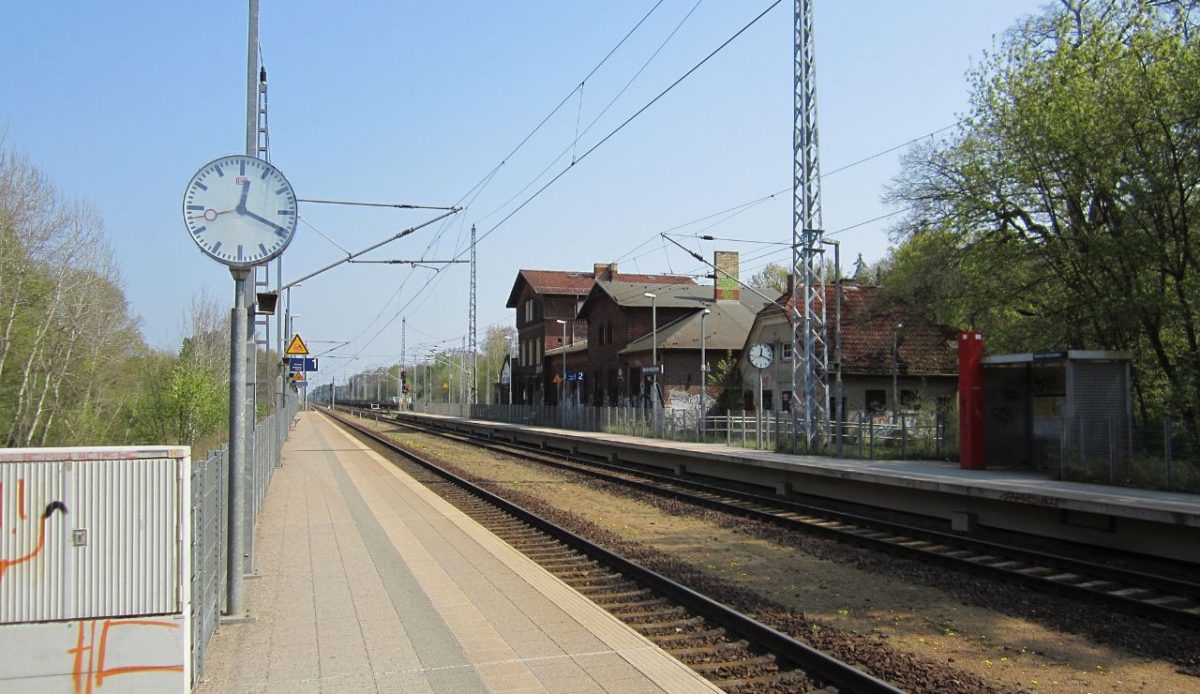
Beelitz-Heilstätten, near Berlin, Germany, began as a sanatorium complex in the late 1890s and later served as a military hospital in multiple eras. After 1945, it operated as a Soviet military hospital, remaining in use until the Soviet withdrawal in 1994.
When the medical staff left, large parts of the site, surgery buildings, wards, and service tunnels, were abandoned and rapidly deteriorated. Some sections later found new clinical uses, while other blocks stayed empty.
The disturbing feeling comes from context, not myths: you are seeing the infrastructure of mass illness and wartime injury, then the sudden gap when care stopped, and nature moved in.
8. Eastern State Penitentiary, USA
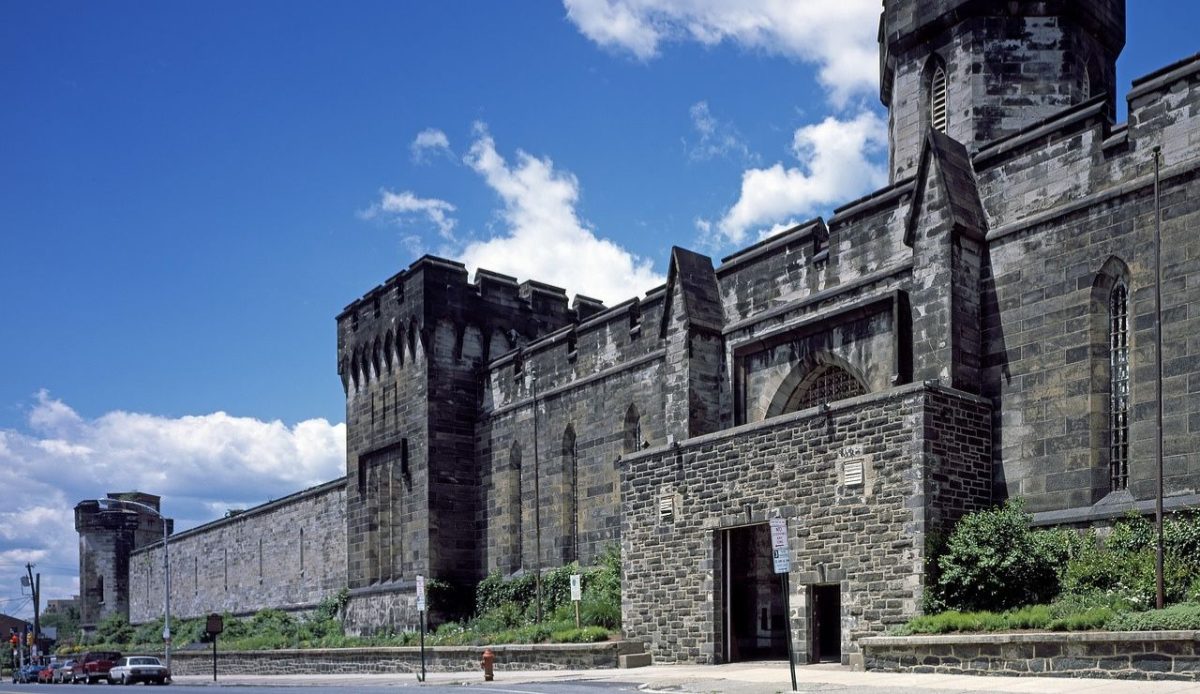
Eastern State Penitentiary in Philadelphia, USA, opened in 1829 and became famous for its “separate system,” keeping inmates in solitary confinement for long periods. The prison closed in 1971, sat abandoned for years, and eventually reopened for public history tours in 1994.
Inside, cellblocks feel like a maze of locked doors and narrow sightlines, built to control behavior through isolation. The decay is visible, but the harder part to picture is the daily psychological pressure of enforced silence.
For travelers, the “horror” is institutional: a landmark of reform history that also documents how punishment methods can outlast the theories that originally justified them.
9. Tequendama Falls Hotel, Colombia
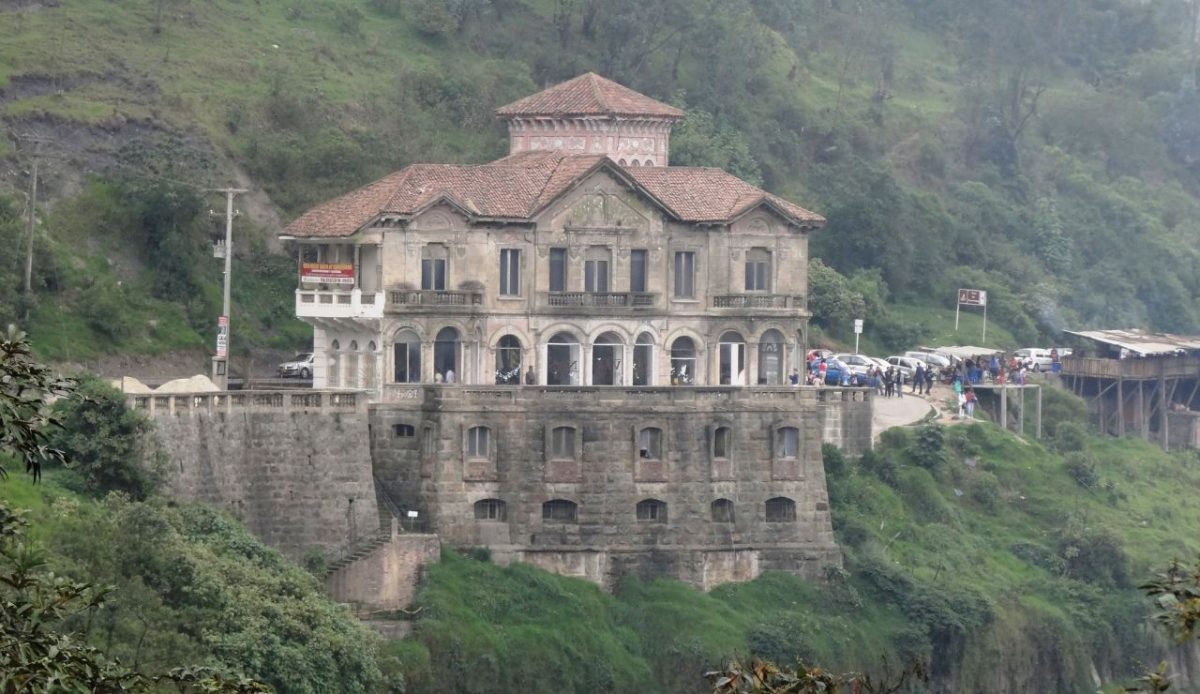
Near Tequendama Falls in Colombia, a cliffside mansion once operated as the Tequendama Falls Hotel, built to host visitors drawn to the waterfall and the Bogotá River valley. Over time, the hotel declined, and the building was abandoned before later restoration.
Today, it functions as the Tequendama Falls Museum of Biodiversity and Culture, which means the “abandoned” phase is part of its recent memory rather than ancient history.
The uneasy element is geographic: the structure sits close to a dramatic drop and a loud, misty gorge, so even a calm visit feels intense. It’s a reminder that some ruins feel ominous simply because the landscape is unforgiving.
