
Nature photographers often look for places where wildlife can be observed with consistency and clear visibility. These destinations offer strong chances to capture detailed behavior without restricted movement or crowded scenes. Visitors can plan around seasonal changes, rely on trained guides, and adjust timing to match periods when animals remain active. Many travelers also appreciate how these environments provide multiple backgrounds, allowing photographers to refine methods through different light conditions while staying aware of safety rules that protect both people and wildlife.
1. Masai Mara National Reserve, Kenya
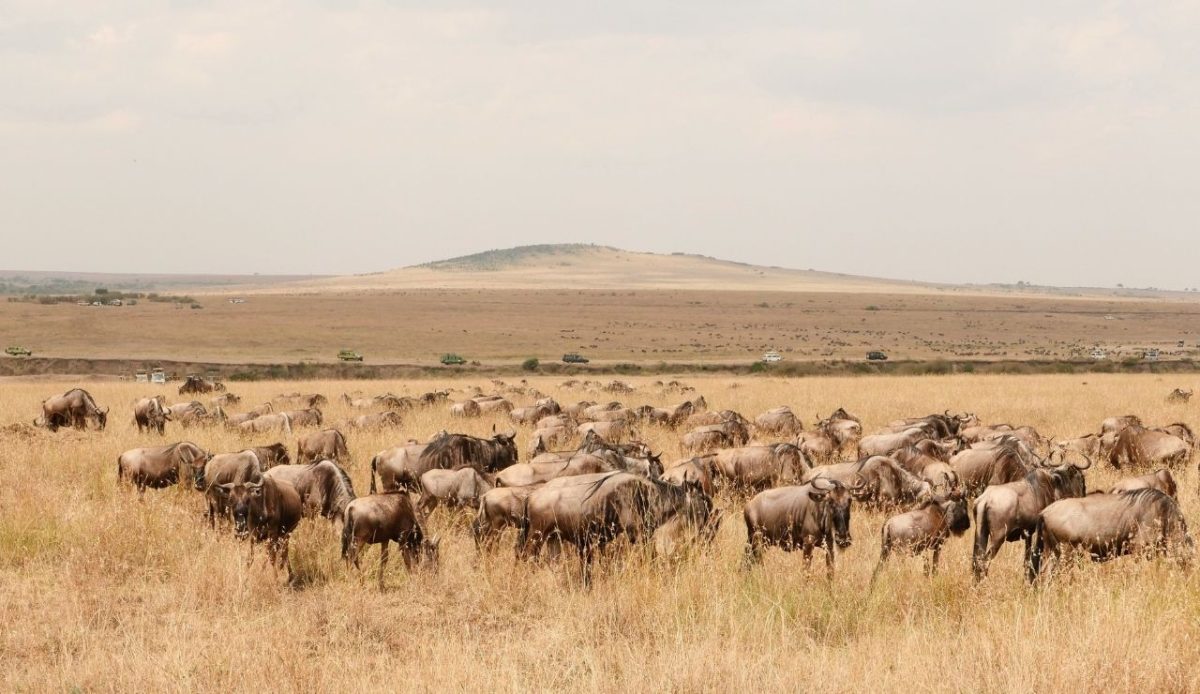
The Masai Mara draws photographers who want dependable wildlife activity in open terrain. Wide grasslands allow clean sightlines, making it easier to follow lions, elephants, and other well-known species without barriers affecting the frame. Seasonal gatherings of grazing animals attract predators, which increases opportunities for documenting movement across large areas. Local guides track routes with strong accuracy, helping visitors position themselves without causing pressure on wildlife. Morning and late afternoon hours often bring softer light that supports balanced exposure.
2. Yellowstone National Park, USA
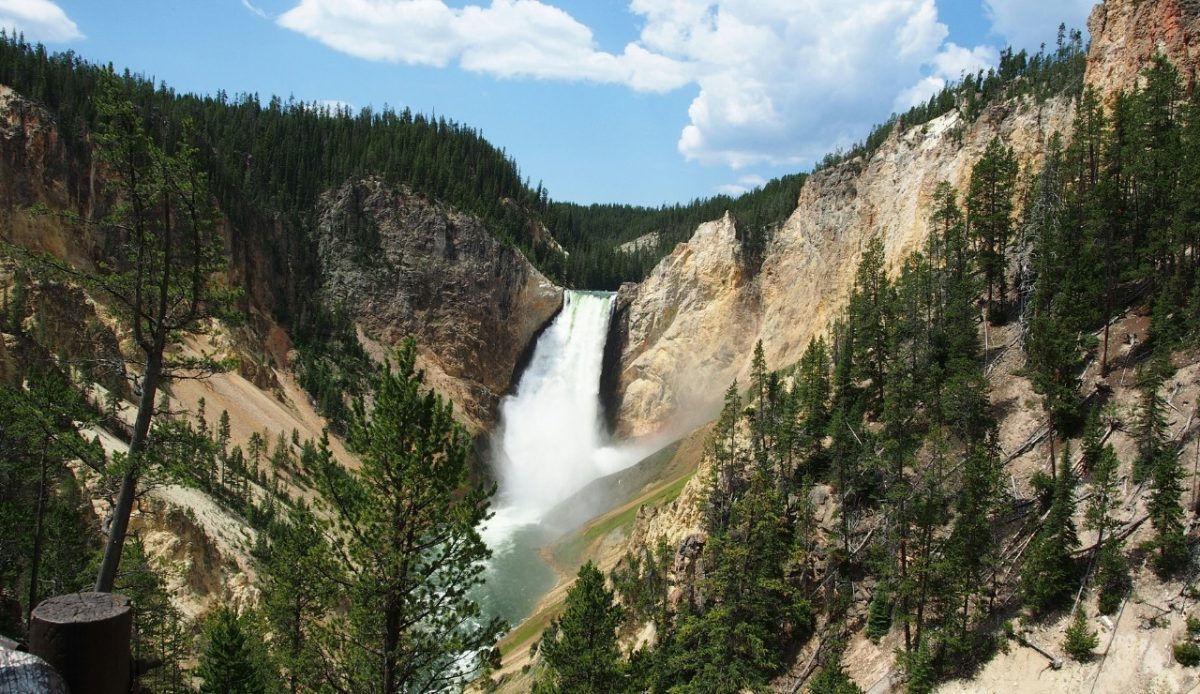
Yellowstone offers broad spaces where wildlife can be observed from safe pullouts and marked viewing zones. Photographers often target bison herds across valleys, while elk, wolves, and bears appear in areas that remain accessible throughout most of the year. Thermal features create changing backgrounds that add practical variety without forcing artificial scenes. Weather conditions shift quickly, which encourages careful planning for lenses and timing. Many visitors rely on ranger updates to choose routes that improve the chances of capturing steady behavior during quieter hours.
3. Svalbard Archipelago, Norway
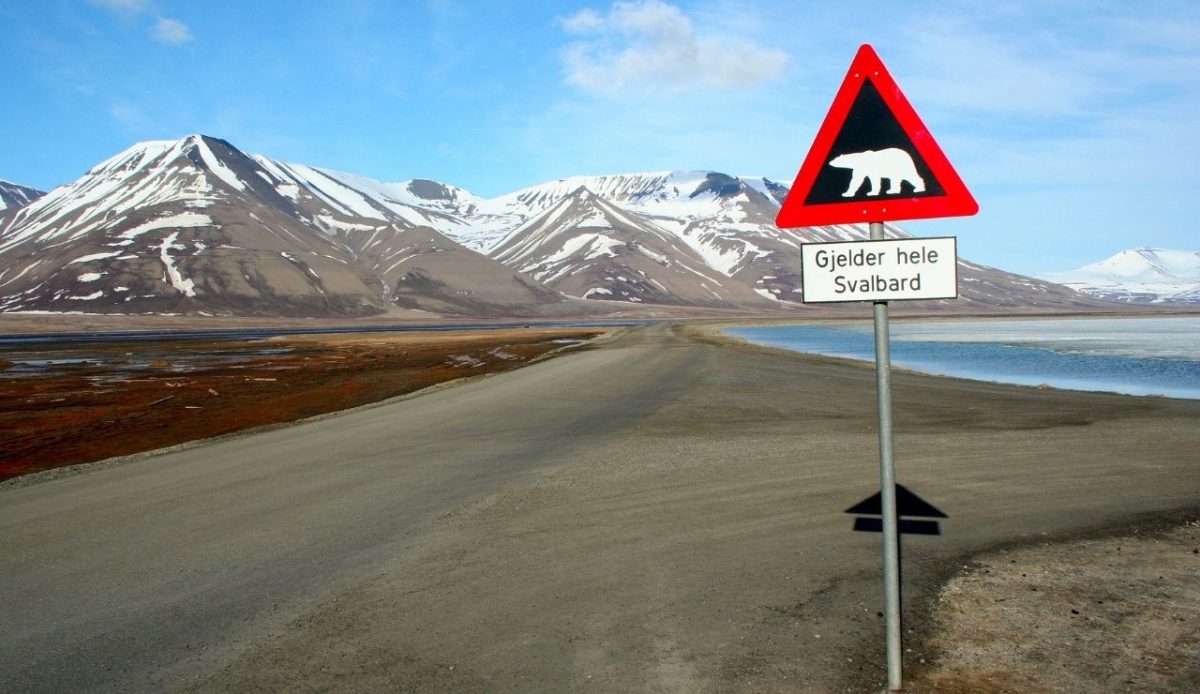
Svalbard appeals to photographers who want polar conditions without extreme logistical hurdles. The region’s cold environment attracts polar bears, Arctic foxes, and seabird groups that move along predictable coastal areas. Boat-based trips give stable platforms for long lenses, especially when sea ice allows controlled navigation near wildlife routes. Light varies sharply during the year, with long summer days providing extended shooting windows. Guides help visitors maintain distance and monitor ice conditions, creating safer opportunities to photograph animals in natural settings.
4. Pantanal Wetlands, Brazil
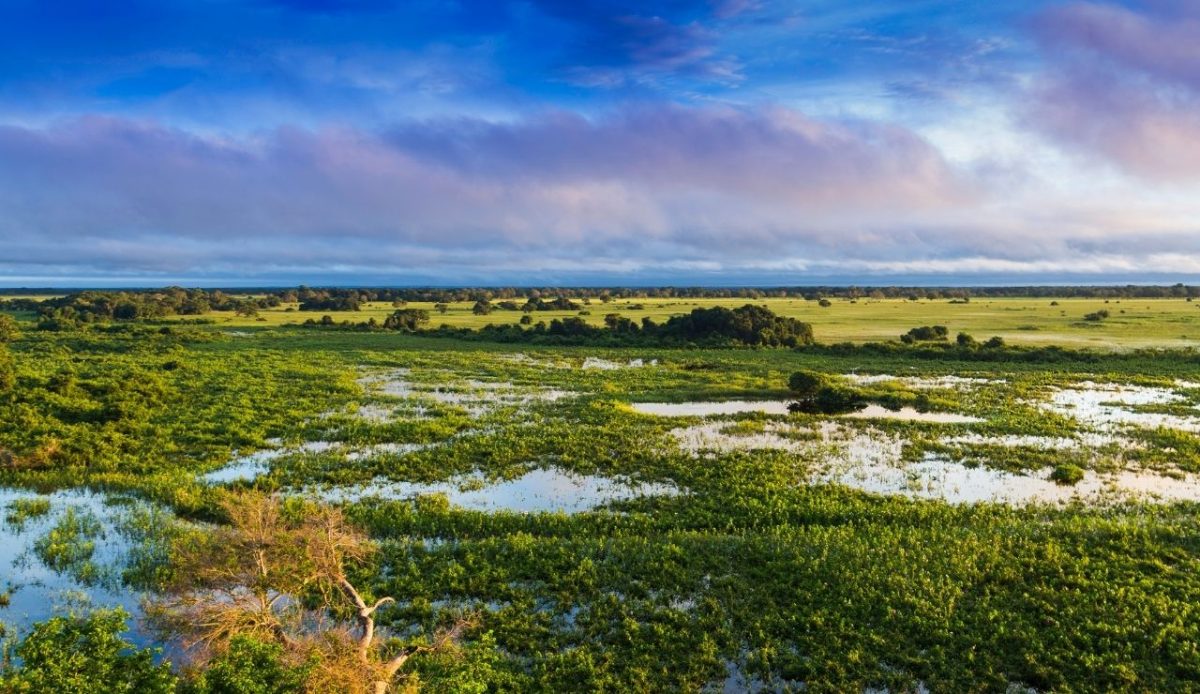
The Pantanal provides some of the most reliable chances to observe jaguars in the wild, drawing photographers who want consistent visibility rather than dense forest coverage. Riverbanks give open views where boats can stay steady while tracking movement along the edges. The wetlands support giant otters, caimans, and large bird populations, allowing diverse shots within short travel distances. Local lodges coordinate outings that follow recorded patterns, reducing uncertainty for visiting photographers. Morning routes often bring clearer activity before temperatures rise.
5. Serengeti National Park, Tanzania
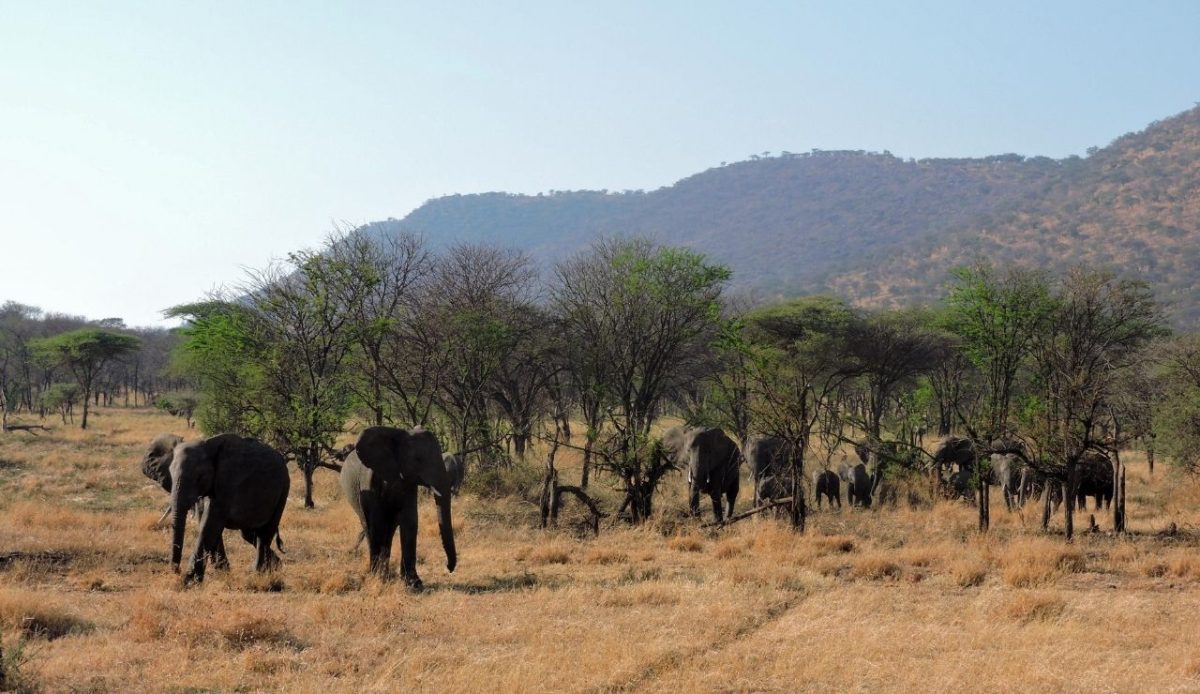
The Serengeti remains a strong destination for photographers due to the large open plains and dependable wildlife movement across defined paths. Herds of grazing animals create steady scenes that attract predators, offering realistic chances to record interactions without forcing proximity. The park’s road network allows controlled access to broad areas while keeping wildlife disturbance low. Seasonal gatherings increase density in some regions, giving photographers multiple angles during a single outing. Light conditions at sunrise and sunset often support detailed shots with minimal glare.
6. Galápagos Islands, Ecuador
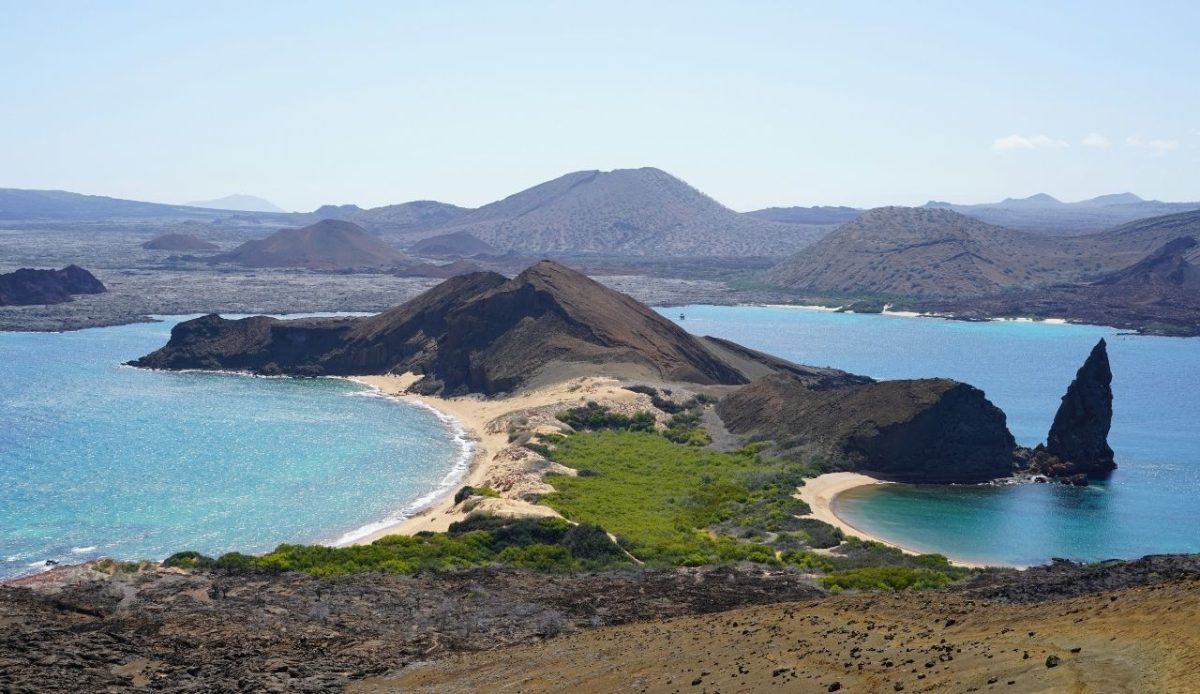
The Galápagos offer dependable encounters with animals that show little fear of human presence, allowing photographers to capture close behavior without interrupting natural routines. Sea lions rest along shorelines, marine iguanas move across dark rock, and giant tortoises feed in open fields. Boats follow approved routes that keep activity organized while preserving sensitive areas. Clear water supports underwater shots of turtles and reef fish, and guides explain how to position gear without disturbing wildlife. Seasonal currents change visibility, so visitors plan around expected conditions.
7. Great Barrier Reef, Australia
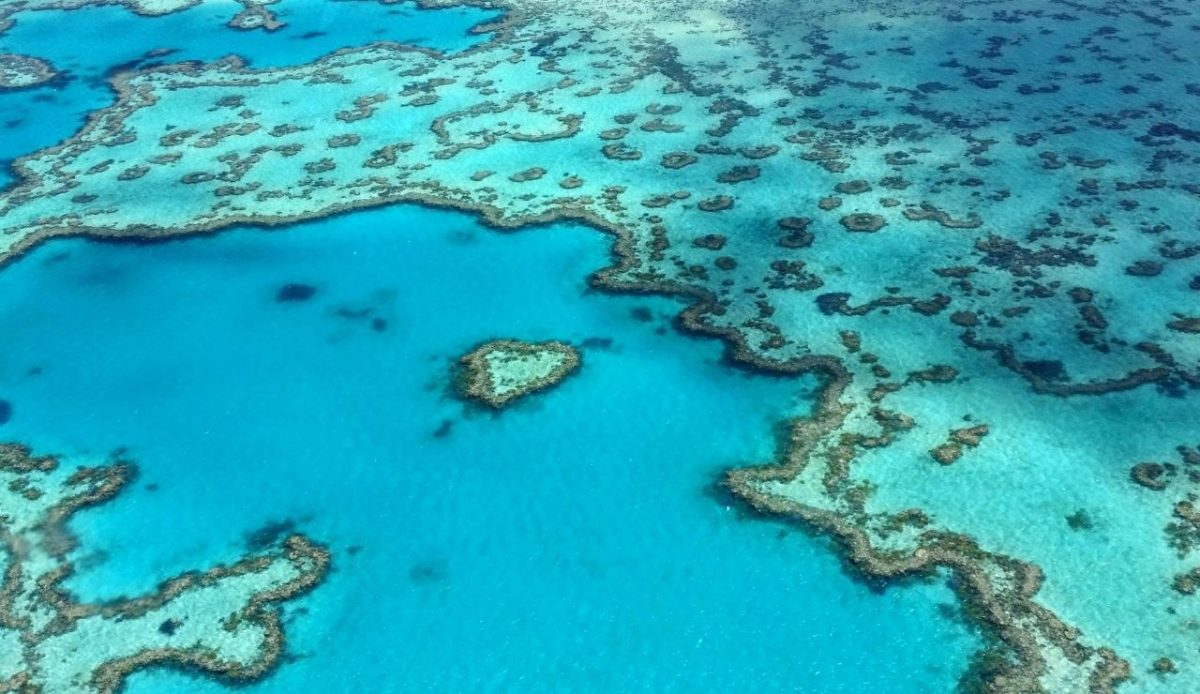
The Great Barrier Reef draws photographers seeking clear underwater scenes where marine life can be documented at close range. Coral formations form broad sections that support fish, rays, and turtles, giving visitors many chances to work with steady subjects. Tour operators choose routes with reliable clarity, helping photographers manage light adjustments below the surface. Shallow areas offer strong color retention, reducing the need for heavy correction. Safety briefings explain current strength, depth changes, and respectful positioning near coral to avoid harm during shoots.
8. Okavango Delta, Botswana
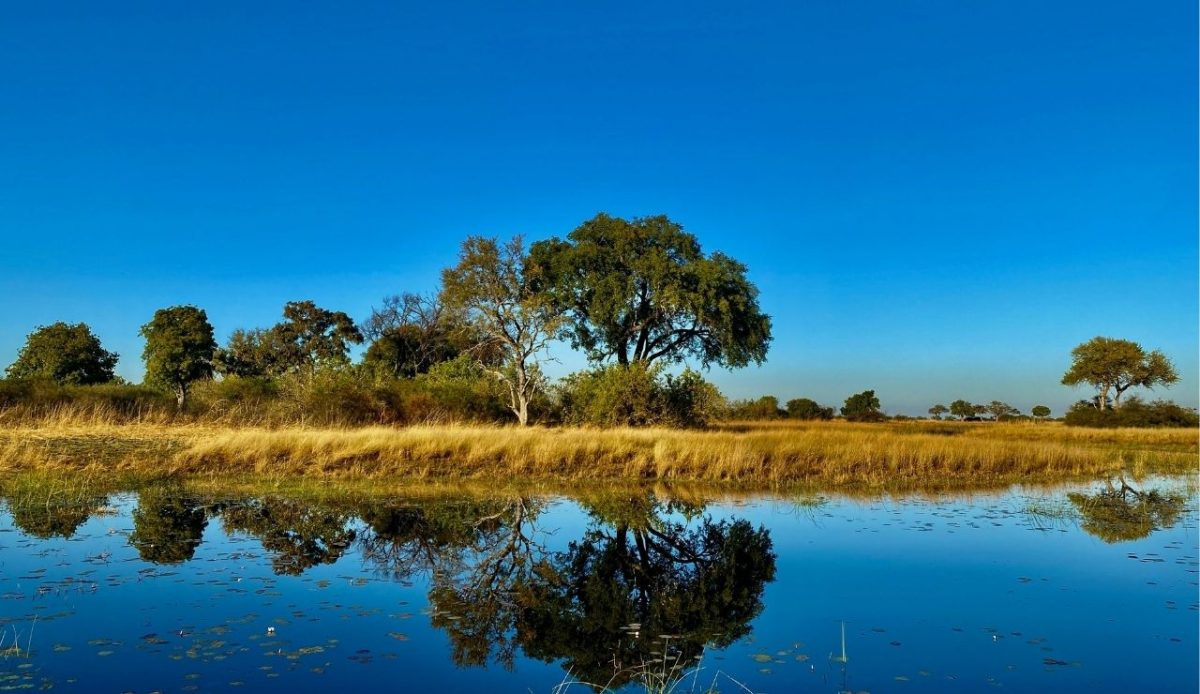
The Okavango Delta provides strong visibility for wildlife due to seasonal flooding that concentrates animals near channels and grass areas. Photographers often work from vehicles or small boats that follow pathways with steady activity. Elephants, antelope groups, and predators move across open sections with clear backgrounds that support accurate framing. Local trackers understand recent patterns and help visitors anticipate routes without placing pressure on animals. Changing water levels affect access, so visitors plan daily movements around conditions to keep shoots efficient and safe.
