
Utah’s national parks draw millions each year, but its lesser-known trails tell an older story written in stone. These paths lead across red cliffs, open valleys, and quiet reservoirs where the footprints of ancient life remain visible today. Each route combines easy access with rich geological history, offering travelers a look at prehistoric worlds hidden beyond the park borders. From lakeshore trackways to high desert mesas, these hikes reveal how time, weather, and motion have shaped the state’s remarkable landscape.
1. Red Fleet State Park Dinosaur Trackway, Vernal
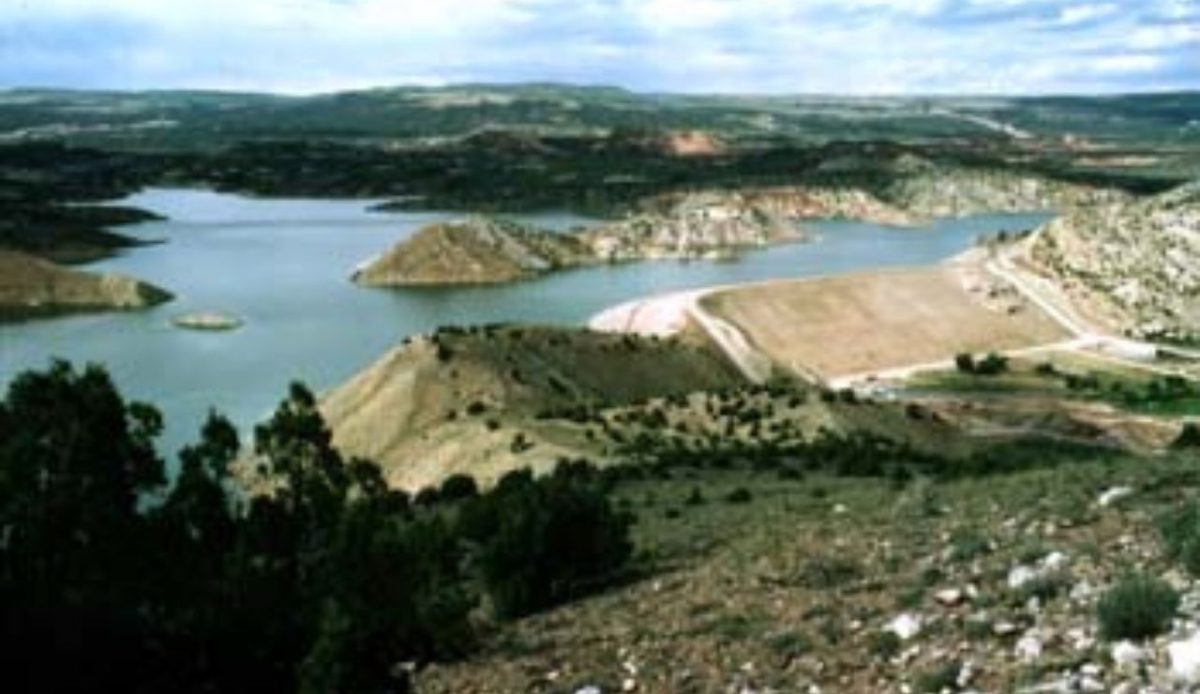
North of Vernal, Red Fleet State Park holds one of Utah’s best hikes for viewing authentic dinosaur footprints. The trail stretches about two miles across slickrock ridges leading to a lakeshore where dozens of tracks are pressed into the sandstone. Many prints belong to three-toed theropods that once crossed the area 200 million years ago. When water levels drop, the shapes appear clearly at the edge of the reservoir. The moderate climb is best attempted in morning light when the surface color brings each track into focus. Every step connects modern hikers with creatures that once walked the same ground.
2. Copper Ridge Dinosaur Tracksite, Near Moab
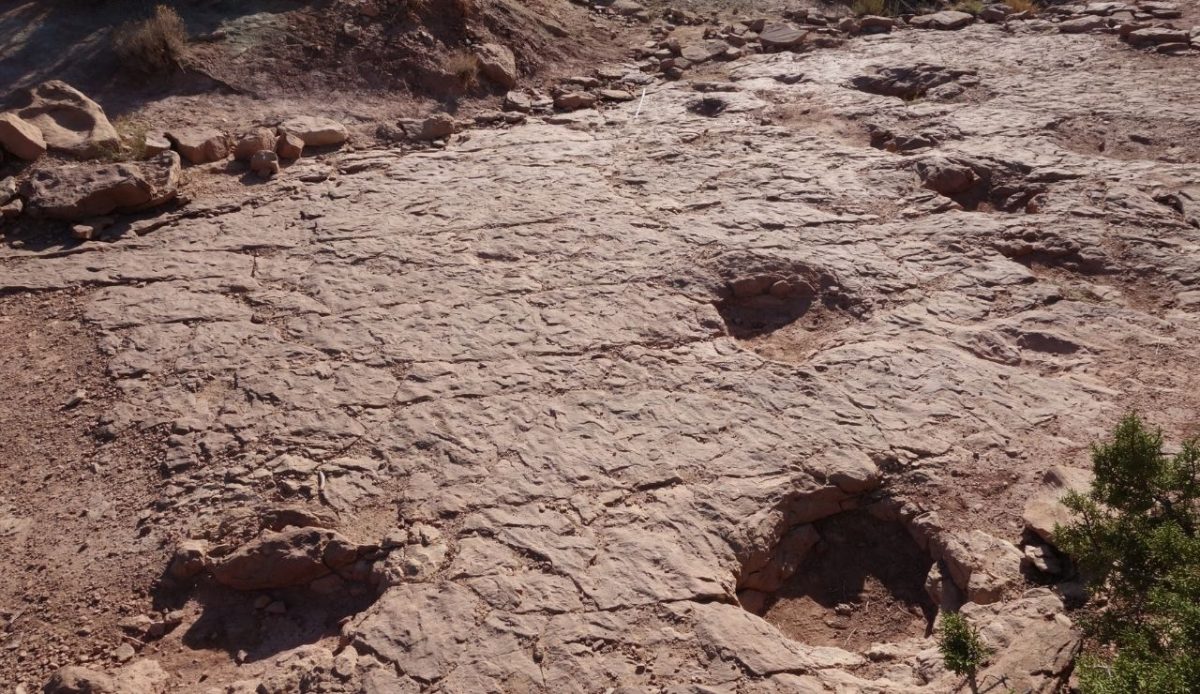
A short drive north of Moab reveals Copper Ridge, where both sauropod and smaller carnivorous dinosaur tracks remain perfectly outlined. A marked BLM path climbs gently to a ridge overlooking a broad desert plain. Informational signs explain how scientists identified the stride length and gait of the animals that left the prints behind. Because the area lies far from major tourist routes, visitors often explore in peace, studying the fossil impressions without interruption. The ridge provides views of sandstone domes and open flats that look nearly unchanged since the Jurassic age.
3. Mill Canyon Dinosaur Tracksite, Moab Area
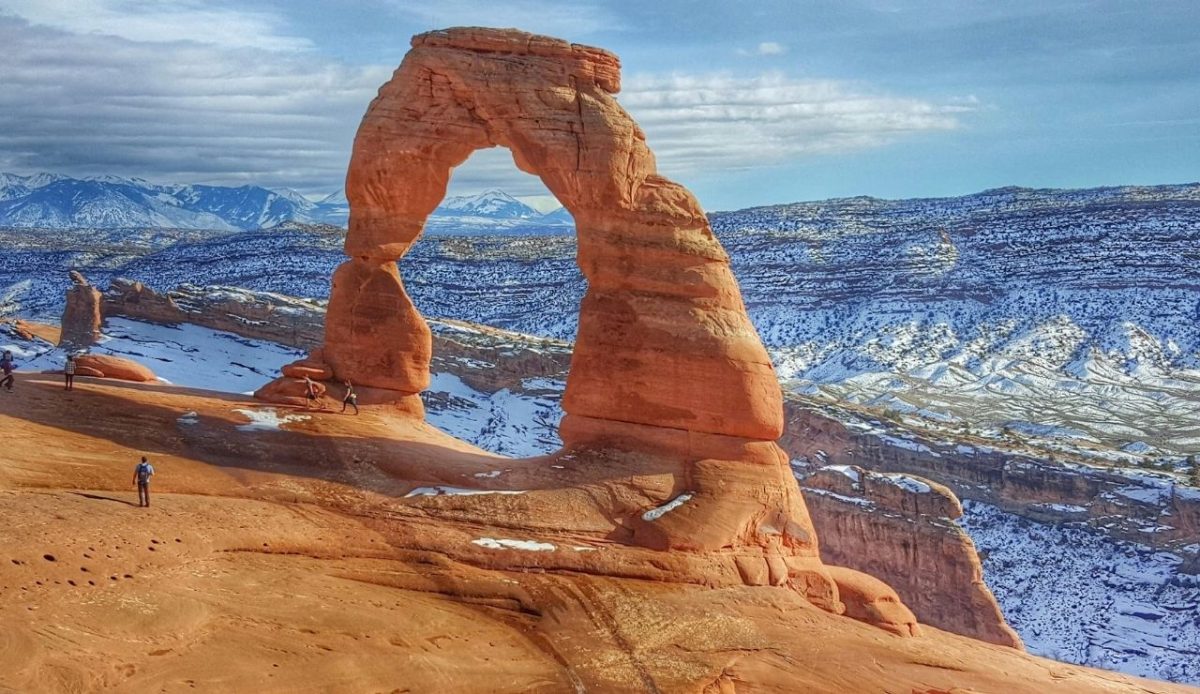
West of Highway 191, the Mill Canyon site displays more than 200 individual tracks from a variety of species. Wooden walkways protect the fossils while allowing clear views of prints preserved in ancient riverbeds. Signs describe how mud layers turned to stone and how shifts in climate revealed them again millions of years later. The trail is short and flat, making it ideal for families and first-time visitors. Surrounded by mesas and scattered desert plants, Mill Canyon shows how Utah’s dry terrain continues to guard its long and layered past.
4. Poison Spider Mesa Tracksite, Moab Region
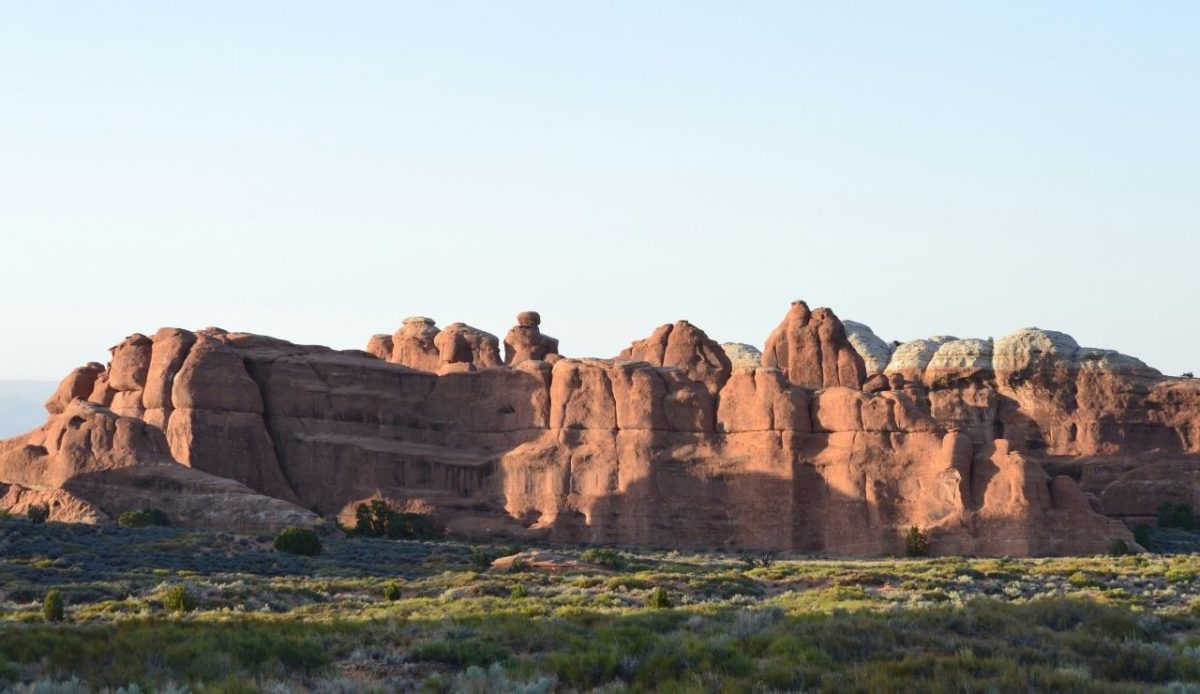
The Poison Spider Mesa trail, popular among off-road enthusiasts, also hides a remarkable stretch of fossilized dinosaur tracks. A short walk from the parking area leads to sandstone slabs marked by sharp claw impressions and deep toe patterns. Scientists believe these belonged to predators moving across tidal flats during the Jurassic period. The elevated viewpoint over the Colorado River makes the site doubly rewarding, combining science and scenery. It remains one of Moab’s most accessible ways to see prehistoric evidence while still feeling the wild character of the surrounding canyon country.
5. Warner Valley Dinosaur Track Site, St. George
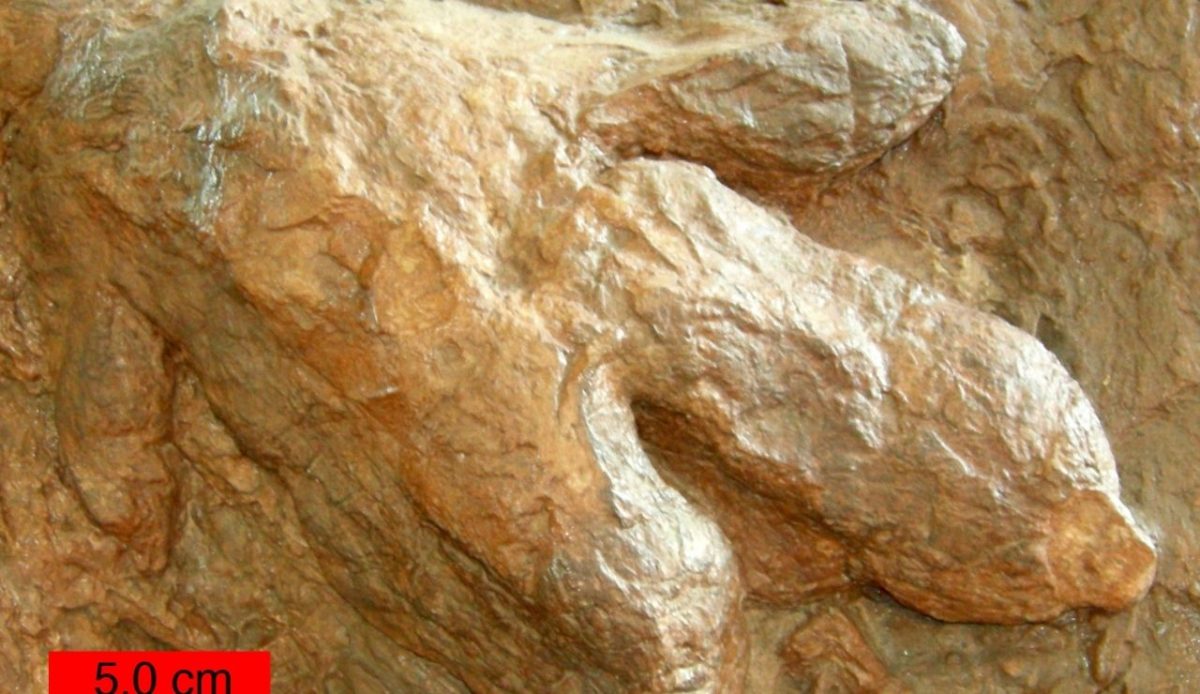
East of St. George lies the Warner Valley Track Site, where hundreds of footprints cover a broad expanse of sunbaked sandstone. The prints, likely left by carnivorous dinosaurs, appear clearly in soft light and fade slightly under the midday glare. The path is short and unshaded, so water and early timing are essential. The open landscape stretches toward low cliffs and pale basins that capture the look of Utah’s Jurassic floodplains. Standing among the tracks, visitors can imagine the slow movements that once shaped this quiet valley.
6. Dino Cliffs Trail, Washington County
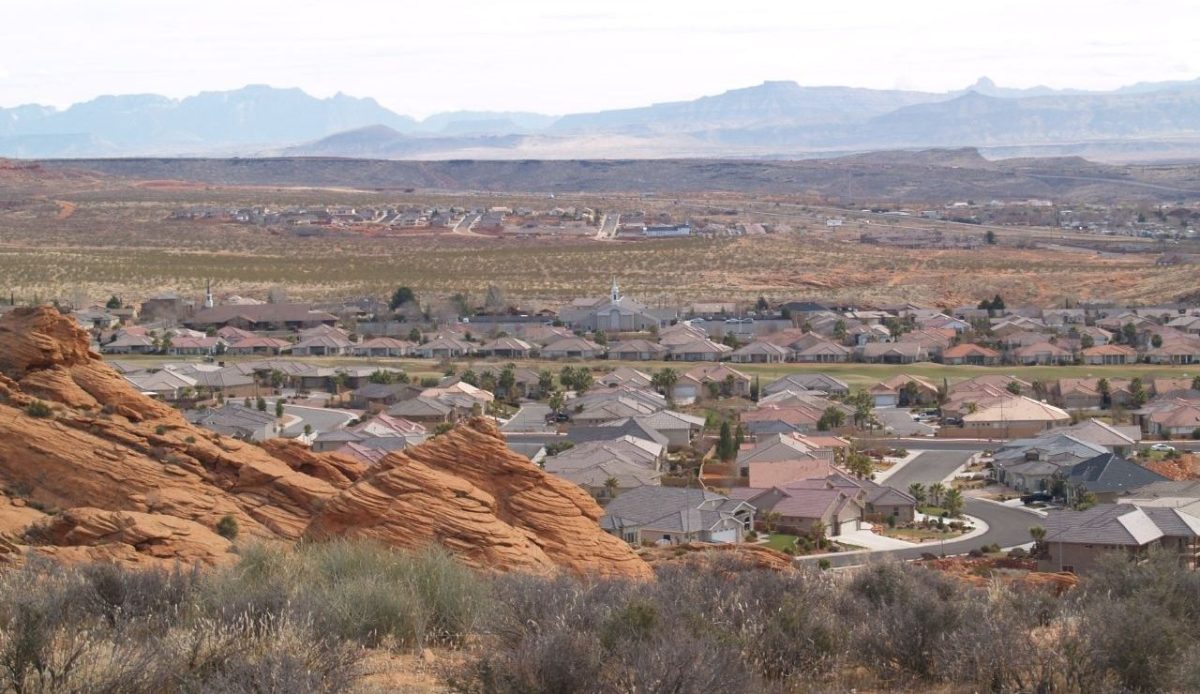
Near the community of Washington, the Dino Cliffs Trail offers an easy hike ending at a sandstone wall marked with detailed three-toed prints. The impressions were formed by dinosaurs that once roamed the shallow plains of southern Utah. The route winds through sandy washes framed by low shrubs before reaching the fossil site. Because sunlight can obscure the shapes, early morning or late afternoon visits provide the best contrast. The setting’s simplicity, with wide skies and red slopes, helps visitors focus on the small but powerful marks left behind in stone.
7. Parowan Gap Petroglyphs and Tracks, Iron County
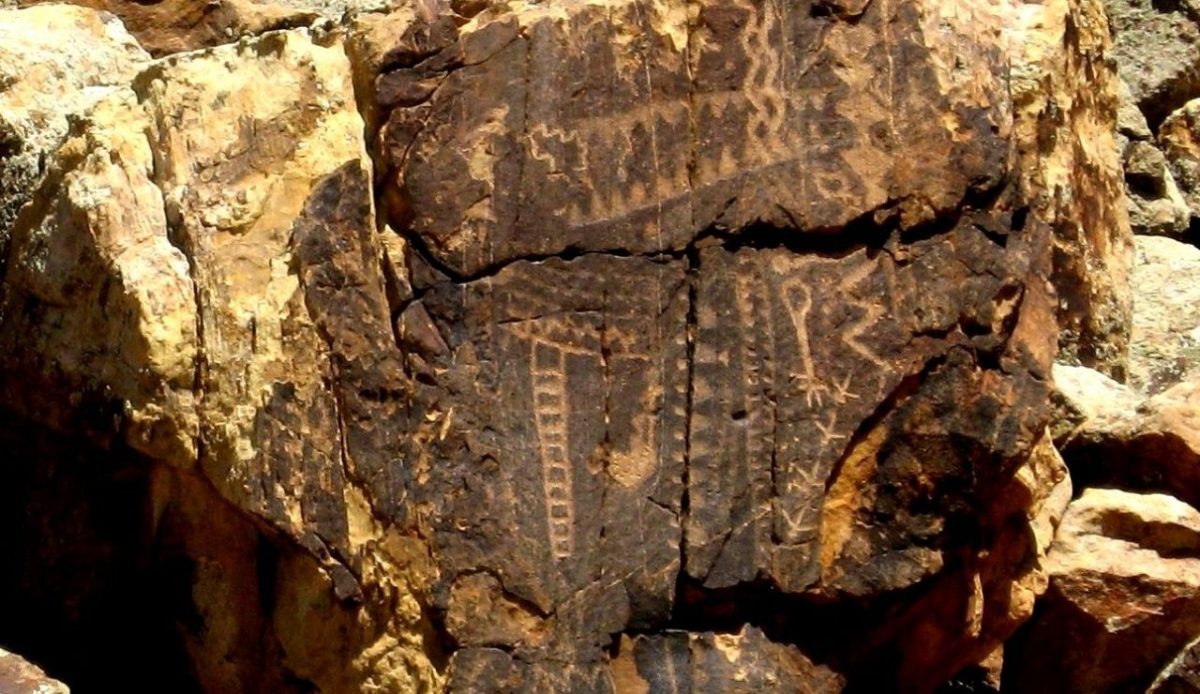
Parowan Gap brings together two ancient stories carved into one landscape. Along the narrow canyon walls, rock art created by Indigenous people stands near tracks left by dinosaurs millions of years ago. The short trail through the gap passes dark volcanic rock streaked with symbols and sandstone dotted with fossil footprints. Informational panels describe how shifting climate and erosion revealed these layers of history. The site’s combination of human and prehistoric traces makes it one of the most unique roadside stops in southern Utah.
8. Coyote Buttes Dinosaur Track Area, Kane County
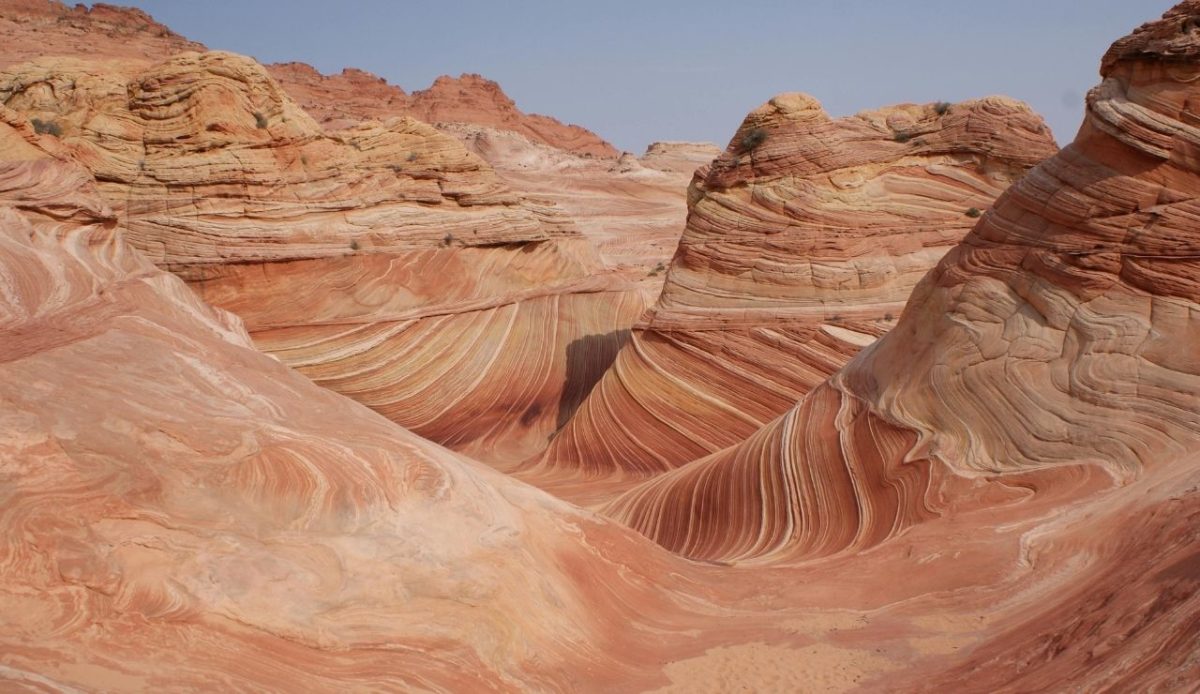
Beyond the patterned sandstone domes of Coyote Buttes, hikers can find tracks left in the same layered rock that formed its colorful ridges. The route requires a permit and careful navigation but rewards visitors with untouched terrain and clear fossil prints. Tracks appear on tilted stone surfaces surrounded by red and gold formations shaped by wind. The path is quiet, and the views stretch across the borderlands of Utah and Arizona. Careful footing is needed to protect the surface, yet each print reveals the motion of life once passing through this remote desert.
