
Sleeping in your car is rarely a single “yes/no” question in the U.S. Rules come from state statutes, DOT policies for rest areas, and local parking codes that can change fast.
Since 2024, several states have rewritten or proposed new public camping and roadside-use rules, which can affect where an overnight car stop is tolerated versus ticketed. The same parking spot can be fine in one county and illegal across the line.
Use these updates as a planning filter, not legal advice: read posted signs, avoid shoulders and ramps, and assume cities may be stricter than rural areas. If you need a longer stop, look for designated lots or permitted “safe parking” programs when available.
1. Florida
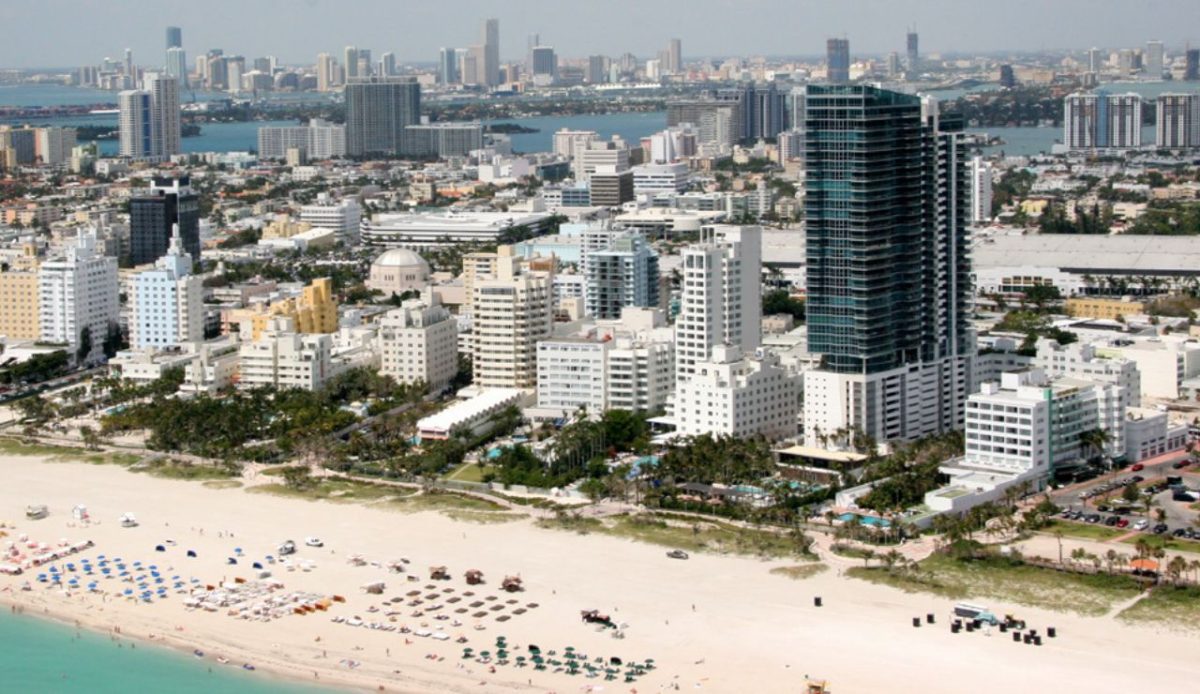
Florida’s 2024 homelessness law (HB 1365) set statewide rules around “public camping or sleeping” on public property, and it took effect on October 1, 2024. Starting January 1, 2025, the law also allows lawsuits over local noncompliance.
A key detail for drivers: the statute’s definition specifically excludes spending the night in a motor vehicle that is registered, insured, and parked where it may lawfully be.
That carve-out doesn’t make every curb legal overnight. Cities can still enforce time limits, no-parking zones, and private-property trespass. For road trips, the safe play is a lawful space with clear signage, not a random street pull-in.
2. Kentucky

Kentucky’s House Bill 5 created the offense of “unlawful camping” and took effect July 15, 2024, aiming at sleeping or setting up bedding in public spaces that aren’t designated for it.
For people in cars, the statute includes a specific exception: sleeping temporarily in a lawfully parked vehicle is allowed when the stop is under 12 hours.
HB 5 also added rules meant to prevent local governments from adopting policies that discourage enforcement, so attention to this issue has increased pretty quickly. The catch is the word “lawfully”: posted no-parking zones, private lots without permission, and roadway hazards can still trigger citations.
3. Oklahoma
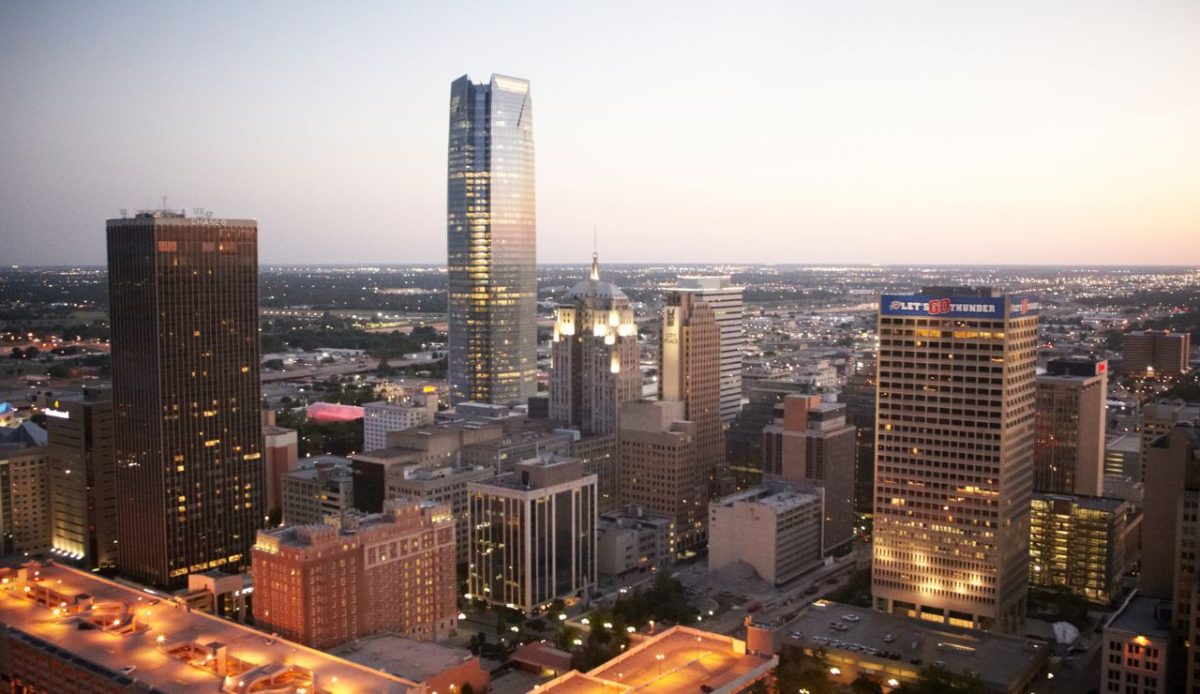
Oklahoma’s SB 1854 was approved in April 2024 and took effect on November 1, 2024, creating a statewide prohibition on establishing an “unauthorized camp” on public rights-of-way and state-owned land.
The law focuses on tents, shelters, or bedding arranged for overnight use, which is why highway shoulders, bridge areas, and similar corridors are the high-risk zones for a tired driver.
Sleeping inside your car is still shaped by where you park. If the location is restricted (or you’re effectively camping on state property), enforcement can follow. For road trips, stick to places explicitly meant for short rests or overnight stays, rather than improvising.
4. Idaho
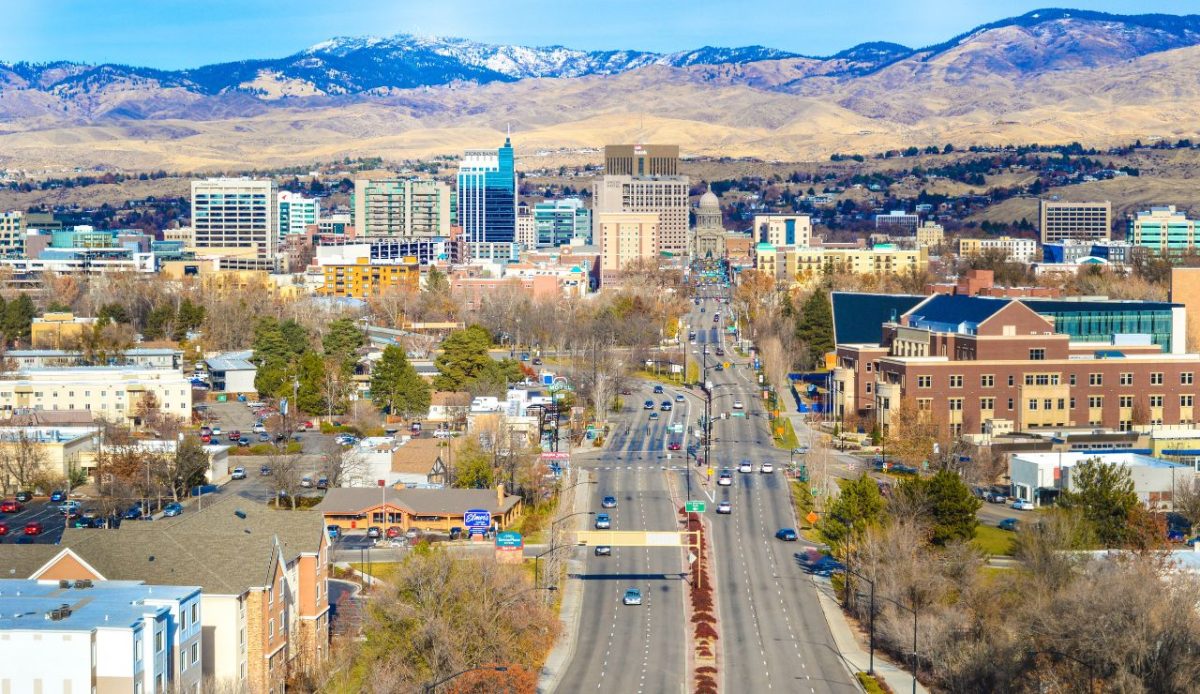
Idaho’s Senate Bill 1141, passed in 2025, created a state framework to ban “unauthorized public camping or sleeping,” and the law took effect July 1, 2025.
It’s aimed mainly at larger jurisdictions (cities over 100,000 residents), and its definitions are broad enough to cover living in vehicles in public spaces, not just tents.
The bill also lists exemptions, including certain authorized areas and circumstances, so the details matter block by block. For travelers, the practical takeaway is that parking to rest is treated differently from setting up to reside overnight, keep stops short, keep gear fully inside, and use clearly permitted locations.
5. California
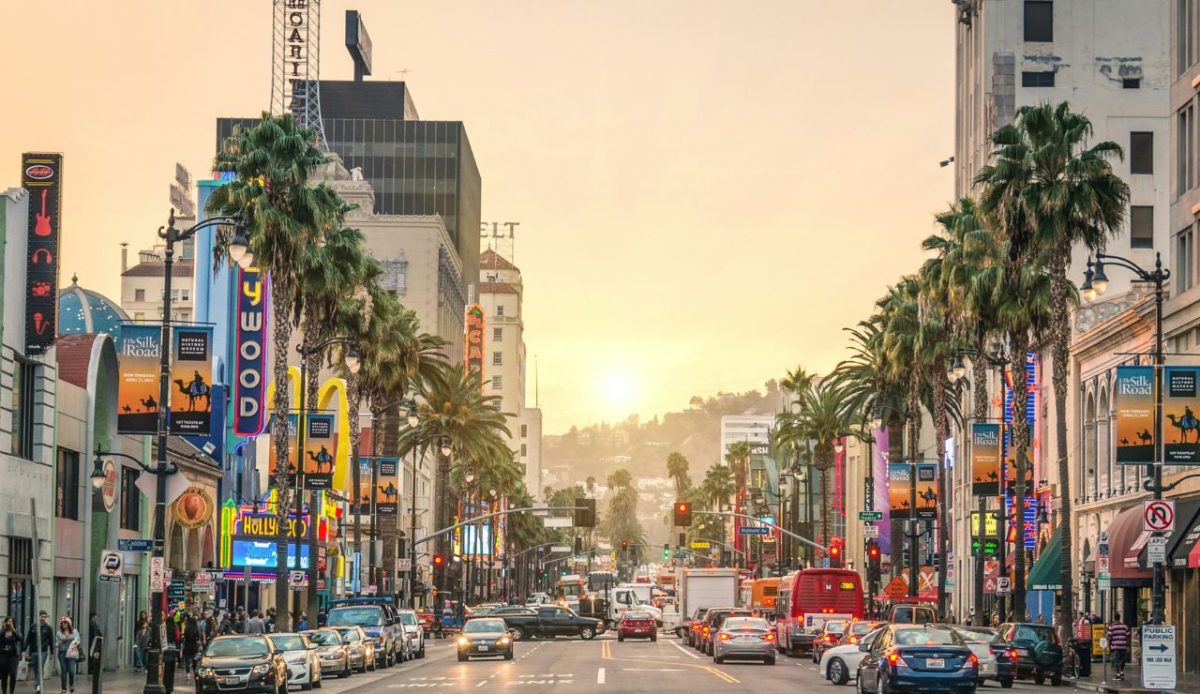
California’s updates are less about a single “sleep in your car” rule and more about how cities manage encampments and vehicle dwelling. In May 2025, Gov. Gavin Newsom promoted a model local camping ordinance and urged cities to adopt consistent rules.
At the state level, SB 748 was chaptered in October 2025 and expanded reporting around grants that can support safe parking sites while jurisdictions work to house people living in cars or RVs.
For visitors, the result is uneven enforcement: one city may steer vehicle sleepers into permitted lots, while another relies on parking limits and towing. Plan around local signage, not assumptions about statewide uniformity.
6. Michigan
Michigan is updating the rules that govern state roadside facilities, where many drivers stop to rest. MDOT proposed administrative rules in 2025 covering rest areas, Welcome Centers, carpool lots, and similar properties.
Under the proposal, vehicle stays would be limited to 48 hours, and camping-style behavior, like setting up equipment or treating the site as a long-term base, would be prohibited. Public comments were accepted through November 20, 2025, with enforcement discussed for 2026.
For road trippers, the message is clear: rest areas are for short recovery stops, not overnight living. Expect clearer signage, and don’t assume a quiet corner means open-ended permission.
7. Virginia

Virginia saw a legislative push in 2025 to draw a bright line between “vehicle resting” and criminal conduct. House Bill 2602 proposed blocking local ordinances that create criminal penalties for sleeping or seeking temporary shelter in a legally parked vehicle.
The draft also said a person should not be detained solely for sleeping in a legally parked car, framing car-sleeping as a safety and housing issue rather than an automatic arrest trigger.
The bill did not advance that session, so local rules still control in practice. For travelers, that means checking city parking restrictions, especially near beaches, downtown cores, and residential permit zones.
8. North Carolina

North Carolina’s HB 781 (filed April 2025) would restrict “public camping or sleeping” on public property by limiting what local governments can authorize. The measure passed the House in May 2025 and was sent to a Senate rules committee.
Like Florida, the bill’s definition includes an important vehicle carve-out: it would not treat overnight lodging in a registered, insured motor vehicle as “public camping” if the car is parked where it may lawfully be.
If revived, the impact would be indirect but real; localities would face pressure to enforce outdoor sleeping bans while also setting standards for any designated areas. Travelers should expect local parking enforcement to remain the main constraint.
