
Tourists often find that US transit is hardest where networks were built in layers and run by overlapping agencies. The same city may mix subway, light rail, commuter rail, and private shuttles under different rules.
Confusion comes from branching routes, express patterns, variable fares, and transfer stations where one corridor serves several lines. Signage tends to use terminal names and cardinal directions, which assume local geography.
Even with mapping apps, riders must pick the correct platform, know whether tap out is required, and adjust when planned work changes routing or headways. Small timing errors can cascade into long waits when service is less frequent at night.
1. New York City

New York City runs many services on shared trunks, so two trains on the same track can have different stopping patterns. Express versus local choices matter because skipped stations can add a long backtrack.
Large hubs like Times Square, Fulton Center, and Atlantic Avenue span multiple levels with entrances on several corners. Tourists can follow the right line name and still exit to the wrong street grid.
Contactless entry is simple, but planned work often reroutes lines on weekends and late nights. Visitors who do not check service notices may board a train that terminates early or bypasses key stops, then face crowded transfers in tight corridors.
2. Boston

Boston’s Green Line shares a downtown trunk, then splits into branches labeled by letters. Riders who miss the branch letter can stay on the correct color line while heading to the wrong neighborhood.
Key stations such as Park Street and Government Center handle heavy transfers in compact spaces. Older layouts mean stairs and mezzanines can hide the opposite-direction platform from view.
Regional Rail adds another rule set with zone-based pricing and different ticket validation. Tourists switching between subway and commuter service often misjudge which fares apply, whether a ticket must be activated, and how far a zone extends beyond downtown.
3. San Francisco
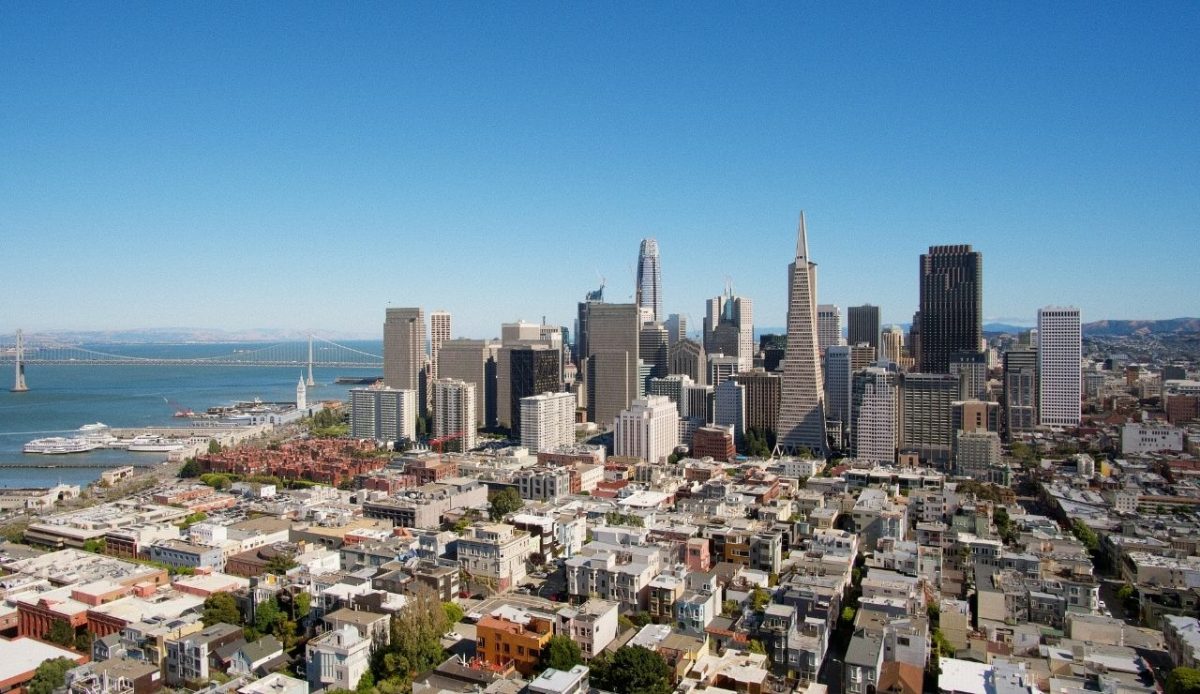
San Francisco visitors must distinguish BART from Muni, two rail systems that meet downtown but serve different trips. BART is regional and airport-focused, while Muni covers neighborhoods with frequent surface segments.
They share the Clipper card, yet fare logic differs. BART charges by distance and requires exiting through gates, while Muni is mostly time-based with proof of payment.
Line displays often use far-end destinations like Antioch or Daly City instead of tourist landmarks. At stations such as Powell or Civic Center, mixed entrances and signage make it easy to enter the wrong system and miss timed connections.
4. Los Angeles

Los Angeles County travel often crosses multiple operators, not just LA Metro. A single trip may involve Metro Rail plus municipal buses with different schedules and stop names.
The TAP card works widely, yet pass eligibility and transfer timing can vary by agency. Visitors who assume one fare rule can be surprised when a transfer is not treated the same on another system.
Rail lines are improving, but many attractions still require bus links across wide arterials. Late evening headways can be long, so a missed connection adds major delay. Wayfinding is tricky at Union Station, where commuter rail, subway, and bays for buses sit in separate areas.
5. Washington DC
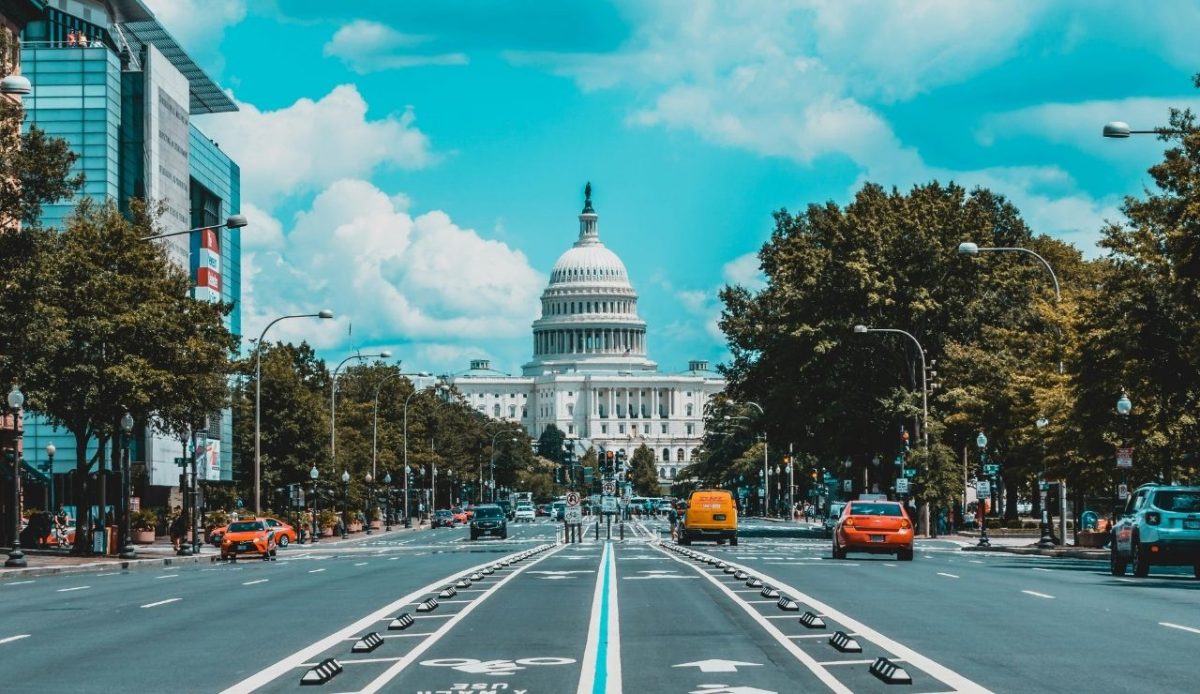
Washington DC Metro uses distance-based pricing that changes with peak periods. Tourists must plan both route and cost, since tapping out at the exit gate determines the final charge, so the balance on the card matters.
Stations are named for neighborhoods and intersections more than attractions, so riders must match stops to landmarks. Several lines share tracks near the core, then split, which makes the correct branch choice essential.
Weekend maintenance frequently closes segments and replaces them with shuttle buses. Visitors who miss a single notice can end up on a train that stops short, then spend extra time learning alternate bus boarding points.
6. Philadelphia

Philadelphia’s SEPTA combines subway, trolley, bus, and Regional Rail under one brand, but the rider rules differ by mode. Regional Rail often requires tapping in and out, unlike most city services.
Pricing changes by zone on commuter lines, so a trip that feels local can cost more once it crosses the city boundary. Tourists also confuse trolley routes that run underground downtown, then surface far from the center.
Center City stations connect through long concourses that span several blocks. It is easy to exit at an unfamiliar street and lose orientation. Transfers can be efficient, yet only when visitors know which entrance matches the platform they need.
7. Seattle
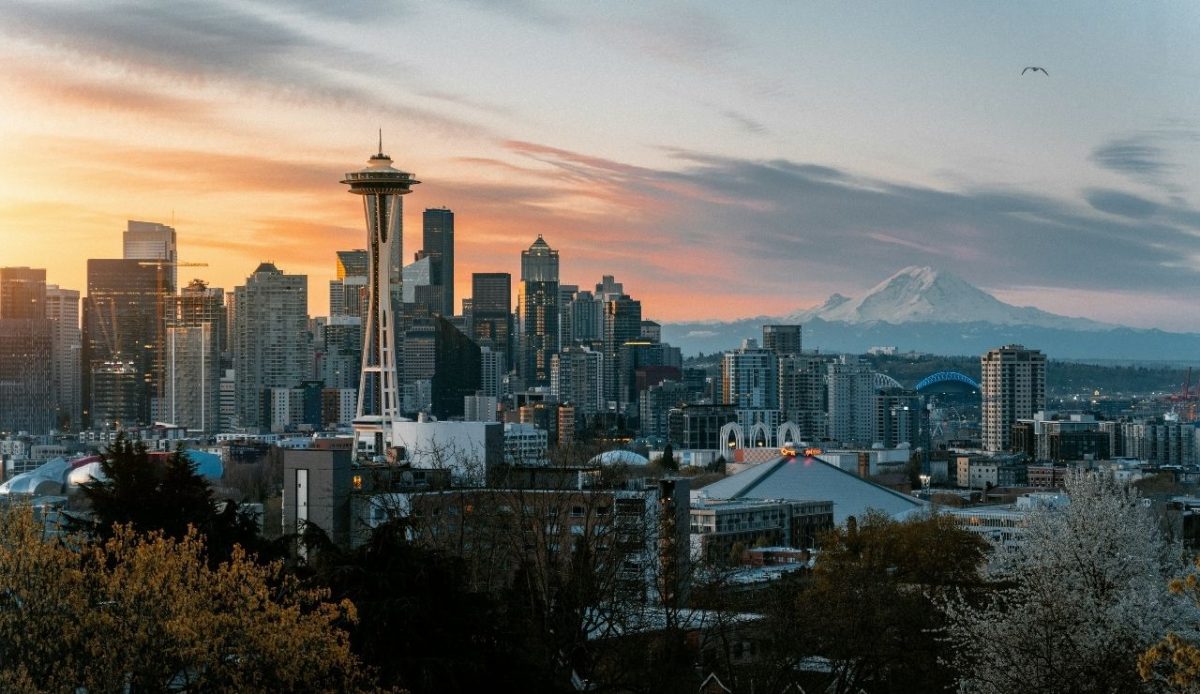
Seattle travel uses the Link light rail plus a large bus network, with service provided by more than one agency. The ORCA card unifies payment, yet fare structures and caps can vary across operators.
The link is simple between the airport and downtown, but many neighborhoods require buses with routes that fan out from hubs. Tourists must choose between frequent and express patterns that stop at different sets of stations.
Real-time tools help, but weather and bridge traffic can affect bus reliability, changing connection timing. Stations often list destinations by corridor, not landmarks, which forces visitors to map a venue to the correct stop name.
8. Miami
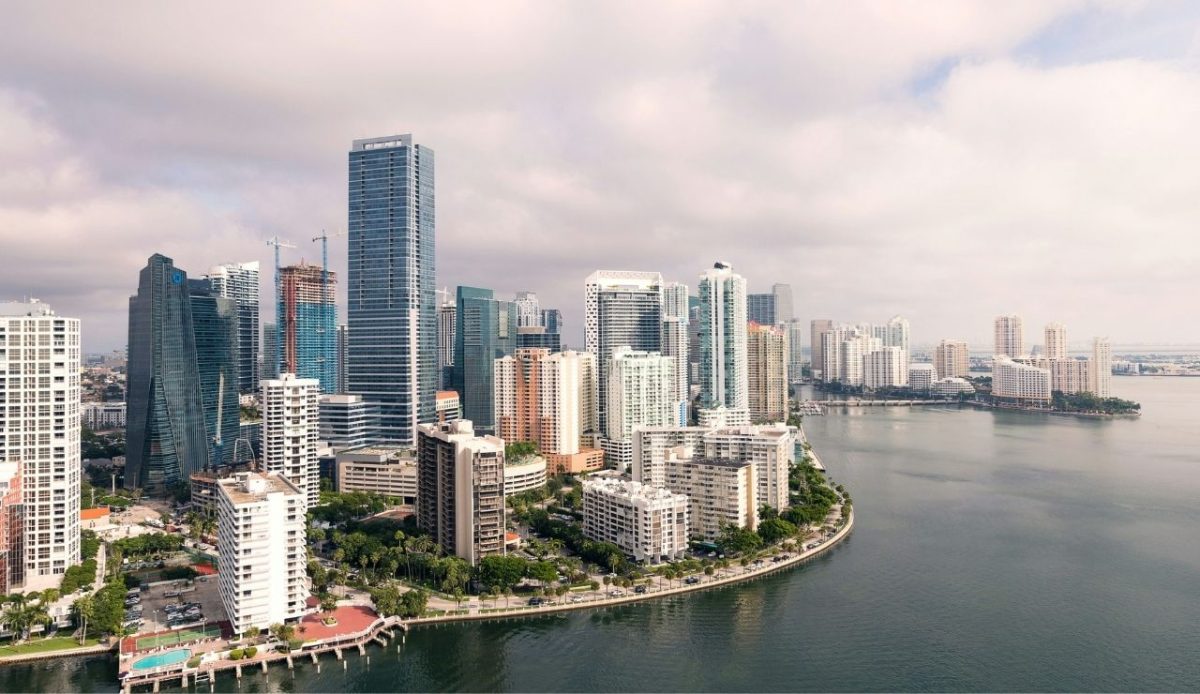
Miami’s system blends Metrorail, the free Metromover loop, Metrobus routes, and Tri-Rail commuter service. Each mode covers a different geography, so tourists must stitch trips together with transfers.
Metromover works well downtown, but beach access usually depends on bus connections that are not obvious on rail maps. Airport trips add another decision, since rail handles some links while regional rail serves longer north-south travel.
Fare products differ by operator and station type, and schedules vary widely by time of day. A missed connection can mean a long wait in the heat or rain. Visitors do best when they identify the correct mode first, then plan the transfer points before boarding.
