
Hotel bills are getting pricier in a few U.S. cities, not because the room rate jumped, but because local “bed taxes” are going up. These are taxes on short-term stays, usually listed as transient occupancy or hotel-motel taxes.
City leaders often like them because visitors pay most of the tab, and the revenue can be used to steady shaky budgets or protect core services when other taxes are politically toxic.
Below are eight places where officials have approved, extended, or teed up higher hotel taxes as a way to plug budget gaps or reduce structural deficits. For travelers, the change often shows up as a percentage add-on that feels small nightly, then adds up fast on longer stays.
1. Washington, D.C.
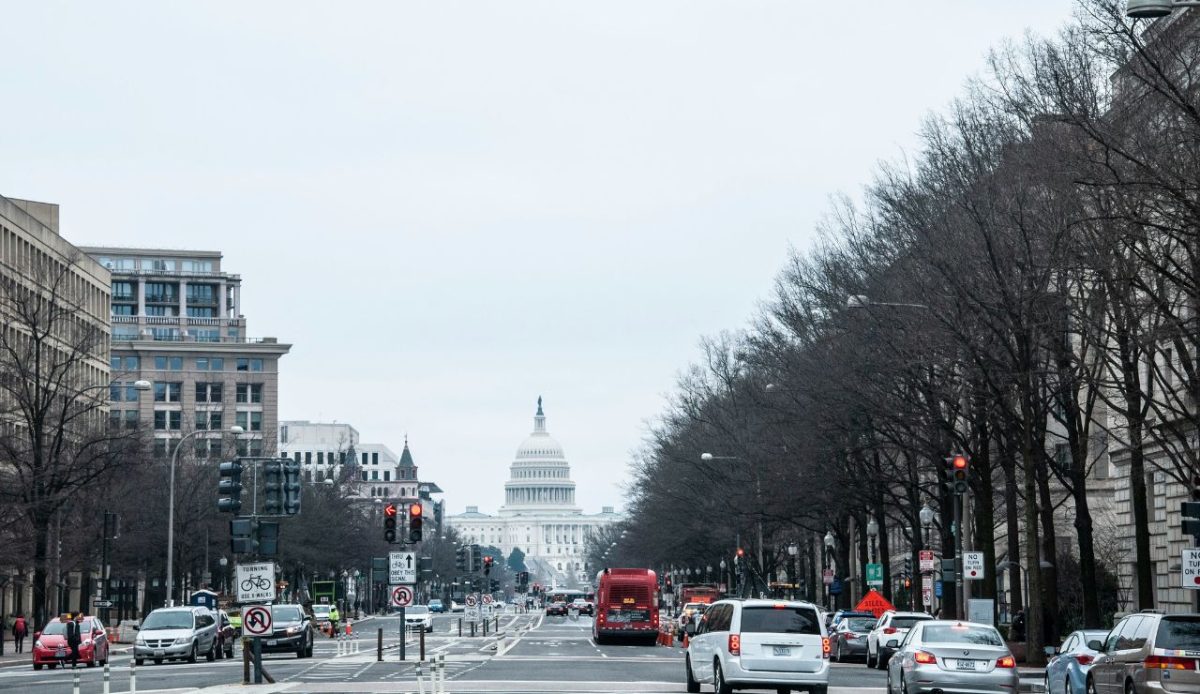
Washington, D.C. is keeping a higher tax rate on hotel stays in place for longer than originally planned. For visitors, that means the same elevated “bed tax” line will keep showing up on receipts.
The District’s October 1, 2025 tax-change notice says the 15.95% rate on gross receipts from transient hotel accommodations was extended through September 30, 2027, continuing what was framed as a temporary increase.
For budget writers, extending an existing levy is often easier than inventing a new one midstream. For travelers, the practical effect is simple: even a discounted room can carry a noticeably heavier tax add-on for the next two budget cycles.
2. San Diego, California
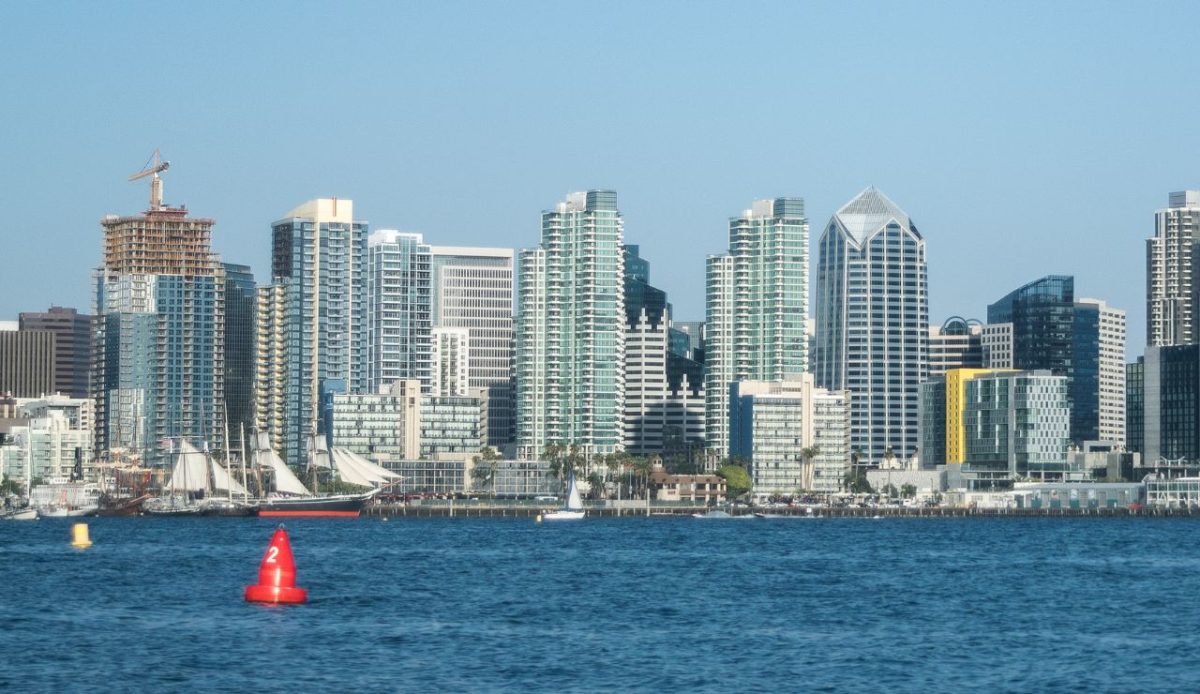
San Diego’s hotel tax isn’t a single number anymore. Starting May 1, 2025, the city shifted to a three-zone system, so the rate depends on where the property sits on the map.
The city’s tax guidance says Measure C created new transient occupancy tax rates of 11.75%, 12.75%, and 13.75%. Officials have said the change is expected to bring in tens of millions more annually, with revenue split across city services and tourism-related purposes.
Backers argued the added money helps cover budget pressure while addressing visible local priorities like street repairs and homelessness programs. For travelers, the math is straightforward: the same room price can produce different totals across the city.
3. San José, California
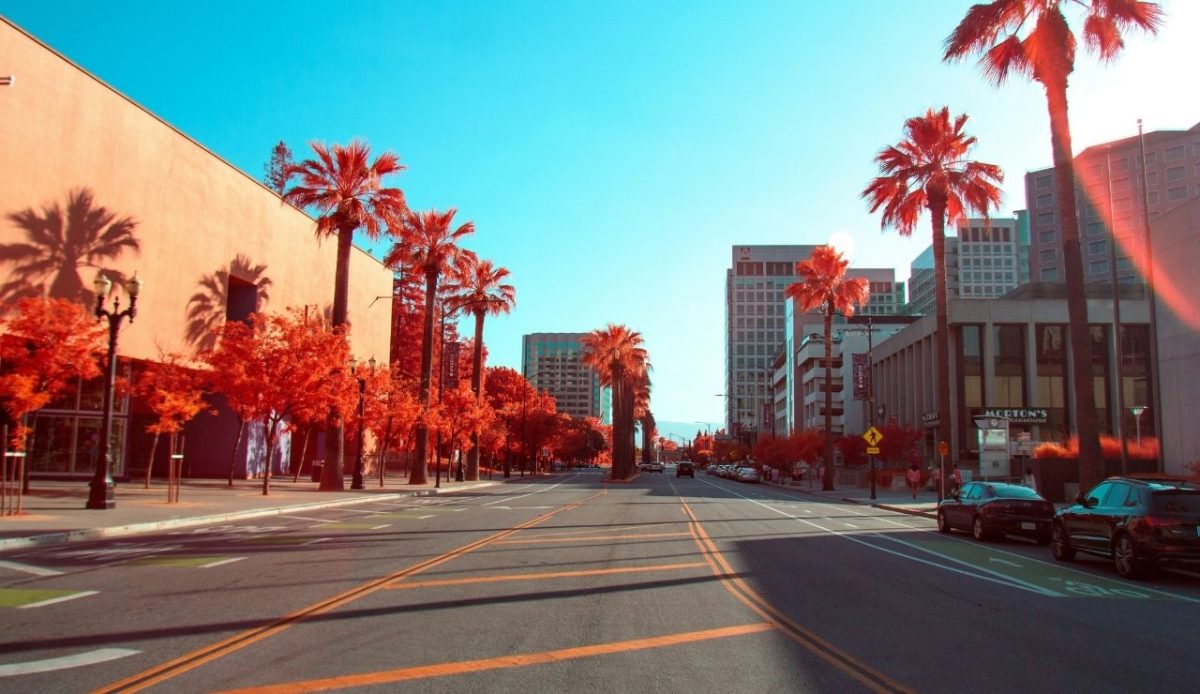
San José is looking at its hotel tax as a relatively painless way to raise money, because the bill is paid by visitors. The city has warned of a sizable shortfall and is searching for recurring revenue.
In February 2026, the City Council voted to place a measure on the June 2, 2026 ballot to raise the transient occupancy tax from 10% to 12%. City estimates described roughly $10 million a year in additional revenue if voters approve it.
The pitch is less about tourism marketing and more about stabilizing basic services when costs keep climbing. For travelers, the takeaway is that the same downtown hotel stay could cost more after the election.
4. Menlo Park, California
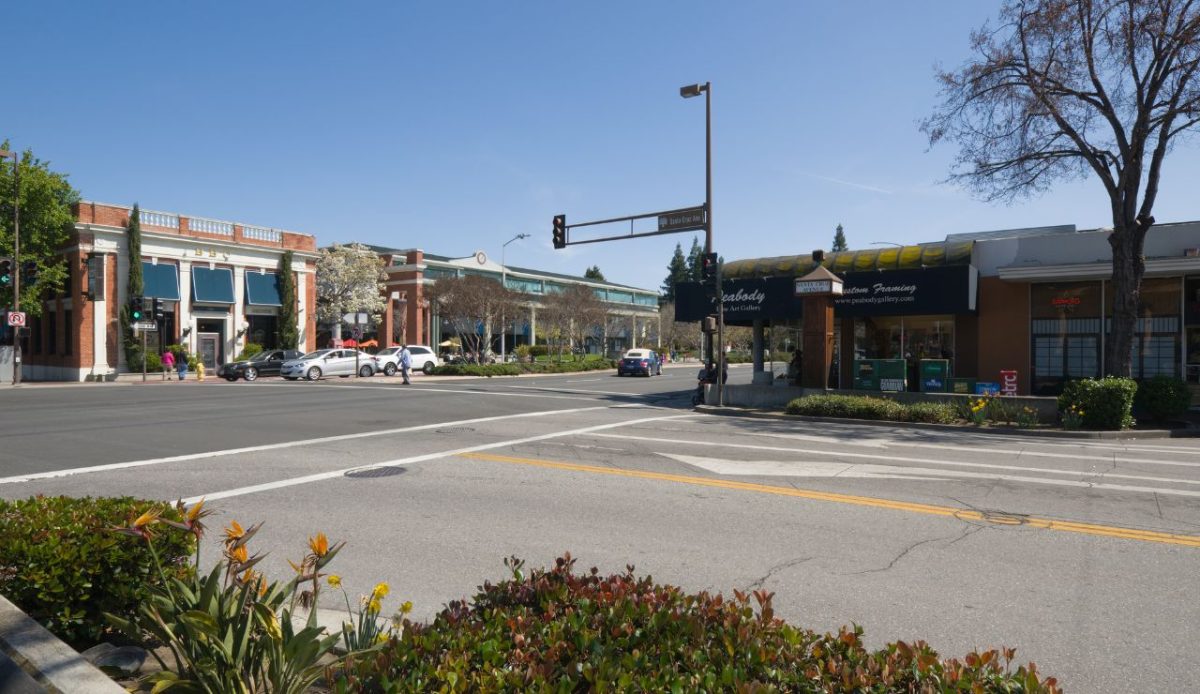
Menlo Park approved a hotel-tax increase with a clear budget narrative: the city needed more local revenue to balance its books without raising taxes on residents. Guests at hotels and short-term rentals would carry the added cost.
Election-night reporting on Measure CC said it would lift the transient occupancy tax from 12% to 15.5% over two steps. The rate was set to rise to 14% on January 1, 2025, then to 15.5% on January 1, 2026.
Supporters pointed to a city budget deficit and longer-term fiscal strain, while hotel operators warned about competitiveness. Either way, the policy is designed to turn overnight stays into a steadier funding stream.
5. Hayward, California
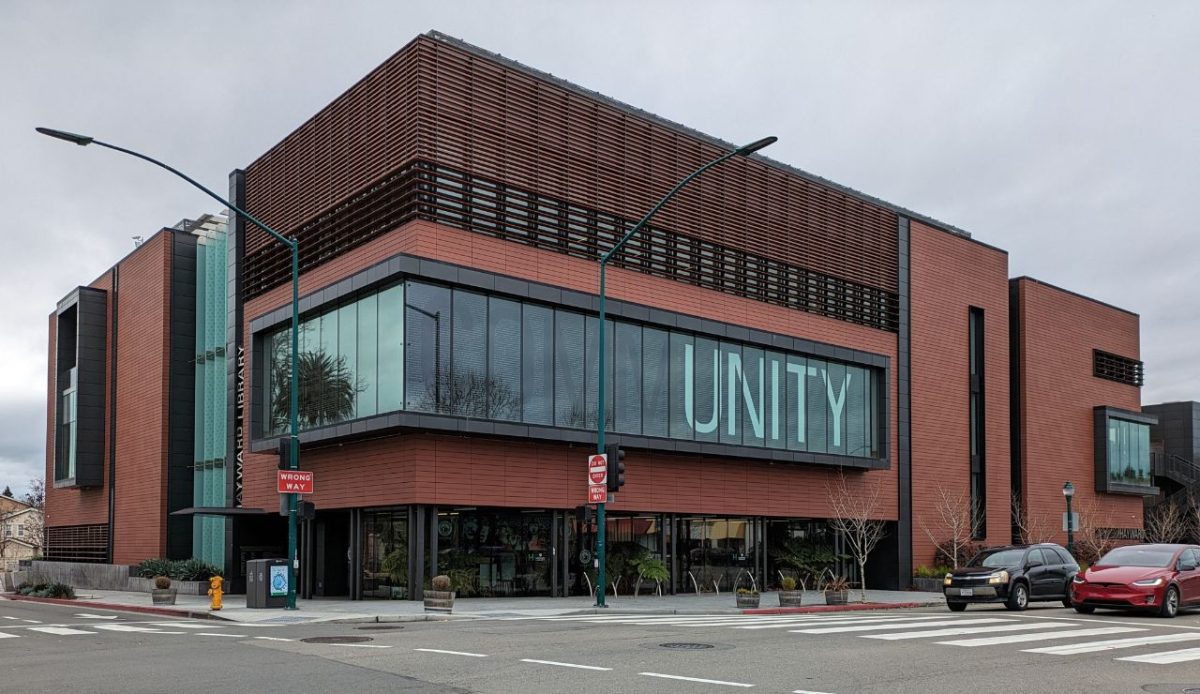
Hayward has been explicit about why it wants a higher hotel tax: a deficit in the city’s General Fund, which pays for everyday municipal services like police, fire protection, and emergency response.
A city update in December 2025 said the council would consider raising the transient occupancy tax from 12% to 14%. Hayward had already moved from 8.5% to 12% on July 1, 2025, and officials said the additional step could add about $230,000 more in the current fiscal year.
For travelers, this is the classic “visitors help fund services” model. For the city, it’s a smaller lever than property taxes, but one that still adds up across thousands of stays.
6. Costa Mesa, California, USA

Costa Mesa is an example of a tourism-heavy city treating hotel taxes as a budget tool. When gaps widen, leaders often prefer revenue that falls mostly on nonresidents, even if the hospitality industry pushes back.
A January 2026 report on Orange County ballot proposals said Costa Mesa officials were exploring a measure that would raise the city’s 8% hotel tax, alongside a separate idea to increase business license taxes. The context was officials looking for ways to keep local coffers afloat as fiscal pressures mount.
Nothing is final until a measure is drafted and approved, but the direction is clear. Visitors should expect the debate to focus on what services the extra dollars protect, and how much price sensitivity hotels can absorb.
7. Radford, Virginia
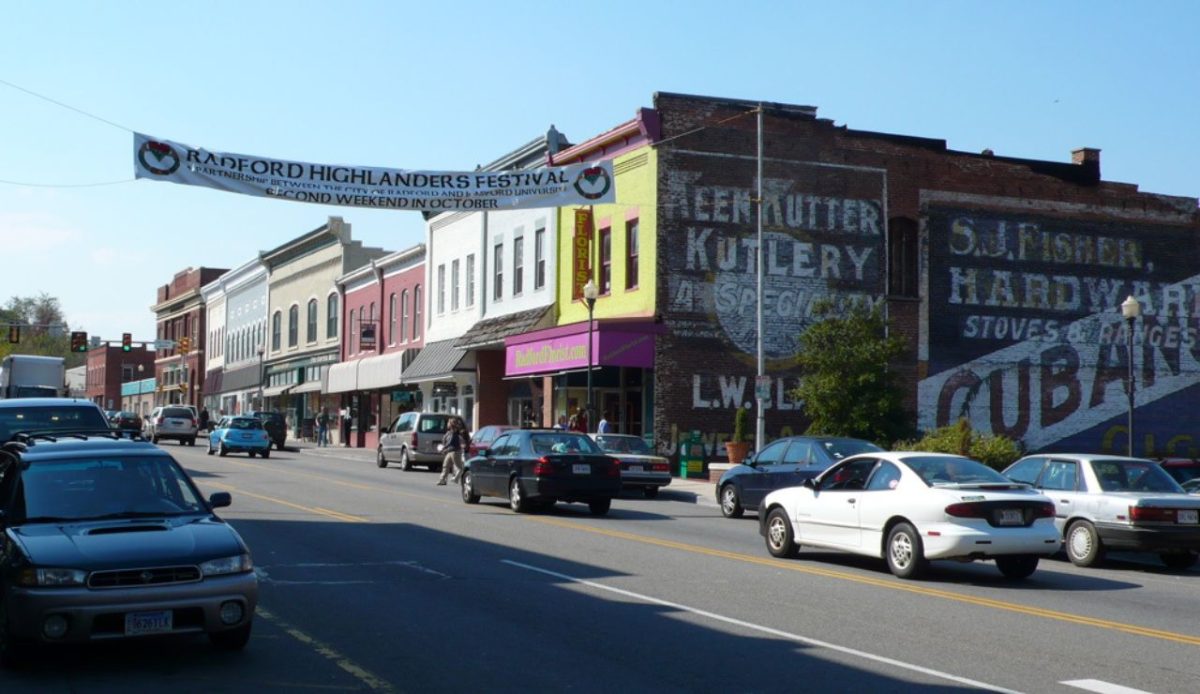
Radford’s approach shows how even smaller cities use lodging taxes as part of a broader “everything helps” budget package. Instead of leaning on one big fix, the city paired multiple moves to address a developing shortfall.
In April 2025, local reporting on Radford’s budget work said the city raised its hotel occupancy tax from 8% to 8.5%. The change was presented alongside other revenue adjustments and cost controls, including steps intended to stabilize finances over time.
For travelers, a half-point increase can feel minor, but the city sees volume: every booked night chips in. It’s also politically simpler than raising taxes that hit residents directly, which is why bed taxes show up in deficit discussions.
8. Saratoga Springs, New York
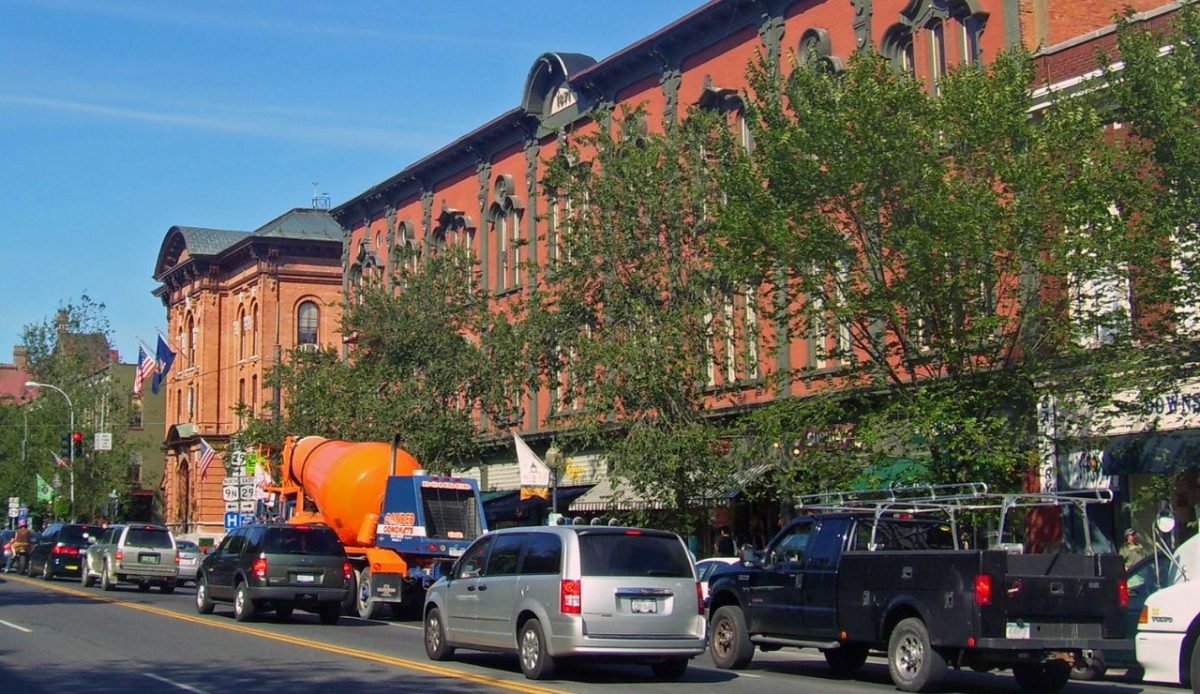
Saratoga Springs is headed for a higher combined lodging tax as county and city layers stack together. The logic is familiar: tourism is strong, costs are rising, and officials want more revenue without leaning harder on property owners.
A Times Union report said Saratoga County’s bed tax rises from 1% to 3% beginning January 1, 2026. Because Saratoga Springs already levies its own occupancy tax, the combined rate in the city was described as moving from 6% to 8%, with funds supporting public services and local destinations.
For visitors, the higher percentage is most noticeable during peak season, when room rates are already elevated. For the city and county, it turns demand into predictable cash for the next budget cycle.
