
Rail travel entered a remarkable period when several trains matched or surpassed early air travel in total journey time. Passengers often reached their destinations faster because stations sat in city centers, while airports required lengthy transfers and ground procedures. Engineers improved engines, aerodynamics, and materials to make trains quicker and more dependable, allowing them to stay competitive as aviation developed. Many services held speed records or offered schedules that early airlines struggled to match. These examples highlight how rail helped shape modern expectations for fast and practical intercity travel.
1. Schienenzeppelin, Germany
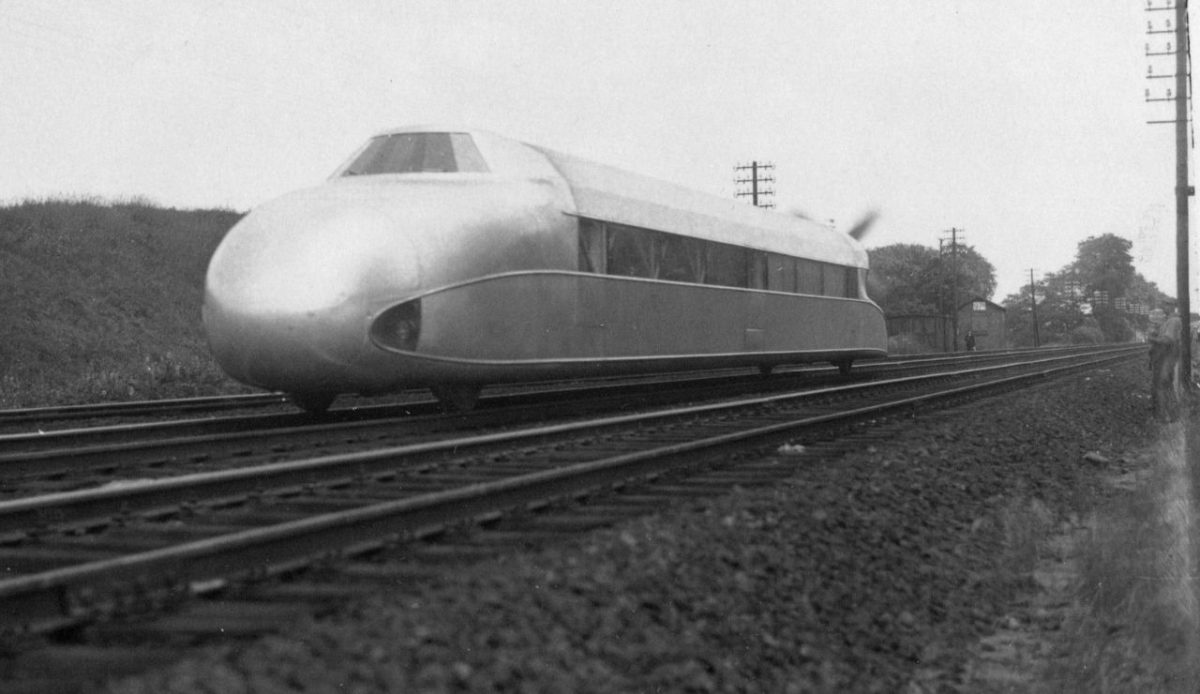
The Schienenzeppelin appeared in 1931 as an experimental railcar that used a rear propeller for propulsion. Its lightweight frame and streamlined body allowed it to reach 230 km/h during a test run, a performance that held the world record for years. Although it never entered daily service, it demonstrated how new materials and engineering ideas could push rail speed beyond what many expected. Short-haul flights at the time often required long preparation and transfers, so the Schienenzeppelin proved that rail still had a clear advantage when total time was considered.
2. Flying Hamburger, Germany
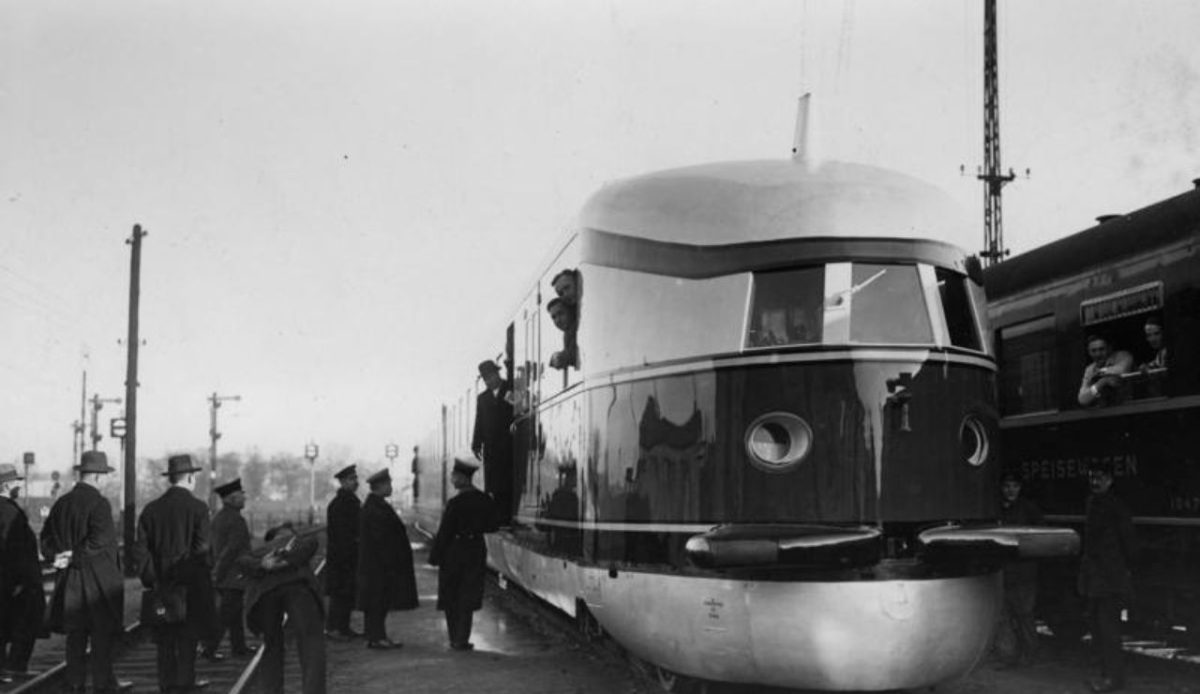
Introduced in 1933, the Flying Hamburger delivered quick daily service between Berlin and Hamburg. It completed the route in just over two hours and held an average speed above 120 km/h, making it the fastest scheduled passenger train of its time. Its aerodynamic diesel-electric design supported consistent performance that early regional flights struggled to match. The train traveled directly between busy city centers, while air passengers needed extra time to reach airports and complete ground steps. Its success encouraged Germany to expand streamlined services across major corridors.
3. Bugatti Autorail, France
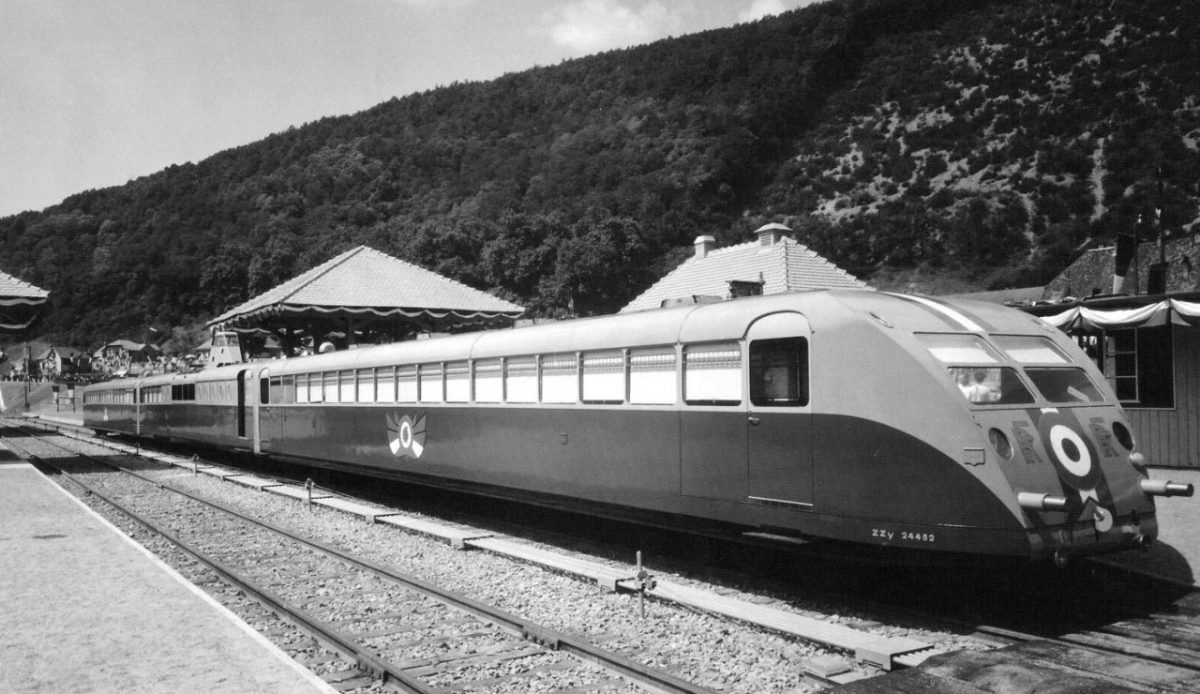
The Bugatti Autorail brought together strong engineering and refined comfort during the early 1930s. Powered by multiple high-performance engines adapted from the Bugatti Royale, these railcars achieved speeds above 170 km/h in test runs. Passengers enjoyed quick acceleration, smooth rides, and dependable schedules on key French routes. Domestic flights often took longer overall when airport procedures and travel to terminals were added. The Autorail showed that advanced railcars could compete with planes by offering steady end-to-end timing. Its impact influenced later French streamliners.
4. Cheltenham Flyer, United Kingdom
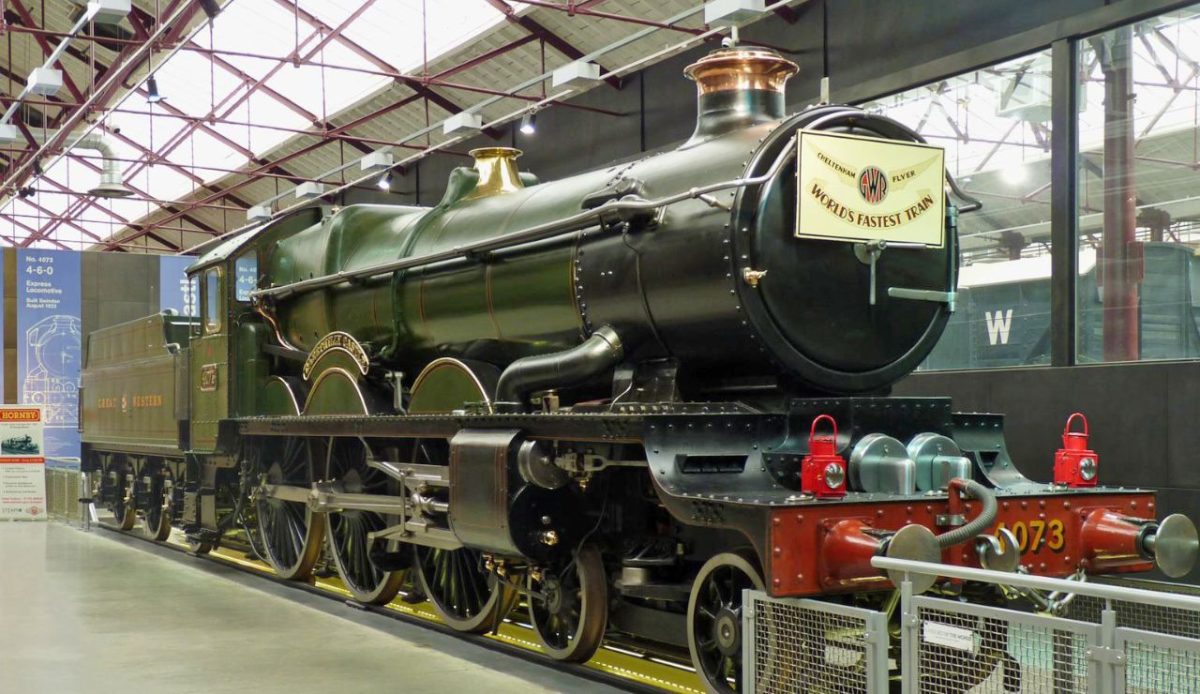
The Cheltenham Flyer gained international attention when it became the fastest scheduled train of the early 1930s. By 1932, it had completed the Swindon to London run at an average speed above 110 km/h, which set a new timetable record. Travelers valued its direct access to central London, where businesses and key services were concentrated. Early aircraft could travel quickly once airborne, but lost significant time during transfers and preparation. The Flyer proved that smart scheduling, powerful engines, and central stations allowed rail to remain a strong competitor as aviation drew interest.
5. Flying Scotsman Express Service, United Kingdom
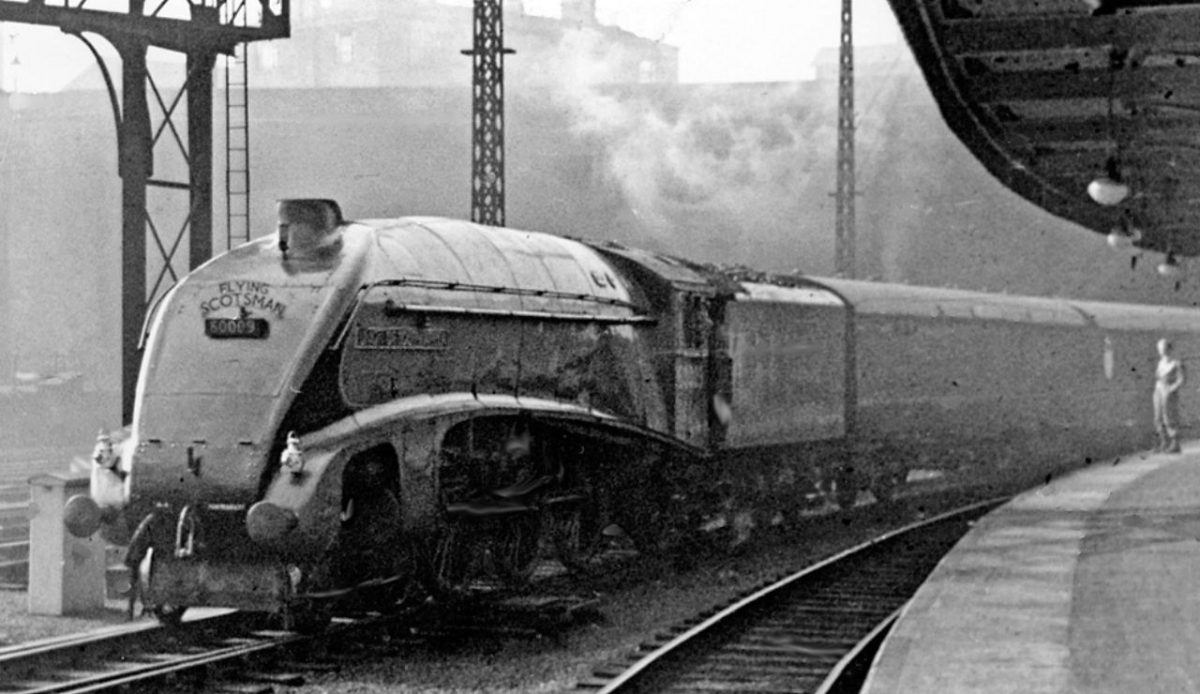
The Flying Scotsman became famous when its locomotive reached 100 mph in 1934, but its real strength came from consistent long-distance service between London and Edinburgh. Passengers relied on its dependable timing and comfortable ride during an era when flights faced limits in weather, range, and ground logistics. Early planes offered speed in the air but lacked efficiency on the ground, which often made total travel time slower than rail. The Flying Scotsman demonstrated that reliable schedules and strong engines could maintain rail’s appeal during aviation’s early rise.
6. ETR 200, Italy
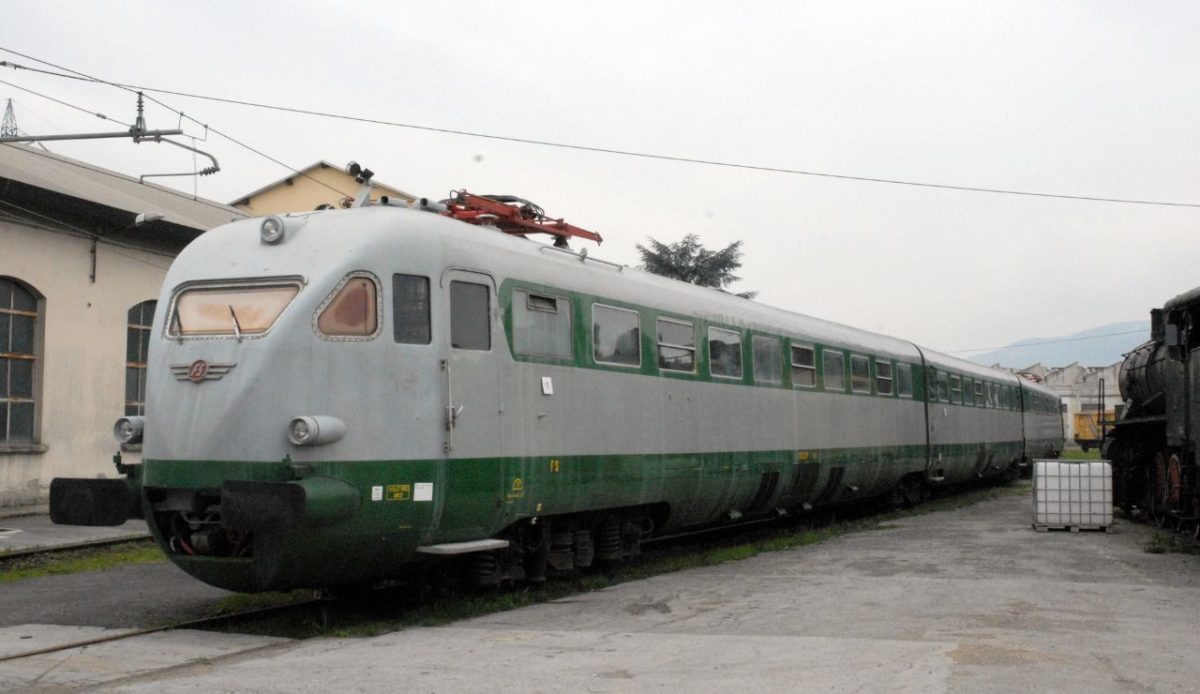
The ETR 200 entered service in 1937 and emerged as one of Europe’s most advanced electric trains. Its streamlined body and high power output allowed it to run at speeds that exceeded many services of the period. A record run in 1939 produced an impressive average of 165 km/h. Regular trips between major Italian cities also remained fast enough to challenge domestic flights, which required extra time for boarding and airport transfers. The ETR 200 helped shape the approach used for Italy’s later high-speed designs and inspired improvements across the network.
7. Pioneer Zephyr, United States
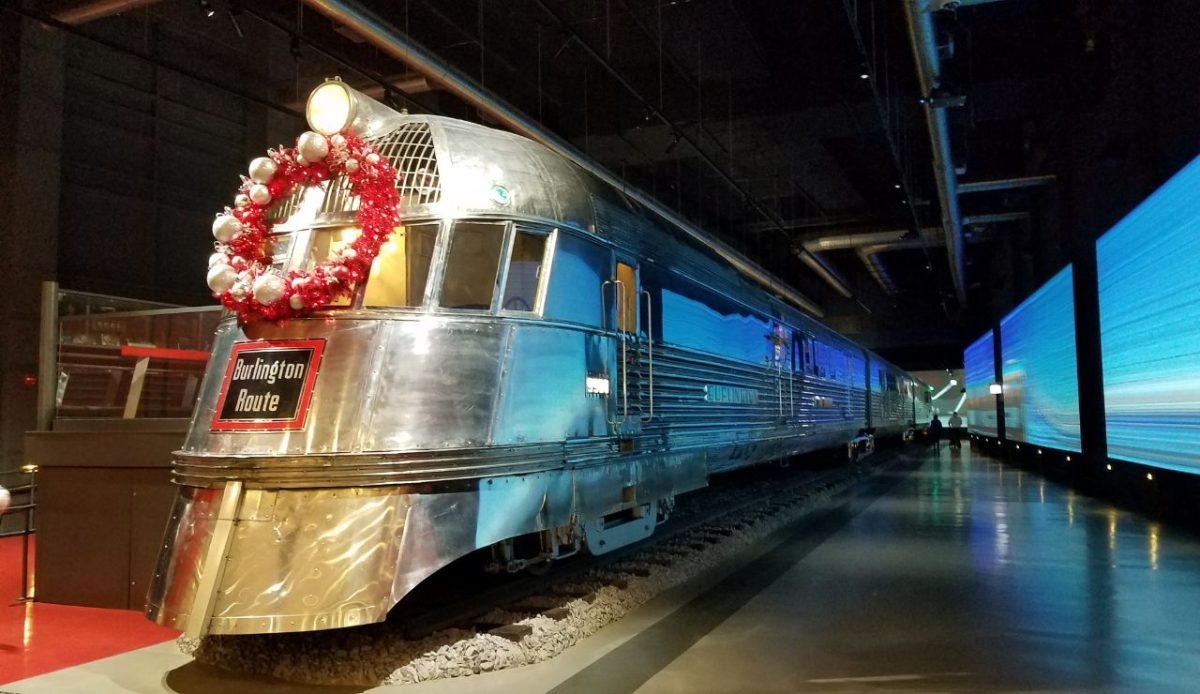
The Pioneer Zephyr changed public perception of American rail when it completed a nonstop run from Denver to Chicago in just over thirteen hours during a widely publicized 1934 event. Built with stainless steel and powered by a diesel engine, it achieved quick acceleration and sustained high speeds across long distances. Passengers could travel from city center to city center without delays linked to airport access or lengthy ground steps. The Zephyr’s performance encouraged railroads to invest in new streamliners, helping the United States rebuild enthusiasm for fast passenger service.
8. 20th Century Limited, United States
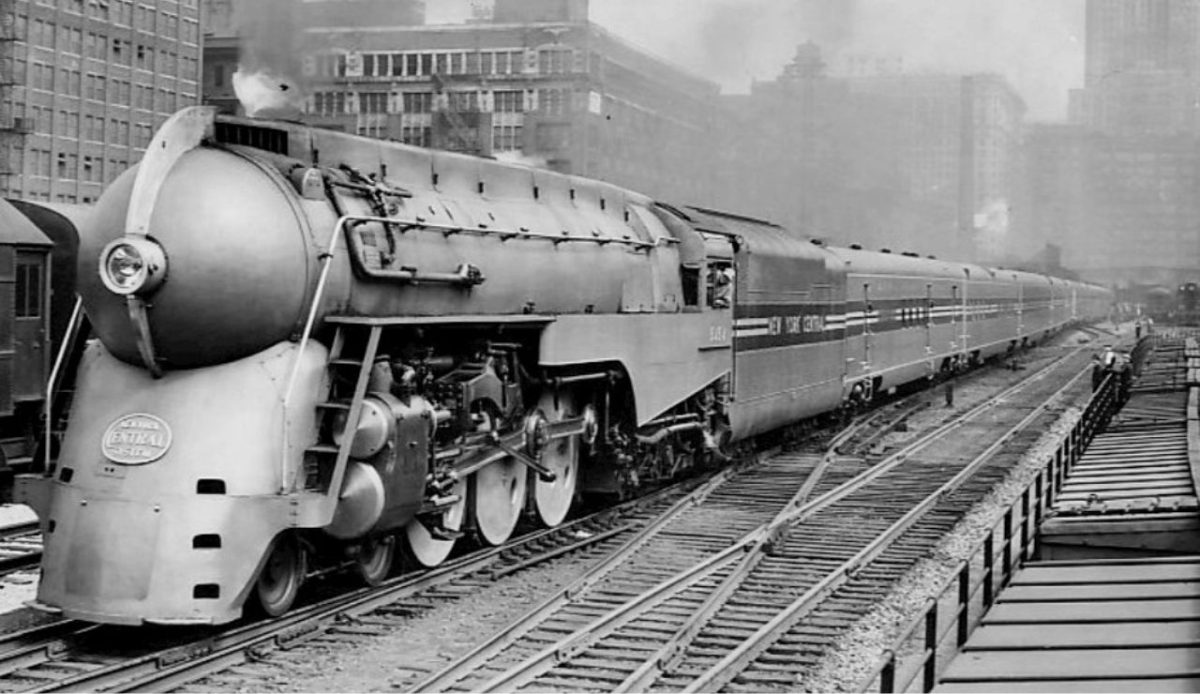
The 20th Century Limited served the busy New York to Chicago route with schedules that appealed to business travelers. By the mid-twentieth century, the overnight trip took less than sixteen hours, offering comfort and efficient timing. Early air travel flew faster once airborne, but required significant time on the ground, making total travel longer for many passengers. The train’s reliable service, smooth ride, and premium onboard experience helped maintain its strong reputation. It also set a benchmark for long-distance travel that influenced other flagship trains.
