
Traveling opens doors to new cultures and unforgettable experiences, but it also makes you a target for scams that can quickly spoil a trip. From fake taxis to overpriced souvenirs, tourists often face tricks designed to separate them from their money. The good news? With awareness and a few smart strategies, you can avoid becoming a victim. Knowing what to watch for ensures you travel confidently, protect your budget, and focus on enjoying the journey instead of worrying about pitfalls.
1. The Overpriced Taxi Ride

One of the most common scams, especially in busy cities, is taxi drivers overcharging tourists. They may refuse to turn on the meter, claim it’s broken, or take the longest possible route to inflate the fare. This often happens when visitors are tired after long flights and less likely to argue. To outsmart it, agree on the fare before entering, insist the meter be used, or book through official stands and ride-hailing apps for safer, fairer prices.
2. Fake Tour Guides

Around popular attractions, you may encounter people posing as guides who seem helpful but end up charging hidden fees or steering you into overpriced shops for commission. Some even approach when you look lost, offering “friendly” assistance that becomes costly later. Real guides always carry licenses or identification and set clear pricing upfront. Outsmart this scam by booking tours only through hotels, official websites, or trusted platforms, ensuring your experience is safe, reliable, and worthwhile.
3. Pickpocket Distractions
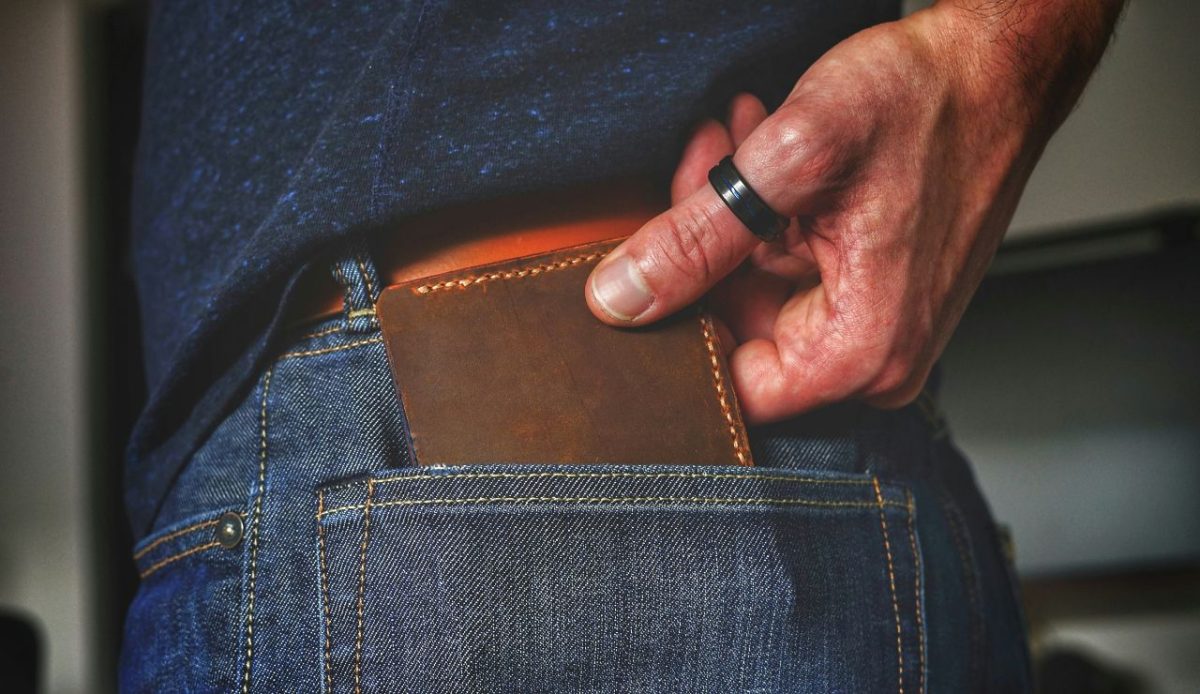
One of the oldest scams, pickpockets often work in teams where one person creates a distraction, like spilling something, asking for help, or bumping into you, while another grabs your valuables. Crowded areas like trains, markets, and plazas are common hotspots. Outsmart them by keeping bags zipped, using money belts, and avoiding putting wallets in back pockets. Stay alert during commotion, and you’ll protect yourself from one of the most universal travel risks.
4. Fake Petition or Bracelet Gifts

In busy tourist spots, strangers may approach with petitions for “charities” or tie a bracelet on your wrist, then demand payment. This scam plays on guilt and surprise, often leaving visitors embarrassed. Outsmart it by firmly saying no and continuing to walk. Never accept unsolicited items from strangers, no matter how harmless they seem. Awareness is key; remembering that kindness should never come with strings attached will help you avoid being cornered.
5. Currency Exchange Tricks
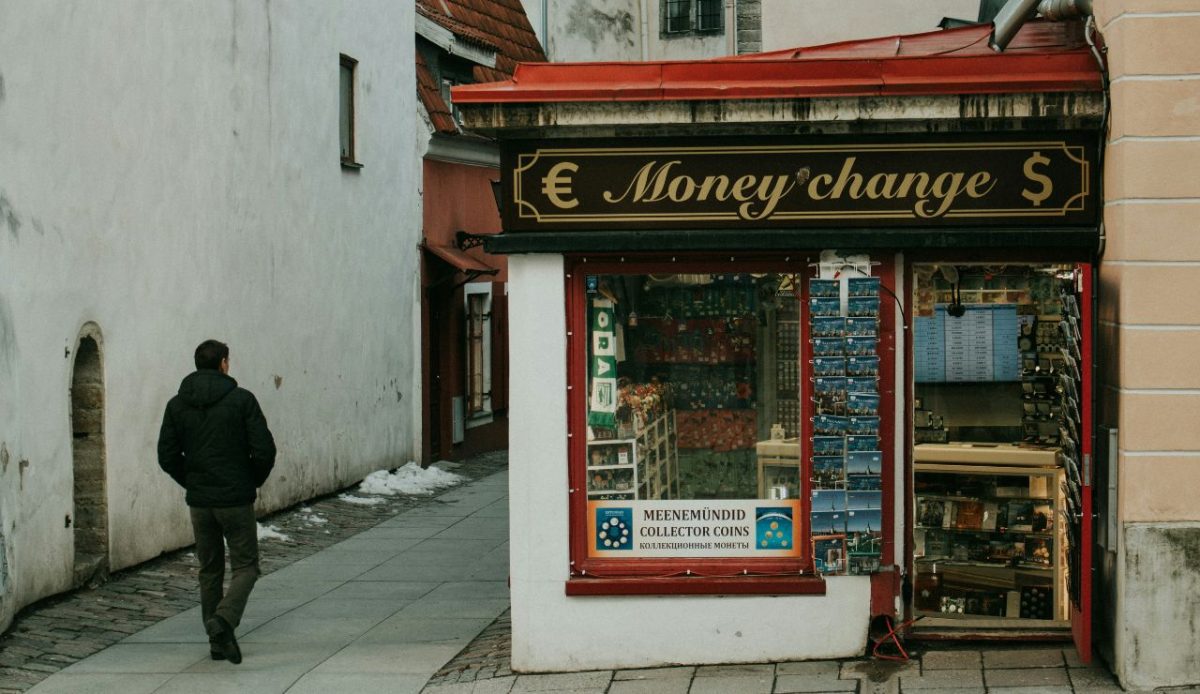
Shady exchange booths may advertise attractive rates but hide high fees or slip you counterfeit bills. In some cases, street exchangers target tourists with even worse deals. To outsmart this, only exchange money at banks, ATMs, or trusted offices. Always count your cash before leaving the counter and double-check the notes. While it may feel tedious, staying cautious ensures you get fair value for your money and avoid headaches later on your trip.
6. Fake Police Officers

In some cities, scammers impersonate police, asking to check passports, wallets, or “illegal” items, only to steal cash. Real police rarely demand money on the spot. Outsmart this by asking to see official identification and offering to go to the nearest station if questioned. Carry photocopies of your passport and keep the original in a safe place. Trust your instincts; if something feels off, it probably is. Staying calm and cautious is your best defense.
7. Rigged ATMs
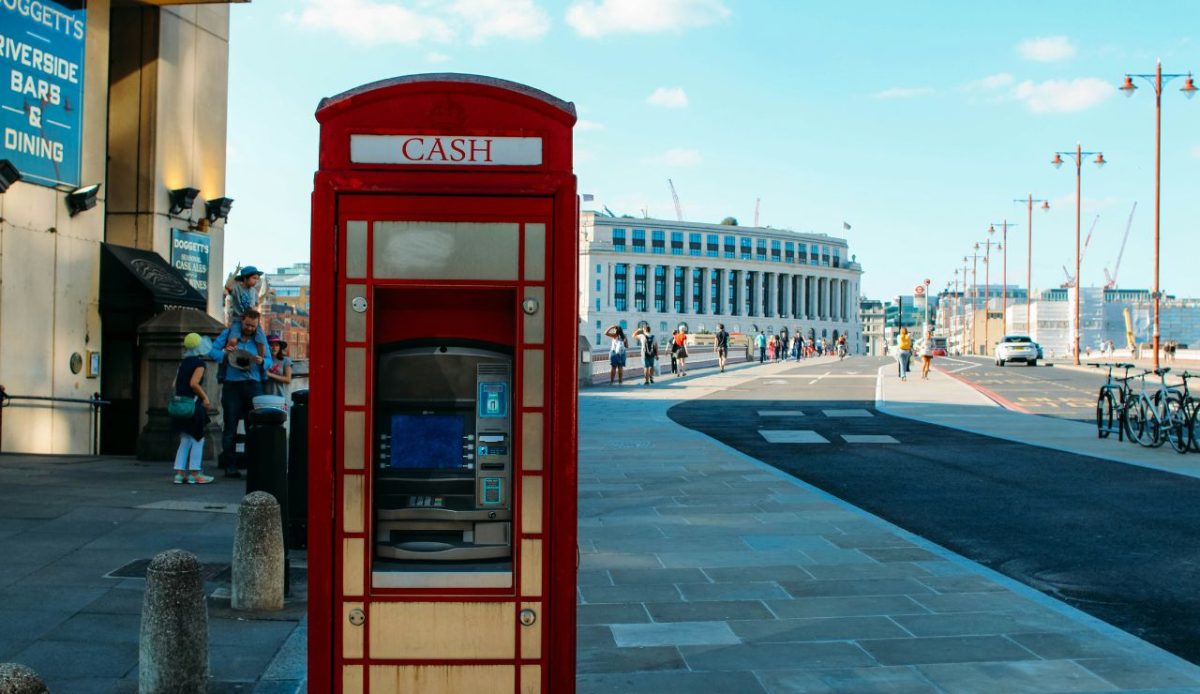
Tourists are frequent targets of ATM skimming devices or machines placed in unsafe locations. Criminals can steal card information or cash through hidden readers. Outsmart this by using ATMs inside banks or airports, covering your PIN when entering it, and avoiding poorly lit areas. Check for unusual attachments before inserting your card. Keeping small amounts of cash on hand also reduces ATM reliance. Smart habits like these make it harder for scammers to succeed.
8. The Friendly Stranger Scam

Sometimes scammers pose as overly friendly locals, offering to help with directions or suggesting “great deals.” They may then lead you into unsafe areas, overpriced shops, or expect payment for their “help.” Outsmart this by politely declining unsolicited offers and relying on trusted maps, apps, or hotel staff for recommendations. While many locals are genuinely kind, learning to distinguish friendliness from manipulation protects you from unnecessary risks and wasted money.
