
Rental car prices didn’t just “go up” after COVID; they whiplashed. Fleets were sold off in 2020, travel snapped back fast, and popular airports ran short on cars. Cheapcarrental.net’s airport surveys captured the spike: in August 2021, it reported that some cities’ average rates had doubled year over year, and Alaska and several Hawaii airports were up more than 200% versus August 2020.
Even after prices cooled, the category stayed pricey versus pre-pandemic levels, according to NerdWallet’s tracking of U.S. rental car inflation.
Here are eight states where that sticker shock has been most visible. Use them as a reality check when budgeting a road trip, not as a promise that every day will be exactly this expensive.
1. Alaska
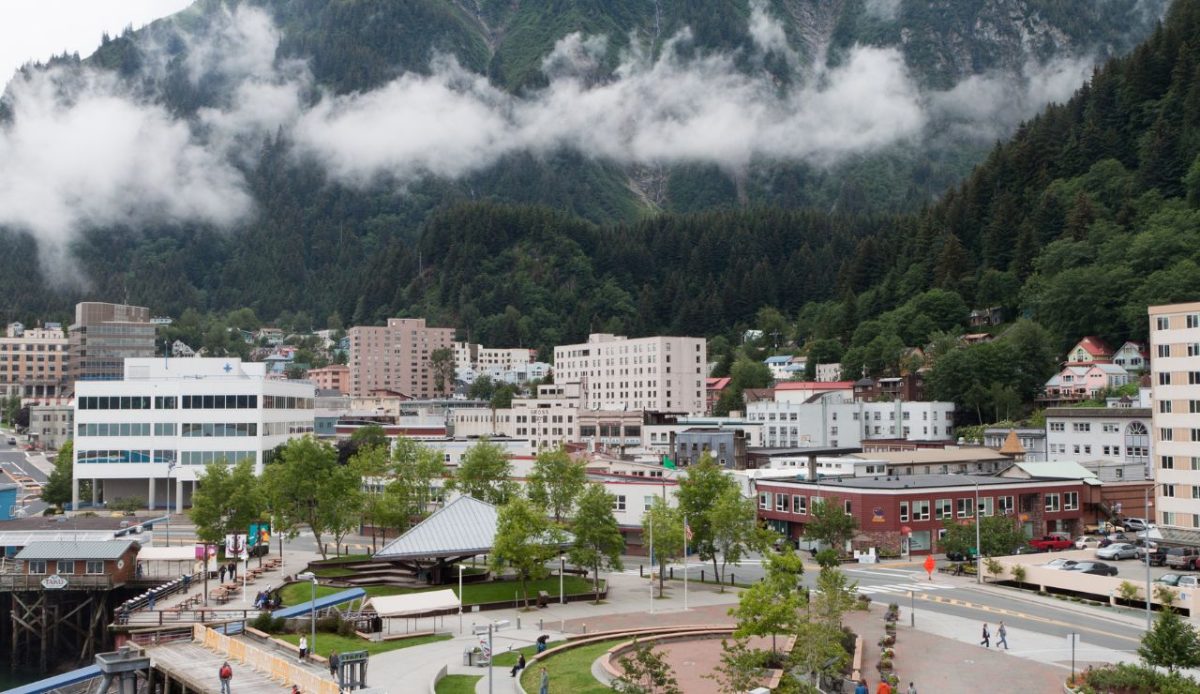
Anchorage is the poster child for pandemic-era rental chaos. In Cheapcarrental.net’s August 2021 survey of major U.S. airports, Anchorage led the country at about $1,451 per week for the cheapest car.
The same report noted Anchorage was up by more than 200% year over year, a “doubled (and then some)” jump driven by shortages and summer demand hitting a limited fleet.
Prices later cooled, but not back to comfy: the August 2022 survey still put Anchorage around $949 per week. In a state where driving is often the only practical way to explore, that adds up fast. Travelers got squeezed most around peak months, when flights arrive but inventory can’t scale overnight.
2. Hawaii
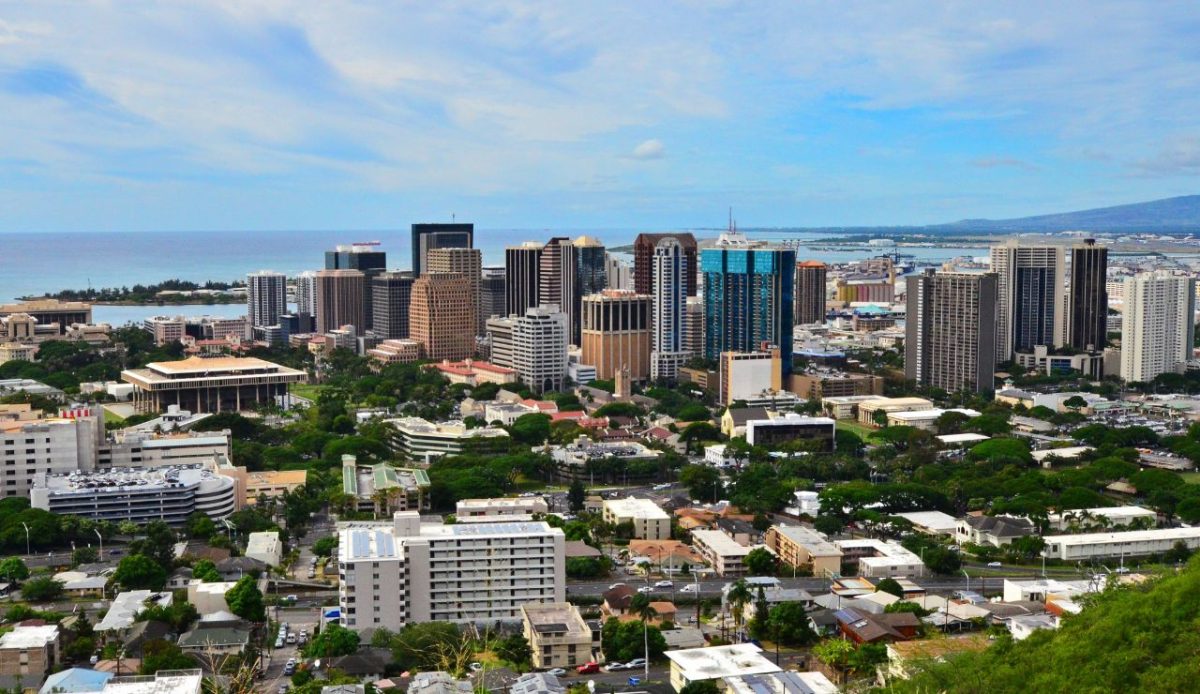
Hawaii’s islands had some of the sharpest jumps because cars can’t be moved in from a neighboring state. In August 2021, Cheapcarrental.net ranked Lihue (Kauai) second-most expensive at about $1,065 per week, with Kona, Honolulu, and Kahului also near the top.
That same survey said multiple Hawaiian destinations were up by more than 200% year over year, turning a “quick beach week” into a budget fight.
Rates eased later, but the state stayed expensive in many seasons because demand concentrates on a few airports and fleets are limited compared with mainland hubs. In Cheapcarrental.com’s Winter 2025/26 survey, Kahului (Maui) still averaged triple-digit daily pricing, showing how Hawaii can remain a premium market.
3. Oregon
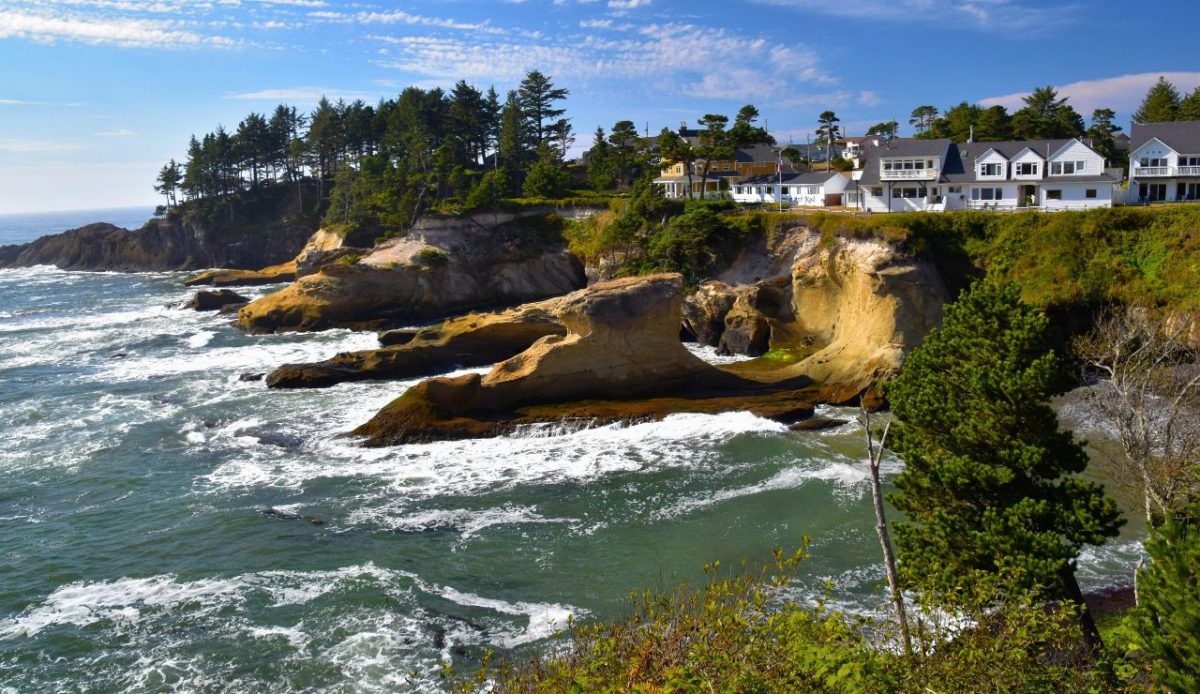
Oregon’s big pinch point was Portland (PDX), a gateway for summer road trips up the coast and into wine country. Cheapcarrental.net’s August 2021 survey ranked Portland third-most expensive nationwide at about $965 per week for the cheapest car.
It also flagged Portland as one of the markets up more than 200% year over year, the kind of surge that makes “I’ll just rent a compact” feel like a luxury purchase.
By August 2022, Portland’s weekly figure in the same survey set had fallen to roughly $392, but that drop doesn’t erase how extreme peak-demand periods became during the rebound. The lesson: in high-travel states, prices can normalize on paper and still spike hard around holidays and festivals.
4. Washington
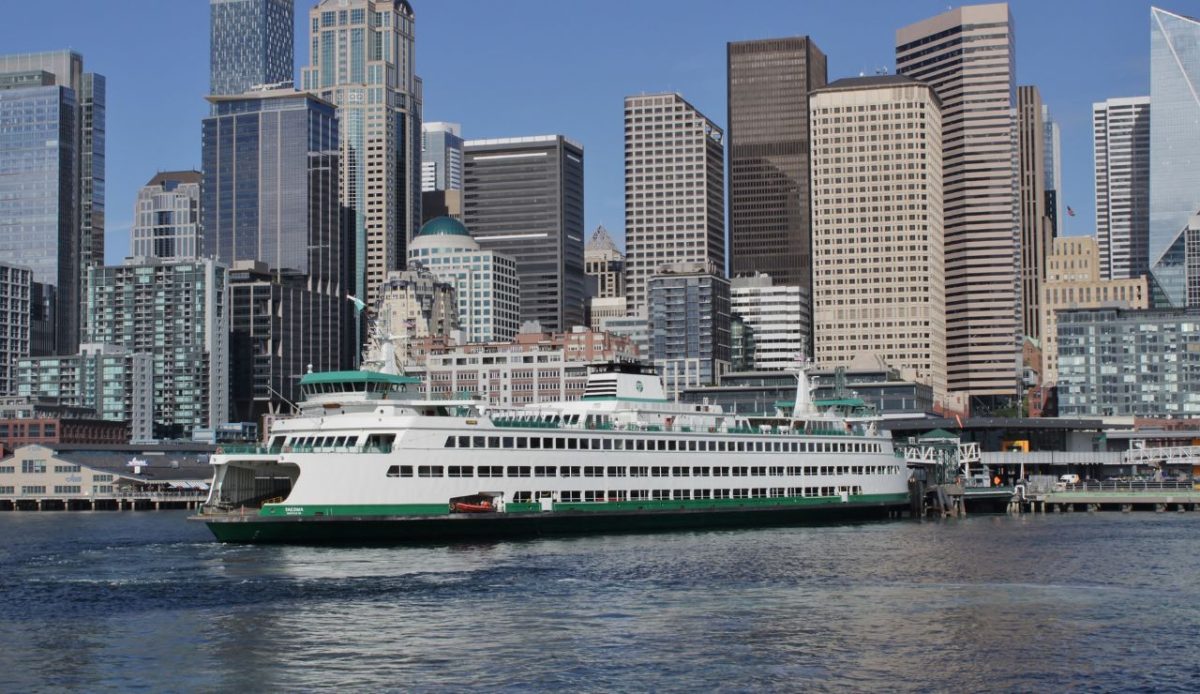
Washington is a good example of how a “normal” city can suddenly price like a resort market. Cheapcarrental.net’s August 2021 report said average rates had doubled year over year in Seattle, reflecting how quickly inventory tightness shows up at the counter.
In that same 2021 survey table, Seattle’s weekly price was about $746 for the cheapest car, high enough to change trip plans, not just budgets.
And the pressure wasn’t only in Seattle: the August 2022 survey ranked Spokane second-most expensive in the country at about $765 per week, showing that smaller regional airports can get hit even harder. When cars are scarce, it’s the combination of high demand and limited suppliers that does the damage.
5. Minnesota
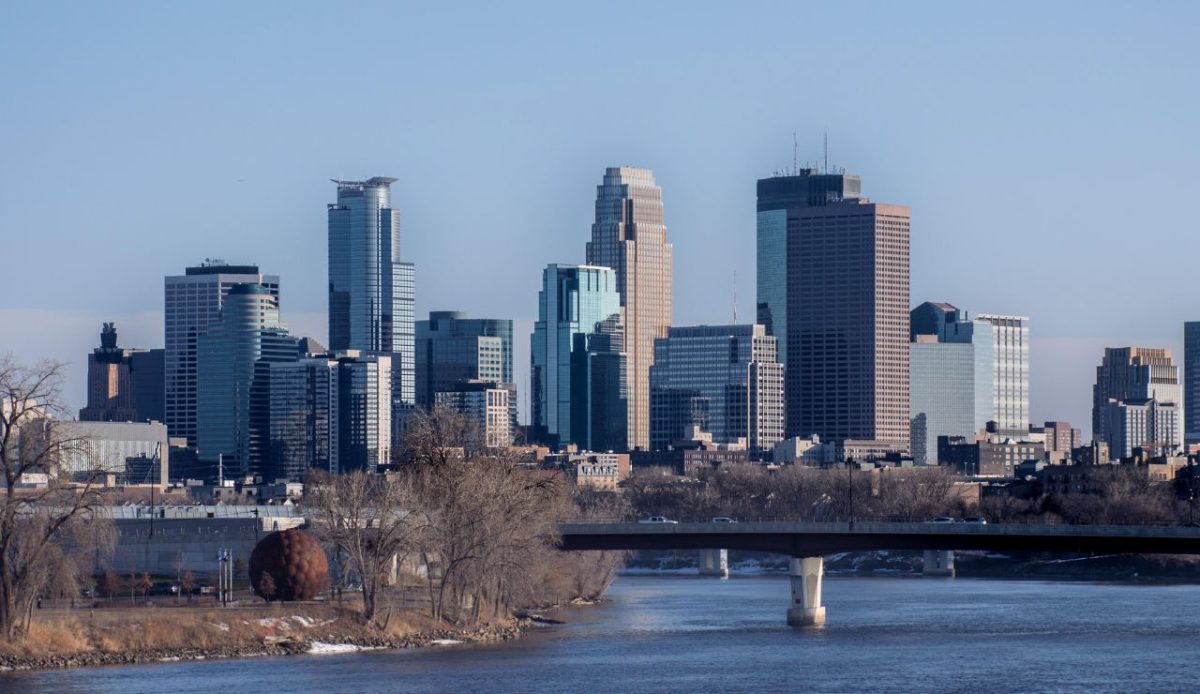
Minnesota shows how rental spikes weren’t limited to beaches. Cheapcarrental.net reported that average rates had doubled year over year in Minneapolis in August 2021, during the nationwide summer squeeze.
The 2021 survey table put Minneapolis–St. Paul (MSP), around $690 per week for the cheapest car, pricing that can surprise visitors expecting Midwestern bargains.
Even with easing in 2022, MSP stayed high in the follow-up survey at roughly $571 per week. For travelers using Minneapolis as a launchpad to lakes country or the North Shore, that daily rate becomes a major line item. Big event weekends and limited fleet turnover can make the swing feel sudden, especially for last-minute bookings.
6. Massachusetts
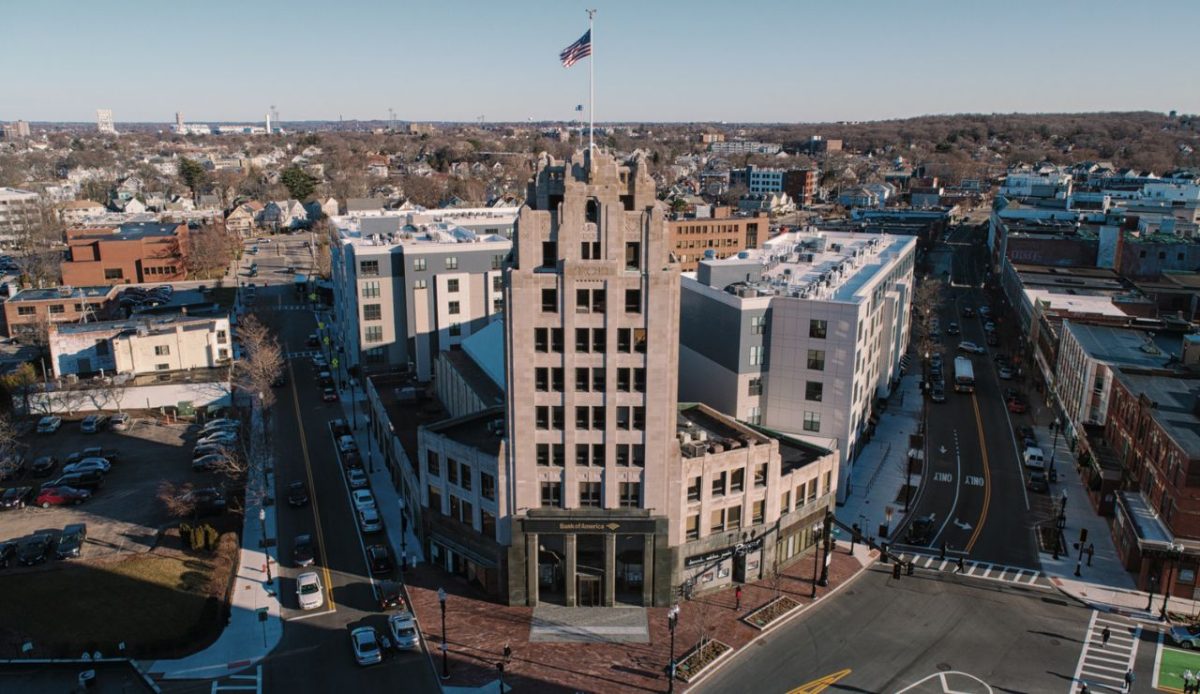
Massachusetts is on the list because Boston is a high-volume airport market where shortages show up fast. Cheapcarrental.net’s August 2021 report said average rates had doubled year over year in Boston.
In the same 2021 survey table, Boston (BOS) sat at roughly $568 per week for the cheapest rental, pushing costs beyond what many travelers expect for a short New England loop.
Rates dipped in the August 2022 survey, but Boston still hovered around $528 per week. Add toll roads, parking, and fuel, and the rental line can rival the cost of a flight, without any upgrades involved. Peak seasons like summer and fall foliage compress demand into narrow windows, which is when price jumps feel like a doubling.
7. Illinois

Illinois makes the cut because Chicago is a major gateway where pricing can swing with business travel and big events. In Cheapcarrental.net’s August 2021 survey table, Chicago O’Hare (ORD) was about $519 per week for the cheapest car.
Auto Rental News, using Rate-Highway data, noted that high-volume airports like Chicago’s O’Hare were left with fewer cars as fleets shifted, allowing operators to raise rates on the inventory that remained.
Chicago stayed pricey in the August 2022 Cheapcarrental survey as well (around $515 per week). Even when the number barely changes, it signals a “new normal” that’s higher than many pre-2020 expectations.
8. Florida
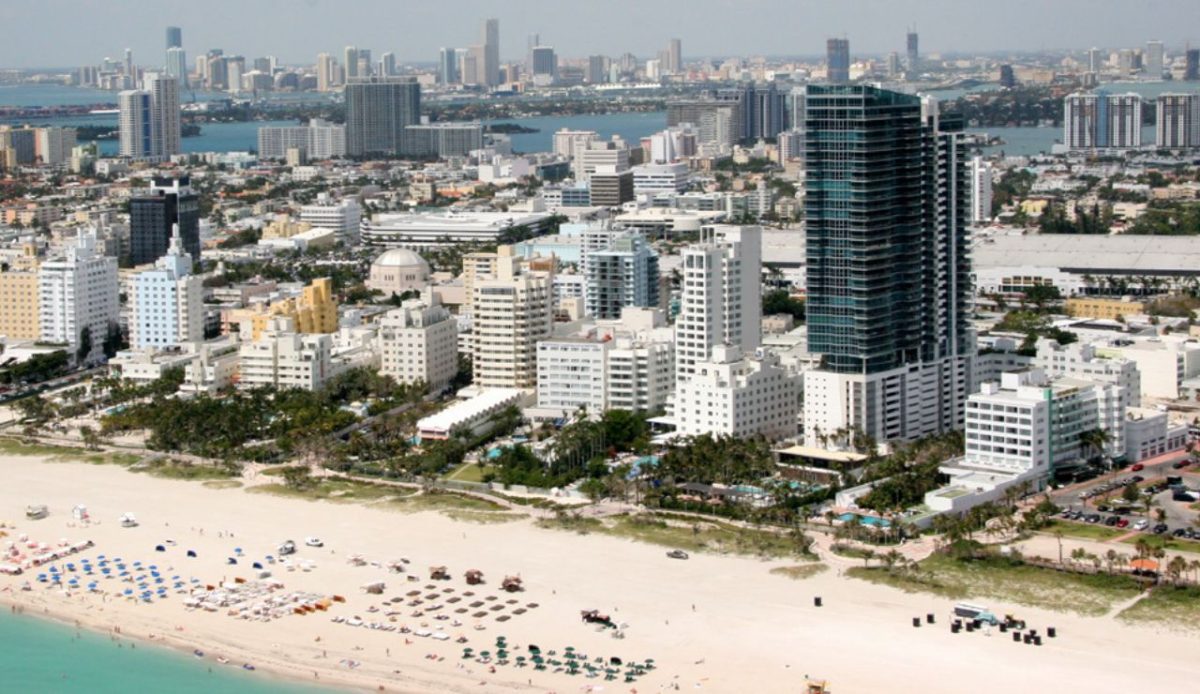
Florida’s rental market got weird fast: theme parks, cruise traffic, and winter escapes all hit the same airports. Auto Rental News noted that Orlando (MCO) saw massive rate cuts in 2020 when travel shut down, followed by big gains as demand returned.
Cheapcarrental.net’s August 2022 survey put Orlando at around $385 per week for the cheapest car, while other Florida airports ranged widely, Miami was far lower, and Fort Myers was lower still, showing how local inventory can change the price story.
The “doubled since the pandemic” feeling often comes from that swing: rock-bottom pandemic pricing, then peak-season scarcity when everyone wants a set of wheels at once.
