
Southwest boarding relies on numbered positions and moving lines rather than assigned seats. The system works when the podium, jet bridge, and aisle stay clear so passengers can file in without stoppages in tight terminal space.
When trouble starts before pushback, the captain can stop loading, call the police, and keep the aircraft at the gate. That choice protects safety, but it also freezes the line and can undo work already completed.
These eight verified cases happened at the gate, during boarding, or right before takeoff. Each section explains the mechanism that stopped the process, from blocked scanners to required bag removal and new checks.
1. Houston Hobby to Phoenix Return to Gate After Passenger Disrobed
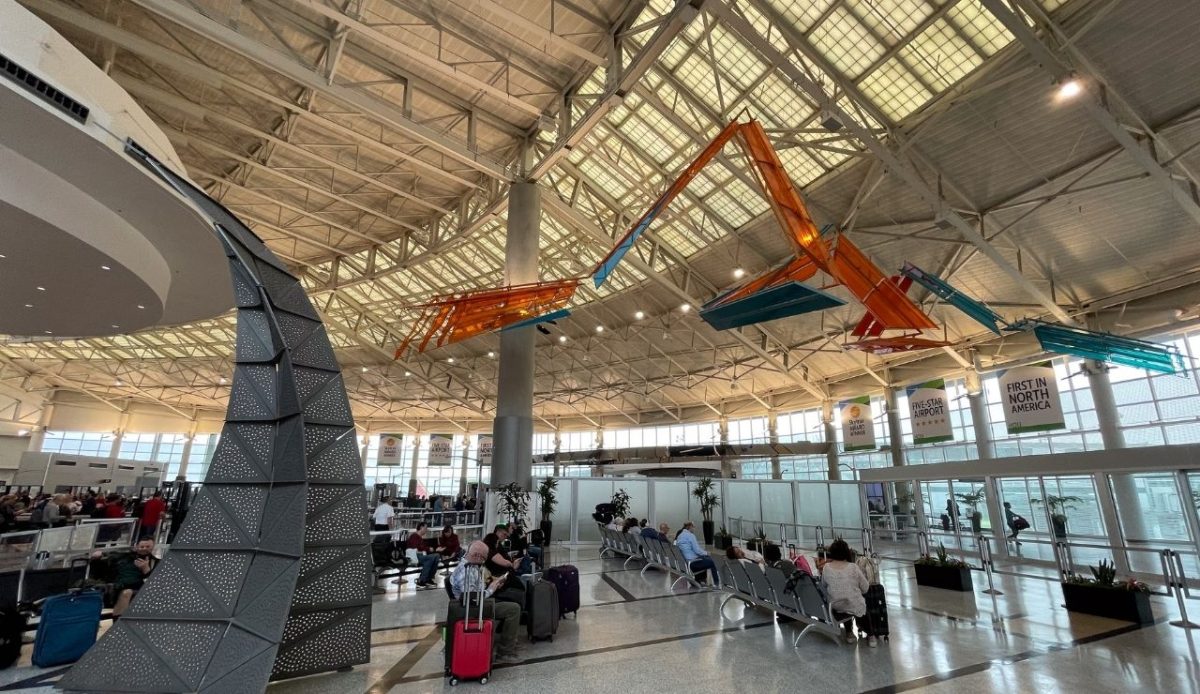
On the Houston to Phoenix flight, a passenger removed clothing while the aircraft was still boarding. The crew stopped aisle movement and notified the cockpit because the cabin situation could not stay contained.
Since the jet was still on the bridge, the captain chose a gate return so airport police could board quickly. That decision pauses scanning, holds seated passengers in place, and prevents more people from entering.
After removal, staff inspected the area, and the crew repeated counts and predeparture steps before doors could close again. The mechanism was a forced reset that required cleaning, paperwork, and redoing the boarding sequence.
2. Phoenix to Columbus Fight Forces Deplaning
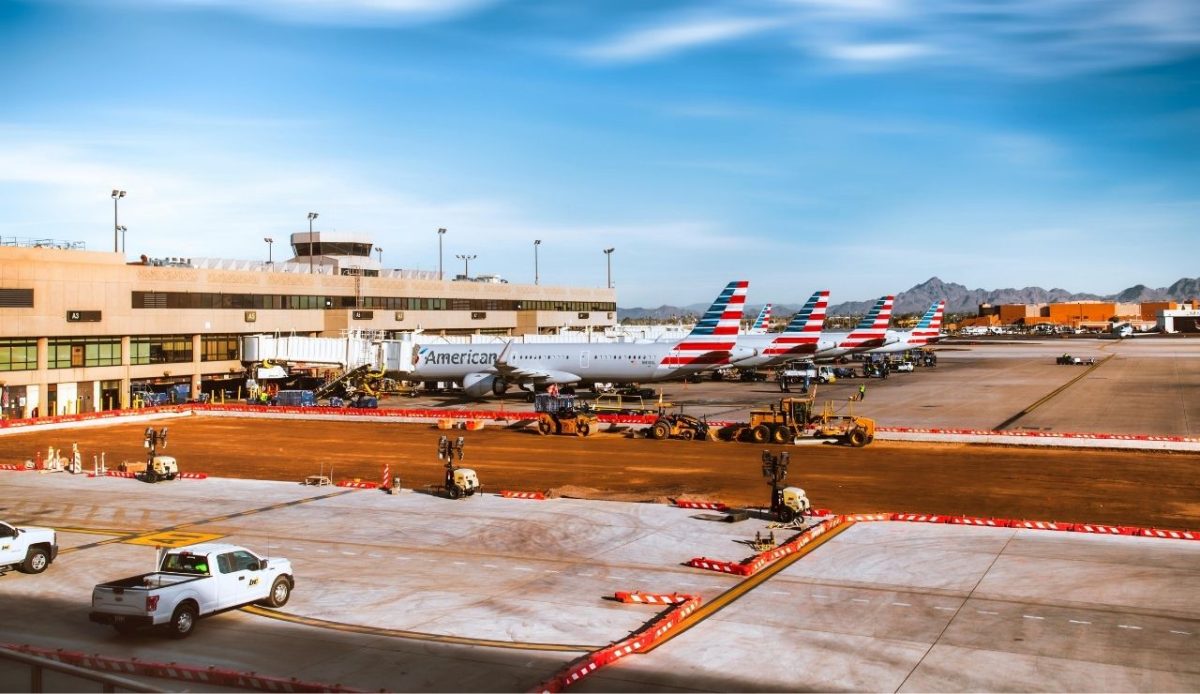
During boarding in Phoenix, a dispute near the rear seats turned into a fight that blocked the aisle. Flight attendants used onboard alert procedures and stopped the flow so the conflict would not spread.
Gate agents halted scanning, leaving passengers queued with bags while police were requested. Officers boarded to separate the people involved, and the captain kept the aircraft at the gate until the cabin was secure. The flight also lost its departure slot.
The crew then chose to deplane everyone so identities, injuries, and luggage links could be checked and documented. The mechanism was an aisle blockage that made normal seating and bag stowage unsafe and untrackable.
3. Dallas Love Field Aircraft Struck Before Departure
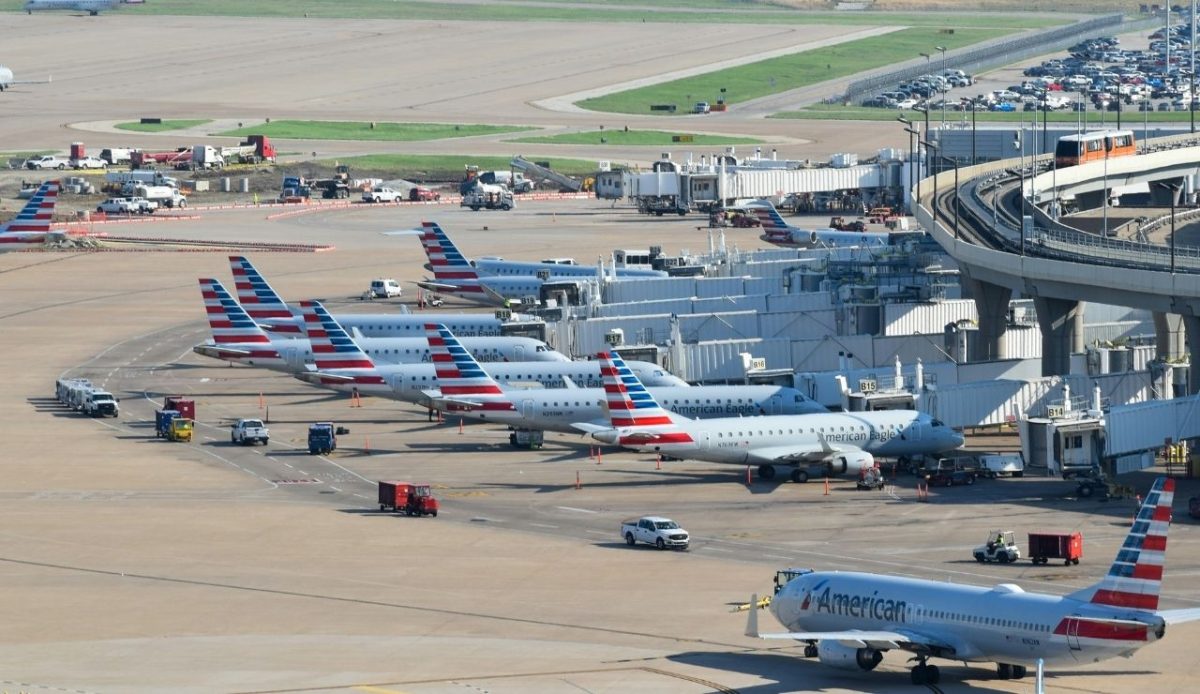
At Dallas Love Field, a Southwest aircraft preparing to depart was struck by gunfire from outside the airport perimeter. Passengers were already seated, so the cockpit treated the impact as a security and safety event.
The captain ordered a return to the terminal and kept the plane connected to the bridge so passengers could exit under control. Police secured the area, and operations nearby slowed while the aircraft was inspected.
A replacement aircraft and, in some cases, a replacement crew were needed, which added time beyond the initial response. The mechanism was an external threat response that triggers inspections and interrupts the ramp and gate plan.
4. Kansas City Gate Threat Stops Boarding
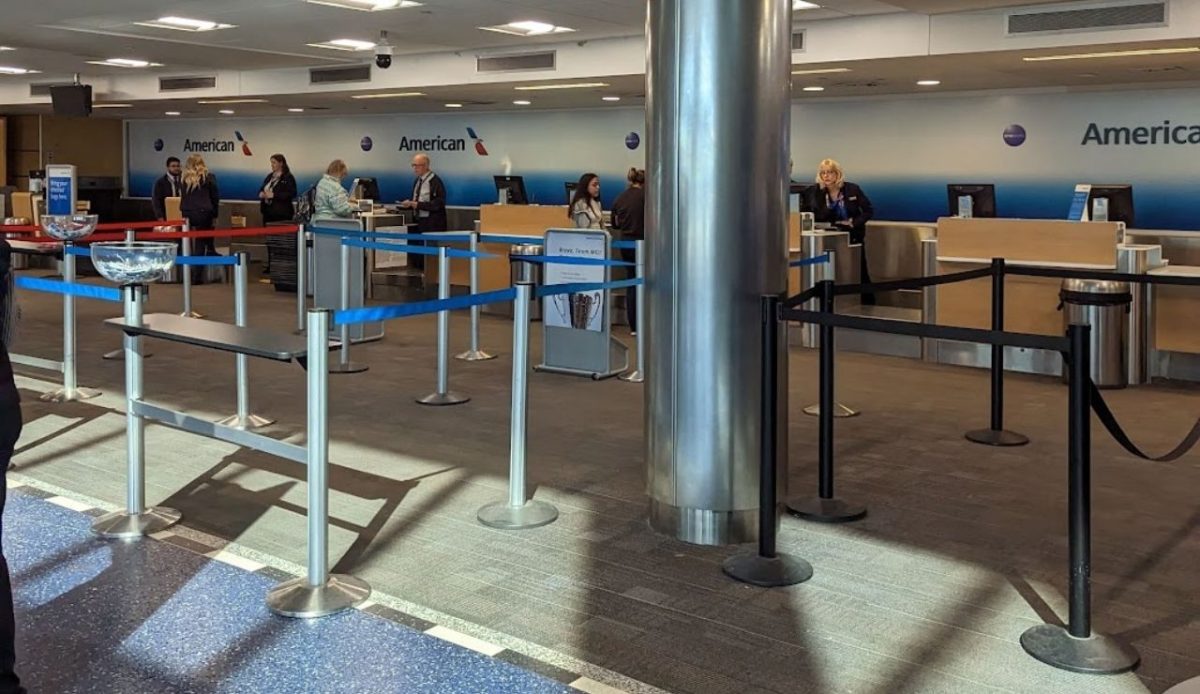
At Kansas City International, a man at the gate confronted Southwest staff about a delay and made threats of physical harm. Agents stopped boarding actions because the podium area must remain safe for passengers and workers.
Security was called, and the individual was removed from the gate area. Until that happened, scanning could not resume, and the line could not be organized, because crowd movement near the counter would raise the risk.
Afterward, agents verified whether any checked bags or reservations were tied to the removed traveler, then restarted announcements. The mechanism was a gate safety shutdown that pauses boarding before it begins.
5. Las Vegas to Houston Meltdown During Delay
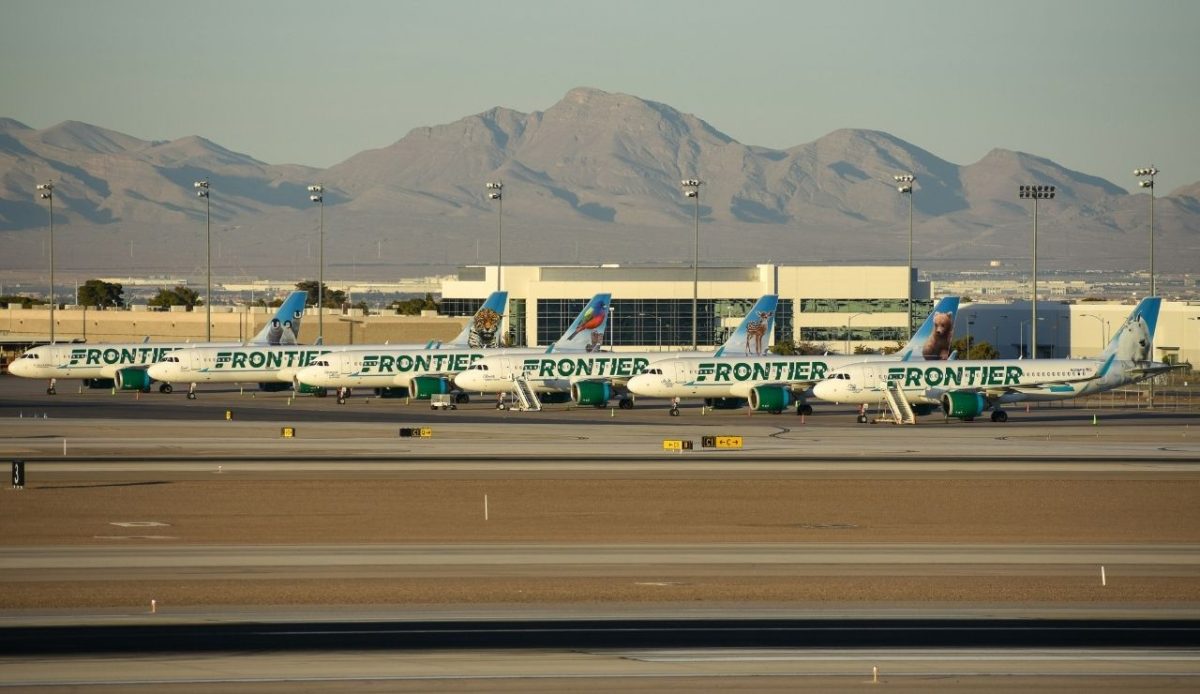
On a Las Vegas to Houston departure, a long delay raised tension in the gate area, and one passenger began shouting during the boarding phase. The disturbance followed the line onto the aircraft and escalated inside the cabin.
When food was thrown, the crew halted the jet bridge flow and asked the captain to request police. Holding the door open allowed officers to enter, but it also froze passenger movement and blocked the next group from loading.
Cleaning was required before boarding could restart, and staff had to confirm who remained on board and who stepped off. The mechanism was delay driven escalation that created both a security response and a sanitation reset.
6. Denver Gate Outburst Blocks Scanner
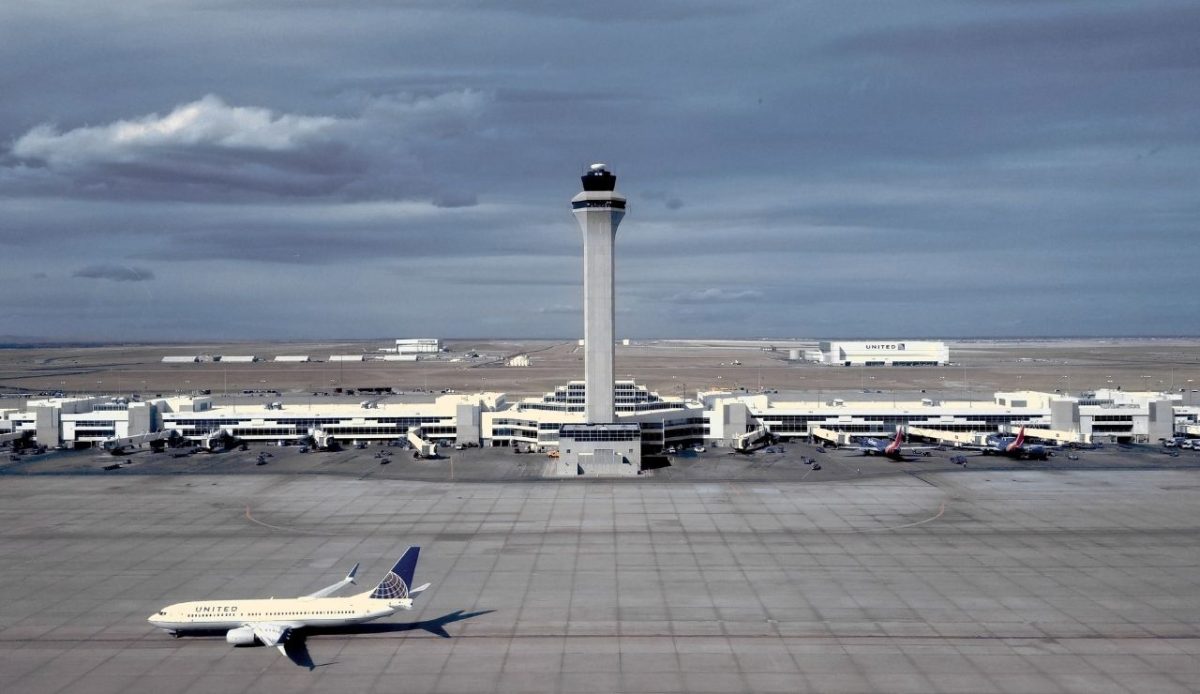
At Denver International, a traveler argued about boarding order and stood in front of the scanner, blocking access to the podium lane. The crowd tightened around the gate, and agents paused announcements because the line was no longer controlled.
With the scanner blocked, passes could not be verified in sequence, and the passenger count could not update reliably. Security removed the person, but agents still had to rebuild the line and restart boarding groups.
Passengers already on the bridge waited while the gate area was cleared and the process resumed from the first call. The mechanism was a scanner obstruction that broke the tracking system used to load passengers safely.
7. Orlando Concourse Assault Halts Operations
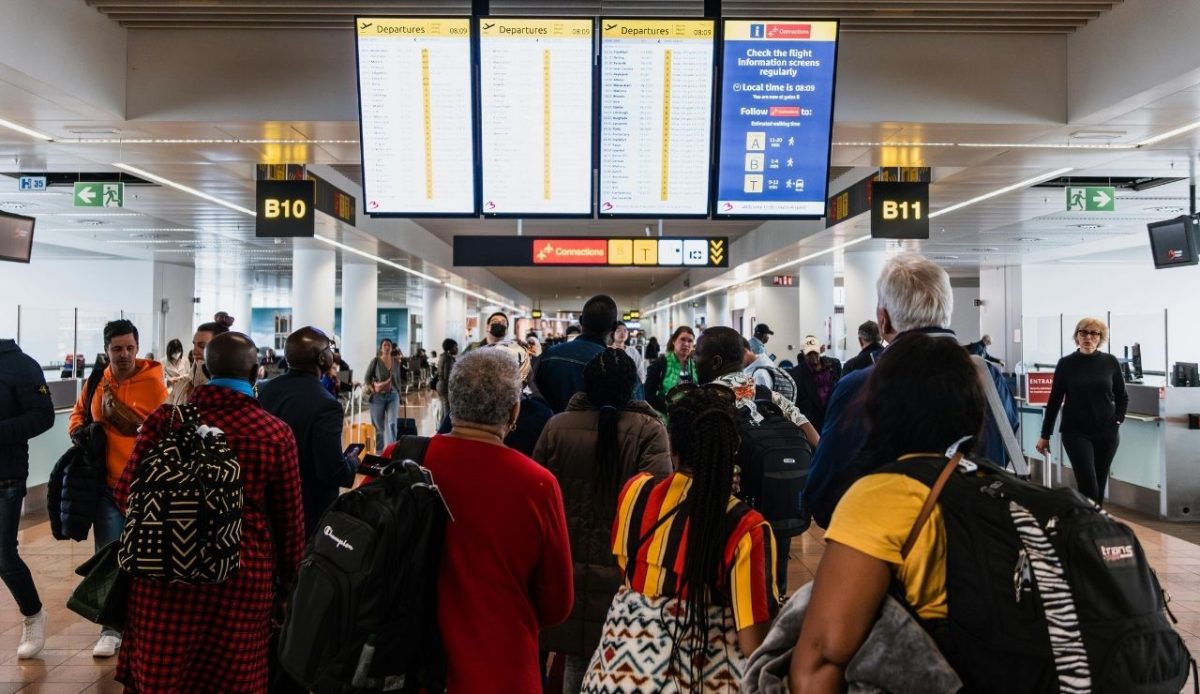
In Orlando, a violent incident near Southwest counters damaged airport equipment close to several active gates. Even though it was outside the cabin, the event affected the path passengers used to reach the jet bridge.
Police closed off the immediate area, which kept travelers from lining up and prevented agents from running a normal boarding lane. Some flights already loading were told to hold doors while the scene was secured.
Gate changes and crowd rerouting followed, which required new announcements and coordination with ground crews. The mechanism was a concourse access loss that cut off the physical corridor needed for boarding to continue.
8. Los Angeles to San Francisco Altercation Before Takeoff
On a Los Angeles to San Francisco flight, an argument over overhead bin space grew during the final boarding minutes. The dispute drew others into the aisle, increasing the risk of pushing and blocking access to seats.
The captain ordered a return to the gate so law enforcement could remove the involved passengers while the door remained accessible. That decision required pausing departure checks and keeping the rest of the cabin seated.
Because bags were already stowed, ground crews had to locate and remove luggage linked to those taken off the flight, then update the manifest. The mechanism was a cabin conflict that triggered the requirement for bag matching before takeoff.
