
Royal households can be constrained by parliaments, yet some sovereigns still reside inside vast palace compounds that run like courts. These places join living quarters, staff offices, and ceremony rooms behind guarded perimeters.
Each destination below is tied to an active royal residence where a reigning monarch is known to live, not only to work or host tours. Sites were chosen for documented residential use, formal audience spaces, and ongoing state ritual.
The common thread is centralized authority in stone and protocol. Controlled entry, uniformed guards, and reception halls keep government, dynasty, and symbolism in one location, echoing older imperial models.
1. Buckingham Palace And Windsor Castle, United Kingdom
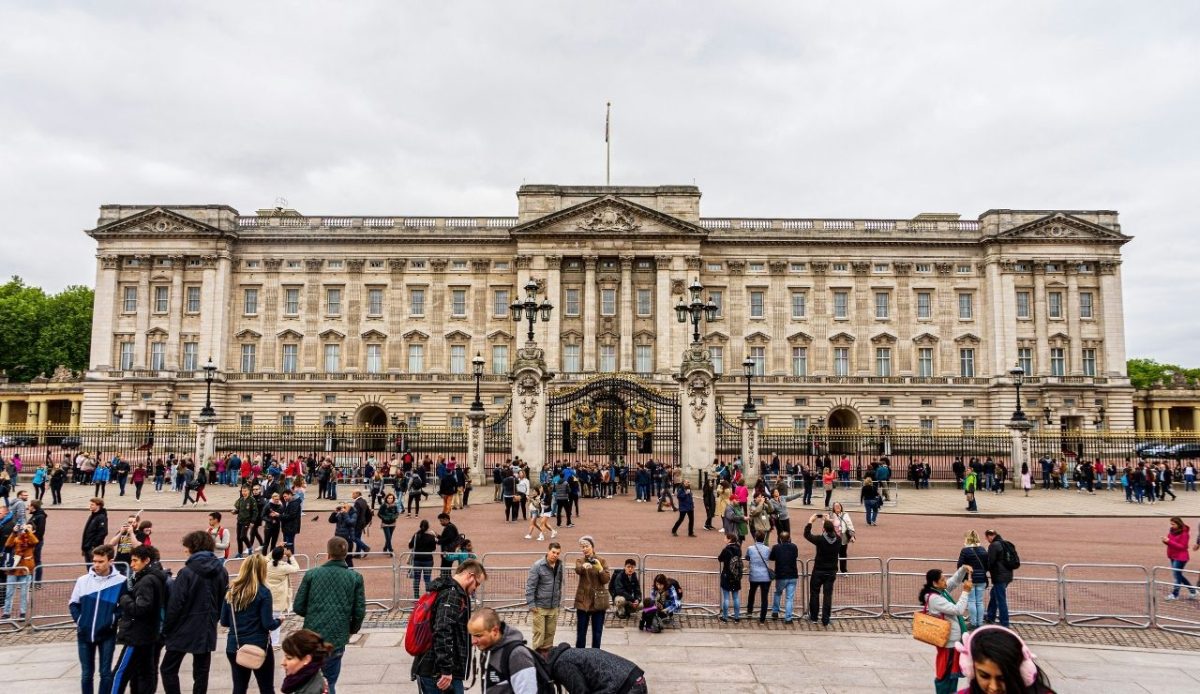
Buckingham Palace is the sovereign’s official London residence and a key venue for investitures, state banquets, and receptions. Royal Household staff and security keep it operating as an active seat of state ceremony.
With major refurbishment underway, London residence has often centered on Clarence House while Buckingham continues formal duties. That arrangement still keeps a court core around St James’s, where guard mounts and scheduled processions support public ritual.
Windsor Castle is also an official residence used for state occasions within a fortified complex. Private apartments, chapels, and layered entry control preserve the older model where rule and residence remain tightly linked.
2. Tokyo Imperial Palace, Japan
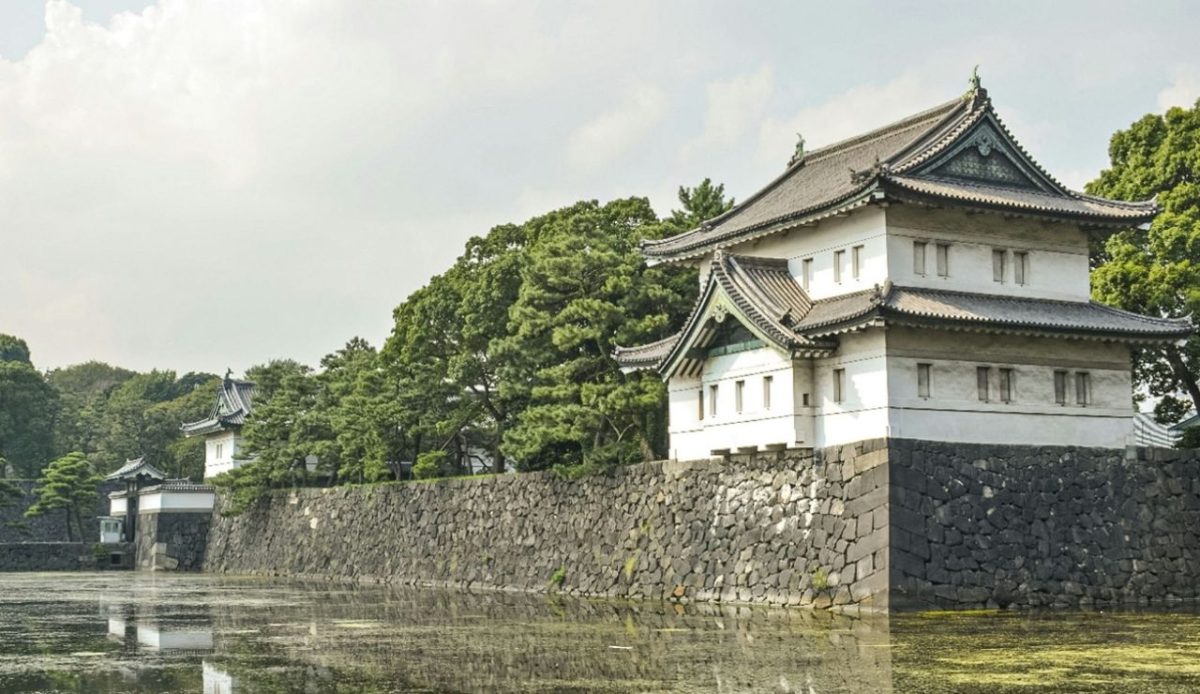
Tokyo’s Imperial Palace sits on the former Edo Castle site, placing the emperor at the historic center of national administration. The Imperial Household Agency treats the compound as both a residential zone and the stage for state functions.
Moats, gates, and controlled corridors limit access, so the palace remains a private domain rather than a civic park. Public entry is permitted only on narrow routes or by application, and most interior spaces remain reserved for court work.
The Fukiage area contains the imperial family’s living quarters, while formal halls host audiences and ceremonies tied to the state. Even under a constitutional role, the setting keeps an imperial scale where household protocol shapes daily governance.
3. Al Yamamah Palace, Riyadh, Saudi Arabia
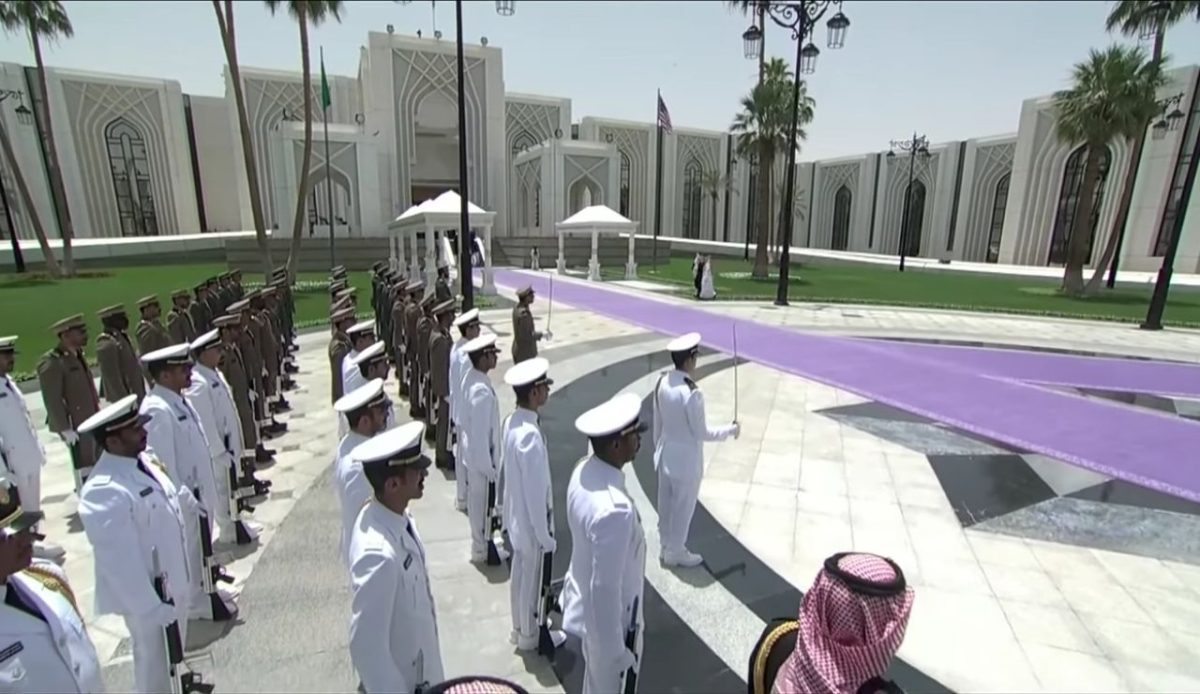
Al Yamamah Palace in Riyadh is widely treated as the base of the royal court where senior governance is directed. Key meetings, consultations, and announcements are handled through the court structure linked to the king’s residence.
The complex is closed to public access and managed as a high security zone. Its internal layout supports controlled audiences, private offices, and reception areas that separate decision makers from the outside city.
Because the monarch also holds central executive authority, residence and rule are concentrated in one compound. That arrangement mirrors older imperial capitals where officials came to the ruler’s home to petition, negotiate, and receive binding orders.
4. Istana Nurul Iman, Bandar Seri Begawan, Brunei
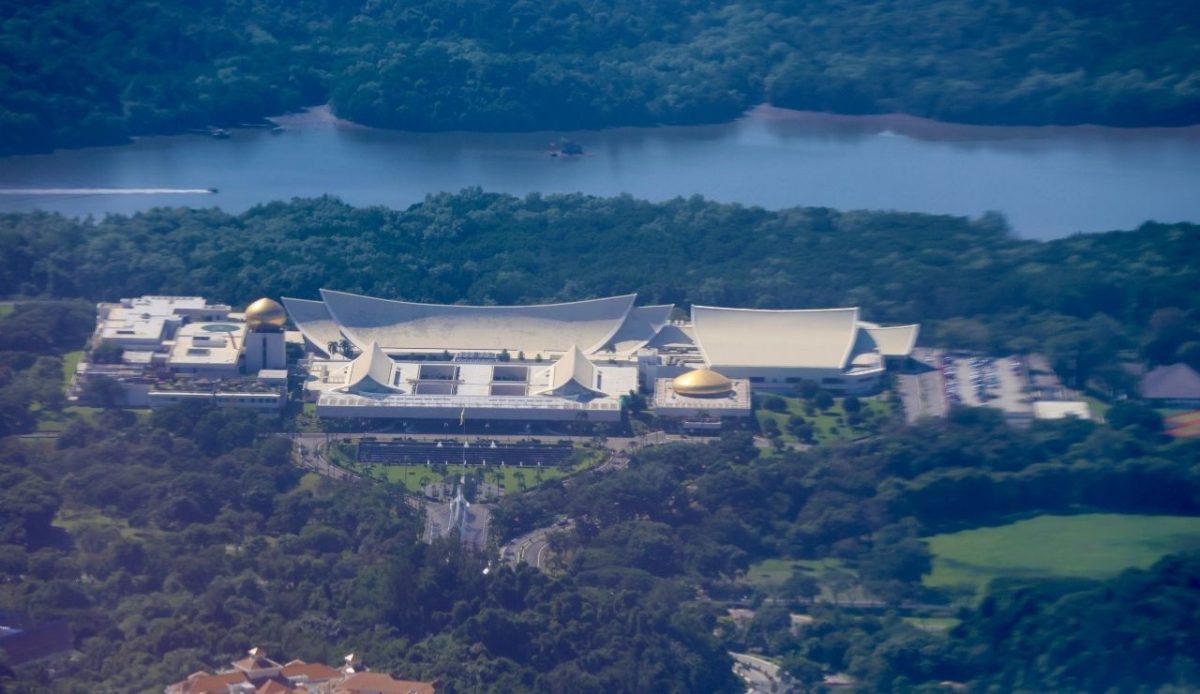
Istana Nurul Iman in Bandar Seri Begawan serves as the sultan’s official residence and also houses core government offices. That dual use keeps executive administration inside the palace rather than in a separate civilian complex.
The site is guarded and normally closed, with limited public entry mainly during major religious holidays when open house traditions occur. Outside those periods, access is managed through protocol and security screening.
Residential wings, audience halls, and administrative suites sit within one controlled estate. The court structure, concentrated authority, and scale of formal receiving spaces reflect an imperial model where governance is routed through the ruler’s household.
5. Dar al Makhzen Royal Palace, Rabat, Morocco
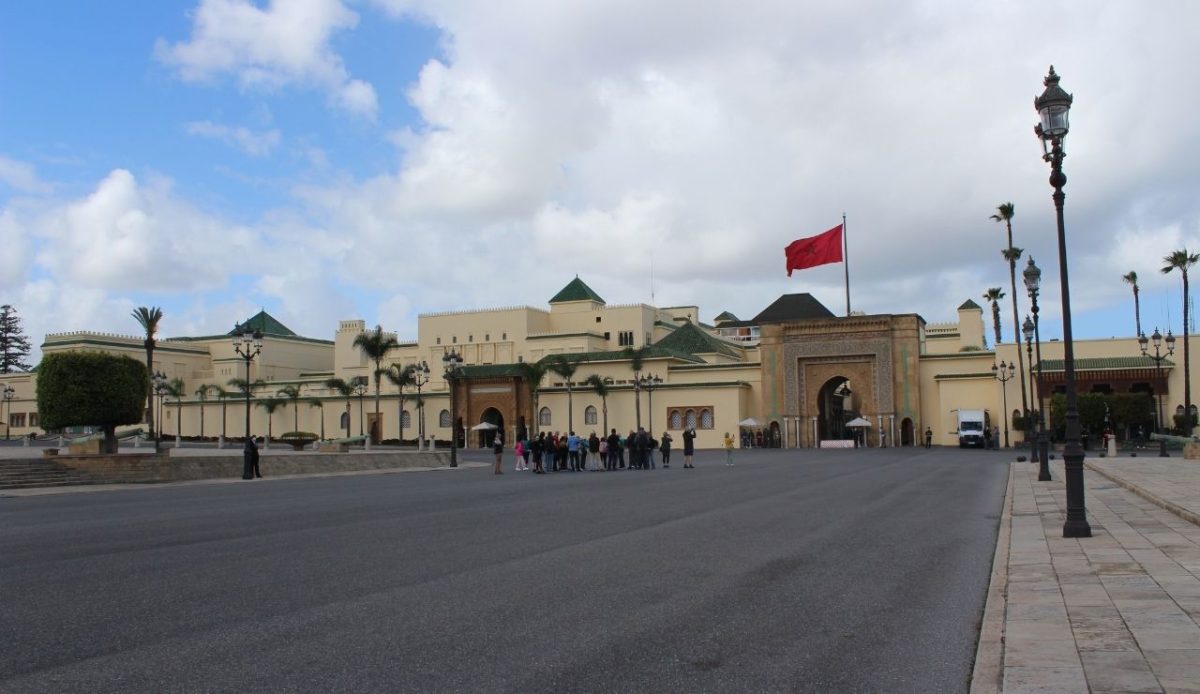
Dar al Makhzen in Rabat functions as the Moroccan monarch’s official palace and a venue for state ceremonies. Royal audiences, diplomatic meetings, and formal appointments are associated with this secure compound.
Public access is generally limited to exterior viewpoints, while interior areas are reserved for royal use and administration. Guarded gates and controlled approaches separate palace life from the surrounding capital.
The palace operates as a living center of authority rather than a ceremonial shell. Its continued residential role, staff hierarchy, and ritual schedule preserve a court system where power is expressed through proximity to the monarch and managed access to the palace.
6. Royal Palace Khemarin Compound, Phnom Penh, Cambodia
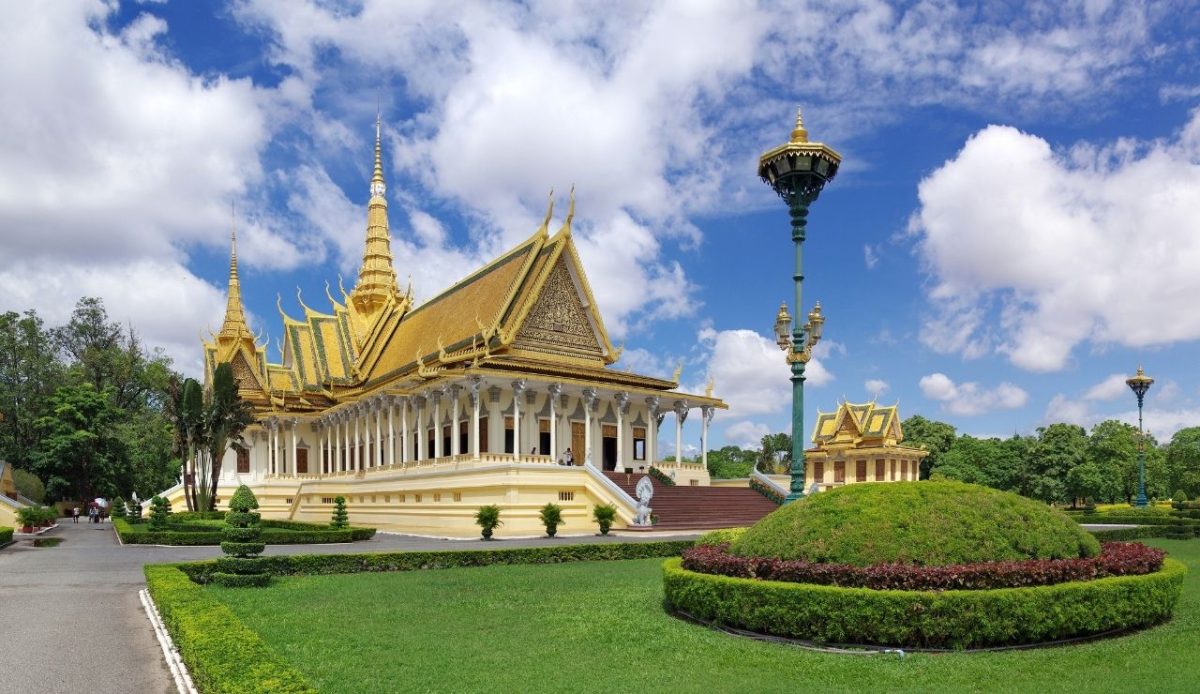
Phnom Penh’s Royal Palace remains Cambodia’s principal royal compound, with the Khemarin area reserved for the monarch’s residence. The complex also supports official ceremonies that present the crown as a continuing institution.
Visitors can enter selected courtyards and halls, but the residential compound stays closed and guarded. That separation keeps daily royal life private while allowing controlled public visibility of state tradition.
Throne halls and religious structures enable court protocol, including receptions and rites tied to Buddhism and national identity. By keeping residence, ceremony, and staff operations on one riverfront site, the palace follows an older pattern where governance is anchored in a dynastic household.
7. The Royal Palace, Oslo, Norway
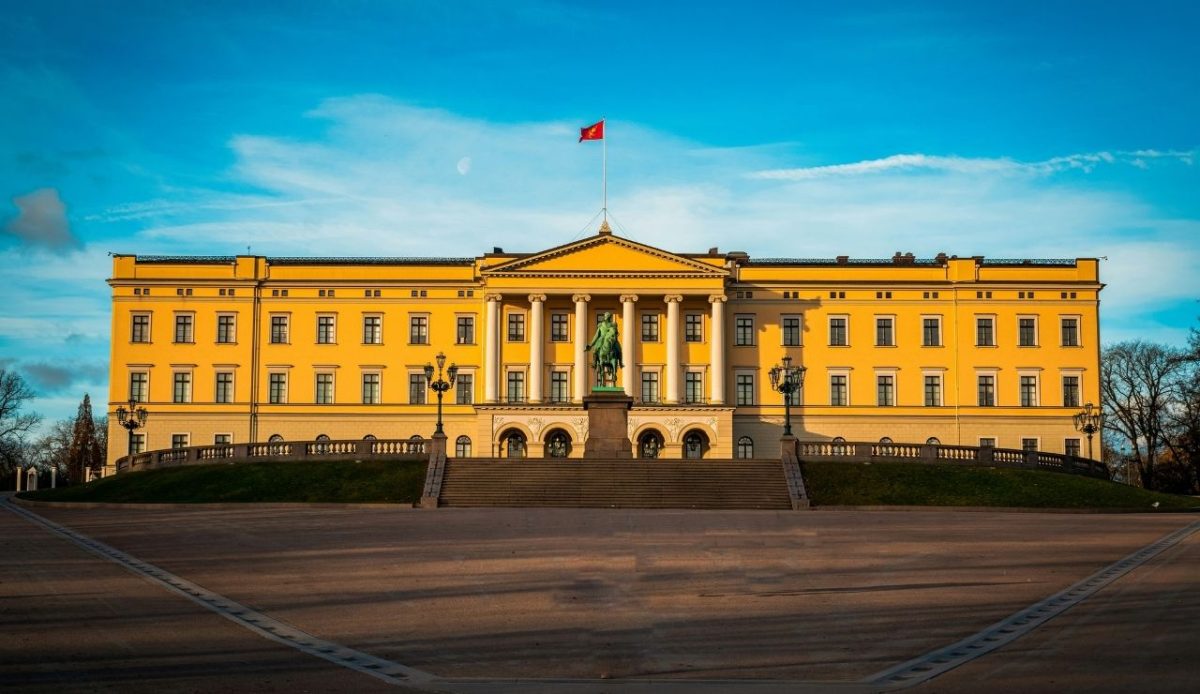
Oslo’s Royal Palace is presented by the Norwegian Royal Court as the monarch’s official residence and a primary setting for formal duties. Audiences, state visits, and ceremonial events are organized through palace staff and court protocol.
While other residences exist for family members, the sovereign’s role is anchored at this palace in the capital. Access to interior rooms is controlled, and public visibility is structured through planned tours and official appearances.
Guard units, reception rooms, and the palace chapel support continuity in state ritual. Keeping residence, coordination, and ceremony in one secured site preserves a court style closer to older European monarchies than to a standard government office.
8. Drottningholm Palace, Lovön, Sweden
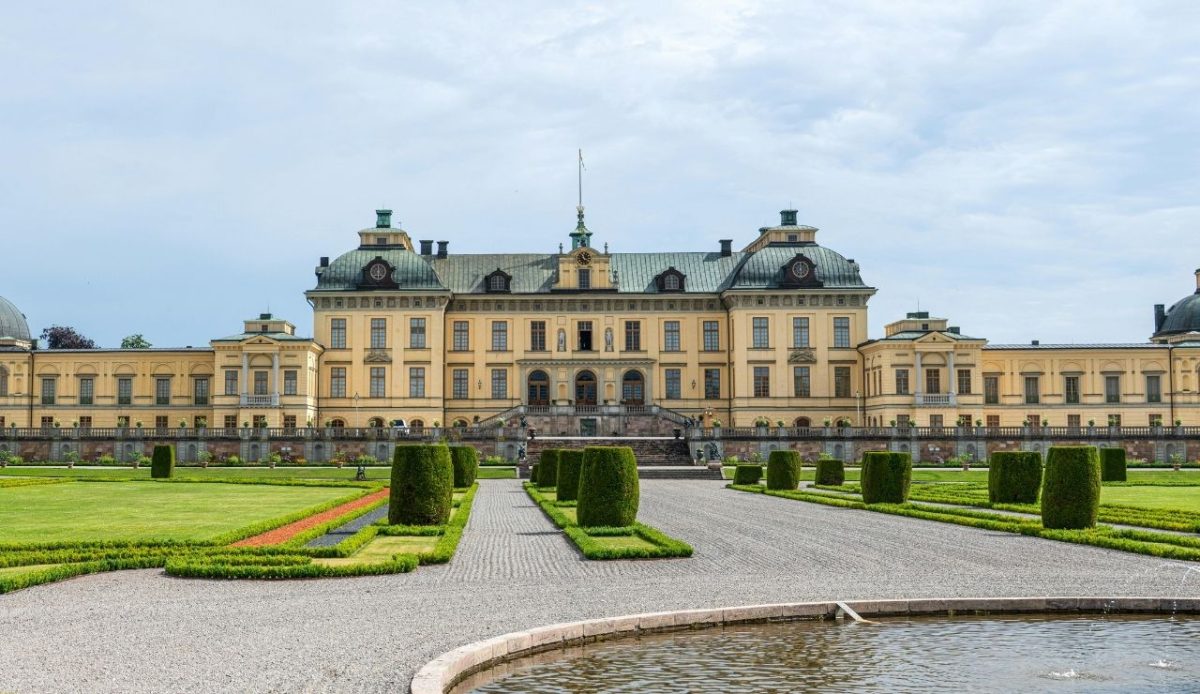
Drottningholm Palace on Lovön island is the Swedish monarch’s permanent home, with private apartments reserved for the royal family. It also serves as an official royal site, so residence and representation remain linked.
A security presence is maintained because the palace is both a home and a protected institution. Public access is allowed to designated areas, while the residential wing remains restricted under established court rules.
State duties are often carried out in central Stockholm, yet the household’s daily base remains at Drottningholm. Formal halls, a historic theater, and managed entrances keep a living court environment where protocol still shapes how the monarchy is seen and how it operates.
