
Western Sicily delivers a rich blend of historic wine traditions, coastal scenery, and deeply rooted food culture, making it one of Italy’s most exciting wine regions. Visitors encounter fortified icons, volcanic vineyards, medieval hill towns, and boutique natural-wine estates, all shaped by centuries of cultural influence. This combination of heritage and diversity turns the region into a rewarding destination for travelers seeking authentic wine experiences.
1. Marsala Wine: A Global Icon with 250 Years of Heritage
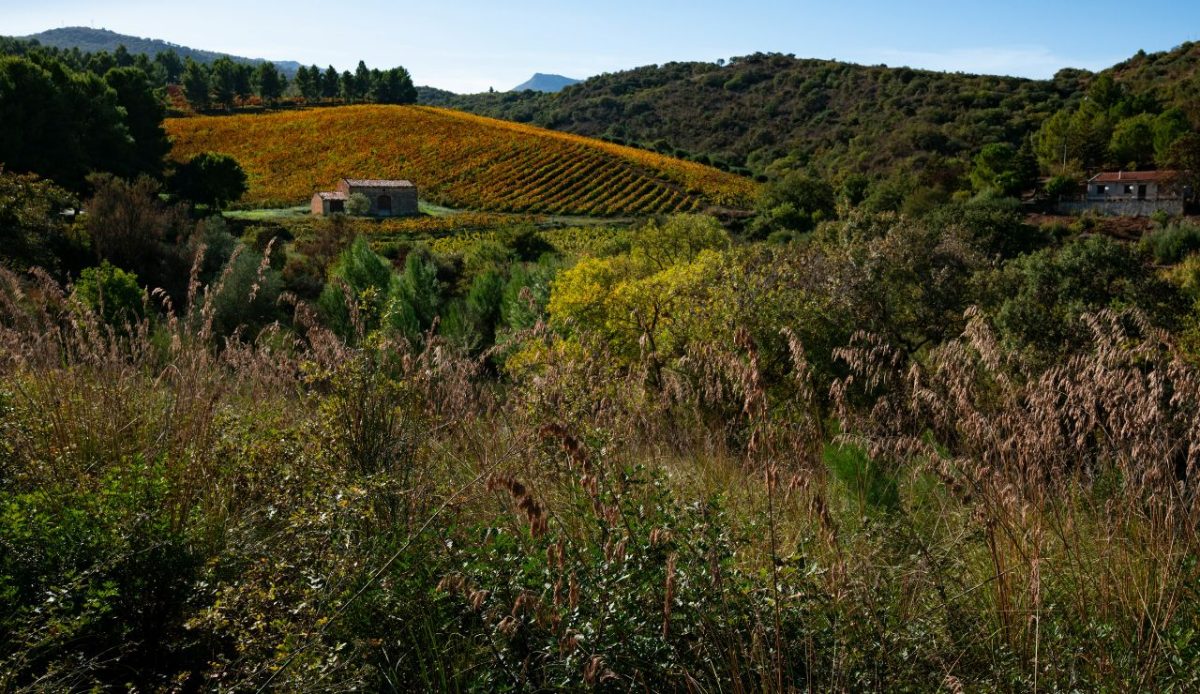
Marsala represents one of Italy’s most historic fortified wines, first elevated to global fame in 1773 when English merchant John Woodhouse recognized its commercial potential and stabilized the local wine using the in perpetuum method to survive long sea voyages. Its popularity spread rapidly, with Admiral Nelson ordering hundreds of barrels annually for the British Navy, and producers like Florio cementing its prestige through vast aging cellars and multiple styles ranging from gold and amber to ruby. Tasting Marsala in traditional wineries such as Florio, Donnafugata, Marco De Bartoli, and Pellegrino offers an immersive look at this centuries-old craft.
2. Nero d’Avola: Sicily’s Premier Red Grape
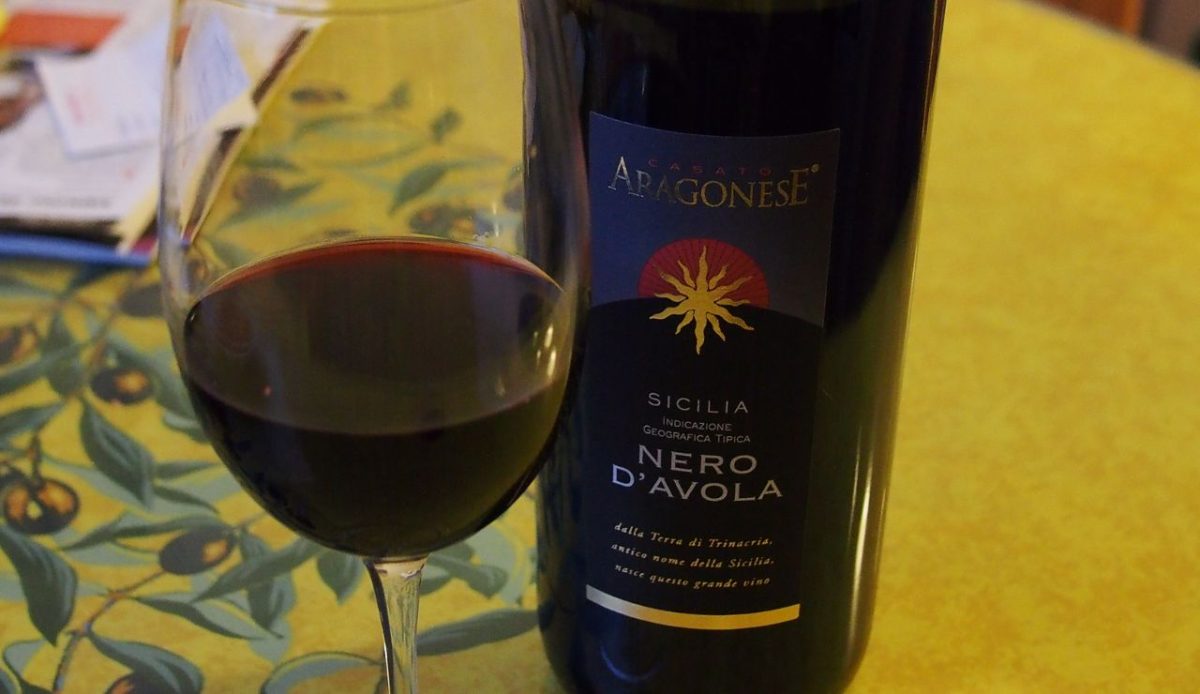
Nero d’Avola, often celebrated as the “Black Pearl of Sicily,” showcases deep color and flavors of dark fruits, herbs, and spice, thriving in Western Sicily’s warm climate and varied soils. Its natural acidity and balanced tannins allow it to range from fresh and fruit-forward to rich and complex as it ages, revealing notes of cocoa and mineral character. With production spread across Alcamo DOC, Monreale, Contessa Entellina, Sciacca, and other appellations, travelers can explore how geography and elevation influence this expressive regional favorite.
3. Diverse Wine Appellations and Microclimates
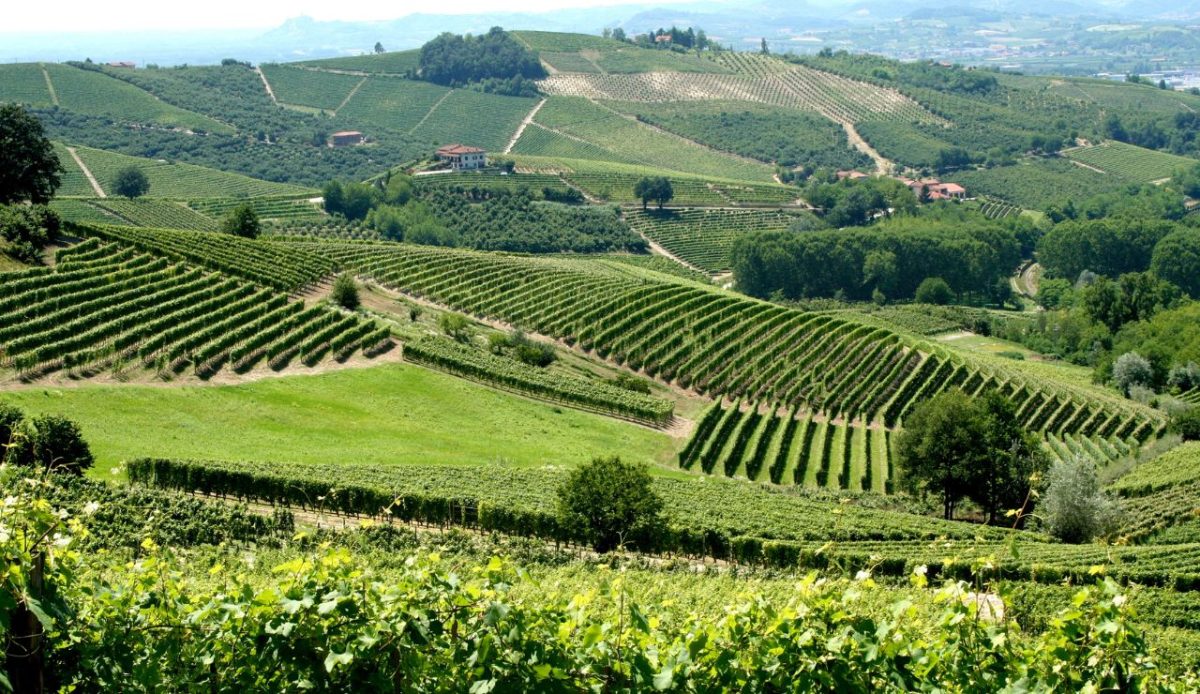
Its varied microclimates and long-established appellations shape Western Sicily’s wine identity, each offering its own character. Alcamo DOC focuses on crisp whites from Catarratto, Grillo, and Inzolia while also experimenting with modern reds, and neighboring Monreale stands out for its structured Perricone and coastal Syrah. Contessa Entellina adds boutique appeal with refined expressions of Nero d’Avola and Ansonica, and Sciacca’s coastal vineyards produce balanced reds and bright whites influenced by warm breezes and sun-rich growing conditions. Together, these regions provide a diverse tasting landscape.
4. Ancient Tradition Meets Modern Innovation
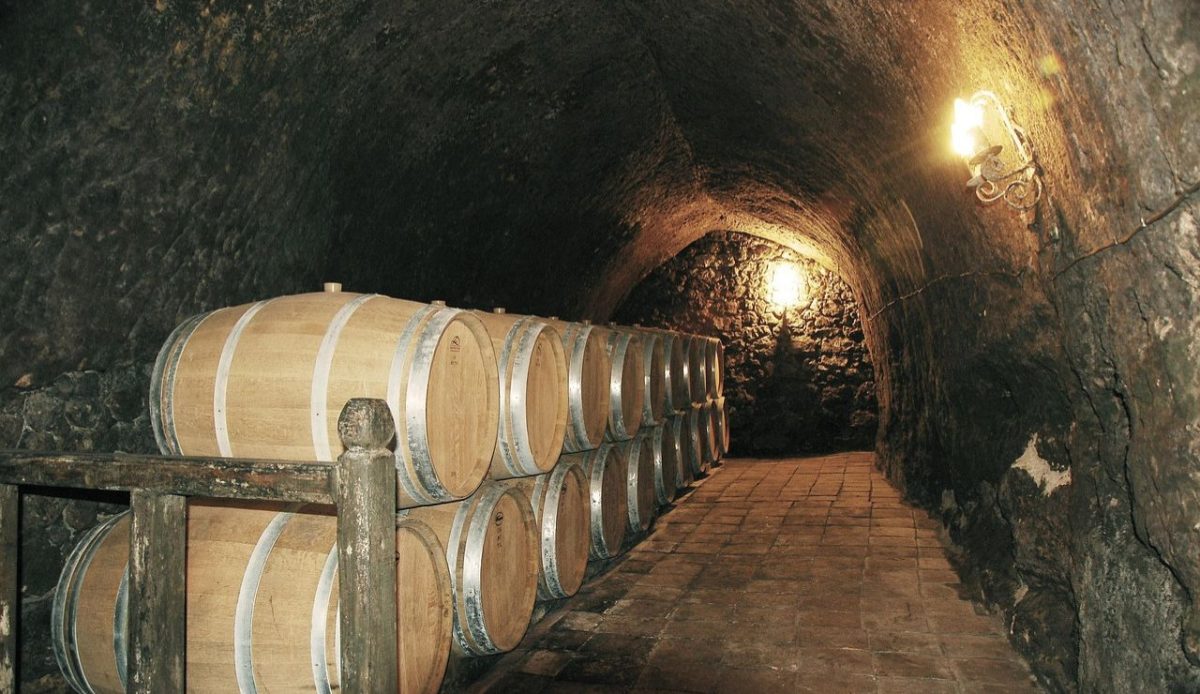
Western Sicily’s wine culture seamlessly blends centuries-old practices with contemporary approaches, where traditional grapes like Nero d’Avola, Perricone, Grillo, and Inzolia coexist with a new wave of natural wine producers. Modern estates emphasize organic farming, minimal intervention, and sustainable methods, cultivating vineyards that range from coastal plains to elevations above 600 meters on Mount Bonifato. This combination of heritage and innovation offers visitors a full spectrum of styles, from rustic, family-run wineries to progressive estates shaping Sicily’s future.
5. Pantelleria’s Unique UNESCO Zibibbo Legacy
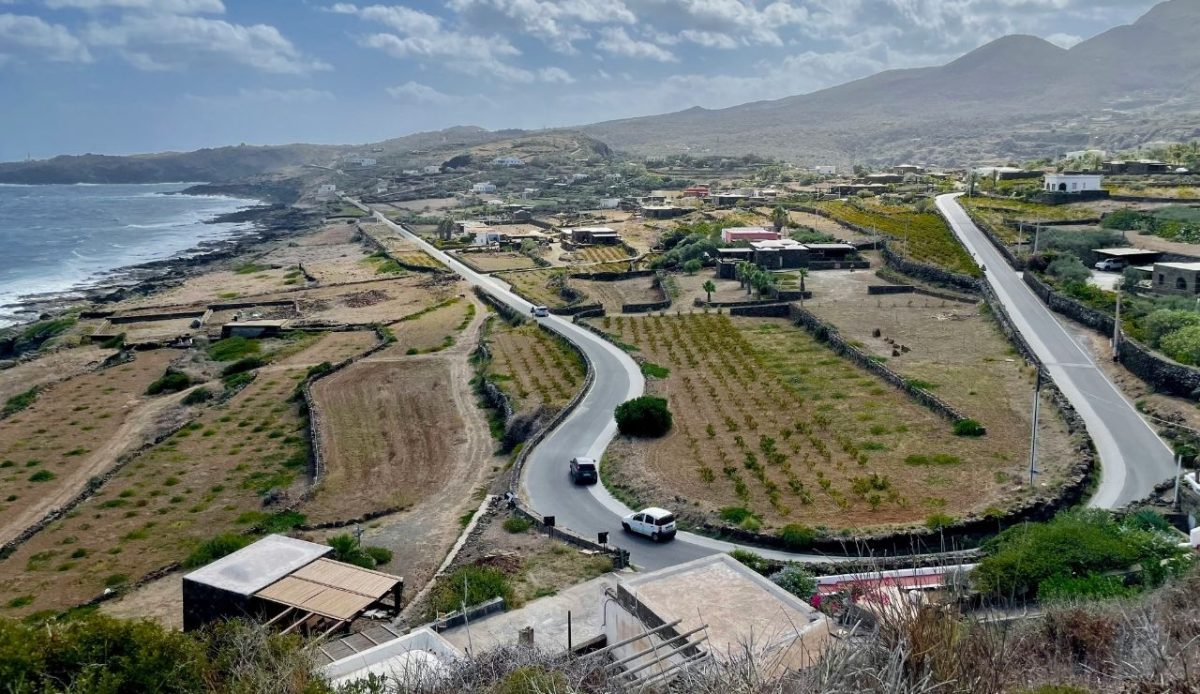
Pantelleria, the volcanic island between Sicily and Tunisia, is renowned for its Zibibbo grapes and the ancient alberello pantesco vine-training system recognized by UNESCO as Intangible Cultural Heritage. These low, wind-protected vines demand exceptional manual labor yet produce intensely aromatic fruit that becomes the island’s famous Passito di Pantelleria, known for flavors of apricot, honey, and dried fruit. Wineries such as Donnafugata, Abraxas, and Basile allow travelers to experience this rare heritage against a backdrop of lava formations and wide Mediterranean views.
6. Culinary Integration and Wine Pairing Traditions
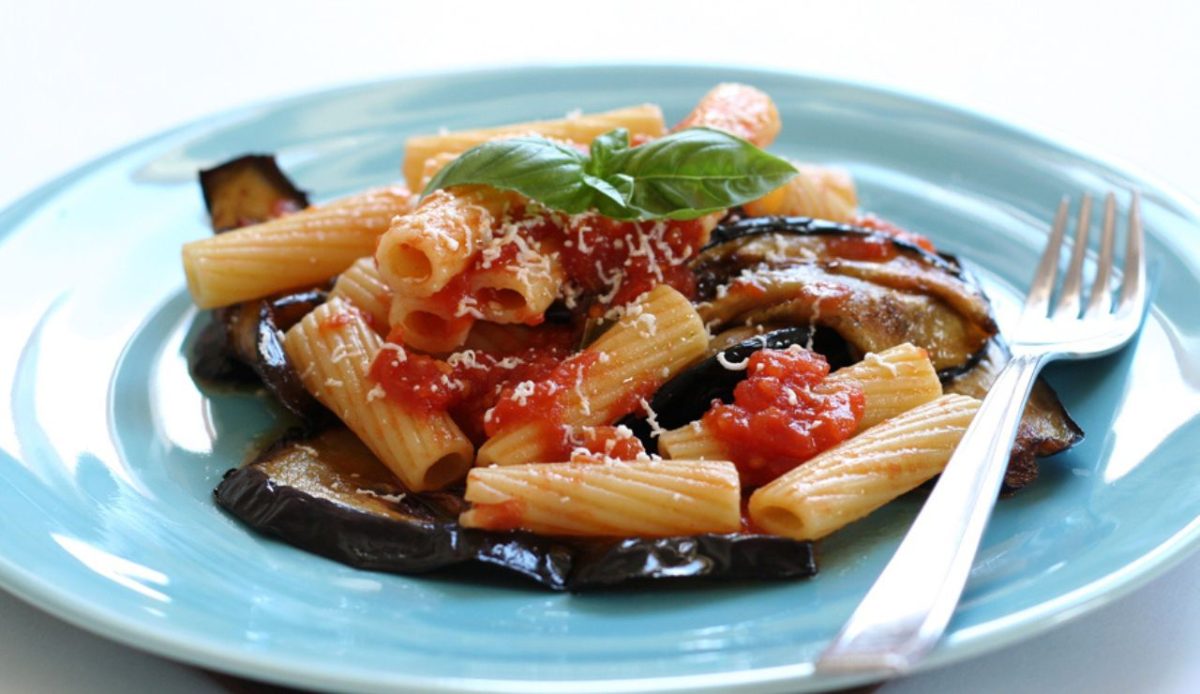
Western Sicily’s culinary depth draws from millennia of Greek, Roman, Arab, Norman, and Spanish influence, shaping a regional cuisine grounded in fresh seafood, almonds, pistachios, citrus, and traditional dishes like pasta al forno and agrodolce preparations. Wines such as Nero d’Avola complement hearty pasta and grilled fish, while bright whites like Grillo and Inzolia pair naturally with coastal dishes. Travelers can enjoy these pairings in Palermo’s historic enotecas or village trattorie across wine towns, where food and wine traditions remain central to daily life.
7. Medieval Towns and Coastal Beauty

The region’s wine routes connect effortlessly with historic towns and scenic coastlines, including the hilltop village of Erice with its cobblestone lanes, Norman castle, and panoramic sea views. Nearby lie Trapani’s ancient salt pans, Phoenician ruins on Mozia, and charming coastal villages that enrich the wine-touring experience. Travelers can combine winery visits in Marsala with pastry tastings in Erice, sunset views along the Tyrrhenian Sea, and scenic drives such as the Strada del Vino Marsala that link vineyards with cultural landmarks.
8. Boutique Winery Experiences and Wine Tourism Infrastructure

Western Sicily has developed into a strong wine-tourism hub, offering intimate tastings at boutique estates, historic cellars, and off-grid natural-wine farms. Producers like Elios Wines and numerous family-run operations near Alcamo and Santa Ninfa showcase organic techniques, renewable energy use, and unique terroirs. Visitors can choose from luxury multi-day wine tours led by experts or simple day trips from Palermo that combine Marsala wineries, olive oil tastings, farmhouse lunches, and visits to medieval towns, creating well-rounded and accessible wine experiences.
