
The Canary Islands, a Spanish archipelago off Africa’s northwest coast, have long drawn travelers who crave both adventure and comfort. With reliable sunshine, welcoming locals, and landscapes ranging from beaches to volcanoes, they suit nearly every travel style. Affordable flights from Europe and easy island connections make them accessible, while their mix of culture, cuisine, and natural diversity keeps visitors returning year after year. From calm coves and mountain trails to lively festivals and stargazing sites, the Canaries promise something memorable for every kind of traveler.
1. Mild Climate All Year
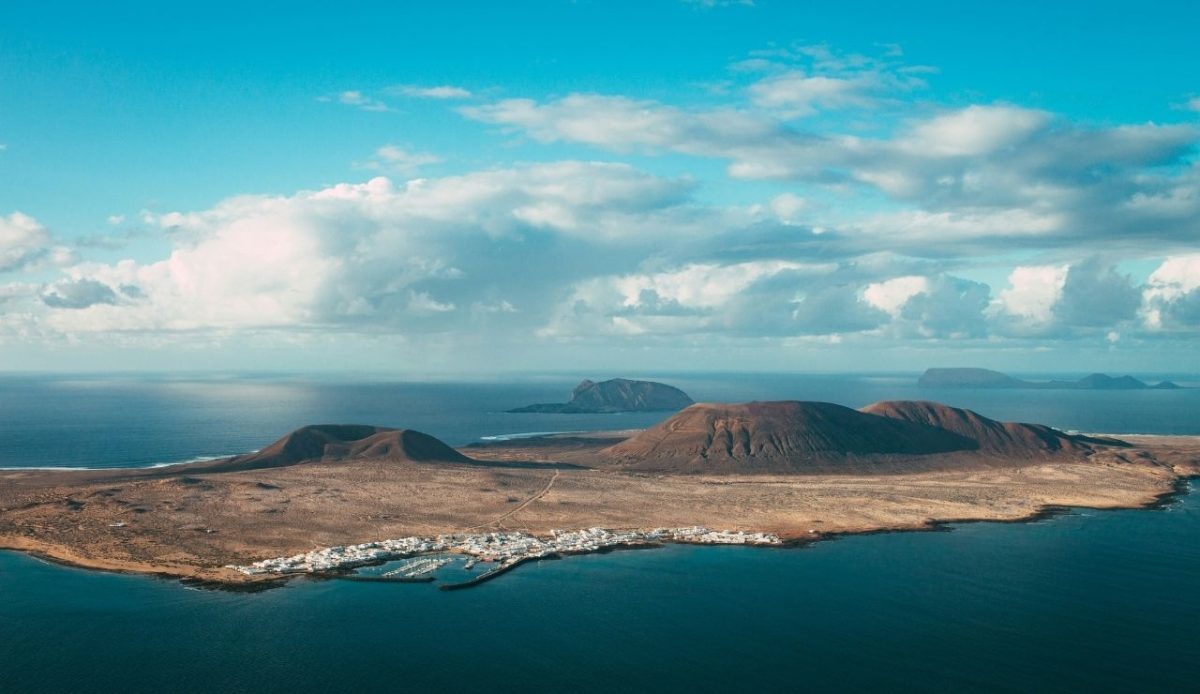
Known as the “Islands of Eternal Spring,” the Canaries enjoy steady temperatures that hover between 64°F and 77°F year-round. That consistency means travelers can plan trips in any season without worrying about rain or snow. Warm ocean breezes moderate the climate, while each island’s micro-weather adds variety, perfect for hiking in cool highlands one day and relaxing at the coast the next. Few destinations offer this level of predictability, which helps visitors focus entirely on enjoying their time outdoors instead of planning around the weather.
2. Dramatic Volcanoes and Unique Landscapes
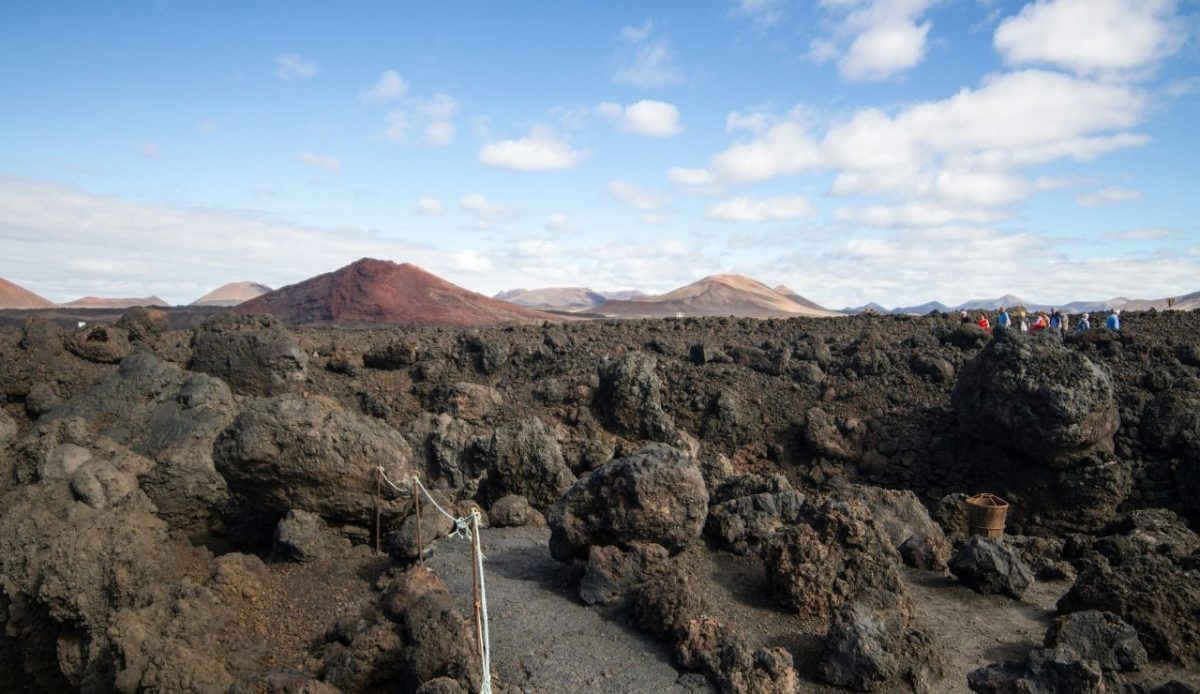
The islands’ volcanic origin created some of the most striking scenery in Europe. Tenerife’s Mount Teide, Spain’s tallest peak, rises above clouds and offers views that stretch across the Atlantic. Lanzarote’s Timanfaya National Park, meanwhile, looks almost lunar with its lava fields and geothermal vents. Trails and guided tours let visitors witness craters and rock formations that tell the story of ancient eruptions. These landscapes are not only beautiful for photography but also offer hiking, scientific curiosity, and a reminder of how Earth constantly transforms itself.
3. Beaches for All Kinds of Fun
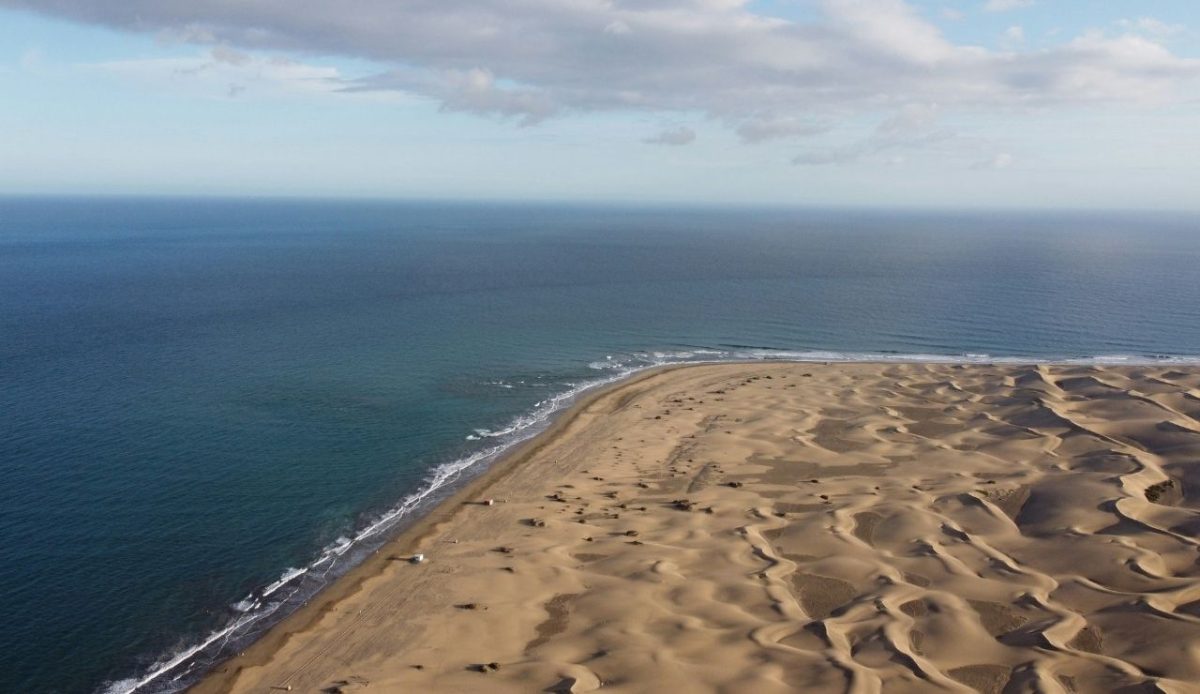
From long sandy stretches to hidden coves, the Canary Islands offer beaches for every mood. Maspalomas in Gran Canaria features towering dunes reminiscent of the Sahara, while Playa de Papagayo in Lanzarote remains calm and secluded. Black-sand beaches formed by volcanic rock give Tenerife and La Palma a distinctive look. Beyond swimming and sunbathing, visitors can try snorkeling, paddleboarding, or just watching sunsets that light the Atlantic horizon. Every shoreline feels different, making beach days endlessly flexible and never repetitive.
4. National Parks With Wild Natural Beauty
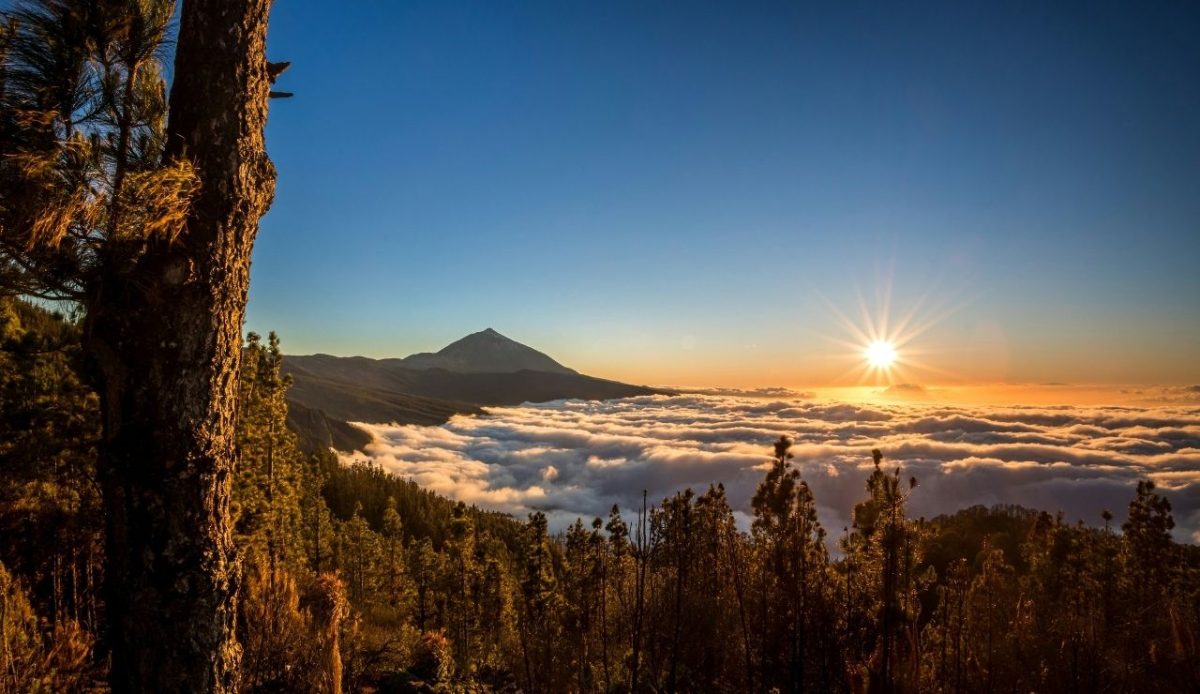
The Canary Islands host three national parks, each showcasing a different ecosystem. Timanfaya in Lanzarote reveals a fiery volcanic terrain, Garajonay on La Gomera preserves ancient laurel forests, and Teide National Park in Tenerife offers panoramic views above the clouds. Each park has trails for all skill levels, clear signage, and accessible viewpoints, making exploration easy for families and solo travelers alike. Beyond hiking, these parks teach visitors about geology, biodiversity, and conservation, turning a simple outing into an educational adventure surrounded by remarkable scenery.
5. Local Food and Volcanic Wine Culture
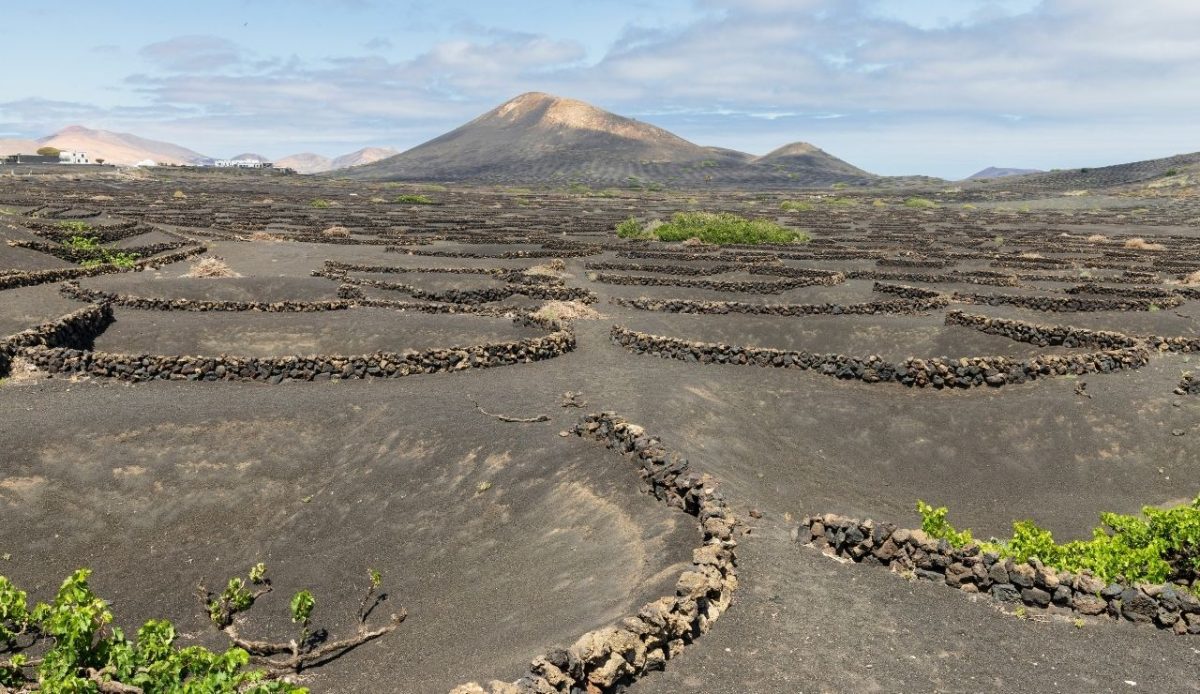
Canarian cuisine blends Spanish, African, and Latin American flavors into something distinct. Small taverns serve papas arrugadas, salted “wrinkled” potatoes with spicy mojo sauce, while coastal restaurants prepare fresh seafood like parrotfish and octopus. Lanzarote’s La Geria vineyards use volcanic soil to grow vines protected by stone semicircles, producing wines such as Malvasía Volcánica with smoky mineral notes. Food lovers can visit wine cellars, local markets, and seaside eateries for affordable dining experiences that reveal how deeply food culture is tied to the islands’ volcanic roots.
6. Colorful Festivals and UNESCO Heritage Towns
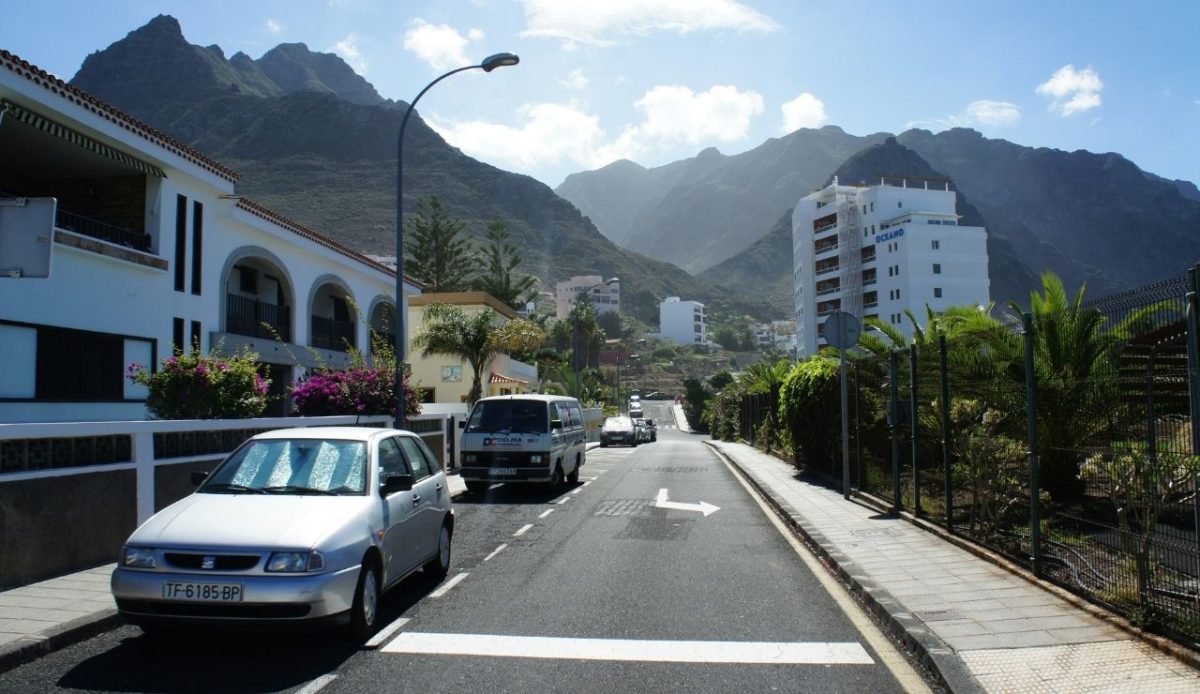
Culture thrives year-round across the islands, most famously during Santa Cruz de Tenerife’s Carnival, one of the world’s largest celebrations outside Rio. Visitors can enjoy parades, elaborate costumes, and music that fills the streets for days. History lovers should head to San Cristóbal de La Laguna, a UNESCO World Heritage Site whose colonial architecture inspired many Latin American cities. Festivals celebrating local saints and harvests happen throughout the year, giving travelers authentic insight into the islands’ traditions and the warm community spirit that defines Canarian life.
7. A Paradise for Stargazing
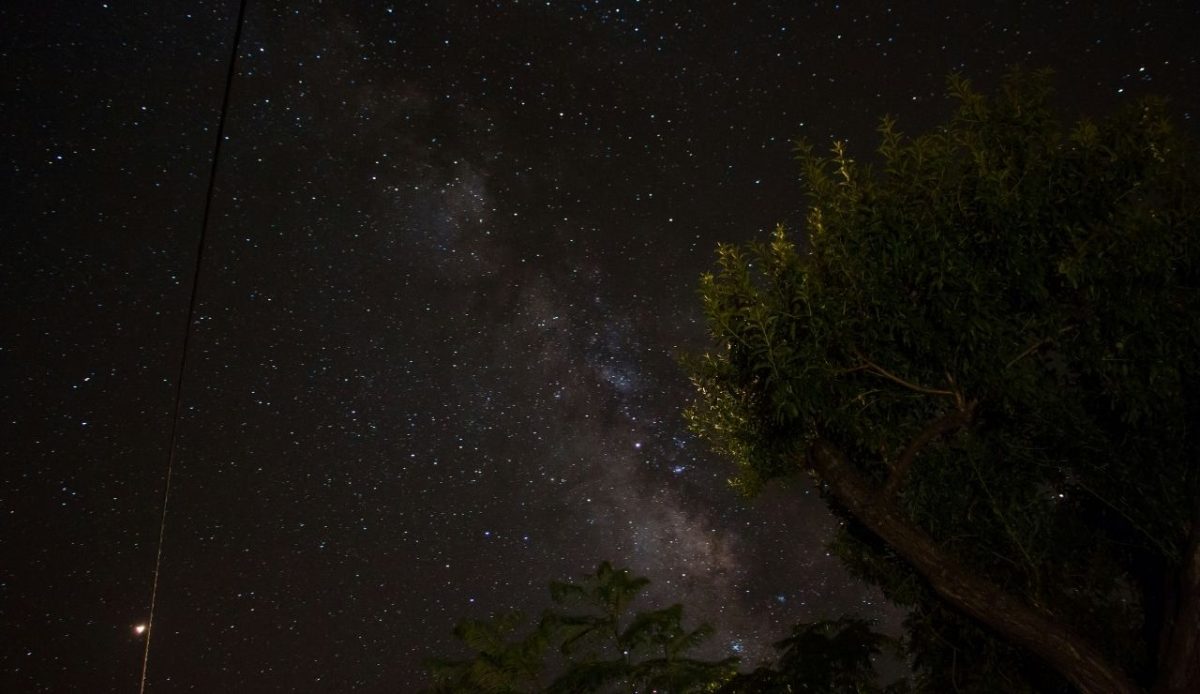
With minimal light pollution and clear skies, the Canary Islands rank among the world’s best stargazing locations. La Palma and Tenerife host internationally recognized observatories and offer guided night tours for travelers. The islands have even enacted a “Sky Law” to protect their dark skies from artificial light, ensuring perfect visibility of constellations and the Milky Way. Amateur astronomers can visit observation decks like Roque de los Muchachos or join group events where telescopes reveal Saturn’s rings and distant galaxies with astonishing clarity.
8. Welcoming Culture and Easy Comforts

Canarians are known for their hospitality and relaxed outlook, giving newcomers an instant sense of belonging. English and other European languages are widely understood, making communication easy even for first-time visitors. Locals often greet strangers with a smile, and small businesses take pride in personal service. Combined with a safe atmosphere and well-developed tourism facilities, these traits ensure that every traveler feels comfortable exploring independently. The islands’ blend of friendliness, organization, and natural beauty leaves a lasting impression that keeps visitors coming back year after year.
