
Amsterdam is one of Europe’s most picturesque and bike-friendly cities, yet travelers often make mistakes that can disrupt an otherwise smooth visit. From underestimating the importance of local customs to mismanaging time at attractions, small errors can impact your experience. Understanding transportation options, weather patterns, and cultural norms ensures you enjoy the canals, historic streets, and museums without stress. These eight common mistakes highlight what to avoid, helping visitors make the most of Amsterdam’s charm, history, and vibrant neighborhoods during every stage of their trip.
1. Ignoring Bicycle Rules
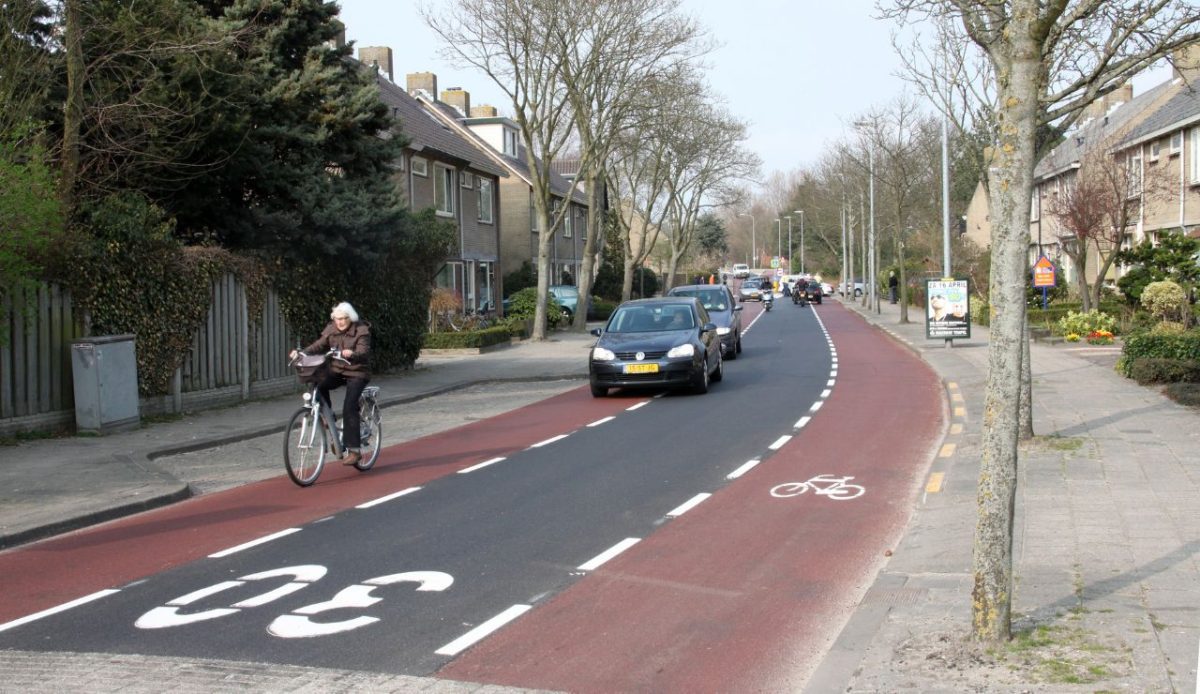
Bicycles dominate Amsterdam’s streets, and failing to respect local cycling rules is a common error. Tourists often ride in pedestrian zones, ignore bike lanes, or misjudge traffic signals, which can lead to accidents, fines, or frustrating encounters with locals. Renting a bike without learning local conventions can be stressful and confusing. Visitors should always yield to cyclists, stay in designated lanes, and park responsibly. Observing how locals ride in busy areas like Leidseplein and the canal belt helps newcomers adapt. Respecting bicycle rules ensures safe exploration and allows travelers to enjoy the city like a local.
2. Overlooking Public Transportation Options
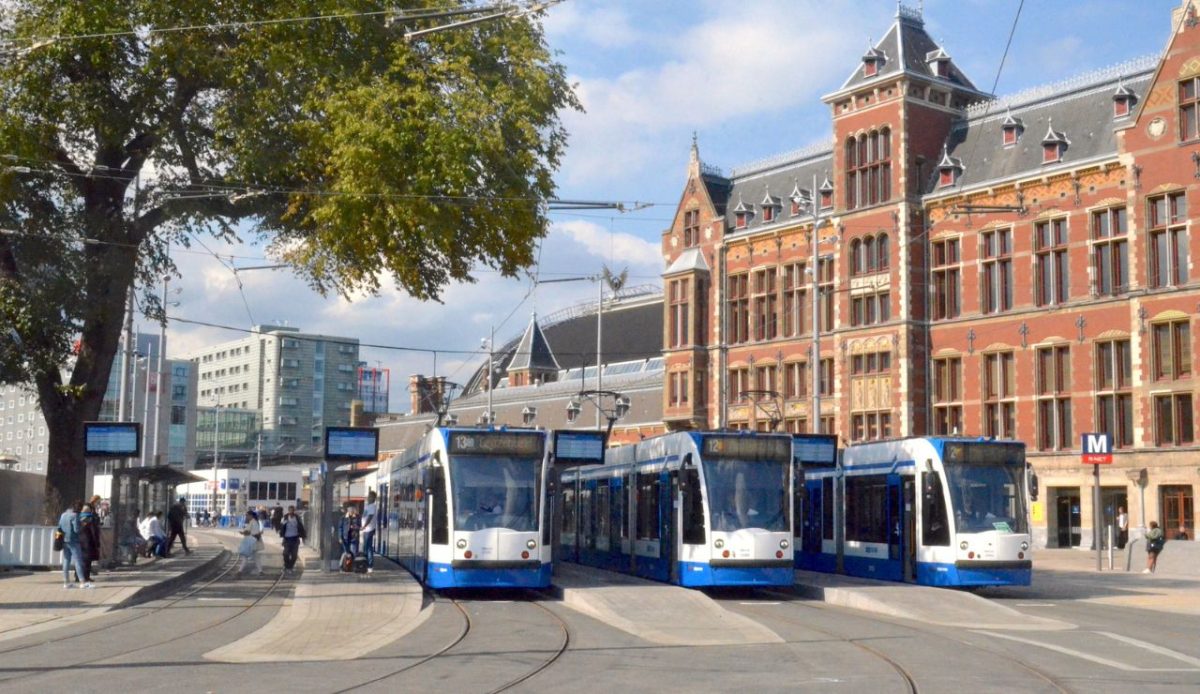
Although Amsterdam is compact, relying solely on walking or cycling can limit sightseeing. The city offers trams, buses, and ferries connecting neighborhoods quickly and efficiently. Many tourists overlook these options, missing attractions outside the central canal ring. An OV-chipkaart provides easy access to all transit modes. Using public transport saves time when visiting destinations like NDSM Wharf, Museumplein, or Amsterdam Noord. Combining walking, cycling, and transit allows travelers to explore widely without fatigue, maximizing experiences while maintaining convenience and comfort.
3. Visiting Only the Main Tourist Spots
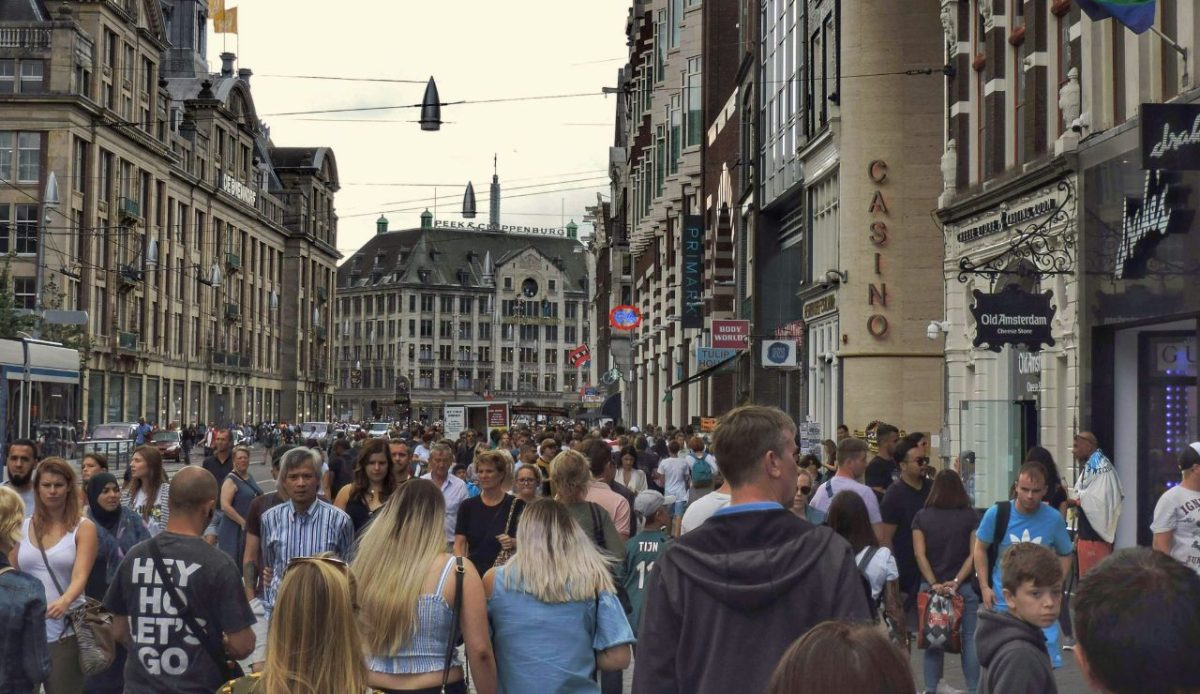
Many travelers stick to crowded landmarks like Dam Square, the Anne Frank House, or the Red Light District, missing hidden gems. Amsterdam’s charm extends to quiet canals, boutique shops, local cafés, and art galleries. Neighborhoods like De Pijp, Jordaan, and the Eastern Docklands offer a mix of culture, culinary delights, and historic architecture. Avoiding less-visited areas restricts understanding of local life and the city’s character. Balancing famous attractions with off-the-beaten-path experiences ensures a richer, more immersive trip, blending iconic sites with authentic, lesser-known corners.
4. Underestimating the Weather
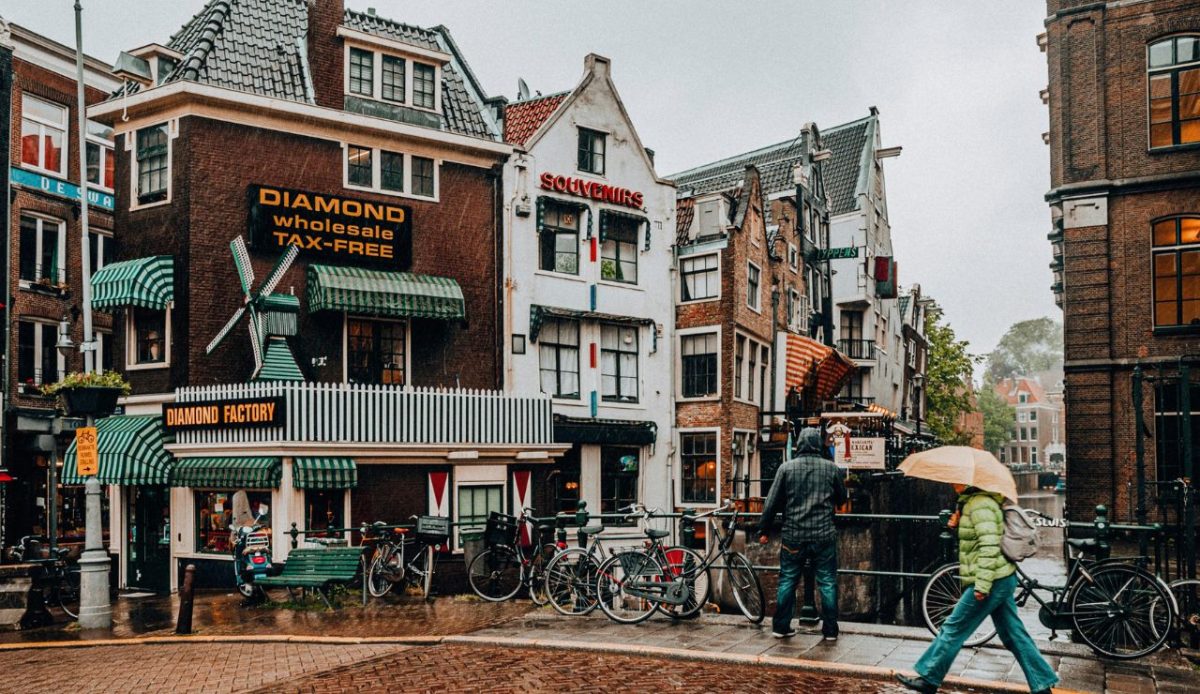
Amsterdam’s weather is unpredictable, with sudden rain, wind, or chilly temperatures even in summer. Tourists often pack too lightly or forget waterproof gear, which can make walking along canals or visiting markets uncomfortable. Layered clothing, comfortable walking shoes, and a compact umbrella are essential. Checking daily forecasts allows adjustments to sightseeing plans, ensuring outdoor activities like Vondelpark walks, canal tours, or terrace visits remain enjoyable. Proper weather preparation ensures smooth travel, comfort, and uninterrupted exploration of the city’s scenic streets and neighborhoods.
5. Mismanaging Museum Visits
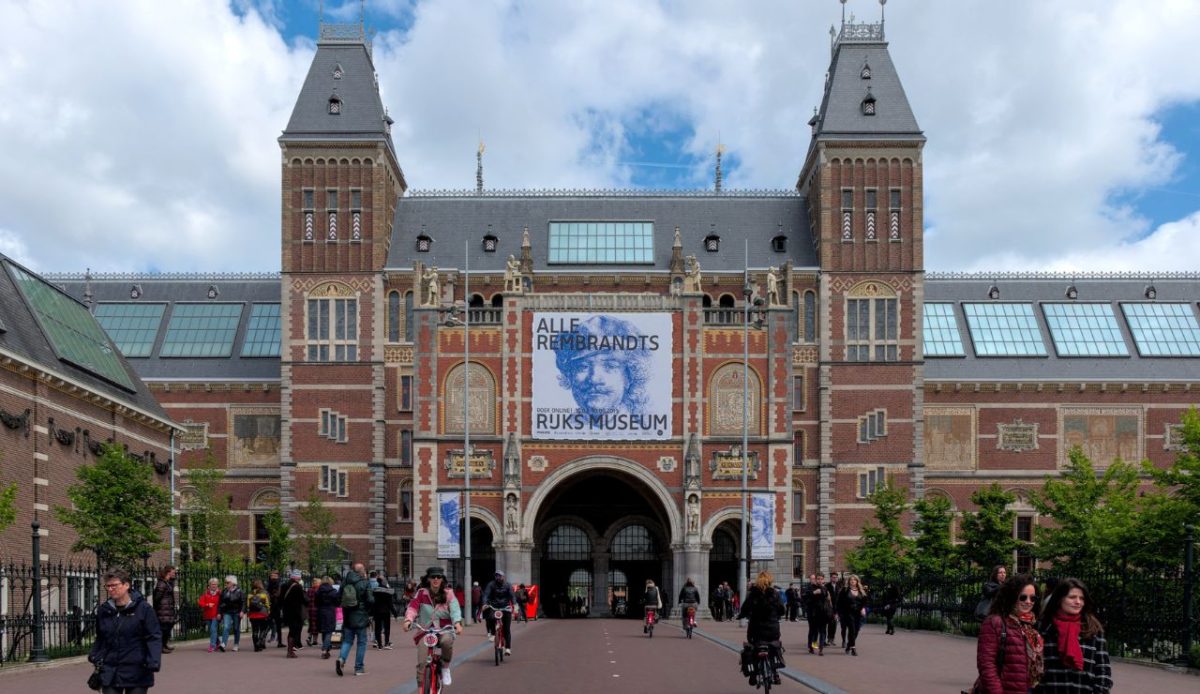
Amsterdam’s museums, including the Van Gogh Museum, Rijksmuseum, and Stedelijk, are world-class, but visitors often attempt too many in one day. Timed entry tickets and long lines require planning. Booking online in advance prevents disappointment, while focusing on fewer attractions allows deeper engagement. Guided tours or audio guides provide context for artworks and exhibits, enhancing appreciation. Alternating museum visits with canal walks, café breaks, or neighborhood exploration ensures a balanced day, prevents fatigue, and allows travelers to absorb both cultural highlights and Amsterdam’s lively street life.
6. Ignoring Local Etiquette
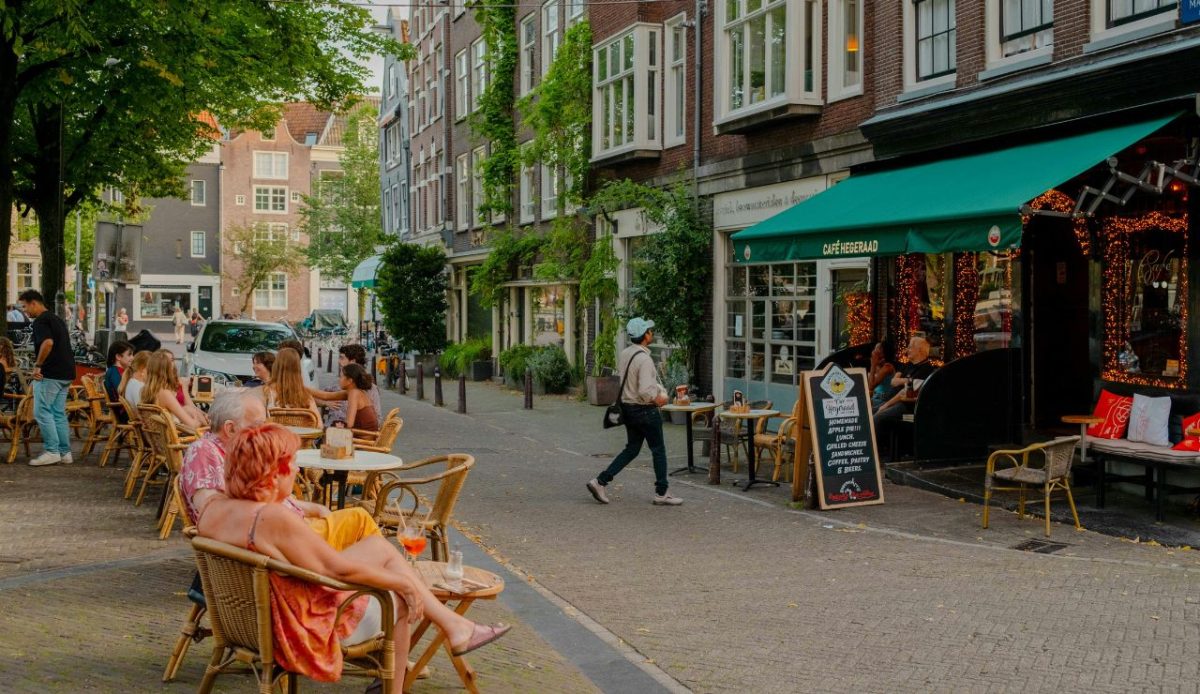
Visitors sometimes overlook Dutch social norms, including line etiquette, polite greetings, and quiet behavior in public spaces. Tipping is appreciated but not required, and speaking softly on trams or buses is considered respectful. Awareness of cycling rules, personal space, and local customs fosters smoother interactions. Learning basic Dutch phrases, like “dank u” for thank you or “alsjeblieft” for please, enhances communication. Respecting local etiquette ensures positive engagement with residents, minimizes misunderstandings, and contributes to a smooth travel experience in Amsterdam’s culturally rich neighborhoods.
7. Overpaying in Tourist Areas
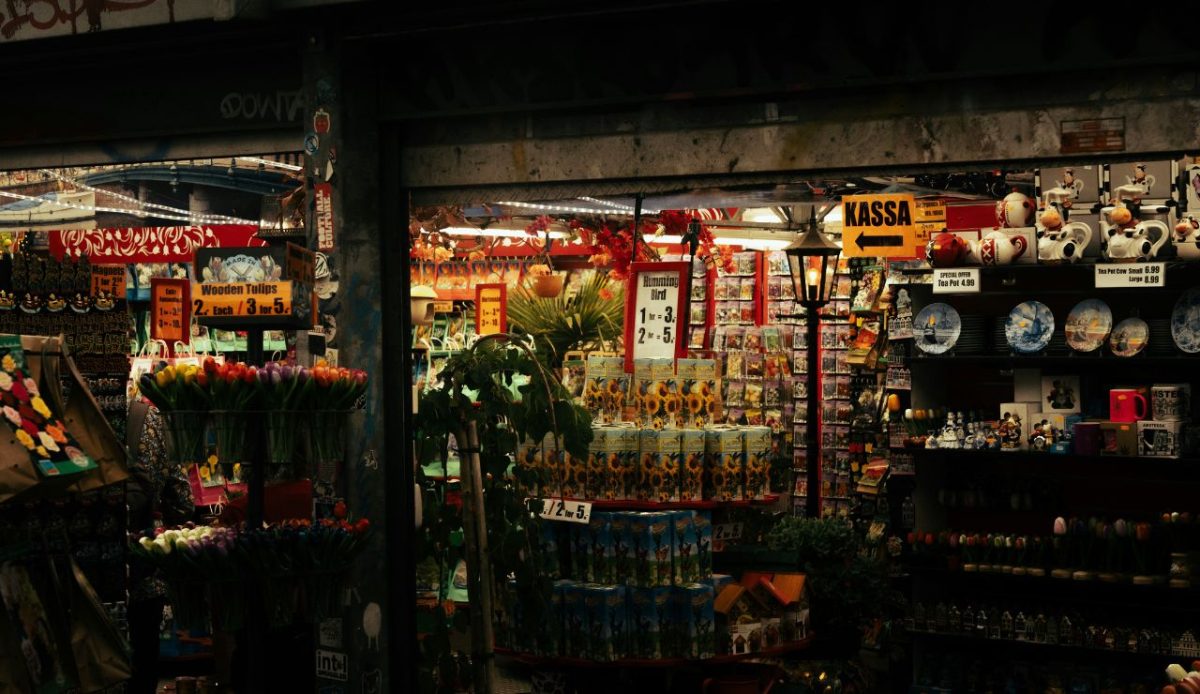
Central Amsterdam is filled with restaurants, cafés, and souvenir shops aimed at tourists, often with inflated prices. Travelers may pay premium rates without realizing affordable alternatives exist nearby. Exploring neighborhoods slightly outside the city center, such as De Pijp, Oud-West, or Amsterdam Noord, provides authentic meals, local goods, and unique experiences at reasonable costs. Visiting markets like Albert Cuyp or local bakeries allows immersion in local culture while keeping the budget in check. Comparing options and reading reviews prevents overspending while enriching the overall experience.
8. Forgetting to Respect the Canals
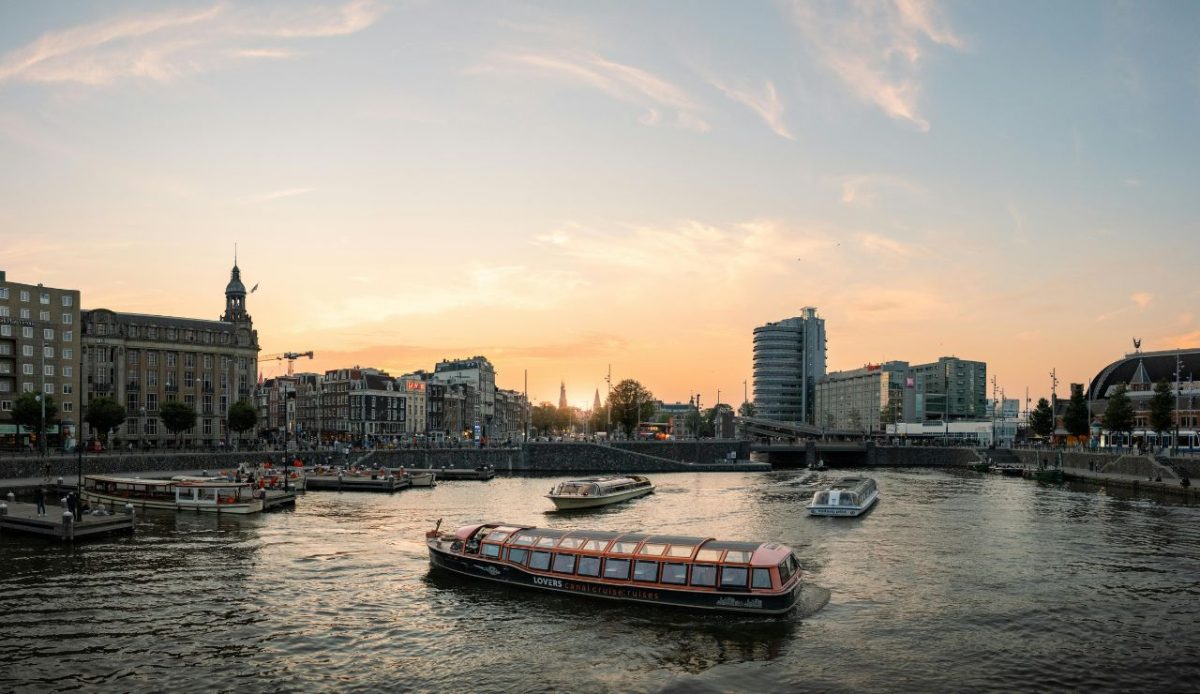
Amsterdam’s canals are iconic, yet tourists sometimes overlook safety and preservation rules. Walking or cycling carelessly near water can lead to accidents, while feeding wildlife or littering disrupts local ecology. Boats, ferries, and canal tours require adherence to navigation regulations to protect waterways. Observing signs, maintaining a safe distance from moorings, and following local etiquette ensure safe enjoyment. Respecting the canals preserves both visitor safety and the city’s charm. Mindful behavior lets travelers fully enjoy Amsterdam’s scenic waterways while protecting its unique heritage.
