
Book lovers often plan trips around real places tied to writing, printing, and reading culture, because physical settings can explain choices an author made on the page. In the U.S., that means archives where rare pages are protected, homes where routines were formed, and museums that document drafts, letters, and first editions. A good stop offers more than a photo; it adds context that can be carried back into the next reread, with details that were witnessed firsthand. Practical access matters too, since tours, timed entry, and seasonal hours can affect what is seen and how long you can stay.
1. Library of Congress, Washington, DC
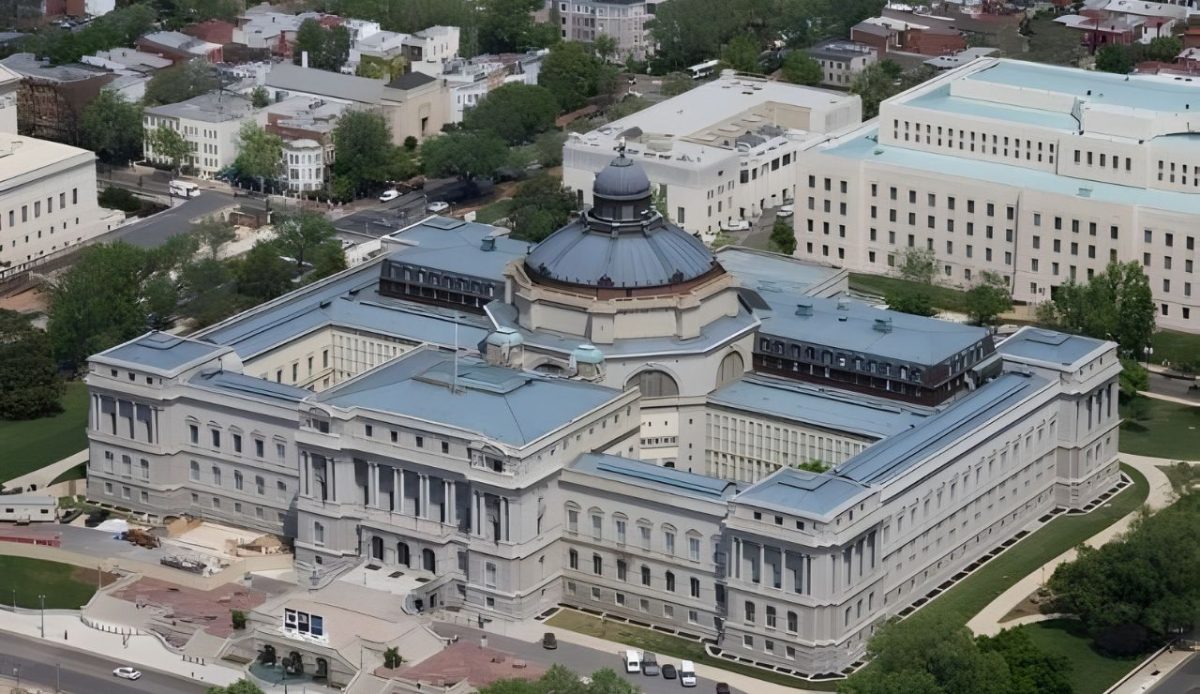
The Library of Congress rewards readers who want to see how national bookkeeping works at scale. Visitors enter the Thomas Jefferson Building for exhibitions on printing, copyright, and collections that support scholarship across the country. The Main Reading Room can be viewed from a public gallery, so the grandeur is felt even without a reader card. Timed entry is used to manage crowds, and quiet behavior is expected. Rotating cases feature manuscripts, maps, and early editions, so a return trip can feel fresh. The visit shows the infrastructure that keeps texts available for future generations.
2. Ernest Hemingway Home, Key West, Florida
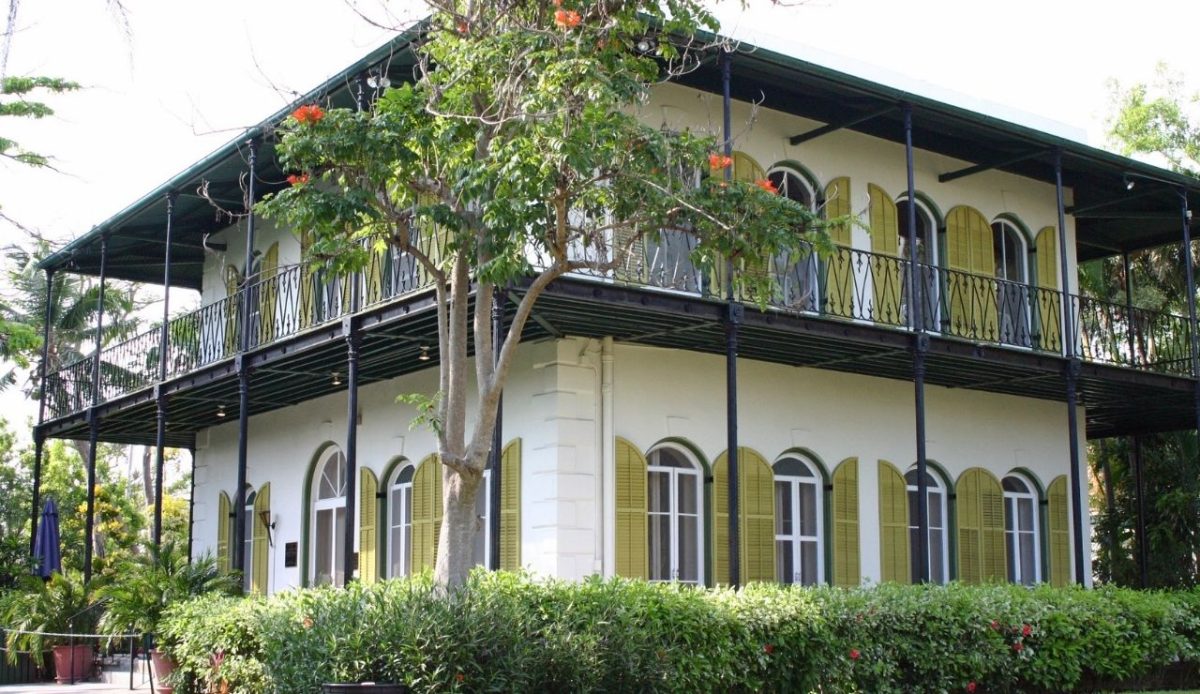
At the Ernest Hemingway Home in Key West, visitors see how a working routine was built around a specific place. The house is toured with guides who point out preserved rooms, personal objects, and the upstairs studio where pages were produced. Key West’s heat, social scene, and distance from the mainland are discussed as factors that affected focus and rest. Many details are explained through letters and timelines, so myth is kept in check. Admission times are structured, which keeps groups moving and protects the interiors. Garden paths and shaded corners make it easier to picture the hours of revision that were required.
3. Emily Dickinson Museum, Amherst, Massachusetts
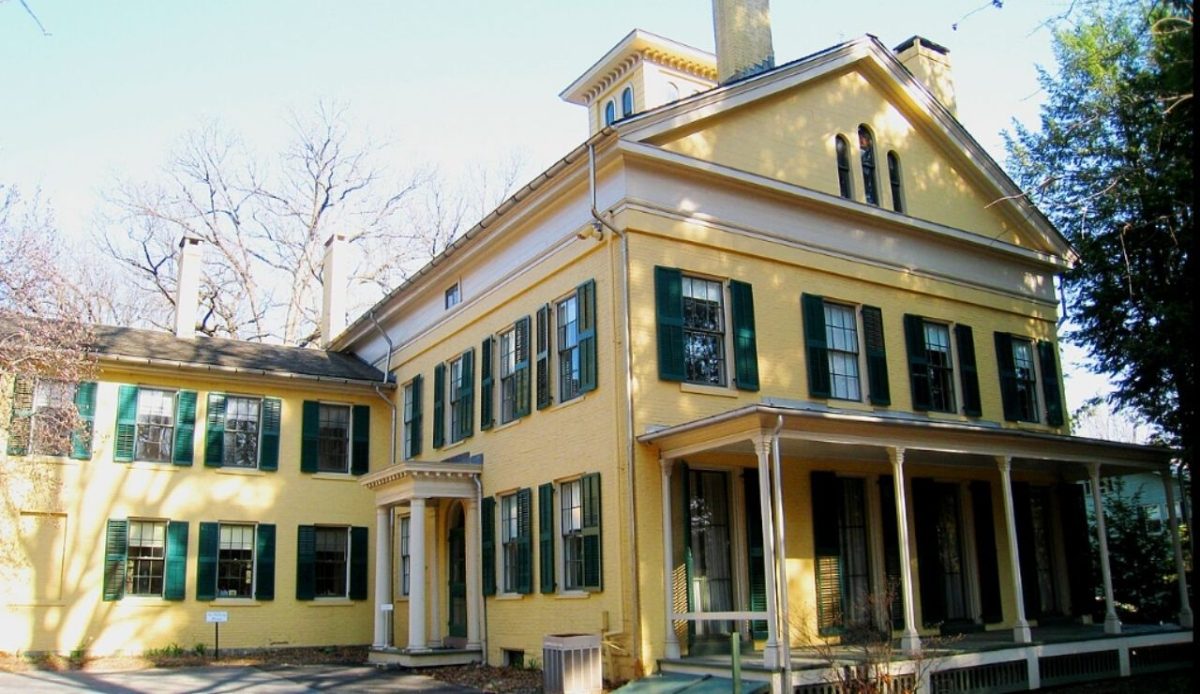
The Emily Dickinson Museum in Amherst offers a close look at a writer whose world was largely domestic yet intensely observed. Tours move through the Homestead and, when open, the neighboring Evergreens, showing rooms linked to family life and private writing. Staff explain how social expectations, church culture, and correspondence shaped what was written and what was withheld. Objects and architecture provide scale, so the small distances between doorways and windows become meaningful. Visitors leave with a clearer sense of how solitude can be productive when attention is carefully directed.
4. Orchard House, Concord, Massachusetts
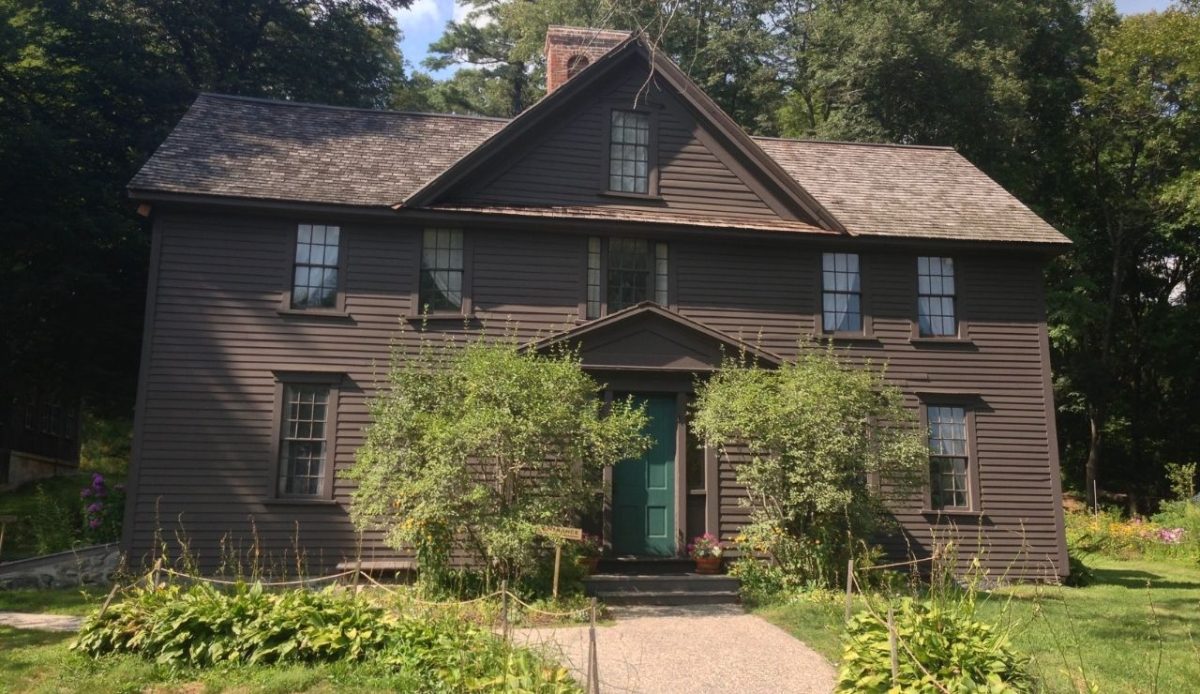
Orchard House in Concord is a pilgrimage for readers of Little Women because the novel was drafted and set within the same rooms. Guided tours connect the Alcotts’ daily constraints to scenes in the book, including shared chores, tight budgets, and the pull of public causes. Period furnishings and family artifacts keep the story grounded in lived experience rather than nostalgia. The wider Concord setting also matters, since nearby homes and lecture halls place the family within a larger reform network. A visit can sharpen how closely fiction tracked real pressures and real humor, and why the book still feels familiar.
5. Rowan Oak, Oxford, Mississippi
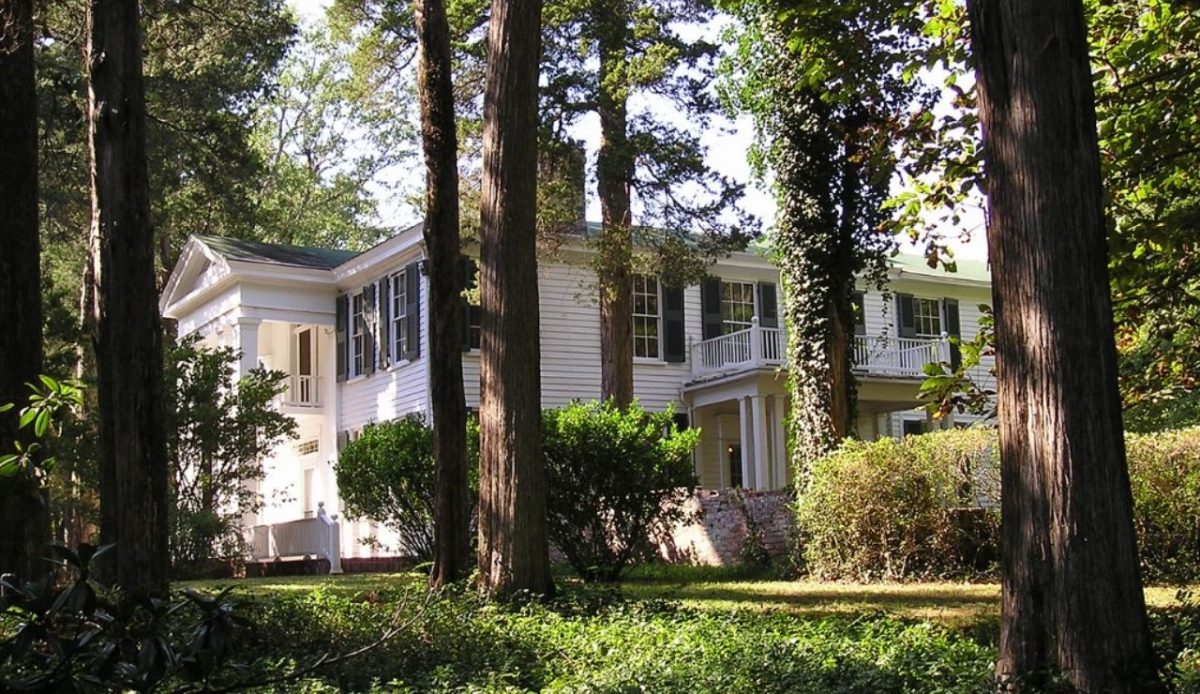
Rowan Oak in Oxford, Mississippi, draws readers who want to trace how a regional voice was sustained over decades. The house was occupied by William Faulkner for much of his later life, and the tours focus on the work that was produced during those years. Quiet rooms and the surrounding grounds give a sense of pacing that fits his long sentences and layered viewpoints. Interpretive materials link the property to nearby streets and courthouses that informed his fictional county. Because the site is preserved with restraint, visitors can imagine a writer returning to the same desk and wrestling with the same themes.
6. House of the Seven Gables, Salem, Massachusetts
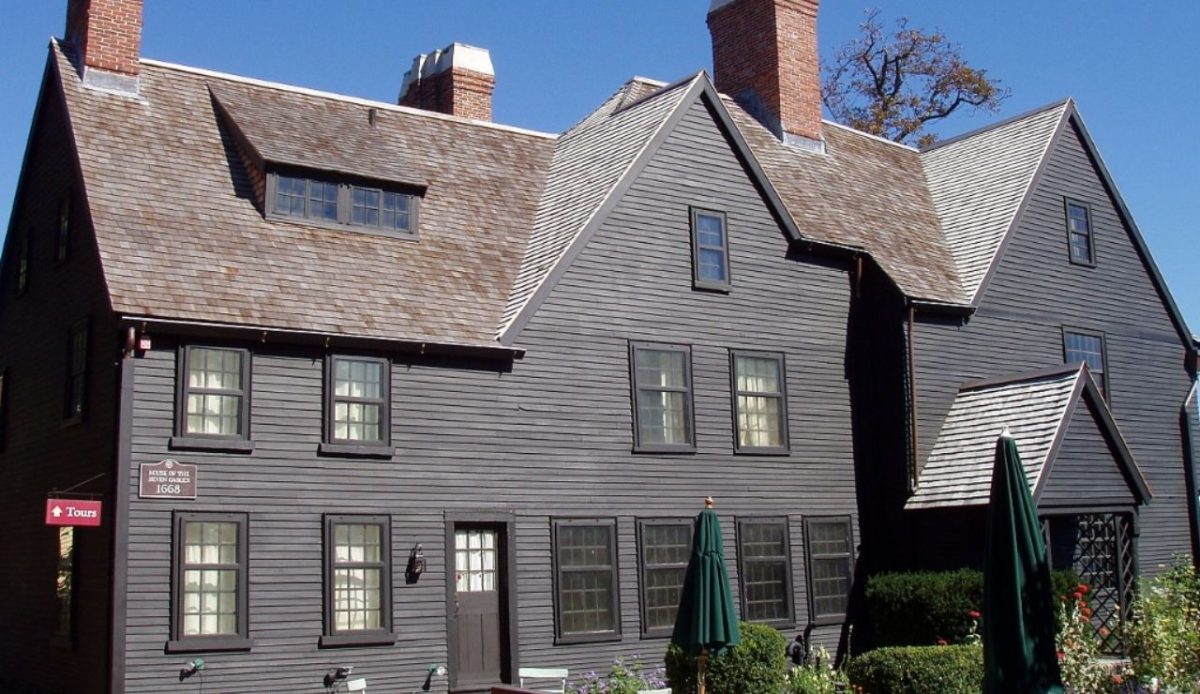
In Salem, the House of the Seven Gables pairs a real seventeenth-century waterfront home with the novel it inspired. Visitors tour the structure, learning how later owners interpreted Nathaniel Hawthorne’s story while preserving the building’s core features. Because the rooms are tight and the stairways are steep, the atmosphere is felt without added theatrics. Exhibits explain Salem’s maritime economy and shifting property lines, details that can clarify why the book treats inheritance and status so sharply. The stop works well for readers who want architecture and narrative to meet in one address.
7. National Steinbeck Center, Salinas, California
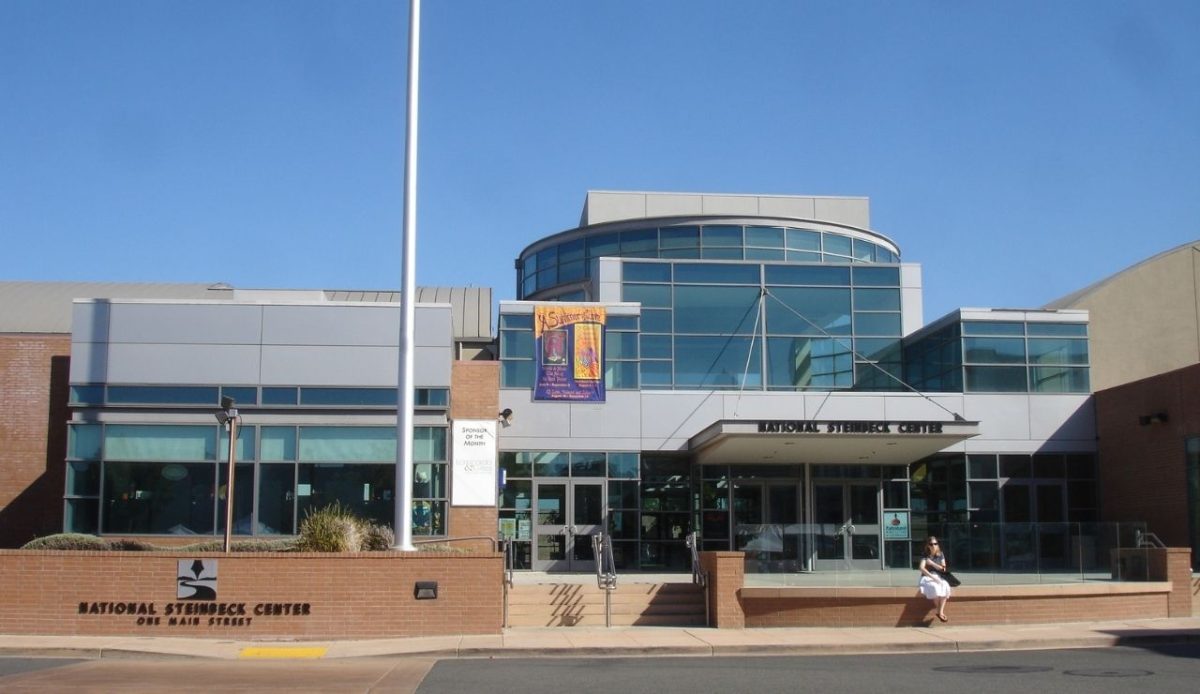
The National Steinbeck Center in Salinas gives book lovers a museum experience built around one author and the community that informed him. Galleries use photographs, artifacts, and recorded voices to connect The Grapes of Wrath and Cannery Row to real labor history and coastal migration. Rather than focusing only on biography, the exhibits track themes like displacement, work, and moral choice across multiple books. Interactive sections are included, yet the tone stays reflective and evidence-based. Visitors often pair the museum with a drive through nearby valleys to compare the described settings with what can still be seen today.
8. Mark Twain House and Museum, Hartford, Connecticut
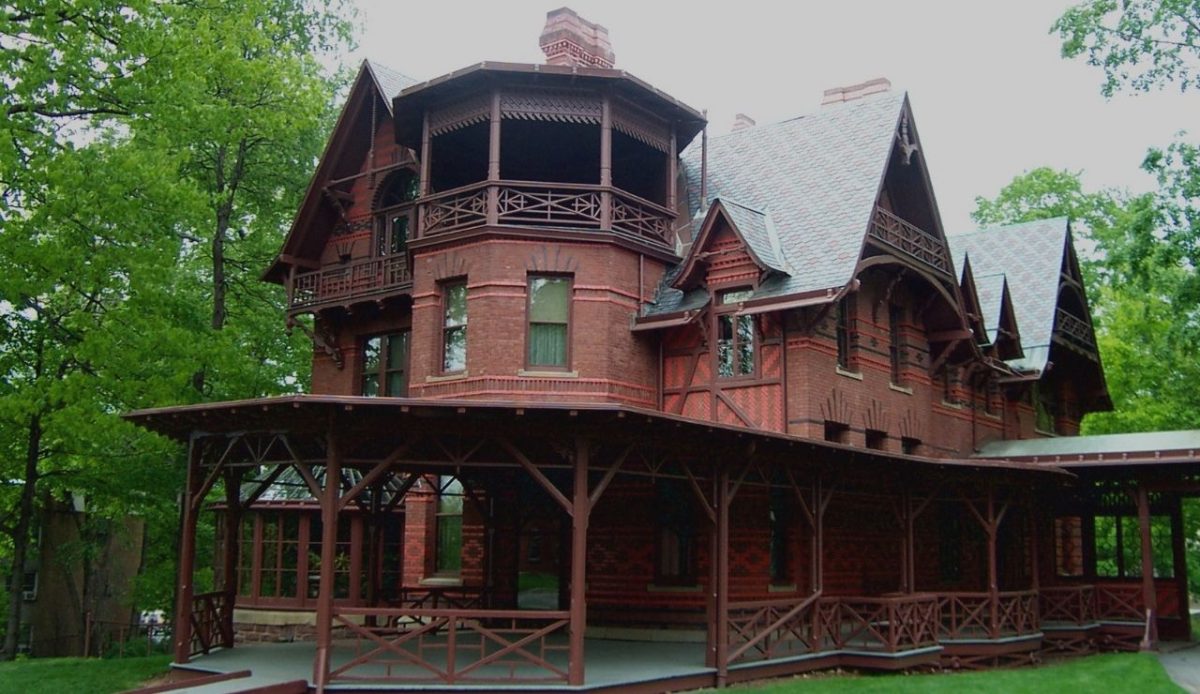
The Mark Twain House and Museum in Hartford offers a view of an author at the height of success and financial anxiety at the same time. Guides lead visitors through the ornate interiors where major works were written, while explaining how publishing deals and lecture tours set his schedule. Rooms are presented with historical context, so decoration is treated as evidence of taste and ambition. Exhibits also address the Clemens family’s daily life and losses, which adds weight to the humor on the page. For many readers, the visit makes Twain feel less like a monument and more like a working writer under pressure.
