
While major art capitals attract millions, Europe and beyond are filled with lesser-known artistic destinations that offer unique inspiration without crowds. These hidden gems provide museums, galleries, street art, and local crafts that reveal authentic culture and creativity. Visiting off-the-beaten-path locations allows travelers to experience art in a more personal and immersive way. From quaint towns to overlooked city districts, this guide highlights eight destinations where art thrives quietly, offering cultural enrichment, stunning visuals, and memorable experiences far from mainstream tourist paths.
1. Ghent, Belgium
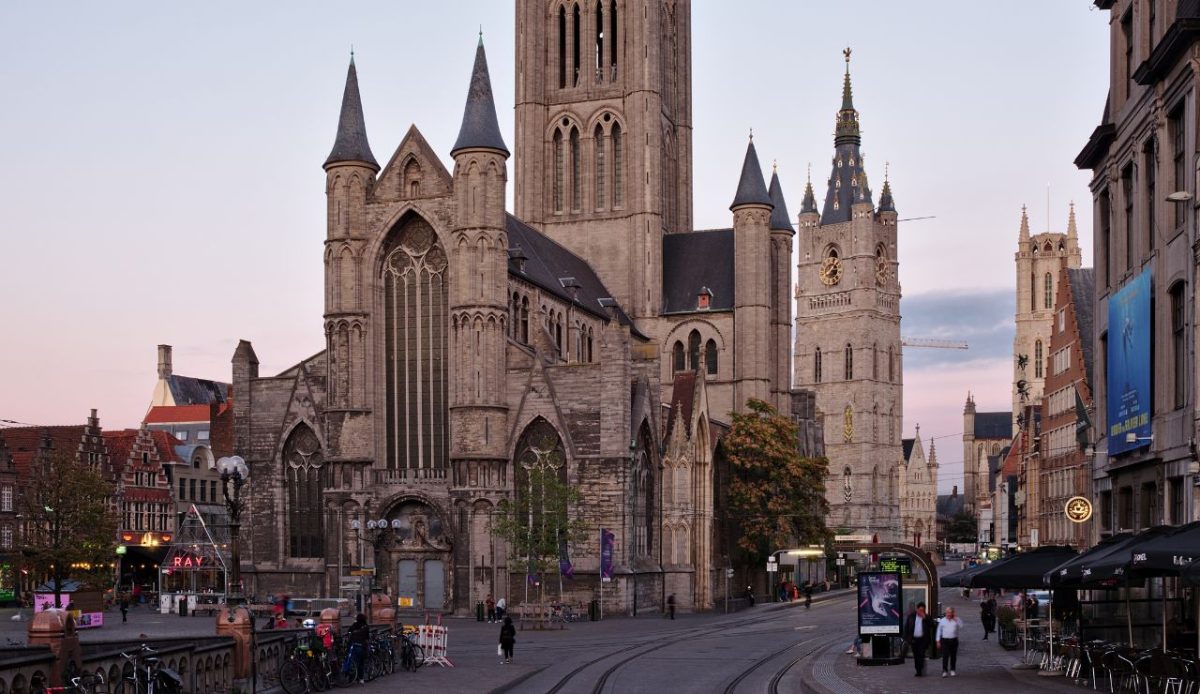
Ghent is a medieval city rich with hidden artistic treasures, from stunning street art to centuries-old paintings. Its lesser-visited museums, including the Museum of Fine Arts, house works by Flemish masters, offering an intimate cultural experience. Canals and historic buildings inspire photographers and painters alike. Local galleries showcase contemporary Belgian artists, and artisan workshops allow visitors to see creativity in action. Compared to nearby Bruges or Brussels, Ghent remains quieter, giving travelers the freedom to explore art at their own pace, soaking in both history and modern expressions without large tourist crowds.
2. Colmar, France
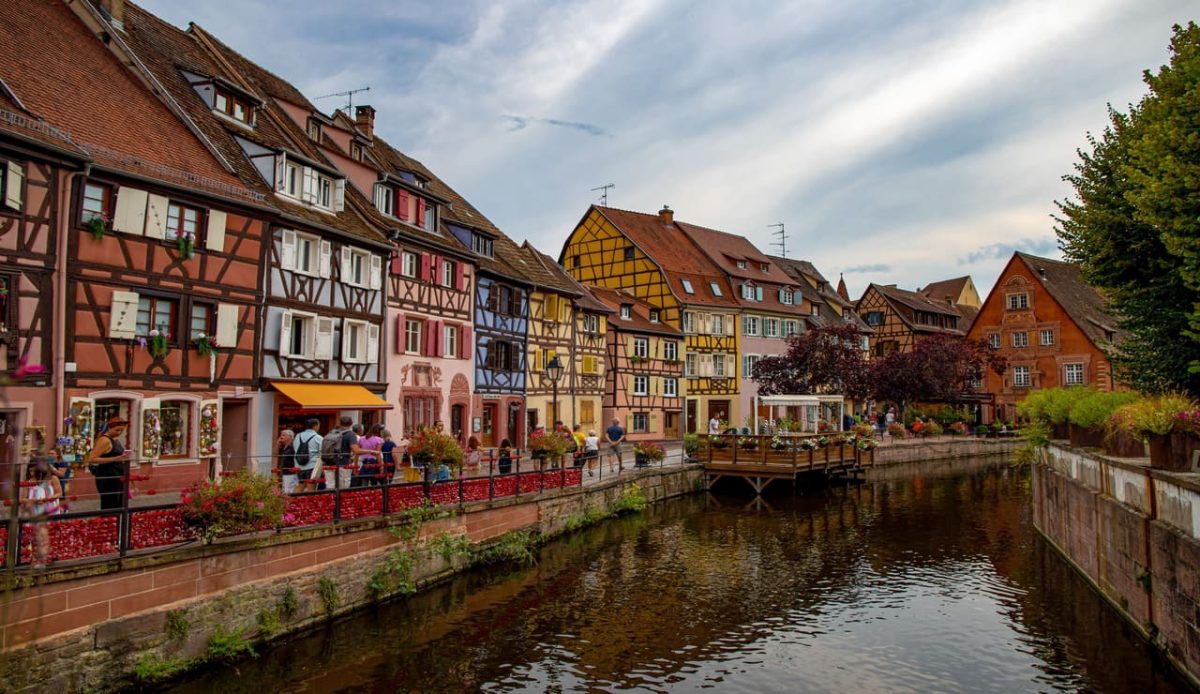
Colmar, in the Alsace region, offers a fairy-tale atmosphere blending architecture and art. The Unterlinden Museum holds remarkable Renaissance and modern collections, including the Isenheim Altarpiece, yet the town rarely feels overcrowded. Wandering cobblestone streets reveals colorful half-timbered houses and local artisans’ studios. Seasonal art fairs showcase regional talent, providing authentic encounters with creativity. Colmar’s charm lies in its intimate scale and picturesque setting, ideal for travelers seeking a slower, more contemplative artistic journey while enjoying history and culture.
3. Bologna, Italy
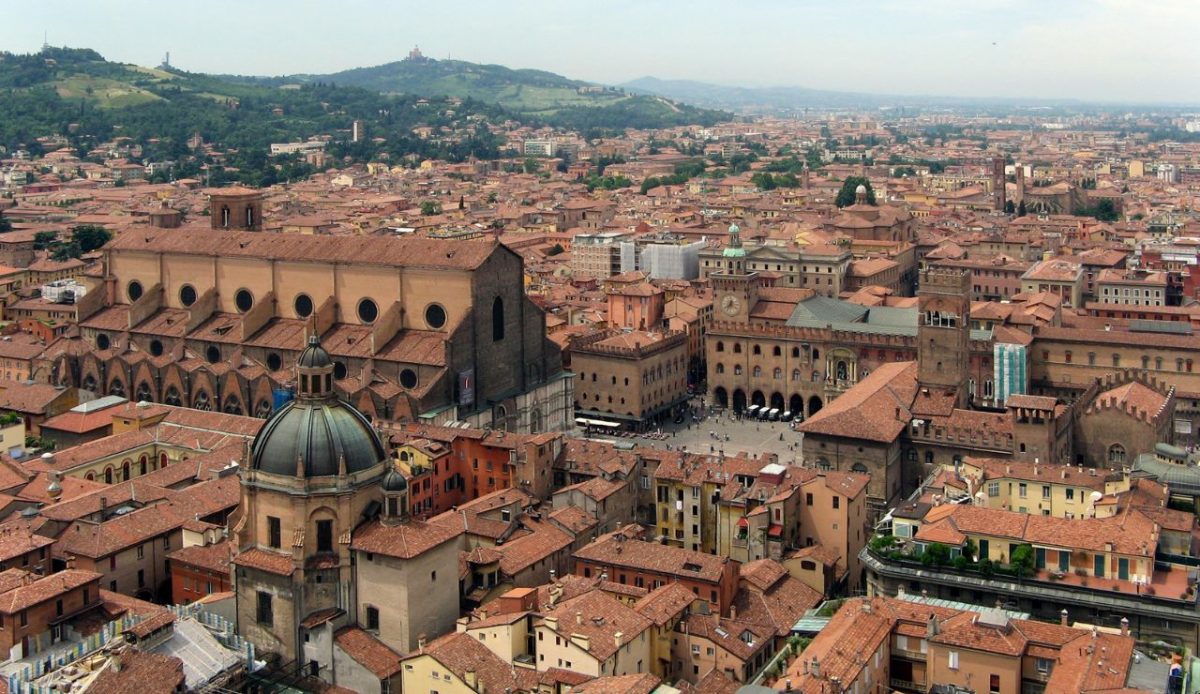
Bologna is an overlooked Italian city with a thriving artistic and academic scene. Its porticoes and medieval squares are adorned with murals and sculptures, while the Pinacoteca Nazionale houses Renaissance masterpieces. University-led galleries and independent studios showcase experimental contemporary art. The city’s culinary and cultural fusion enhances the artistic experience. Fewer tourists than in Florence or Venice allow for an immersive exploration of Bologna’s creative heartbeat. Travelers can appreciate historical treasures and modern experimentation in a vibrant yet relaxed urban environment, celebrating artistic expression.
4. Porto, Portugal
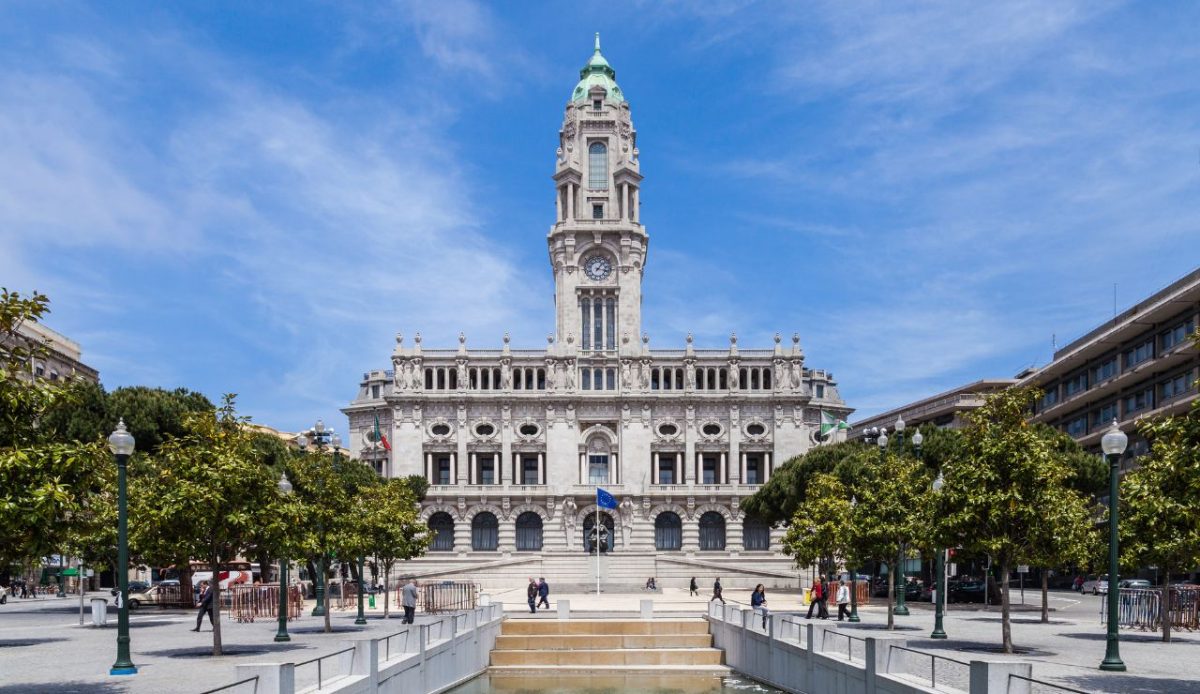
Porto, known for its wine, also has a vibrant art scene that many visitors overlook. Galleries display contemporary Portuguese painters and sculptors, while street art brightens historic neighborhoods. The Serralves Museum, set in a modernist villa with gardens, offers rotating exhibitions and design showcases. Workshops and artisan shops let travelers see craft techniques firsthand. Unlike Lisbon, Porto maintains a smaller, more intimate atmosphere for appreciating art without heavy tourist traffic. Exploring the city’s galleries and public art offers a diverse artistic experience blending tradition and creativity.
5. Valencia, Spain
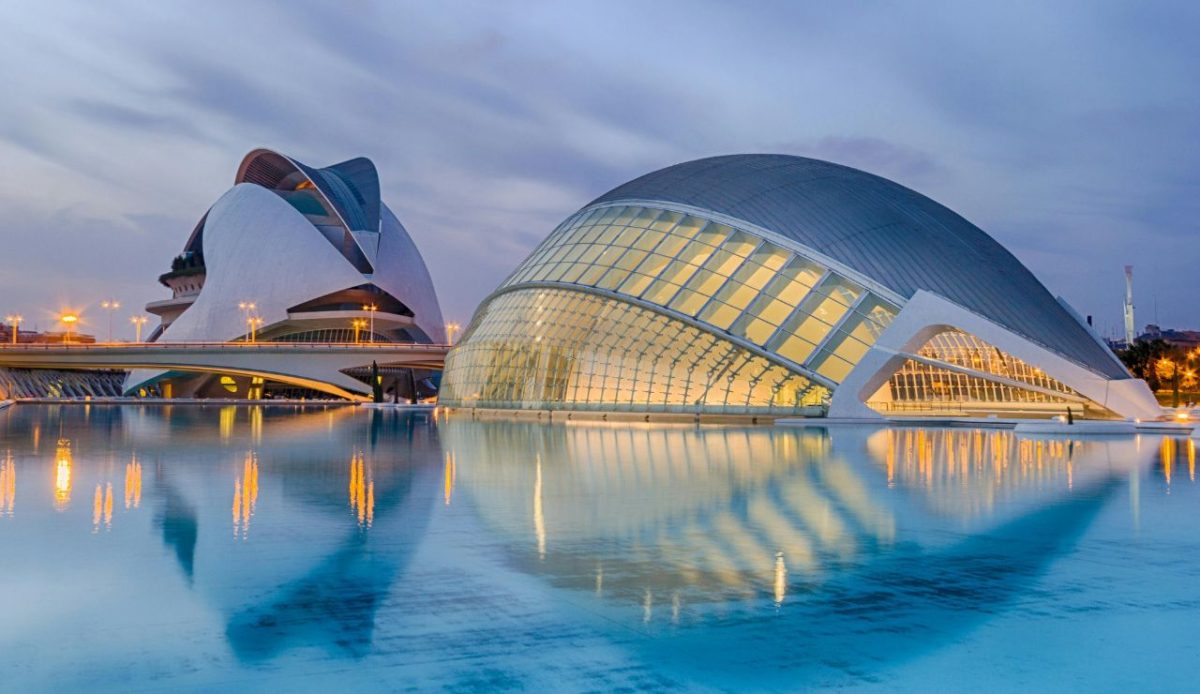
Valencia combines historical architecture with a modern artistic flair. Less-visited museums, like IVAM, highlight contemporary works, while the Arts and Science City integrates design, sculpture, and interactive exhibits. Street art murals appear in neighborhoods far from tourist zones, and artisan workshops provide hands-on experiences. Valencia’s Mediterranean charm, culinary scene, and markets complement its artistic offerings. Travelers benefit from a more peaceful cultural experience than in Barcelona or Madrid. Discovering Valencia’s hidden creative corners allows visitors to engage with both historical and modern Spanish art.
6. Maribor, Slovenia
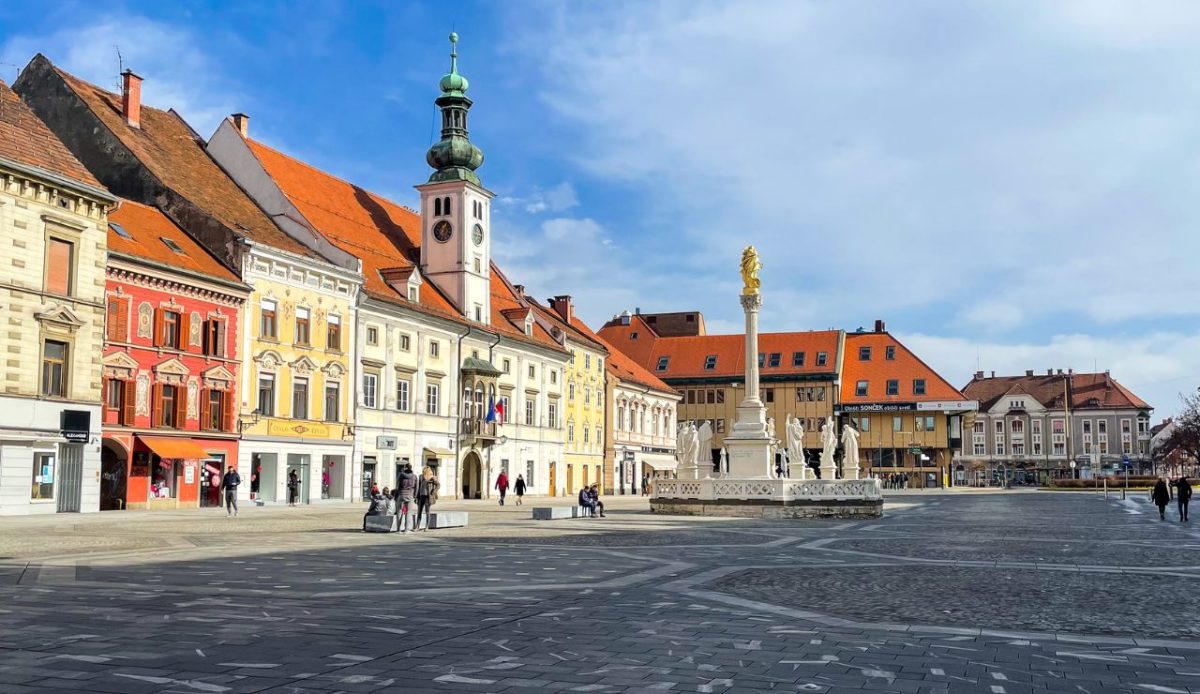
Maribor, Slovenia’s second-largest city, surprises visitors with a burgeoning art scene. Contemporary galleries, experimental spaces, and street art punctuate the old town’s charm. The city hosts art festivals highlighting local and regional talent, offering workshops and performances. Cultural heritage sites intertwine with creative expression, giving travelers a sense of history alongside innovation. With minimal tourist crowds, Maribor provides a rare chance to explore Slovenian artistry in a relaxed environment. Visitors can enjoy unique exhibitions and emerging artists while immersing themselves in a quietly vibrant cityscape.
7. Ghardaïa, Algeria
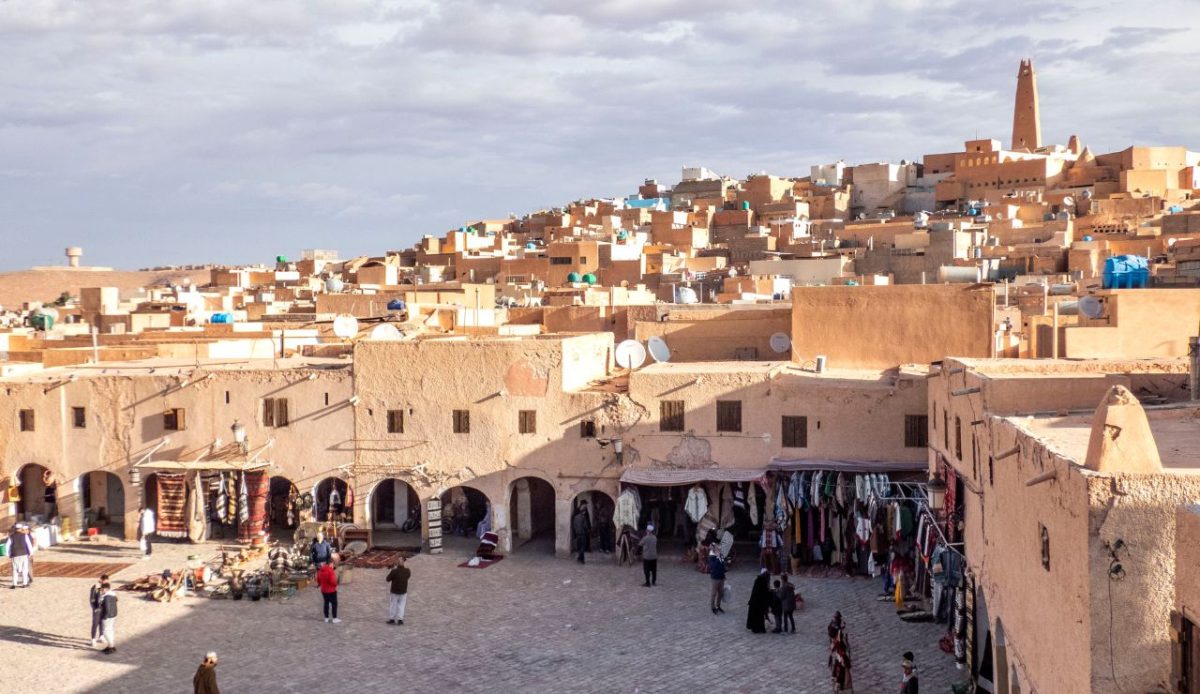
Ghardaïa, in the M’Zab Valley, combines traditional architecture with unique cultural arts. The city’s craftspeople produce intricate textiles, pottery, and jewelry reflecting centuries-old Berber artistry. Local markets and small workshops offer authentic insights into regional techniques. While most travelers flock to Algiers or Oran, Ghardaïa remains largely undiscovered, allowing visitors a deeper connection with local creativity. Exploring Ghardaïa lets travelers experience an artistic heritage rarely seen by tourists, blending visual splendor, craftsmanship, and immersive cultural encounters.
8. Bergen, Norway
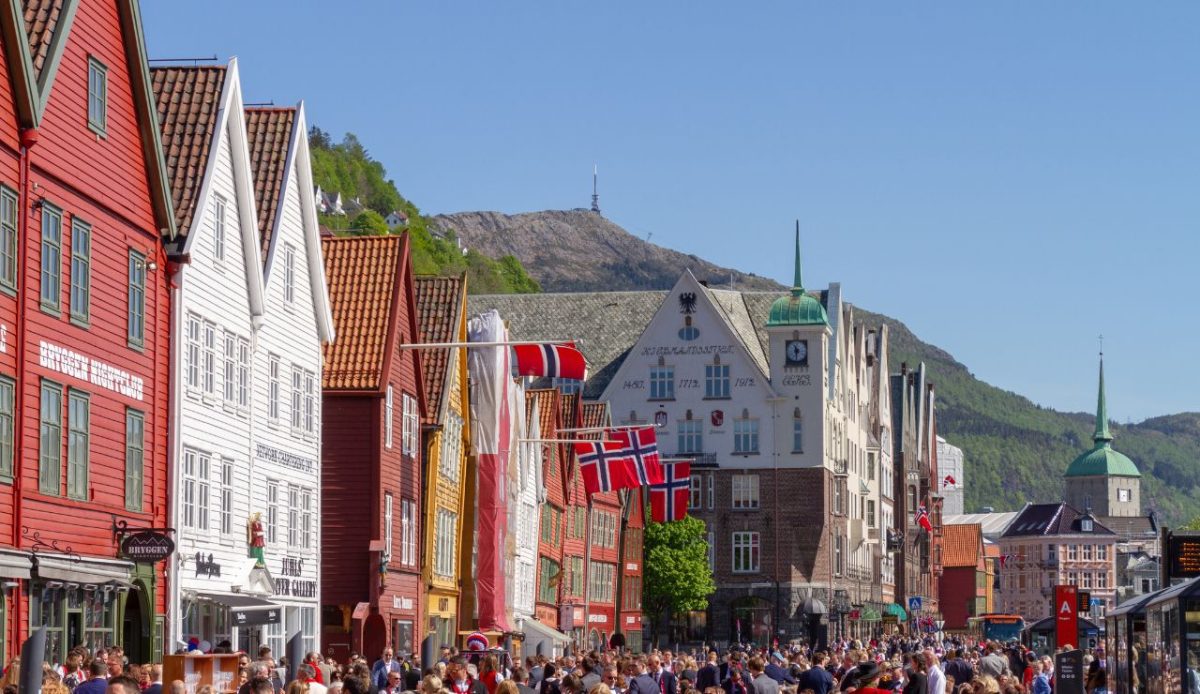
Bergen, known for its colorful waterfront and fjords, also hosts an underrated art scene. Museums like KODE feature Nordic masterpieces, while contemporary galleries showcase modern Scandinavian art. Street murals and installations pepper neighborhoods beyond main tourist streets. The scenic surroundings inspire photographers, painters, and writers alike. Bergen’s smaller size and calm pace allow travelers to explore art without crowds, providing time to appreciate both historic works and contemporary experiments. The combination of natural beauty and cultural richness makes Bergen ideal for those seeking lesser-known artistic experiences.
