
Historic districts are meant to protect old streetscapes and keep local identity visible. Still, critics say some famous U.S. districts now feel more like branded destinations than lived neighborhoods. Rising rents, short-term visitor demand, and large-scale redevelopment can push out longtime residents and the small service businesses they rely on. When daily errands shift from groceries and clinics to bars, souvenir shops, and luxury units, the story a place tells can change fast. The districts below are frequently cited in public debates about preservation, displacement, and cultural continuity. In each case, the criticism focuses less on architecture and more on who can still afford to live and work there.
1. San Francisco Chinatown Historic District
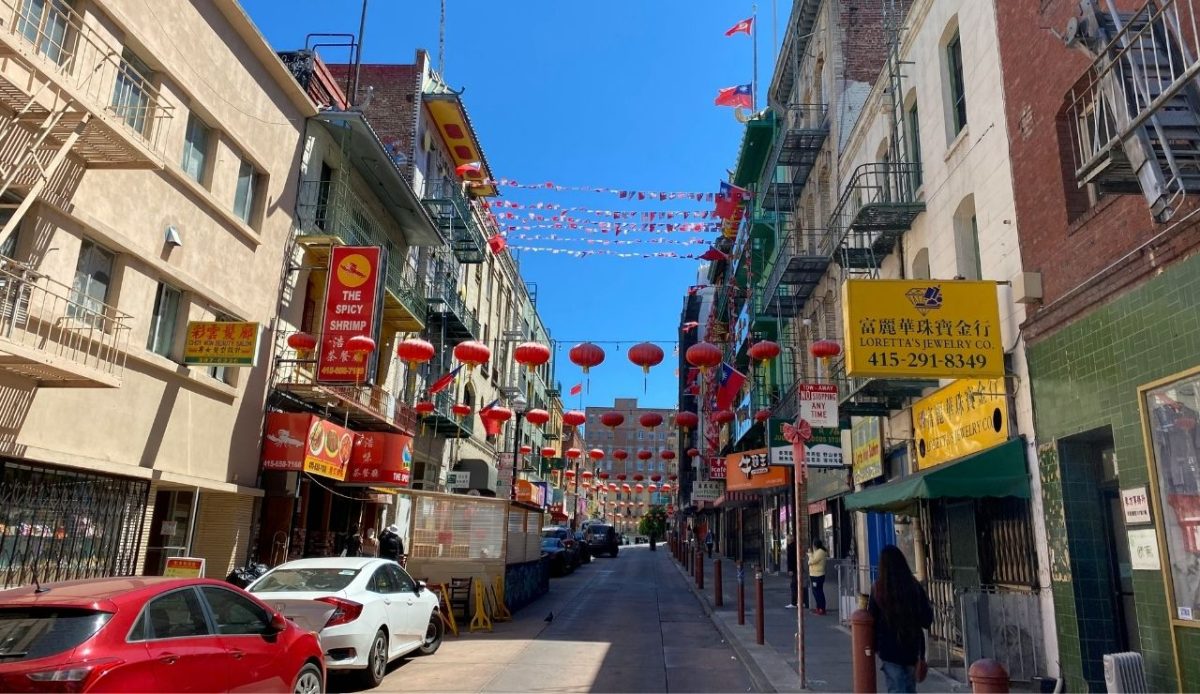
San Francisco Chinatown is one of the oldest Chinese American enclaves and is widely treated as a heritage district. Critics point to long-running resident loss as regional housing costs rose, with many families and seniors relocating to the Sunset, Richmond, or nearby suburbs. Tour-focused retail along Grant Avenue has expanded, while everyday services such as grocers, medical offices, and low-cost eateries face higher leases and limited space. When fewer people sleep in the neighborhood, language access, mutual aid networks, and street-level community oversight can weaken even if landmark facades remain. Advocates argue that preservation should measure resident stability, not only building condition.
2. Philadelphia Chinatown
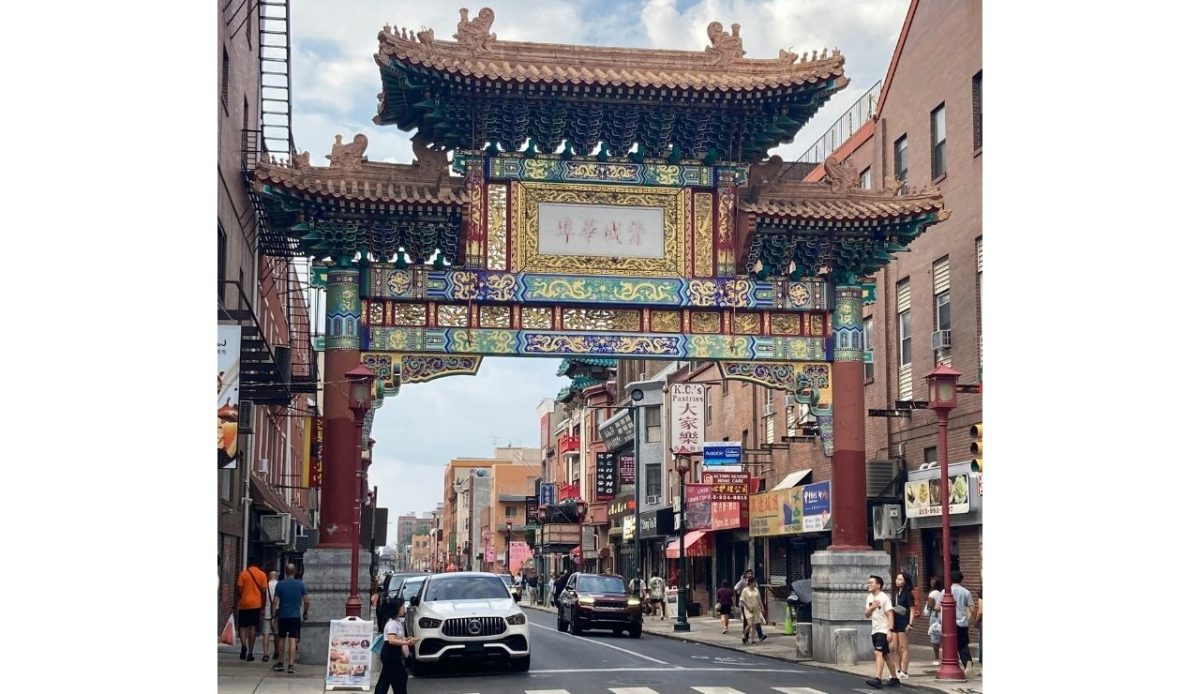
Philadelphia Chinatown sits beside major Center City growth, and local leaders have fought repeated expansion plans for decades. Critics argue that highways, convention district projects, and new venue proposals squeeze a small footprint, raising land values and discouraging long-term renting. Small restaurants, markets, and community offices can survive on thin margins, so sudden rent jumps and speculative buying are disruptive. Even when cultural events remain strong, residents say the district risks turning into a dining zone without enough affordable housing to sustain daily community life. Organizers also note pressure on family-sized units and on institutions that depend on nearby elders and recent immigrants.
3. Los Angeles Chinatown
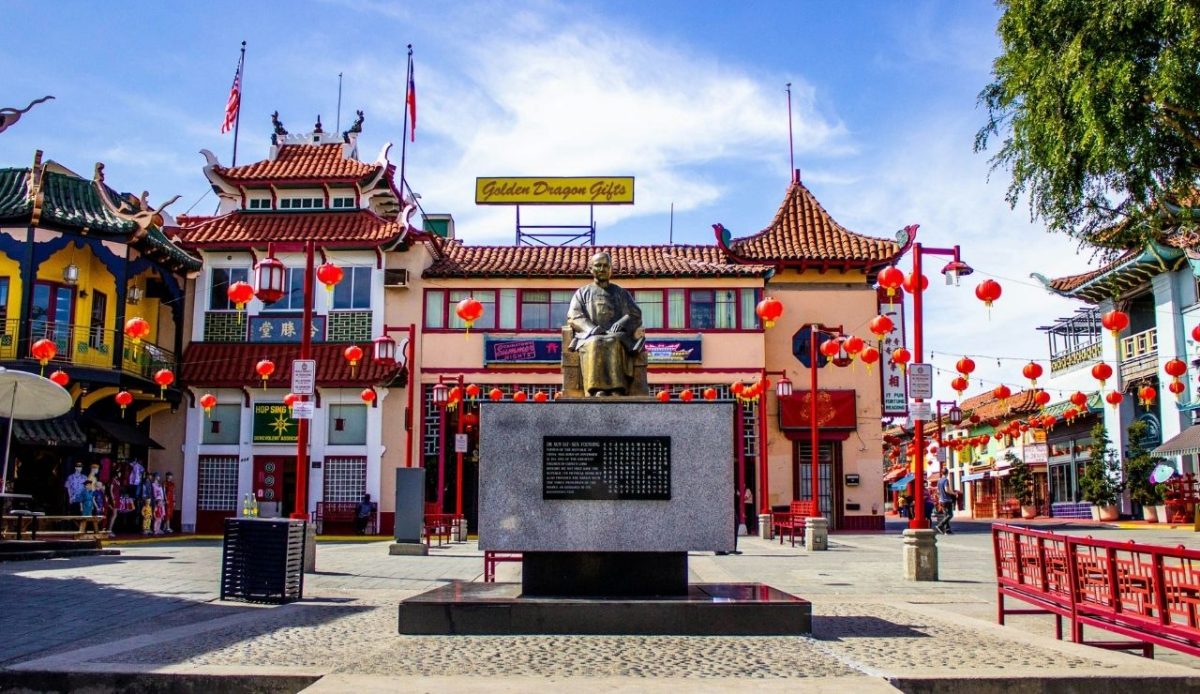
Los Angeles Chinatown was built in the late 1930s after earlier displacement, so its identity has long been tied to redevelopment decisions. In recent years, downtown growth and transit investment have brought new apartment towers and nightlife close to historic plazas. Critics say the mix of higher-income residents and visitor-oriented branding shifts what storefronts can survive, pushing out legacy community services. Some long-time groups describe a change from an immigrant gateway and family shopping area to an entertainment district, even though landmark architecture and festivals remain. Rising commercial rents and fewer Chinese-speaking households in the core blocks are often cited as signs of cultural thinning.
4. Rainey Street Historic District, Austin
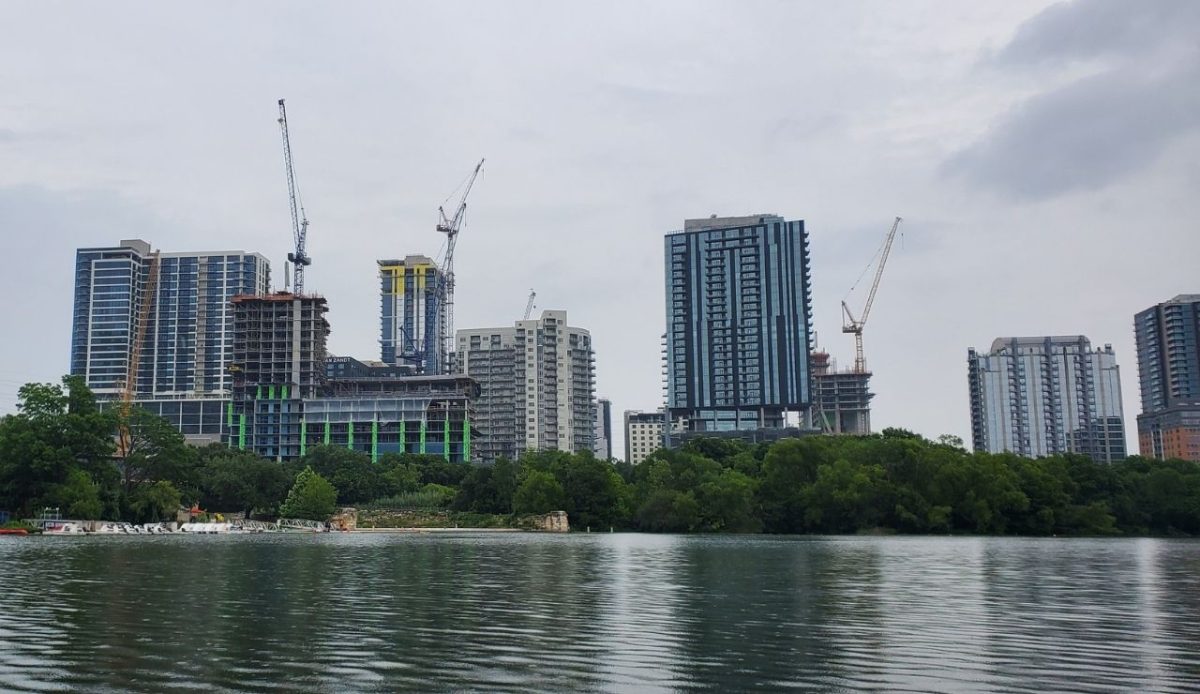
Rainey Street was listed for its early twentieth-century bungalows, once a quiet residential pocket near downtown Austin. After zoning changes and rapid job growth, many houses were converted into bars or removed as high-rise condos took over the skyline. Critics argue that historic designation did little once the surrounding parcels were assembled for vertical development, changing noise levels, traffic, and safety conditions. With most original homes gone or repurposed, the district is now known mainly as a nightlife corridor, not as the neighborhood that earned protection. Some reports note that only a handful of the original single-family structures remain in place and unchanged.
5. Freedmen’s Town Fourth Ward, Houston
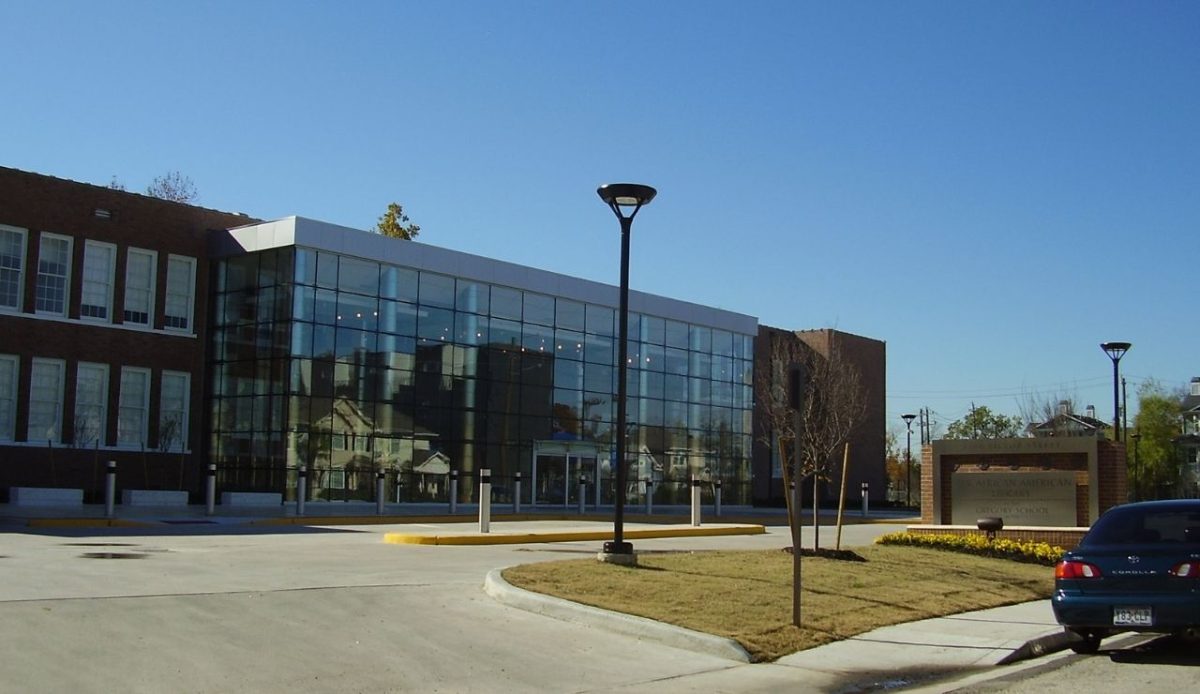
Freedmen’s Town in Houston’s Fourth Ward was founded by formerly enslaved people after the Civil War and is linked to a protected historic core. Critics say redevelopment and rising land prices have replaced much of the original housing with townhomes, reducing the number of descendant families nearby. The neighborhood’s hand-laid brick streets became symbols of heritage, yet recent construction disputes have included damaged or removed bricks and community outrage. Advocates argue that losing modest homes, churches, and gathering spaces matters as much as saving a few landmark blocks, because the district’s meaning is social and lived. City protocols and oversight have been demanded to prevent repeat harm to the historic street fabric.
6. Over-the-Rhine Historic District, Cincinnati
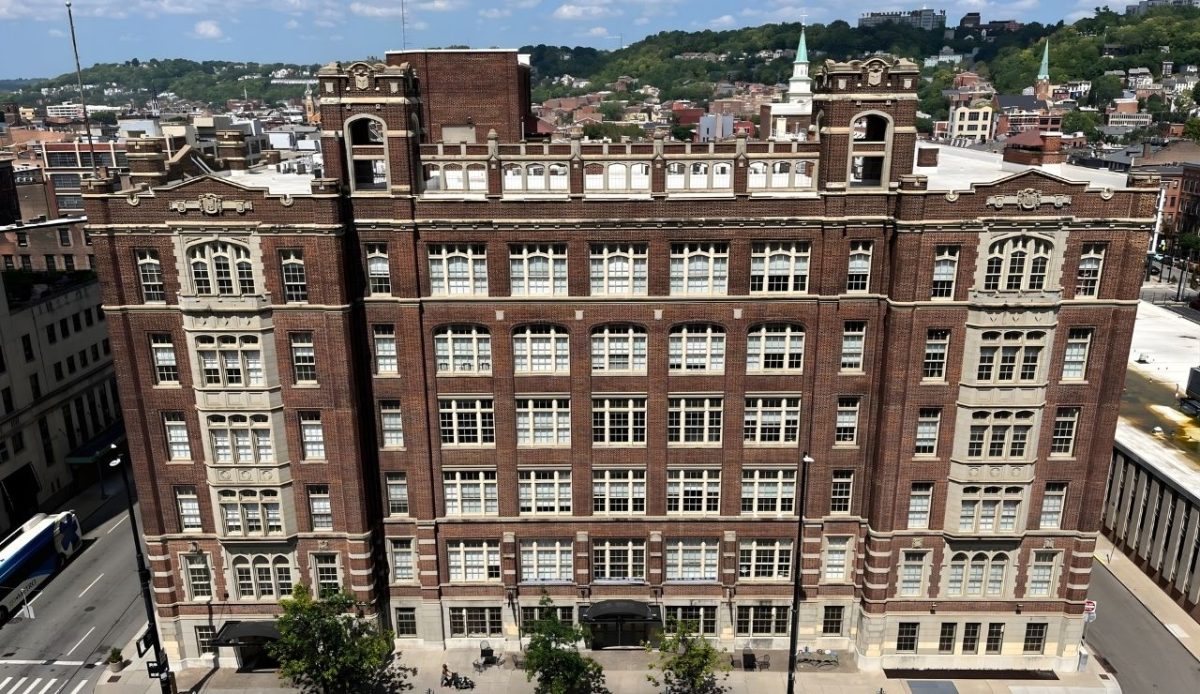
Over the Rhine holds a large collection of nineteenth century buildings, and major reinvestment was pursued after decades of vacancy and disrepair. Restoration brought new restaurants and market-rate apartments, but critics say the turnaround accelerated rent increases and reduced affordable options. Studies and local accounts describe displacement pressures on low-income residents and a shift in who benefits from public incentives tied to redevelopment. Supporters highlight safer streets and repaired structures, yet critics argue that a neighborhood can be rebuilt physically while losing the working-class networks that once defined it. The debate often centers on social mix and who can still stay long-term.
7. Olvera Street El Pueblo, Los Ángeles
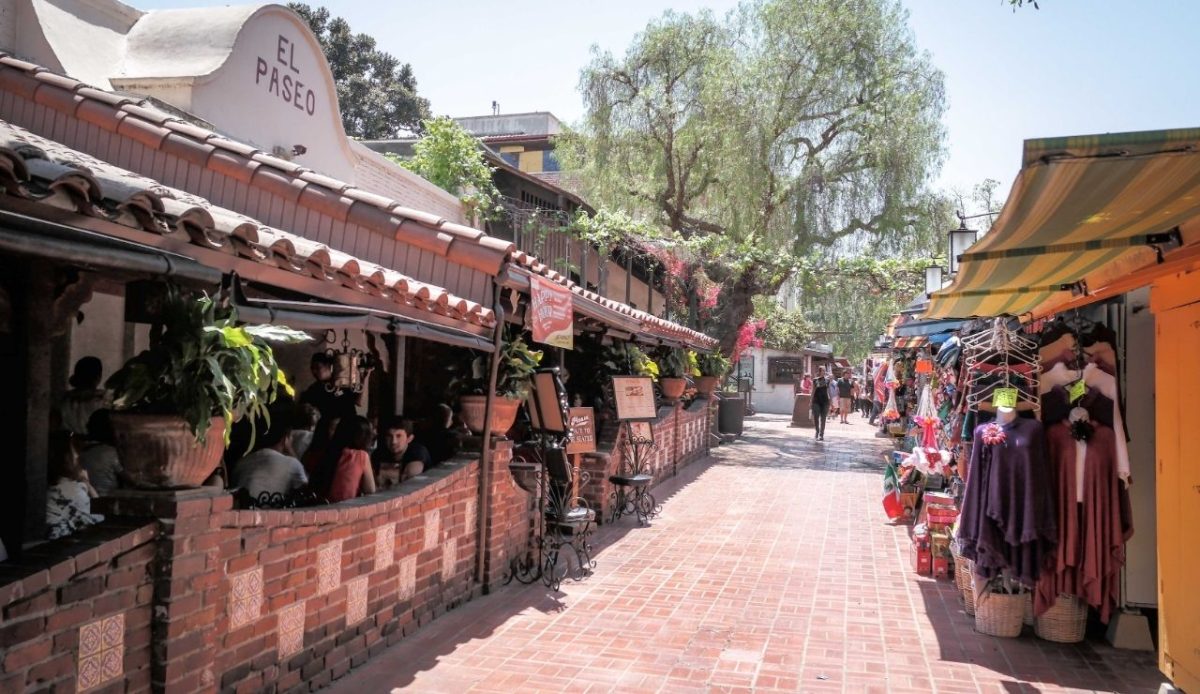
Olvera Street is part of El Pueblo de Los Angeles, where the city markets an origin story through preserved adobe buildings and a pedestrian marketplace. Since its twentieth century restoration, historians and cultural critics have argued that the site presents a simplified and staged version of Mexican heritage for tourists. Vendors and festivals keep traditions visible, yet critics say the curated setting can flatten complex local history and sideline nearby communities. Even supporters acknowledge the tension between saving threatened structures and packaging culture, with the result that visitors may leave with a themed image rather than a lived context.
8. Vieux Carré French Quarter Historic District, New Orleans
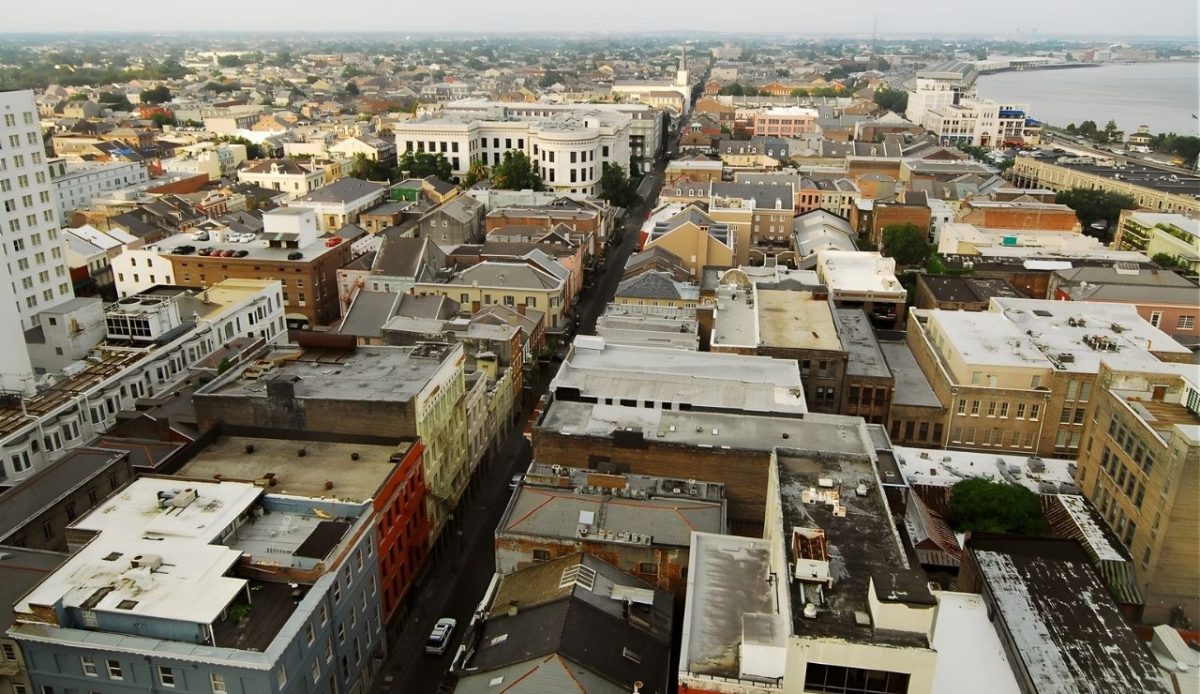
The Vieux Carré, better known as the French Quarter, is a nationally recognized historic district that has long mixed residents with nightlife and tourism. Urban scholars have described a process of tourism-driven gentrification, where housing and storefronts shift toward higher-income use and corporate entertainment. Critics point to the spread of souvenir retail, short-term rentals, and party-centered businesses that can outbid local services. As more properties convert to visitor lodging, fewer neighbors remain to support schools, groceries, and routine street life, leaving a district that looks preserved but feels less residential. Debates over noise, safety, and zoning reflect that shift.
