
Old routes can be slower, rougher, and far more memorable than the fastest way there.
Some journeys were built for pilgrims, traders, soldiers, fishermen, or mail coaches long before travel became a checklist. A few of those routes still exist in ways modern travelers can actually use, but they do not always shout for attention. They ask for time, good shoes, patience with weather, and a willingness to let the road be the destination.
Natchez Trace Parkway
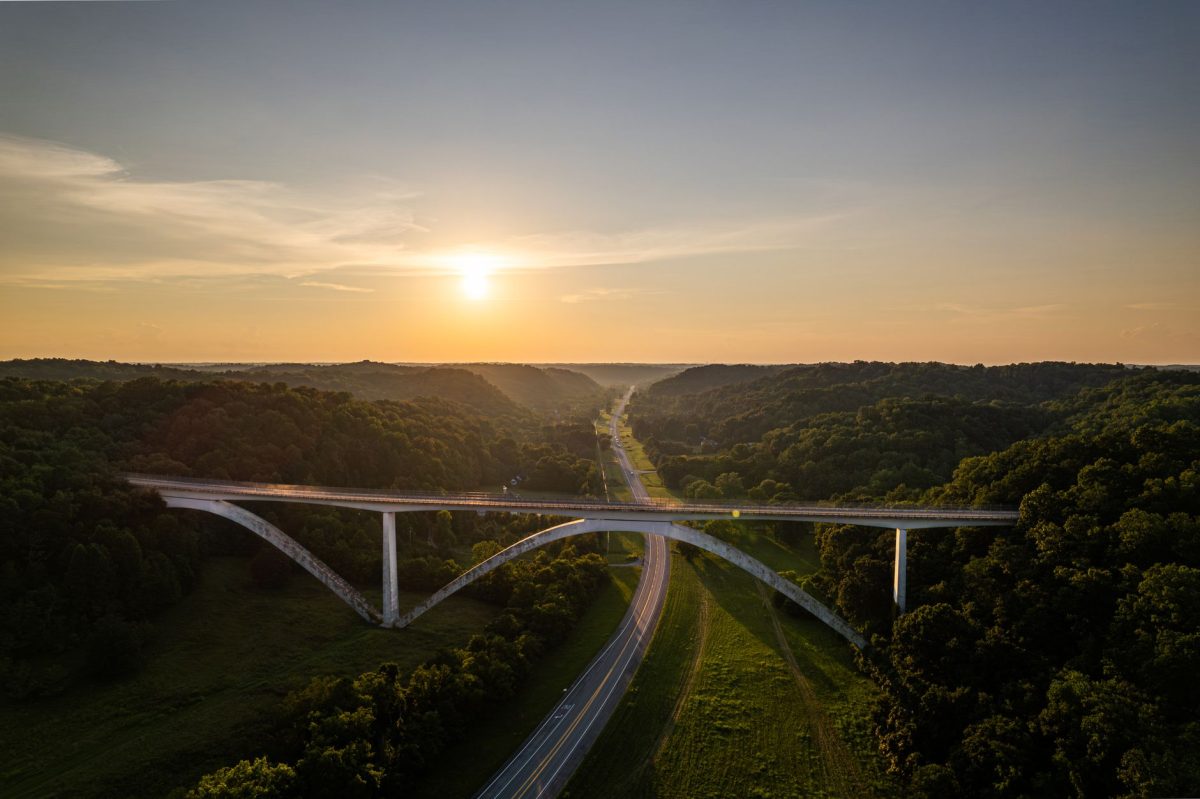
The Natchez Trace Parkway follows a corridor shaped by Indigenous travel, animal paths, traders, and later frontier movement across parts of Mississippi, Alabama, and Tennessee. What makes it feel quietly special is the pace. Commercial traffic is limited, speeds are modest, and many stops are small pullouts rather than giant attractions. That helps travelers notice old stand sites, burial mounds, cypress swamps, and long stretches of green silence.
- Why it matters: it turns a road trip into a slow history lesson.
- Who it helps: drivers who want scenery without constant billboards.
- Check next: fuel, food, and daylight, because services can be spaced out.
Camino Primitivo
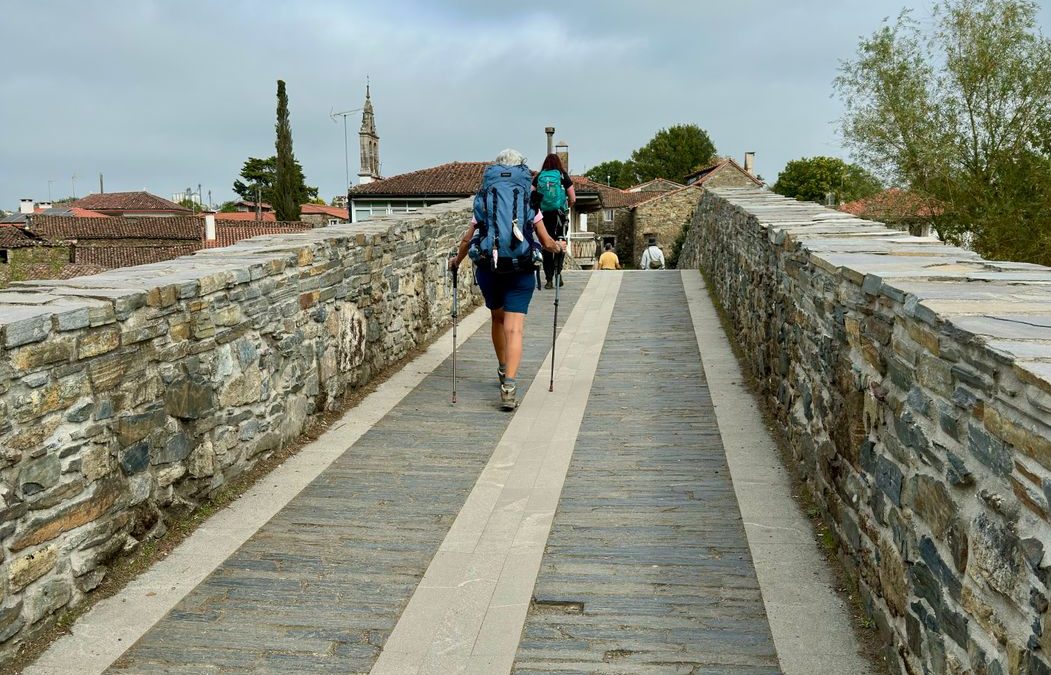
The Camino Primitivo is often described as one of the oldest Camino routes to Santiago de Compostela, crossing rugged parts of Asturias and Galicia. Compared with the busier Camino Francés, it can feel more personal, but that also means steeper climbs, fewer casual comforts, and weather that can change the mood quickly. The reward is a route where small villages, misty hills, and shared pilgrim meals still carry much of the journey.
- Why it matters: it offers the Camino experience with more solitude.
- Who it helps: walkers who are fit enough for hills and variable conditions.
- Check next: lodging stages, rain gear, and your pilgrim credential.
Via Appia Antica
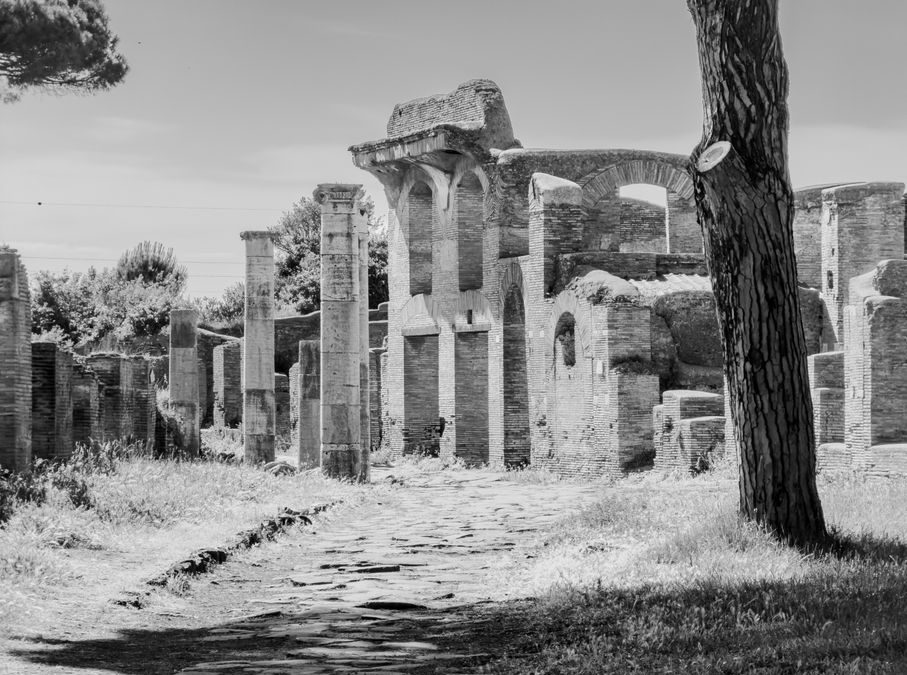
The Via Appia Antica proves that an old route does not need to be remote to feel hidden. Just outside Rome, sections of this ancient road still carry walkers and cyclists past tombs, aqueduct fragments, walls, and umbrella pines. The catch is that the surface can be uneven, and the experience changes depending on the day, traffic patterns, and where you start. Go with flexible expectations, and it becomes less like sightseeing and more like stepping onto a working piece of history.
- Why it matters: it adds depth to a Rome trip beyond the headline monuments.
- Who it helps: travelers who like ruins, walking, and self-guided exploring.
- Check next: bike rentals, bus access, opening days, and comfortable shoes.
Nakasendo Trail
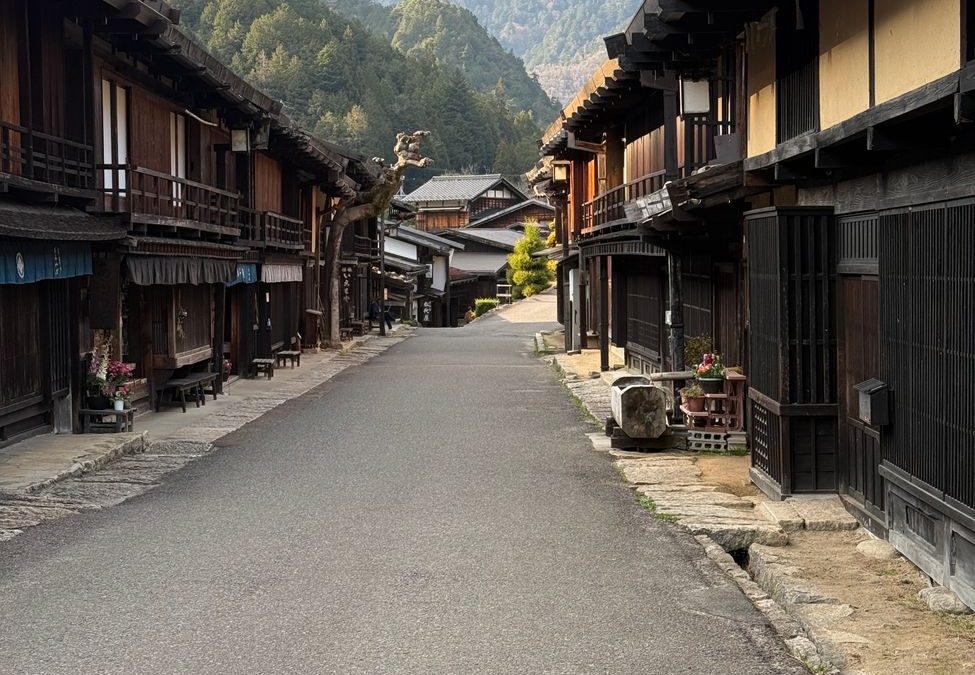
The Nakasendo was one of the old routes connecting Kyoto and Edo, now Tokyo, during Japan’s Edo period. Today, many travelers sample especially scenic sections around preserved post towns such as Magome and Tsumago. It feels secret because the best moments are modest: waterwheels, cedar shade, bells for bears, quiet inns, and old streets that ask people to slow down. It is not difficult to romanticize, but planning still matters.
- Why it matters: it blends landscape, architecture, and everyday route history.
- Who it helps: travelers who want a walkable Japan itinerary outside major cities.
- Check next: luggage forwarding, train times, trail closures, and local etiquette.
Fishermen's Trail
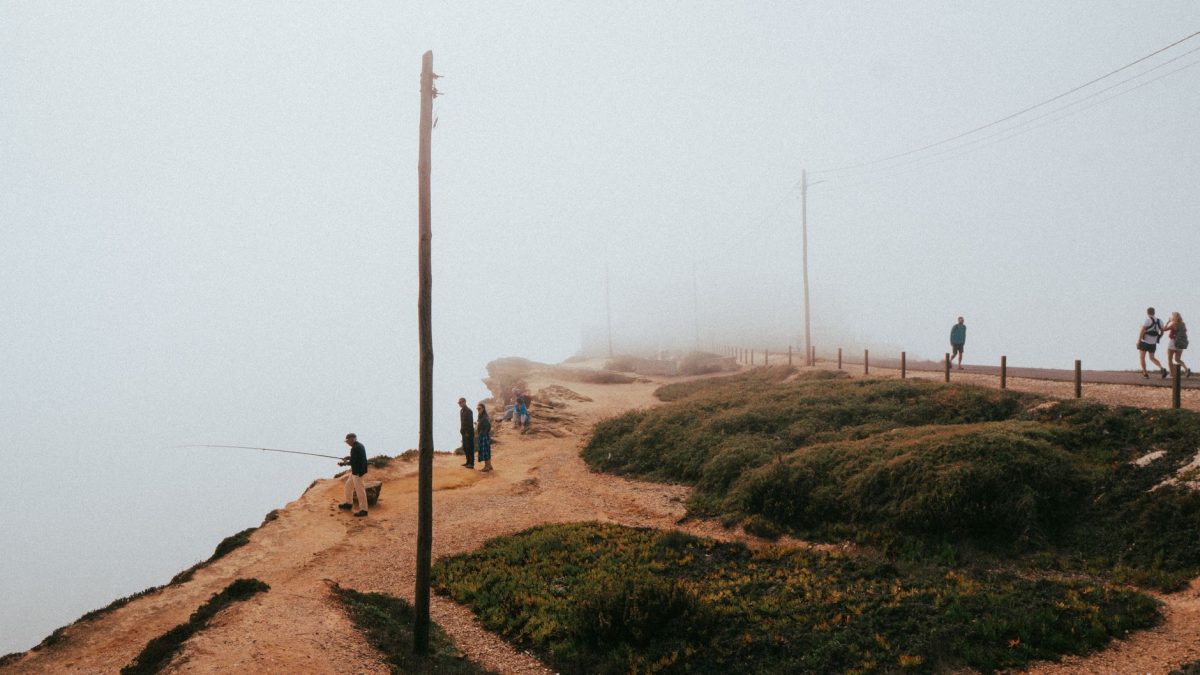
Portugal’s Fishermen’s Trail follows coastal paths in the Rota Vicentina network, tracing routes long used by people moving between fishing spots, villages, and beaches. It can look blissfully simple in photos: cliffs, surf, sand, and open sky. On foot, the details matter. Sand can make short distances feel longer, sun exposure can be intense, and cliff edges deserve real caution. For travelers who prepare, the route delivers a rare mix of wild coastline and small-town stops.
- Why it matters: it preserves the feeling of a coastal working path, not just a viewpoint.
- Who it helps: hikers who want sea air without a resort-centered trip.
- Check next: tide awareness, water, sun protection, and seasonal lodging.
The best old routes are not always the easiest ones to book or the fastest ones to finish. Before you go, check local access, weather, transportation, lodging, and whether the route is better walked, cycled, driven, or sampled in sections. Treat these places as living landscapes rather than backdrops, and the trip is more likely to feel like a discovery instead of another stop on a list.
This article was created with AI assistance and reviewed for clarity, sourcing, and editorial quality.
