
Europe is well known for its rivers and coastlines, but many of its lakes remain less visited, even though they offer remarkable settings for travelers who enjoy adventure. Some are in alpine basins that demand a steady climb, while others are reached by trails through forests or by boat across narrow inlets. Each lake carries a story shaped by geology, climate, or human history, and many are protected to preserve fragile ecosystems. Visiting them requires preparation, respect for rules, and readiness for fast-changing conditions. These places reward effort with clear water, rugged cliffs, and quiet moments away from crowded landmarks.
1. Lago di Tovel, Trentino, Italy
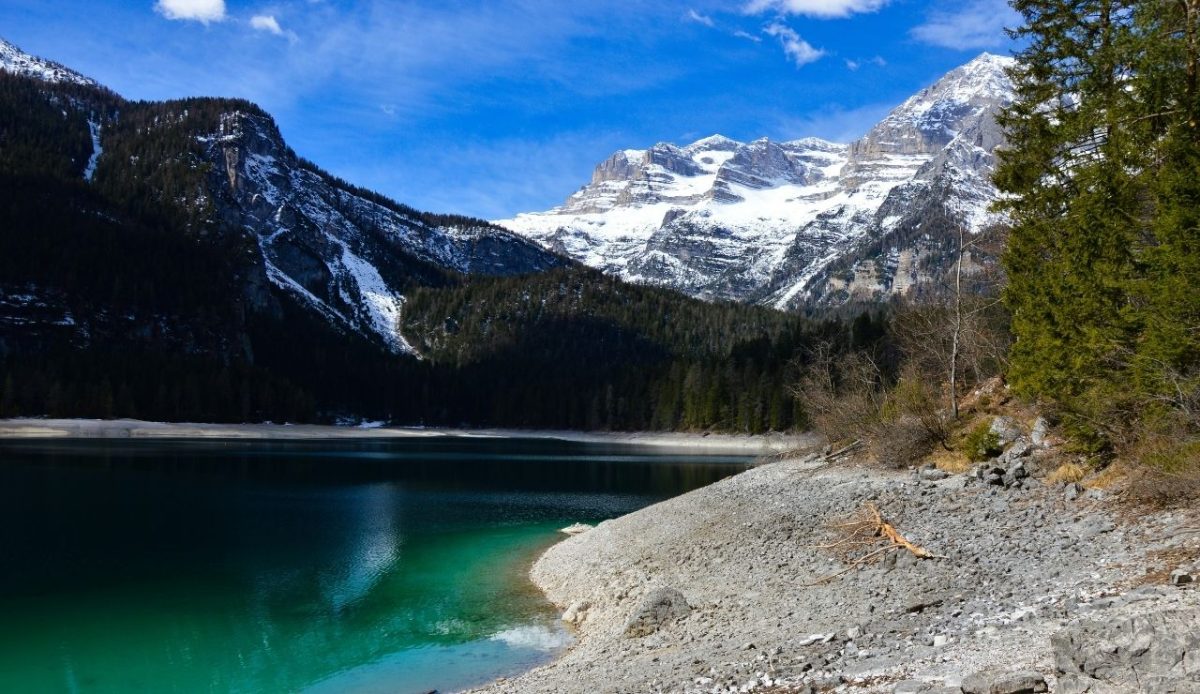
Lago di Tovel is located in the Adamello Brenta Nature Park, surrounded by Dolomite cliffs and dense forest. A marked loop follows the shoreline, giving hikers steady views without technical difficulty. In the early 1900s, algae sometimes turned the water red, a phenomenon that ended in the 1960s but remains part of local stories. Clear water now mirrors the peaks above and draws photographers year-round. Small detours reveal meadows and a short waterfall path. Parking is set outside the shore, requiring a walk to reach the lake. Swimming rules change seasonally, and visitors should check signs. Arriving early avoids summer crowds, and sturdy shoes with a jacket are useful for sudden weather shifts.
2. Lago di Sorapis, Veneto, Italy
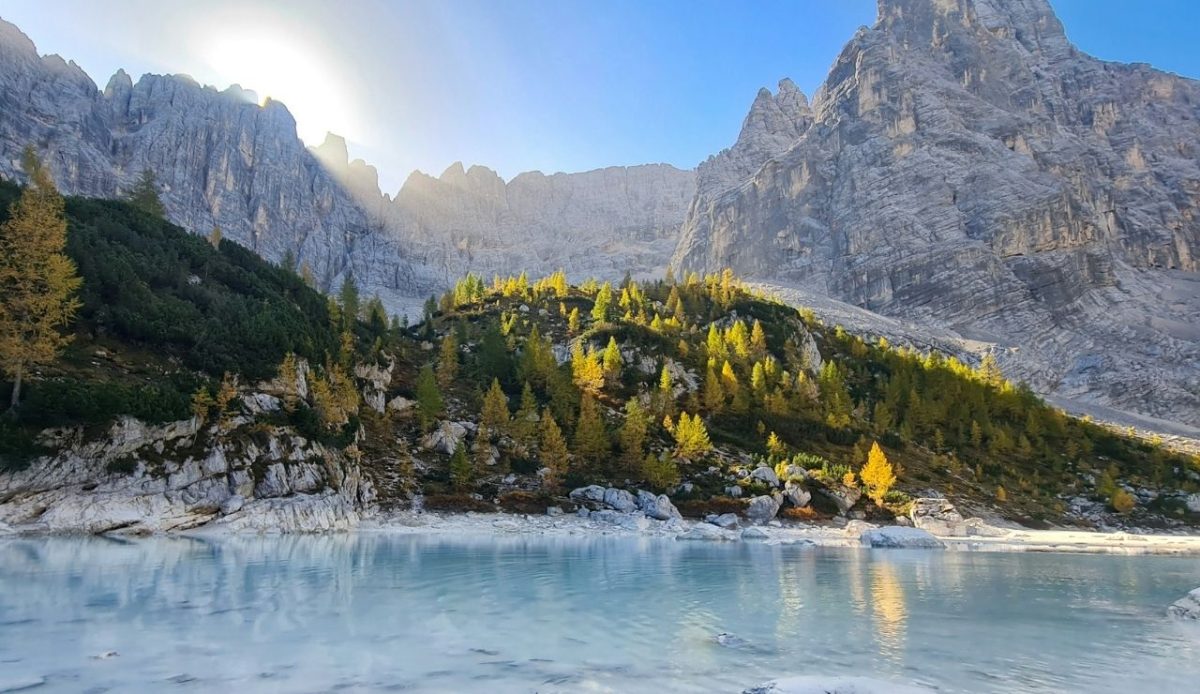
Lago di Sorapis is high above Cortina d’Ampezzo and is recognized for its turquoise water created by glacial sediment. The trail from Passo Tre Croci climbs through forest and scree, taking about three hours each way. Narrow ledges and short cable routes demand attention, so this hike is better for experienced walkers. At the basin, peaks of the Sorapiss group tower above, including the sharp spire called Dito di Dio. A partial path runs along the lake’s edge, offering varied viewpoints. Camping and drones are prohibited, and rules are enforced on site. Morning starts are best, since clouds often form by midday. Good footwear is essential, as the limestone trail becomes slick after rain, and hikers must carry their own supplies.
3. Schrecksee, Allgäu Alps, Germany
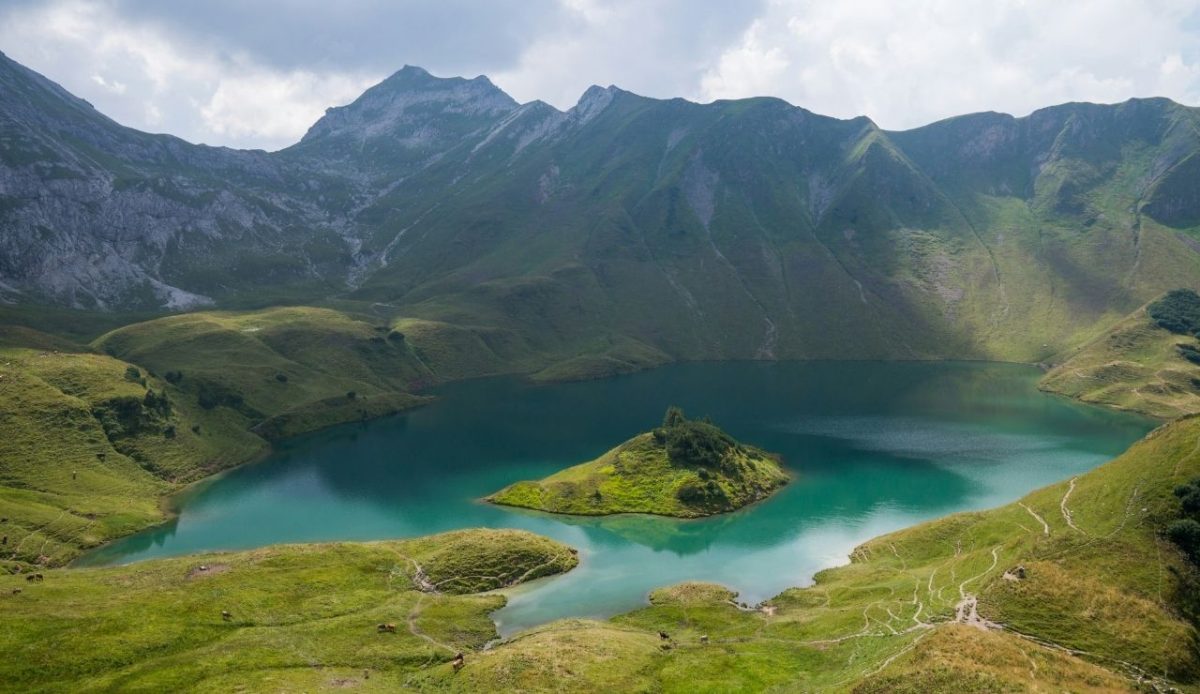
Schrecksee is Germany’s highest natural alpine lake and requires a demanding climb from the village of Hinterstein. The path is steep and often muddy, so stamina and proper footwear are necessary. The lake appears suddenly on a plateau, with ridges enclosing bright green water and a small central island. Winds are strong even in summer, and snow lingers into June. Afternoon storms build quickly, making early starts safer. Wild camping is banned, and fines apply to tents set near the water. The best season is late June to early October, though weather shifts quickly. The quiet plateau, broken only by streams and cattle bells, offers hikers a rare sense of isolation once the final climb is complete.
4. Lagh da Saoseo, Graubünden, Switzerland
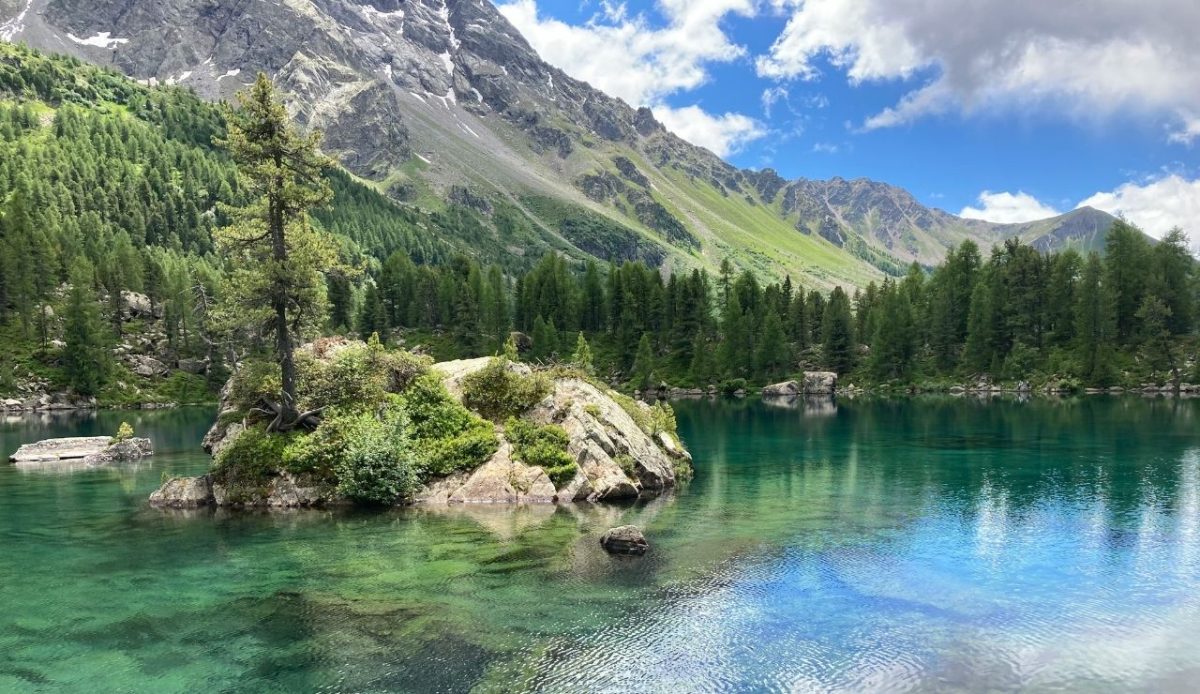
Lagh da Saoseo is in Val da Camp near Poschiavo and is known for deep blue water that reflects larches and granite ridges. Many visitors add nearby Lagh da Val Viola for a longer loop. A seasonal shuttle shortens the walk, though the full hike provides a stronger sense of the valley. Autumn is striking, with golden larch needles creating sharp reflections across the surface. The Saoseo Hut near the shore serves meals and offers shelter in sudden weather changes. Camping near the water is banned to protect fragile soil, and all waste must be packed out. The trail is moderate but lined with roots and stones, so sturdy shoes are recommended. Calm mornings bring still water before breezes ripple the surface.
5. Seealpsee, Appenzell Alps, Switzerland
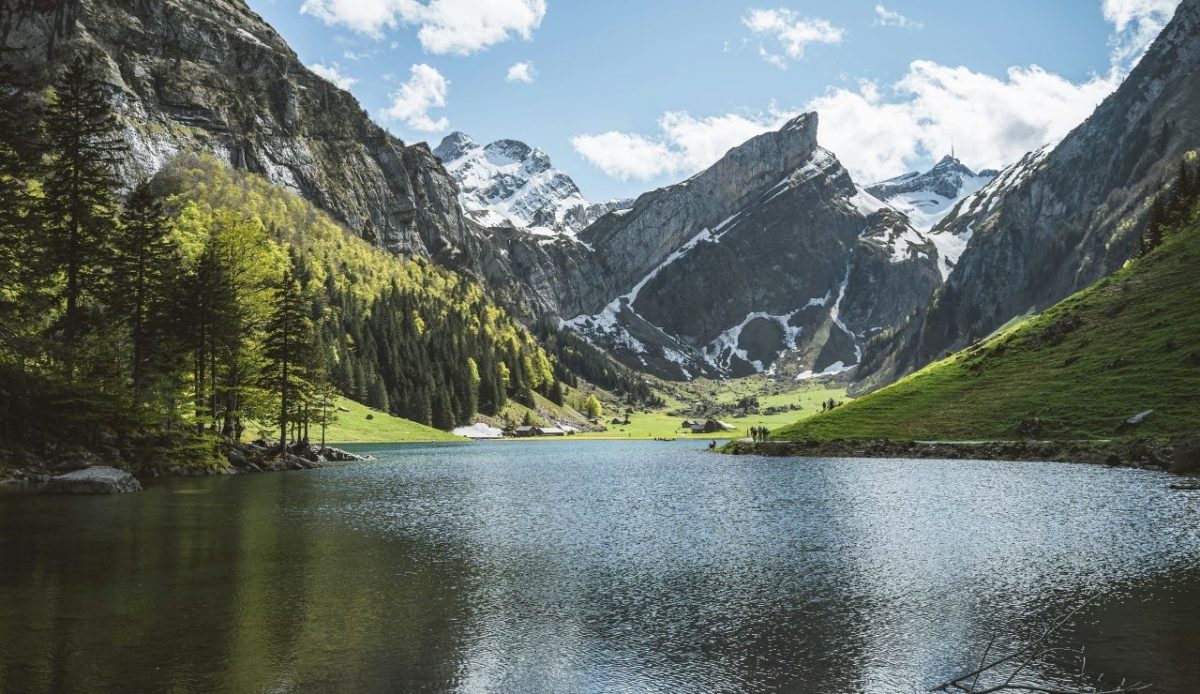
Seealpsee is reached only on foot from Wasserauen in the Alpstein range. One trail climbs steeply through the forest past a small waterfall, while another follows a wider road at a steady grade. Many hikers combine them as a loop. The lake circuit takes about an hour, though side trips to the Aescher inn or Ebenalp caves extend the day. Meadows near the shore are used as pasture, and cattle often graze nearby. Swimming is possible in summer, though the water remains cold. Trails become slick after rain, so shoes with grip are important. Weather changes quickly, and carrying a rain jacket avoids discomfort. On clear days, limestone cliffs rise sharply above the basin, creating dramatic views around the lake.
6. Lough Ouler, County Wicklow, Ireland
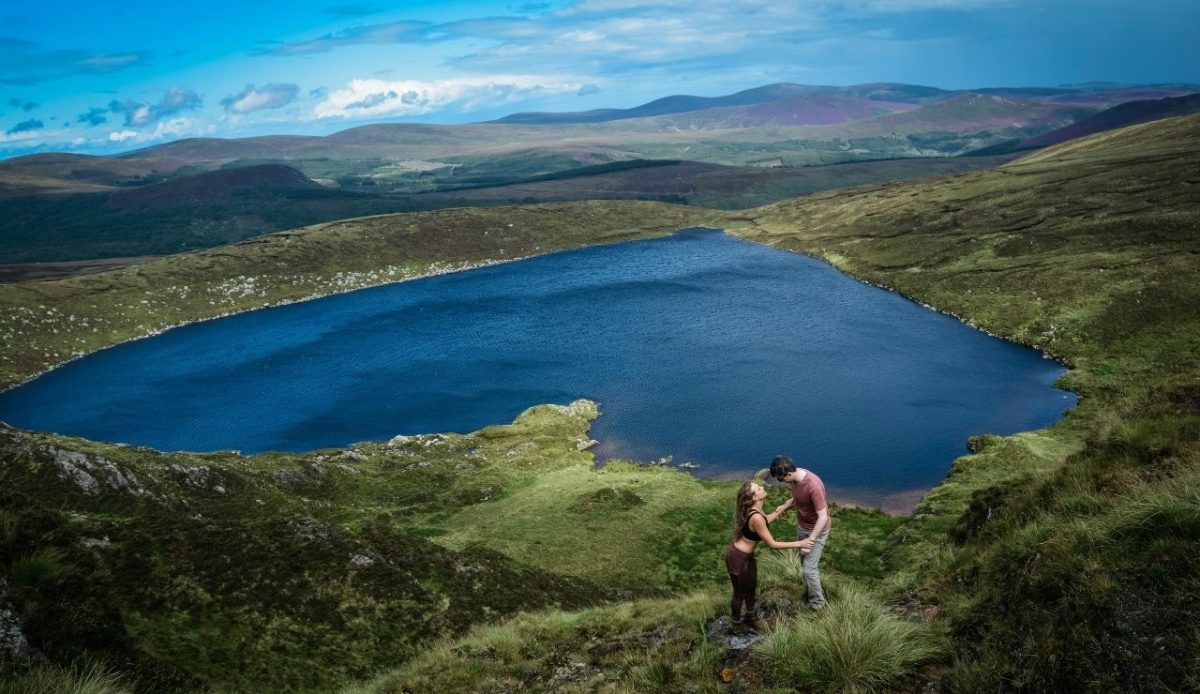
Lough Ouler is in the Wicklow Mountains below Tonelagee and is known for its heart shape. The shorter approach from Tonelagee car park takes two to three hours, while a longer loop from Glenmacnass adds distance and steeper ground. Both routes cross boggy sections, so waterproof boots are needed. The summit ridge provides the best vantage, especially on mornings before mist rolls in. Fog can erase visibility within minutes, making a map and compass essential. Mobile coverage is poor, and GPS signals often fail in the valley. The lake has no services and is bordered by heather and stone. Visitors should close gates behind them, respect farmland, and prepare for sudden weather swings.
7. Lagoa do Fogo, São Miguel, Azores, Portugal
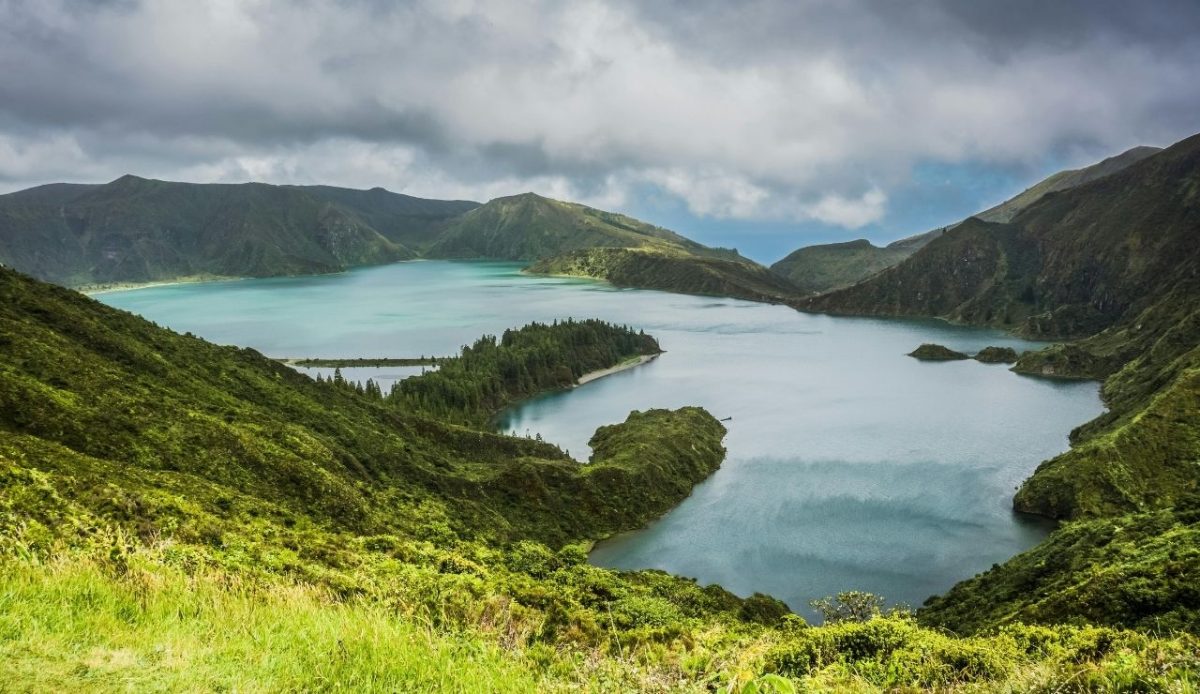
Lagoa do Fogo is a volcanic crater lake on the island of São Miguel. The route from Praia climbs steadily before reaching the rim. A descent path leads to the shore, but it is steep and often slippery. The full round trip takes four to five hours, and humidity makes the climb demanding, so carrying water is essential. Cloud cover is frequent, but breaks appear quickly for those who wait. Swimming is allowed at marked points, though the water remains cold. Birds gather along the shore, and certain areas close during nesting season. Rim viewpoints provide sweeping panoramas for travelers who prefer a shorter visit, though they lack the quiet found at the edge of the lake itself.
8. Bondhusvatnet, Folgefonna National Park, Norway
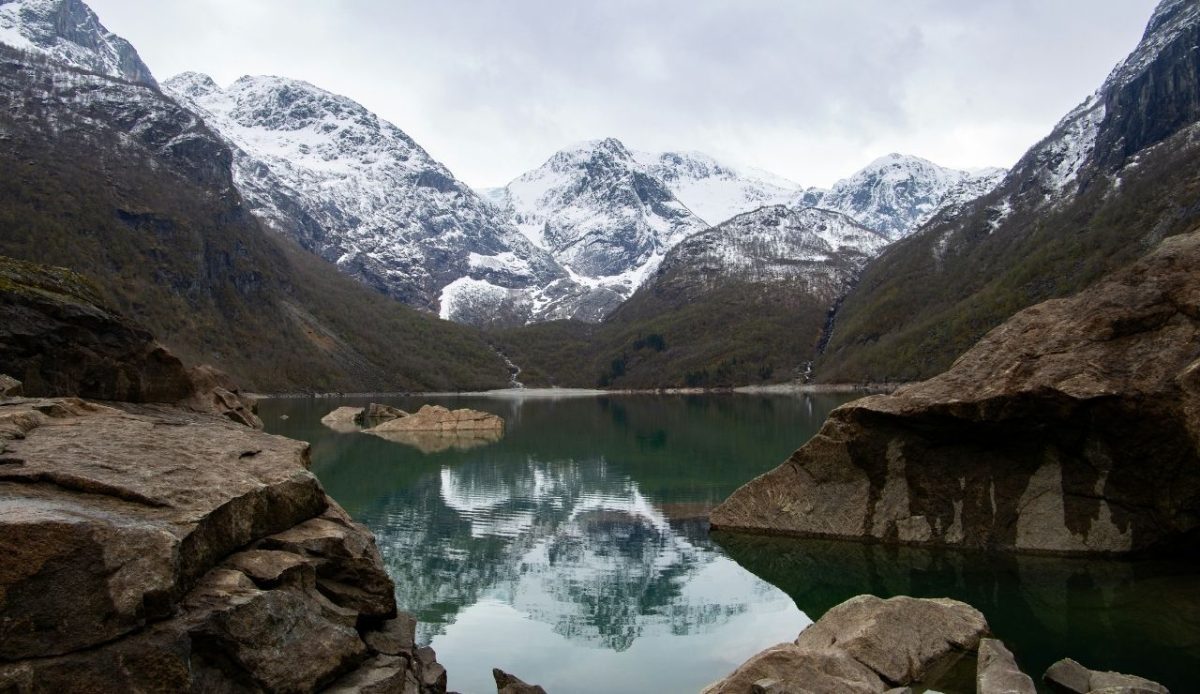
Bondhusvatnet is in Folgefonna National Park and backed by the Bondhus Glacier. A historic gravel road runs gently from Bondhus village to the shore, making the walk accessible for most hikers and suitable for wheelchairs in sections. Benches and viewpoints line the way, and the round trip takes about two hours. Stronger hikers can continue deeper into the valley for closer glacier views. Temperatures drop as cold air flows down from the ice, so warm clothing is necessary even in summer. Swimming is possible but uncomfortable due to icy water. Camping is limited, and fires are banned. The trail is busiest in summer, so early or late visits bring quieter conditions and clearer reflections across the surface.
