
Recent changes to China’s visa policies have added new hurdles for American travelers planning trips for tourism, business, or family visits. Procedures that were once predictable now require closer attention to documentation, eligibility, and timing before departure. These shifts affect both first-time applicants and repeat visitors.
For U.S. travelers, the impact is often felt during trip planning. Assumptions about processing times or entry rules may no longer apply, and small policy updates can lead to delays or added costs if overlooked.
This article highlights eight China visa changes disrupting American travel plans and explains why advance preparation is now more important than ever.
1. Increased Documentation Requirements

China has expanded documentation requirements for several visa types, including tourism and business travel. American applicants are now more often asked for detailed itineraries, confirmed lodging, and formal invitation letters that meet strict guidelines. Incomplete paperwork can delay or derail applications.
These requirements increase preparation time for travelers accustomed to simpler processes. Basic travel details are no longer enough, as applications receive closer review.
For last-minute travelers, this shift can disrupt plans, forcing schedule changes or postponed trips due to slower approvals.
2. Longer Visa Processing Times

Processing times for China visas have become less predictable for American applicants. In many cases, standard processing now takes longer than previously advertised, especially during peak travel seasons. This shift affects travelers who rely on fixed departure dates.
Delays can occur even when applications are complete and accurate. Additional reviews or verification steps may be required without advance notice, leaving travelers uncertain about approval timelines. Express options are not always available.
As a result, travelers must apply earlier than before to avoid disruptions. Those who wait too long may face canceled flights or nonrefundable accommodation losses if visas are not issued in time.
3. Reduced Visa Validity for Some Travelers
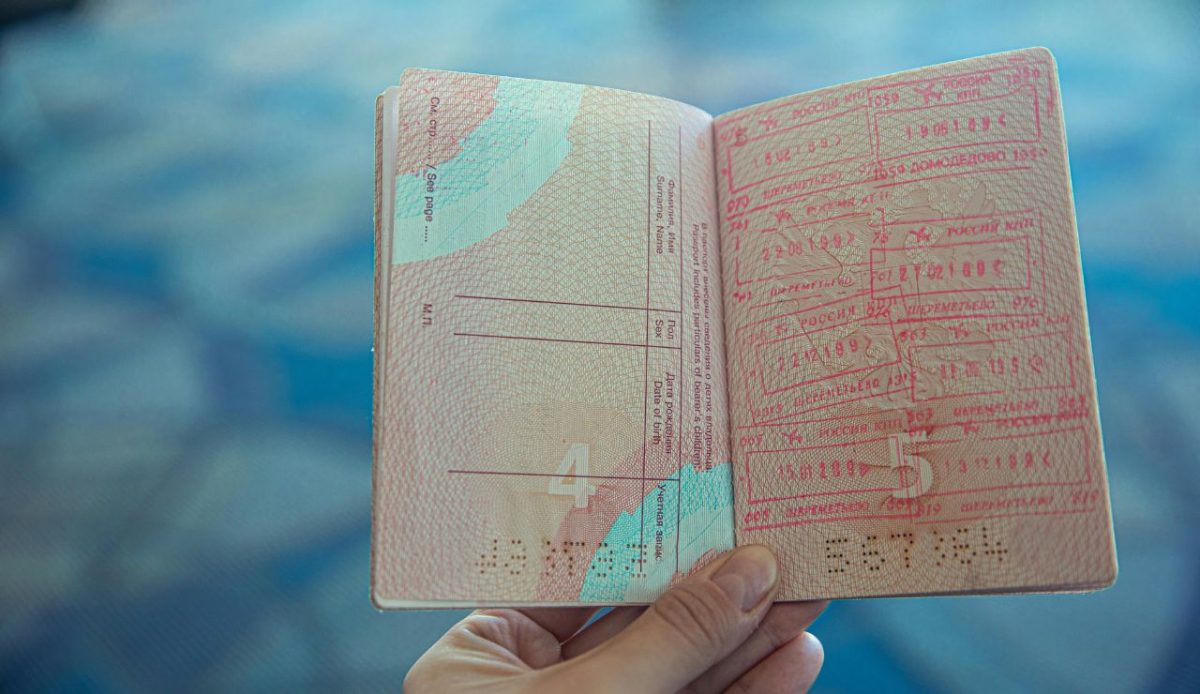
Some American travelers are receiving visas with shorter validity periods than expected. Instead of long-term or multi-year visas, applicants may be granted single-entry or short-duration visas based on travel history or purpose.
This change affects frequent travelers who previously relied on extended validity for repeated visits. Shorter visas limit flexibility and require more frequent applications, increasing both cost and administrative effort.
For travelers planning multiple trips, this reduction complicates long-term scheduling. Each new visit may now require a separate application, making spontaneous or repeat travel more difficult to manage.
4. Stricter Interview and Biometric Rules

Visa application centers have increased the use of in-person interviews and biometric collection for American applicants. Fingerprints and photographs are now required more consistently, even for renewals in some cases.
These requirements reduce convenience for travelers living far from visa centers. Scheduling appointments can take time, and availability may be limited during busy periods. This adds another step to the planning process.
For travelers expecting mail-in or simplified renewals, these rules can be disruptive. In-person attendance introduces logistical challenges that must be considered well before booking travel.
5. Changes to Business Visa Eligibility

China has adjusted eligibility criteria for business visas, affecting Americans attending meetings, trade events, or short-term projects. Clearer proof of business purpose is now required, including official invitations from Chinese organizations.
Applications lacking precise details may be denied or reclassified. This can lead to confusion about which visa type is appropriate, especially for short visits that blur the line between tourism and business.
These changes have disrupted corporate travel planning. Companies must coordinate closely with partners in China to ensure documentation meets updated standards and avoids costly delays.
6. Limited Appointment Availability

Appointment availability at Chinese visa application centers in the United States has become more limited, creating added planning pressure for American travelers. High demand, combined with reduced staffing and shorter operating hours, has made it harder to secure timely appointment slots, even for standard visa categories.
Many applicants now find appointments booked weeks in advance, leaving little flexibility. Walk-in services are generally unavailable or restricted, requiring travelers to plan submissions far earlier than they may expect.
This issue affects travelers with fixed departure dates the most. Without early preparation, even eligible applicants may miss submission windows, forcing itinerary changes or delayed trips.
7. Increased Scrutiny of Travel History

American visa applicants are facing increased scrutiny of their international travel history when applying for entry to China. Past visits, overstays in other countries, or inconsistent records across applications can now influence approval outcomes more than before.
Applicants must ensure that all previous travel details are accurate and clearly documented. Even minor discrepancies may lead to follow-up requests, additional explanations, or extended processing timelines during the review stage.
For frequent travelers, this change introduces added uncertainty. Applications that were once straightforward may now require extra verification, slowing approvals and complicating schedules for business, tourism, or family travel.
8. Evolving Entry and Exit Conditions
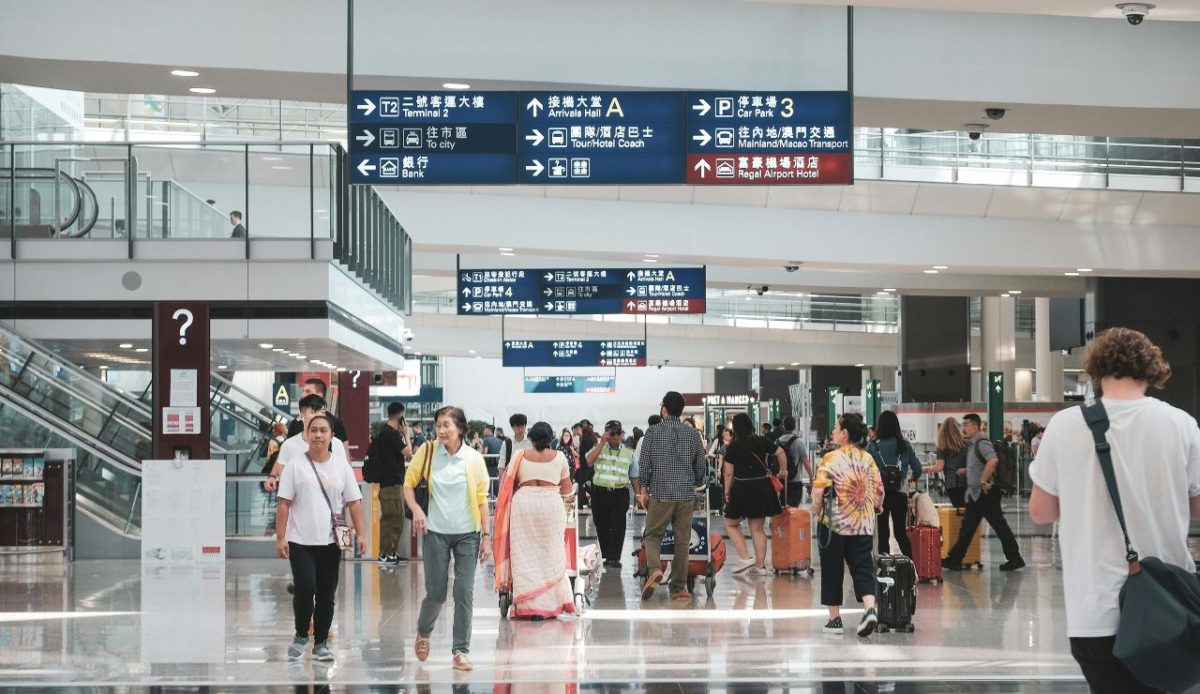
Receiving a Chinese visa no longer guarantees smooth entry under all conditions. Entry and exit requirements have become more dynamic, with policy adjustments sometimes implemented on short notice, affecting American travelers upon arrival.
Conditions related to health declarations, local registration rules, or region-specific requirements can vary and may change after a visa is issued. Travelers must remain informed throughout the planning process to avoid unexpected complications.
These evolving rules reduce flexibility for travelers. Even well-prepared itineraries can be disrupted if entry conditions shift, making ongoing monitoring of official guidance an essential part of travel planning.
