
Airports are often hubs of excitement, cultural displays, and impressive architecture. Many travelers instinctively reach for their cameras to capture memorable moments.
However, several airports around the world have strict bans on photography, often for security, privacy, or operational reasons. Ignoring these rules can result in fines, confiscation of devices, or even legal trouble.
This guide highlights eight airports where travelers must resist the urge to snap photos. Understanding these restrictions helps visitors navigate rules respectfully while still appreciating the architecture and unique culture of each location.
1. London Heathrow Airport, UK
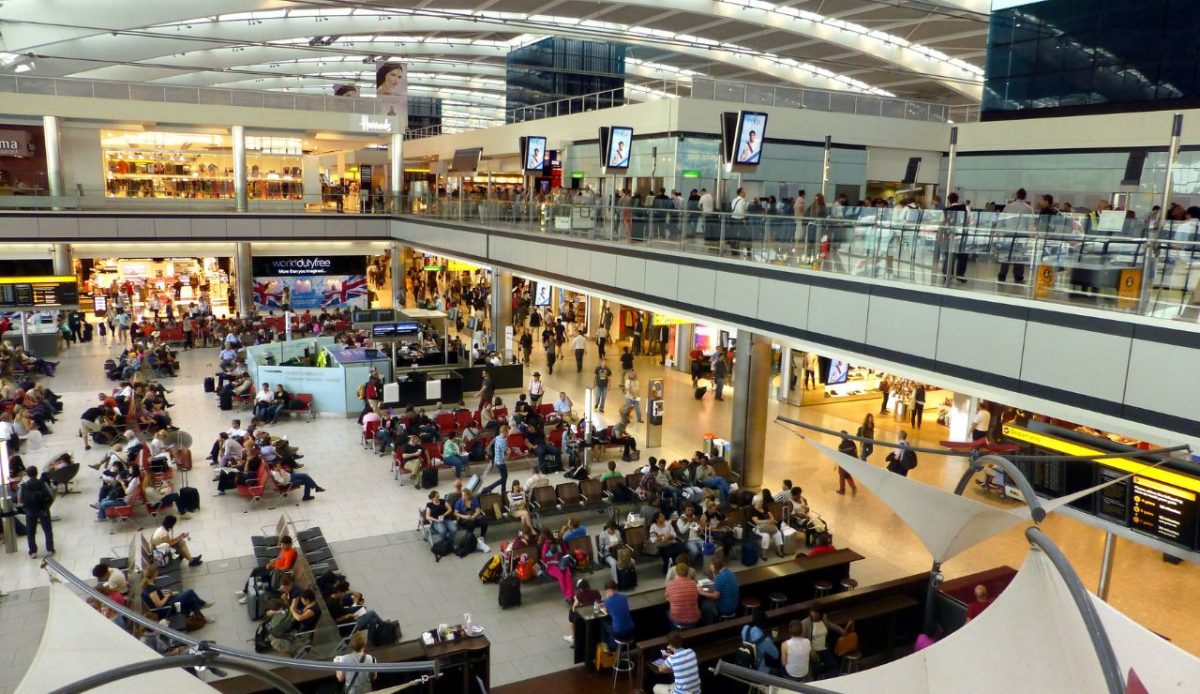
London Heathrow is one of the busiest airports globally, with stringent rules regarding photography. Security concerns dominate, as capturing restricted areas can pose safety risks.
Airport authorities monitor terminals carefully, and signage warns travelers against unauthorized photos, especially in customs, security, and baggage areas. Social media posts of sensitive areas have been flagged previously, prompting stricter enforcement.
While capturing general airport scenes may seem harmless, travelers are advised to comply fully. Ignoring the rules could lead to confiscation of cameras or mobile devices, fines, and questioning by security personnel.
2. Dubai International Airport, UAE
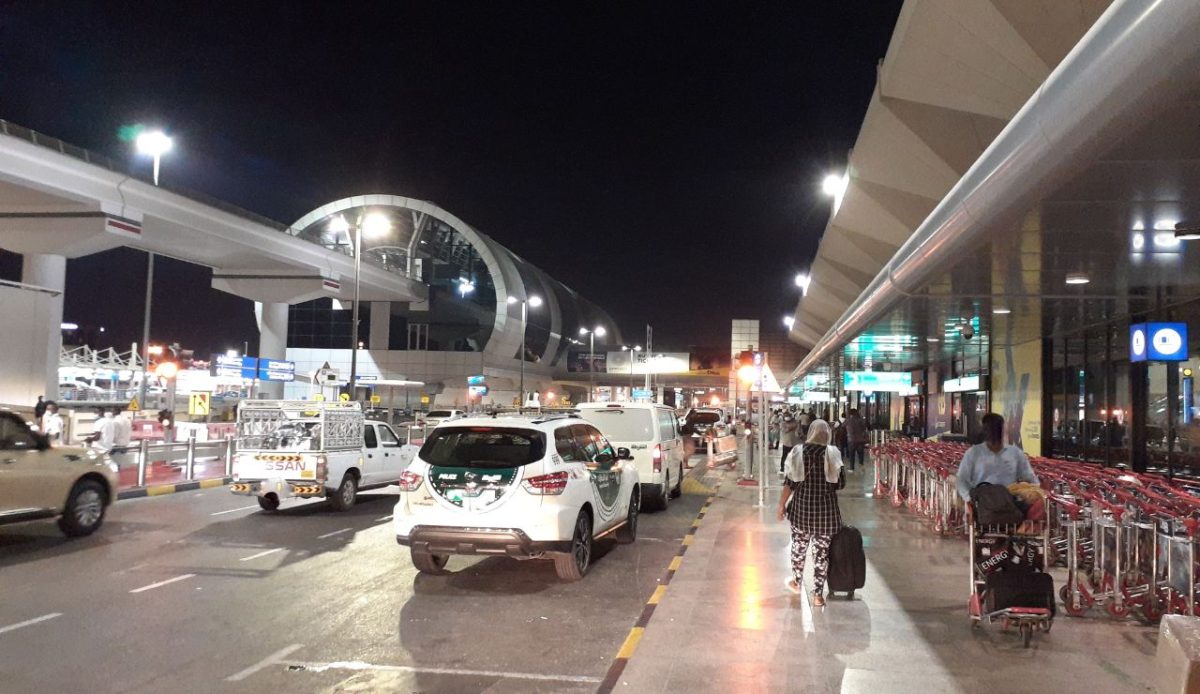
Dubai International is known for luxury and innovation, but photography is strictly controlled in certain areas. Security-sensitive zones, immigration counters, and customs are off-limits.
Airport staff frequently remind travelers that capturing operational areas or airport personnel is prohibited. This ensures smooth operations while protecting passengers’ privacy. Signs and announcements reinforce these rules throughout the terminal.
Visitors can photograph open public areas like lounges or shopping spaces, but capturing restricted zones can lead to fines or temporary device confiscation. Awareness and caution are crucial when exploring the airport.
3. Moscow Sheremetyevo Airport, Russia
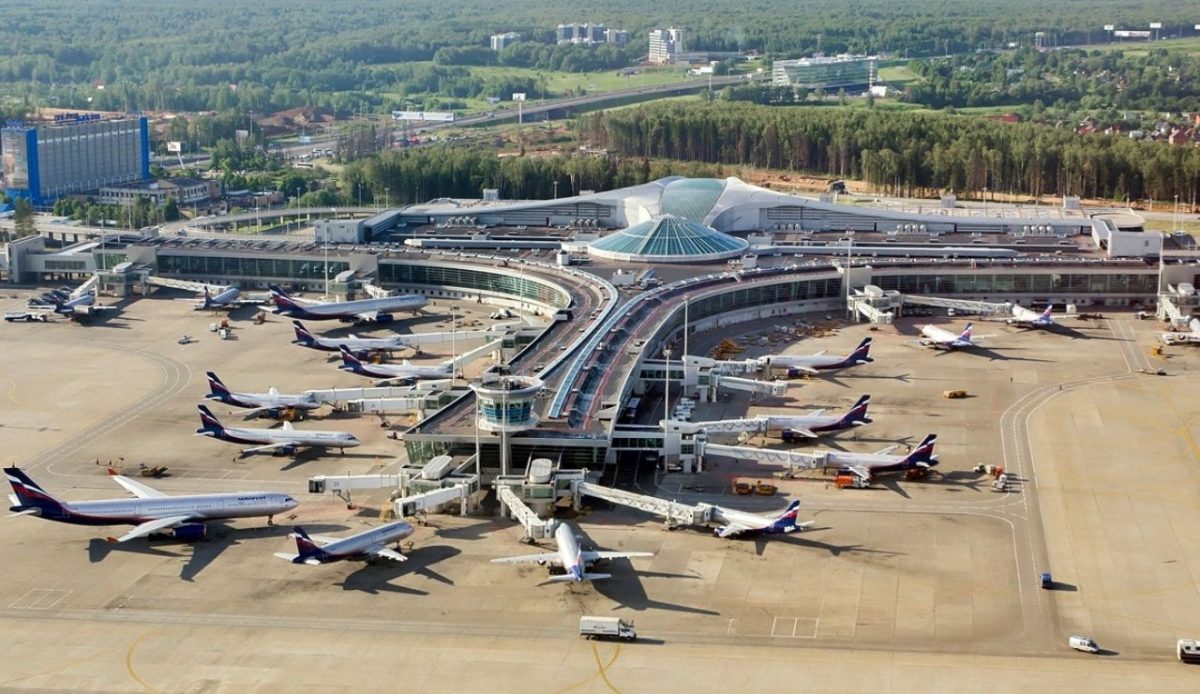
Sheremetyevo Airport maintains a strict no-photography policy in restricted areas. Russian regulations emphasize security and the protection of operational procedures, including customs and passport control.
Unauthorized photography in check-in halls, passport control, or baggage areas can lead to staff intervention. Security personnel are vigilant, and travelers may be asked to delete images or face penalties, especially if military or government personnel are visible.
Tourists should respect these rules to avoid conflicts. While the airport itself is architecturally impressive, visitors must prioritize safety and compliance over personal photography ambitions, ensuring a smooth journey without legal trouble.
4. Beijing Capital International Airport, China
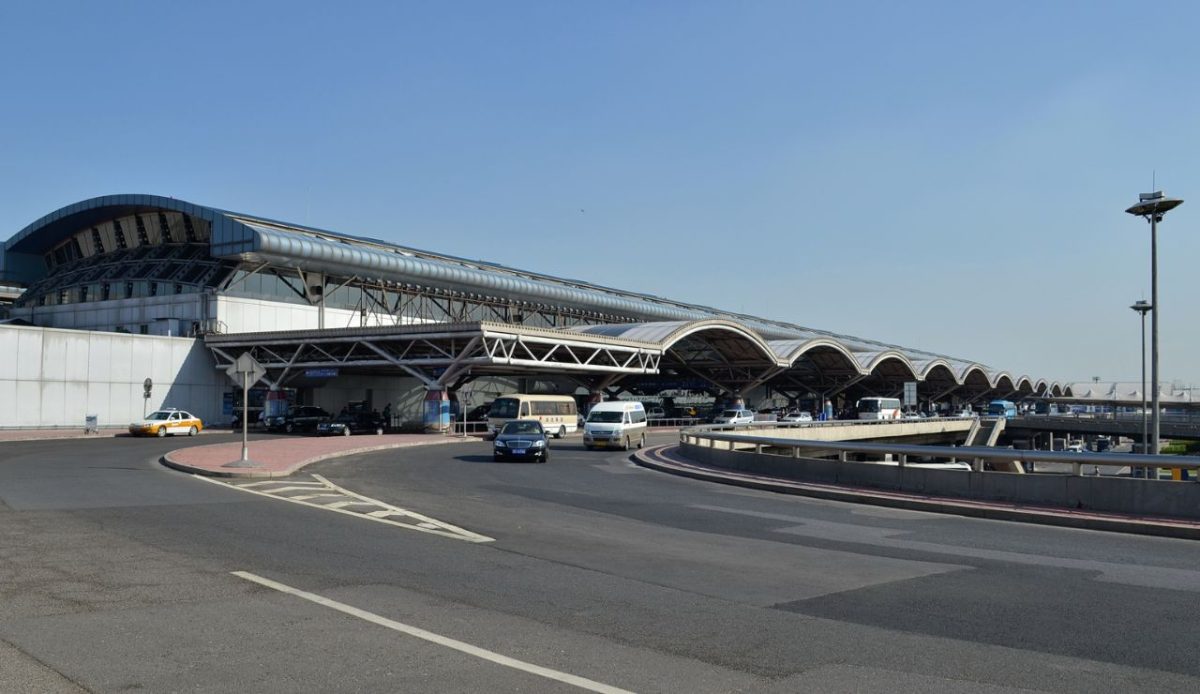
Beijing Capital International enforces strict photo restrictions in immigration, security checkpoints, and operational zones. Chinese regulations prioritize national security, passenger safety, and airport operational integrity.
Airport staff actively monitor terminals, and signs inform visitors of prohibited areas. Unauthorized photography can result in warnings, fines, or confiscation of electronic devices, and repeated offenses may involve questioning by authorities.
Travelers can enjoy photography in public retail and dining spaces, but must remain cautious near security-sensitive locations. Compliance ensures a stress-free experience at one of the world’s busiest aviation hubs while avoiding serious legal consequences.
5. Singapore Changi Airport, Singapore
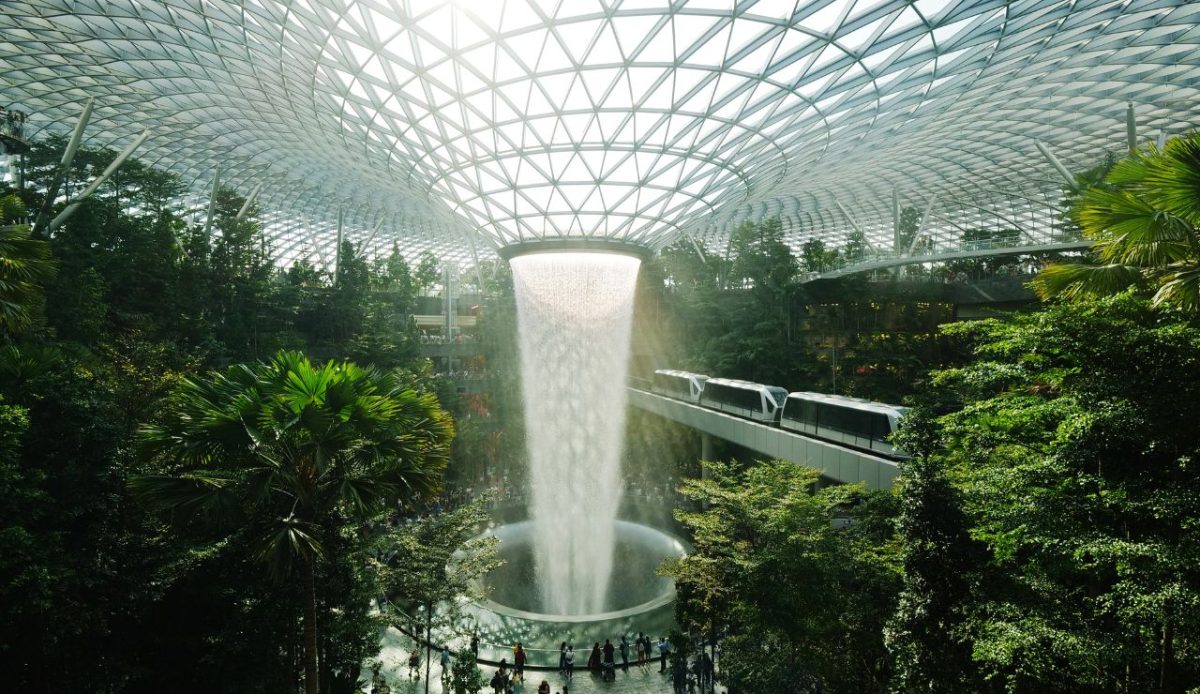
Changi Airport is celebrated for its design, gardens, and attractions, yet photography in restricted zones is prohibited to maintain security, privacy, and operational efficiency.
Check-in counters, immigration halls, and baggage handling areas are off-limits. Staff regularly enforce these rules, and announcements remind travelers to respect local regulations and protect sensitive operations.
Visitors can photograph public areas like the Jewel complex or airport gardens, but must remain aware of off-limit zones. Following these guidelines ensures a safe, incident-free experience while exploring one of the world’s most admired airports.
6. Dubai Al Maktoum International Airport, UAE
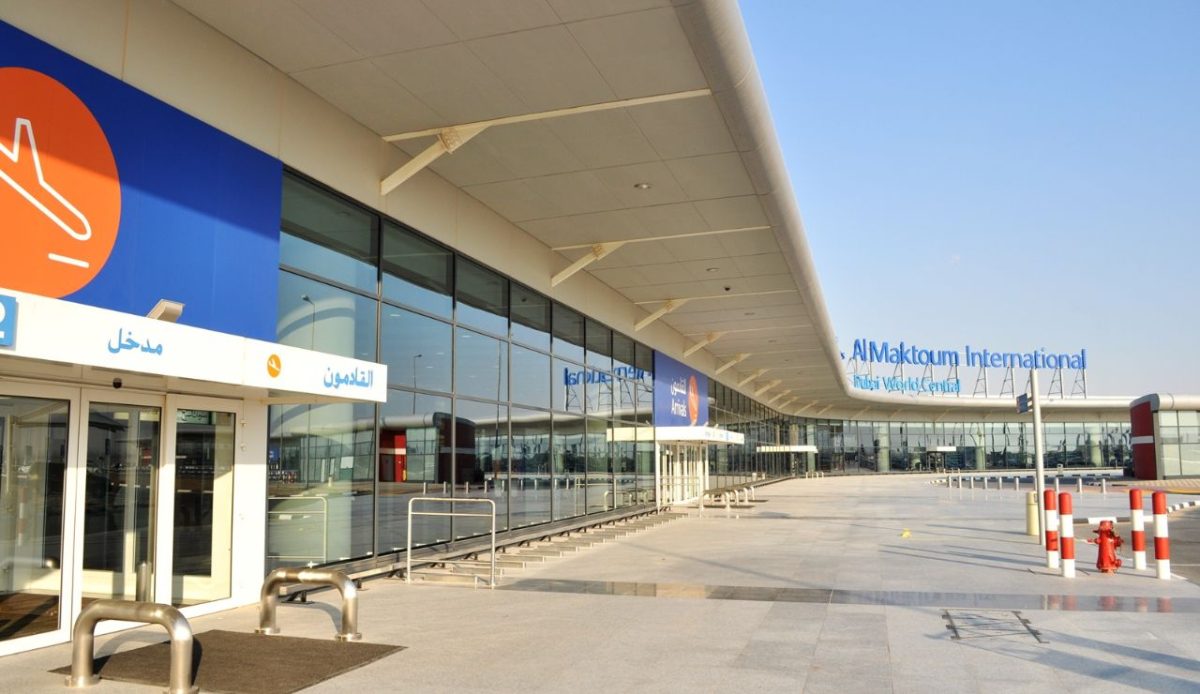
Al Maktoum International enforces similar restrictions to Dubai International. Photography in immigration, cargo, and security zones is strictly prohibited to safeguard passenger safety and operational integrity.
Airport authorities prioritize operational safety and passenger privacy, with signage reminding travelers of prohibited zones. Staff may intervene if rules are broken, and repeated violations can result in temporary device confiscation or fines.
While terminal areas with shops and lounges are generally safe for photography, any images of restricted zones can lead to serious consequences. Visitors should plan their photos carefully to avoid legal and security issues.
7. New Delhi Indira Gandhi International Airport, India
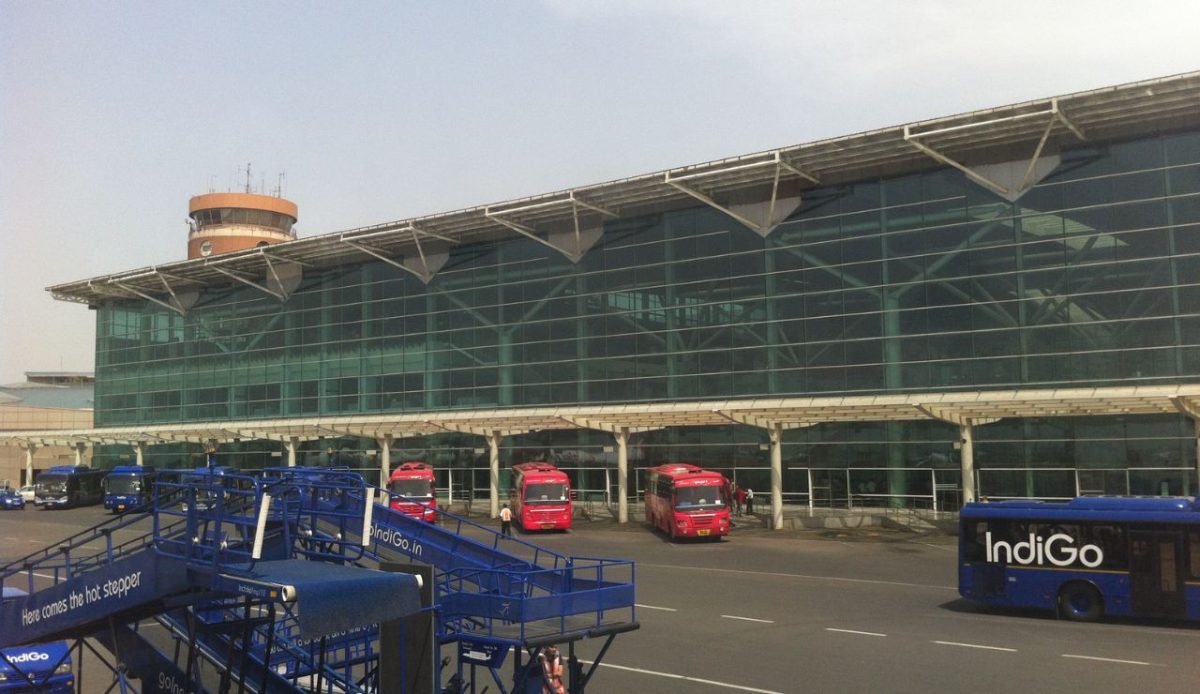
Photography at Indira Gandhi International is prohibited in customs, immigration, and security checkpoints. India’s aviation regulations focus heavily on passenger and airport safety, especially in high-traffic terminals.
Travelers attempting to capture images in off-limit areas may be stopped by airport police or security personnel. Fines and temporary confiscation of devices are possible consequences, and repeat violations could result in questioning.
Public spaces like arrival halls and food courts may allow casual photography, but caution is essential. Following airport rules ensures a smooth, safe experience while navigating one of India’s busiest and most heavily secured airports.
8. Riyadh King Khalid International Airport, Saudi Arabia
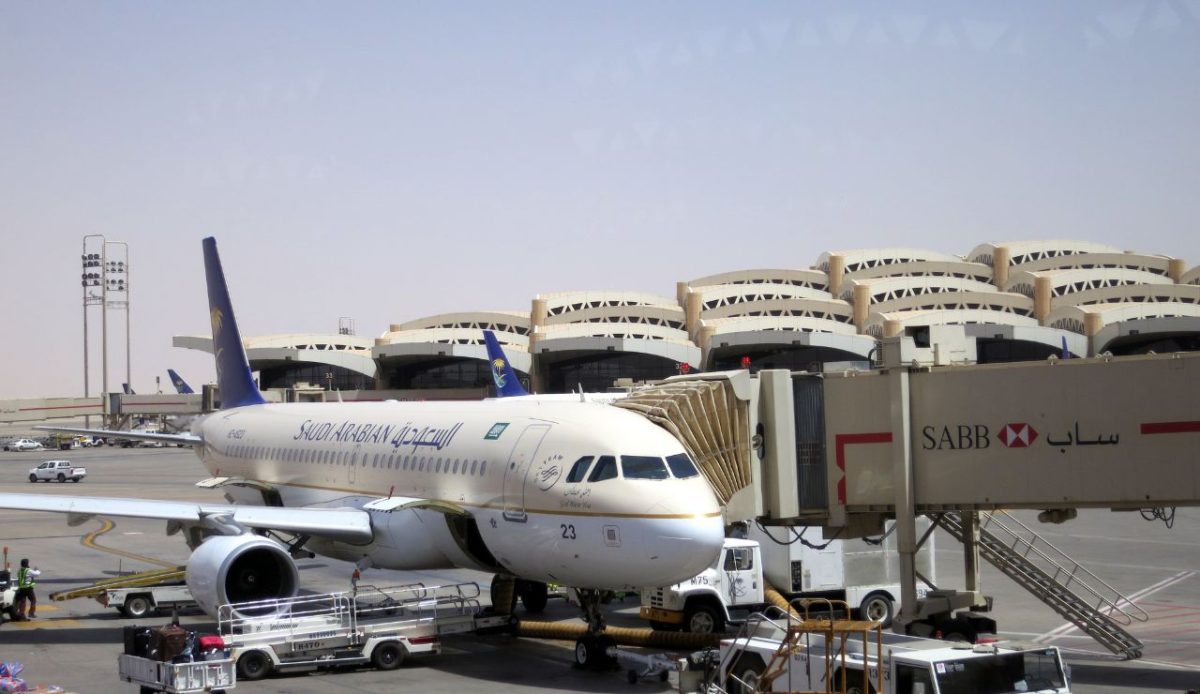
Riyadh’s airport strictly bans photography in security, customs, and operational zones. These measures reflect national security priorities, passenger safety, and protection of sensitive airport operations.
Signs, announcements, and staff vigilance remind travelers that capturing images in restricted areas is forbidden. Non-compliance can lead to fines, questioning, or confiscation of cameras, particularly in security-heavy terminals.
Visitors can enjoy photographing public spaces and architectural features, but awareness of prohibited zones is critical. Respecting these rules ensures both safety and cultural sensitivity while passing through one of Saudi Arabia’s major international gateways.
