
Airlines sometimes sell more tickets than seats because no-show rates are expected. When every passenger arrives, a seat must be surrendered, usually at the gate. In the US, oversales are governed mainly by 14 CFR Part 250 and DOT guidance.
Problems start when rules meet real-time pressure. Travelers must decide fast, while families, tight connections, and work deadlines raise the stakes. Terms matter because voluntary deals are negotiated, while involuntary payments follow a federal formula.
DOT consumer reporting tracks are bumping quarterly. For Q4 2024, the involuntary denied boarding rate was 0.25 per 10,000 passengers, higher than 0.20 in Q4 2023. This article covers eight practices passengers say are worsening.
1. Gate-Based Volunteer Auctions
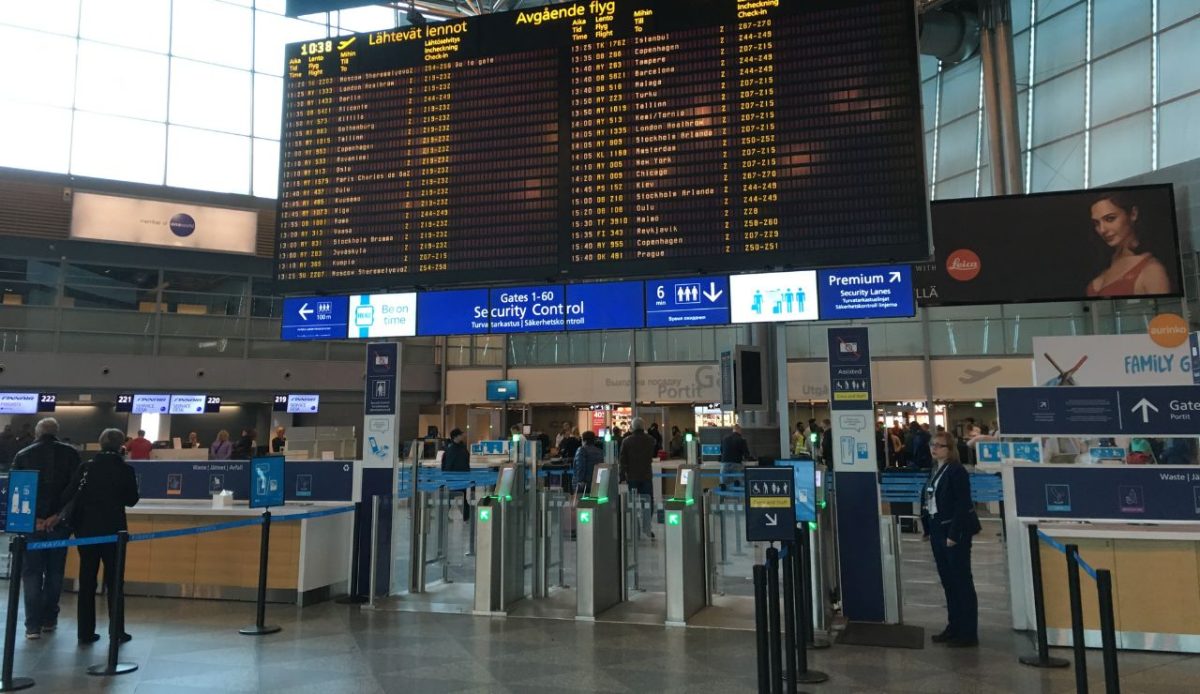
DOT says airlines must first ask for volunteers before anyone is bumped involuntarily. That requirement turns many oversales into a gate negotiation, with repeated calls for passengers willing to take a later flight.
Offers often begin as flight credit and rise in steps until enough people accept. Because voluntary compensation has no federal minimum or maximum, the opening bid can be low, and the increase pace is controlled by staff and the time left to depart.
For travelers, the pressure comes from uncertainty. Accept early, and the payout may be smaller than it could have been. Wait too long, and boarding can close. The process feels like a tactic, not a service recovery. It also disrupts groups.
2. Voucher Offers With Hidden Limits
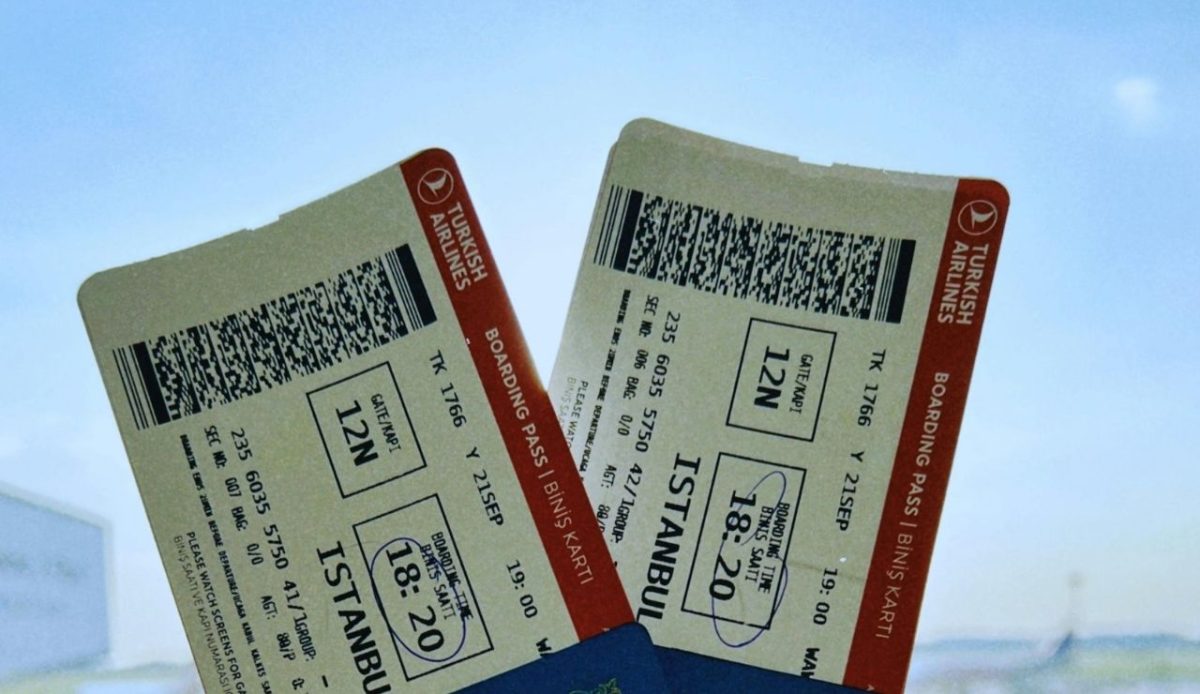
When volunteers step forward, airlines commonly offer vouchers instead of cash. DOT guidance says material voucher restrictions must be disclosed before a passenger agrees to give up the seat, so the choice is informed.
Restrictions can include expiration, blackout dates, or limits on fare types and partner flights. DOT has also penalized carriers for failures tied to oversales voucher fee disclosure, showing that these details matter in enforcement, not only policy text.
Travelers complain that the fine print is delivered quickly at a crowded podium, sometimes after a verbal yes. If the voucher cannot be used for planned trips, the compensation becomes less meaningful than the headline amount implies.
3. Airline Chosen Volunteer Acceptance
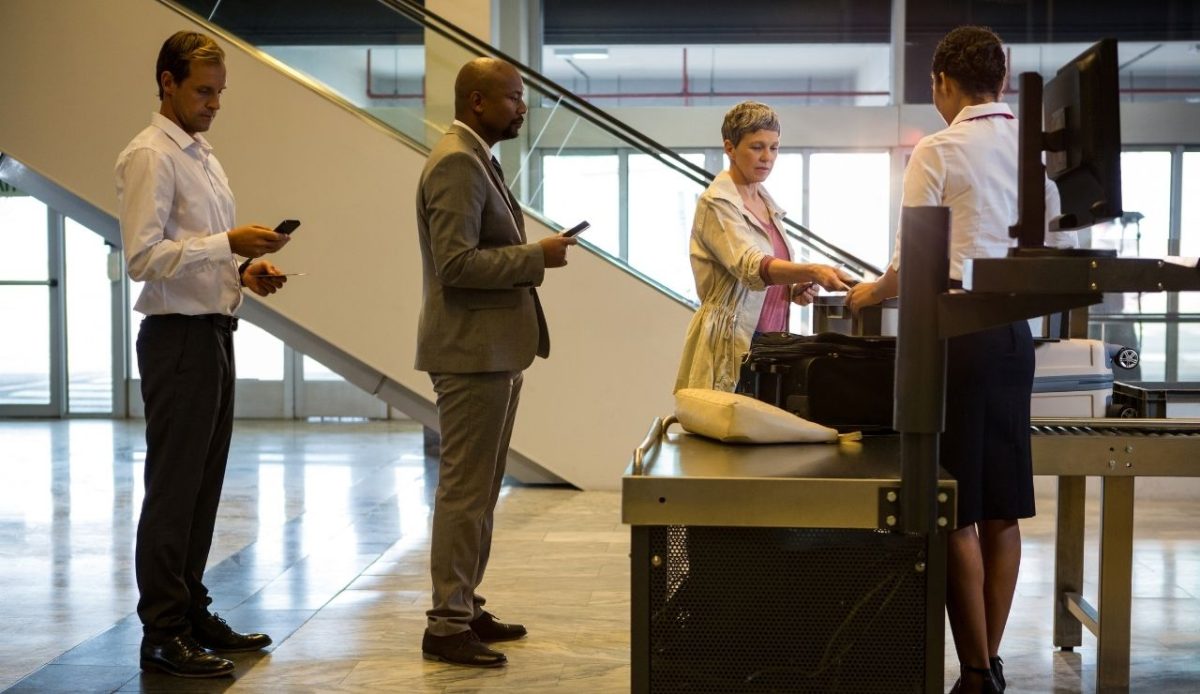
On some oversold flights, more people volunteer than the number of seats needed. Several airline contracts state the carrier may decide which volunteers are accepted, even when multiple passengers agree to the same offer.
That selection can be based on factors the airline chooses, such as itinerary complexity, seating needs, or timing. Because the rule is contractual, not standardized by federal regulation, two passengers may hear the same offer and still get different outcomes. The criteria are rarely read aloud.
This feels worse when the gate display shows a high amount and a traveler accepts, then is told they were not chosen. The lack of a clear selection order makes the process seem arbitrary.
4. Complex And Shifting Volunteer Deals
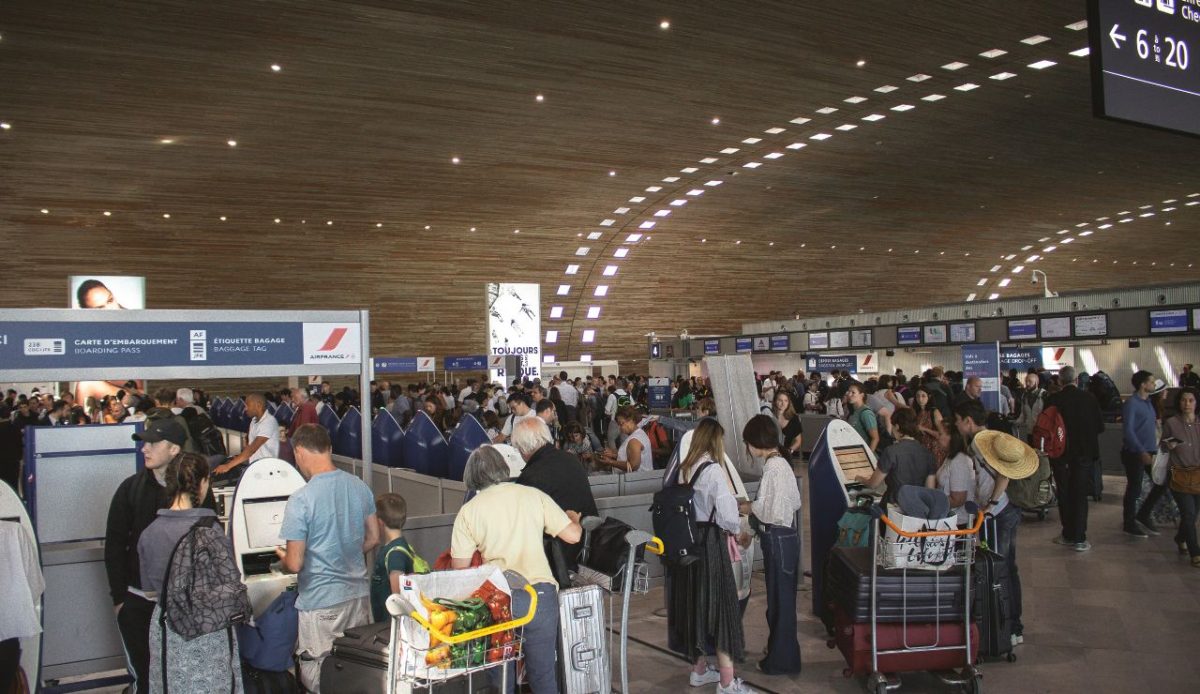
Federal rules set a formula for involuntary denied boarding, but they do not set a schedule for volunteers. DOT states the airline and the volunteer may agree on any type or amount, which leaves the terms to each carrier.
Airlines can frame offers as travel credit, miles, upgrades, or combinations, and may attach usage limits. Travelers say the shift toward complex packages makes it harder to compare offers, especially when multiple passengers are deciding at once.
Without a clear baseline, the same delay can be priced very differently across routes and days. That inconsistency feeds mistrust, because passengers cannot tell if an offer reflects real inconvenience or just a quick way to close the door.
5. Priority Rules That Favor Higher Fares
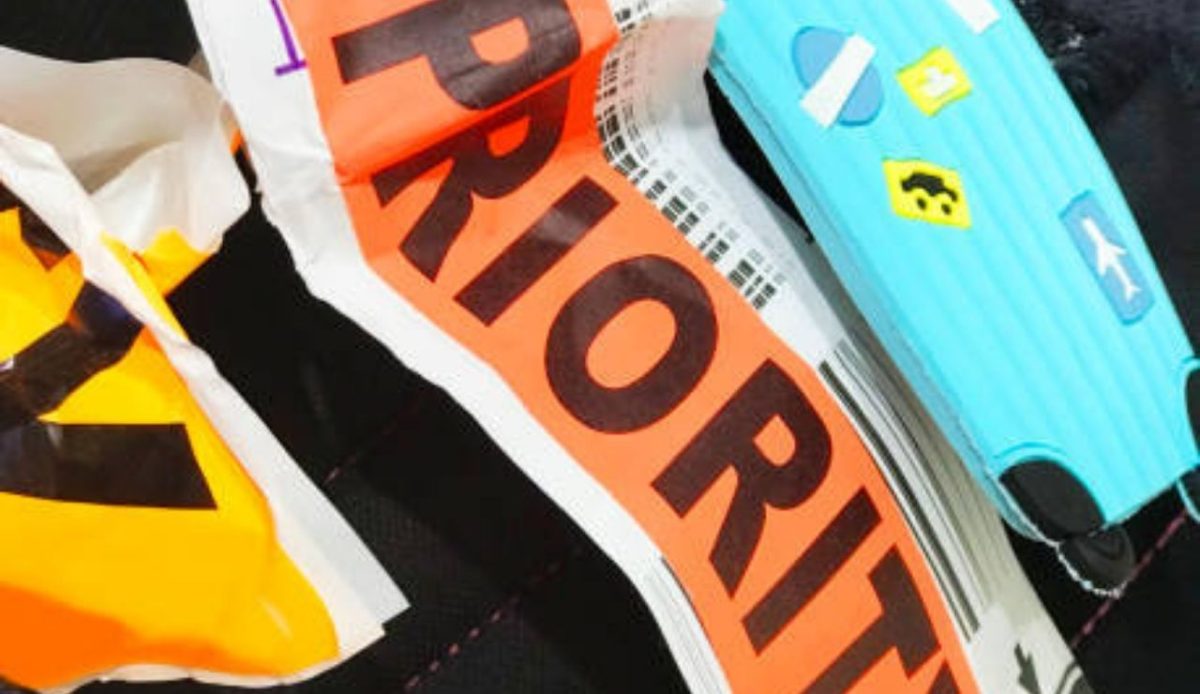
If not enough volunteers are found, airlines apply their boarding priority rules to choose who is denied boarding. DOT guidance notes that airlines may use factors such as check-in time, fare paid, and frequent flyer status.
Many travelers notice that premium cabins and elite tiers are protected first, while basic economy and discount tickets face higher exposure. Because these criteria are allowed, the outcome can feel like a penalty for buying the lowest fare, not a random oversales event.
The practice is not hidden, yet it often surprises casual flyers who assume a confirmed ticket guarantees a seat. When oversales happen, the priority ladder can move quickly, and families sitting apart may see only one person selected.
6. One-Hour Rebooking Threshold

Under 14 CFR 250.5, no compensation is owed if alternate transport is planned to arrive no later than one hour after the original planned arrival. Once the delay crosses that line, a cash formula applies for eligible passengers.
For domestic travel, the rule sets 200 percent of the one-way fare, capped at $1,075, when arrival is planned more than one hour but less than four hours late. If the plan is four hours or more, it becomes 400 percent, capped at $2,150.
Travelers say airlines now work aggressively to place them on tight connections that keep the planned arrival inside the free zone. When the schedule looks compliant, but the trip still collapses in real life, the passenger can feel shortchanged.
7. Gate Paperwork And Payment Friction
Federal rules require airlines to provide a written statement when boarding is denied involuntarily. The notice must explain compensation terms and the airline’s priority rules, so passengers can verify what is owed on the spot.
Compensation is generally due the same day, and DOT guidance says it must be cash or check unless the passenger accepts another form. Travelers report being handed links, receipts, or vague promises, then having to chase payment after travel ends.
The gate environment makes disputes more likely. Agents may be managing a late departure, a line of upset customers, and a short staffing roster. When documents are missing or rushed, passengers can accept less than what the regulation requires.
8. Recent Data Showing A Small Uptick
Bumping data are reported quarterly in the Air Travel Consumer Report, which lets passengers track trends beyond anecdotes. The BTS release for the full year 2024 notes that Q4 oversales outcomes changed compared with the prior year.
In Q4 2024, the ten reporting US marketing carriers posted an involuntary denied boarding rate of 0.25 per 10,000 passengers. That was higher than 0.20 in Q4 2023 and lower than 0.28 in Q3 2024, showing movement in both directions.
Even small rate shifts can affect many trips because large airlines carry millions of passengers per quarter. Travelers who get bumped often share the story widely, so a modest rise can feel like a larger problem across the flying public.
