
Travel can be thrilling, but some destinations are marred by extreme violence that shocks even seasoned visitors. From civil unrest to gang activity, these places pose serious safety challenges. Yet, millions of travelers continue visiting due to historical significance, cultural heritage, or unique landscapes. While caution is critical, these destinations offer insights into resilience, local life, and compelling experiences that go beyond headlines. In this article, we explore seven of the world’s most dangerous yet still-visited locations, highlighting their unique allure despite harsh realities.
1. Afghanistan
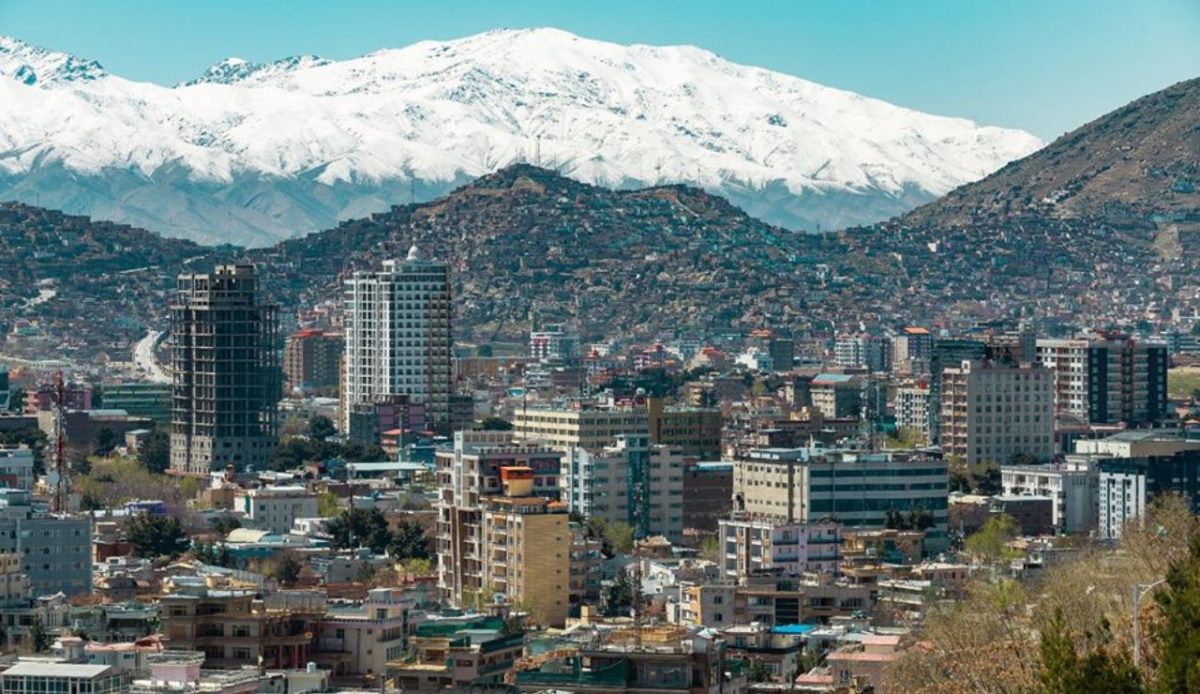
Afghanistan has been shaped by decades of conflict, political instability, and widespread violence, yet it still attracts some adventurous tourists and journalists. Visitors are drawn to ancient Buddhist ruins in Bamiyan, stunning mountain landscapes, and rich cultural traditions. Daily life is challenging due to frequent attacks, kidnappings, and security threats, making precautions essential. Travelers who venture here often rely on local guides and trusted contacts to navigate the country. Despite its dangers, Afghanistan’s history, heritage, and breathtaking landscapes continue to captivate those seeking a raw, authentic experience.
2. Syria
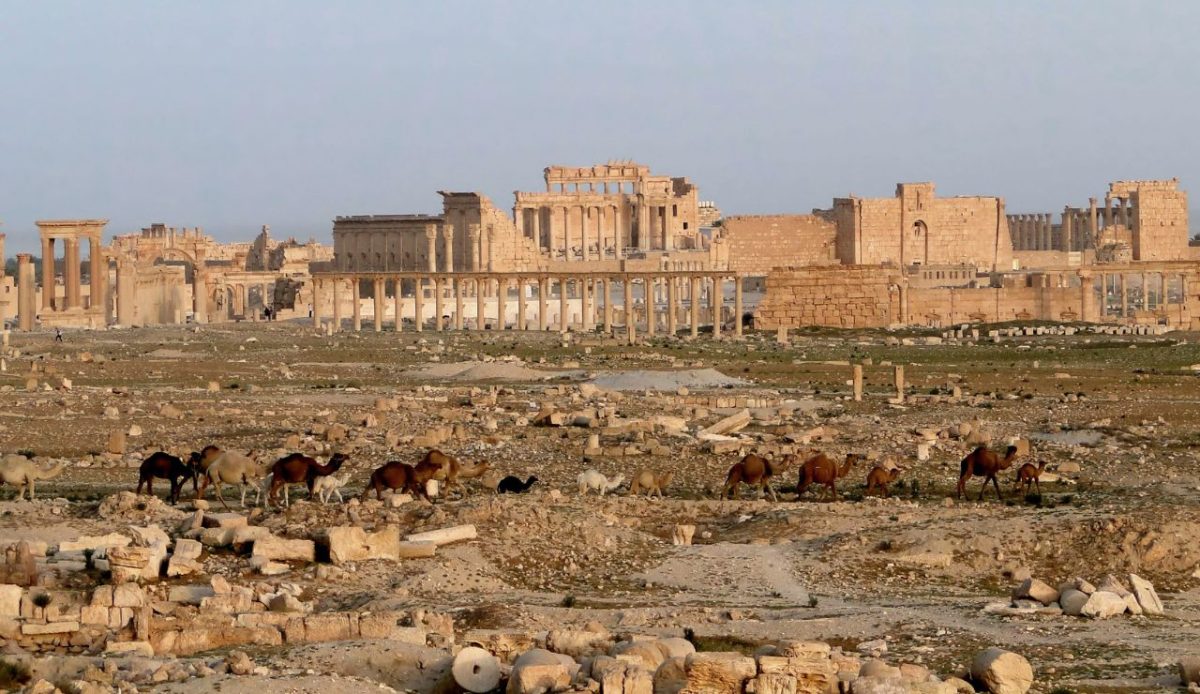
Syria remains one of the most dangerous destinations due to ongoing civil war and terrorist activity, yet it has a history and architecture that draw intrepid travelers and historians. Cities like Damascus and Aleppo boast ancient markets, mosques, and Roman ruins. Violence, bombings, and unstable conditions require extreme caution and careful planning. Humanitarian efforts and organized tours help mitigate risk for those who do visit. For visitors, Syria offers an unparalleled glimpse into millennia of culture, history, and resilience, proving that even amid conflict, the human spirit and historic landmarks maintain an enduring allure.
3. Venezuela
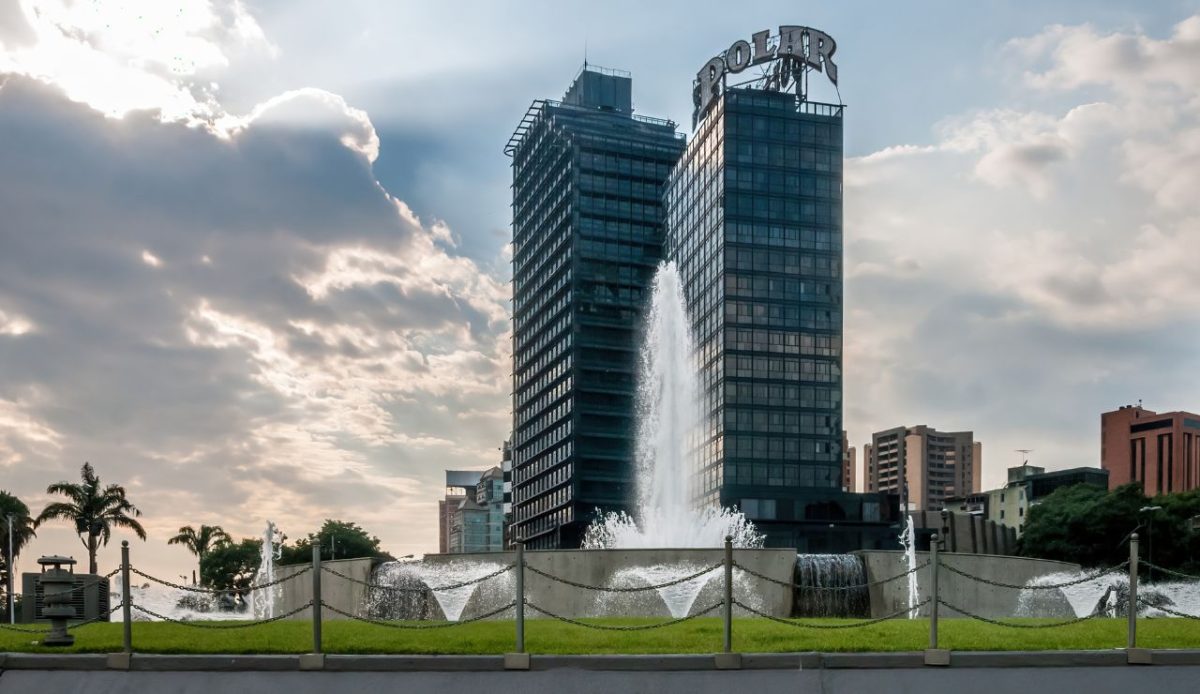
Venezuela’s escalating violence, including crime, political unrest, and economic instability, poses significant risks for tourists, yet many still visit. Caracas and other major cities experience high rates of armed robbery and gang activity, making situational awareness critical. Despite challenges, travelers are drawn to Angel Falls, Los Roques’ islands, and lush national parks. Using trusted local guides, staying in safe zones, and planning carefully allows visitors to explore the country’s natural beauty and cultural richness. Venezuela remains a complex, vibrant destination where adventure and danger coexist.
4. Somalia
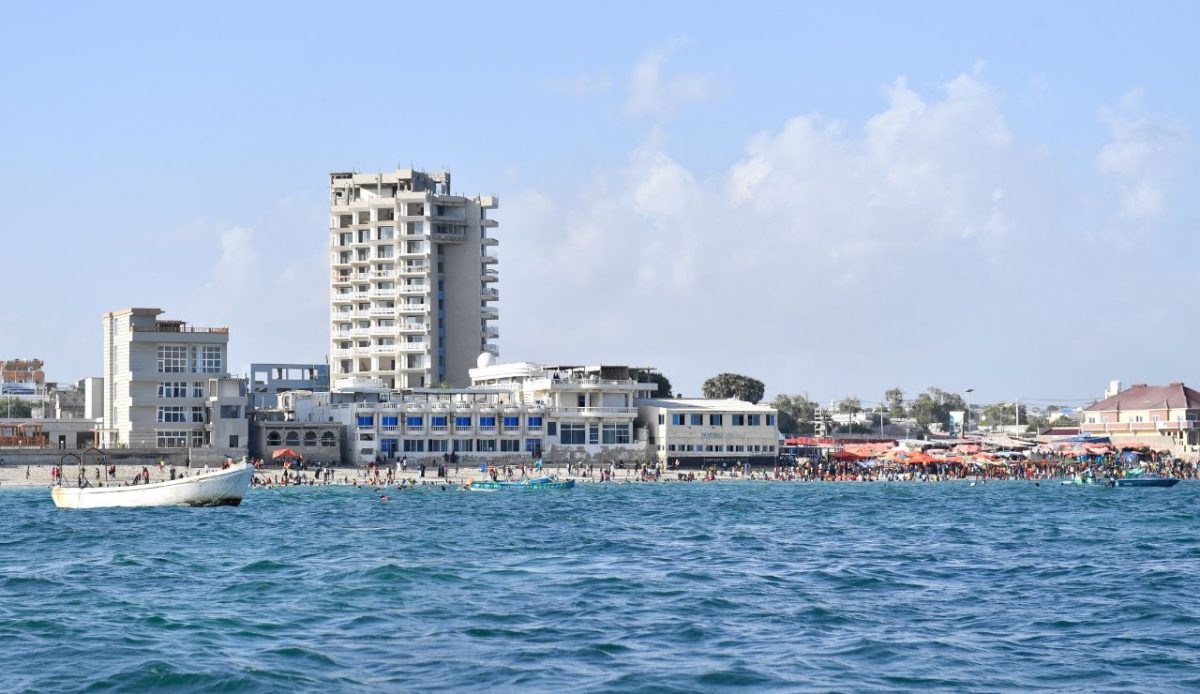
Somalia is notorious for piracy, armed conflict, and terrorism, yet some travelers are drawn to its pristine beaches and rich cultural heritage. Cities like Mogadishu face frequent attacks and lawlessness, requiring extreme caution. Visitors must rely on security measures and trusted guides. Despite instability, Somalia’s coastline, wildlife, and traditional nomadic culture provide unique experiences. Travelers seeking adventure and off-the-beaten-path destinations may be intrigued by its untouched landscapes. For those prepared to navigate risks carefully, Somalia offers an extraordinary glimpse into a resilient and culturally rich nation.
5. Iraq
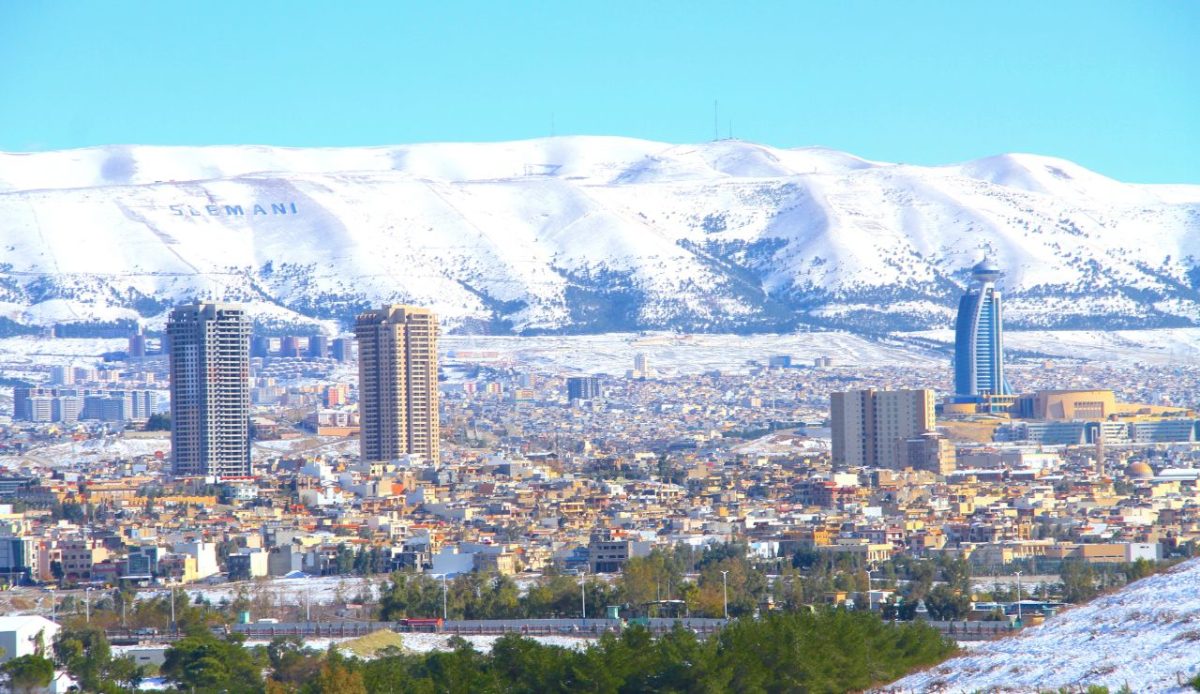
Iraq’s history as the cradle of civilization is juxtaposed against ongoing violence and instability, yet it continues to attract tourists and scholars. Baghdad, Mosul, and other cities have experienced insurgency, bombings, and sectarian conflict. Archaeological treasures, ancient Mesopotamian sites, and religious landmarks draw visitors willing to navigate security challenges. Guided tours, military checkpoints, and careful planning are essential for safe travel. Despite dangers, Iraq’s cultural richness, historic significance, and living heritage ensure that adventurous travelers continue to explore its ancient wonders.
6. Mexico
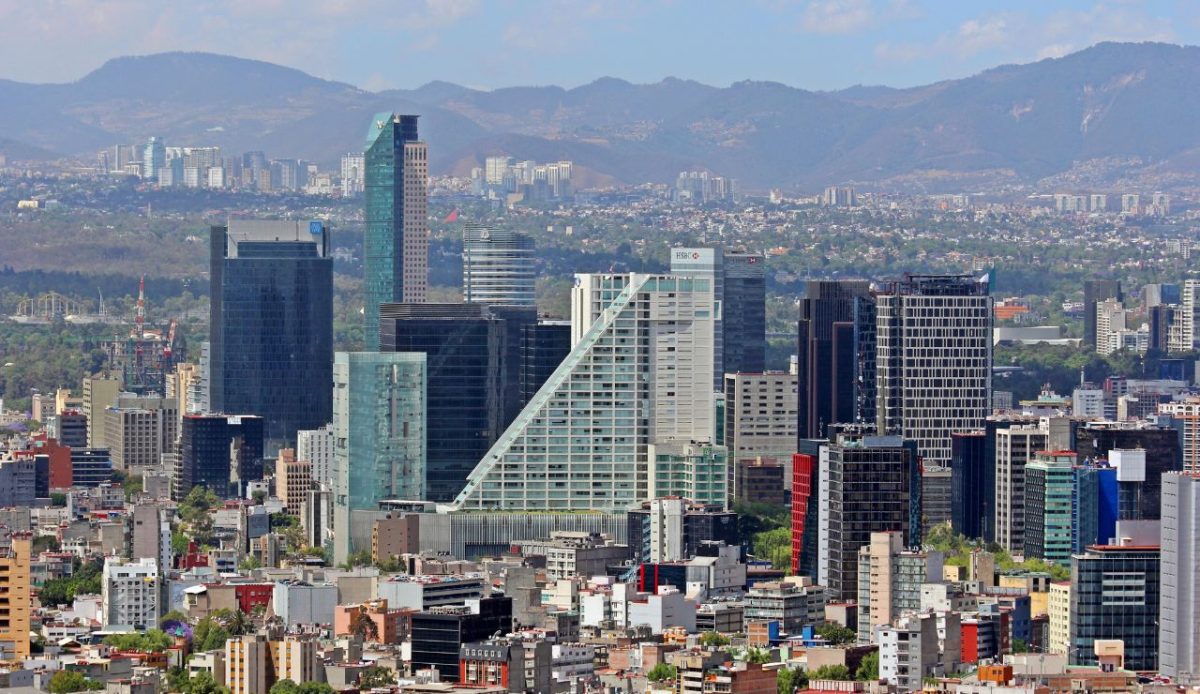
While Mexico is famous for culture and beaches, certain regions face extreme gang violence, drug trafficking, and organized crime. Cities in states like Guerrero and Michoacán pose serious risks, requiring vigilance and travel only in secure areas. Despite these dangers, tourists are drawn to cultural landmarks, colonial cities, and natural beauty. Cancun, Mexico City, and Oaxaca offer safe experiences with proper planning. Travelers who research, follow local advice, and avoid high-risk zones can enjoy the country’s vibrant cuisine, festivals, and history, proving that violence does not entirely deter tourism in Mexico.
7. South Africa

South Africa attracts tourists with its wildlife safaris, scenic landscapes, and cosmopolitan cities, yet certain areas face high crime rates and violent incidents. Johannesburg and Cape Town can be dangerous for unwary visitors, with risks including armed robbery and carjacking. However, organized tours, national parks, and tourist-friendly neighborhoods provide safe experiences. Travelers are drawn to the Kruger National Park, Cape Winelands, and cultural heritage sites. By taking precautions, tourists can explore South Africa’s natural beauty and vibrant culture while understanding the complex realities of safety and crime in the country.
