
Family road trips give children a steady way to learn through direct experiences that unfold at a comfortable pace. Kids observe towns, weather changes, and small details that differ from their routine at home. They ask questions about signs, routes, and local activity while adults explain what is happening in clear and practical terms. This helps children understand how places function and why communities look the way they do. They also watch how parents handle delays or decisions, which teaches them how planning works in everyday life. Because each moment builds on the last, learning feels consistent and easy to follow.
1. New Places Build Awareness
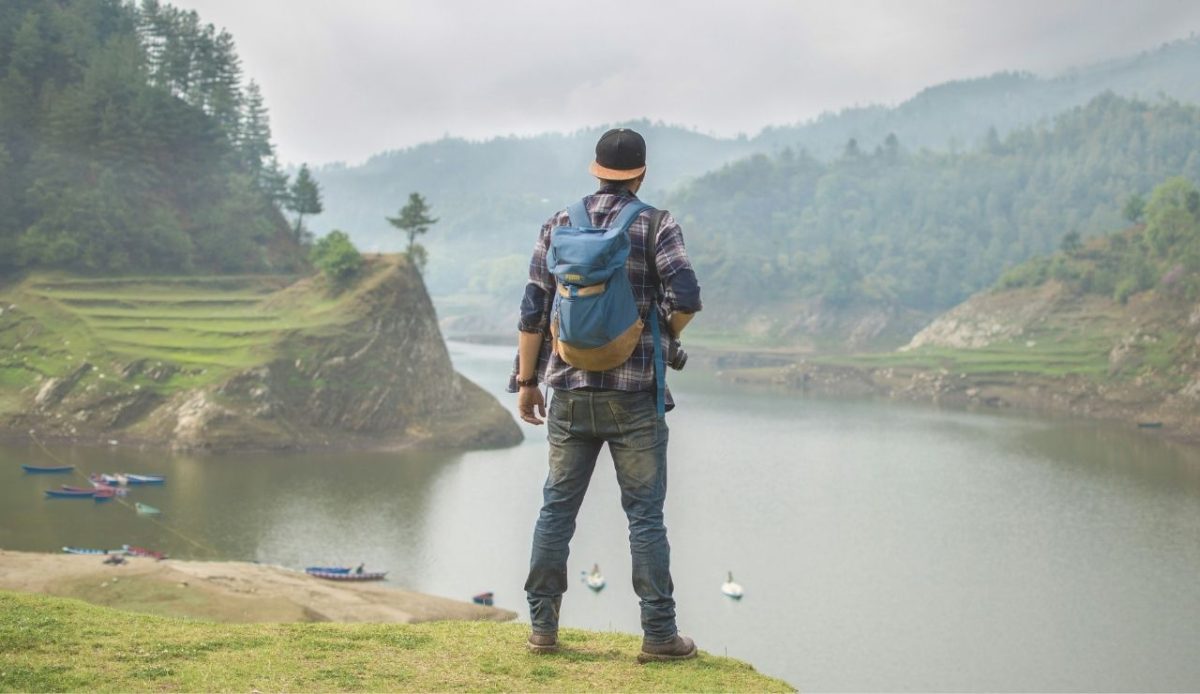
Kids notice differences between regions as the car moves from one area to another. They pay attention to buildings, traffic, and small routines they have not seen before. Parents may explain how weather, farming, or local resources influence what appears in each place, which helps kids connect new sights with simple explanations. Children begin making comparisons on their own, asking why certain areas feel busy while others seem calm. They gain awareness of how people adjust to their surroundings. By observing these changes in real time, kids develop a clearer picture of how daily life varies across locations.
2. Reading Maps Supports Thinking
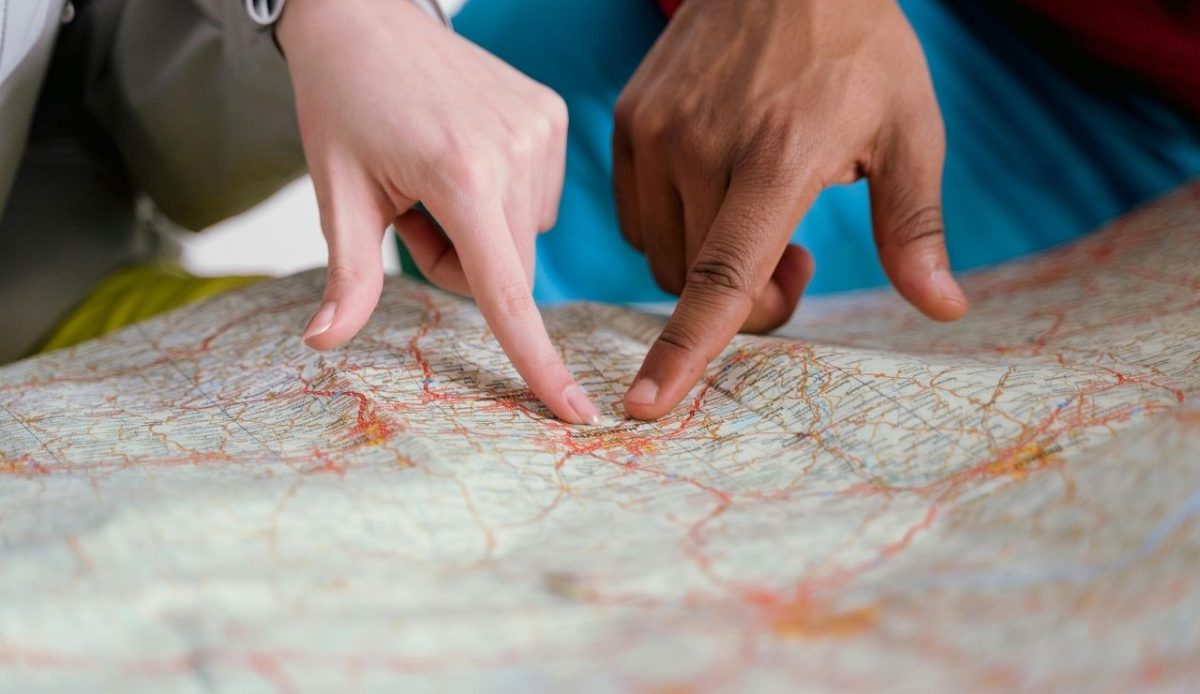
Using a paper map or navigation app teaches children how to understand distance, direction, and the layout of nearby towns. When parents ask them to follow the route or look for the next turn, kids learn to connect symbols with actual surroundings. They also learn how long each stretch of road might take and what features might appear next. This builds attention and sharpens reasoning because they must track progress step by step. With time, kids become confident in matching the map with what they see outside. This practical skill supports clear thinking and helps them approach new tasks with patience.
3. Car Talks Build Observation Skills
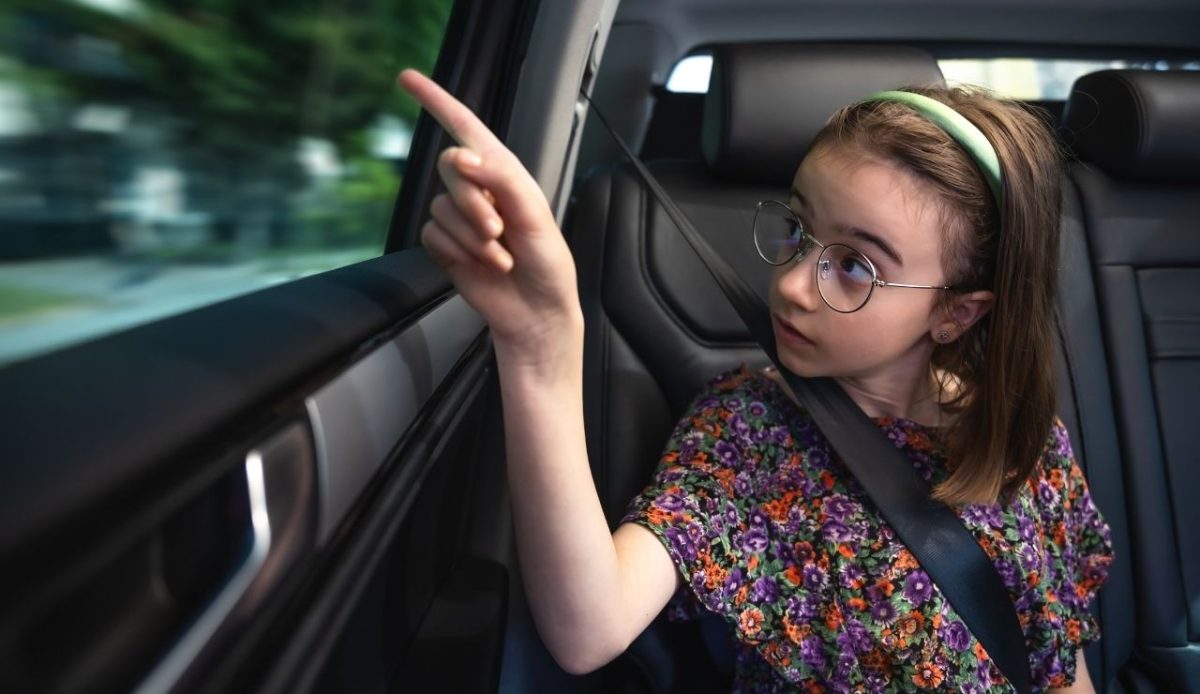
Questions often begin when a child notices something outside the window, such as a farm, a factory, or a row of houses that look different from home. Parents explain what they see by keeping the information simple and direct. These conversations guide children to understand why certain features appear along highways or why some places feel more active than others. Kids start noticing patterns in traffic, land use, or local routines. The steady exchange encourages them to think more carefully about their surroundings. By linking observations with clear explanations, they become more aware of how everyday systems function during travel.
4. Unplanned Stops Teach Problem Solving
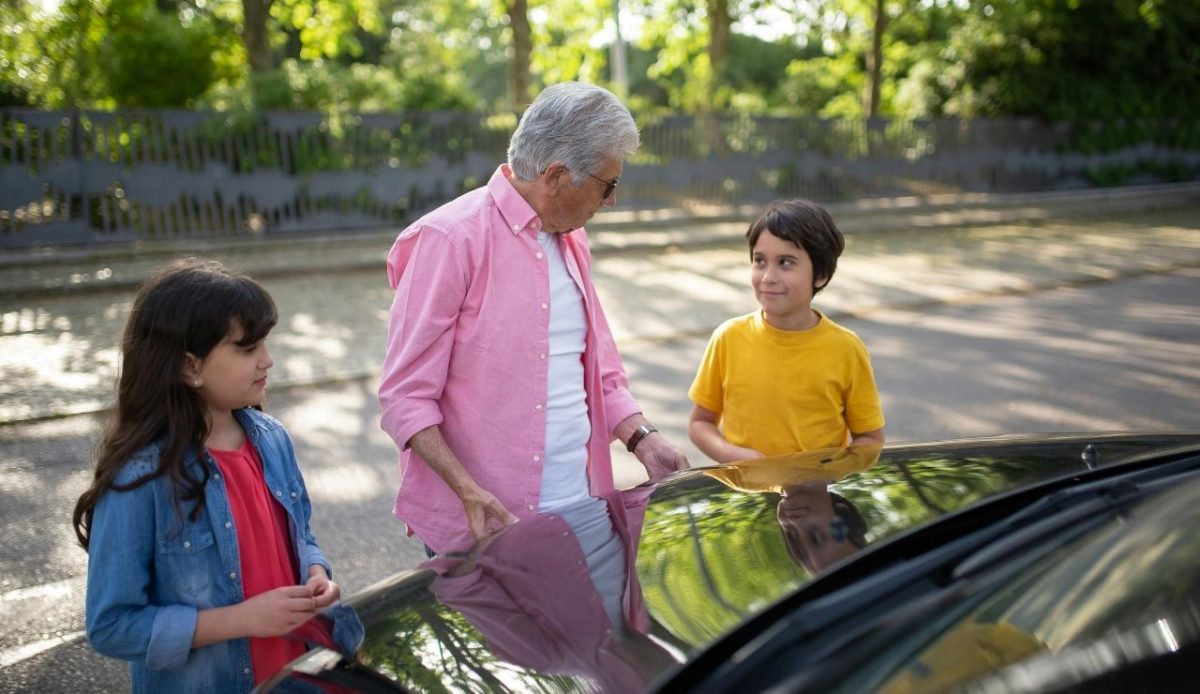
Road trips often include delays, detours, or sudden needs that require quick decisions. When the family must change routes, find fuel, or handle a minor issue, children watch how adults compare choices and act calmly. Parents may discuss options out loud, explaining why one path works better than another. Kids see that adjustments are normal and do not require stress. These moments give them early examples of practical problem-solving. They learn that solutions often come from clear thinking rather than pressure. This understanding helps them manage small challenges with more confidence in daily situations outside the car.
5. Shared Tasks Build Responsibility
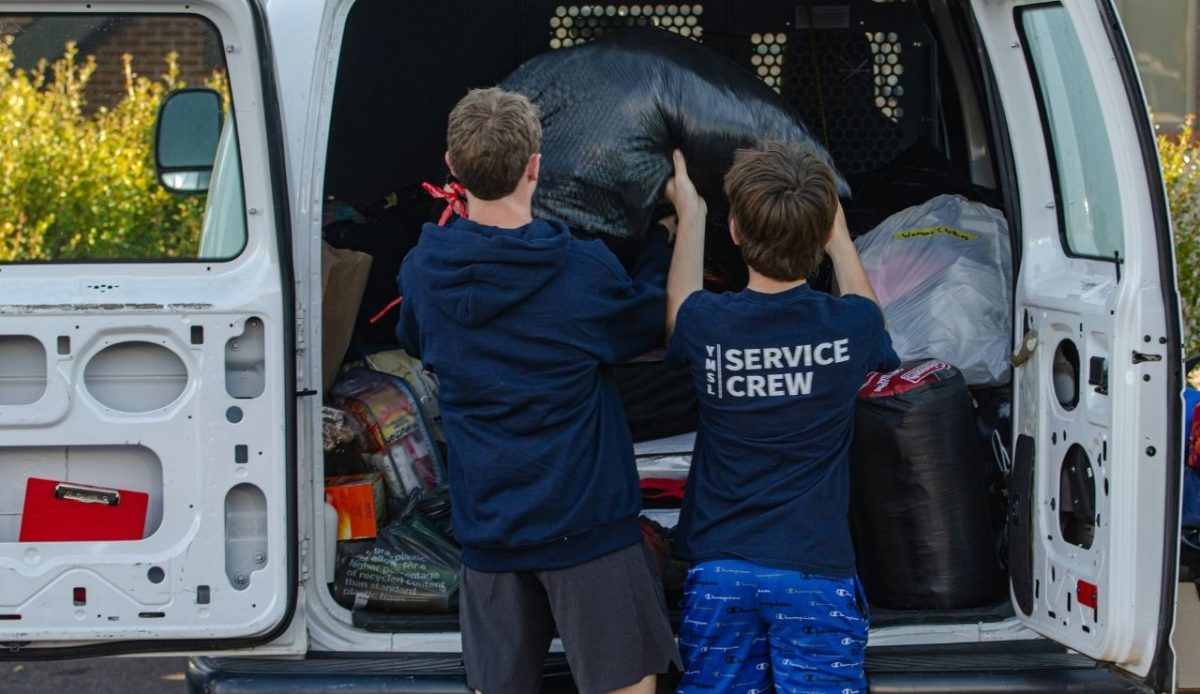
Children often assist with small tasks that support the trip, such as organizing snacks, checking bags, or reminding others about needed items. These roles help them understand how shared efforts keep the day running smoothly. Parents may assign turns or ask for help during certain parts of the drive. Kids practice staying organized and completing tasks without repeated reminders, which strengthens their sense of responsibility. They also gain confidence by seeing their actions contribute to the group. These habits carry over into school and home life, where responsibility plays an important role in managing routines and expectations.
6. Road Signs Support Everyday Learning
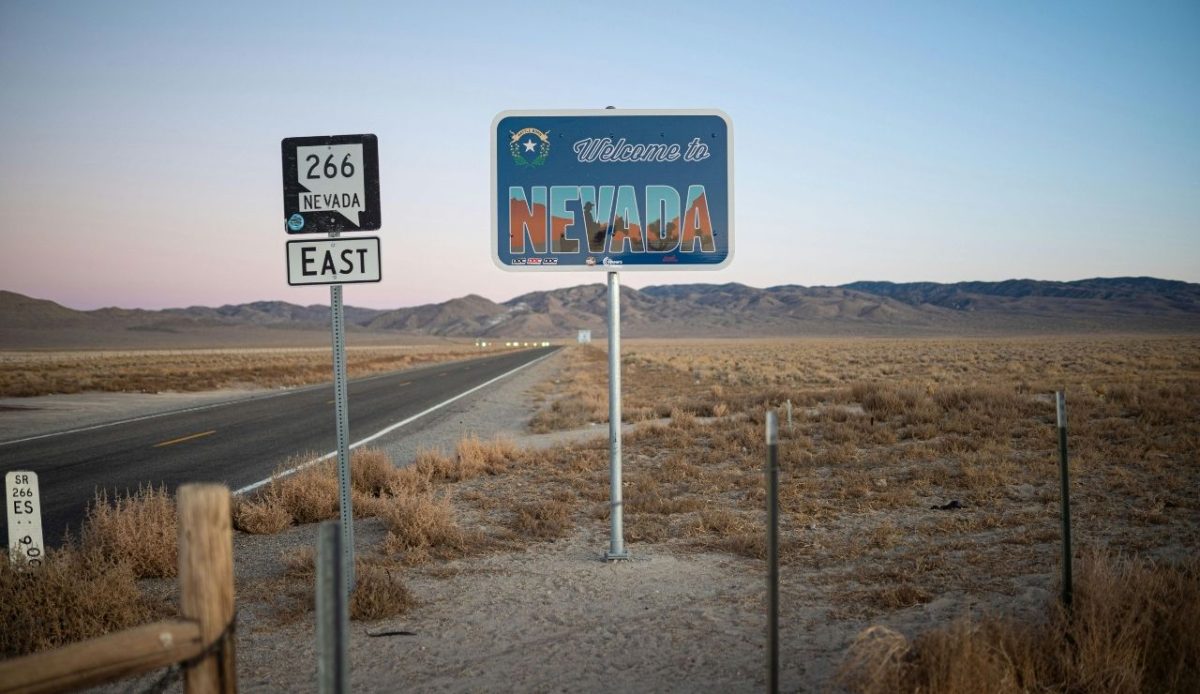
Signs along highways and town roads give children steady reading practice. They learn to recognize numbers, symbols, and directions while the car moves at a pace that keeps each sign easy to follow. Parents may ask kids to read speed limits, exit numbers, or distance markers, which helps them connect words with real locations. Kids also learn how signs guide traffic and keep drivers informed. Over time, they notice patterns in colors and shapes, understanding what each type means. This simple practice strengthens reading skills and gives children a clearer sense of how information is shared on the road.
7. Nature Views Build Scientific Curiosity
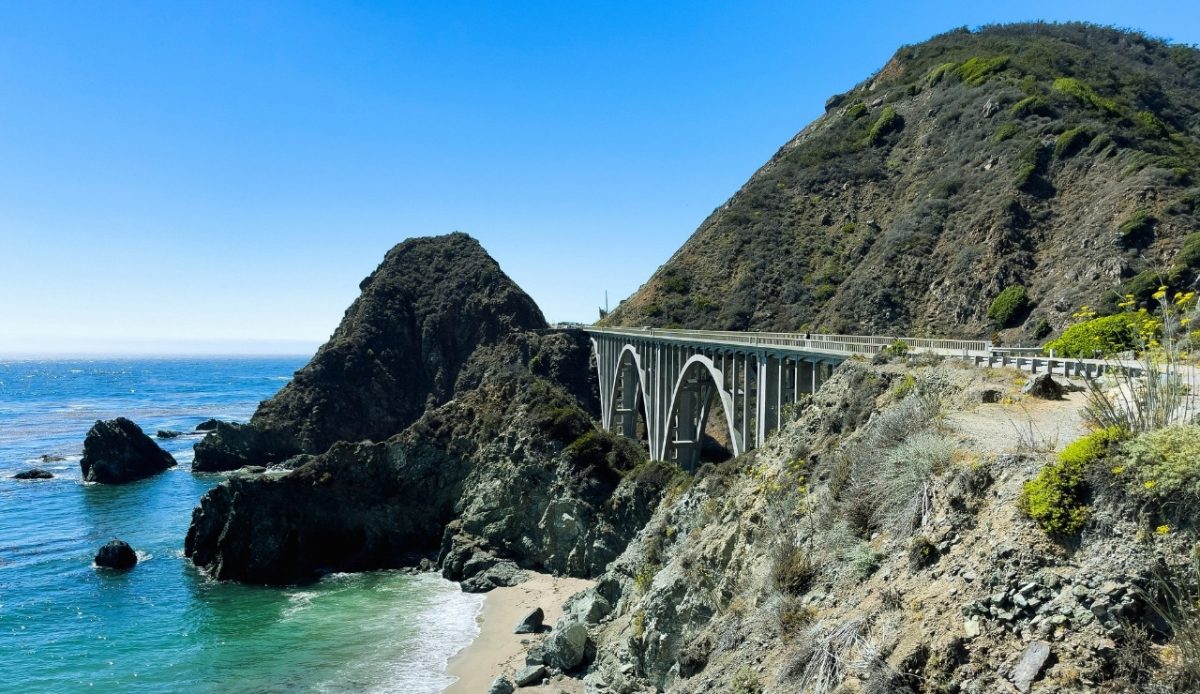
Long drives expose children to different landforms, plants, and wildlife. They may see rivers, cliffs, fields, or wide forests that raise questions about how these features form or how animals find food. Parents can explain basic ideas about soil, water flow, or seasons as kids look outside. Children learn that natural changes happen for clear reasons and that landscapes differ across regions. These views encourage them to pay closer attention to details they might not notice at home. This ongoing exposure helps them understand how natural systems influence weather, local activity, and the kinds of plants that grow in each area.
