
Airline schedules look stable until they don’t. As carriers chase higher yields, trim costs, and redeploy aircraft, some nonstop city pairs quietly vanish, sometimes for a season, sometimes for good. These changes are usually about profitability, aircraft availability, and network focus, not passenger convenience.
Below are seven U.S. flight routes that are being cut or pulled back as airlines restructure their networks. If you rely on one of these nonstops, expect more connections, different airports, or different airlines to fill the gap.
Dates and details come from published schedule changes and airline statements, but timetables can still shift. Always double-check your carrier’s latest schedule before you book.
1. JetBlue: Boston (BOS) to Dallas/Fort Worth (DFW)
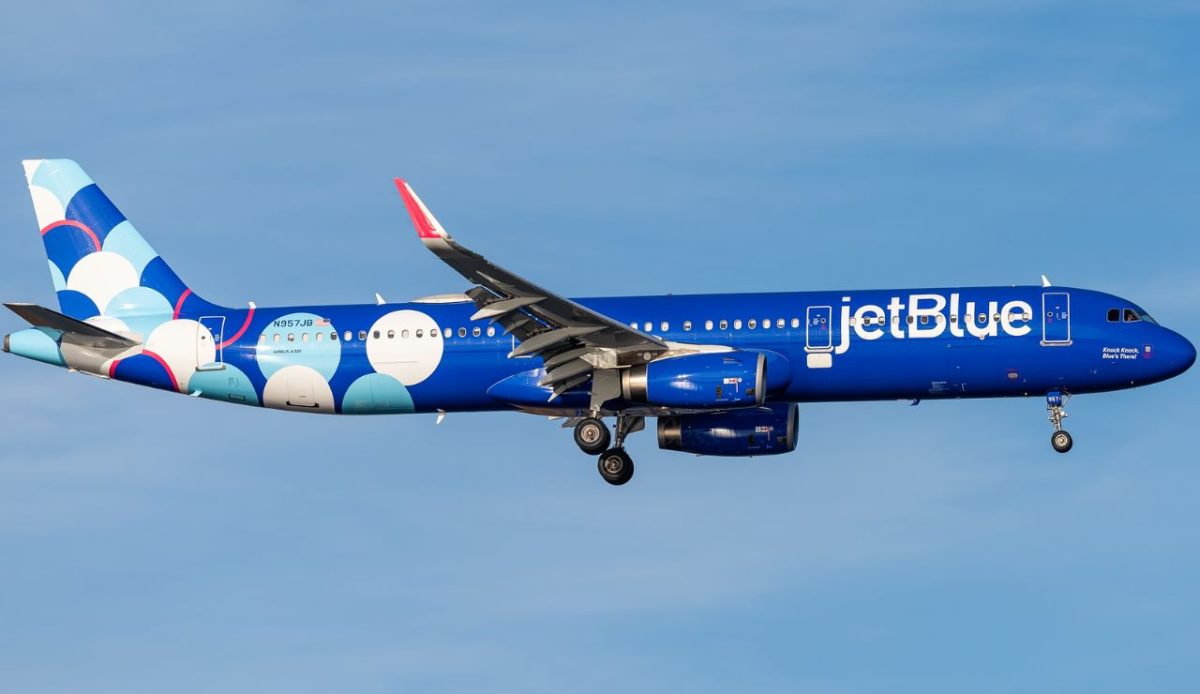
This route is set to disappear from JetBlue’s map after March 11, 2026, as the airline fine-tunes capacity toward markets with stronger demand and better economics. For travellers, that’s a big deal: BOS–DFW is a useful link between New England and the Dallas–Fort Worth mega-hub.
If you used it for one-stop onward connections, you may end up switching carriers or routing through JFK, Philadelphia, or Chicago instead. Expect longer travel days, especially in peak periods.
JetBlue customers affected by the cancellation typically need to rebook on alternative itineraries or request refunds, and elite perks may not transfer across other airlines easily.
2. JetBlue: New York–LaGuardia (LGA) to Tampa (TPA)
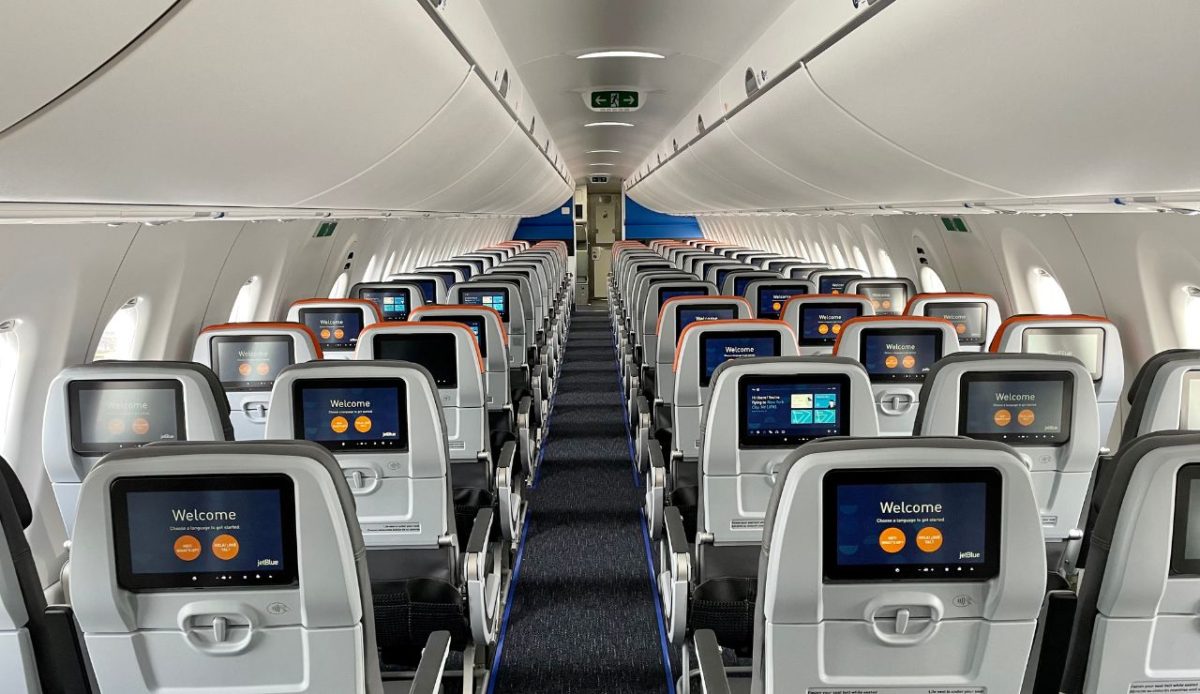
JetBlue is also ending its LaGuardia–Tampa nonstop after March 11, 2026, another example of an airline prioritizing routes that deliver steadier margins. LGA’s perimeter rules already limit what can fly from the airport, so every slot is valuable and closely scrutinized by planners.
For travelers, the loss mainly means more connecting itineraries via Fort Lauderdale, Orlando, or Atlanta, or using JFK and Newark when schedules work better. Those swaps can add time and variability.
If you booked far ahead for a winter escape, watch for schedule-change emails and compare rebooking options across all New York–area airports before accepting a new itinerary.
3. JetBlue: New York–JFK to Tulum (TQO)
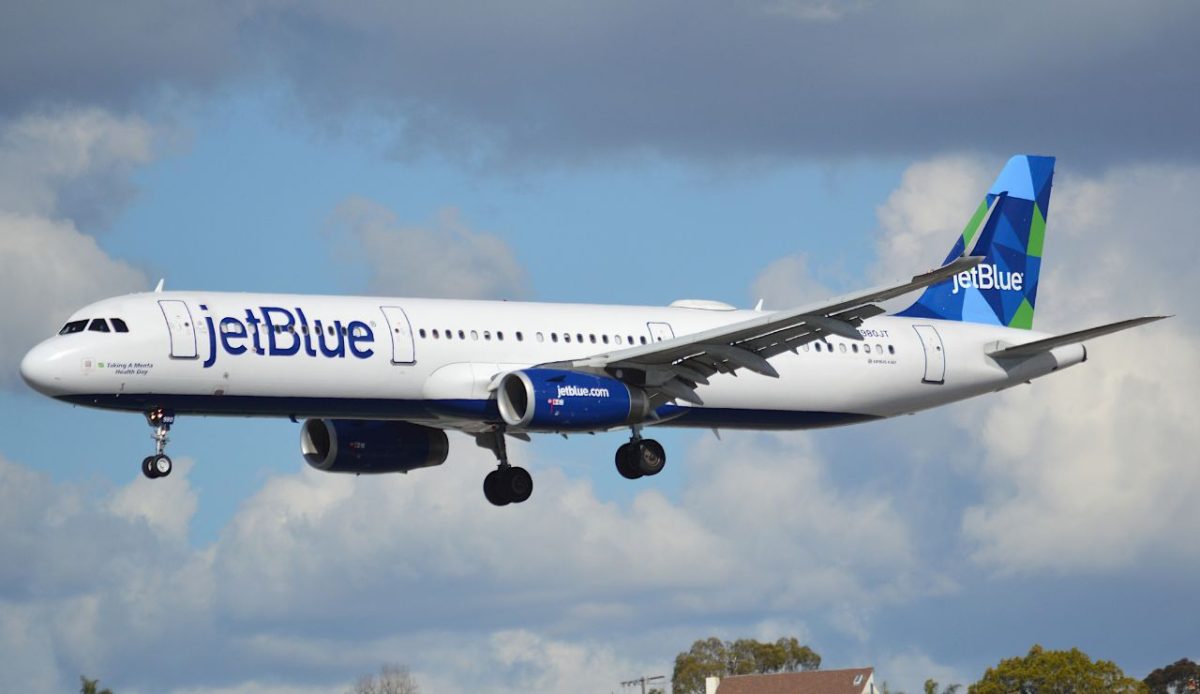
JetBlue’s nonstop between New York–JFK and Tulum is slated to be permanently cancelled after March 11, 2026, reflecting how quickly airlines reassess newer leisure routes. Even strong destinations can underperform if seasonality, airport costs, or aircraft availability don’t line up.
If you’re headed to the Riviera Maya, alternatives may involve Cancun instead, then a ground transfer south, or a connection through another U.S. gateway. That can change both total travel time and baggage rules.
Because Tulum is a newer airport in many airline networks, also double-check onward transport timing, especially for late arrivals or early departures.
4. JetBlue: Boston (BOS) to Seattle (SEA)
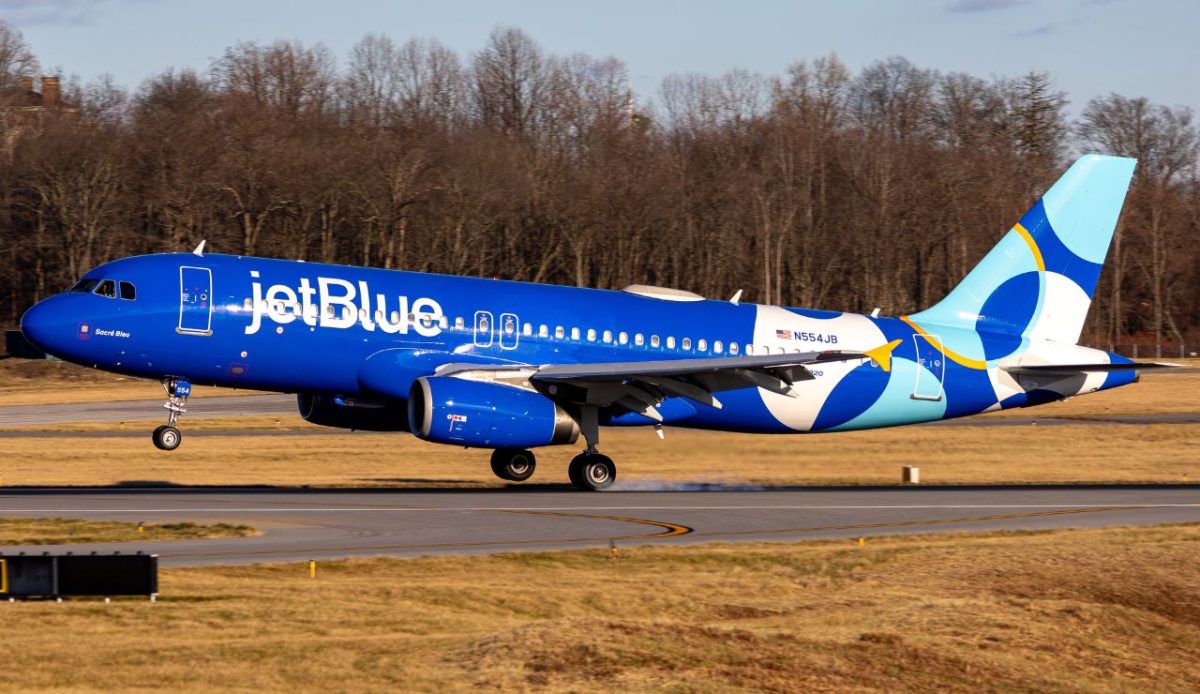
JetBlue’s Boston–Seattle service is moving away from a daily, year-round pattern and into a seasonal rhythm, with flying ending in late October and returning in spring 2026. That kind of change is common when airlines decide a long-haul domestic route can’t consistently fill premium seats in the off-season.
If you travel for work or have family on either coast, the winter gap can be disruptive. The main workaround is a connection through JFK or another hub, or shifting to a different carrier.
Seasonal adjustments can also affect fare dynamics: fewer nonstop seats often means higher prices on the remaining direct options, especially around holidays.
5. Southwest: St. Louis (STL) to Oklahoma City (OKC)
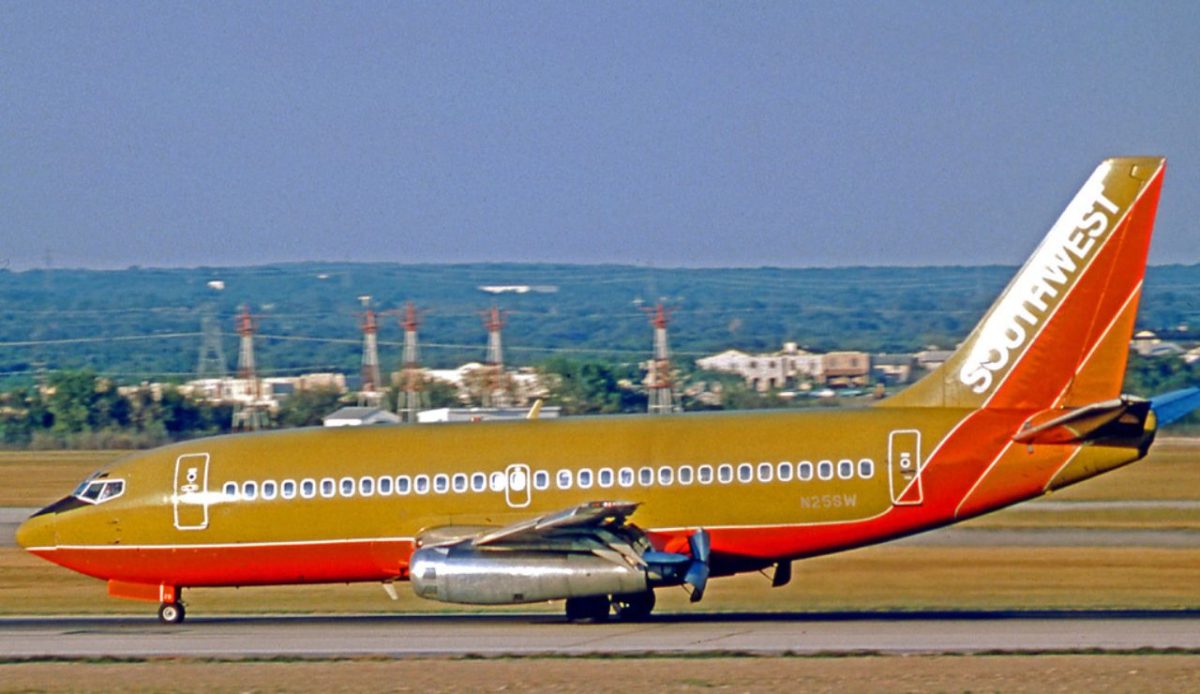
Southwest’s plan to cut a large batch of routes in March 2026 includes ending the nonstop between St. Louis and Oklahoma City, part of a broader network shake-up aimed at improving profitability. For a carrier built on frequent point-to-point flying, reductions like this signal a more selective approach.
Losing the direct hop means many passengers will connect through Nashville, Dallas, or Denver depending on schedules. That adds layover risk during storms and can turn a short trip into most of a day.
If you’re booking spring travel, compare connection times carefully and check whether nearby airports offer a better one-stop pattern on the days you need.
6. Southwest: St. Louis (STL) to Des Moines (DSM)
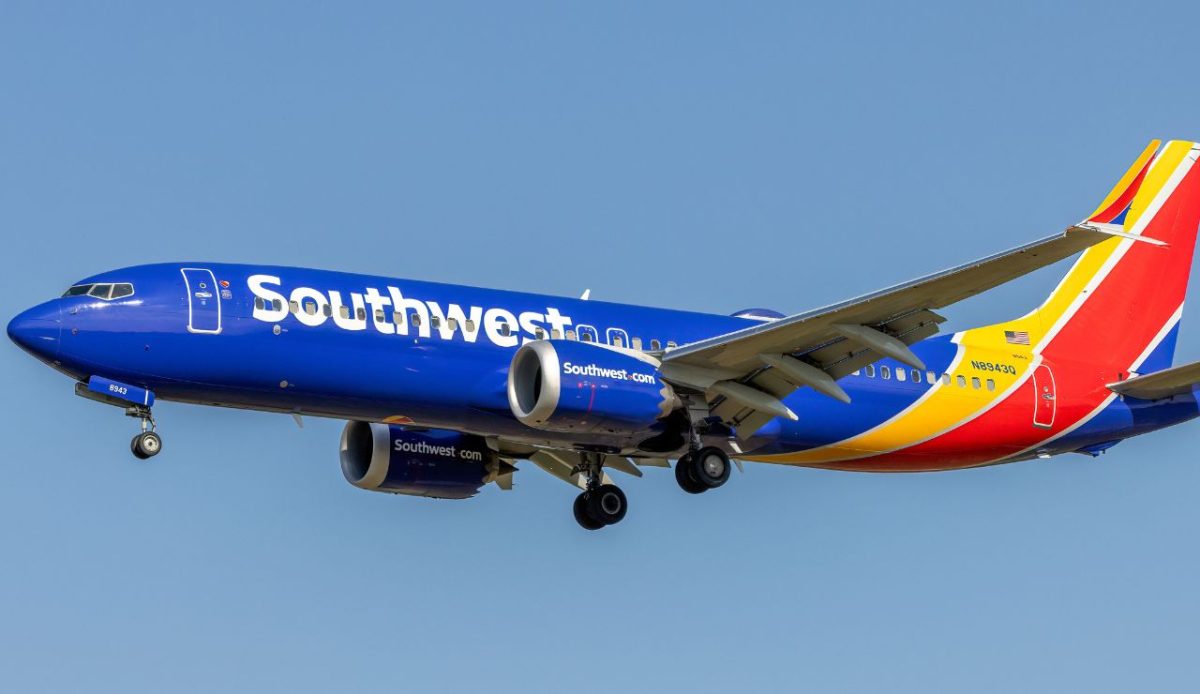
Another St. Louis nonstop on the chopping block is St. Louis–Des Moines, also scheduled to end in early March 2026 as Southwest trims underperforming city pairs. Routes like this matter most to business travelers who value morning departures, evening returns, and predictable same-day trips year-round too now.
Once the nonstop is gone, connections often route through Chicago-area airports, Nashville, or Denver, depending on which airline you choose. That can add cost if last-minute flexibility is needed.
Before you lock plans, look at total elapsed time, not just the flight segments, and factor in potential misconnects during peak travel weeks.
7. Spirit: Detroit (DTW) to San Diego (SAN)
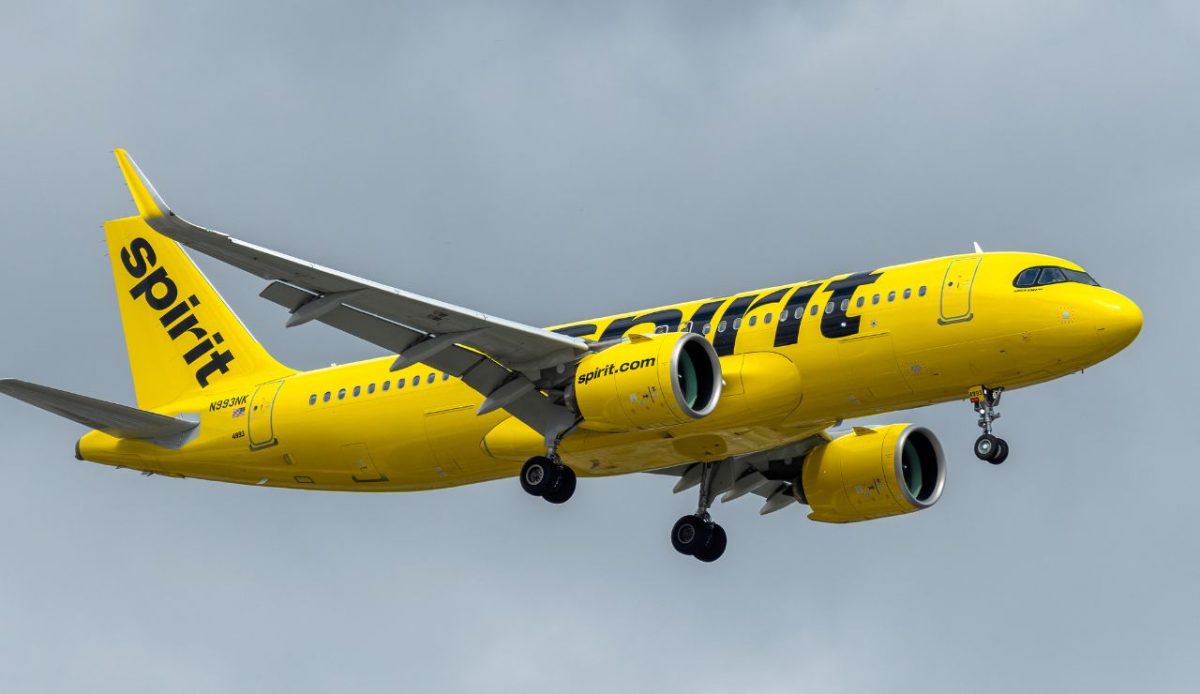
Spirit’s restructuring has included dropping specific city pairs, including Detroit–San Diego, as the carrier pares back flying and exits weaker-performing markets. Low-cost airlines rely on high aircraft utilization, so when costs rise or demand softens, longer domestic routes are often first to be re-evaluated.
For travelers, this can remove a budget-friendly nonstop and push you toward connections via Las Vegas, Phoenix, or Denver, depending on who you book with. Baggage and seat fees can also vary widely.
If you’re comparing replacements, look beyond the base fare and price out the full trip, including carry-ons, seats, and timing that actually fits your plans.
