
Booking the right hotel can make or break your trip. Too many travelers choose based only on price or polished photos, then end up far from attractions, dealing with hidden fees, or without reliable Wi-Fi. The best stays come from looking beyond the surface. Checking recent reviews, comparing what is included, and verifying details like check-in times make a big difference. Simple steps, such as booking directly or joining a free loyalty program, can lead to upgrades or flexible options. These tips show practical ways to avoid common mistakes and choose a hotel that fits your real needs.
1. Compare Prices Across Multiple Platforms

Prices for the same hotel often vary across booking sites, apps, and aggregators. Some show low base rates but add taxes or fees at checkout. Others include extras like breakfast or parking in the total price. Always compare at least three reliable sources and note the final cost, not just the headline rate. Try checking in your browser’s incognito mode to avoid dynamic pricing. A quick comparison helps you see which option actually gives better value and prevents you from overpaying for the same room.
2. Check the Hotel’s Official Website

After spotting a deal on a third-party site, always confirm with the hotel’s own website. Many hotels offer the same or lower price when you book direct, along with perks such as free breakfast, loyalty points, or easier cancellations. Booking directly also gives you faster support if you need to make changes. Some hotels reserve their best rooms for direct guests, meaning you might get a better assignment without paying more. Even when the price is identical, direct booking usually gives more control and stronger benefits.
3. Pay Attention to Location, Not Just Price
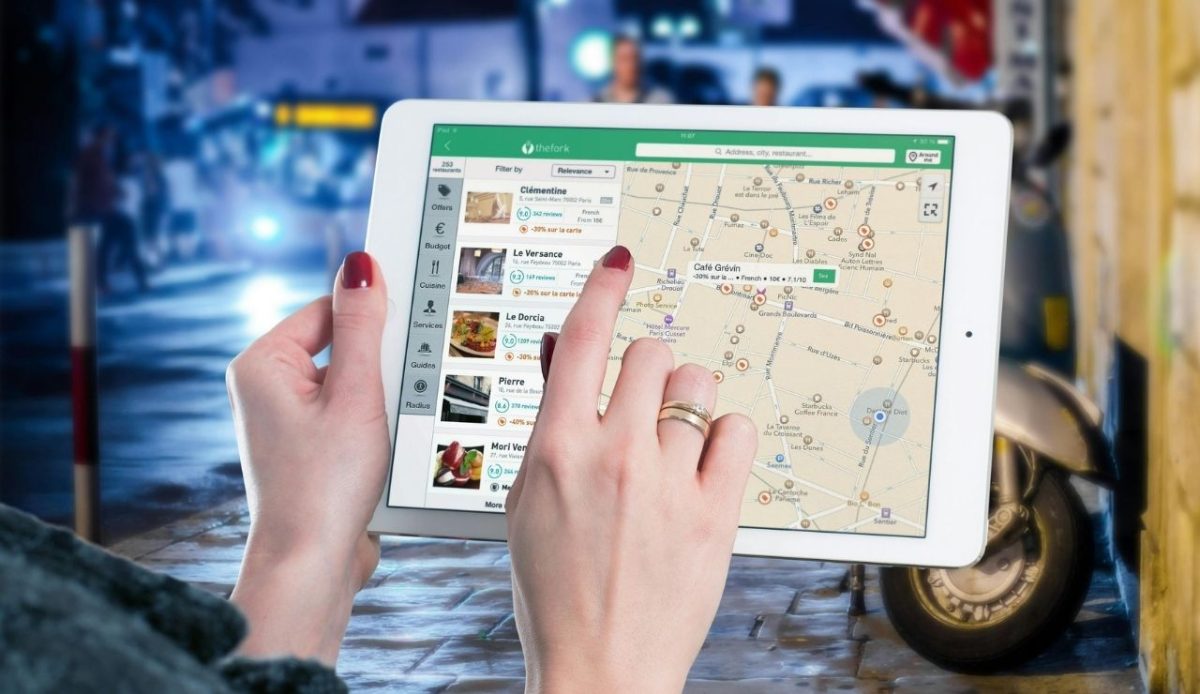
A hotel that looks affordable may end up costing more once you add the time and money spent on transportation. Always check the address on a map and see how close it is to public transit, attractions, or safe walking routes. A place near a subway stop might cost slightly more but save hours of travel each day. Read reviews for location details, such as commute times or neighborhood safety. Choosing the right location adds convenience and peace of mind, making your stay more enjoyable overall.
4. Look Beyond Star Ratings

Star ratings do not always reflect guest satisfaction. A four-star hotel may have facilities but lack cleanliness or good service, while a smaller property could offer a better stay. Instead of focusing only on stars, think about what matters most for your trip. Reliable Wi-Fi, comfortable beds, or soundproof rooms often make a bigger difference than a swimming pool you may not use. Reviews will show if the hotel delivers on those essentials. Judge by real experiences instead of trusting a number that means different things across regions.
5. Book Early for Popular Destinations
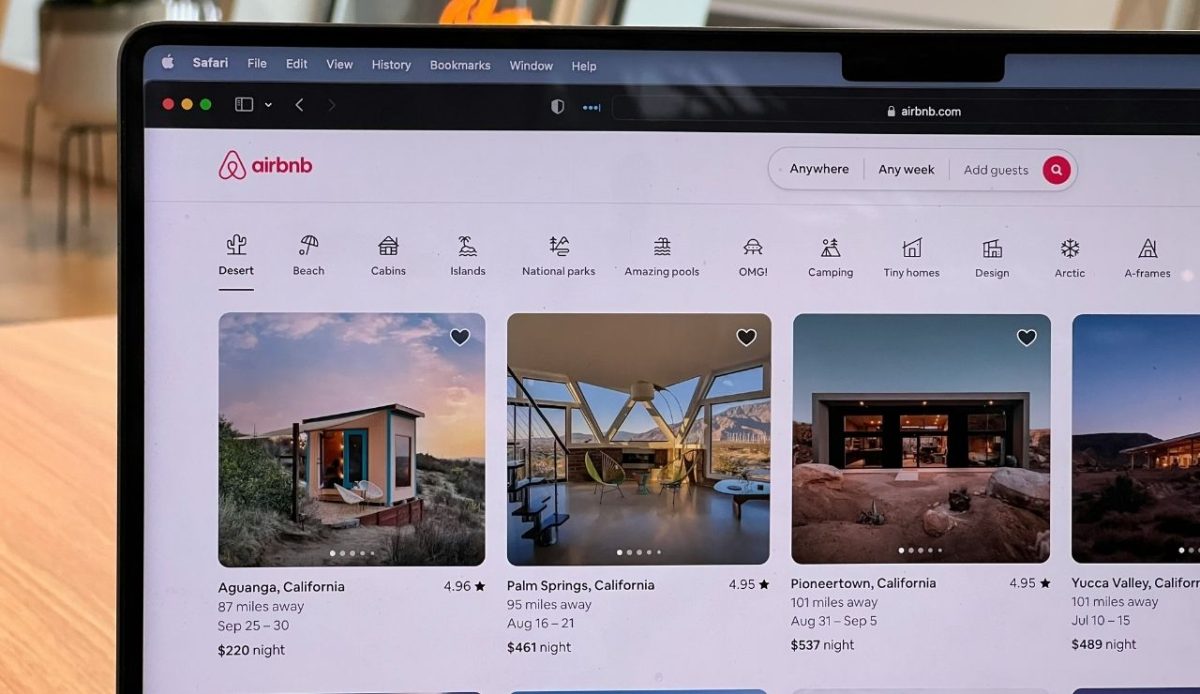
Popular hotels often sell out months in advance, especially around holidays, festivals, or peak travel seasons. Waiting until the last minute usually means higher prices and fewer choices. If your dates are set, book early to lock in a good rate and secure the room type you want. Many hotels offer free cancellation, which gives you flexibility if plans change. Early booking is especially important for resorts, coastal towns, or ski areas where demand is high. Planning ensures you get the best options without last-minute stress.
6. Verify Wi-Fi and Other Essentials

Reliable Wi-Fi, working air conditioning, and hot water are essentials that can affect your stay. Do not assume they are included. Check the hotel description and recent reviews to see if these services are consistent. Ask directly if the details are not clear online. Families should confirm amenities like cribs or connecting rooms, while business travelers may need desks or strong internet. Solo travelers may prefer a 24-hour reception for added security. Verifying the basics in advance ensures you are not caught off guard by missing essentials.
7. Look at Photos with a Critical Eye

Promotional photos often use wide-angle lenses and bright lighting to make rooms appear larger and newer than they actually are. Always check guest-uploaded photos on review sites for a more accurate picture. Look at bathrooms, hallways, and common areas, not just staged bedrooms. Pay attention to details such as worn furniture or small spaces that marketing shots may hide. Guest photos provide a more honest representation of the property, helping you determine if the hotel meets your expectations.
