
Some communities stay afloat by turning a single local habit into a reliable stream of visitors and sales. Instead of chasing big industry, money is pulled in through one annual ritual, a crop-based spectacle, or a branded joke that people travel to witness. Jobs are created in lodging, food service, tours, and souvenir shops, and the town’s image is kept in circulation by news coverage and social sharing. Below are eight places where a quirky tradition is tied directly to how the local economy works day to day. Planning meetings, permits, and volunteer shifts are scheduled months ahead so the payoff lands on time.
1. Punxsutawney, Pennsylvania
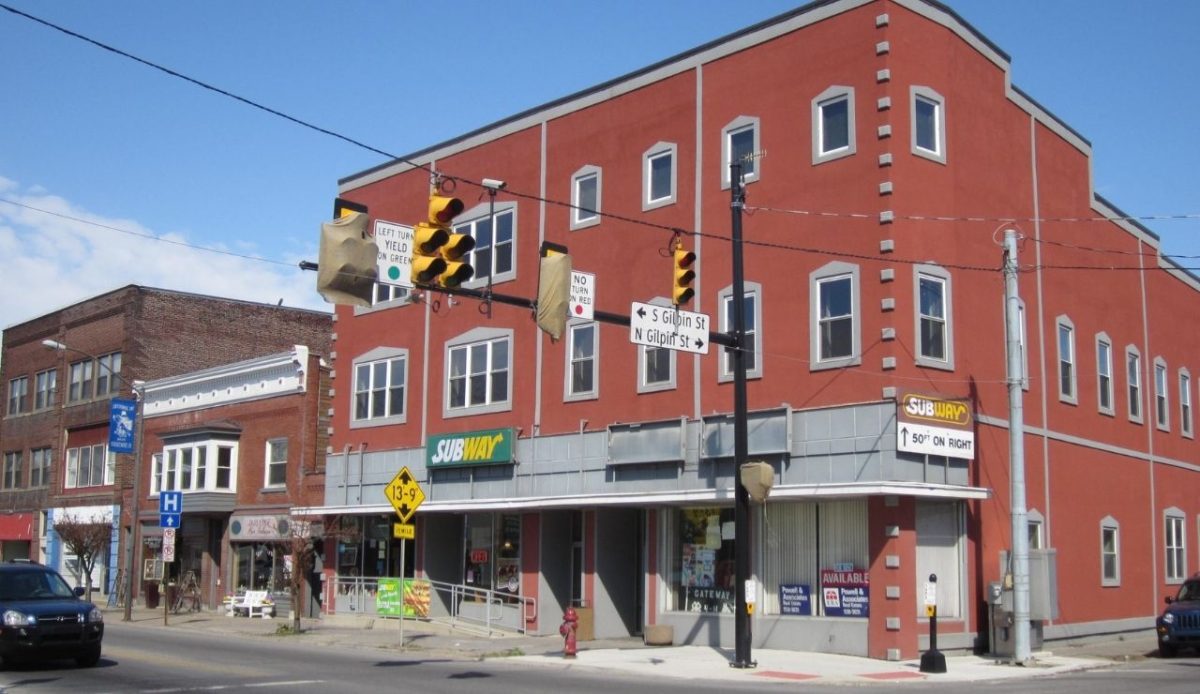
Punxsutawney runs a winter economy that peaks around Groundhog Day, when crowds and TV crews arrive before dawn. Rooms are booked early, diners extend hours, and pop-up vendors are licensed for the rush. The ceremony at Gobbler’s Knob is carried out by the Groundhog Club Inner Circle, whose top hats and formal script are treated as civic protocol. Phil’s forecast is less important than the repeatable ritual, and the attention it draws helps small businesses cover slower months. Related tours, memorabilia sales, and museum visits were expanded to keep spending in town after the main morning ends.
2. Fulton, Kentucky
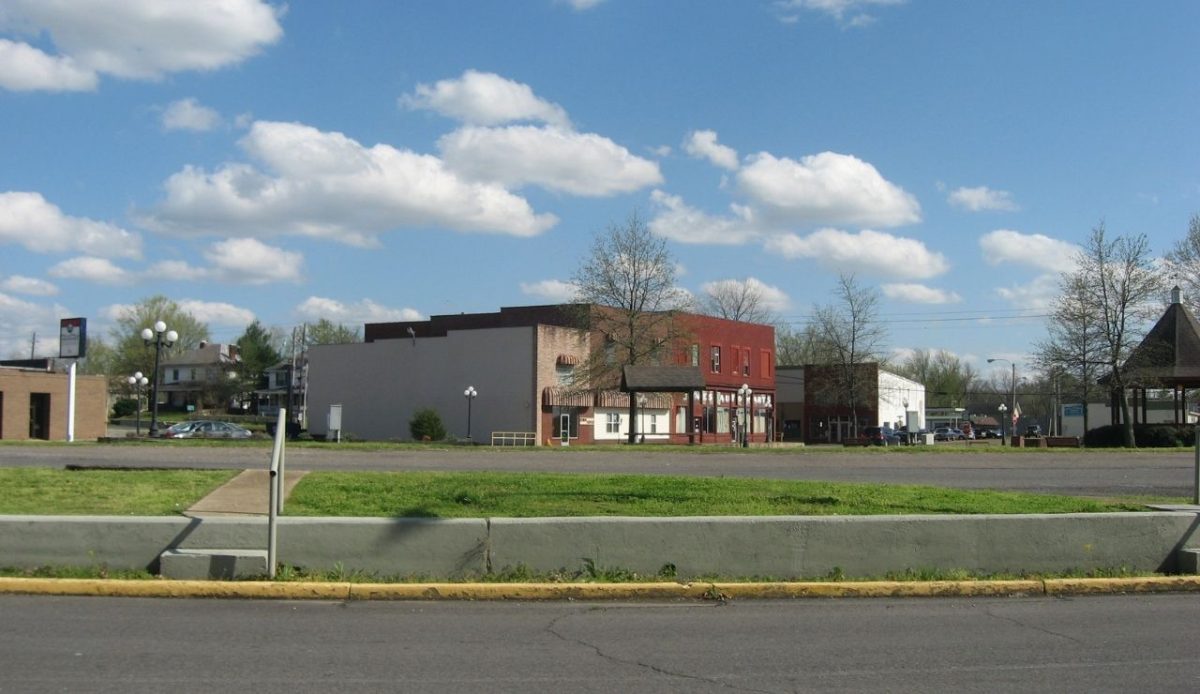
Fulton’s identity was built on rail traffic that once moved bananas inland, and that history is still sold as a visitor hook. During the Banana Festival, parking lots fill, food stalls line the streets, and local groups raise funds through ticketed events. The signature tradition is a massive banana pudding that is prepared in public and served in long lines, turning a simple dessert into a town-wide production. Tourism dollars are captured through themed merchandise and repeat weekend trips from nearby cities. Sponsorships and media mentions have been used to justify upgrades to festival grounds and small business storefronts.
3. Holtville, California
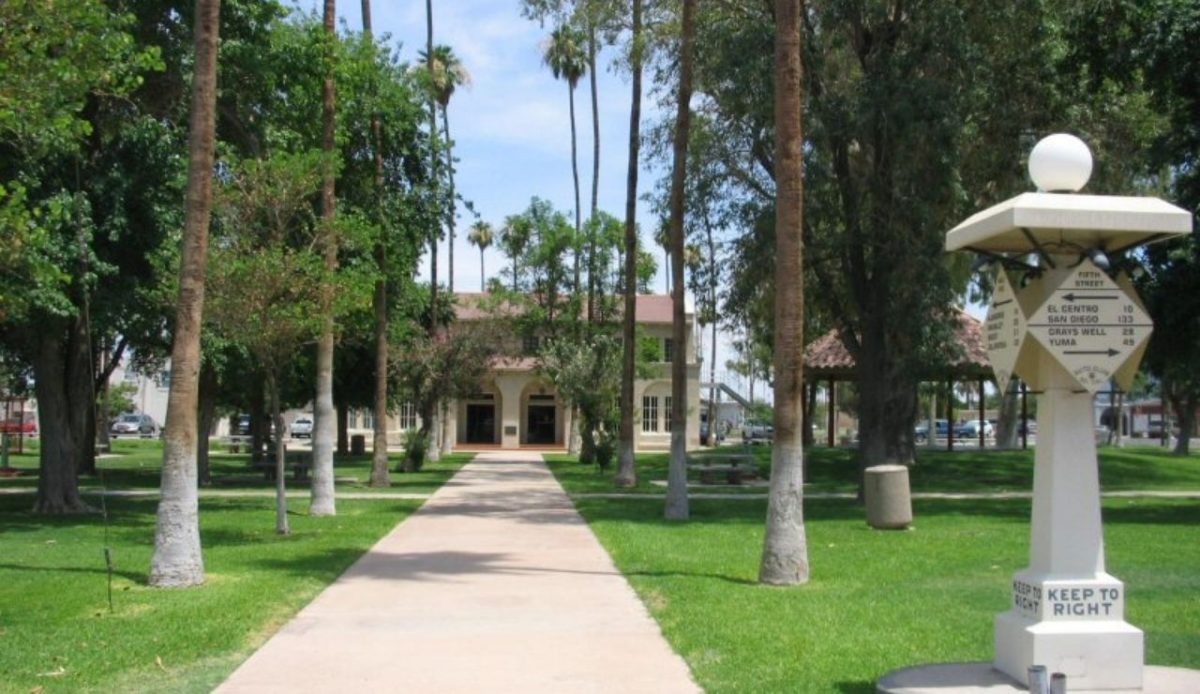
Holtville keeps attention on its farm output by centering public life on carrots rather than general agriculture. The annual Carrot Festival brings parades, carnival rides, and vendor booths that give growers and civic clubs a shared sales window. A Carrot Queen and themed contests are kept as recurring symbols, which helps the event feel anchored instead of improvised. Local restaurants add limited menus, and the crop branding encourages roadside stops that would otherwise pass by on the highway. Field tours and school programs are scheduled around the festival so the supply chain is seen, not just the finished product.
4. Vulcan, Alberta
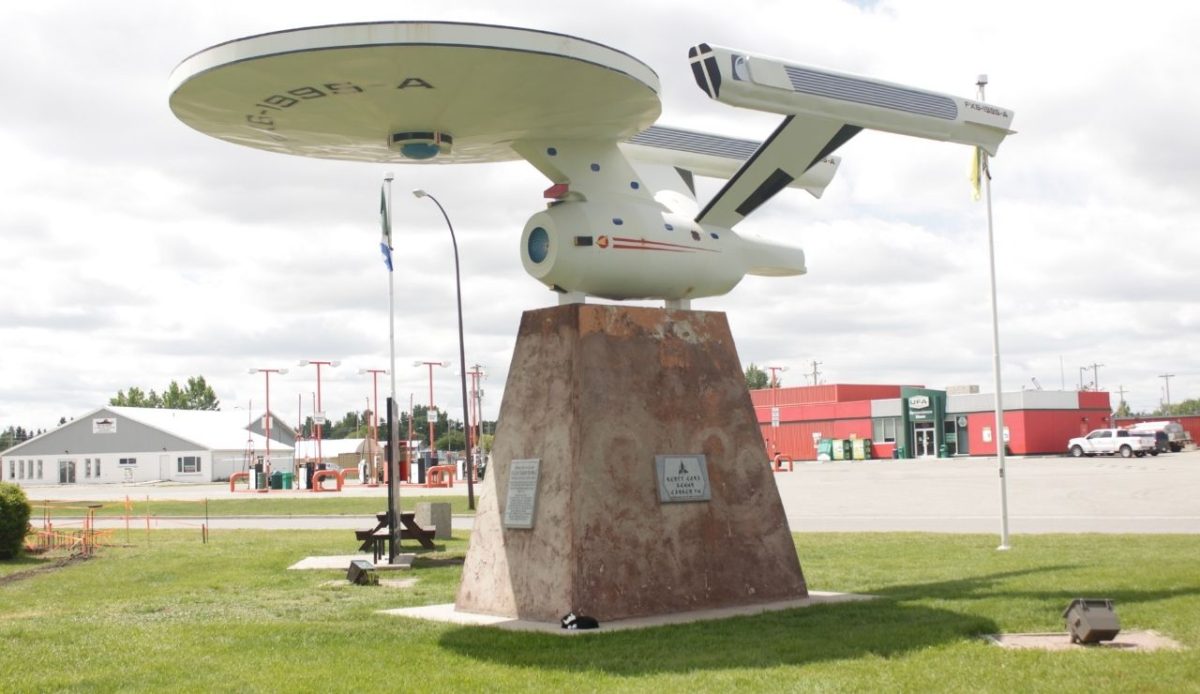
Vulcan built a niche economy by embracing Star Trek connections in its name and leaning into fan travel. A Trek Station museum, themed signage, and curated displays give visitors a reason to stop in a town that might otherwise be skipped. Spock Days adds costumes, guest programming, and scheduled activities that create a predictable weekend surge for shops and restaurants. Brand consistency is maintained through souvenirs and photo spots, while local groups earn funds through event sales. The approach works because fandom travel is repeatable and word of mouth spreads fast. Tour buses are welcome, timed with summer road trips.
5. Hell, Michigan
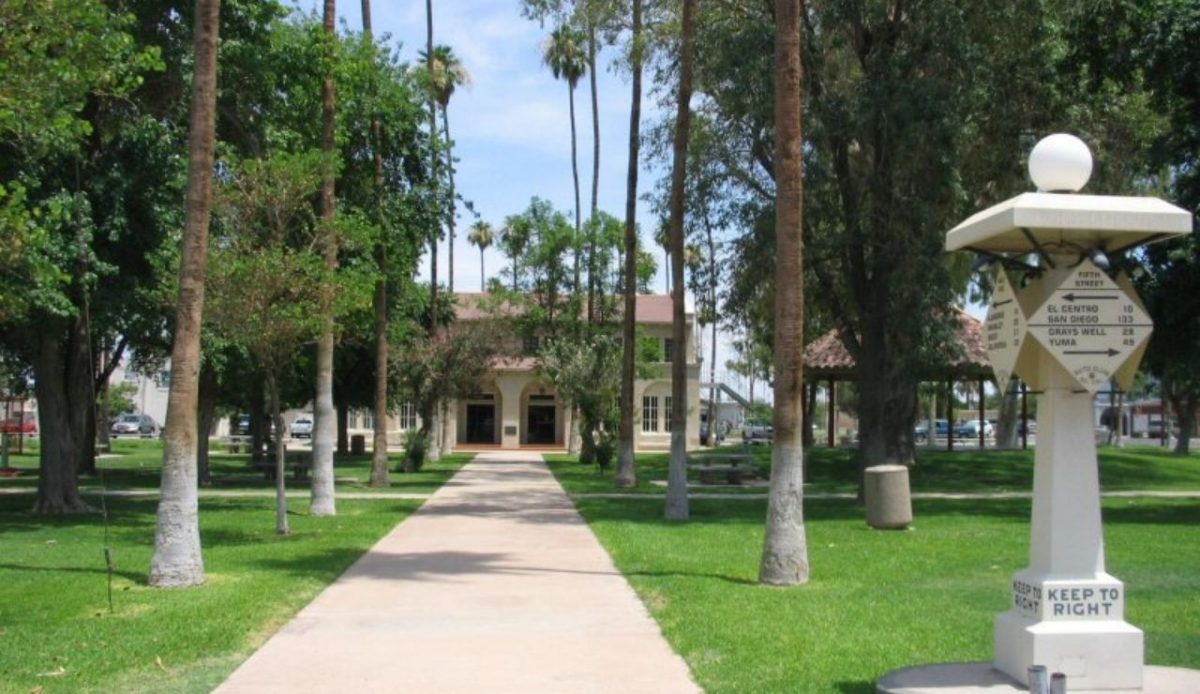
Hell uses its provocative name as a business plan, drawing travelers who want a photo, a story, and proof they visited. Shops sell stamped postcards, themed gifts, and certificates that turn a quick stop into a purchase. One odd tradition lets visitors become Mayor of Hell for a short term, with a ceremony, paperwork, and playful authority over the day. Because the attraction works year-round, revenue is steadier than a single festival and helps small operators survive off the main highway. Winter mailings and event packages, including themed weddings, were added so repeat customers have new reasons to return.
6. Oatman, Arizona
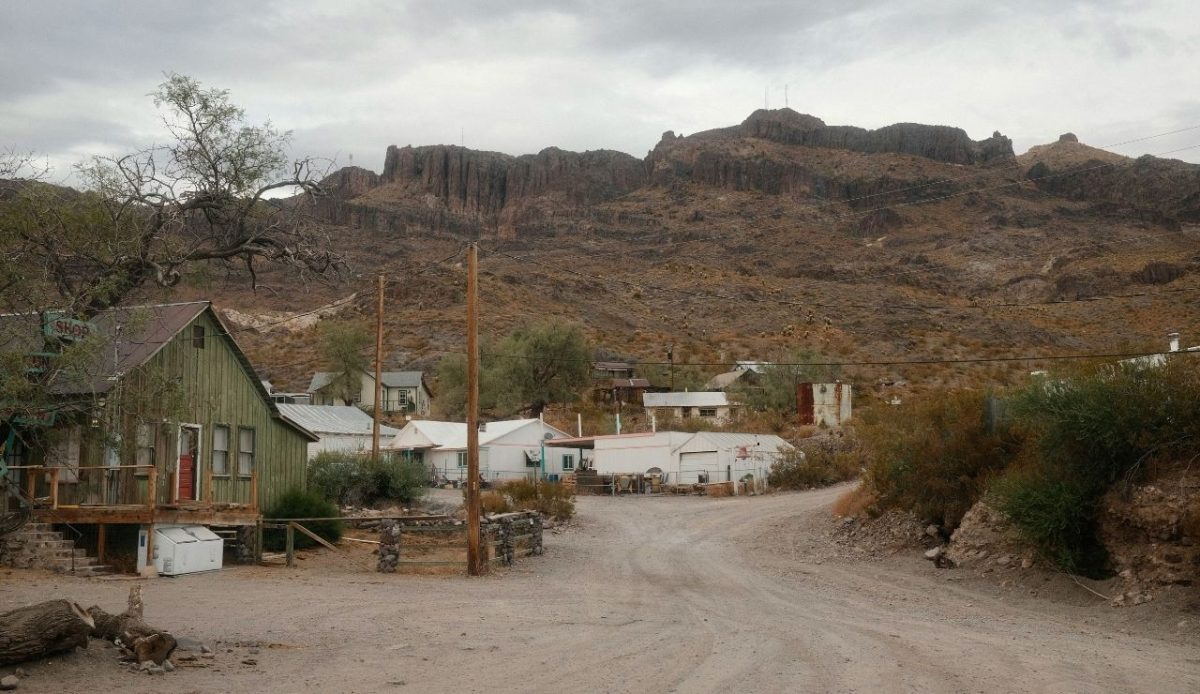
Oatman shifted from mining to Route 66 tourism, so most storefronts now exist to serve passing-through visitors. The town’s best-known tradition involves free-roaming burros descended from pack animals left behind after the boom years. They wander the main street, posing for pictures and shaping how crowds move between shops and snack stands. Retail is designed around that traffic, with feeding rules posted and staff guiding safe interactions. The animals have become the brand, and the town stays busy because the experience cannot be copied online. Local ordinances and burro-themed products help keep the attraction orderly and profitable.
7. Talkeetna, Alaska
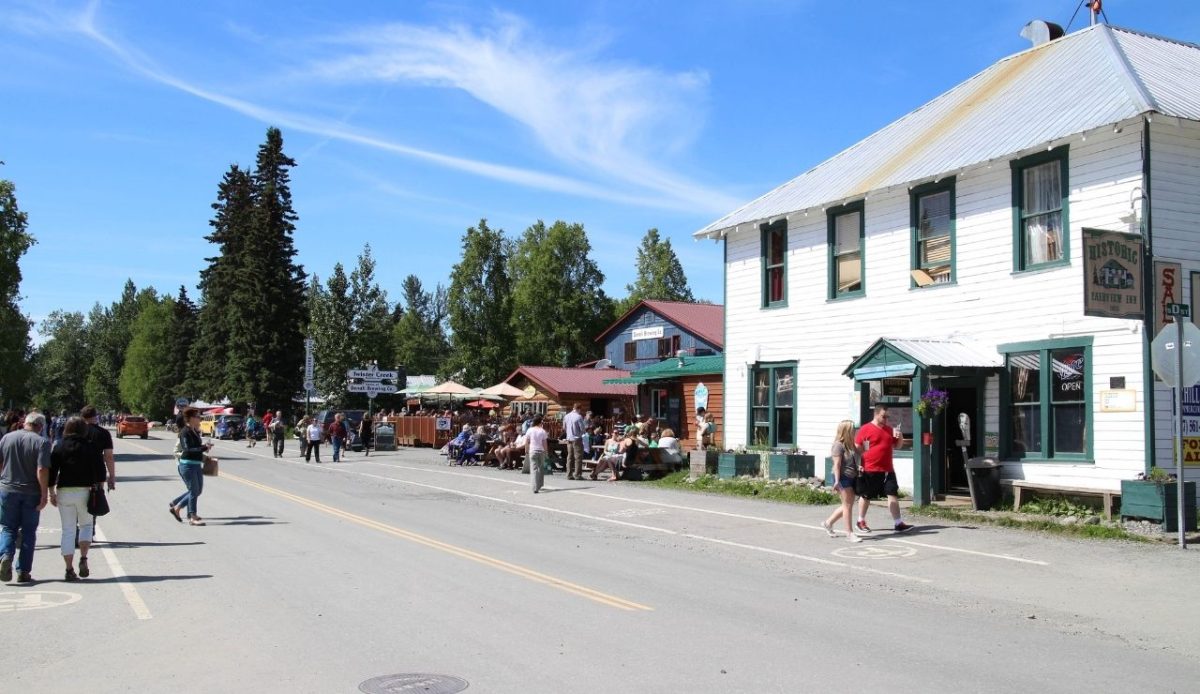
Talkeetna gained a tourism boost through an informal civic custom that became national news. Stubbs, a cat named honorary mayor, was treated as a friendly mascot, and visitors arrived hoping to see him in person. That demand supported cafes, gift counters, and guided stops that worked the story into a broader trip plan. No policy power was involved, yet the title was kept for years, giving the town a recognizable hook that separated it from other Alaska gateways. Spending was increased through souvenirs and photo-driven visits. Press coverage was recycled into postcards and social posts, and donations were collected for local animal care.
