
Airbnb offers unique travel experiences, but it’s important to remember that not all hosts may respect complete privacy. While most hosts are trustworthy and welcoming, some guests may encounter surveillance or subtle monitoring during their stay. From hidden cameras to unusual house rules or unexplained technology, certain red flags can indicate your stay is being observed. Being aware of these potential warning signs ensures peace of mind, safety, and a stress-free experience. Here are seven ways to recognize if your Airbnb host might be quietly monitoring you, helping travelers stay alert and informed throughout their stay.
1. Unexpected Cameras or Devices
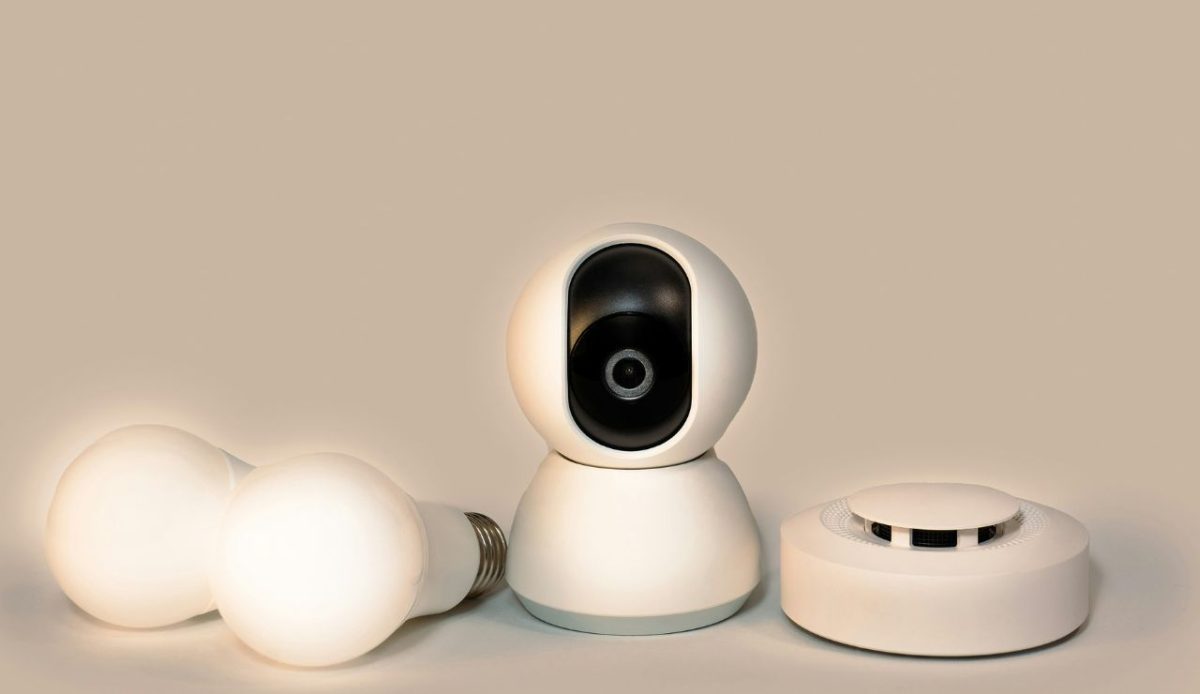
Hosts must disclose any surveillance devices, yet hidden cameras or tech gadgets can still appear in rental properties. Pay attention to common areas, entrances, and even seemingly innocuous appliances for unusual devices. Smart home equipment like motion sensors, smart plugs, or voice assistants can also collect information about your routines. If devices are pointed toward bedrooms, bathrooms, or private spaces, it could indicate monitoring. Checking thoroughly, documenting suspicious items, and asking about unusual devices helps guests maintain privacy and provides necessary evidence if reporting to Airbnb becomes necessary.
2. Excessive Rules and Restrictions
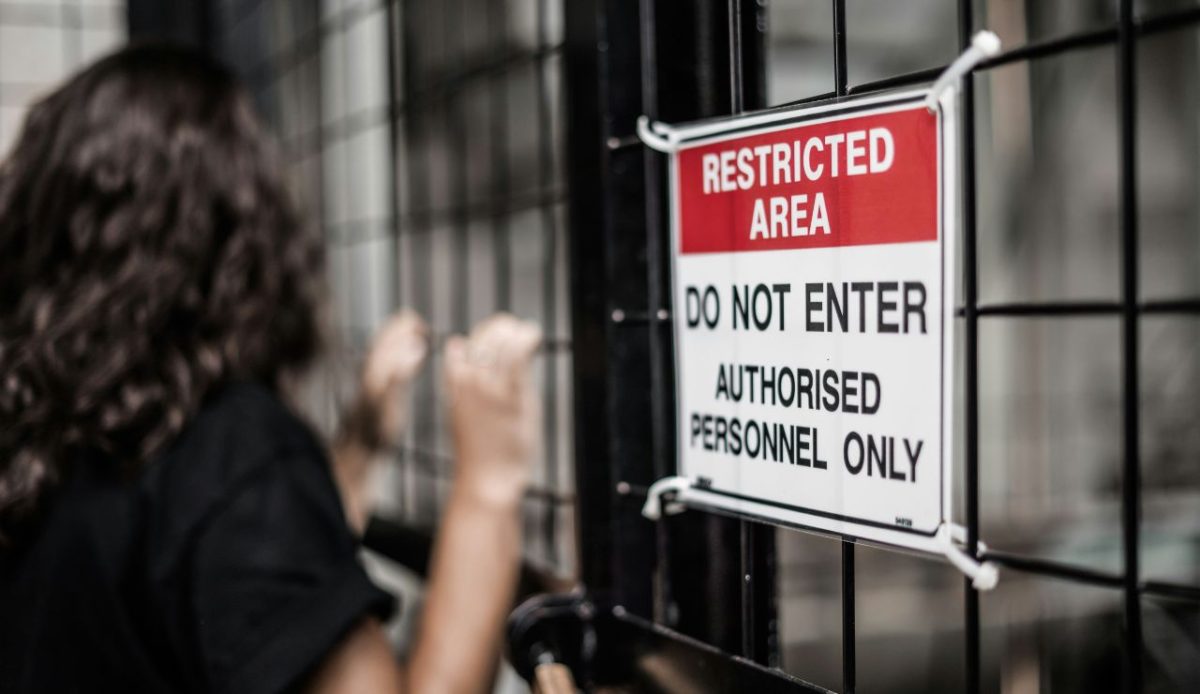
Overly strict or unusual rules may be a sign that your host wants to control or monitor behavior. Limitations on using certain rooms, restricting guests from visiting, or odd check-in requirements may suggest intrusive surveillance. While house rules are meant to protect the property, excessive limitations may feel invasive. Travelers should review all rules carefully before booking and consider whether they seem disproportionate or unreasonable. Being aware of these restrictions helps you anticipate potential privacy issues, maintain boundaries, and ensure your stay remains safe and comfortable without unnecessary oversight.
3. Frequent or Unexpected Check-Ins
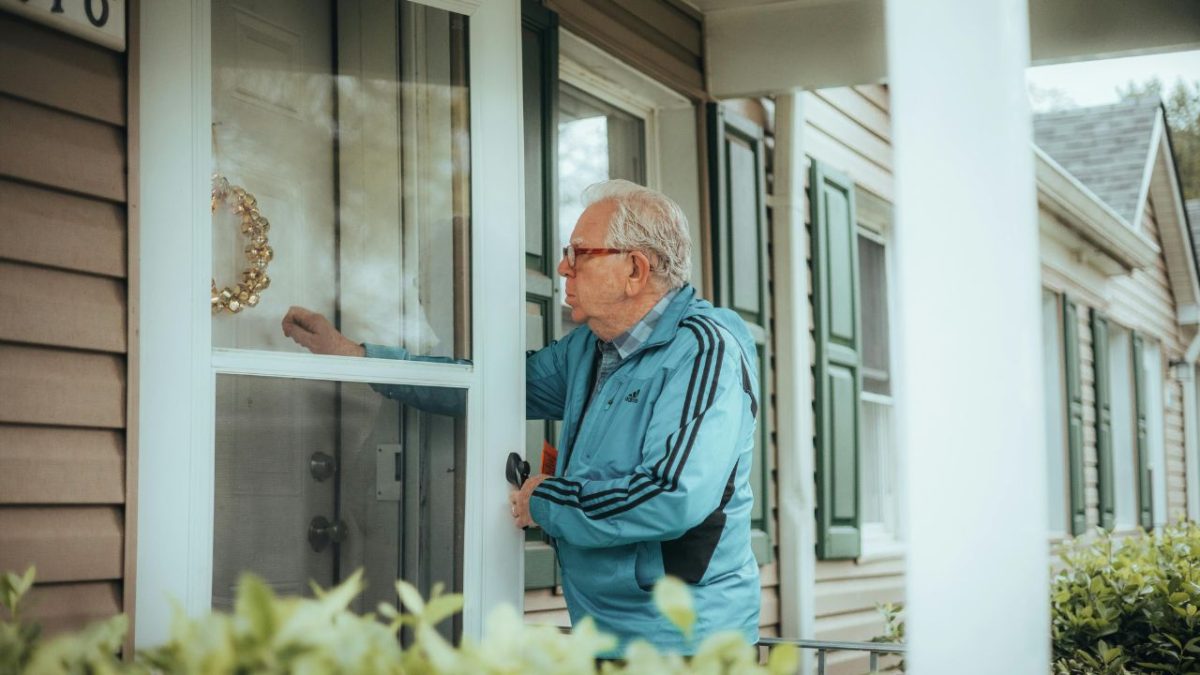
Hosts who visit without notice or send repeated messages requesting updates may be observing you more closely than necessary. Even if the host claims maintenance or cleaning, repeated unscheduled appearances can feel intrusive. Legitimate hosts usually communicate and schedule visits in advance to respect guests’ privacy. Travelers should monitor how often the host checks in and question the purpose of frequent interruptions. Documenting unplanned visits provides proof if needed and helps guests establish boundaries. Understanding these behaviors allows travelers to feel secure while still enjoying their Airbnb stay.
4. Unusual Placement of Security Devices
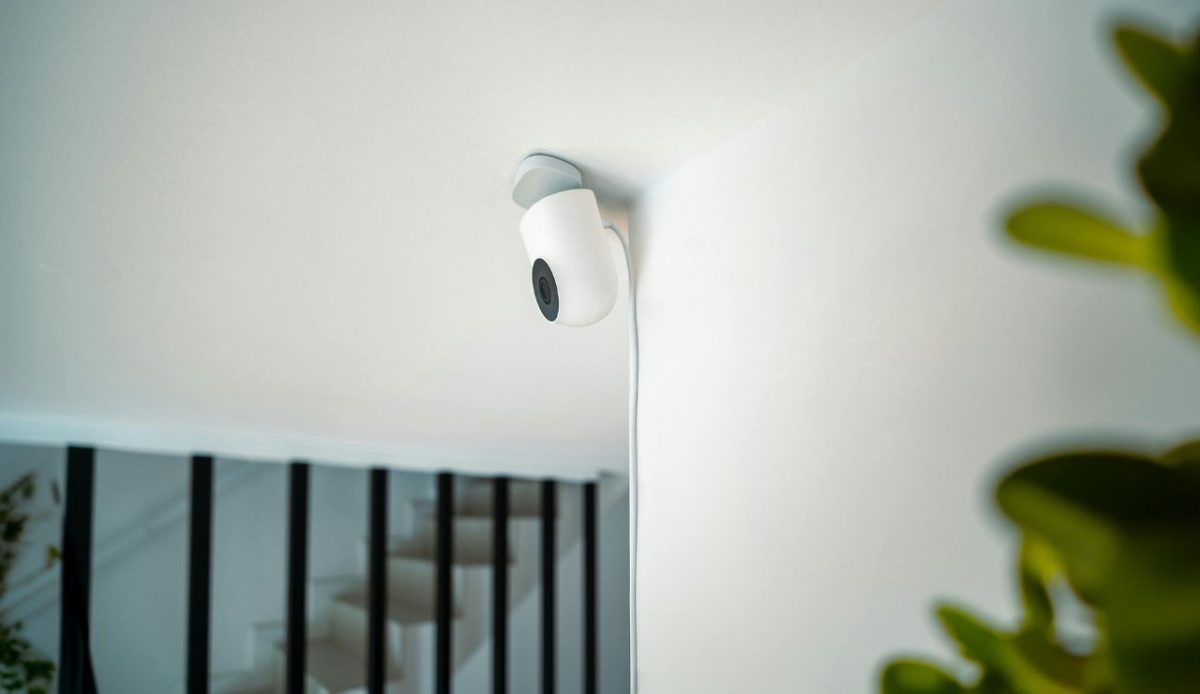
Devices like motion sensors, smart locks, or cameras placed in uncommon locations may indicate surveillance. If items are positioned toward bedrooms, bathrooms, or private areas, it’s a major privacy concern. Every day, electronics or decorations can disguise hidden recording devices. Observing the location, angle, and type of devices in your rental helps identify potential monitoring. Guests should ask the host about any suspicious items and verify their purpose. Documenting any unusual setups ensures privacy is protected and provides necessary evidence in case of disputes with Airbnb, keeping your stay safe and worry-free.
5. Overly Curious Communication
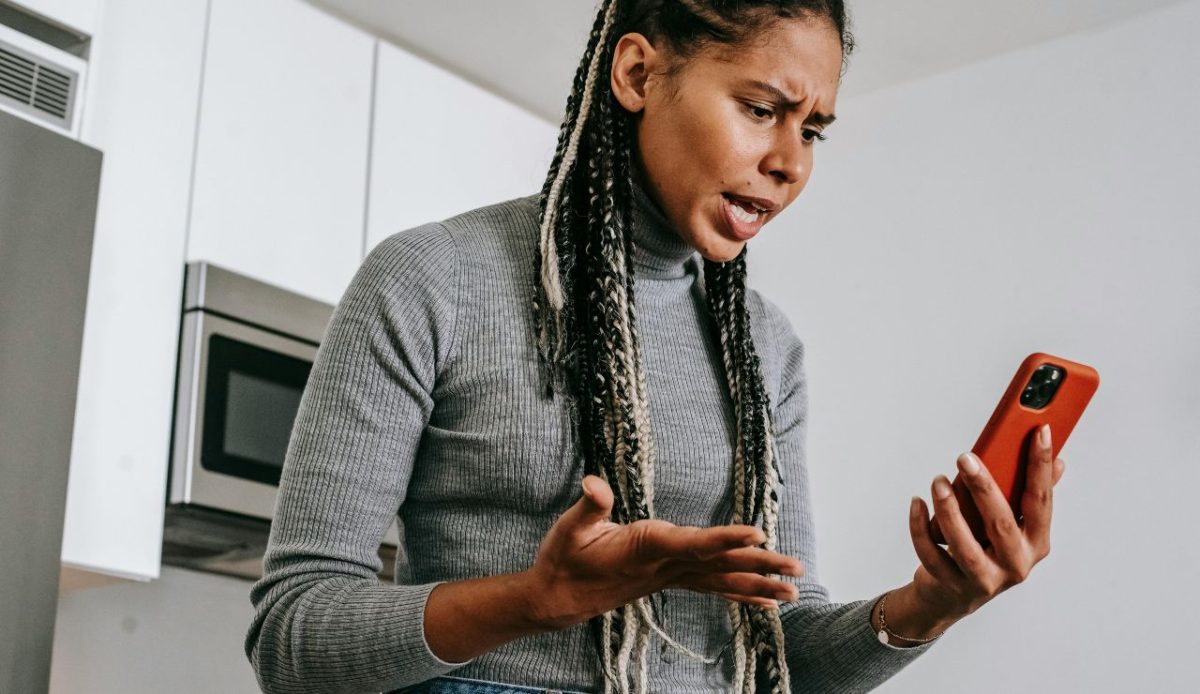
Hosts who repeatedly ask personal questions unrelated to your stay may be attempting to monitor behavior indirectly. Inquiries about visitors, daily routines, or travel plans may suggest excessive interest. While friendly communication is normal, persistent or probing messages can feel invasive. Travelers should note patterns in messaging, assess if the questions are excessive, and respond cautiously. Establishing clear boundaries helps ensure privacy. By remaining alert to overly curious communication, guests can protect personal information and maintain a safe environment while still enjoying the unique Airbnb experience.
6. Technical Monitoring Clues
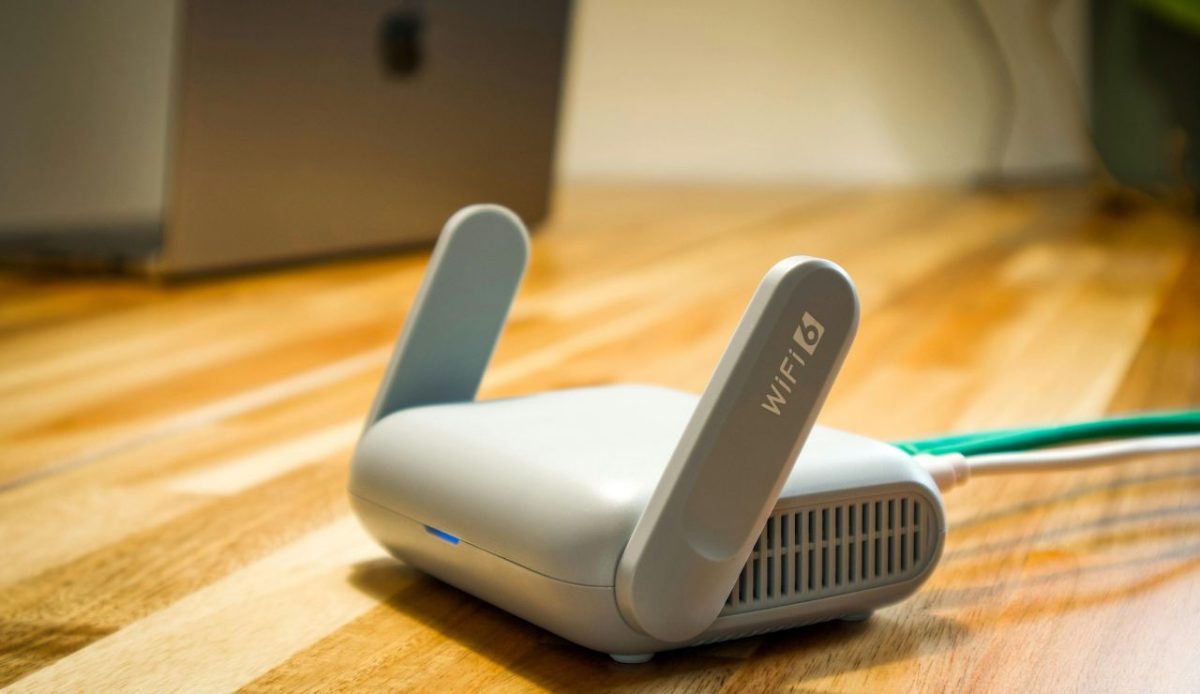
Sometimes technology can reveal subtle monitoring. Unusual Wi-Fi networks, new connected devices, or notifications from smart home gadgets may indicate tracking. Devices like smart plugs, thermostats, or even smoke detectors can record activity. Guests who notice unexplained alerts or unfamiliar devices on the network should investigate further. Understanding how technology may compromise privacy helps travelers identify potential monitoring and take protective measures. Paying attention to these signs allows for a secure stay, and guests can contact Airbnb if they suspect undisclosed surveillance or privacy violations.
7. Inconsistent or Evasive Responses from the Host
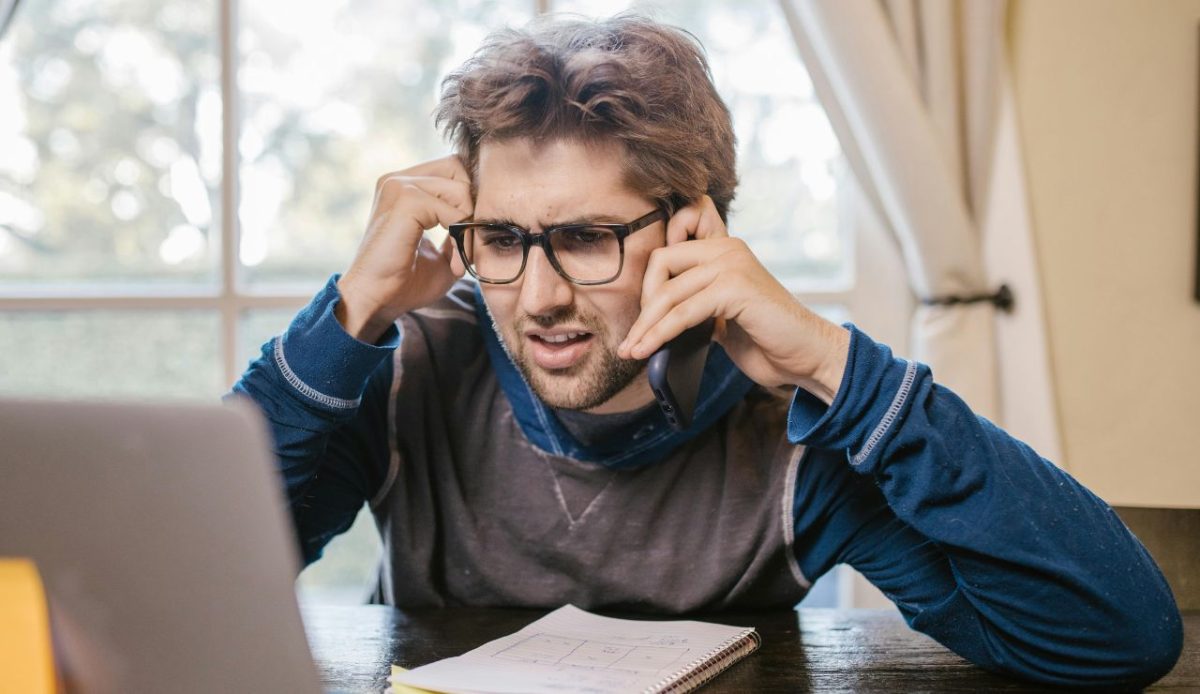
If a host avoids direct answers about cameras, sensors, or access policies, it may indicate privacy issues. Transparent hosts provide clear explanations regarding any monitoring equipment or unusual house rules. Inconsistent or evasive communication raises red flags and could signal hidden surveillance. Guests should ask detailed questions, document all responses, and report suspicious behavior to Airbnb if necessary. Ensuring clarity and transparency protects privacy while maintaining a safe stay. Being aware of a host’s evasiveness helps travelers make informed decisions and enjoy Airbnb accommodations without unwelcome observation.
