
Remote islands often conjure images of isolation, yet some communities flourish far from mainland distractions. On these islands, residents maintain tight-knit connections, self-sufficient economies, and vibrant cultural traditions. Travelers notice the harmony between people and nature, the resilience of daily life, and the unique ways local economies thrive. These islands demonstrate that distance from urban centers doesn’t mean deprivation. Instead, they highlight creativity, sustainability, and community spirit, offering a glimpse into societies that have adapted successfully to remote living.
1. Pitcairn Island, South Pacific
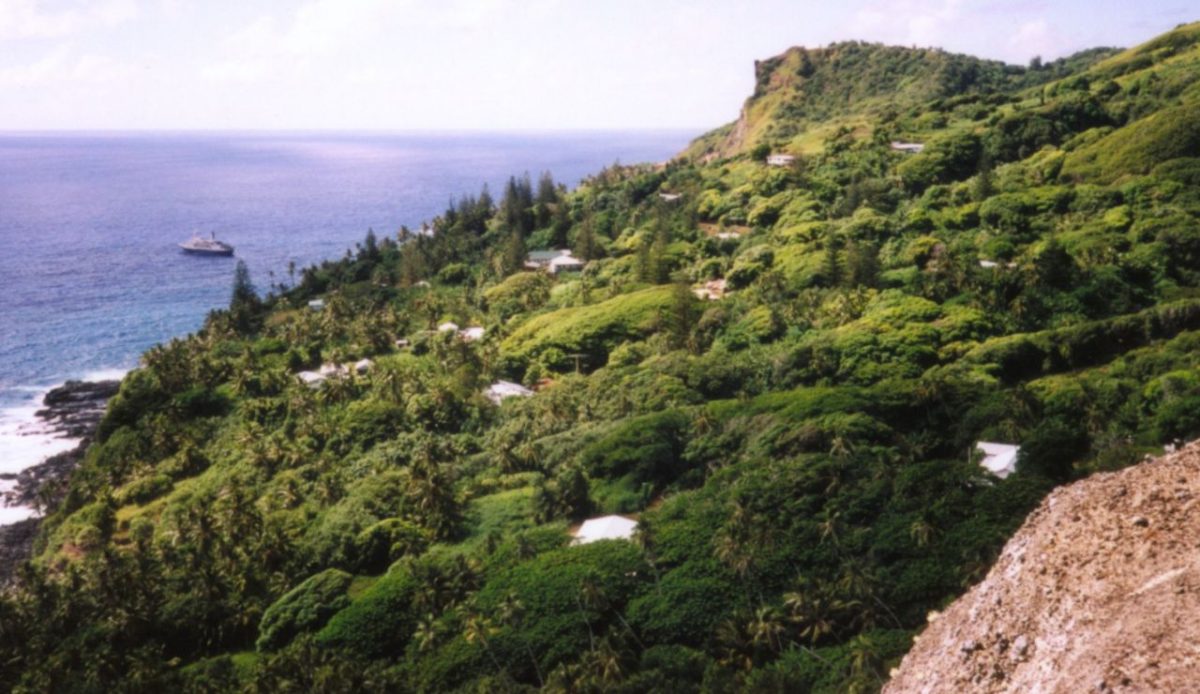
Pitcairn Island, home to descendants of the HMS Bounty mutineers, hosts a community of fewer than 50 people. Life here revolves around subsistence farming, fishing, and crafts, with residents relying on tight social cohesion for survival. Electricity and internet are limited, making resourcefulness essential. Visitors quickly notice the communal lifestyle, where everyone contributes to shared tasks. Despite isolation, Pitcairn’s inhabitants preserve their unique culture and history, showing how a remote island can sustain a thriving, self-sufficient society while maintaining a strong sense of identity and connection to the past.
2. Tristan da Cunha, South Atlantic
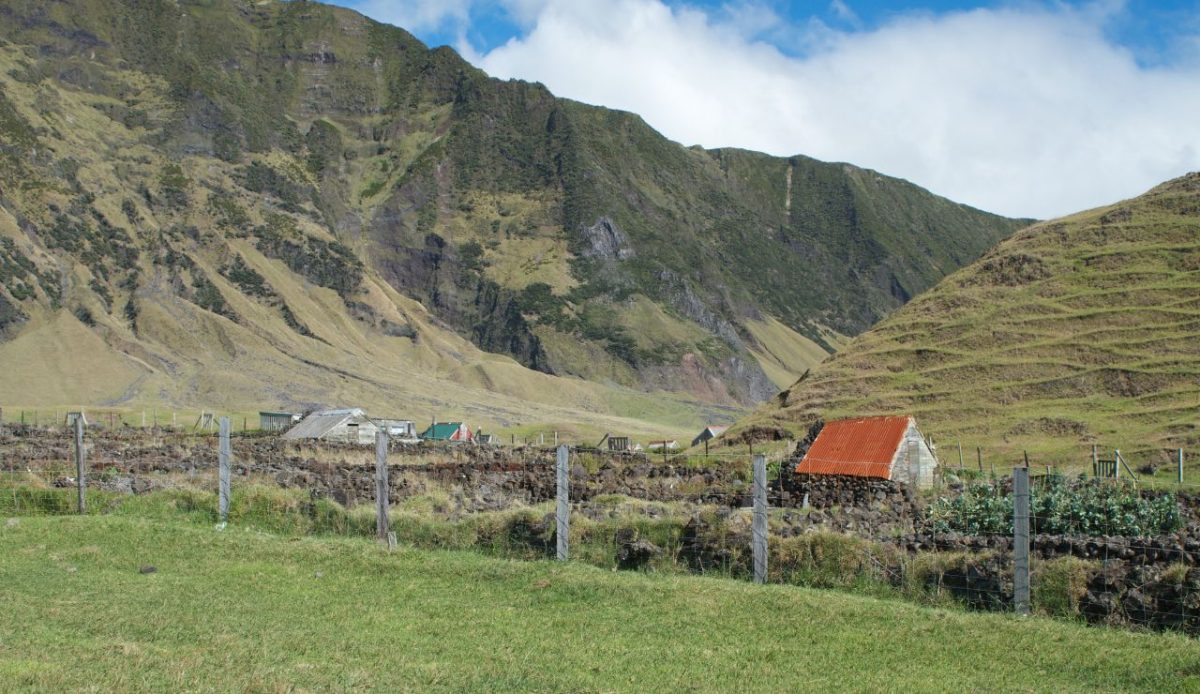
Tristan da Cunha, one of the most isolated inhabited islands, relies on fishing, livestock, and community governance. Its 250 residents share responsibilities in a cooperative system, ensuring survival in a harsh climate. Supply ships arrive infrequently, so locals plan carefully and work together. Visitors notice the strong communal ties and the resilience of residents. The island’s remoteness fosters independence, creativity, and problem-solving. Tristan da Cunha shows how geographic isolation can nurture self-sufficiency, strong social bonds, and a vibrant way of life despite extreme isolation.
3. Svalbard, Norway
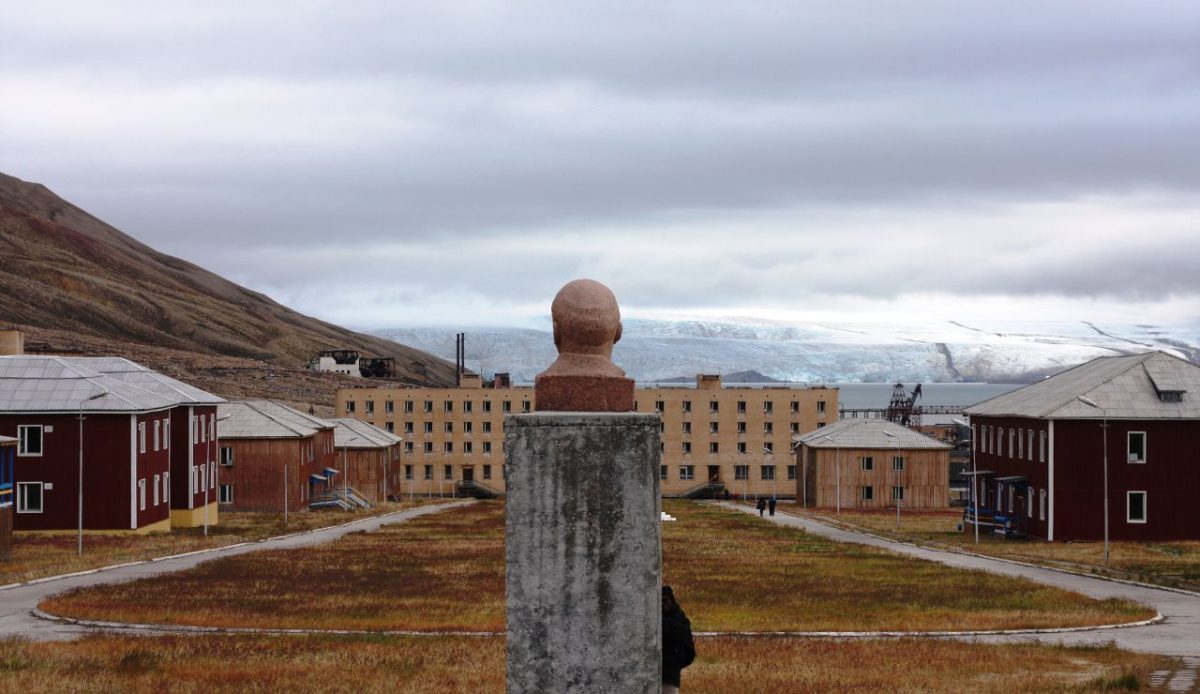
Located in the Arctic Circle, Svalbard’s small settlements thrive despite freezing temperatures and polar darkness. Communities rely on mining, research, tourism, and strong public services to sustain themselves. Residents embrace outdoor activities, cooperate for safety, and adapt to extreme seasonal changes. Visitors notice a blend of rugged self-reliance and modern convenience. Svalbard shows how remoteness doesn’t limit the quality of life. Infrastructure, planning, and community cooperation allow residents to flourish in one of the harshest climates, combining modern amenities with respect for the environment.
4. Pitcairn-inspired Easter Island, Chile

Easter Island is known for its Moai statues, yet its small population maintains a thriving community despite isolation. Residents engage in agriculture, fishing, tourism, and cultural preservation, blending heritage with economic sustainability. Locals actively participate in cultural events, crafts, and festivals that attract visitors, creating a vibrant life. Tourists notice the island’s social cohesion and pride. Easter Island illustrates how remoteness can foster cultural richness and self-sufficiency, showing thriving communities are built on shared purpose, tradition, and careful stewardship of resources.
5. North Sentinel Island, Andaman Islands
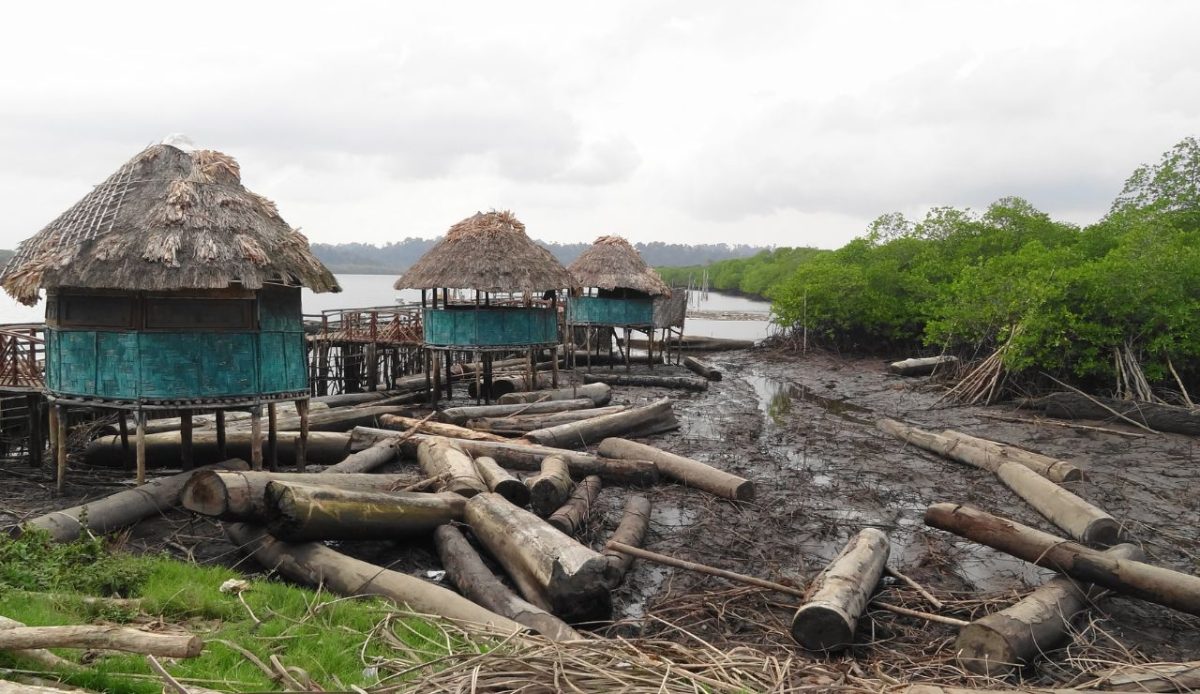
While North Sentinel Island is off-limits, its isolated tribe demonstrates an alternative form of thriving through complete self-reliance. The community remains untouched by modern society, relying entirely on hunting, fishing, and gathering. Their survival emphasizes privacy and autonomy, highlighting a distinct form of thriving, one defined by independence from external influence. Anthropologists respect their isolation, recognizing that a successful community doesn’t require outside interaction. North Sentinel reminds travelers that thriving can take many forms, shaped by extreme isolation and environmental adaptation.
6. Tokelau, South Pacific
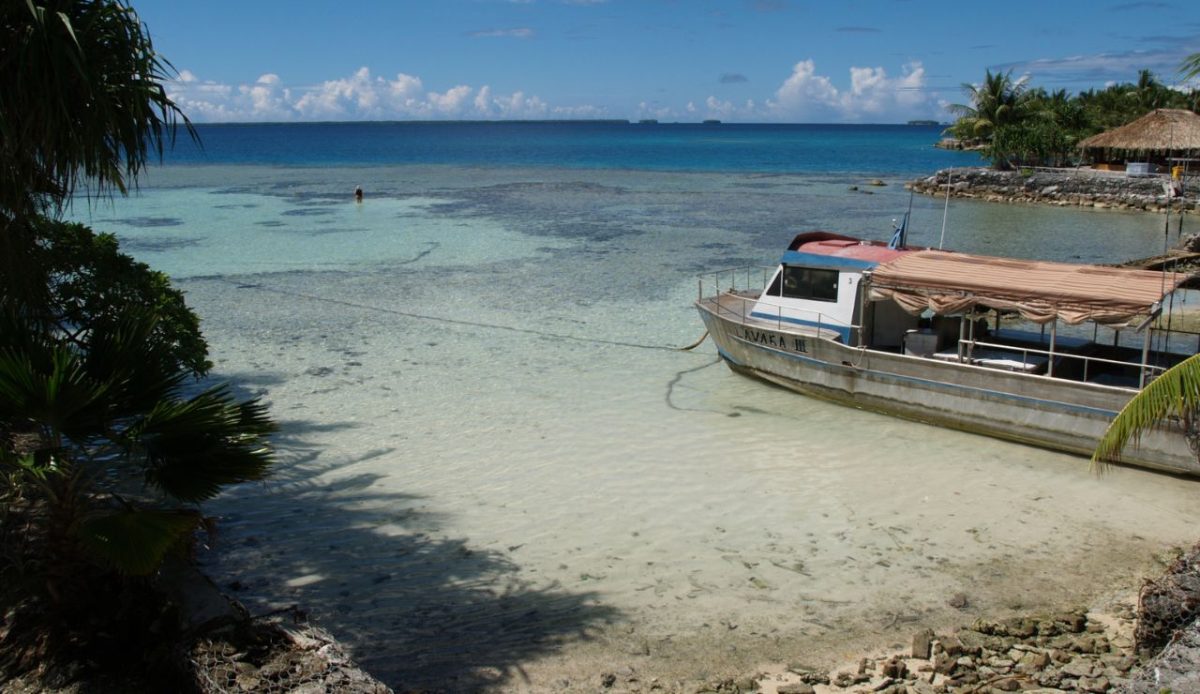
Tokelau is a group of three small atolls with a population of under 1,500. Residents live sustainably, relying on fishing, coconut harvesting, and limited agriculture. Community decisions are made collectively, and traditional governance structures preserve social cohesion. Visitors notice the friendly, cooperative spirit and the careful balance between modernity and tradition. Tokelau demonstrates how small, remote populations can thrive using local resources wisely. Its sustainable approach highlights resilience, adaptability, and the power of community collaboration in maintaining a high quality of life in isolation.
7. Saint Helena, South Atlantic
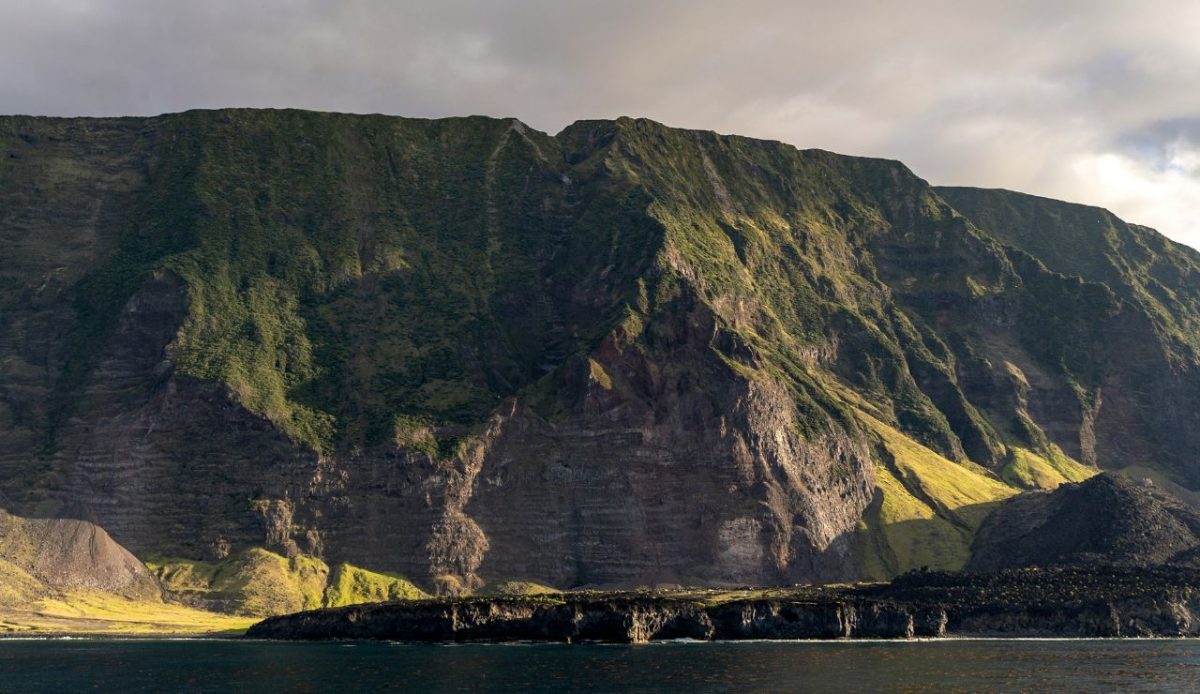
Saint Helena, known as Napoleon’s exile destination, supports a small population that thrives through tourism, agriculture, and local trade. Residents maintain strong community ties, celebrate traditions, and depend on careful resource management. Modern infrastructure coexists with historic preservation, creating a unique balance. Visitors experience the island’s warmth and resilience firsthand. Saint Helena shows that even extremely remote islands can foster thriving communities by embracing self-sufficiency, cooperation, and cultural continuity. Distance from urban centers doesn’t hinder prosperity or vibrancy.
