
Some U.S. attractions that used to feel free are adding charges in 2026, either through new admission tickets, paid parking, or the loss of predictable free-entry windows.
Most of these shifts are tied to rising operating costs, staffing, repairs, and the need to manage heavy visitor demand without cutting hours or services. The fine print matters: some fees apply only in peak season, some only to nonresidents, and some replace what was once a dependable “free day” many travelers counted on.
Before you plan around a bargain visit, check the official policy for your dates and your group. These seven examples show how “free” is being redefined in 2026.
1. Monk Botanical Gardens (Wausau, Wisconsin)
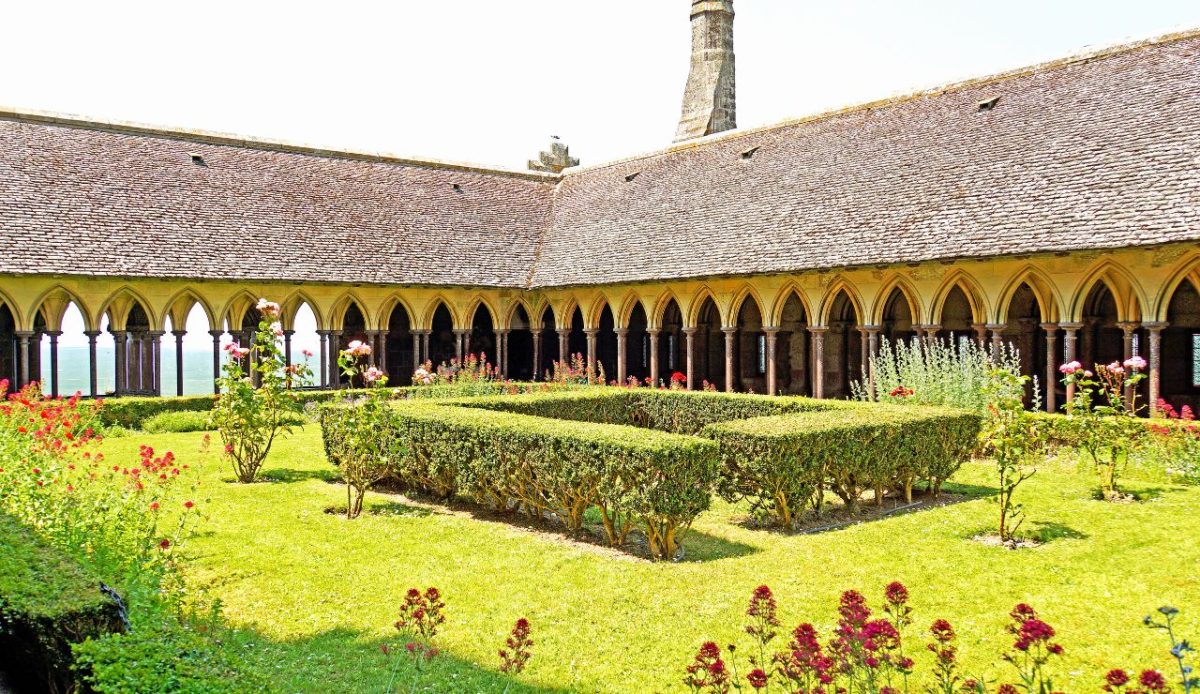
Monk Botanical Gardens in Wausau, Wisconsin, is moving from open access to a seasonal admission model in 2026. The gardens say a seasonal fee begins April 23, 2026 and runs through the day before Thanksgiving, while winter months are planned to remain free.
Local reporting says the standard adult admission for non-members is $10, which turns what many people treat as a spontaneous stop into something you plan and budget for, especially during spring and summer travel.
If you visit often, the new setup makes membership more valuable, since daily admission is tied to the season and can add up quickly across repeat visits, family outings, or out-of-town guests.
2. The North Carolina Arboretum (Asheville, North Carolina)
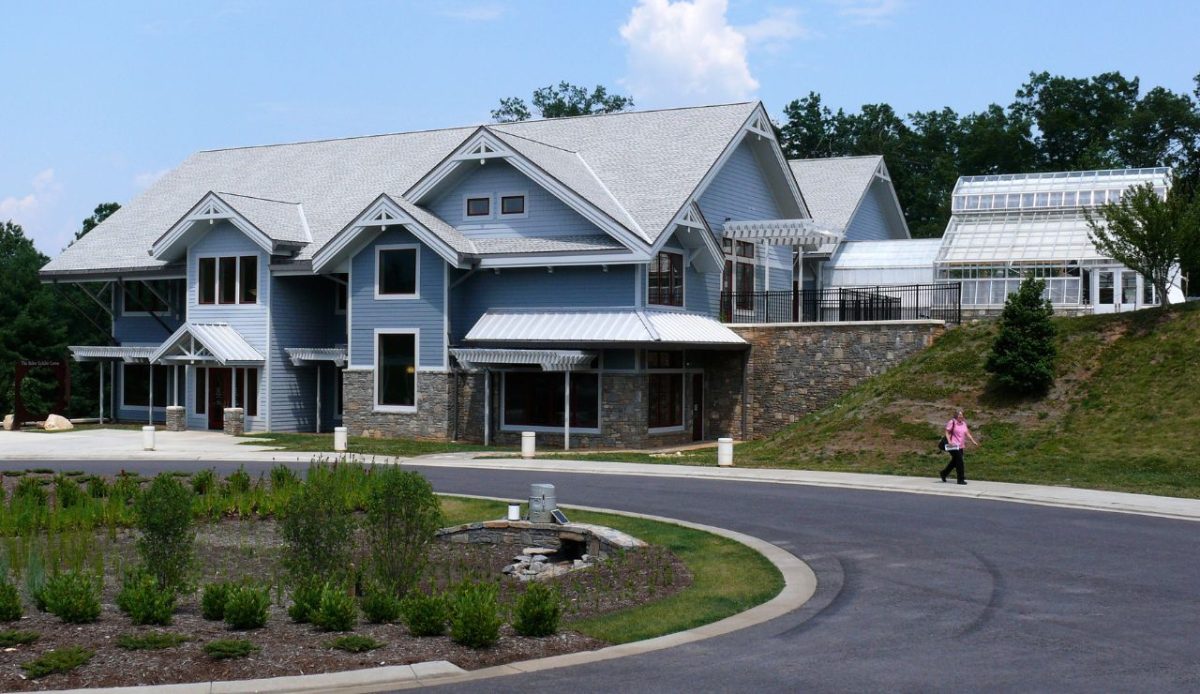
The North Carolina Arboretum near Asheville is still free to walk or bike into, but driving is getting more expensive in 2026. The Arboretum says the standard personal-vehicle parking fee changes to $25 effective March 1, 2026, after a board review intended to match operating costs.
Because many visitors experience the Arboretum as a quick scenic stop, a higher parking charge can feel like a new entry fee, particularly for short visits that used to be an easy add-on between hikes and downtown stops.
The Arboretum notes membership rates remain unchanged and highlights options like a monthly discount day, which matters if you’re planning repeat visits or traveling with multiple cars.
3. San Francisco Museum of Modern Art (SFMOMA. (San Francisco, California)
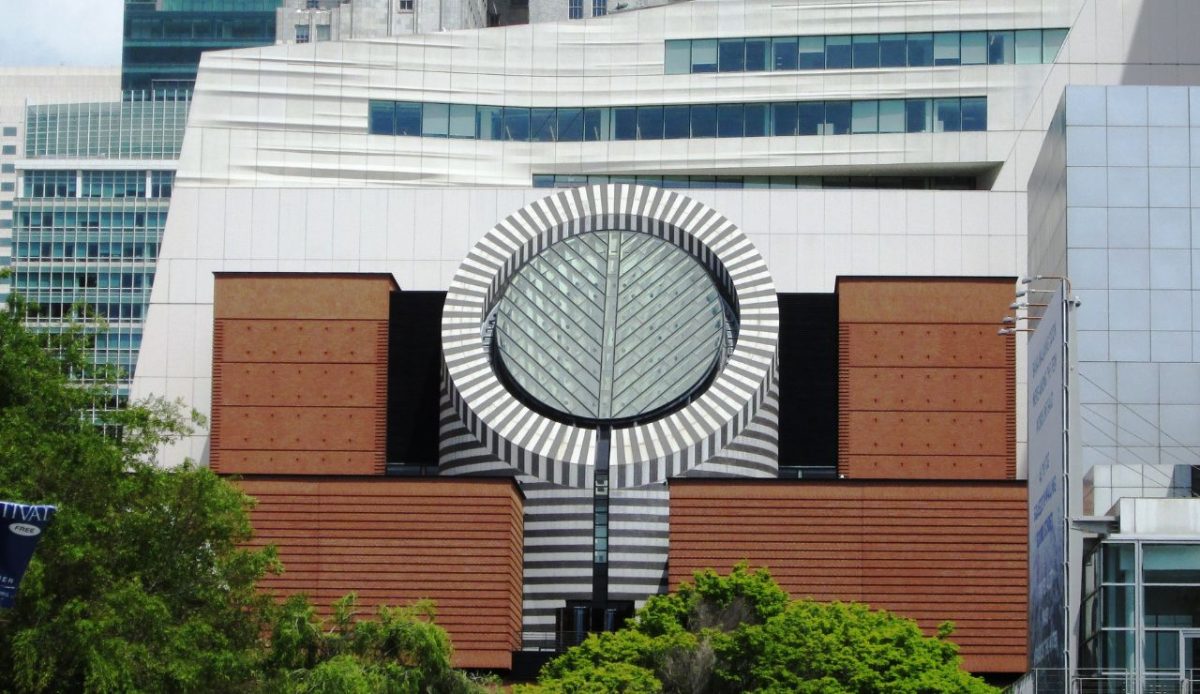
San Francisco Museum of Modern Art (SFMOMA. didn’t start charging for entry in 2026, but it did remove one of its most useful “free visit” options. The museum says its Free First Thursday program is temporarily paused beginning February 2026.
For Bay Area travelers who planned around that evening window, the pause effectively converts a predictable free museum night into a paid visit unless you qualify for other access programs.
SFMOMA still lists alternatives such as community free days and reduced-cost programs, so the takeaway is to confirm which free options are active for your travel month rather than assuming the old calendar still applies.
4. Institute of Texan Cultures (San Antonio, Texas)
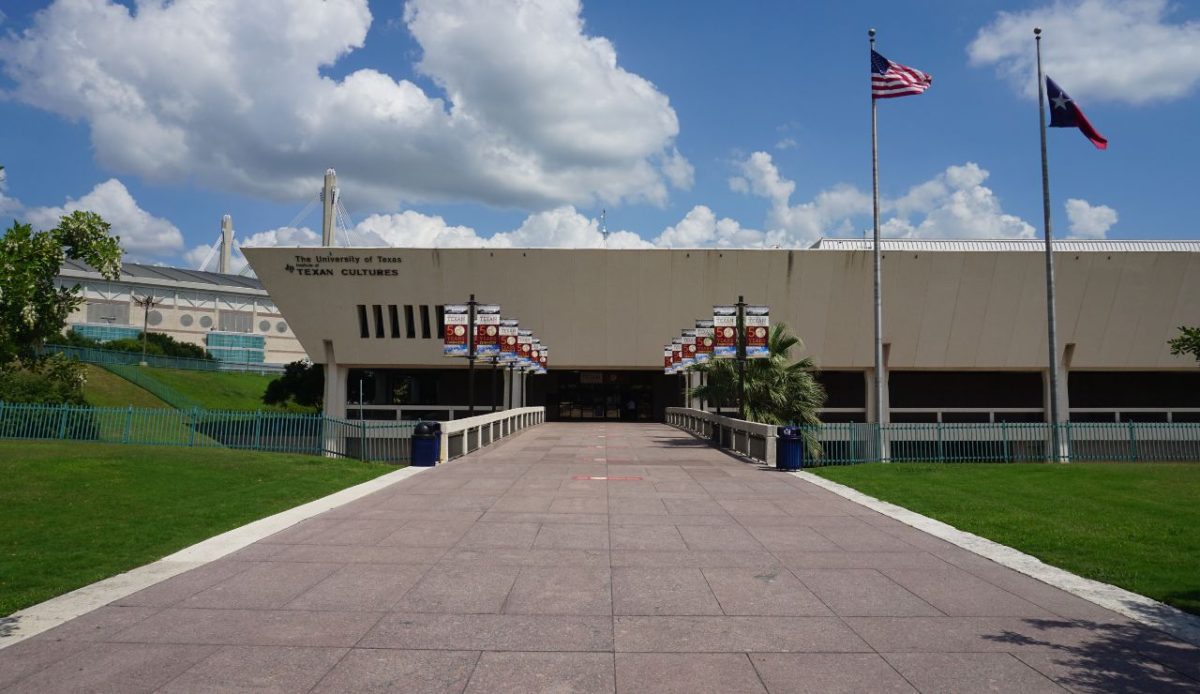
The Institute of Texan Cultures in San Antonio reopened downtown in early 2026 with a brief free-admission window, then moved to paid tickets. UTSA announcements for the reopening say admission was free during opening week (Jan. 29 to Feb. 1), with regular pricing starting Feb. 5.
After that, adult admission is listed at $10, with reduced prices for youth and some other groups. For visitors who saw “free reopening” headlines, the date matters more than the slogan.
If this museum is a key stop on your trip, the practical move is aligning your visit with the free window when it exists, or budgeting for the ticket if you’re arriving later in the season.
5. Balboa Park (San Diego, California)
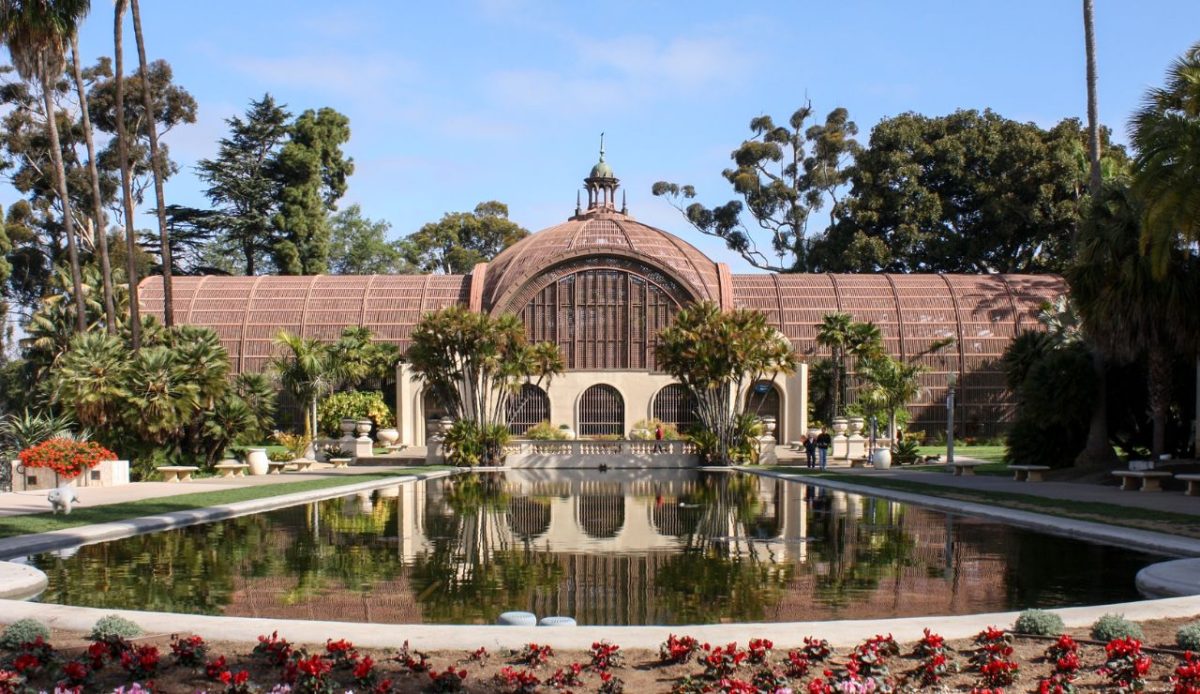
Balboa Park in San Diego is a classic example of a public place that stayed accessible but stopped being “free to visit” for drivers. The City of San Diego says paid parking in Balboa Park is in effect as of Jan. 5, 2026, replacing the long-standing free-lot routine.
The policy includes different rates and rules depending on verification and lot type, plus some free options for specific users, but for many visitors, the change simply means a new cost just to spend time in the park.
If you’re building a museum-heavy day at Balboa, plan the parking cost the same way you plan admission tickets, because it can be the biggest new line item on an otherwise low-cost outing.
6. San Diego Zoo (San Diego, California)
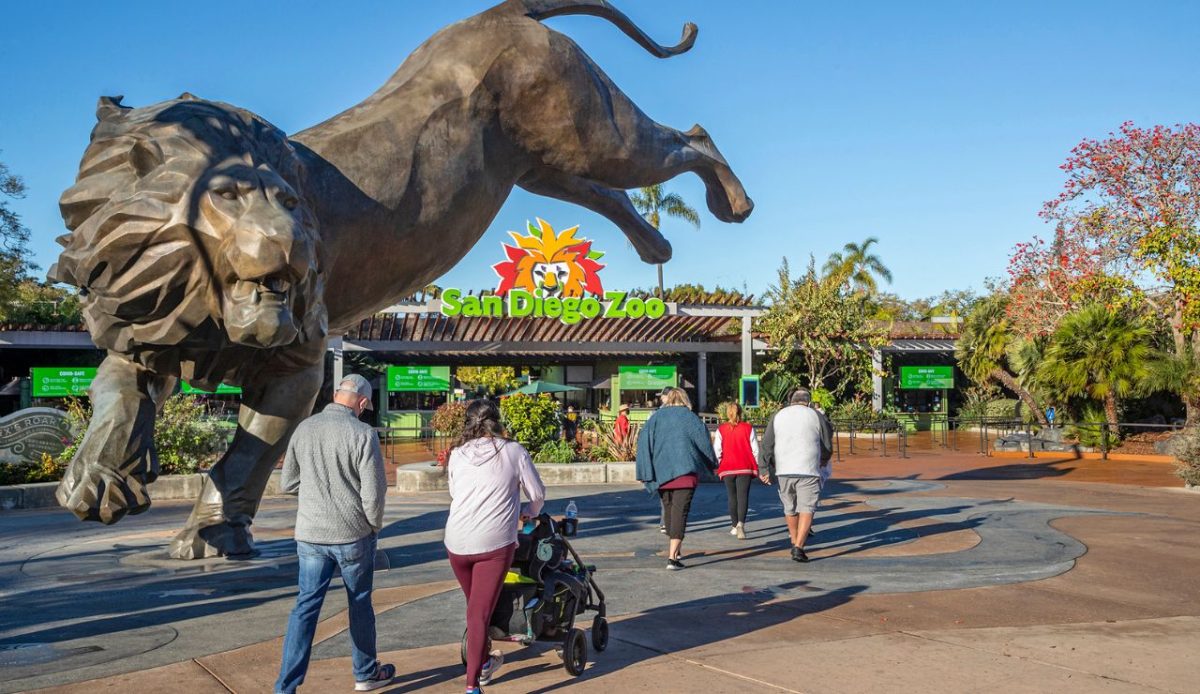
The San Diego Zoo is another 2026 change where the attraction isn’t new, but the “free” part is. The zoo’s parking page states that parking fees apply when visiting, while members can receive complimentary parking by registering their vehicle, and the start date aligns with the city’s January 2026 parking shift.
Local reporting ahead of the rollout said non-members would pay up to $16 per vehicle per day, which can shift the real cost of a visit, especially for families already budgeting for tickets and food.
If you’re comparing days in San Diego, treat parking like a required add-on and check whether your ticket package, membership status, or arrival plan changes what you’ll pay at the lot.
7. Grand Canyon, Yellowstone, Yosemite, Zion, and other major national parks (new nonresident fees)
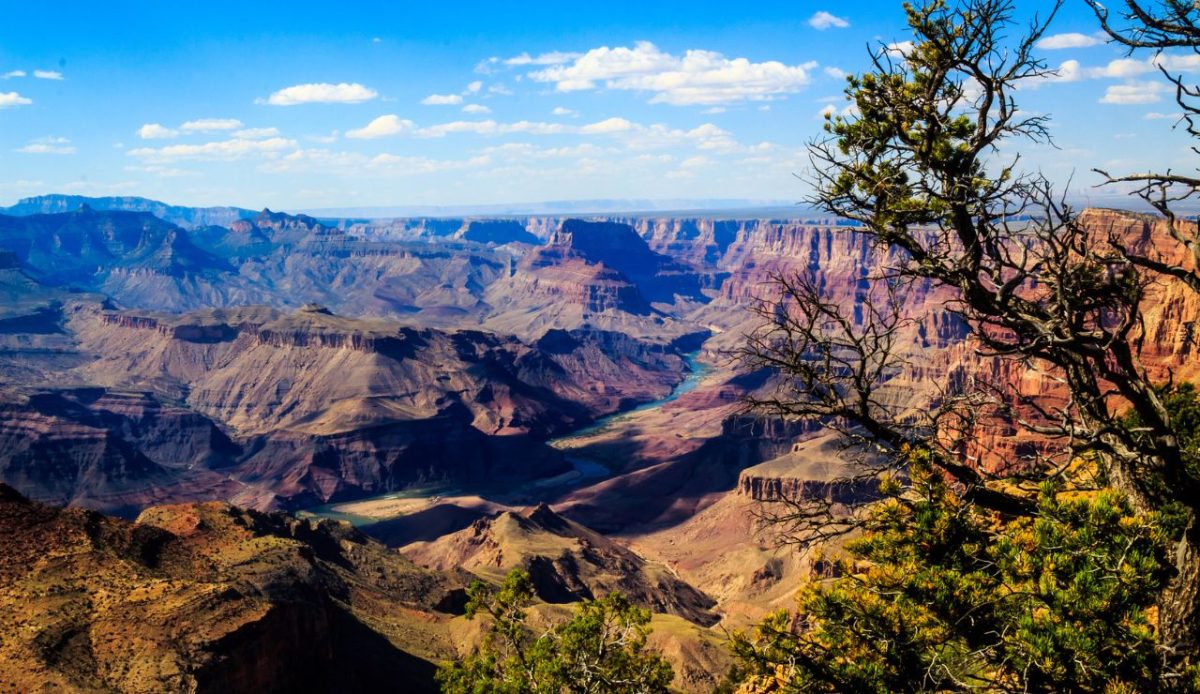
Some national park visits lose their “free day” value in 2026 if you’re traveling from outside the U.S. The Department of the Interior says the annual pass now has a nonresident tier, and the National Park Service lists an added $100 nonresident fee (for non-U.S. residents ages 16+. at 11 high-traffic parks starting in 2026.
That list includes Grand Canyon, Yellowstone, Yosemite, Zion, the Rocky Mountains, and several others, meaning a day that used to be a low-cost or occasionally free stop can jump sharply for international travelers.
If you’re visiting from abroad, compare the per-day charges with the nonresident annual pass option and lock your park choices early so the fees don’t blow up your route.
