
South Africa holds a vast mix of national parks, heritage areas, and coastal reserves that reflect the country’s natural and cultural range. Each destination below is recognized by official conservation agencies or UNESCO for ecological or historical importance. Travelers benefit from reliable infrastructure, guided programs, and community partnerships that ensure safe and educational visits. Together, these places highlight how well-managed tourism supports preservation, research, and local development across the country’s diverse environments.
1. Cape Town’s Cape Peninsula & Table Mountain National Park
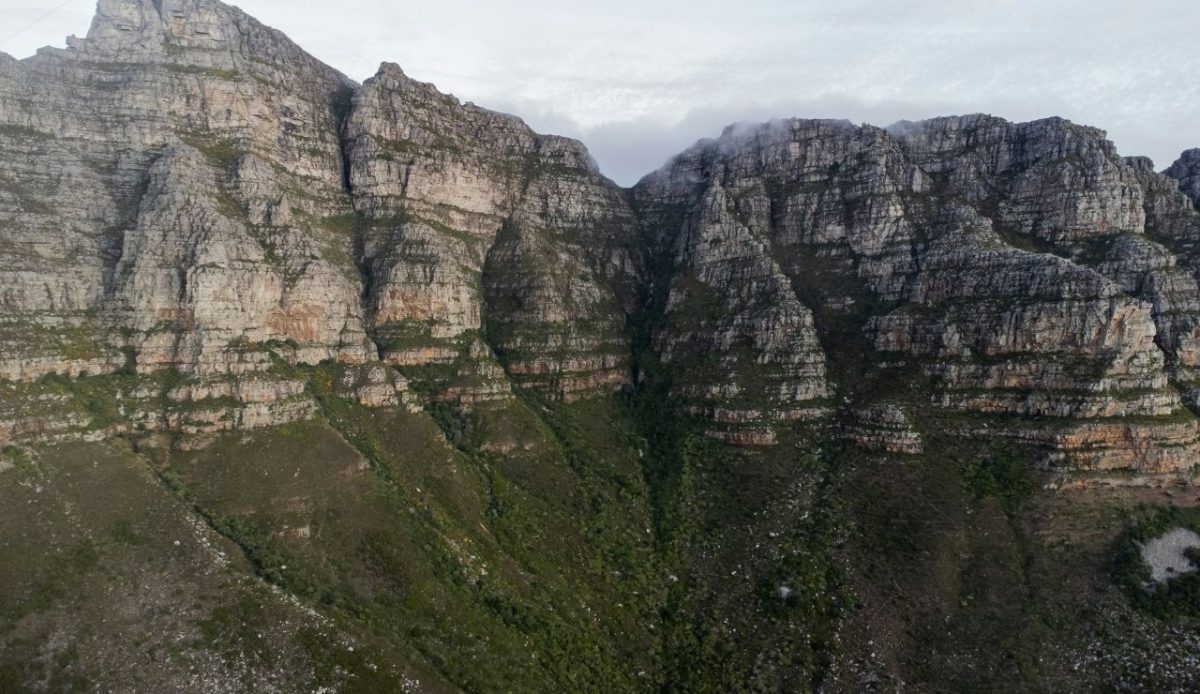
The Cape Peninsula brings together ocean cliffs, beaches, and fynbos-covered slopes within Table Mountain National Park. Visitors can reach the summit by cableway or trail and continue to Cape Point or Boulders Beach, where African penguins live under protected viewing rules. The park forms part of the Cape Floral Region, a UNESCO site known for rare plants found nowhere else. Weather alerts and fire warnings help maintain safety, while rangers manage visitor flow at key lookouts. Its mix of urban access and natural diversity makes it one of South Africa’s most studied ecosystems.
2. Robben Island Museum & World Heritage Site
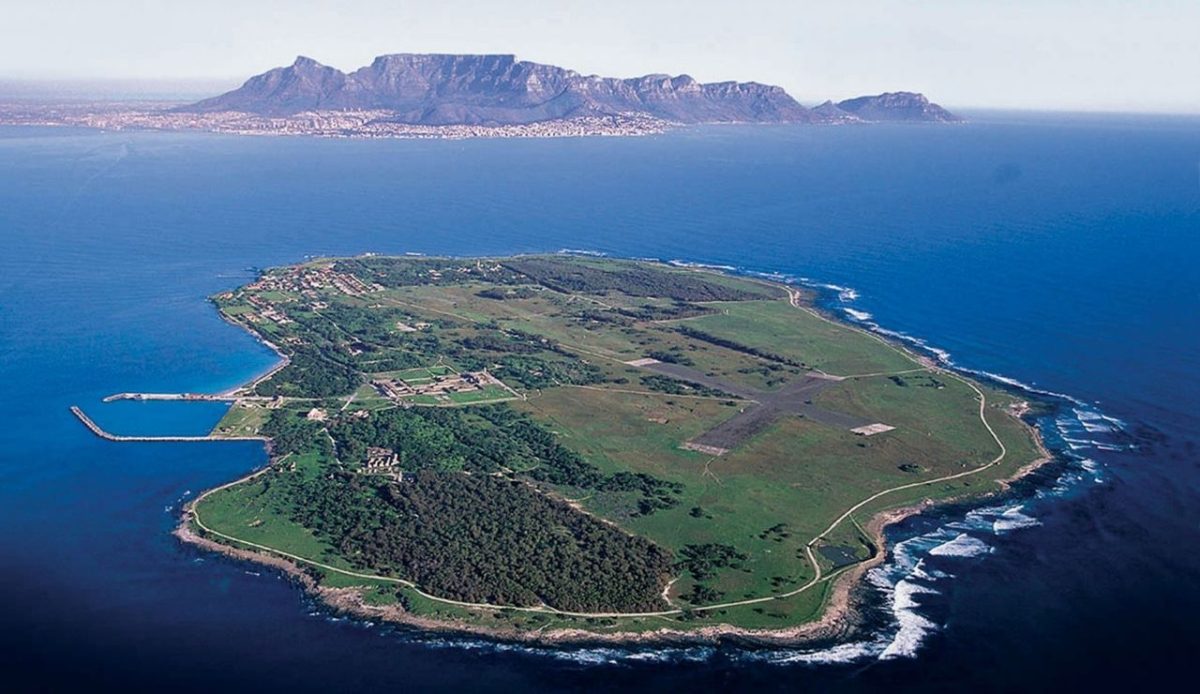
Robben Island sits off Cape Town’s coast and documents South Africa’s political transformation through firsthand testimony and preserved facilities. Ferries from the V&A Waterfront include a guided circuit of the prison, Mandela’s cell, and the limestone quarry once worked by inmates. Former residents assist in interpretation, ensuring historical accuracy. Strict scheduling limits group size and protects fragile structures from overuse. The museum’s archive connects stories of endurance and reform, making the island both a memorial and a teaching site on democratic progress.
3. Cape Winelands: Stellenbosch & Franschhoek
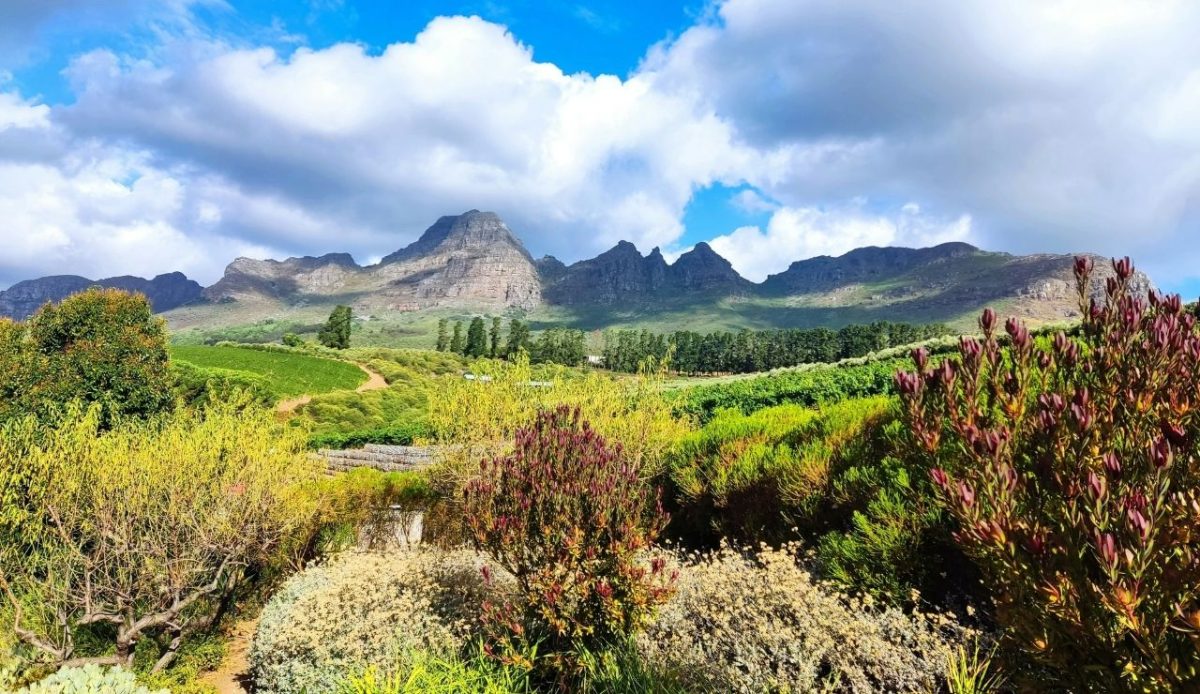
The Cape Winelands combine agricultural tradition with academic research that sustains modern viticulture. Stellenbosch anchors the region with its university and heritage buildings, while Franschhoek reflects early French settlement through language and cuisine. Visitors can tour vineyards, markets, and museums that show centuries of cultivation in Mediterranean-like conditions. Roads are well-maintained, linking estates that follow responsible farming guidelines. Harvest season, between January and April draws the largest crowds, and many farms use appointment systems to balance production with tourism.
4. Maloti-Drakensberg Park
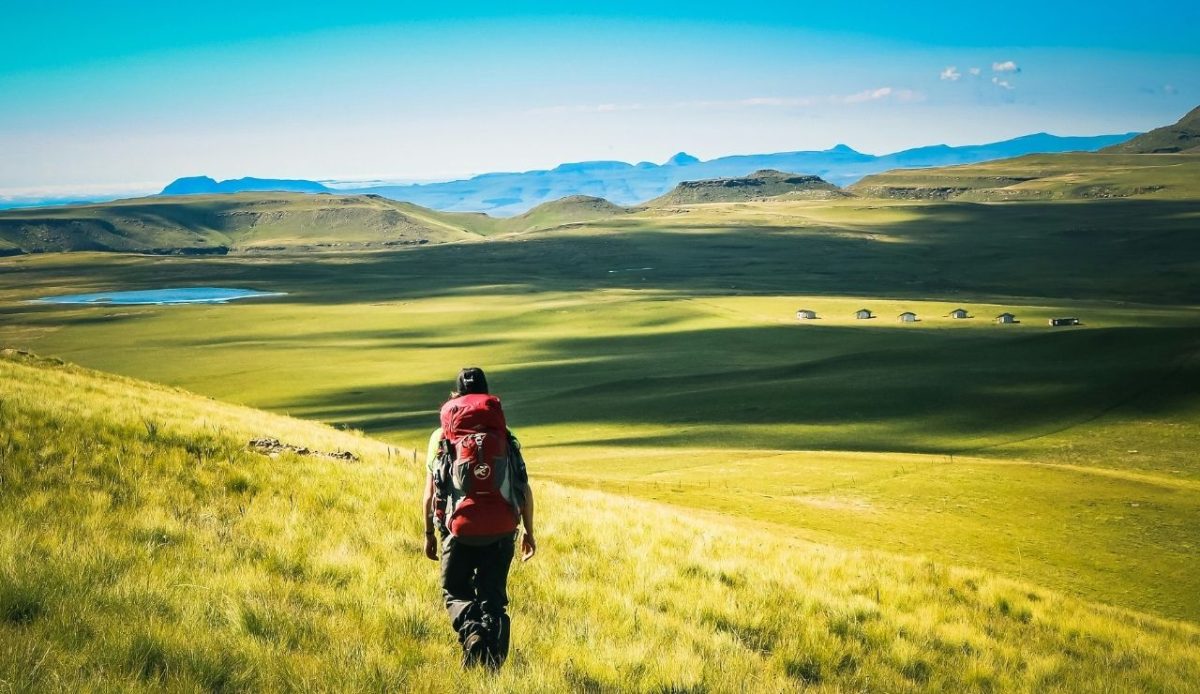
The Maloti-Drakensberg system, shared between South Africa and Lesotho, protects high-altitude habitats and more than 35,000 examples of ancient San rock art. Entry points like Cathedral Peak and Royal Natal provide clear trail maps and emergency services. Rangers and archaeologists work together to monitor erosion, vegetation, and damage from weather. Controlled group sizes and camping zones reduce pressure on fragile slopes. The park’s joint management ensures data sharing across borders, supporting both biodiversity and cultural research in this UNESCO-recognized mountain region.
5. Kruger National Park
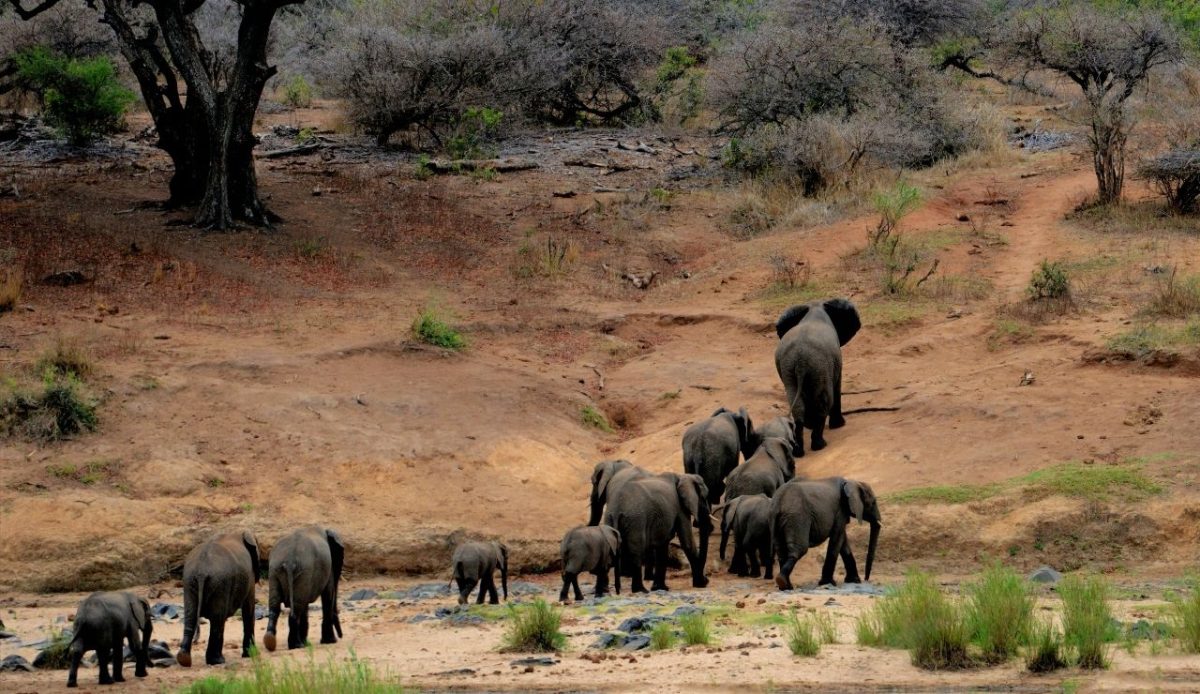
Kruger National Park stands as South Africa’s flagship conservation area and one of the largest in Africa. It covers nearly two million hectares, divided into ecological zones that support a wide range of wildlife. Visitors follow a mix of paved and gravel routes managed for safety and minimal disturbance. The park links with Mozambique and Zimbabwe through the Great Limpopo system, extending migration paths for elephants and antelopes. Scientists monitor animal health, water use, and vegetation change, while anti-poaching patrols operate daily. Kruger continues to guide regional policy on habitat protection.
6. Eastern Cape Wild Coast
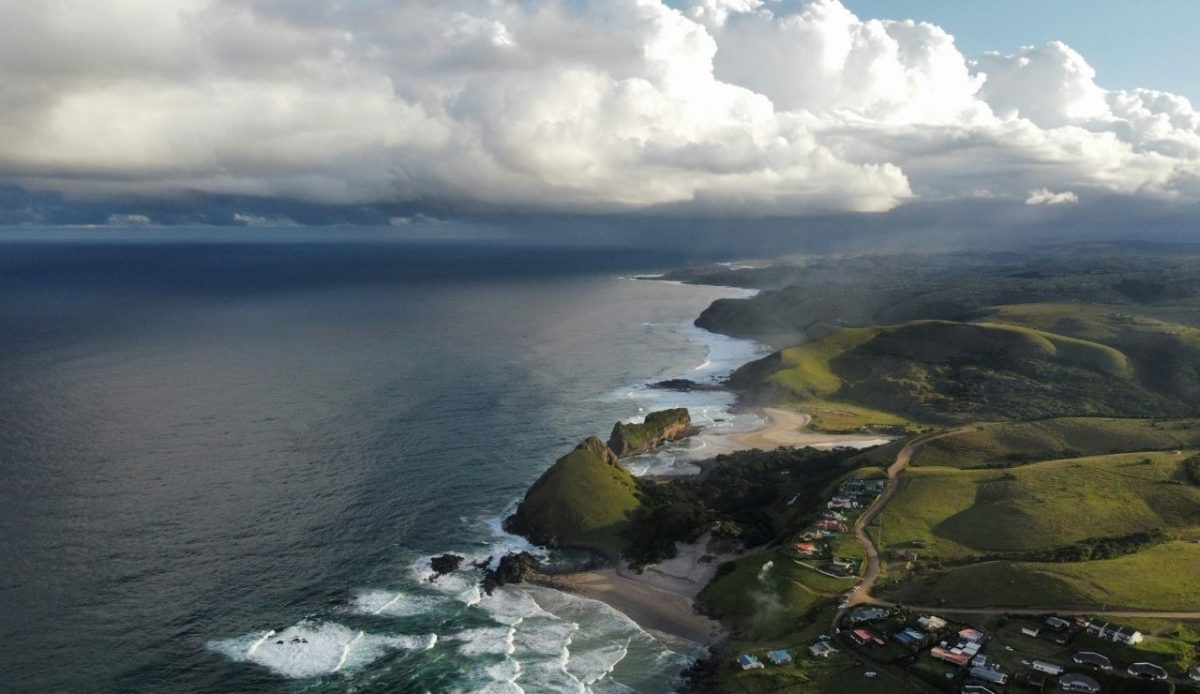
The Wild Coast combines rural villages, marine cliffs, and river valleys within the Eastern Cape. Its landmark, Hole-in-the-Wall near Coffee Bay, illustrates erosion caused by strong waves and tidal movement. Provincial agencies oversee waste collection, signage, and dune protection while community cooperatives manage trails and lodging permits. Roads from Mthatha improve regional access, yet large-scale development remains restricted to preserve local livelihoods. The area’s approach to small-scale tourism supports cultural preservation and provides income for guides, artisans, and family-run accommodations.
7. Blyde River Canyon & the Panorama Route
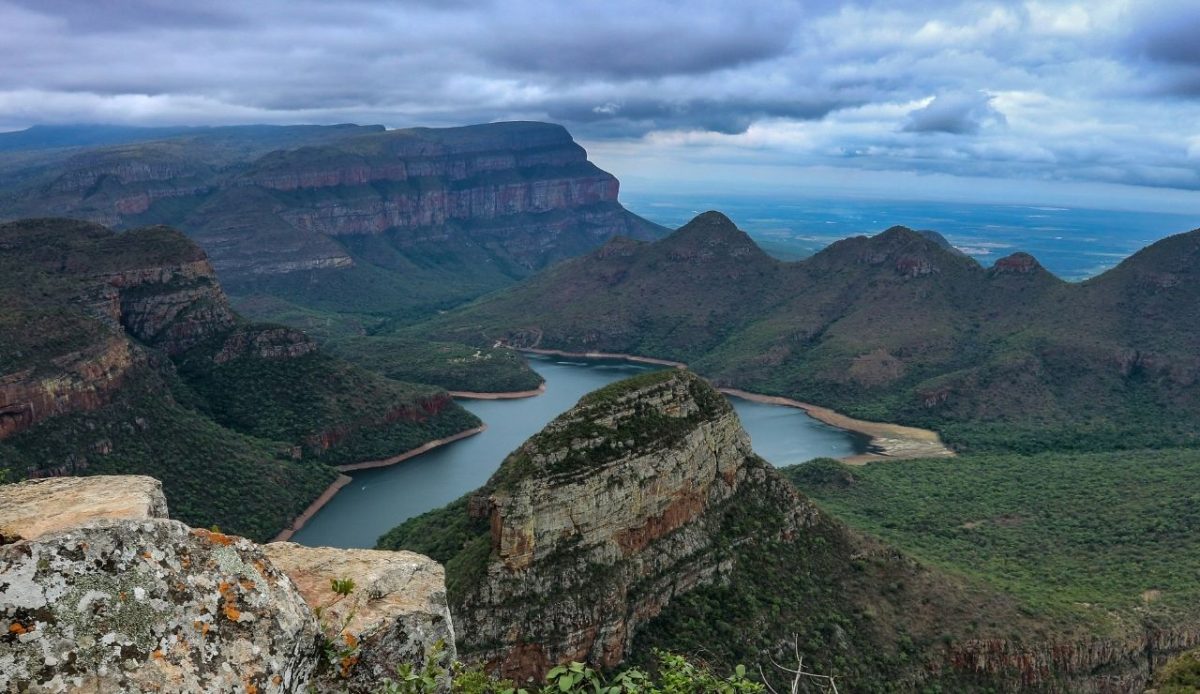
Blyde River Canyon forms part of Mpumalanga’s Drakensberg escarpment and features rock structures shaped by water erosion over time. The Panorama Route links major viewpoints, including God’s Window and the Three Rondavels, where paths and safety railings maintain controlled access. Weather stations issue visibility updates that help visitors plan safe viewing hours. Local entrepreneurs operate cafés and craft markets that keep revenue in rural areas. Government agencies maintain road surfaces and picnic zones, balancing visitor access with environmental protection across the wider canyon landscape.
