
Iraq holds layered remains from Sumerian, Assyrian, Babylonian, and Islamic eras, and many sites sit in open air with limited modern barriers. A camera can pull visitors toward heights, broken edges, and unstable footing because the view looks clean from a distance.
Risk comes from simple mechanics. Weathered brick loses friction, missing rails remove recovery options, and rubble shifts under load. In some places, recent damage or partial collapse has been documented, so proximity can matter as much as climbing.
The ruins below are notable because the selfie temptation matches a specific hazard. Each section explains what draws people in, what makes the spot dangerous, and how the danger shows up on the ground.
1. Great Mosque of Samarra and Malwiya Minaret
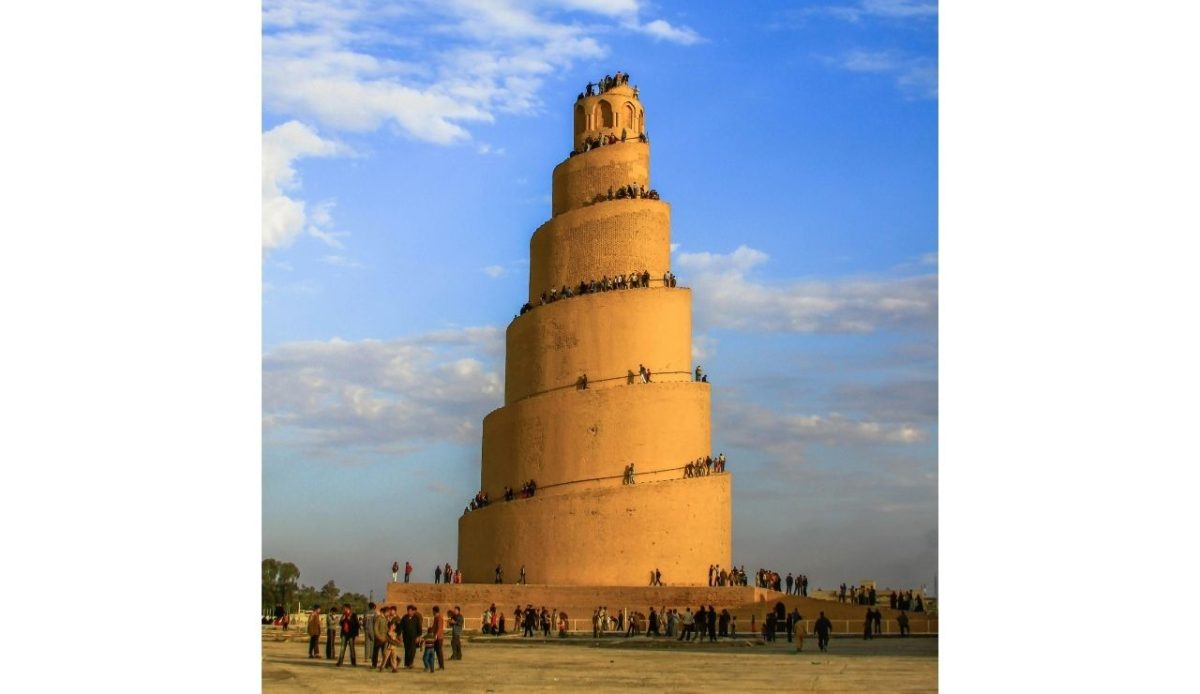
The Malwiya minaret at Samarra uses a broad spiral ramp on the outside, so the climb is exposed for the entire ascent. There are long stretches without guardrails, and the surface tilts outward as it rises.
A wide skyline photo is usually taken near the top, where the wind is stronger, and the ramp narrows in feel. Balance is challenged because the eye is on framing, while the body is kept close to the outer edge.
Falls are the main threat. Grip can be reduced by dust and worn brick, and recovery space is limited once a step goes wrong. Fatigue shows up on the way down when legs shake and attention slips. The safest images are made from lower levels or from the ground with a longer lens.
2. Erbil Citadel
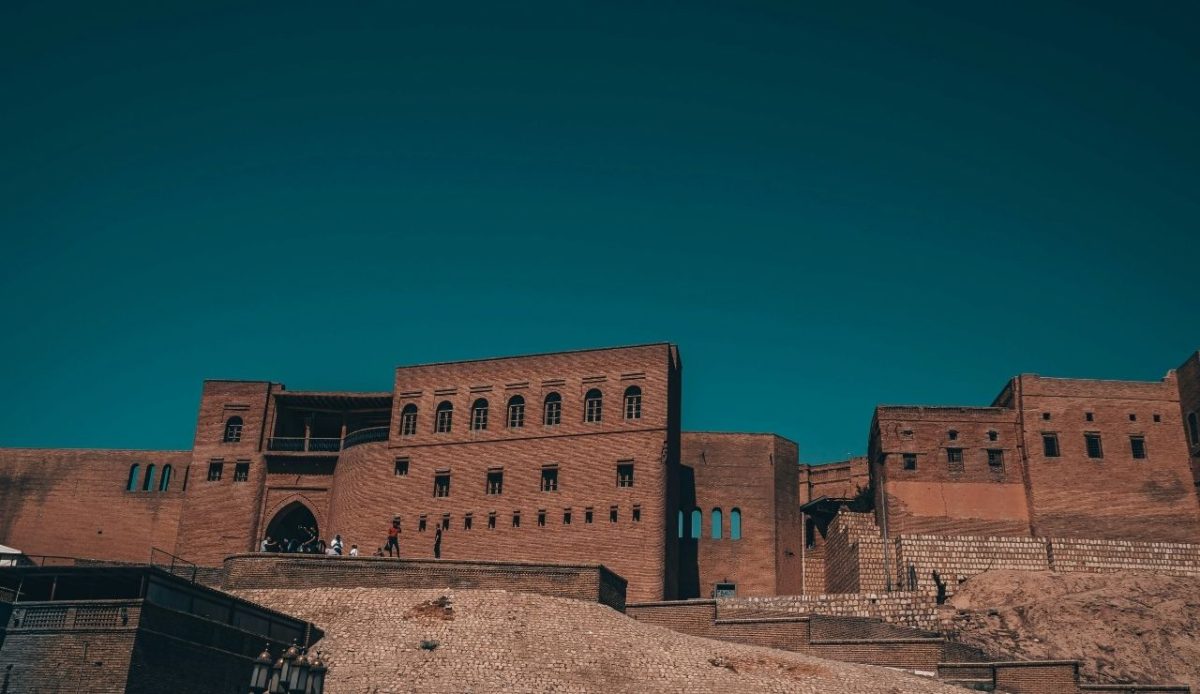
Erbil Citadel sits on a high mound, so the city drops away quickly at the perimeter. That elevation produces sweeping background shots, and visitors may drift toward the edge to widen the view.
The hazard is basic physics. A small loss of balance near a drop has large consequences, and old parapets are not designed as safety rails. In some areas, the ground can be uneven due to ongoing restoration or settlement.
When someone leans back for a selfie, the center of mass shifts toward the void. A stumble can also be caused by loose stones underfoot. Safer photos come from interior terraces where the skyline is still visible, but the fall distance is reduced.
3. Arch of Ctesiphon Taq Kasra
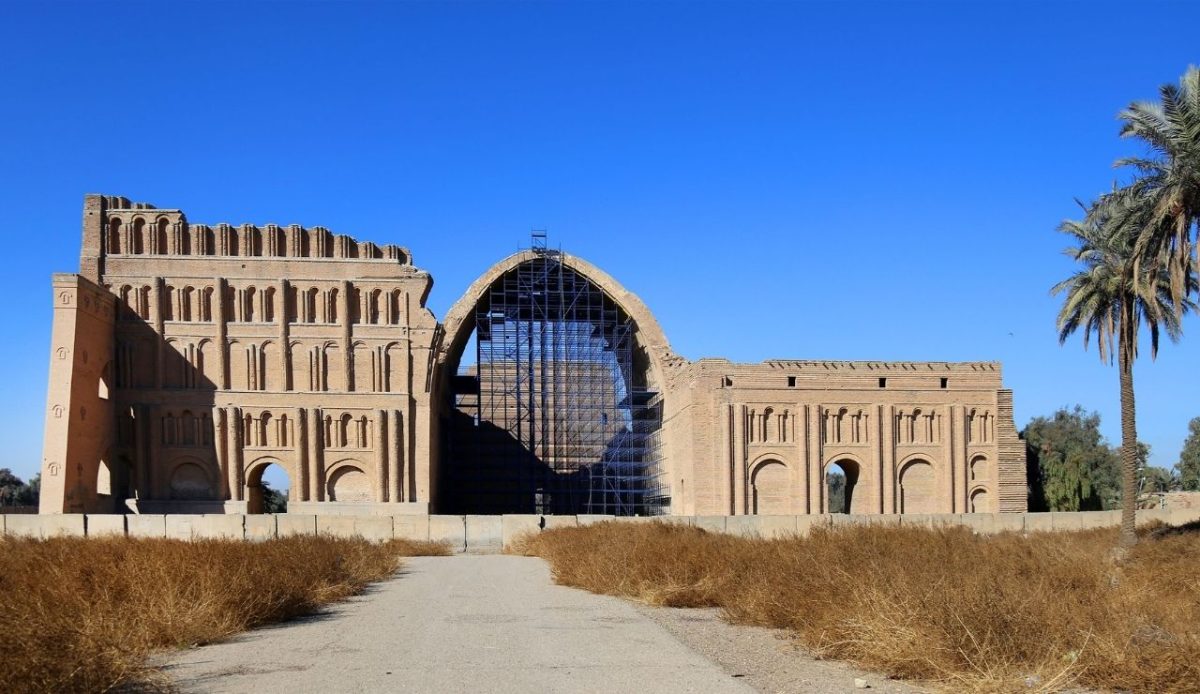
Taq Kasra, the Arch of Ctesiphon, delivers an instant scale trick. People stand under the vault and point the camera upward so the curve fills the frame, and the subject looks tiny.
The hazard is tied to structural age and documented collapse episodes in recent history. When a brick loosens, it does not fall as a single block, but as unpredictable fragments dropped from a height.
That makes close positioning a calculated risk, even without climbing. Wind and vibration from nearby movement can shake already stressed joints, and warning cords may be ignored for a shot. Safer photos can be taken from the open area in front, keeping a distance while still capturing the full span.
4. Ziggurat of Ur
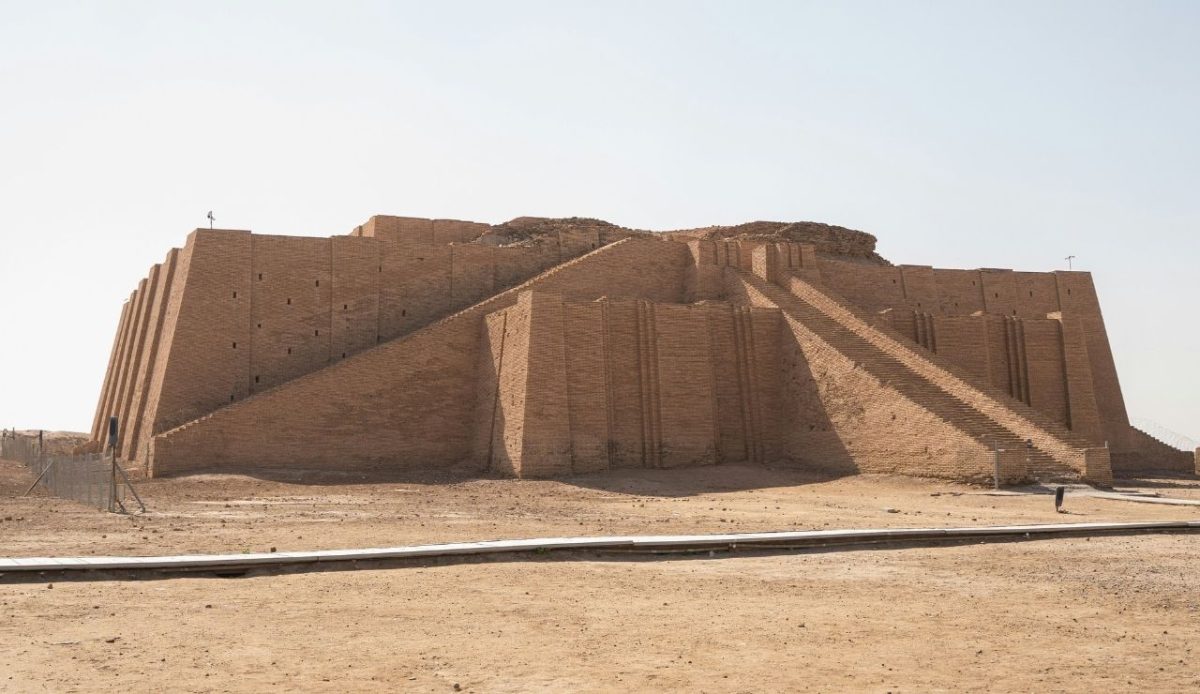
The Ziggurat of Ur has steep stair runs that naturally invite a centered photo, with lines that pull the eye upward. Visitors often climb higher to place themselves against the stacked geometry.
Risk is created by heat, dust, and surface wear. Brick and stone lose traction when fine sand builds up, and dehydration affects balance. A stumble on the steps can turn into a fall because there is little lateral space.
Crowding adds another factor. People stop on the stairs to pose, which forces others to pass on narrow treads. A safer approach is to shoot from the base or from side angles where the height reads clearly without occupying the stair path.
5. Dur Kurigalzu Ziggurat of Aqar Quf
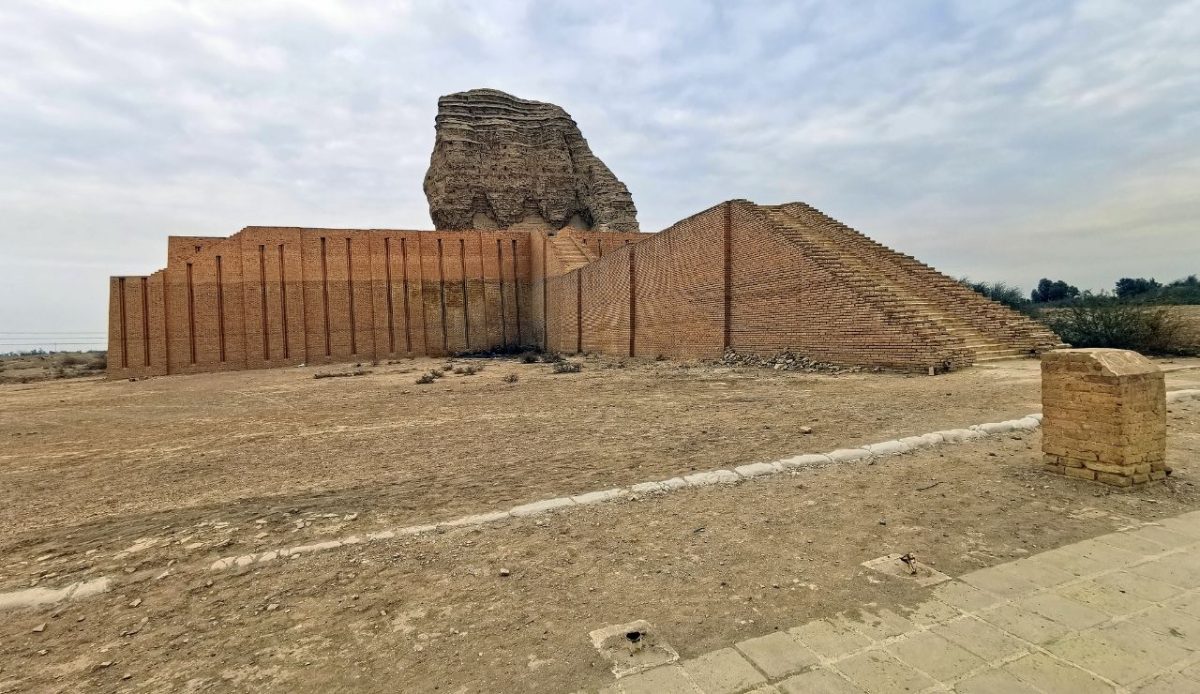
Dur Kurigalzu, often called Aqar Quf, rises as a massive brick core with remnants of terraces and approach steps. Its isolated setting makes it tempting to climb for a wide shot over the plain.
Erosion leaves edges brittle and surfaces irregular, so footing changes from one step to the next. When attention shifts to the screen, small holes and broken bricks can catch a toe and start a tumble.
Cuts are also common because old brick can break into sharp fragments, and loose mortar can crumble under load. If a section gives way, it can drop a person onto hard rubble below. The best photos are taken from stable ground with the ziggurat framed against the sky, not from its flanks.
6. Babylon Archaeological Site
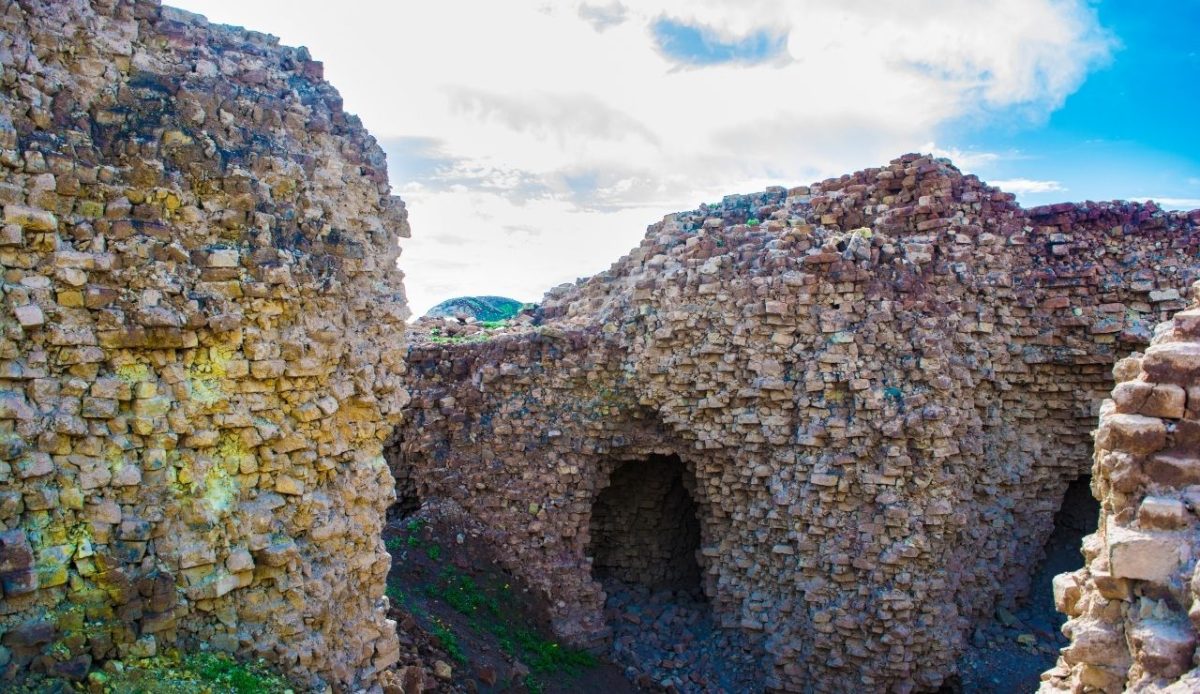
Babylon’s gates, walls, and courtyards create cinematic corridors that look made for portrait photos. People step into doorways, climb low rises, or lean on mudbrick faces to add texture to the frame.
The main danger is material weakness. Mudbrick can crumble when stressed, and repaired areas may have hidden voids behind a hard surface. If an interior section is restricted, it is usually because stability has been questioned.
When someone crosses a barrier for a better angle, both injury and damage become more likely. A small collapse can pin an ankle or send debris onto the feet. Safe images can be captured from marked paths, using perspective to show scale without touching fragile walls.
7. Al Nuri Mosque Ruins Phase Mosul
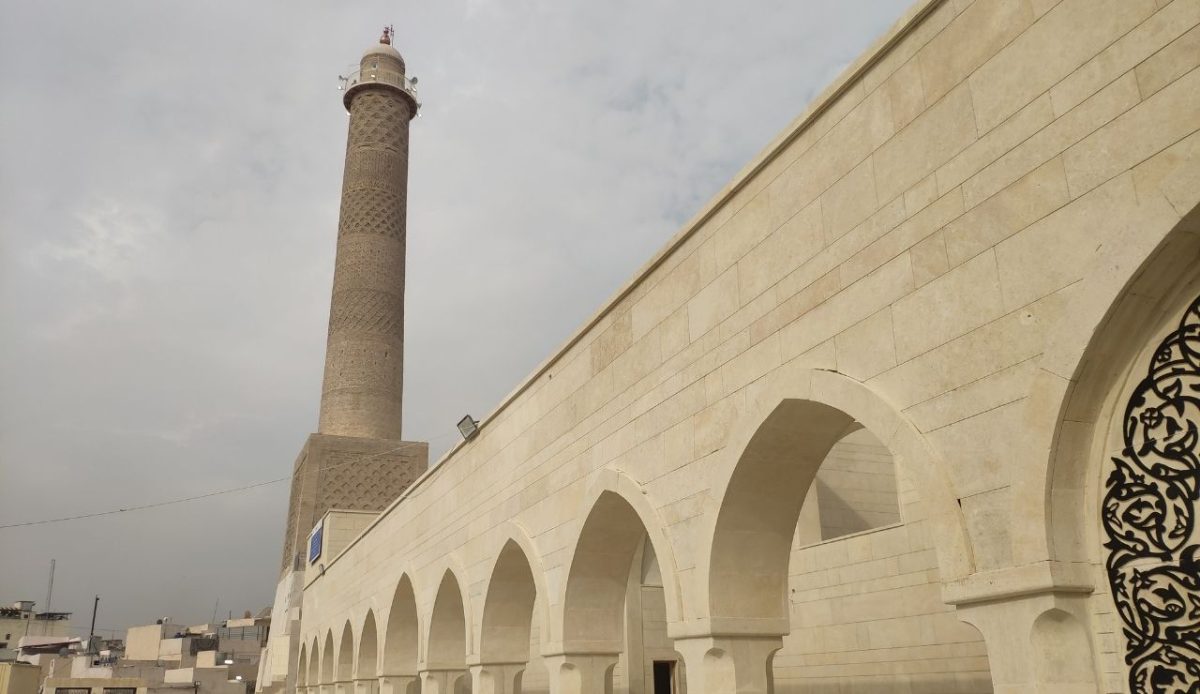
After the Al Nuri Mosque was destroyed, the site became a field of broken stone, twisted metal, and unstable masonry. Rubble backdrops can feel powerful, and a dramatic selfie is often attempted from the highest pile.
Debris behaves like loose aggregate. Weight shifts cause sliding, and sharp edges slice hands and shoes. In post conflict zones, hidden hazards may exist under the surface, so a stable-looking spot can fail without warning.
Even when clearance work is underway, boundaries can be treated as optional for a photo. A fall onto rebar or shattered brick can be life-changing. If the site is open for viewing, photos should be taken from approved walkways where footing and clearance have been checked.
