
Venice is admired for its canals and famous squares, yet Rick Steves believes its most memorable experiences happen beyond the landmarks. His recommendations point travelers toward the quieter neighborhoods, authentic eateries, and overlooked islands that still reflect how Venetians live. These corners offer a balance between well-known sights and genuine discovery. Visitors who follow Steve’s advice find a version of Venice where time slows down, crowds fade, and the city’s everyday beauty becomes clear.
1. Between Campo Santa Margherita and Campo San Barnaba
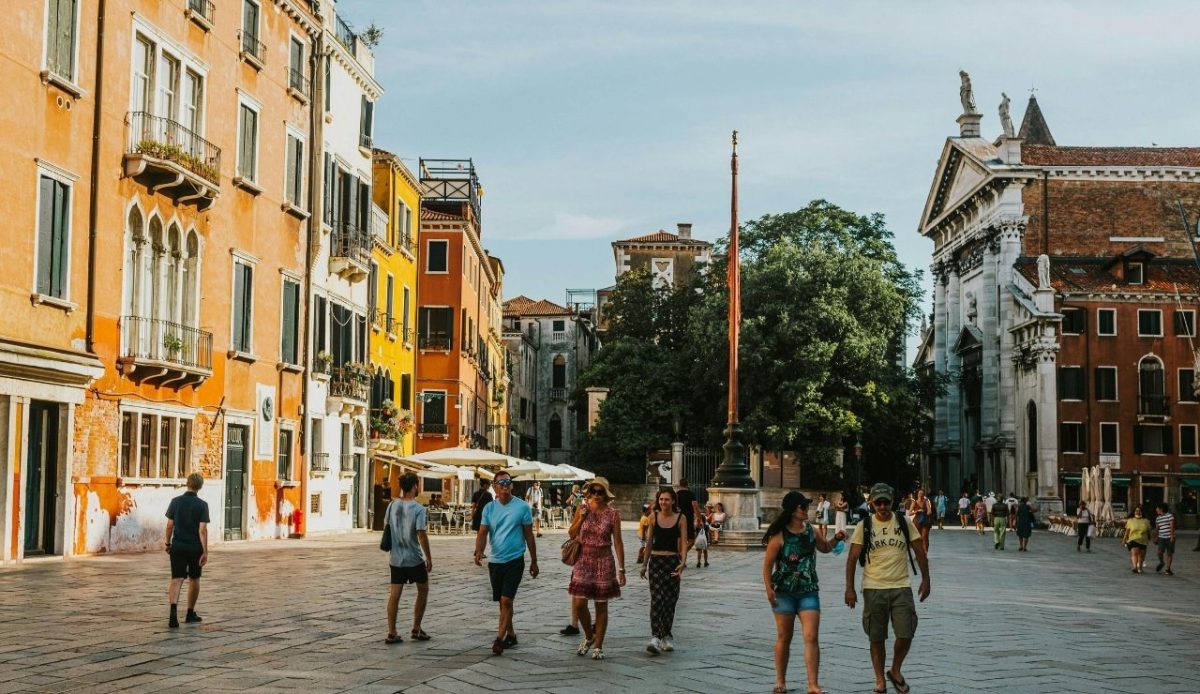
Rick Steves highlights this stretch in Dorsoduro as one of the most authentic areas to experience local life. Campo Santa Margherita is lively during the day, filled with students, vegetable stalls, and small bakeries. By evening, it turns into a casual meeting spot with open-air cafes and neighborhood bars. Nearby Campo San Barnaba feels calmer, known for its weekend market and easy access to artisan shops. The walk between the two squares shows how Venice still functions as a community rather than a tourist backdrop.
2. Cannaregio’s Jewish Ghetto and Back Lanes
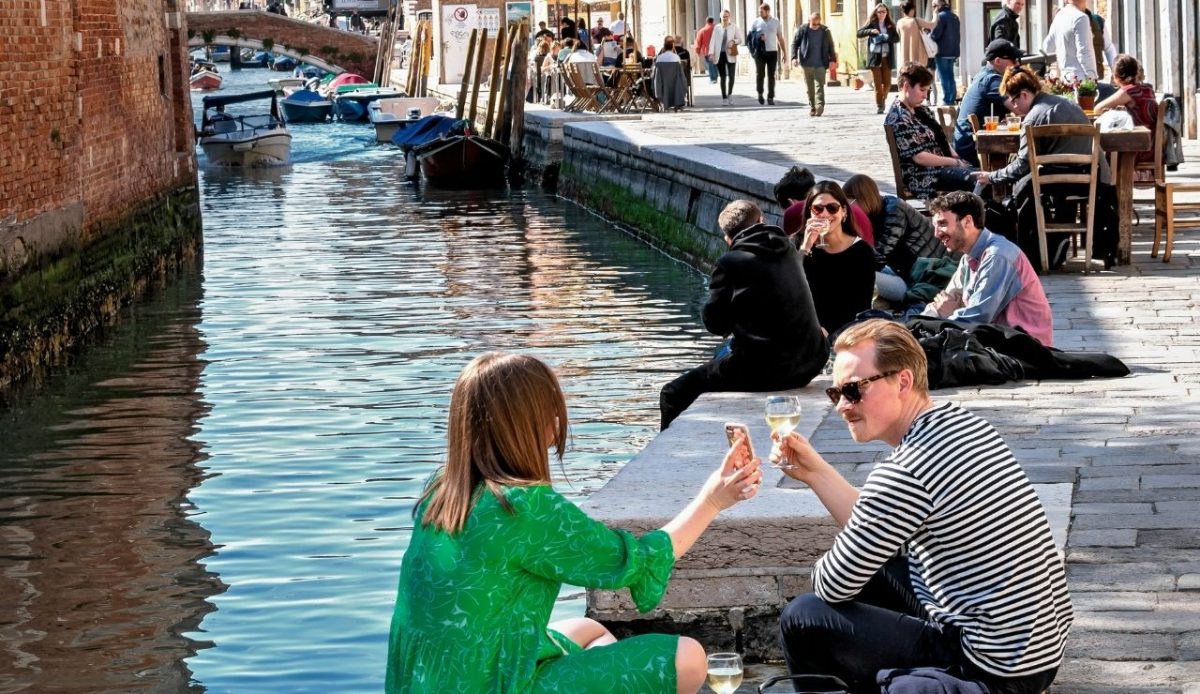
Cannaregio is among the few districts that still show Venice’s residential side, and Steves often recommends it to travelers seeking quiet exploration. The Jewish Ghetto, established in 1516, remains a vital part of the city’s history. Visitors can explore synagogues, taste traditional pastries, and visit small memorials that honor past residents. Steves also mentions the nearby Fondamenta della Misericordia, where local families gather in the evenings. It’s an area that reveals the rhythm of normal Venetian life while keeping centuries of history visible at every turn.
3. San Giorgio Maggiore Island and Bell Tower
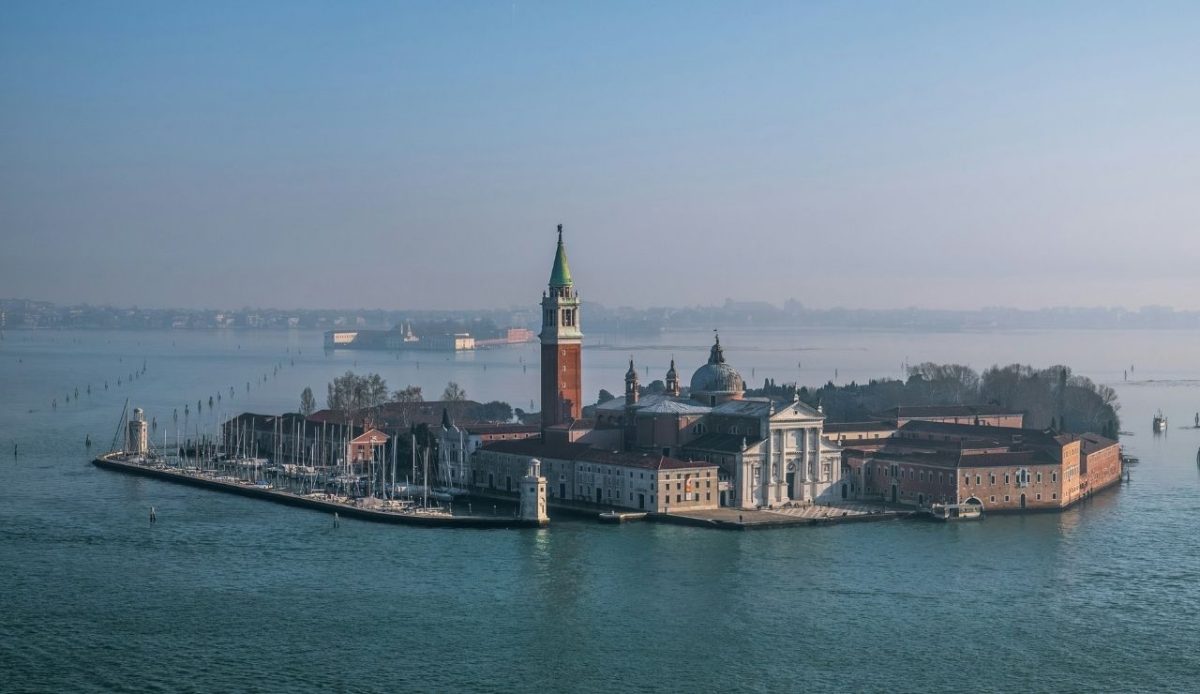
Across the water from St. Mark’s Square lies San Giorgio Maggiore, a small island that Rick Steves consistently praises for its quiet atmosphere and excellent views. Visitors can reach it by vaporetto and climb the bell tower to see the city’s rooftops, canals, and lagoon without crowds. Inside the church, Tintoretto’s paintings give an artistic reward that matches the scenery outside. Steves notes that this short trip often feels more peaceful and rewarding than waiting in long lines for the campanile in the main square.
4. Torcello Island in the Lagoon
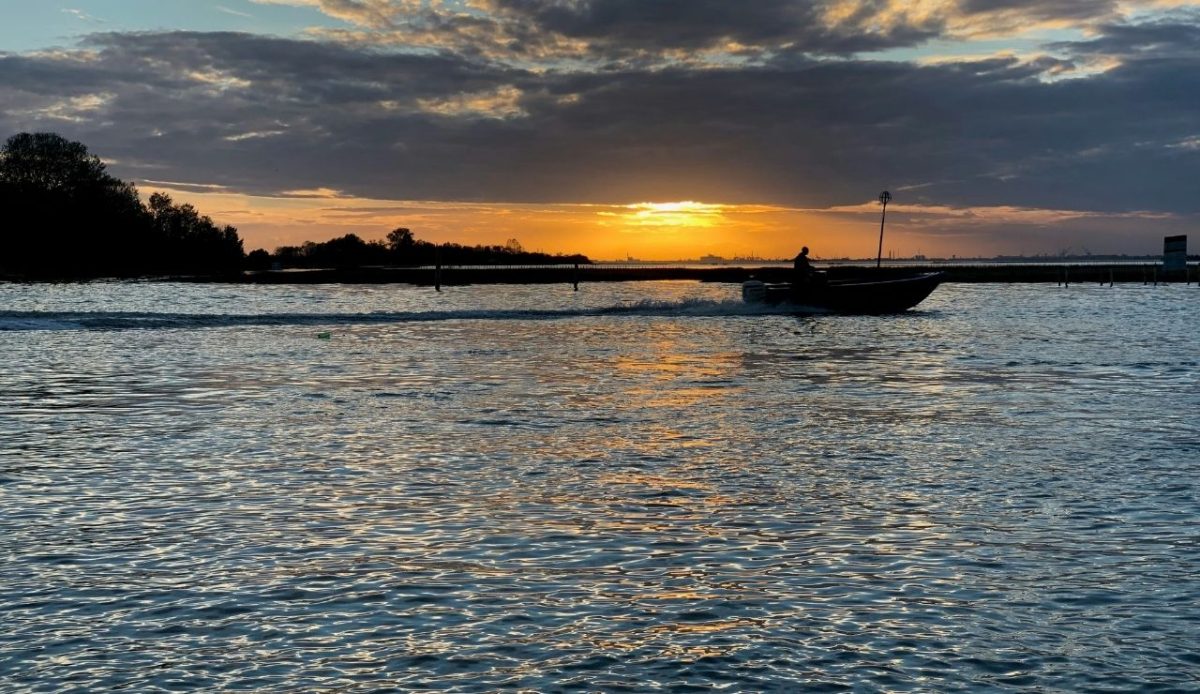
Rick Steves describes Torcello as a glimpse into Venice’s earliest days, long before the grand palaces and bridges. Once an important trading post, it’s now a rural island with a handful of residents and centuries-old buildings. The main attraction is the Cathedral of Santa Maria Assunta, known for its Byzantine mosaics and tall bell tower. Visitors can climb for a view over the lagoon and the nearby islands of Burano and Mazzorbo. Steves often suggests coming early, as mornings offer cooler weather and a quieter walk along the canal.
5. Murano’s Quieter Canals Beyond the Glass Shops
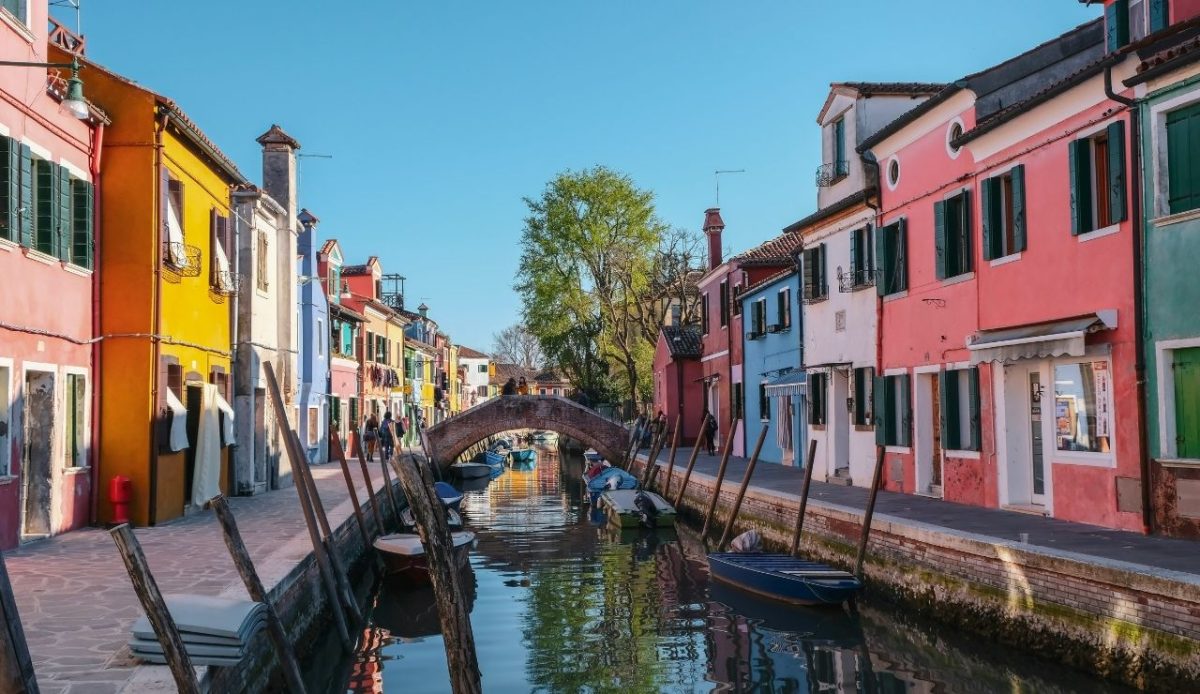
Rick Steves often recommends visiting Murano but encourages travelers to go beyond the crowded glass factories. Once visitors move away from the main street near the vaporetto stop, they find peaceful canals lined with small homes and local bakeries. The Glass Museum offers historical context about the island’s long craft tradition, and a few workshops allow visitors to see real artisans at work without the commercial pressure. According to Steves, Murano’s side canals provide a genuine look at the neighborhood’s daily pace rather than a staged tourist experience.
6. Back Streets of Colorful Burano
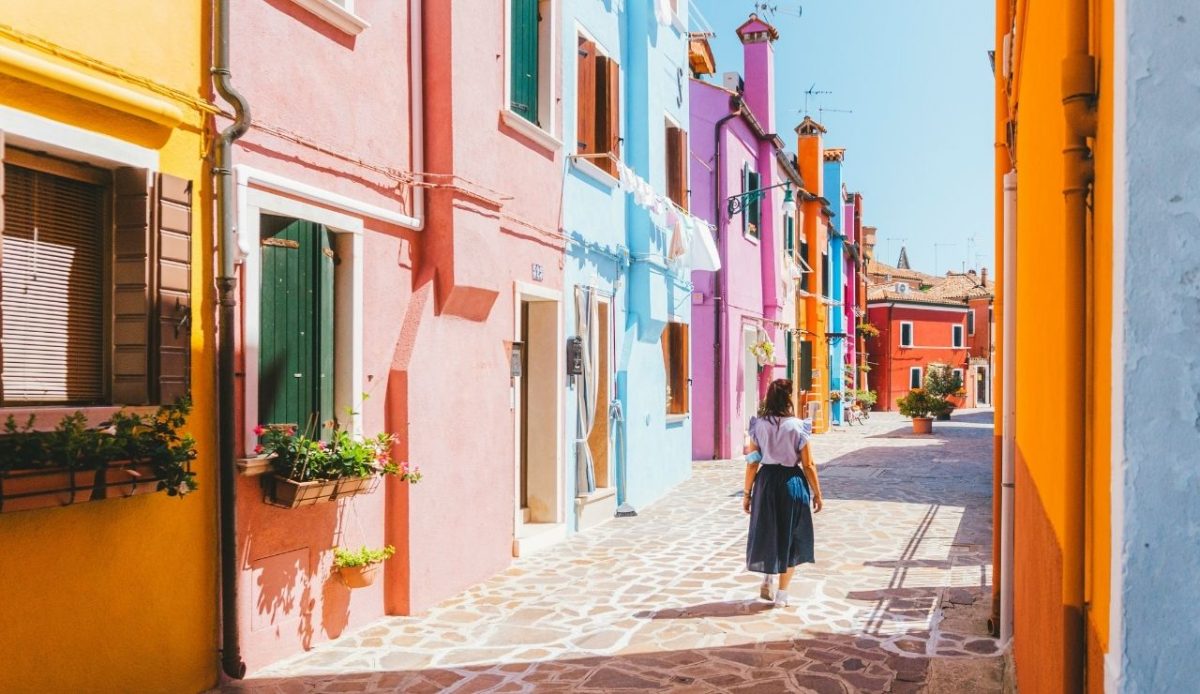
Steves’ guides and shows frequently mention Burano, known for its bright homes and handmade lace. Yet he reminds travelers that the true charm begins once they step away from the main canal. The quieter streets reveal laundry-draped alleys, tiny lace shops, and family-run restaurants serving fresh seafood. He advises exploring slowly to notice details that reflect the island’s local pride. The slower rhythm, combined with warm hospitality, shows that Burano remains a working community despite its fame as one of Venice’s most photogenic islands.
7. Hidden Square at Taverna al Remer near Rialto
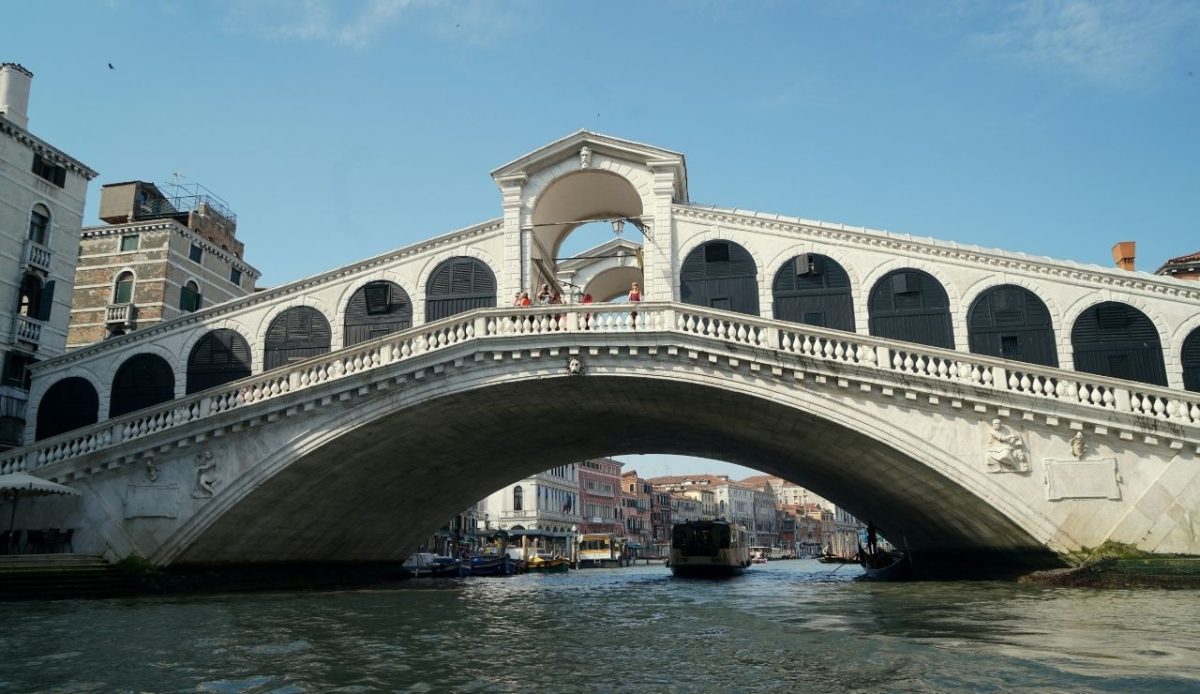
Rick Steves highlights Taverna al Remer as an example of how authentic Venice can still be found near tourist hubs. Hidden down a narrow alley near the Rialto Bridge, this small square opens suddenly to the Grand Canal, offering an intimate view of the water. The restaurant there feels informal and filled with locals who come for aperitifs rather than selfies. Steves calls it a rewarding stop for travelers who prefer quiet corners to crowded piazzas. The mix of location and calm makes it a secret worth finding.
