
Europe boasts more UNESCO World Heritage Sites than any other continent, but not all deliver equally for first-time visitors. Some can feel overcrowded or underwhelming, yet several destinations exceed expectations in real life, offering scenic beauty, cultural depth, and unforgettable experiences. From cascading lakes and suspended monasteries to medieval villages, ancient forests, and historic landscapes, these sites reveal why UNESCO honors them. In this article, we explore seven European UNESCO locations that truly live up to their reputation, places where wonder is genuine and travel memories are made.
1. Plitvice Lakes National Park, Croatia
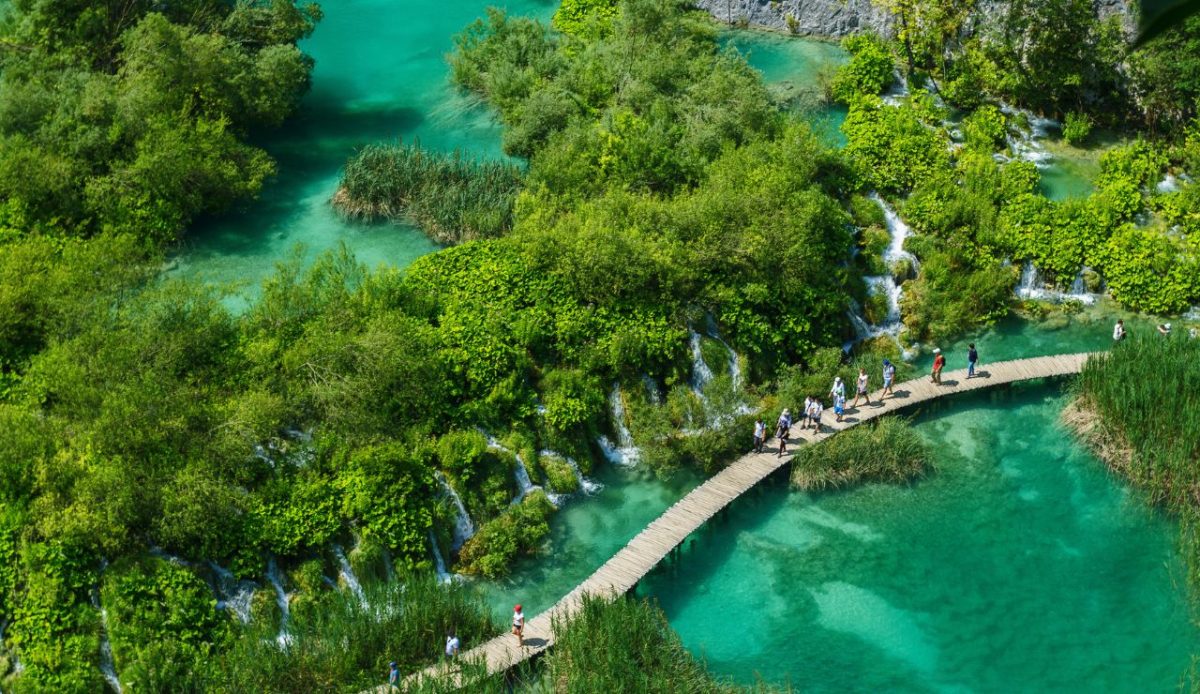
Plitvice Lakes National Park in Croatia lives up to every bit of its reputation with a dreamlike landscape of 16 terraced lakes connected by more than 90 waterfalls. This expansive park surrounds visitors with aquamarine waters, chalky limestone barriers, and verdant forests that shift color with the light throughout the day. Elevated boardwalks take you just inches above the water, offering ever-changing views as cascades flow through narrow valleys. Many travelers find the experience even more mesmerizing in person than in photos, as the interplay of water, rock, and forest feels both powerful and peaceful in every season.
2. Meteora, Greece
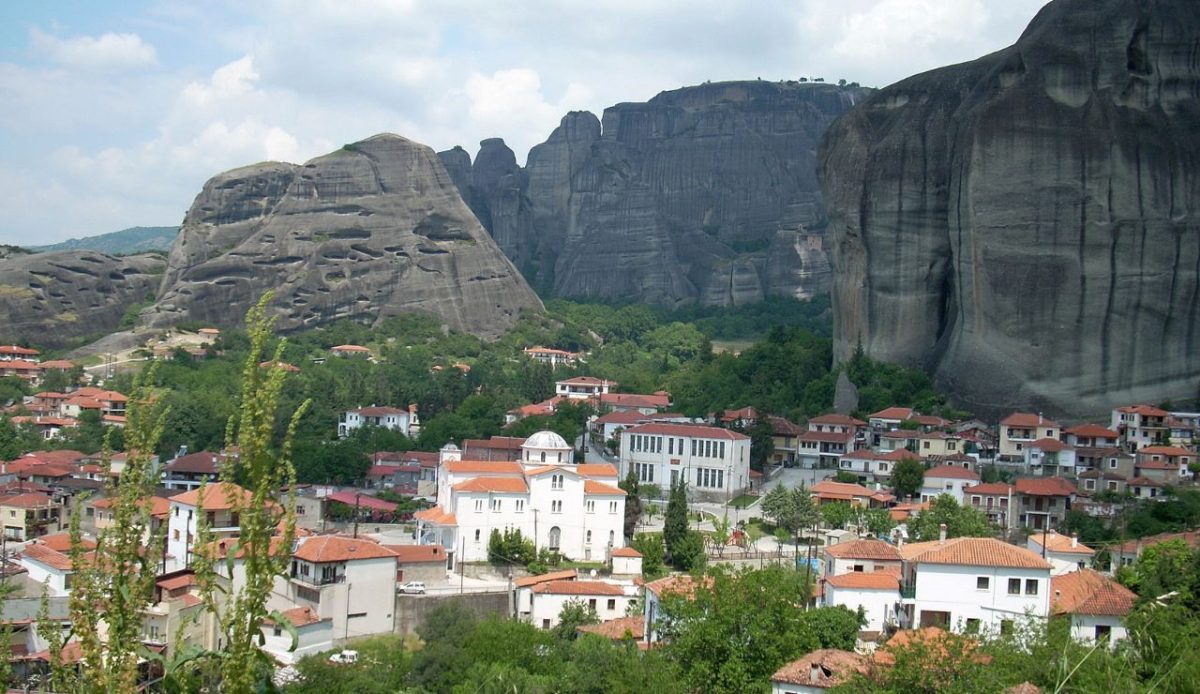
Meteora in central Greece delivers an otherworldly experience that often exceeds expectations. Towering sandstone pillars, sculpted by millions of years of erosion, rise abruptly from the plain with centuries-old monasteries perched dramatically on top. Originally built by monks seeking isolation, these active sanctuaries offer breathtaking views across the Thessalian plain. Visitors can climb carved staircases to explore frescoed chapels, sacred courtyards, and mountain vistas that feel almost spiritual. For many, the combination of geological wonder and religious heritage makes Meteora an unforgettable highlight of European travel.
3. Hallstatt, Austria
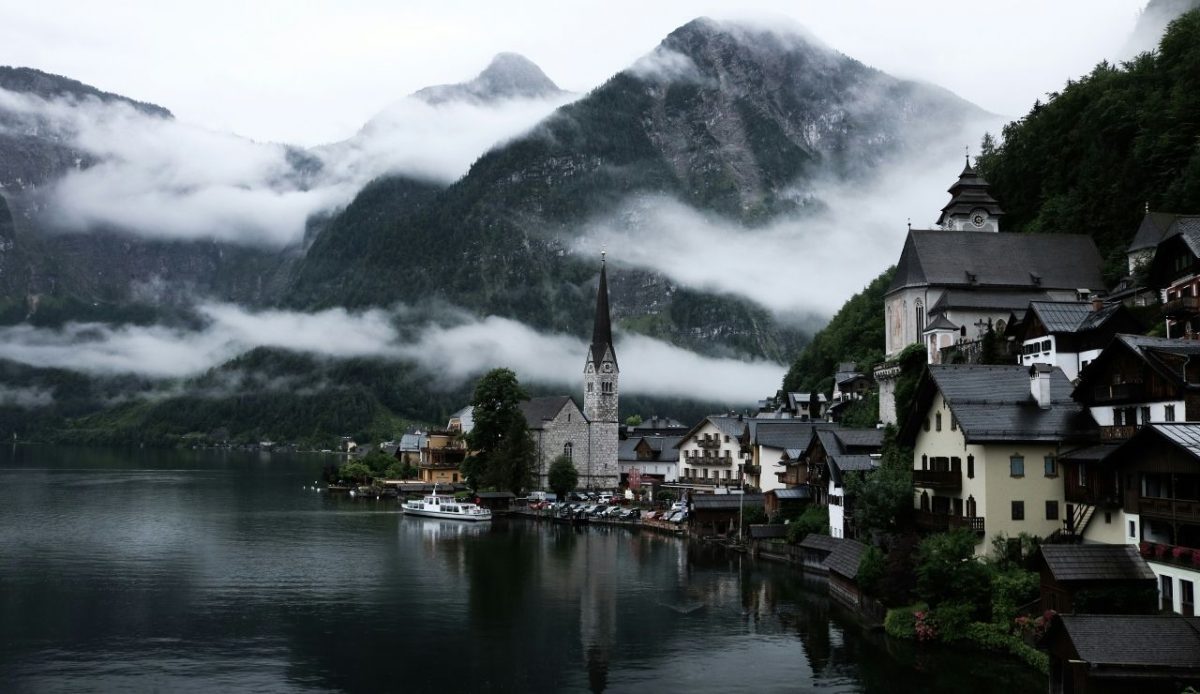
Hallstatt, a postcard-perfect lakeside village in Austria’s Salzkammergut, is exactly as magical in person as its online reputation suggests. Nestled between a shimmering alpine lake and steep mountainsides, the town’s pastel facades, cobblestone streets, and centuries-old salt-mining heritage create a fairytale atmosphere. The panoramic “World Heritage View” platform offers sweeping vistas of the lake and village, an essential stop for first-time visitors. While the site’s beauty has made it popular on social media, the serene setting and alpine reflections in the water make Hallstatt feel profoundly real rather than staged.
4. Mont Saint‑Michel, France
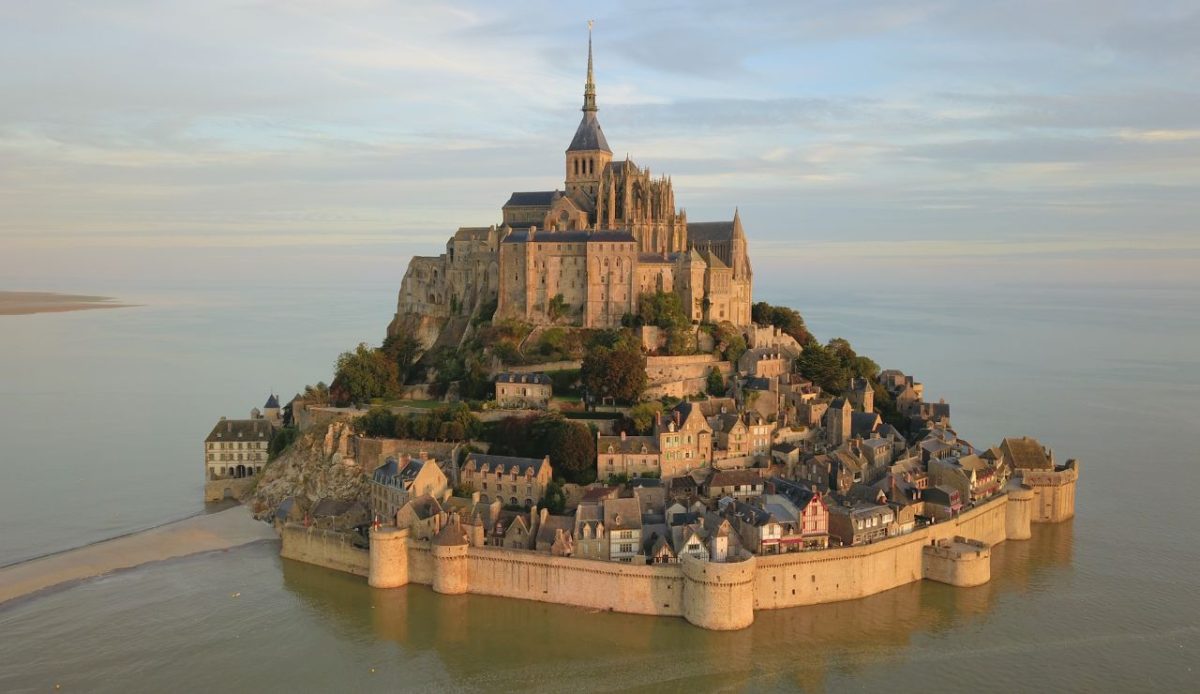
Mont Saint‑Michel on France’s Normandy coast truly lives up to its iconic reputation. Rising dramatically from a tidal island, this medieval abbey complex appears to float above silvery sands at high tide, a sight that captivates travelers across seasons. Visitors can wander narrow cobblestone streets, explore ancient ramparts, and take in panoramic views over the bay’s shifting tidal flats. The abbey itself offers soaring Gothic architecture and centuries of layered history, making the site both visually stunning and culturally rich. Mont Saint‑Michel’s unique setting and historic grandeur make it as breathtaking in person as in photographs.
5. Giant’s Causeway, Northern Ireland
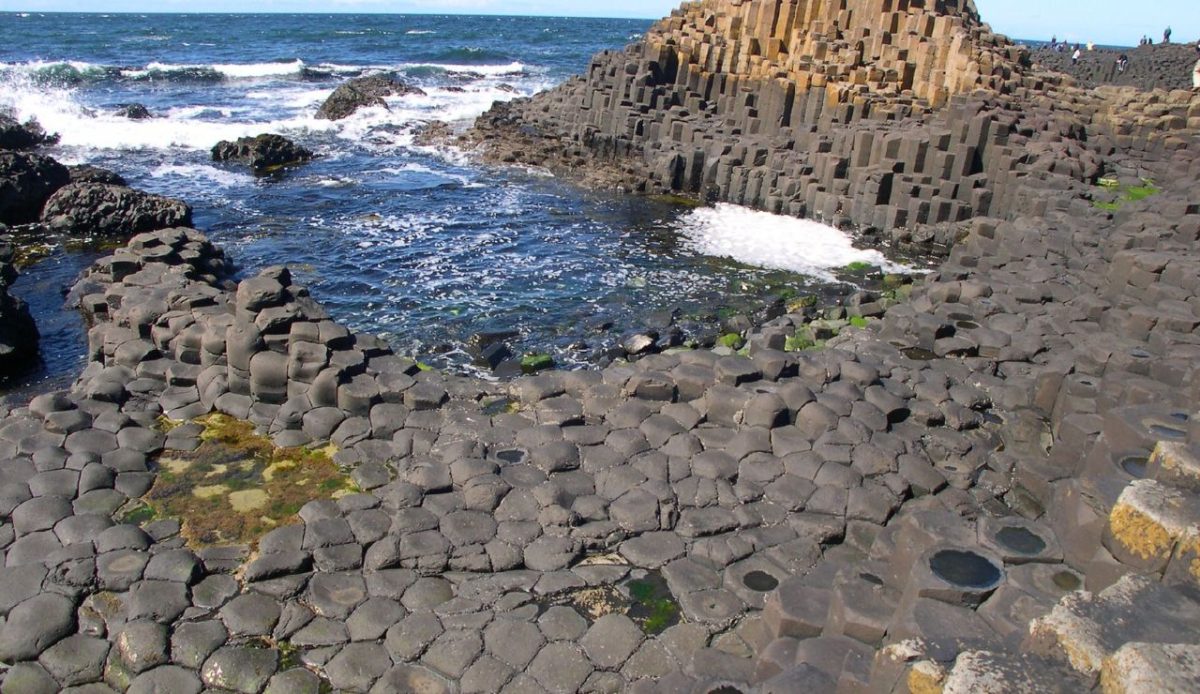
The Giant’s Causeway in Northern Ireland offers a natural wonder that truly lives up to curious traveler expectations. Formed by ancient volcanic activity, tens of thousands of interlocking basalt columns create a striking, geometric landscape that seems almost otherworldly. Legends link the stone formations to giants crossing the sea, adding folklore to the dramatic coastal scenery. Walking along the rugged shoreline and climbing the columnar steps provides a tactile, memorable experience that photos alone can’t fully capture. Many visitors say the site’s wild beauty and geological intrigue are even more impressive in real life.
6. Cinque Terre, Italy
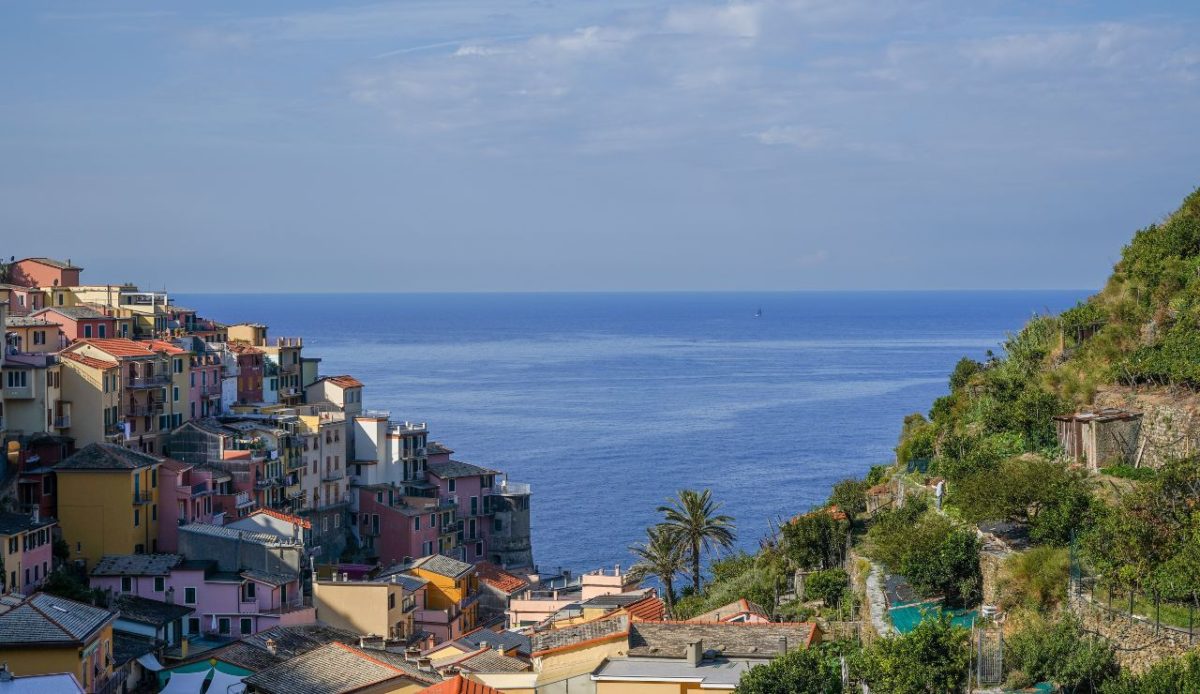
Cinque Terre’s cluster of five colorful cliffside villages on the Italian Riviera blends dramatic scenery with authentic cultural charm, living up to its UNESCO status. Terraces of vineyards and olive groves overlook deep blue sea waters, while pastel houses cling to rugged cliffs. Hiking trails link the towns, offering breathtaking views and postcard-perfect panoramas. Each village has its own character, whether narrow alleyways in Vernazza or serene harbors in Manarola, making the region a favorite for photographers and hikers. Travelers often find Cinque Terre’s coastline even more mesmerizing in person.
7. Białowieża Forest, Poland
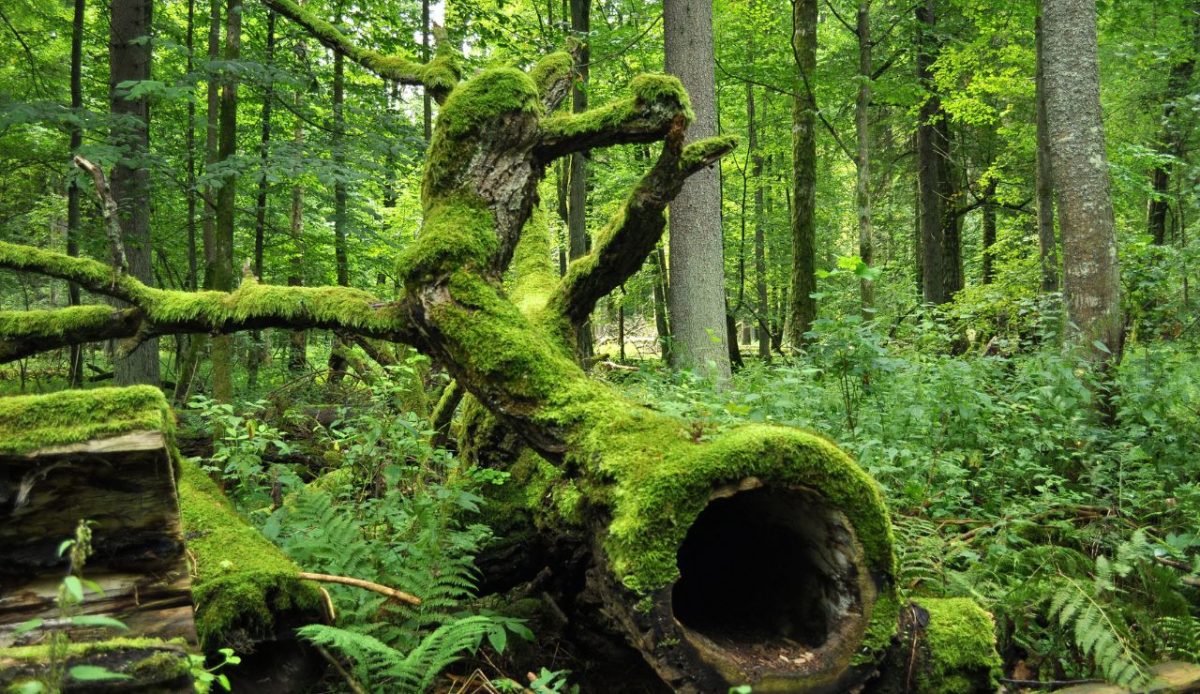
Białowieża Forest, straddling Poland and Belarus, is one of Europe’s last primeval woodlands and a world heritage site that truly fulfills its promise of wild, untouched nature. The vast forest is home to hundreds of European bison, the continent’s largest land mammal, alongside ancient trees that have stood for centuries. Trails wind through dense beech groves where sunlight filters through moss-covered trunks, creating serenity and timelessness. Unlike many heritage sites focused on architecture or history, Białowieża Forest offers a visceral encounter with Europe’s natural heritage in ecosystems largely unchanged since prehistoric times.
