
Living alone is no longer a niche lifestyle in many European cities. Shifts in work patterns, housing design, and later family timelines have led to a measurable rise in single adult households across major urban centers. In some cities, people living alone now make up a large share of the population, shaping how neighborhoods function and how social life develops. This article focuses only on European cities where verified statistics confirm a strong single population and where everyday urban conditions support frequent in-person interaction through walkable districts, late operating hours, and dependable public transport rather than occasional or tourist-driven activity.
1. Berlin, Germany
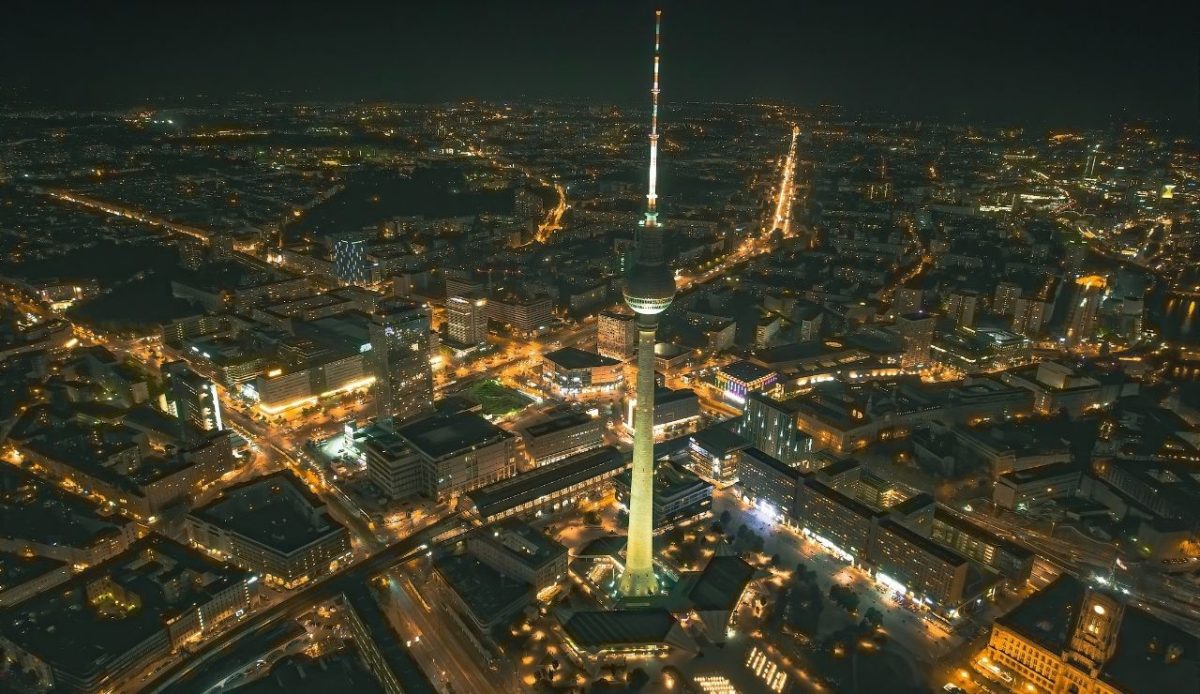
Berlin has one of the highest shares of one-person households among large European capitals, so solo living is not treated as unusual. Because nightlife licenses and venues are spread across many districts, social plans can be made close to home instead of only downtown. Late-running U Bahn and S Bahn service keeps evenings flexible, and many events are scheduled on weeknights, which widens opportunities to meet. In new arrivals circles, groups are often formed around hobbies, language exchange, and coworking, so introductions happen naturally. A lot of gatherings are low-cost, which makes repeat attendance more likely.
2. Hamburg, Germany
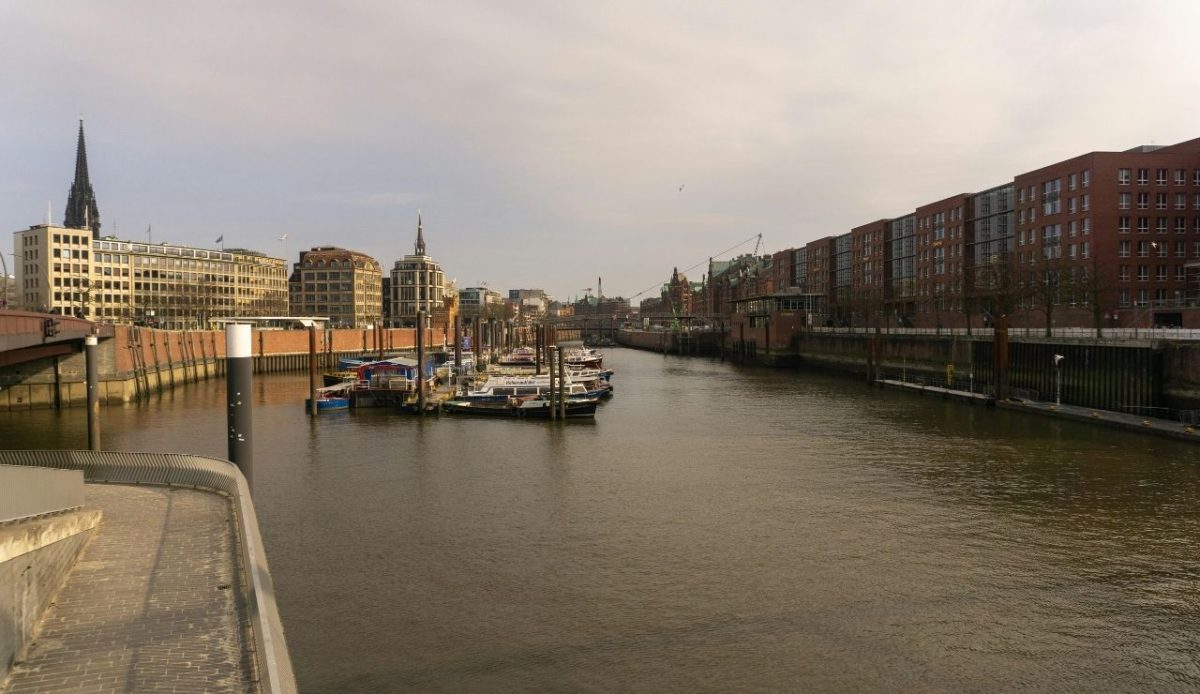
Hamburg reports a majority of one-person households, supported by regional statistics, and that scale shows up in everyday life. The port economy and media, logistics, and tech jobs draw people who relocate for work and set up on their own. Areas such as St Pauli, Sternschanze, and Ottensen offer bars, small clubs, live music, and late food within walking distance of housing. When transit runs late, meetups are easier to keep, and friend groups can be maintained without long travel. Many social ties are built through football culture, harbor events, and recurring neighborhood markets year-round.
3. Helsinki, Finland
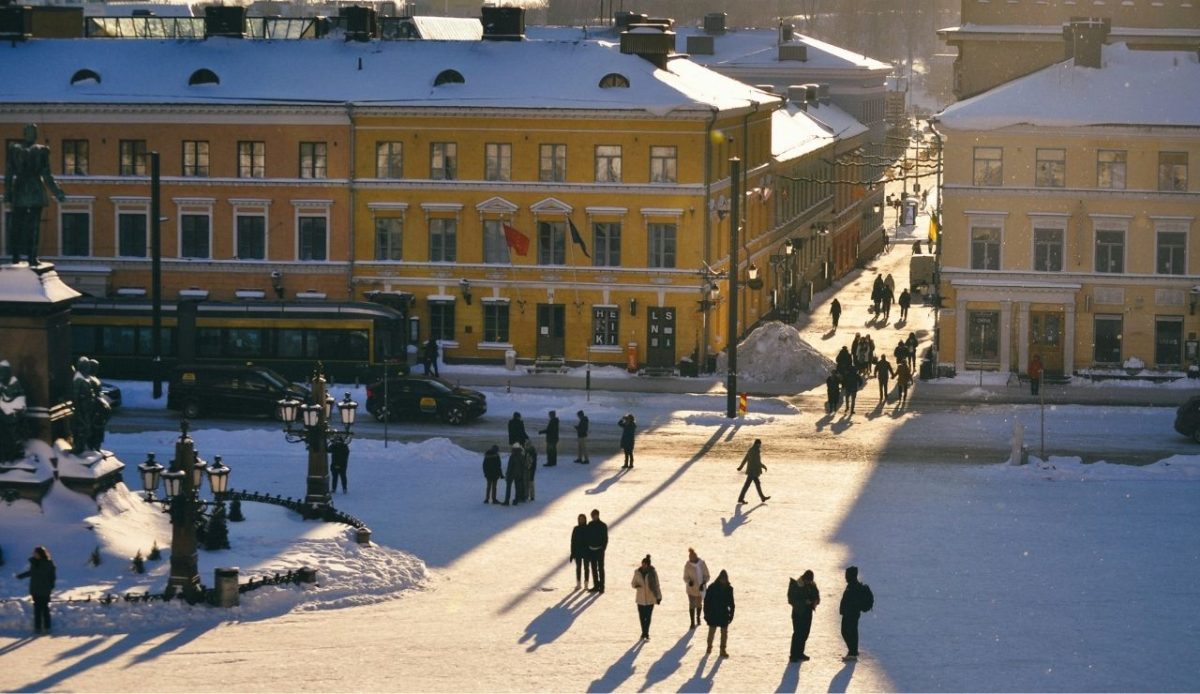
Helsinki has an unusually high proportion of one-person households, as reported in city facts and figures, so many adults live independently. Social time is often organized around shared activities rather than family gatherings, including sports clubs, study groups, and sauna nights. District centers are compact, and daily errands can be done on foot or by tram, which increases repeated casual encounters. Even in winter, indoor venues stay busy, and events are advertised widely, so newcomers can be included without a long lead time. Public libraries and coworking spaces host talks and classes where contacts are made.
4. Paris, France

Paris has a very large one-person household share in recent census tables, and the city’s low average household size reflects that pattern. A dense street network supports daily social contact through cafes, bakeries, small parks, and neighborhood markets that stay active into the evening. Because commutes are often handled by the metro, people can meet after work without planning around cars. Many social circles are built through classes, language exchanges, and local associations, and attendance is kept steady by predictable schedules. Even casual chats at the same corner shops can turn into invitations over time.
5. Amsterdam, Netherlands
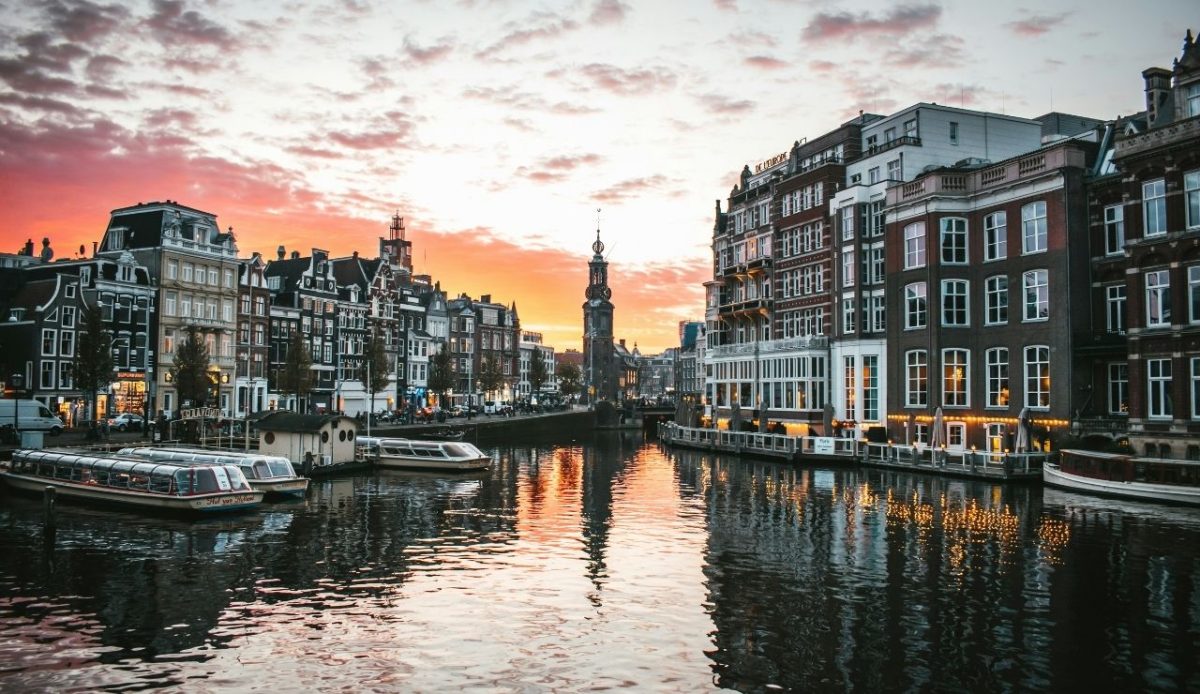
Amsterdam is frequently cited in municipal and academic work for its very high share of single-person households, driven by small housing units and high mobility. Compact neighborhoods place homes near cafes, museums, and music venues, so social time fits into normal routines. Cycling makes short meetups practical, and many residents rely on public spaces like parks and waterside paths for gatherings. Large international communities support recurring events, so friendships are formed through repeated attendance rather than one-off nights out. Local sports leagues and neighborhood pubs help keep those ties active.
6. Barcelona, Spain
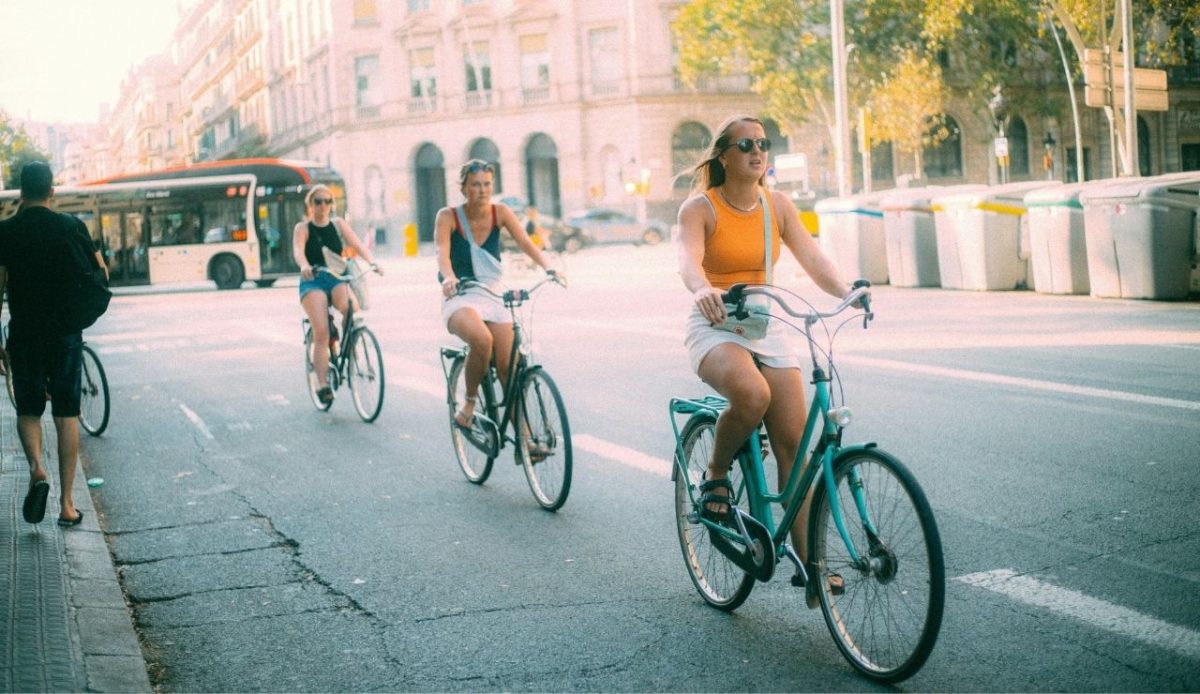
Barcelona has reported growth in one-person households in municipal updates, and solo living is common across many central districts. The city’s walkable blocks support social contact through evening dining, small plazas, and local shops that stay open late. Because many errands are done on foot, the same streets are used daily, and acquaintances become familiar faces. Meetups are often organized around food, language exchange, and hobby groups, and participation is helped by strong public transit at night. Beach sports and neighborhood cultural centers provide easy ways to join regular communities.
7. Vienna, Austria

Vienna shows a very high share of one-person households in Austrian statistics, and the city supports long-term independent living through stable renting. Social life is anchored in neighborhood cafes, classical and modern venues, and local wine taverns where regulars are recognized. Because districts are connected by frequent trams and metro lines, plans can be kept even on weeknights. Many connections are built through adult education courses and volunteer groups, and a steady calendar helps newcomers feel included. Public parks and walking groups add more low-pressure options for meeting people.
