
Travel trends evolve rapidly, but some destinations disappear quietly, fading from guides and itineraries. Over the last five years, several once-popular places have been affected by natural disasters, political unrest, environmental degradation, or economic decline. These spots may no longer welcome tourists, or their infrastructure has vanished, leaving behind memories and abandoned landscapes. In this article, we explore seven destinations that have quietly disappeared from the travel map, reflecting how unpredictable events can alter the world of travel and why some places now exist only in stories, photos, and memories.
1. Palmyra, Syria
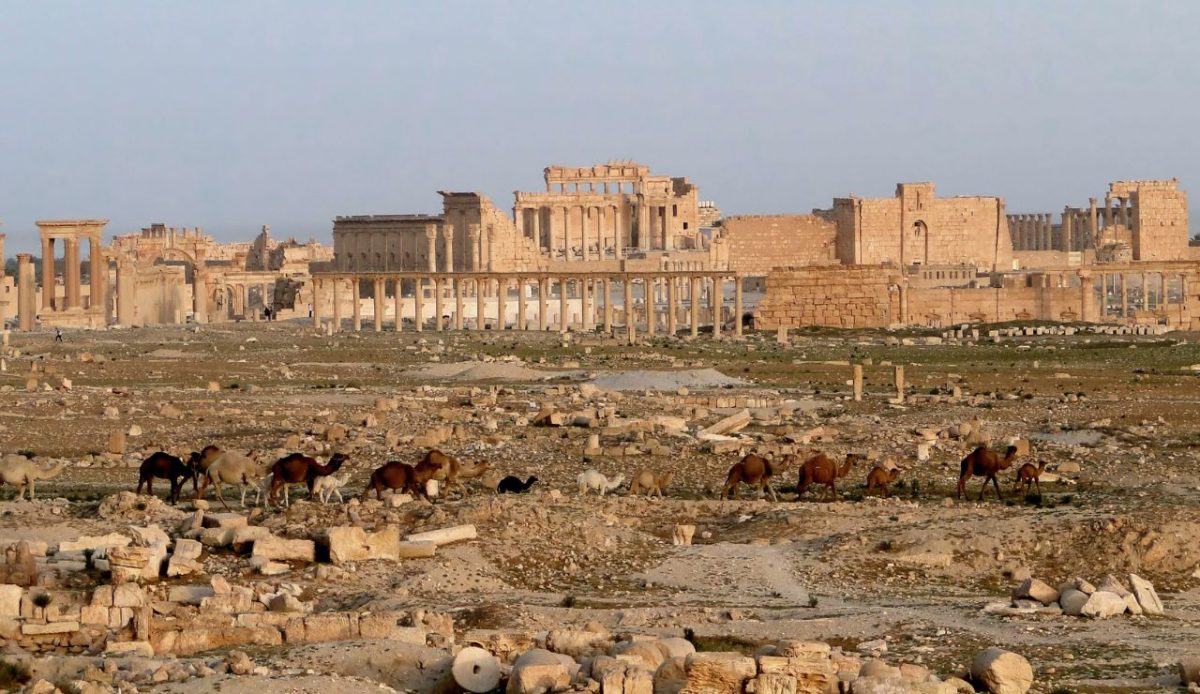
Once a jewel of the ancient world, Palmyra has been devastated by conflict over the last decade. Famous for its Roman-era ruins, temples, and colonnades, the site attracted travelers seeking history and archaeology. Recent years have seen large-scale destruction of its heritage landmarks, making tourism unsafe or impossible. Even seasoned travelers no longer visit freely due to security risks. Palmyra’s cultural treasures remain in photos and archives, but its physical presence as a tourist destination has been erased. This loss underscores how geopolitics can abruptly remove places from the global travel map.
2. Ilha de Queimada Grande, Brazil
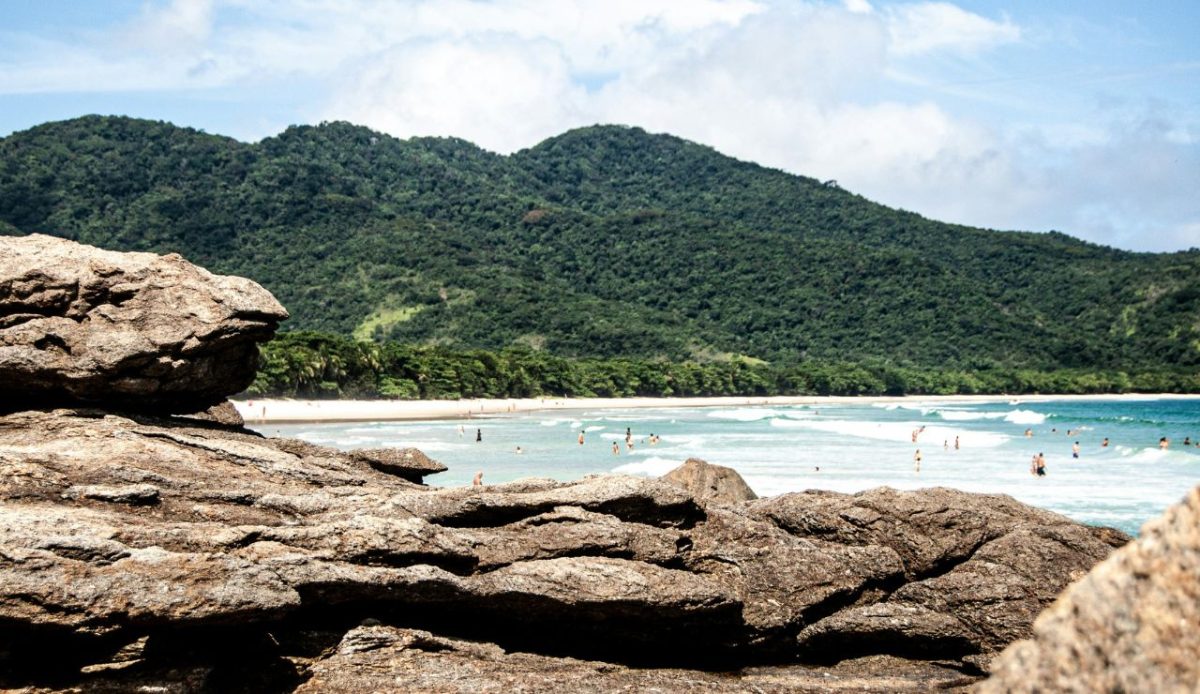
Also known as Snake Island, Ilha de Queimada Grande was a restricted but fascinating destination for adventurous travelers. Over the past five years, access has been even more restricted due to safety concerns from its dense population of deadly golden lancehead snakes. Previously, researchers and a few guided visits allowed glimpses of the island’s unique ecosystem. Today, tourism is effectively nonexistent, and the destination has quietly disappeared from itineraries. While it remains biologically significant, the island is now unreachable to the general traveler, making it a modern example of a place lost to public exploration.
3. Koh Rong Sanloem, Cambodia
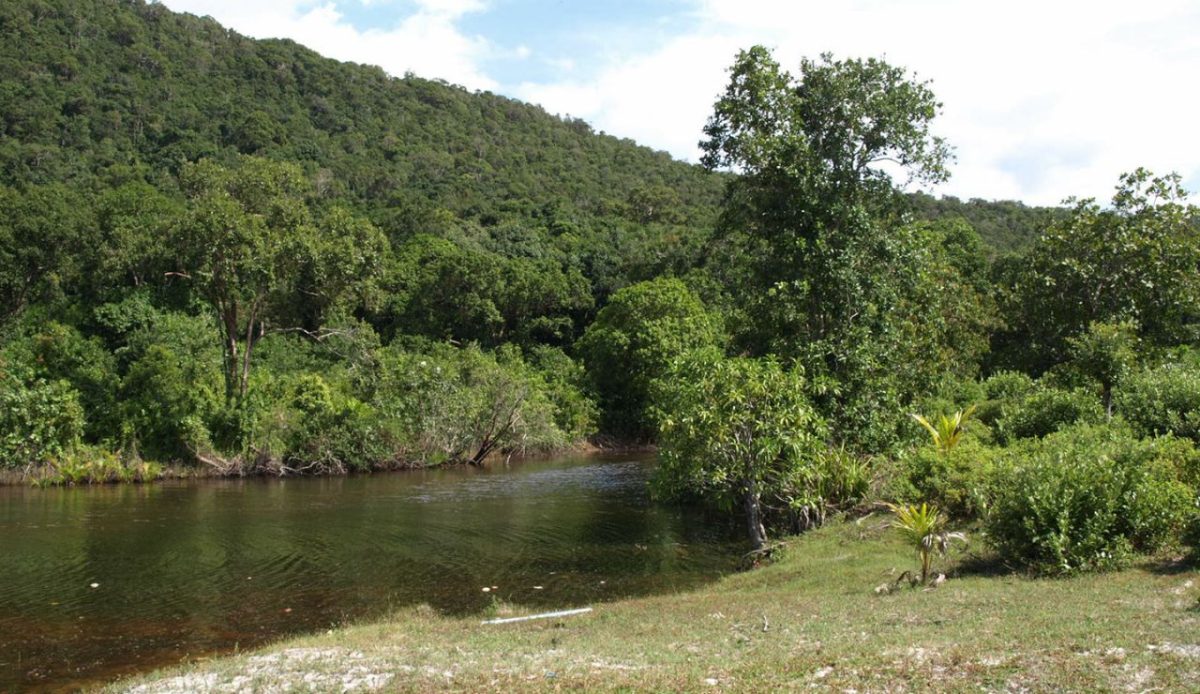
Koh Rong Sanloem, a pristine Cambodian island known for quiet beaches and crystal-clear waters, has seen a sharp decline in tourism. Overdevelopment, environmental degradation, and occasional storm damage have led many resorts to close or scale back operations. In the last five years, it quietly slipped off many travelers’ maps as infrastructure became unreliable. What was once a secluded paradise is now harder to access safely, reducing its appeal. While the island still exists, its diminished accessibility and hospitality infrastructure make it a destination that has effectively disappeared from the typical tourist radar.
4. Varosha, Cyprus
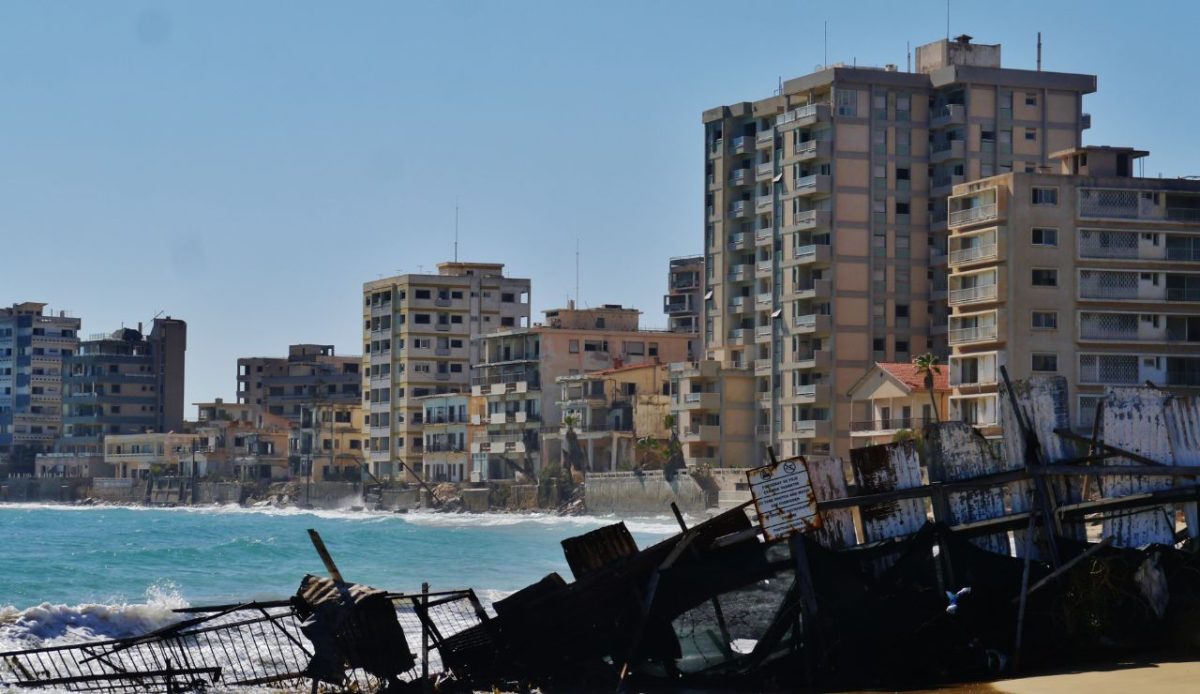
Varosha, once a thriving beach resort in Famagusta, Cyprus, has remained abandoned for decades, but recent developments have kept it off travel itineraries. Political tensions and military control prevent public access, leaving hotels and streets frozen in time. In the last five years, despite brief talks of reopening, Varosha has not returned to the travel map. Its eerie, empty streets are a reminder of geopolitical impacts on tourism. Travelers can no longer explore its cafes, beaches, or promenade. Varosha exemplifies how human conflict can erase destinations from visitor itineraries for decades.
5. Gunkanjima (Hashima Island), Japan
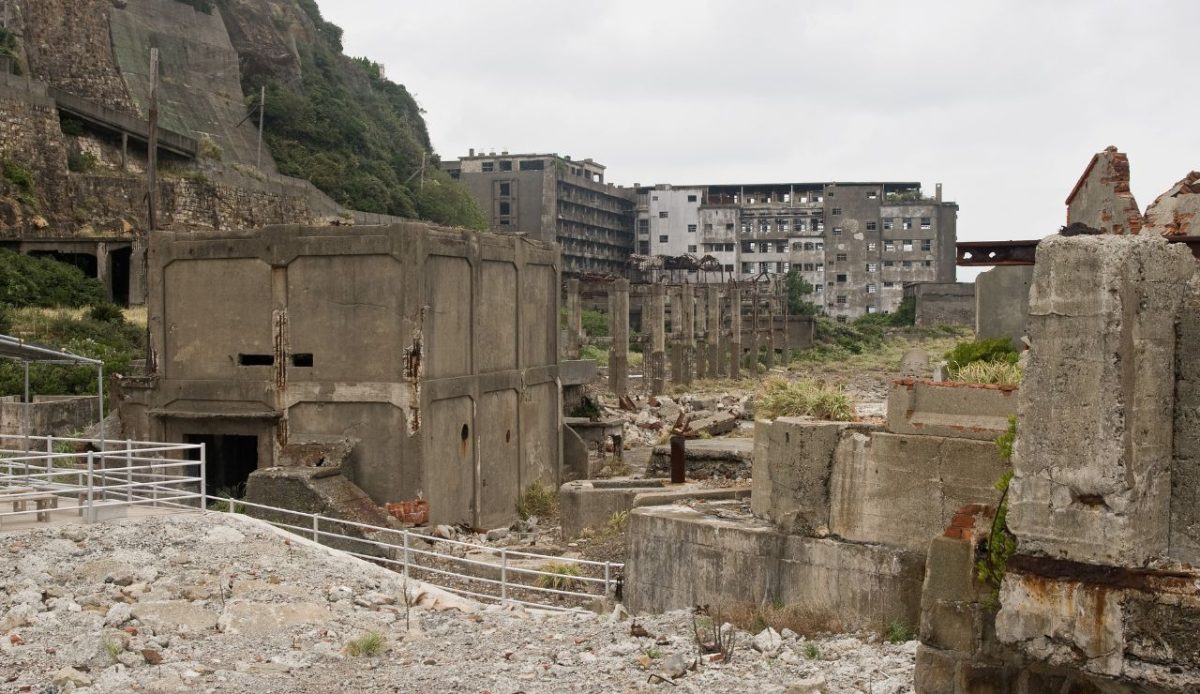
Hashima Island, nicknamed Gunkanjima for its battleship-like appearance, was once open for limited tourism, offering a glimpse into Japan’s coal mining history. Over the past five years, safety restrictions due to crumbling buildings and erosion have further limited access. Previously guided tours allowed tourists to explore parts of the island, but many areas are now off-limits. While still visible from boats, the destination has largely disappeared as an immersive experience. Hashima Island illustrates how natural decay and safety concerns can quietly remove historical sites from the active travel map.
6. Pripyat, Ukraine
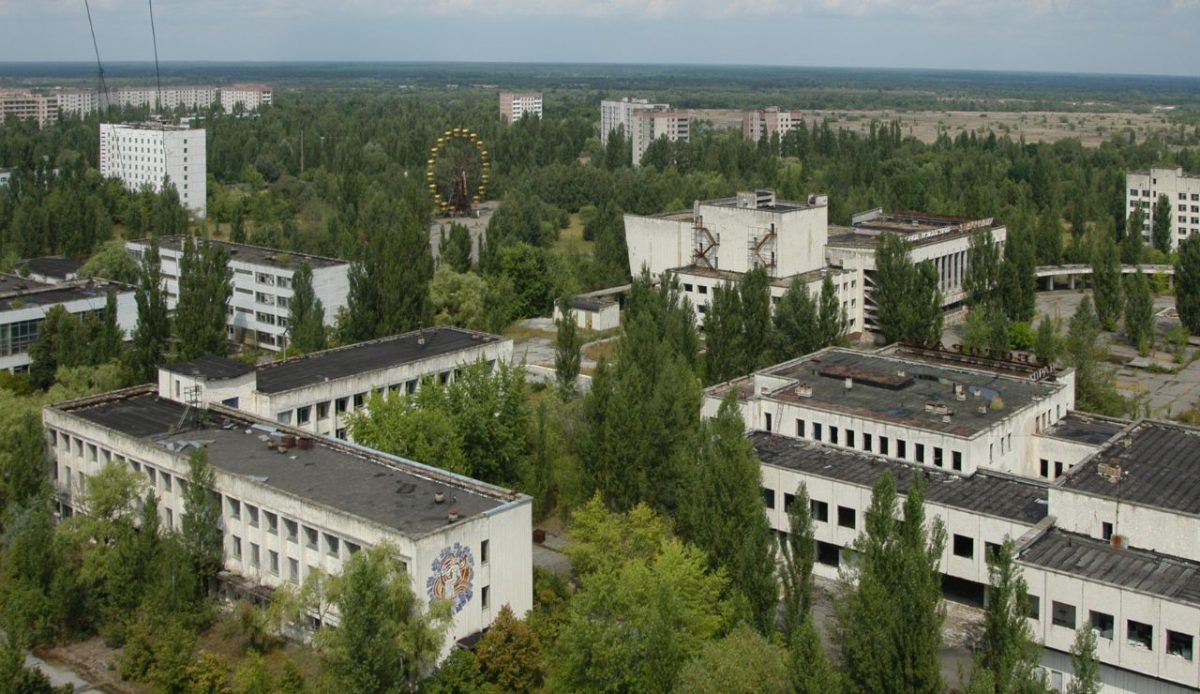
Pripyat, near Chernobyl, was a popular dark tourism site, attracting travelers interested in the abandoned Soviet city. Recently, increased safety regulations, political instability, and travel restrictions have limited access, sharply reducing tourism. Certain areas are now off-limits due to radiation or hazards from decaying infrastructure. Once a must-see for dark tourism enthusiasts, Pripyat’s accessibility has declined over the past five years. Visitors now experience glimpses from controlled tours, making much of the city effectively disappear from the open travel map while maintaining historical significance.
7. Balestrino, Italy
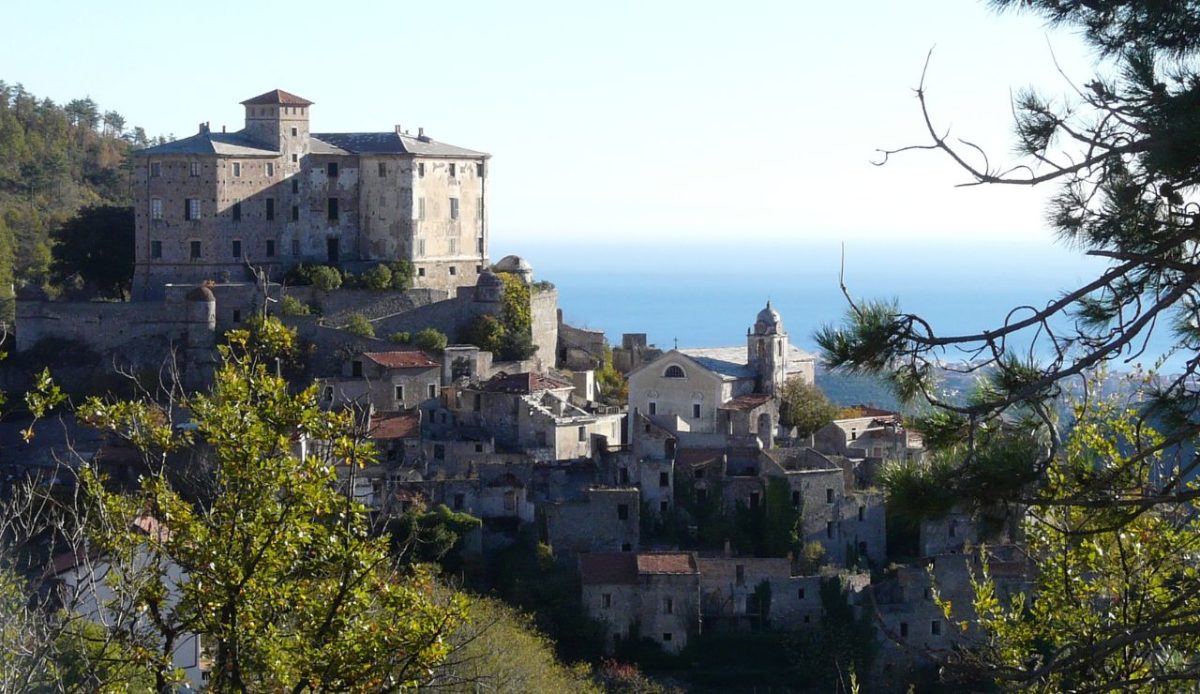
Balestrino, a medieval Italian village, faced gradual abandonment decades ago, but over the last five years, it has disappeared entirely from tourism guides. Landslides, structural instability, and depopulation have left streets, houses, and churches deserted. Travel blogs and guides now largely omit it as a viable destination. While photographers and urban explorers still visit occasionally, general tourism has vanished. Balestrino exemplifies how natural hazards and depopulation can quietly remove destinations from maps, leaving towns preserved in memory and photography rather than in active exploration for the modern traveler.
