
Cruise ships are built for decades of service, and many run 30 to 40 years with repeated refits. Lifecycle plans assume steady cash flow and periodic upgrades to meet new safety and emissions rules. Yet a few were retired much earlier when demand collapsed, and financing tightened.
Even in layup, a vessel still needs crew, insurance, class surveys, and machinery care. Berth fees, corrosion control, and safety drills keep bills coming with no ticket revenue.
The seven ships below were pulled from service ahead of normal timelines and never returned. Their endings reflect pandemic-era balance sheets, operator failures, and routes that no longer pencil out.
1. Carnival Fantasy
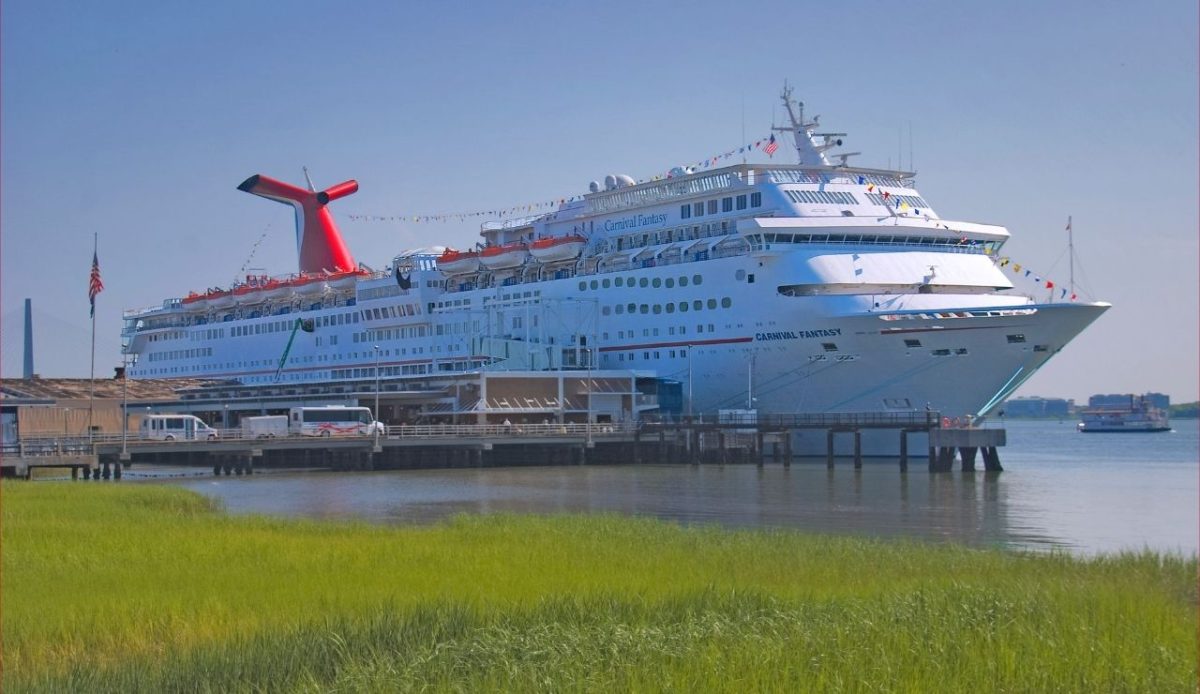
Carnival Fantasy entered service in 1990 and became a workhorse for short Caribbean runs. It was the first Fantasy-class ship, built for quick turnarounds and high occupancy. By age 30, it was older but still within a common operating window after refurbishment.
In July 2020, Carnival Corporation said the ship had been sold as part of a fleet reduction. With sailings paused, keeping it in layup meant paying crews, upkeep, and port costs without income. Upgrades for newer emissions expectations would also have added capital.
The vessel was sent to Aliağa on Turkey’s Aegean coast for recycling. It was one of several early 1990s ships removed to cut fuel use per berth and lower long-term operating costs.
2. Carnival Imagination
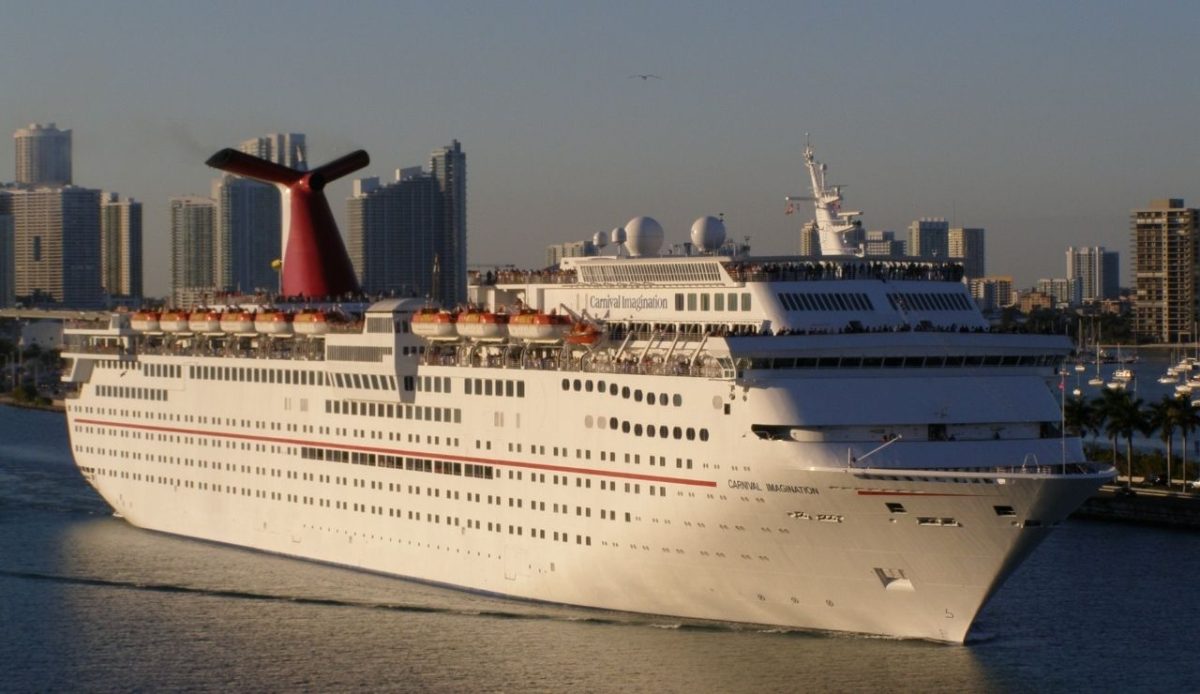
Carnival Imagination began sailing in 1995 and spent much of its life on short trips from California. It served Baja and Mexican Riviera routes and relied on fast turnaround operations. At 25 years old, it had time left under normal market conditions, especially after periodic dry docks.
During the 2020 shutdown, Carnival chose to slim capacity rather than hold every ship for a restart. A smaller ship can look costly when fuel, crew, and compliance are spread over fewer cabins. Uncertain West Coast demand made the numbers harder.
Imagination was withdrawn and later recycled at Aliağa, Turkey. Its exit showed how a midlife vessel can be treated like an end-of-life asset when cash preservation dominates.
3. Carnival Inspiration
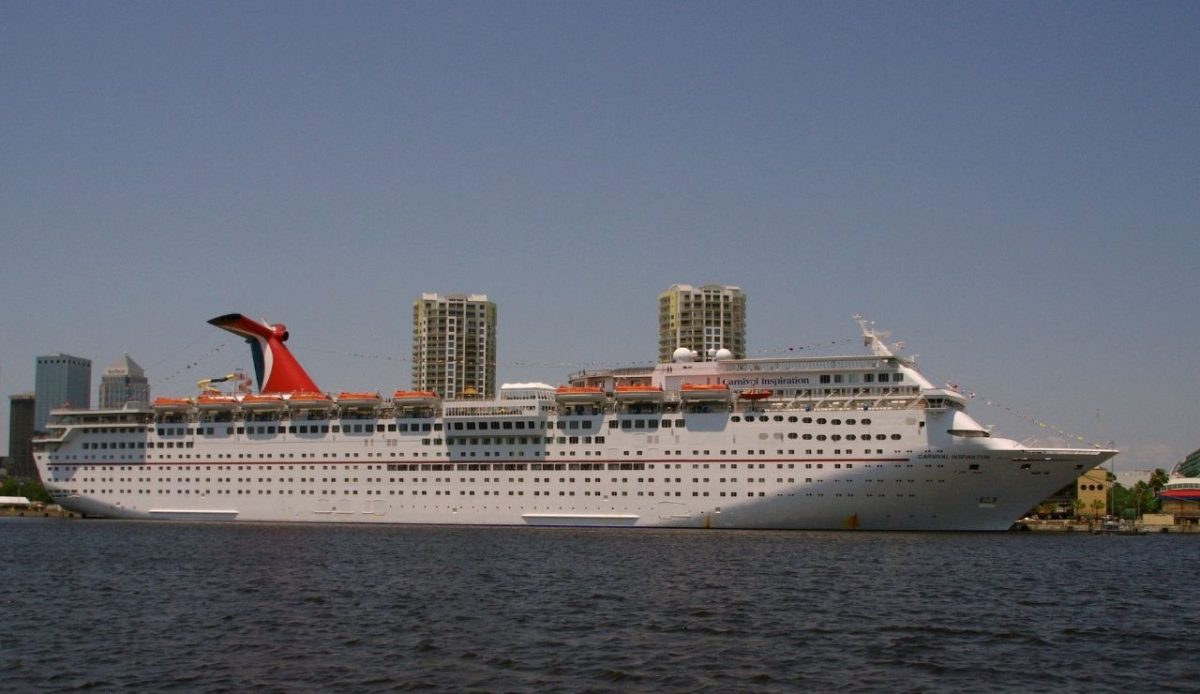
Carnival Inspiration entered service in 1996 and operated for years from Long Beach. It supported short itineraries where onboard spending must offset lower ticket prices. That model becomes fragile when occupancy forecasts drop.
In the same 2020 sell-down, the ship was sold after cruising was halted worldwide. Restarting would have required marketing, staffing, and maintenance spending before a single voyage paid back. For older machinery, efficiency gaps widen against newer ships.
Inspiration was taken to Aliağa for dismantling. The decision was tied to reducing fixed costs and focusing limited capital on ships with better fuel economy and newer systems.
4. Sovereign
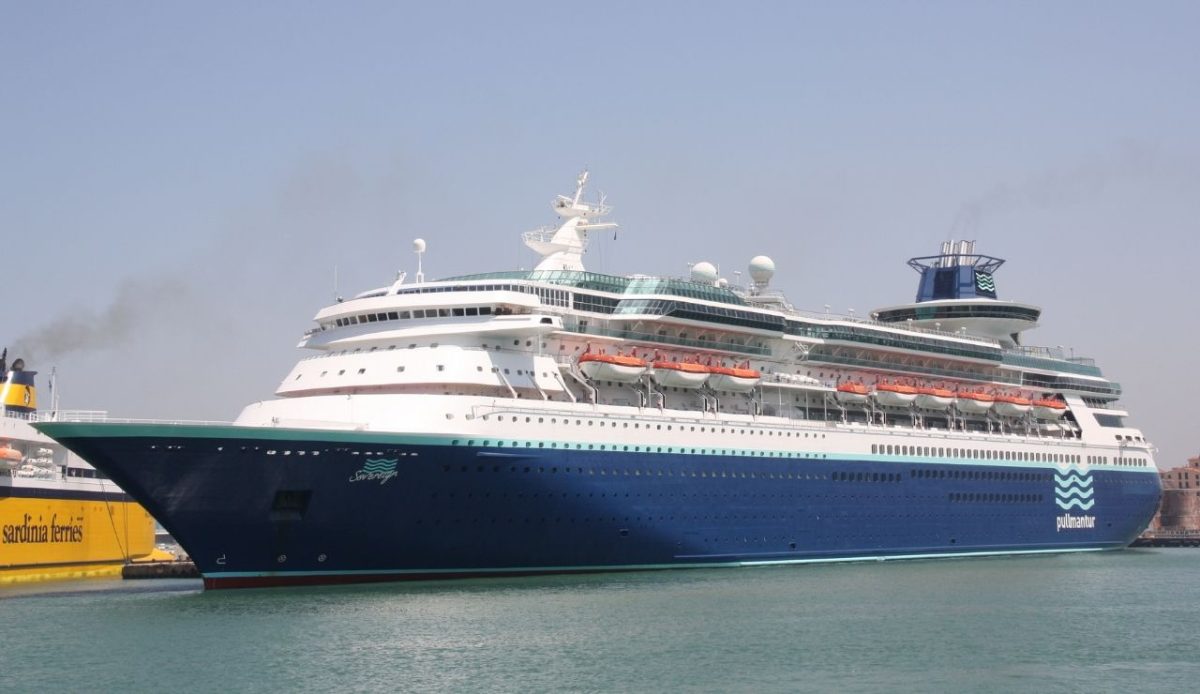
Sovereign entered service in 1987 as Sovereign of the Seas and helped set the template for large resort ships. After leaving Royal Caribbean, it sailed for Pullmantur, serving Spanish-speaking markets.
When Pullmantur collapsed during the long shutdown, the fleet was treated as collateral rather than future capacity. A return would have required new financing, refurbishment, and a sales pipeline that no longer existed. Without that support, continued layup made little sense.
The ship was sold for recycling in Turkey in 2020. Its retirement was accelerated by operator insolvency, not by a technical failure, and it ended decades of redeployments.
5. Monarch
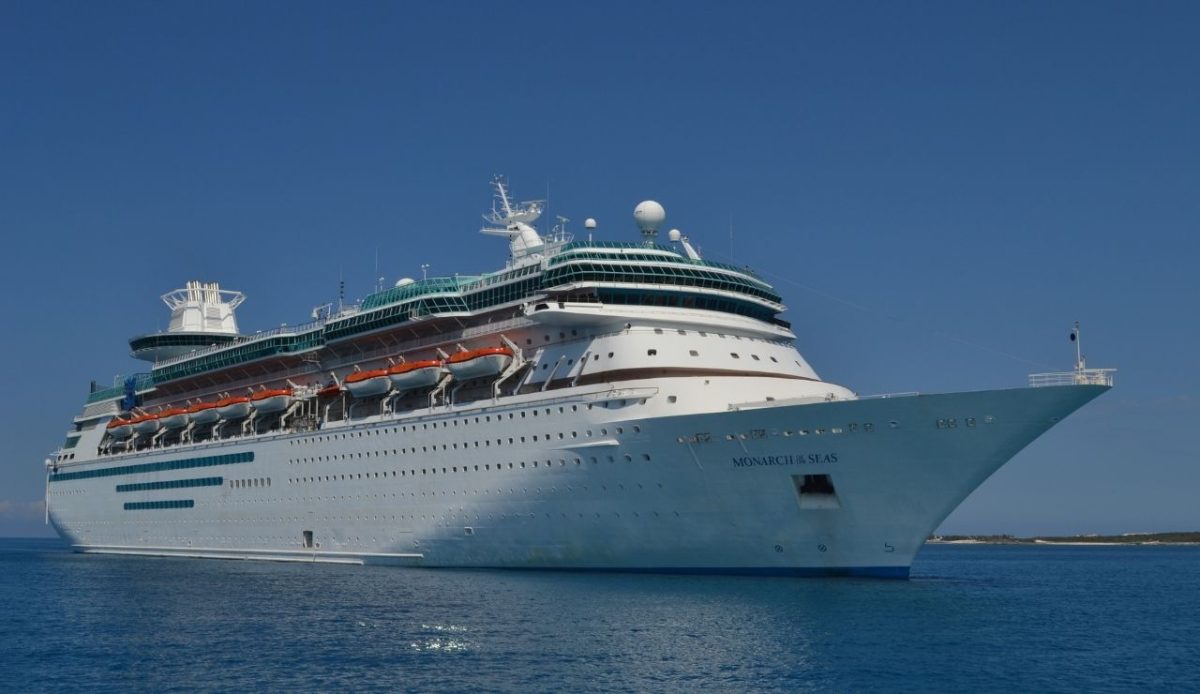
Monarch began life in 1991 as Monarch of the Seas and later moved to Pullmantur as Monarch. It carried more than 2,700 guests and had received updates meant to keep it competitive. It served Europe and the Caribbean with a focus on value itineraries and repeat guests.
In 2020, Pullmantur entered restructuring, and sailings were not resumed. Costs kept running for safety watch, class inspections, engine preservation, and port services while revenue stayed at zero. For a ship under 30 years old, the market shock mattered more than age.
Monarch was sent to Aliağa for ship breaking. The end came quickly once the operator failed, showing how corporate distress can shorten a ship’s life overnight.
6. Costa Victoria
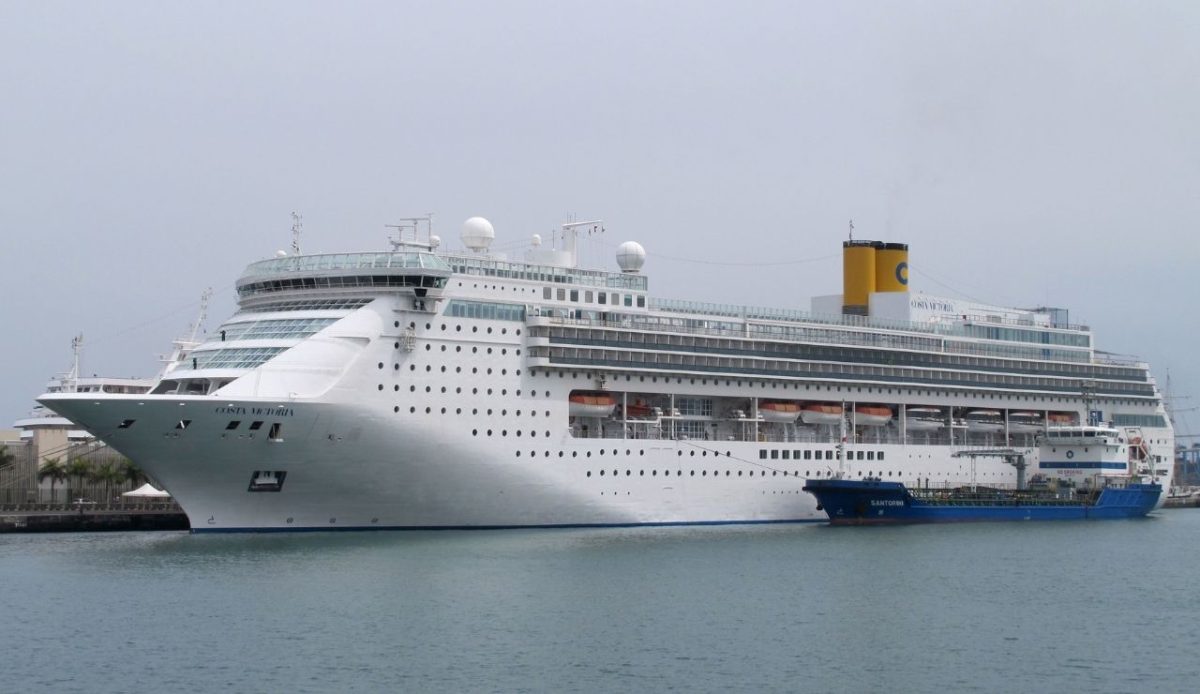
Costa Victoria entered service in 1996 and sailed a mix of European and Asian itineraries. It was a mid-sized ship that could be profitable when demand is steady, and port access is reliable.
During the pandemic contraction, the vessel was sold in 2020 and was soon earmarked for recycling. Keeping it ready for a restart would have required dry dock work, crew hiring, and route planning amid uncertain rules. Those costs were weighed against limited future earnings.
Costa Victoria was dismantled at Aliağa in 2021 after a tow to Turkey. At about 25 years old, it left service earlier than many peers, showing how market timing can outweigh remaining hull life.
7. Carnival Sensation
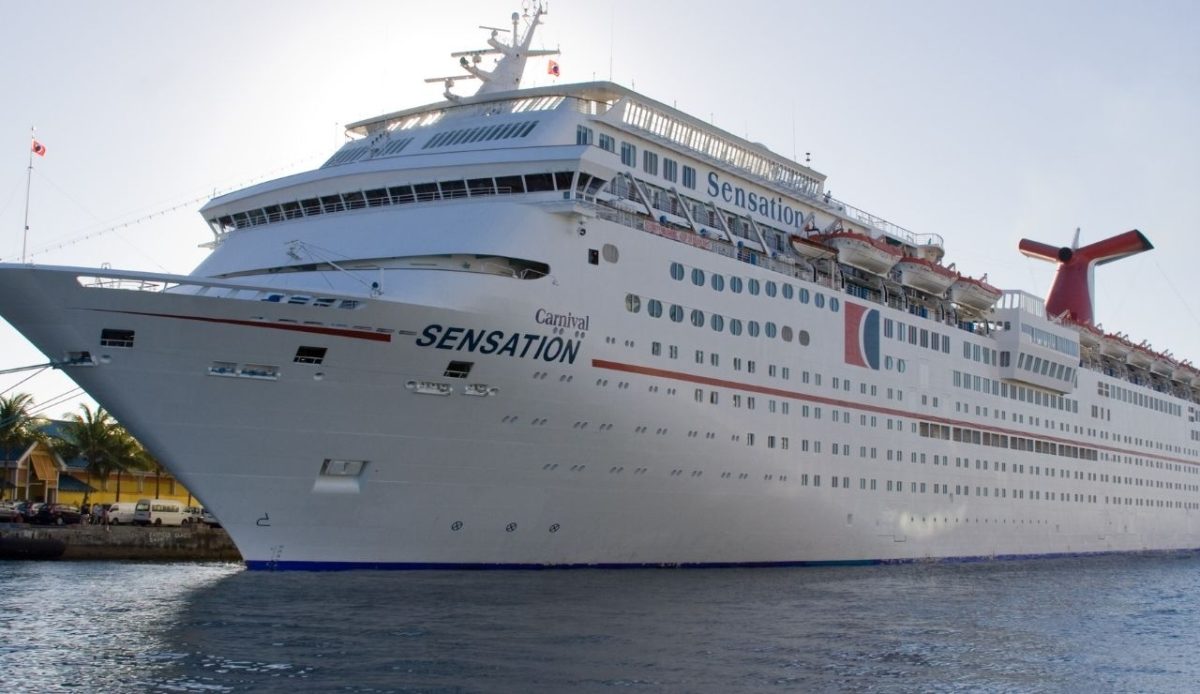
Carnival Sensation launched in 1993 and spent years on short Caribbean itineraries from Florida. It shared the Fantasy class design and relied on high-frequency sailings to fill cabins.
After the shutdown, the ship stayed out of service while Carnival adjusted its long-term capacity plan. A return would have required crew ramp-up, technical work, and compliance spending before demand was certain. Older ships also face higher fuel costs per passenger when compared with newer tonnage.
Sensation reached the recycling yards at Aliağa in 2022. Its retirement showed that the post-shutdown fleet was rebuilt around efficiency, not nostalgia or brand history.
